Skip to content
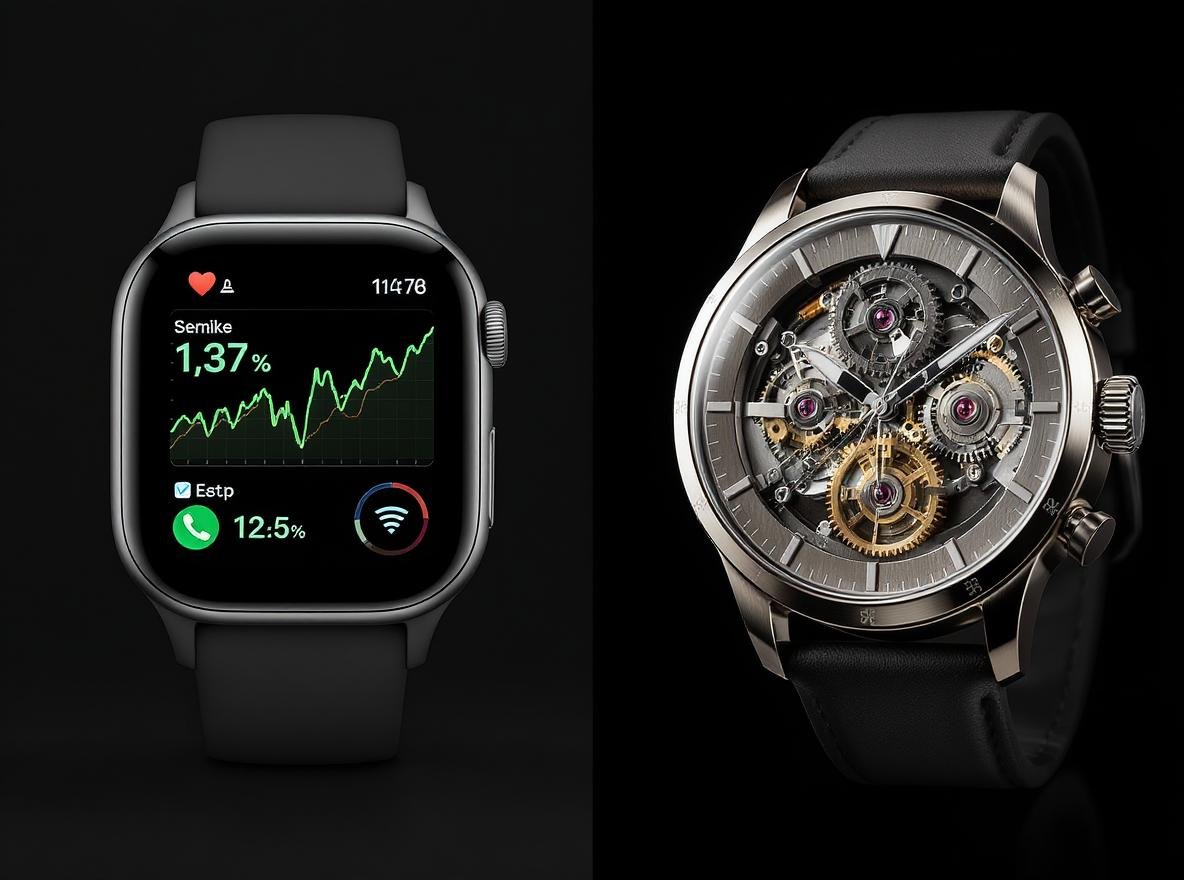
Choosing between a smartwatch and traditional watch affects both personal lifestyle and business inventory decisions. With smartwatch shipments reaching 171 million units in 2024 while Swiss watch exports hit record $28 billion values, both segments show remarkable growth through different strategies.
Smartwatches excel in health monitoring, connectivity, and app ecosystems but require daily charging and frequent replacements. Traditional watches offer superior durability, timeless aesthetics, and investment potential but lack modern functionality beyond timekeeping. Your choice depends on prioritizing cutting-edge features versus enduring craftsmanship.
Understanding these fundamental differences helps consumers make informed purchases and businesses optimize their watch inventory for diverse customer segments.
What Makes Smartwatches So Popular Among Modern Consumers?
Digital natives aged 18-35 represent 60% of global smartwatch owners, drawn by comprehensive connectivity and health features that traditional timepieces cannot match.
Smartwatches provide real-time notifications, comprehensive health tracking including ECG and SpO₂ monitoring, voice control capabilities, customizable interfaces, and continuous software updates. They function as personal health assistants, communication hubs, and productivity tools integrated into daily workflows.
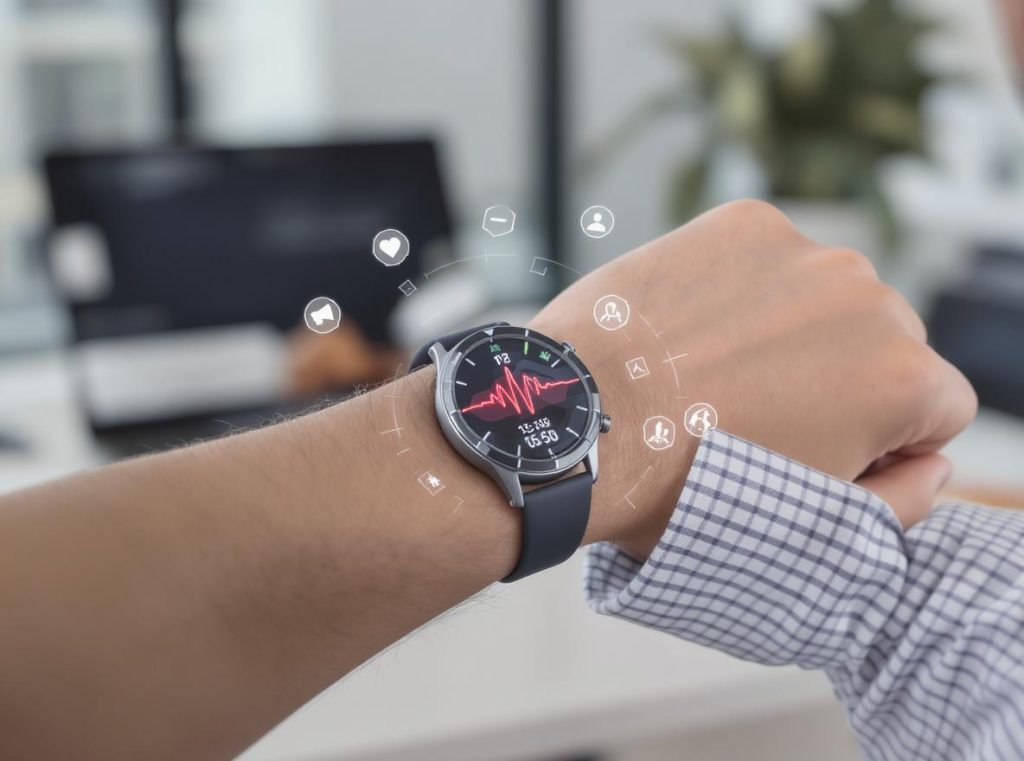
The technology packed into modern smartwatches addresses multiple lifestyle needs simultaneously, explaining their rapid market adoption despite higher initial costs.
Advanced Health and Fitness Monitoring
Modern smartwatches deliver medical-grade health insights that help users monitor chronic conditions and optimize fitness routines. These capabilities have become essential for health-conscious consumers and elderly users requiring fall detection.
Key health features transforming user experience:
- Continuous heart rate monitoring with irregular rhythm alerts
- Blood oxygen (SpO₂) levels for respiratory health assessment
- ECG readings detecting atrial fibrillation and other conditions
- Sleep pattern analysis with personalized improvement recommendations
- Fall detection with automatic emergency SOS functionality
- Stress monitoring with guided breathing exercises
Seamless Digital Integration
Smartwatches eliminate the need to constantly check smartphones, allowing users to stay connected while maintaining focus during meetings, workouts, or social situations.
| Connectivity Feature | Business Benefit | Consumer Impact |
|---|---|---|
| Call/Message Handling | Discreet meeting participation | Reduced phone dependency |
| Payment Integration | Contactless transactions | Wallet-free convenience |
| Navigation/GPS | Location-based reminders | Never miss appointments |
| Smart Home Control | Remote device management | Enhanced lifestyle automation |
Customization and App Ecosystem
The ability to download apps, change watch faces daily, and personalize functionality keeps users engaged long-term. This flexibility appeals particularly to younger demographics who value self-expression through technology.
Software updates continuously add new features without requiring hardware replacement, extending device value and user satisfaction beyond the initial purchase.
Why Do Traditional Watches Maintain Strong Market Appeal?
Despite smartwatch growth, traditional watch exports show remarkable resilience, with Swiss timepieces achieving 7% annual growth by focusing on luxury and craftsmanship positioning.
Traditional watches offer decades-long durability, require minimal maintenance, provide investment appreciation potential, and deliver timeless aesthetic appeal. Premium materials like titanium and gold, combined with mechanical precision, create heirloom pieces that transcend technological trends.
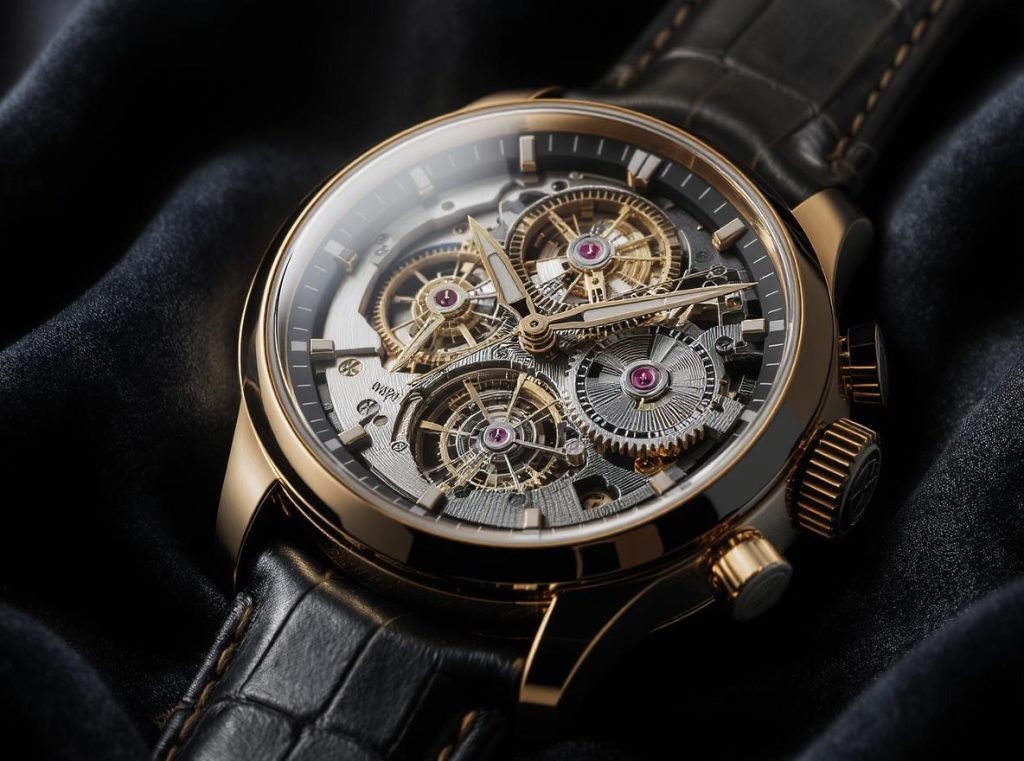
This enduring appeal explains why traditional watches continue capturing significant market share despite the digital revolution.
Exceptional Longevity and Reliability
Traditional watches, particularly mechanical models, can operate for decades or centuries with proper care. Quartz movements provide 18-month to 3-year battery life, while automatic movements require no external power source.
This reliability makes traditional watches ideal for:
- Remote travel where charging opportunities are limited
- Professional environments where digital devices are restricted
- Formal occasions requiring elegant, distraction-free timepieces
- Outdoor adventures demanding robust, solar-powered functionality
- Gift-giving situations emphasizing lasting symbolic value
Investment and Heritage Value
Many traditional watches appreciate over time, with iconic Swiss models often retaining 60-120% of their original value after five years, compared to smartwatches losing 80% of their value in the same period.
| Watch Category | 5-Year Resale Value | Investment Characteristics |
|---|---|---|
| Luxury Swiss (Rolex, Patek) | 80-120% MSRP | Strong appreciation potential |
| Mid-range Mechanical | 60-80% MSRP | Stable value retention |
| Quality Quartz | 30-40% MSRP | Moderate depreciation |
| Smartwatches | <20% MSRP | Rapid technological obsolescence |
Craftsmanship and Professional Status
Traditional watches signal sophistication, attention to detail, and appreciation for mechanical artistry. In professional settings, a quality timepiece communicates success and refined taste without technological distractions.
High-end mechanical movements represent centuries of horological innovation, appealing to collectors who value engineering excellence and manufacturing heritage over digital convenience.
What Are the Key Limitations of Smartwatches?
While offering impressive functionality, smartwatches face significant challenges affecting long-term user satisfaction and total ownership costs.
Smartwatches require daily charging, face rapid technological obsolescence, raise data privacy concerns, and typically need replacement every 3-5 years. Battery degradation, accuracy limitations during vigorous activity, and high flagship pricing ($300-$1,000) impact their practical value proposition.
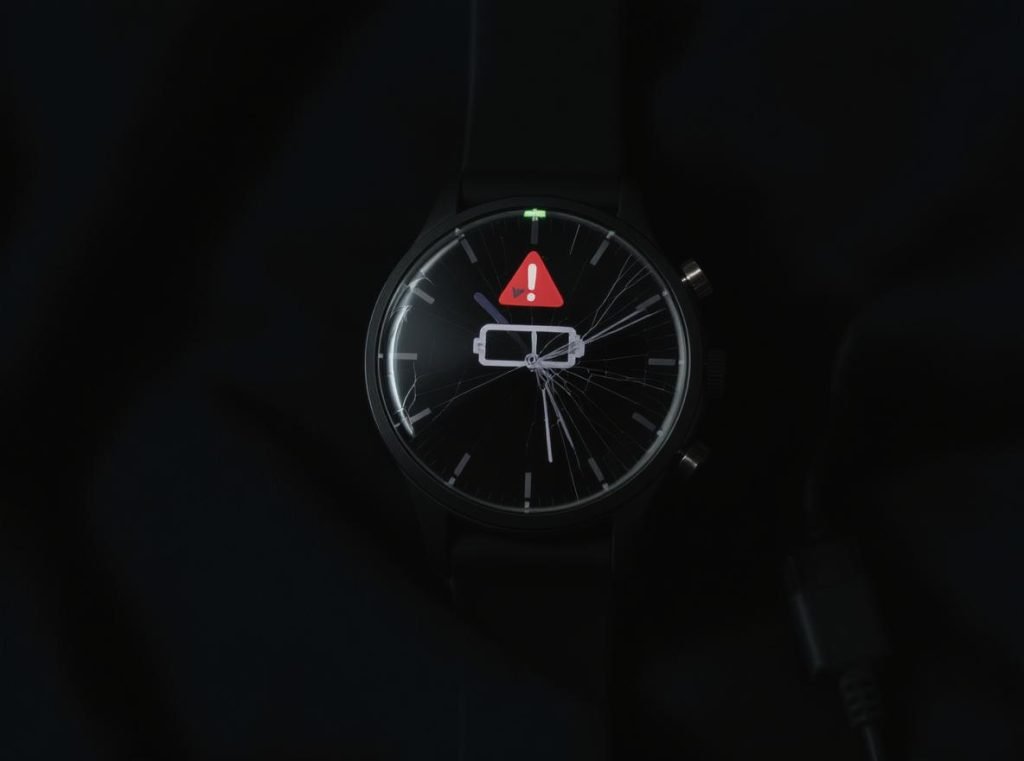
These limitations particularly affect users who travel frequently, prefer low-maintenance devices, or work in environments where constant charging isn’t feasible.
Battery Life and Charging Dependencies
Most smartwatches provide 1-3 days of battery life, requiring nightly charging that can disrupt travel routines and create anxiety about power availability. Battery degradation over time means older devices require increasingly frequent charging.
This dependency contrasts sharply with traditional watches that operate for months or years without intervention, making them more reliable for extended use situations.
Rapid Technological Obsolescence
The fast pace of smartwatch innovation creates a double-edged situation where today’s premium features become tomorrow’s basic expectations, forcing regular upgrades to maintain optimal functionality.
Common obsolescence challenges:
- Operating system updates that slow older hardware
- New health sensors requiring latest chipsets
- Discontinued support for 3-5 year old models
- Battery replacement costs approaching new device prices
- Outdated connectivity standards becoming incompatible
Privacy and Security Concerns
Constant data collection for health monitoring and connectivity features raises legitimate privacy concerns, particularly regarding biometric information sharing with third-party apps and cloud services.
Users must balance convenience benefits against potential security risks, especially in corporate environments with strict data protection requirements.
What Drawbacks Limit Traditional Watch Appeal?
Traditional watches face functionality limitations in our increasingly connected world that affect their relevance for tech-savvy consumers.
Traditional watches provide single-purpose timekeeping without health monitoring, connectivity features, or adaptability to changing user needs. They require periodic mechanical servicing, offer lower accuracy than digital alternatives, and cannot evolve through software updates.
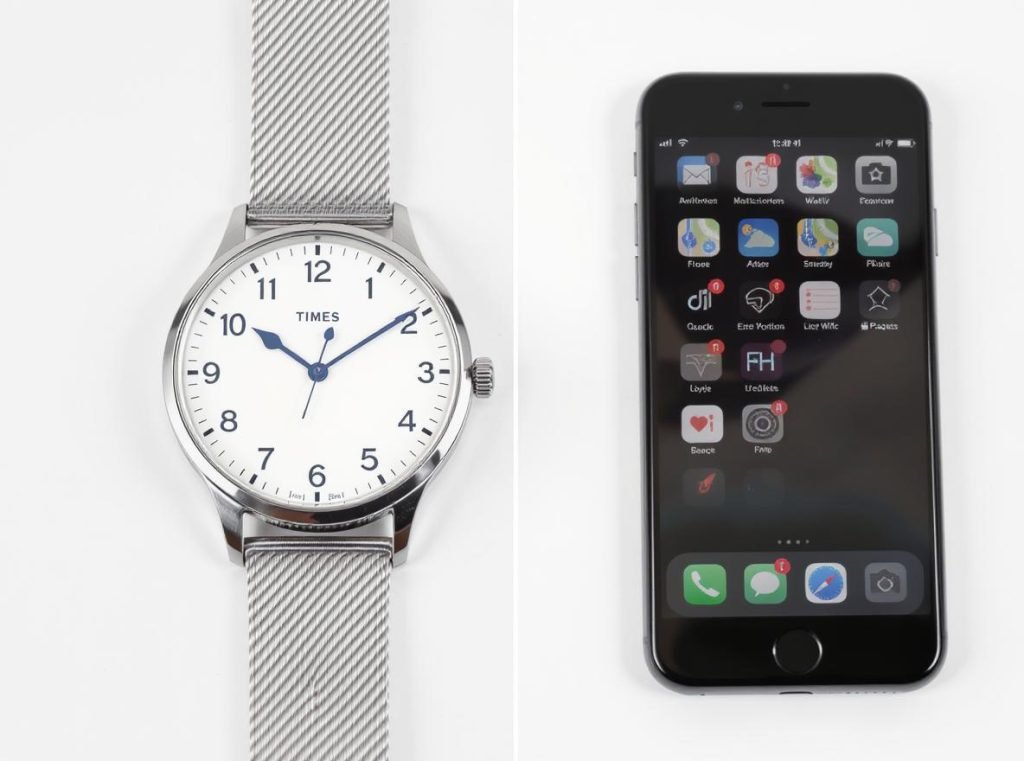
These constraints explain why younger demographics, despite appreciating traditional aesthetics, often choose smartwatches for their comprehensive functionality.
Limited Functionality Beyond Timekeeping
Traditional watches excel at one primary function while modern lifestyles demand multitasking capabilities. Users miss convenient features like:
- Fitness tracking and health monitoring
- Message notifications and call handling
- GPS navigation and location services
- Weather updates and calendar reminders
- Voice assistants and smart home integration
- Payment processing and digital wallet access
Maintenance Requirements and Accuracy Limitations
Mechanical watches require professional servicing every 3-5 years at costs ranging from $300-$1,000, while quartz models need periodic battery replacement. Accuracy varies significantly, with mechanical movements achieving ±5-10 seconds daily compared to GPS-synchronized smartwatches maintaining perfect time.
Environmental factors like magnetism, temperature changes, and physical shocks can affect traditional watch performance, requiring careful handling that smartwatches handle automatically through digital compensation.
Static User Experience
Traditional watches cannot adapt to changing preferences or add new capabilities throughout their lifetime. The interface, features, and functionality remain constant, potentially becoming outdated as user needs evolve.
This limitation particularly affects younger users who expect technology to grow with their changing lifestyles and preferences.
Which Watch Type Best Serves Different Consumer Segments?
Market research reveals distinct demographic preferences that help businesses optimize inventory allocation and marketing strategies for maximum customer satisfaction.
Tech-savvy consumers aged 18-35 prefer smartwatches for health tracking and connectivity, while luxury buyers and professionals favor traditional watches for status and reliability. Fitness enthusiasts choose smartwatches, while gift buyers select traditional pieces for symbolic value.
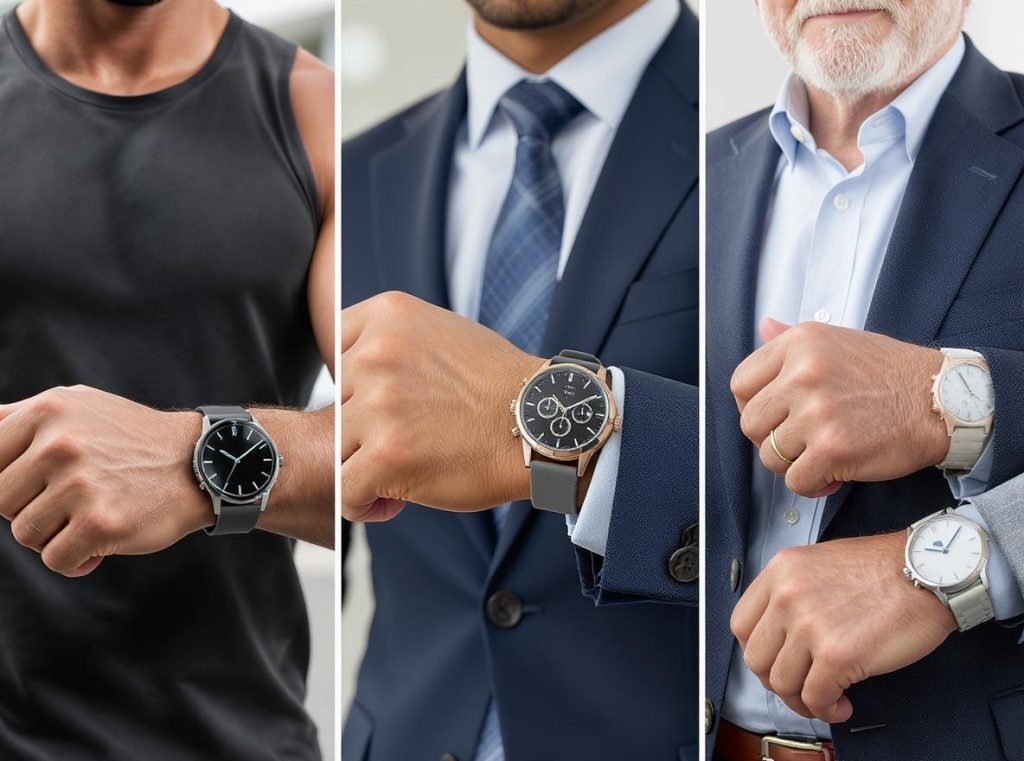
Understanding these preferences enables retailers to match inventory with target customer needs effectively.
Smartwatch Ideal Users
Digital natives and health-conscious consumers drive smartwatch adoption, valuing continuous connectivity and biometric monitoring over traditional aesthetics.
Primary smartwatch segments include:
- Fitness enthusiasts requiring detailed workout analytics and recovery tracking
- Healthcare patients needing continuous monitoring for chronic conditions
- Business professionals benefiting from discreet meeting notifications
- Elderly users requiring fall detection and emergency SOS capabilities
- Tech adopters wanting cutting-edge features and regular updates
Traditional Watch Premium Segments
Luxury consumers and style-conscious professionals maintain strong traditional watch demand, emphasizing craftsmanship, heritage, and investment potential over technological features.
| User Category | Primary Motivation | Preferred Features |
|---|---|---|
| Business Executives | Professional image enhancement | Dress watches, precious metals |
| Watch Collectors | Investment and heritage value | Limited editions, complications |
| Gift Purchasers | Symbolic milestone marking | Classic designs, engraving options |
| Outdoor Enthusiasts | Durability without technology | Solar power, water resistance |
Emerging Hybrid Market
Hybrid smartwatches bridge traditional aesthetics with modern functionality, appealing to users who want some smart features without sacrificing classic watch appearance. Brands like TAG Heuer Connected target affluent consumers seeking luxury aesthetics with health tracking capabilities.
How Are Market Trends Shaping Watch Industry Future?
Current market dynamics show both segments growing through different strategies, creating opportunities for businesses that understand evolving consumer preferences.
Smartwatch revenue is projected to reach $40.6 billion by 2030 with 6.1% CAGR, while Swiss watch exports maintain 7% annual growth through premiumization. Health AI integration, sustainability concerns, and regional preferences drive segment-specific expansion patterns.

These trends directly impact wholesale strategies and inventory planning for watch retailers worldwide.
Smartwatch Market Evolution
The smartwatch market shows maturation in developed regions while experiencing rapid growth in emerging markets, particularly China with 37% year-over-year growth in Q1-2025.
Key growth drivers reshaping the industry:
- Advanced health sensors including blood glucose monitoring pilots
- AI-powered health insights and predictive analytics
- Improved battery technology extending usage time
- Corporate wellness programs adopting wearable technology
- Enhanced integration with smart home ecosystems
Traditional Watch Market Resilience
Traditional watches maintain strong performance by focusing on luxury positioning and emotional value propositions that smartwatches cannot replicate.
Market strength indicators:
- Record Swiss export values despite smartwatch competition
- Growing vintage and pre-owned watch markets among younger collectors
- Sustainability messaging around decades-long product lifespans
- Cultural significance maintaining demand in traditional markets
- Limited edition releases creating scarcity-driven appreciation
Regional and Demographic Insights
| Region | Smartwatch Preference | Traditional Watch Strength | Key Trends |
|---|---|---|---|
| North America | High (tech adoption) | Luxury/gift segments | Market saturation approaching |
| China | Rapid growth (Huawei/Xiaomi) | Emerging luxury interest | Domestic brand loyalty |
| Europe | Moderate growth | Strong Swiss heritage | Sustainability focus |
| Asia-Pacific | Price-sensitive adoption | Status symbol importance | Feature-rich budget models |
What Inventory Strategies Should Watch Businesses Adopt?
Successful watch retailers balance both segments while understanding regional preferences, demographic trends, and seasonal demand patterns.
Optimal inventory allocation requires 40% smartwatch, 60% traditional watch mix for luxury-focused stores, with inverse ratios for tech retailers. Consider 12-18 month smartwatch replacement cycles versus decades-long traditional watch lifecycles when planning stock levels and vendor relationships.
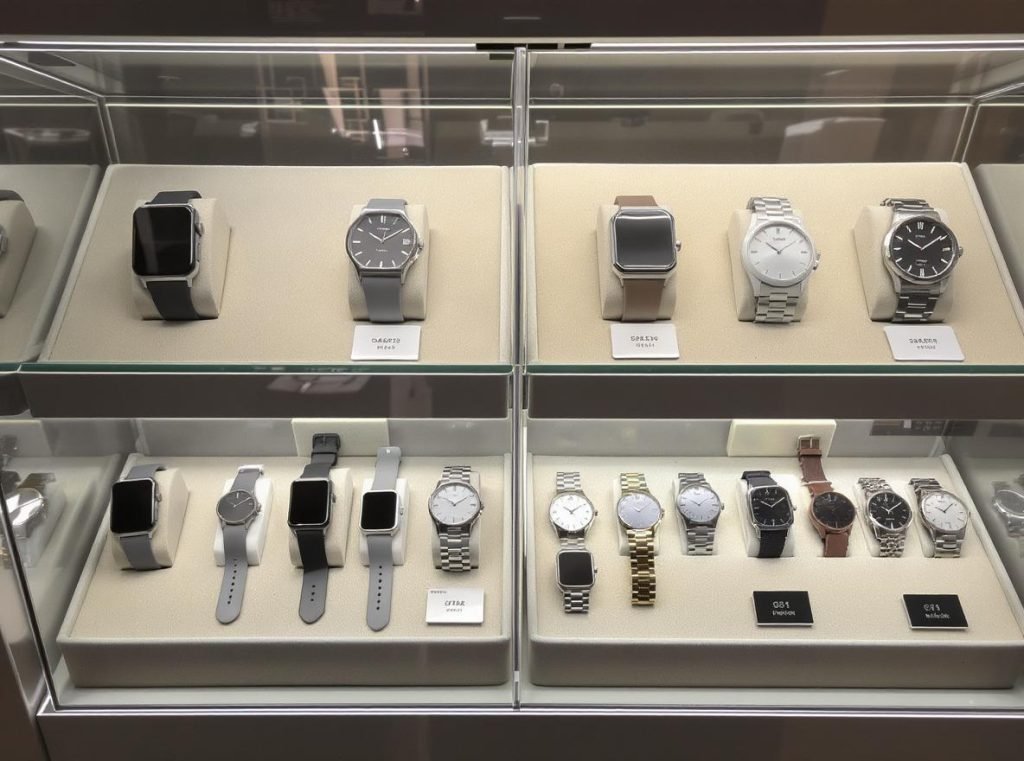
Strategic inventory management maximizes profitability while serving diverse customer segments effectively.
Diversified Product Portfolio Approach
Smart inventory allocation balances volume-driven smartwatch sales with higher-margin traditional watch transactions, creating sustainable revenue streams across market fluctuations.
Recommended allocation strategies:
- Entry-level smartwatches ($100-300) for volume and customer acquisition
- Mid-range traditional watches ($300-1,500) for reliable margins
- Premium mechanical timepieces ($1,500+) for high-value transactions
- Hybrid models bridging both segments for style-conscious tech users
Customer Education and Service Excellence
Success requires educating customers about the distinct value propositions of each watch type while providing appropriate support services.
Essential service components:
- Smartwatch setup assistance and app integration training
- Traditional watch maintenance education and servicing partnerships
- Comparative demonstrations highlighting unique benefits
- Warranty programs building customer confidence
- Trade-in programs facilitating upgrades
Supplier Relationship Management
Building strong partnerships with reliable manufacturers ensures consistent quality, competitive pricing, and access to latest innovations across both segments.
When evaluating suppliers like Osmarto, consider:
- Manufacturing capability for both smartwatch and traditional designs
- Quality control processes ensuring reliable products
- Customization options for private labeling opportunities
- Technical support and warranty programs
- Market insight and trend awareness
- Competitive pricing maintaining healthy margins
For retailers seeking reliable smartwatch suppliers who understand market dynamics and can provide innovative products meeting diverse customer needs, partnering with established manufacturers proves essential. Contact Osmarto today to discuss your wholesale requirements and discover how our comprehensive smartwatch solutions can help your business capture growing market opportunities while serving customers’ evolving preferences.
Summary
The watch market successfully accommodates both smartwatches and traditional timepieces serving distinct consumer needs. Smartwatches dominate volume through health monitoring and connectivity features appealing to younger, tech-savvy users, while traditional watches maintain value through craftsmanship, durability, and investment potential attracting luxury buyers and professionals. Successful businesses stock balanced inventories matching their target demographics while providing appropriate education and services for each segment.