Skip to content
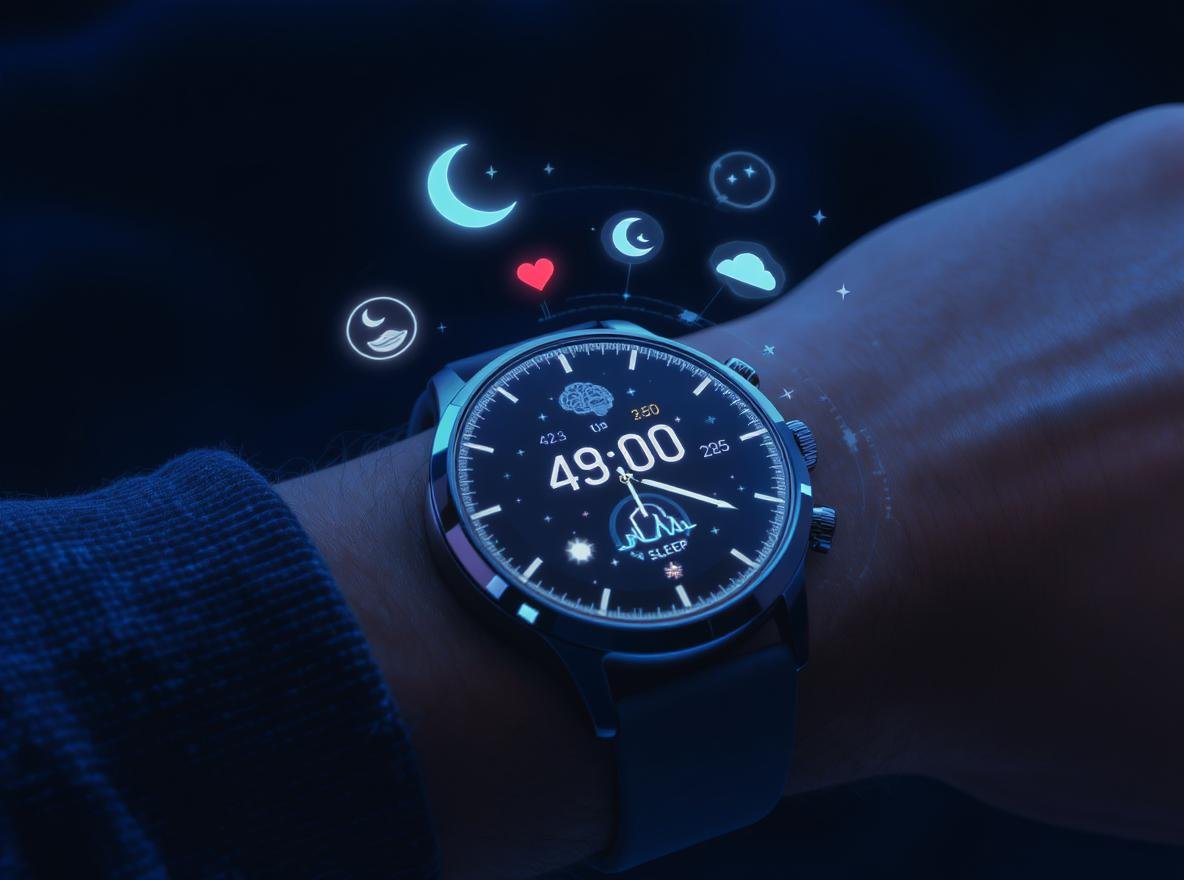
Are you curious about how your smartwatch magically knows when you’re sleeping and can even tell you about your sleep stages? This technology might seem mysterious, but it’s actually based on sophisticated sensors and algorithms working together to monitor your body’s signals throughout the night.
Smartwatches detect sleep and track sleep stages using multiple sensors including accelerometers that monitor movement, photoplethysmography (PPG) sensors that measure heart rate and blood flow changes, and advanced machine learning algorithms that analyze these combined data patterns. The device identifies sleep onset when movement decreases significantly and heart rate patterns change, then determines different sleep stages based on heart rate variability and body movement throughout the night.
Understanding how this technology works can help you make informed decisions when sourcing smartwatches for your business or choosing the right sleep tracking features for your customers.
What Sensors Do Smartwatches Use to Detect Sleep?
Many business owners wonder about the core technology behind sleep tracking when evaluating smartwatch products for their inventory.
Modern smartwatches employ a combination of primary sensors including accelerometers for movement detection, PPG (photoplethysmography) sensors for heart rate monitoring, and gyroscopes for orientation tracking. Advanced models also include SpO2 sensors for blood oxygen measurement, skin temperature sensors, and ECG sensors for comprehensive sleep analysis.
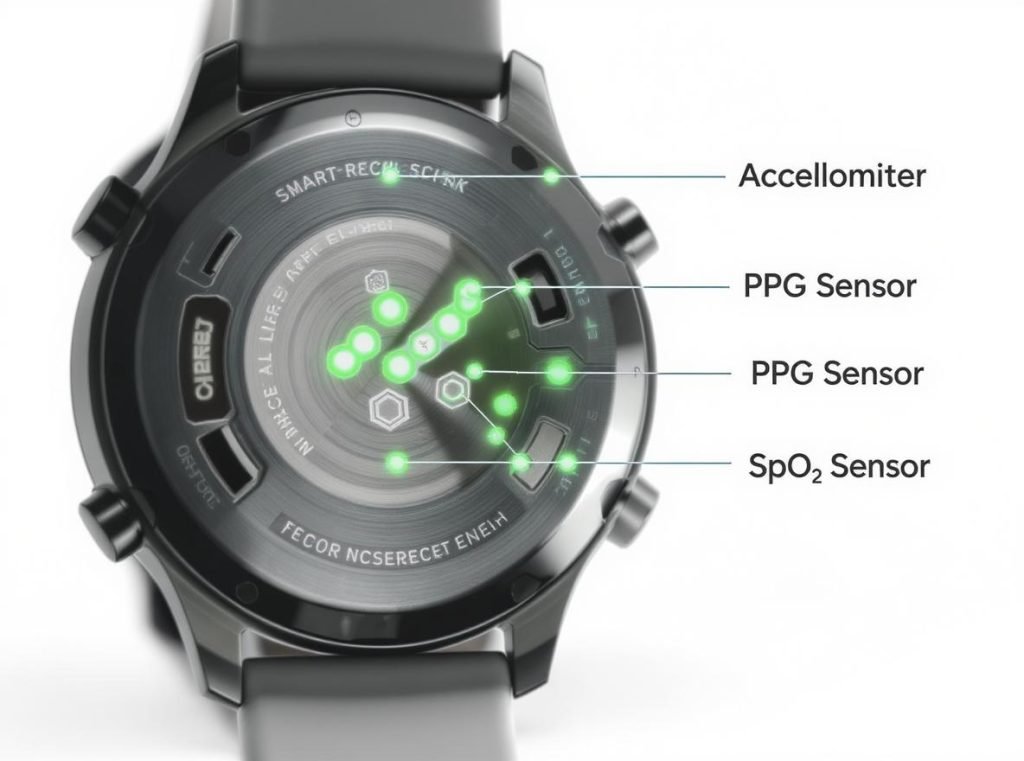
The foundation of smartwatch sleep tracking lies in sensor fusion technology. Research shows that smartwatches primarily use accelerometer and PPG sensors as the core components, with additional sensors enhancing accuracy and providing deeper insights.
Primary Sensor Technologies:
Accelerometer and Gyroscope
The accelerometer detects movement patterns and can determine whether you are awake, in light sleep, or in deep sleep based on motion analysis. Working together with gyroscopes, these sensors provide accurate data on movements and orientation, distinguishing between different types of movements during sleep.
PPG Heart Rate Monitor
PPG sensors use green LED lights and optical sensors to measure heart rate throughout the night. This technology can capture the modulation of the autonomic nervous system during sleep by detecting changes in blood flow through light absorption, making it crucial for sleep stage identification.
Advanced Sensor Integration
Premium smartwatches incorporate additional sensors for enhanced monitoring:
| Sensor Type | Primary Function | Sleep Data Collected |
|---|---|---|
| Accelerometer | Movement Detection | Body position, restlessness, sleep onset |
| PPG Sensor | Heart Rate/HRV Monitoring | Heart rate variability, sleep stages |
| SpO2 Sensor | Blood Oxygen Monitoring | Breathing issues, sleep apnea indicators |
| Temperature Sensor | Skin Temperature | Sleep quality indicators, circadian rhythms |
| ECG Sensor | Heart Rhythm Analysis | Detailed cardiovascular patterns |
How Does a Smartwatch Know You’ve Fallen Asleep?
Understanding sleep onset detection is crucial for businesses evaluating the accuracy of different smartwatch models.
Smartwatches identify sleep onset using sophisticated algorithms that analyze the combination of decreased movement patterns detected by accelerometers and changes in heart rate measured by PPG sensors. When both movement drops significantly and heart rate settles into sleep patterns over sustained periods, the algorithm determines you’ve fallen asleep.
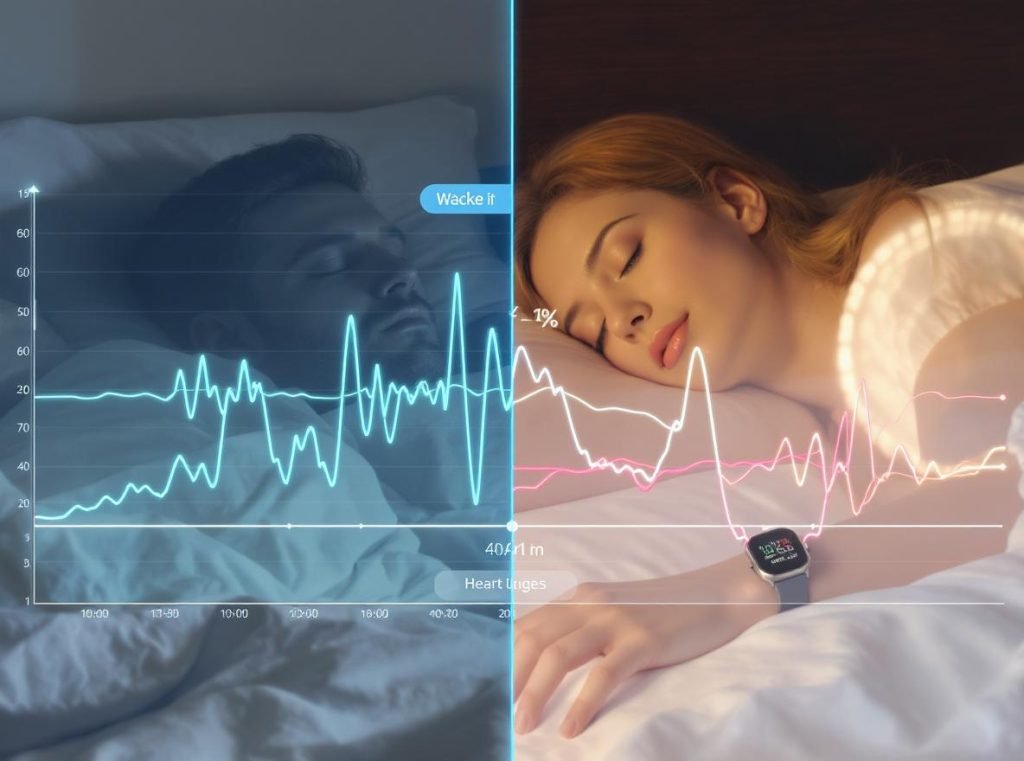
The sleep detection process involves advanced pattern recognition techniques. Modern devices achieve approximately 90-97% accuracy in sleep-wake detection, with 93-97% sensitivity for detecting sleep epochs.
Advanced Detection Methods:
Modern smartwatches employ the Cole-Kripke algorithm, which uses weighted activity scores across multiple time epochs to determine sleep versus wake states. Advanced devices use sliding window algorithms to identify the major sleep episode automatically.
Detection Process Timeline:
- Continuous Monitoring: Device tracks normal activity levels and heart rate patterns
- Pattern Analysis: Algorithms detect decreasing movement and cardiovascular changes
- Sleep Confirmation: After sustained periods of low activity and sleep-pattern indicators, sleep onset is confirmed
- Ongoing Assessment: Throughout the night, sensors continuously monitor for wake periods and stage transitions
The accuracy varies by manufacturer and algorithm sophistication, with wake detection specificity ranging from 48-62% and sleep detection sensitivity reaching 93-97%, making this an important consideration for businesses sourcing reliable sleep tracking devices.
What Technology Identifies Different Sleep Stages?
Sleep stage identification represents the most sophisticated aspect of smartwatch sleep tracking technology.
Smartwatches identify sleep stages by analyzing heart rate variability (HRV), movement patterns, and breathing indicators through combined accelerometer and PPG sensor data processed by machine learning algorithms. Different sleep stages show distinct physiological signatures including varying HRV patterns, with deep sleep showing lower variability and REM sleep showing higher variability that algorithms can recognize and classify.
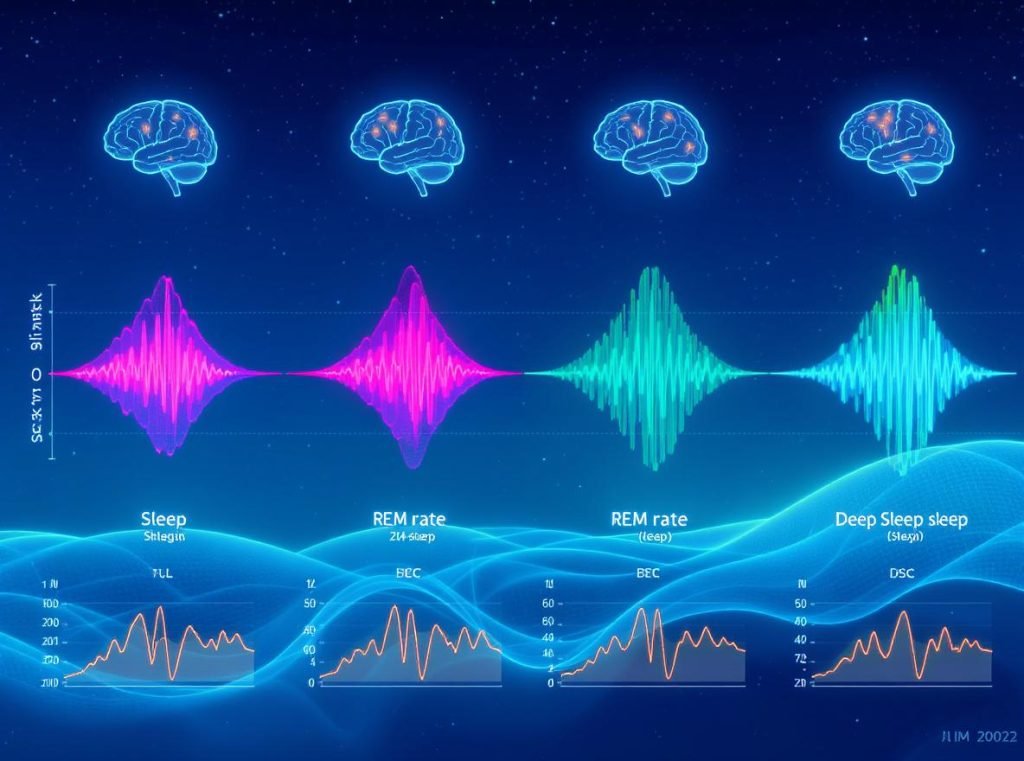
Advanced algorithms analyze up to 79 different features from sensor data to achieve accurate sleep stage classification. This multi-feature approach enables more precise detection than single-parameter systems.
Machine Learning Classification Methods:
Convolutional Neural Networks (CNNs)
These extract time and frequency features from sensor data, enabling pattern recognition across different sleep stages.
Support Vector Machines (SVM)
SVM algorithms classify sleep stages using polynomial kernels, achieving up to 84% accuracy in controlled studies.
Deep Learning Models
Neural networks with bi-directional LSTM components learn transition rules between sleep stages, incorporating temporal patterns for improved accuracy.
Sleep Stage Detection Process:
- Light Sleep (NREM Stage 1 & 2): Moderate heart rate reduction with minimal movement patterns
- Deep Sleep (NREM Stage 3): Significant heart rate drops, minimal movement, most restorative phase
- REM Sleep: Higher heart rate variability with characteristic movement signatures
- Wake Periods: Sudden increases in movement and heart rate changes during brief awakenings
Research shows that PPG-based sleep staging can achieve 72-86% accuracy for three-class classification (wake, NREM, REM) under optimal conditions, making algorithm sophistication a key differentiator in the market.
How Accurate Are Smartwatch Sleep Stage Measurements?
Accuracy concerns are paramount for businesses considering smartwatch inventory and customer satisfaction.
Smartwatch sleep stage accuracy varies significantly by brand and model, with modern consumer devices achieving 60-85% accuracy for sleep stage classification compared to professional polysomnography equipment. Sleep-wake detection shows higher accuracy at 90-97%, while individual sleep stage sensitivity ranges from 50-86% depending on the device and sleep stage measured.
Recent validation studies have evaluated multiple wearable devices against professional sleep lab equipment, providing valuable benchmarks for different technologies and manufacturers.
Detailed Accuracy Breakdown:
Professional sleep labs use polysomnography (PSG) which monitors brain waves, eye movements, and muscle activity. Consumer smartwatches work with more limited data but use sophisticated algorithms to approximate these measurements.
Brand Performance Comparison:
| Device | Light Sleep Sensitivity | Deep Sleep Sensitivity | REM Sleep Sensitivity |
|---|---|---|---|
| Oura Ring Gen4 | 78.2% | 79.5% | 76.0% |
| Apple Watch Series 8/10 | 86.1% | 50.5% | 82.6% |
| Fitbit Sense 2 | 78.0% | 61.7% | 67.3% |
| Samsung Galaxy Watch | High accuracy | Comprehensive analysis | Advanced detection |
Factors Affecting Measurement Accuracy:
- Individual physiological differences impact sensor readings
- Device placement and fit significantly affect data quality
- Sleep disorders may reduce accuracy compared to healthy sleep patterns
- Motion artifacts and signal processing limitations can introduce errors
For businesses, understanding these accuracy limitations helps set appropriate customer expectations while highlighting the value of sleep trend monitoring over precise medical measurements.
What Algorithms Process Sleep Data in Smartwatches?
The sophistication of sleep analysis algorithms directly impacts the quality of insights your smartwatch products can provide.
Modern smartwatches use multi-stage algorithmic processing including signal preprocessing, feature extraction, machine learning classification, and post-processing refinement. These algorithms employ ensemble methods combining multiple classifiers (XGBoost, Random Forest, SVM), deep learning networks like ResNet architectures, and circadian modeling for comprehensive sleep analysis.

The algorithmic pipeline involves sophisticated data processing steps that transform raw sensor measurements into meaningful sleep insights.
Data Processing Pipeline:
Signal Preprocessing
Raw sensor data undergoes filtering, normalization, and segmentation into 30-second epochs to prepare for analysis.
Feature Extraction
Multiple physiological features are calculated from heart rate, motion, and other sensor data, with advanced systems analyzing up to 79 different parameters.
Multi-Level Classification
Hierarchical systems first detect sleep-wake states, then classify specific sleep stages using machine learning models trained on extensive datasets.
Post-Processing and Validation
Temporal smoothing and sleep architecture rules refine the final output, ensuring biologically plausible sleep patterns.
Advanced Algorithmic Approaches:
- Ensemble Methods: Combining multiple classifiers for improved accuracy and reliability
- Deep Learning Networks: LSTM networks for temporal pattern recognition and stage transitions
- Circadian Modeling: Incorporating circadian rhythm predictions as additional features for enhanced accuracy
Most commercial devices use proprietary algorithms that are continuously updated, while research communities develop open-source alternatives for transparent validation and improvement.
Can Smartwatches Detect Sleep Disorders?
Sleep disorder detection capabilities represent an emerging market opportunity for advanced smartwatch features.
While smartwatches cannot definitively diagnose sleep disorders, recent FDA approvals have recognized their screening capabilities. In 2024, both Samsung Galaxy Watch and Apple Watch received FDA clearance for sleep apnea detection, using advanced sensors to monitor breathing disturbances and blood oxygen levels with 100% sensitivity and 90% specificity for moderate-to-severe cases.
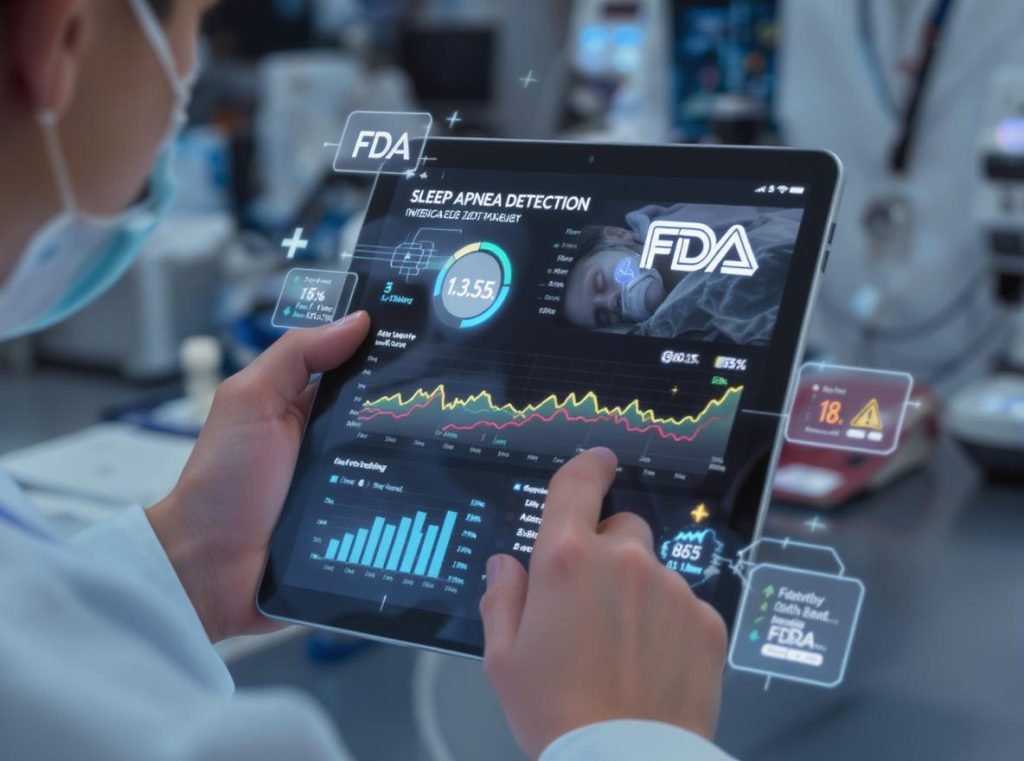
This represents a significant advancement in wearable health technology, opening new market opportunities for businesses offering medical-grade screening capabilities.
FDA-Approved Sleep Apnea Detection:
Samsung Galaxy Watch
Uses BioActive Sensor technology to track blood oxygen levels and estimate apnea-hypopnea index (AHI), providing clinically relevant screening data.
Apple Watch Series 9/10
Monitors breathing disturbances using accelerometers over 30-day periods, detecting patterns consistent with sleep apnea episodes.
Screening Capabilities and Limitations:
Detectable Conditions:
- Sleep Apnea: Detection based on oxygen desaturation patterns and breathing irregularities
- Insomnia: Pattern recognition of disrupted sleep onset and frequent awakenings
- Circadian Rhythm Disorders: Analysis of sleep timing patterns and consistency
Important Limitations:
- Devices are intended for screening, not diagnosis – medical evaluation remains necessary
- Most effective for moderate to severe sleep disorders rather than mild conditions
- Cannot replace comprehensive sleep studies for definitive diagnosis
- Accuracy may be reduced in individuals with comorbid conditions
This screening capability creates opportunities for businesses to market smartwatches as health awareness tools while clearly communicating limitations and encouraging professional medical consultation when concerning patterns emerge.
What Are the Benefits of Smartwatch Sleep Tracking for Users?
Understanding user benefits helps businesses position sleep tracking as a valuable smartwatch feature.
Smartwatch sleep tracking provides users with automated daily sleep insights, long-term trend analysis, personalized health recommendations, and significant lifestyle improvements. Research shows 77% of users find sleep tracking beneficial, with 68% making behavioral adjustments based on insights, resulting in 91 additional minutes of weekly physical activity and 2.3 more hours of sleep per week.
The convenience and comprehensive health integration make sleep tracking a compelling feature for health-conscious consumers seeking holistic wellness monitoring.
Quantified Health Improvements:
Physiological Benefits
Regular sleep tracking use is associated with measurable health improvements:
- Over 10% higher heart rate variability indicating better recovery
- Reduced stress levels and improved mood regulation
- Enhanced awareness leading to better sleep hygiene practices
Lifestyle Integration Advantages
- Non-invasive Monitoring: Continuous tracking without disrupting natural sleep patterns
- Real-time Feedback: Immediate insights enabling prompt behavioral adjustments
- Smart Alarm Features: Wake users during lighter sleep phases to reduce morning grogginess
- Accessibility: Lower cost and higher convenience compared to clinical sleep studies
Advanced Features for User Engagement:
- Automated tracking without manual activation
- Integration with comprehensive health ecosystems
- Personalized recommendations based on individual patterns
- Gamification elements encouraging better sleep hygiene
- Long-term trend analysis for health optimization
For retailers and distributors, these benefits translate into strong selling points that appeal to health-conscious consumers seeking comprehensive wellness monitoring solutions with proven effectiveness.
How Do Different Smartwatch Brands Compare for Sleep Tracking?
Brand comparison insights help businesses make informed sourcing decisions based on sleep tracking capabilities and market positioning.
Leading smartwatch brands show significant differences in sleep tracking accuracy and features. Premium devices like Oura Ring achieve 95% sleep-wake sensitivity with 8-day battery life, while Apple Watch Series 8/10 offers 97% sensitivity with FDA-approved sleep apnea detection. Mid-tier options from Fitbit and Samsung provide comprehensive tracking at competitive price points for mass market appeal.
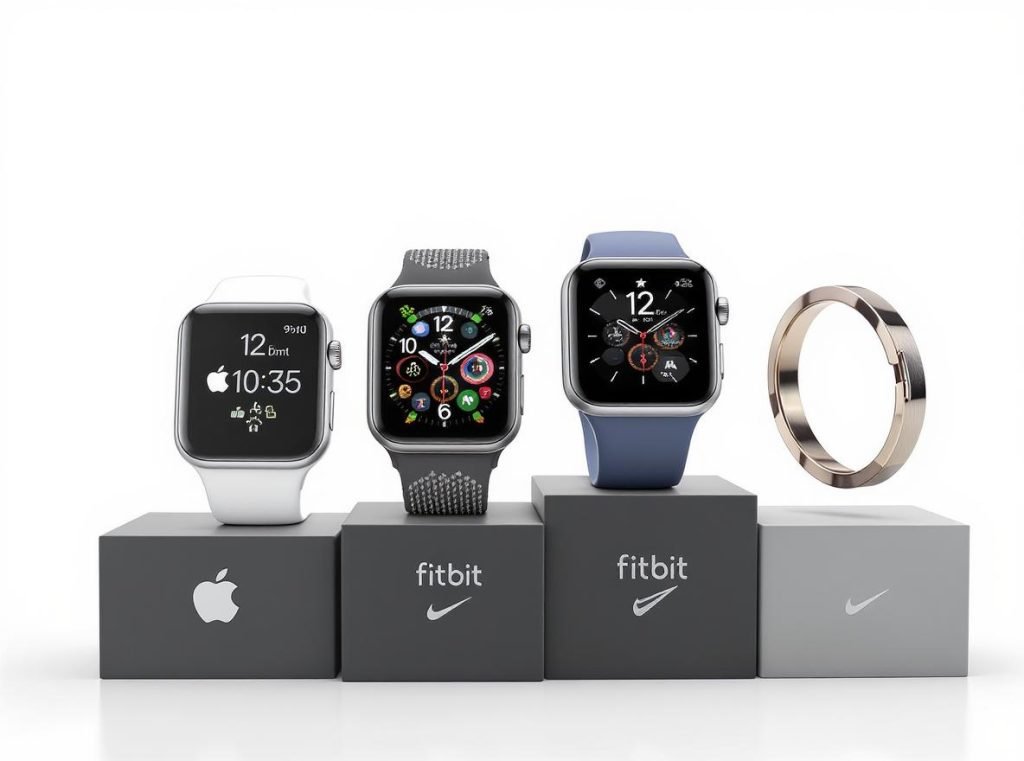
Recent validation studies comparing popular devices provide valuable market intelligence for sourcing decisions across different price segments and target markets.
Premium Tier Performance Analysis:
Oura Ring Gen4
- Accuracy: 95% sensitivity for sleep-wake detection
- Unique Features: 8-day battery life, advanced HRV analysis, temperature tracking
- Market Position: Specialized health monitoring for premium segment
Apple Watch Series 8/10
- Accuracy: 97% sensitivity with comprehensive health integration
- Medical Features: FDA-approved sleep apnea detection capabilities
- Ecosystem: Seamless integration with Apple Health platform
Samsung Galaxy Watch
- Medical Approval: FDA-cleared sleep apnea screening functionality
- Technology: BioActive Sensor for blood oxygen monitoring
- Market Appeal: Android ecosystem integration with medical-grade features
Mid-Tier Market Comparison:
| Brand Category | Sleep-Wake Accuracy | Key Features | Target Market |
|---|---|---|---|
| Premium (Apple, Oura) | 95-97% | FDA approvals, advanced analytics | High-end retail |
| Mid-range (Fitbit, Samsung) | 85-95% | Comprehensive tracking, good value | Mass market |
| Budget (Various OEM) | 70-85% | Basic tracking, cost-effective | Value segment |
Specialized Market Positioning:
- WHOOP 4.0: 24/7 monitoring focused on athletic performance and recovery
- Garmin Series: GPS integration with outdoor activity focus
- Fitbit Devices: Sleep score systems with smart wake capabilities
Understanding these performance differences and market positioning enables businesses to match products with target customer segments while managing accuracy expectations appropriately.
What Should Businesses Consider When Sourcing Sleep-Tracking Smartwatches?
Corporate and wholesale sourcing requires comprehensive evaluation beyond individual consumer considerations.
Businesses should evaluate sensor quality, algorithm sophistication, FDA approvals, battery performance, enterprise integration capabilities, and total cost of ownership when sourcing sleep-tracking smartwatches. The global wearable sleep tracker market expected to reach $41.7 billion by 2034 indicates strong growth potential and vendor stability for long-term partnerships.
Strategic Business Evaluation Criteria:
Technical Requirements Assessment
- Sensor Specifications: High-quality PPG sensors and sensitive accelerometers for accurate data collection
- Algorithm Validation: Clinical validation studies and peer-reviewed research supporting accuracy claims
- Battery Performance: Minimum 5-7 days operation for practical daily use without charging disruption
- Medical Certifications: FDA approvals or CE marking for health monitoring capabilities
Enterprise Integration Capabilities
- Data Platform Compatibility: Integration with corporate wellness platforms and health information systems
- Scalability: Ability to deploy across large employee populations with centralized management
- Privacy Compliance: GDPR, HIPAA compliance for corporate health data handling
- Security Standards: Enterprise-grade encryption and access controls for sensitive health information
Market Positioning and ROI Analysis:
Volume Pricing Structure
- Bulk Purchase Benefits: Significant cost reductions for orders over 1,000 units
- Tiered Feature Models: Different capability levels for various market segments
- Service Agreements: Multi-year support contracts for device replacement and technical assistance
Implementation Strategy Planning
- Pilot Program Approach: Start with select groups to evaluate effectiveness before full deployment
- Training Requirements: Employee education programs for device usage and health insights
- Success Metrics: Defined KPIs for measuring program effectiveness and user adoption
| Evaluation Factor | Assessment Criteria | Business Impact |
|---|---|---|
| Clinical Accuracy | Validation studies, peer review | Customer satisfaction, liability |
| Enterprise Support | Account management, technical support | Implementation success |
| Data Security | Compliance certifications, audit capabilities | Legal compliance, trust |
| Total Cost | Hardware, platform fees, support | Budget planning, ROI |
Recommended Sourcing Approach:
- Market Research: Analyze target customer sleep tracking preferences and price sensitivity
- Pilot Testing: Deploy 50-100 devices across diverse user groups for real-world validation
- Performance Analysis: Evaluate accuracy, adoption rates, and user satisfaction metrics
- Vendor Negotiation: Leverage pilot results for favorable contract terms and volume pricing
- Scalable Deployment: Implement with comprehensive support structure and success monitoring
Understanding the growth trajectory of the sleep technology market and vendor stability ensures long-term partnership viability for sustained business success.
Summary
Smartwatch sleep tracking combines accelerometer movement detection, PPG heart rate monitoring, and sophisticated machine learning algorithms to identify sleep onset and classify sleep stages with 60-85% accuracy. Recent FDA approvals for sleep apnea detection demonstrate the technology’s growing medical relevance and market potential.

Ready to source high-quality smartwatches with advanced sleep tracking capabilities for your business? Contact Osmarto today for wholesale pricing on our latest sleep monitoring smartwatch models featuring validated algorithms and enterprise-grade reliability. Our experienced team can help you select the right products for your target market and provide comprehensive technical specifications to ensure customer satisfaction. Send us your inquiry now to discuss your smartwatch sourcing needs and discover how our sleep tracking technology can differentiate your product offerings!