Skip to content
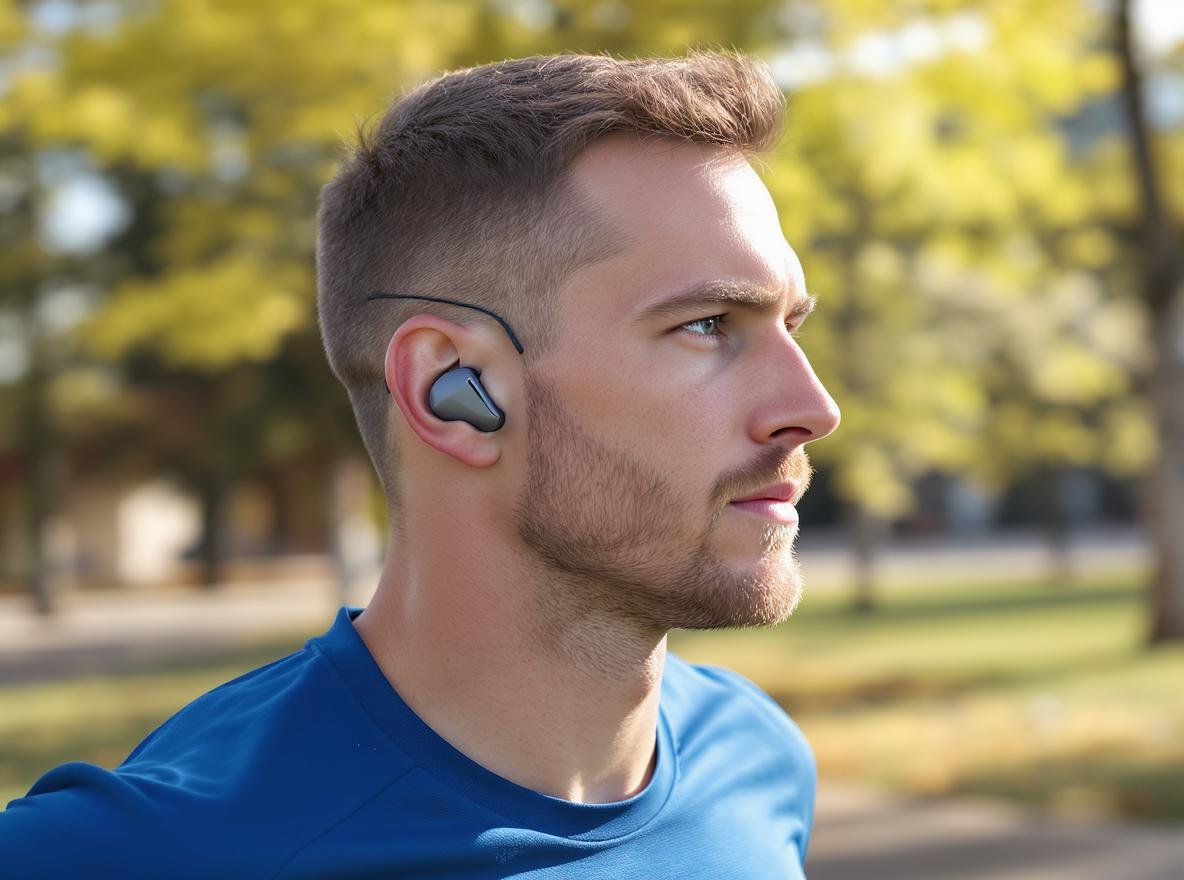
Are you curious about the revolutionary technology behind bone conduction headphones? Many people wonder how these innovative devices deliver crystal-clear audio while keeping your ears completely open. This groundbreaking technology is transforming the headphone industry and creating unprecedented opportunities for wholesalers, distributors, and retailers worldwide.
Bone conduction headphones work by transmitting audio vibrations directly through your skull bones to your inner ear, completely bypassing your eardrums. Using specialized transducers that convert electrical audio signals into mechanical vibrations, these headphones place vibrating elements against your cheekbones or temporal bones, allowing sound to reach your cochlea through bone conduction rather than traditional air conduction.
Understanding this technology can help you capitalize on the growing market demand and position your business at the forefront of audio innovation.
What Is Bone Conduction Technology and How Does It Differ from Traditional Headphones?
Many distributors ask us about the fundamental science behind bone conduction versus conventional audio technology. This question matters because understanding these core differences helps you communicate the unique value proposition to your customers and justify premium pricing.
Bone conduction technology transmits sound through vibrations in your skull bones, while traditional headphones use air pressure waves in your ear canal. The key difference lies in the audio pathway: bone conduction bypasses the outer and middle ear entirely, sending vibrations directly to the cochlea where they’re processed as sound by your brain.
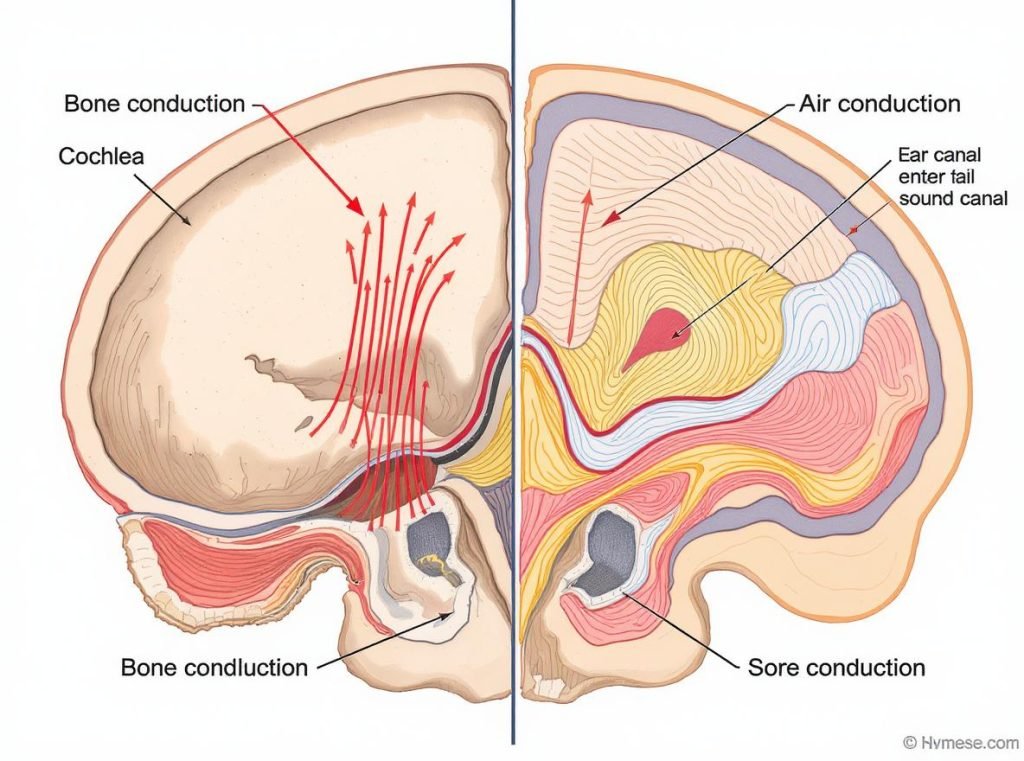
The scientific foundation involves harnessing your body’s natural ability to conduct sound through solid materials. When bone conduction headphones rest on your cheekbones, they generate precise vibrations that match the frequency of the audio signal. These vibrations travel through your temporal bones and directly stimulate the fluid and hair cells in your cochlea.
Historical context adds credibility to this technology. Ludwig van Beethoven discovered this principle when he lost his hearing – he would bite a conducting baton and press it against his piano to “hear” music through bone vibrations. Modern bone conduction headphones simply harness this same natural ability with sophisticated engineering.
Technical comparison breakdown:
Traditional headphones create sound waves that travel through your ear canal, vibrate your eardrum, and move tiny bones in your middle ear before reaching your inner ear. This air conduction process requires blocking or covering your ears to prevent sound leakage and maintain audio quality.
Bone conduction headphones position specialized transducers against your skull bones, transmitting vibrations directly to your cochlea. Research shows that when bone conduction stimulation occurs close to the ear canal opening, it becomes approximately 25 dB more effective than other skull locations.
| Feature | Traditional Headphones | Bone Conduction |
|---|---|---|
| Sound pathway | Air → Eardrum → Middle ear → Cochlea | Skull bones → Cochlea directly |
| Ear canal status | Blocked or covered | Completely open |
| Environmental awareness | Limited or eliminated | Full awareness maintained |
| Hearing health impact | Potential eardrum pressure | Bypasses eardrum entirely |
| Comfort duration | Variable, can cause fatigue | Extended wear capability |
| Sound quality focus | Full frequency range | Optimized for mids/highs |
Why Can You Still Hear Your Surroundings While Using Bone Conduction Headphones?
Retailers often highlight this safety feature when marketing to security-conscious consumers. Environmental awareness is becoming increasingly crucial in today’s market, especially for active lifestyle and workplace safety applications.
You maintain complete environmental awareness because bone conduction headphones don’t block your ear canals at all. Your ears remain fully open to receive natural sound waves through traditional air conduction, while simultaneously processing audio content through the separate bone conduction pathway.
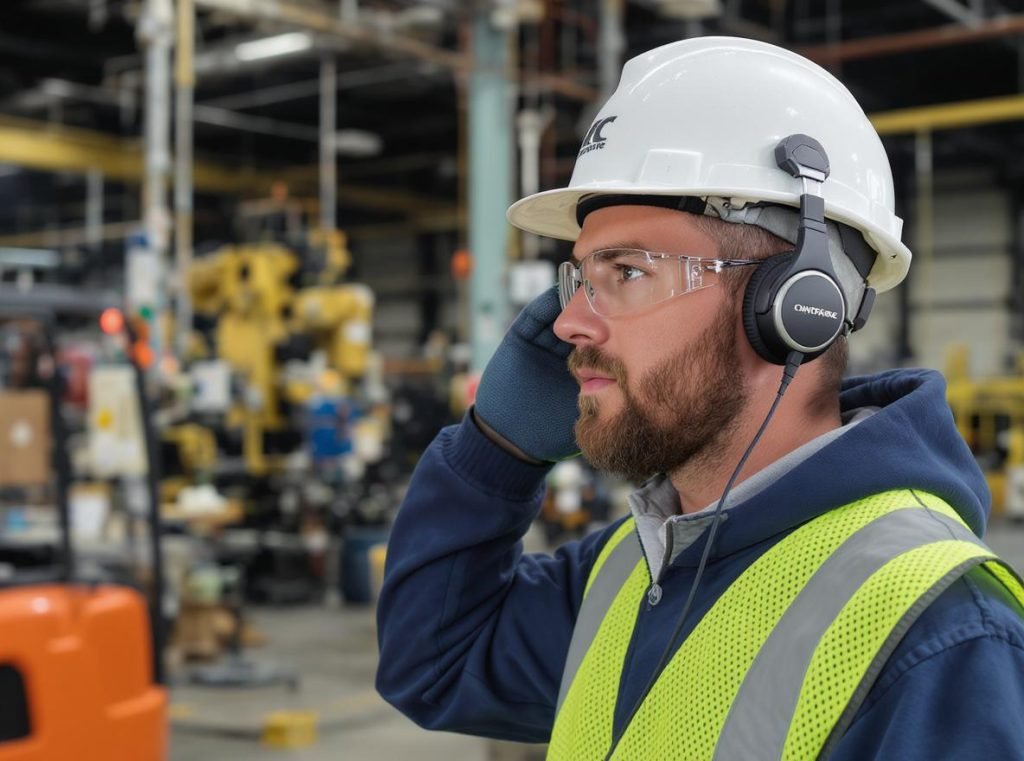
This dual-channel hearing capability creates significant market differentiation. Your cochlea can process multiple sound sources simultaneously – vibrations from your bones and air waves from your environment. Think of it as having two independent audio inputs feeding into the same processing center.
The scientific explanation involves your ear’s remarkable design. Environmental sounds like traffic, conversations, or emergency signals continue traveling through the normal air conduction pathway to your eardrums. Meanwhile, your music, calls, or audio content reaches your inner ear through bone vibrations. Your brain processes both sound sources concurrently, creating a unique listening experience where you remain connected to your surroundings.
Market applications for this feature:
• Athletes and outdoor enthusiasts who need entertainment while maintaining traffic awareness
• Industrial workers who require communication while hearing safety signals and machinery
• Emergency responders who need radio communication without losing environmental awareness
• Parents and caregivers who want personal audio while monitoring children or dependents
• Office professionals in open-plan environments who need approachability while consuming audio content
This situational awareness benefit represents a key selling point that traditional headphones simply cannot match. For wholesale buyers, this translates to broader market appeal, reduced liability concerns in safety-sensitive applications, and access to specialized markets like military, law enforcement, and industrial safety.
How Do the Vibrations Transfer Sound to Your Inner Ear?
Technical-minded customers often request detailed explanations of the vibration transfer process. Understanding this mechanism helps you address quality concerns and explain why premium bone conduction headphones justify higher prices.
Sound vibrations travel through your skull bones via precise mechanical transmission that your cochlea processes identically to traditional sound. The transducers create calibrated vibrations matching the audio signal’s frequency and amplitude, which your temporal bones conduct directly to your inner ear’s fluid and hair cells.
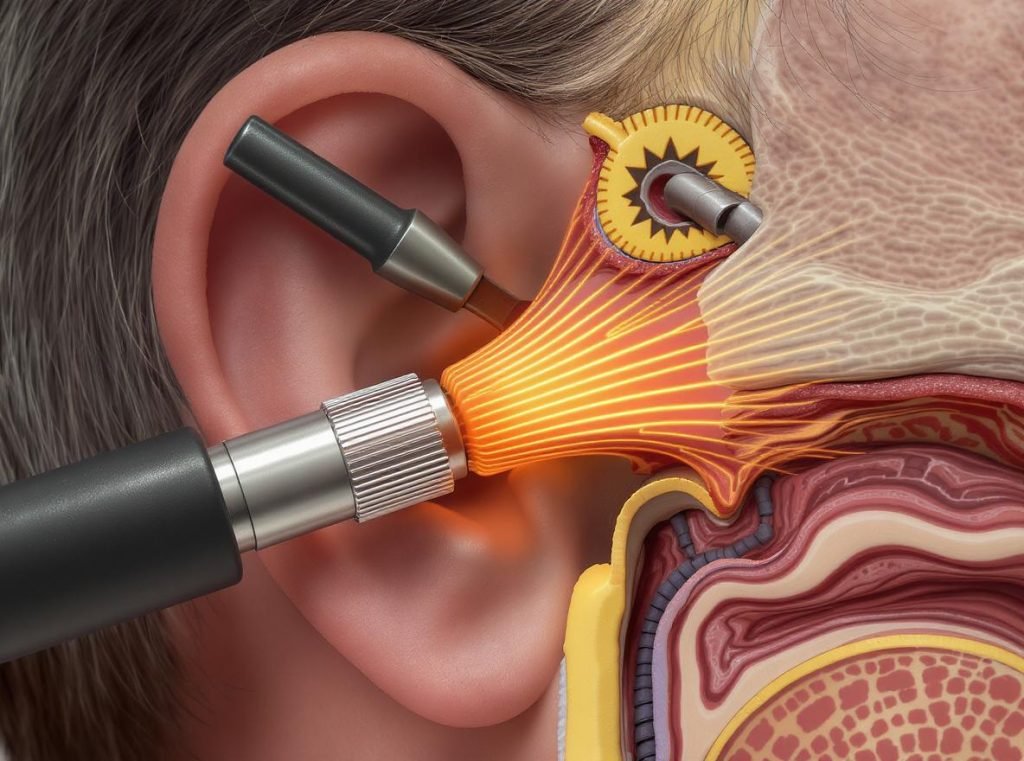
The sophisticated engineering process involves multiple precision steps that demonstrate the technology’s complexity and value.
Step-by-step vibration pathway:
When audio signals reach the headphone’s transducers, they undergo precise conversion from electrical energy into mechanical vibrations. These aren’t random vibrations – they’re meticulously calibrated to match the frequency response and amplitude characteristics of the original audio signal.
Your skull functions as a natural conductor for these vibrations. The temporal bone, positioned near your temples, provides optimal transmission efficiency due to its density and direct anatomical connection to your inner ear structures.
The complete transmission process:
Signal Conversion: Digital audio becomes electrical energy with precise frequency mapping
Transducer Activation: Electrical energy transforms into mechanical vibrations through specialized drivers
Bone Transmission: Skull bones carry vibrations as mechanical waves to the cochlea
Cochlear Processing: Inner ear fluid and stereocilia convert vibrations into electrical signals
Neural Interpretation: Auditory nerve transmits signals to your brain for sound recognition
The efficiency of this transmission depends heavily on manufacturing quality and transducer sophistication. Premium bone conduction headphones use advanced materials and precise engineering to maximize vibration transfer while minimizing energy loss and distortion.
Quality indicators affecting transmission:
| Component | Impact on Performance | Premium Features |
|---|---|---|
| Transducer quality | Sound clarity and efficiency | Advanced magnetic drivers, optimized frequency response |
| Contact pressure | Vibration transfer effectiveness | Ergonomic design, consistent skull contact |
| Material construction | Durability and resonance control | Titanium frames, vibration-dampening materials |
| Power management | Battery efficiency and output | Smart power allocation, extended battery life |
For wholesale buyers, this technical sophistication represents a key differentiator when sourcing products. Higher-quality units provide superior sound transmission, better frequency response, reduced power consumption, and ultimately higher customer satisfaction and lower return rates.
What Are the Advantages and Disadvantages of Bone Conduction Headphones?
Retailers require comprehensive feature comparisons to effectively counsel customers and position products appropriately. Understanding both benefits and limitations enables honest consultations and strategic market positioning.
Key advantages include complete environmental awareness, enhanced hearing health protection, superior comfort for extended wear, improved hygiene, and accessibility for certain hearing conditions. Primary disadvantages involve limited bass response, potential sound leakage at high volumes, higher power consumption, and premium pricing compared to traditional headphones.

Comprehensive advantage analysis:
Enhanced Safety and Situational Awareness represents the primary selling point. Users maintain full environmental hearing while enjoying personal audio, making these headphones ideal for outdoor activities, workplace environments, and safety-sensitive situations. Amazon warehouses have adopted bone conduction headphones specifically for worker safety, allowing employees to remain alert to potential hazards while receiving audio instructions.
Improved Hearing Health offers significant long-term benefits. By bypassing the eardrum entirely, bone conduction technology reduces risks of eardrum damage, ear infections, and pressure-related discomfort. The open-ear design eliminates moisture buildup and bacterial growth associated with traditional earbuds.
Superior Comfort enables extended wearing periods without ear fatigue, pressure discomfort, or the “plugged” sensation common with conventional headphones. Many users report comfortable all-day wear, particularly valuable for professional environments.
Hygienic Benefits appeal to shared-use environments like gyms, libraries, corporate settings, and rental services. Without ear canal insertion, these headphones reduce cleaning requirements, contamination risks, and hygiene concerns.
Accessibility Applications serve individuals with conductive hearing loss where the outer or middle ear is damaged but the inner ear functions normally. This opens specialized markets often underserved by traditional audio products.
Realistic limitation assessment:
Audio Quality Constraints represent the most significant technical limitation. Bone conduction headphones generally cannot match traditional headphones’ sound quality, particularly bass response and overall fidelity. The physics of bone conduction makes reproducing deep, rich bass tones challenging.
Sound Leakage Issues occur at higher volumes when vibrations create audible sound waves in surrounding air. This can be problematic in quiet environments like libraries, offices, or public transportation.
Comfort Considerations include potential vibration-related discomfort around contact points, especially during initial adaptation periods or extended high-volume use. Some users experience mild headaches or pressure sensations.
Economic Factors involve higher manufacturing costs due to specialized transducer technology, resulting in premium pricing compared to similar-quality traditional headphones.
| Challenge | Market Impact | Positioning Strategy |
|---|---|---|
| Limited bass response | Reduced appeal for music enthusiasts | Target communication, safety, and accessibility markets |
| Sound leakage | Privacy concerns in quiet environments | Educate about appropriate volume levels and use cases |
| Premium pricing | Higher barrier to entry | Emphasize unique benefits and specialized applications |
| Adaptation period | Initial user resistance | Provide trial periods and customer education |
Strategic market positioning:
Focus marketing efforts on specific use cases where advantages significantly outweigh limitations. Target active lifestyle consumers, workplace safety markets, accessibility-focused segments, and professional communication applications rather than audiophile communities seeking maximum sound quality.
Are Bone Conduction Headphones Safe for Long-Term Use?
Safety concerns frequently arise from health-conscious consumers, institutional buyers, and corporate procurement teams. Addressing these questions directly builds trust, confidence, and credibility in your product recommendations.
Bone conduction headphones are generally considered safer than traditional headphones for long-term use when operated at appropriate volume levels. Research confirms that while the technology eliminates several risks associated with conventional headphones, standard hearing protection guidelines still apply since vibrations ultimately reach the same inner ear structures.

Scientific safety assessment:
Current research indicates no significant long-term health risks from bone conduction technology when used responsibly. The vibration levels required for audio transmission fall well below thresholds that could cause bone, tissue, or neurological damage. Scientific studies have thoroughly debunked myths about brain damage from bone conduction vibrations.
The safety profile differs significantly from traditional headphones because the audio delivery method eliminates several common risk factors. Traditional headphone risks that bone conduction technology eliminates include ear canal damage from insertion, eardrum pressure from sealed designs, bacterial buildup in blocked ear canals, and moisture-related ear infections.
Professional health guidelines:
The World Health Organization’s safe listening recommendations apply to bone conduction headphones just as they do traditional models. The 60/60 rule – listening at no more than 60% volume for no more than 60 minutes at a time – provides conservative safety parameters for all audio devices.
Evidence-based safety advantages:
• Reduced hearing damage risk from eliminating eardrum pressure and ear canal issues
• Lower required volumes due to direct bone transmission efficiency
• Eliminated infection risks from open-ear design preventing bacterial growth
• Reduced physical trauma from avoiding ear canal insertion and pressure
Responsible usage recommendations:
Maintain moderate volume levels to prevent vibration discomfort at contact points. Take regular breaks during extended listening sessions, particularly in professional environments. Choose quality models with efficient transducers requiring less power for adequate audio output. Monitor for any unusual sensations and adjust usage accordingly.
Institutional safety benefits:
For wholesale buyers serving corporate, educational, or healthcare markets, bone conduction technology offers significant liability reduction and regulatory compliance advantages. The enhanced safety profile supports workplace safety initiatives while providing clear audio communication capabilities.
Which Industries and Activities Benefit Most from Bone Conduction Technology?
Understanding target markets helps wholesalers identify the most profitable opportunities and highest-volume applications. Different industries have varying needs that bone conduction technology addresses more effectively than traditional audio solutions.
Industries experiencing greatest adoption include sports and fitness, workplace safety, military and law enforcement, healthcare and accessibility, emergency services, and professional communication. These sectors value the unique combination of audio delivery and environmental awareness that only bone conduction provides.
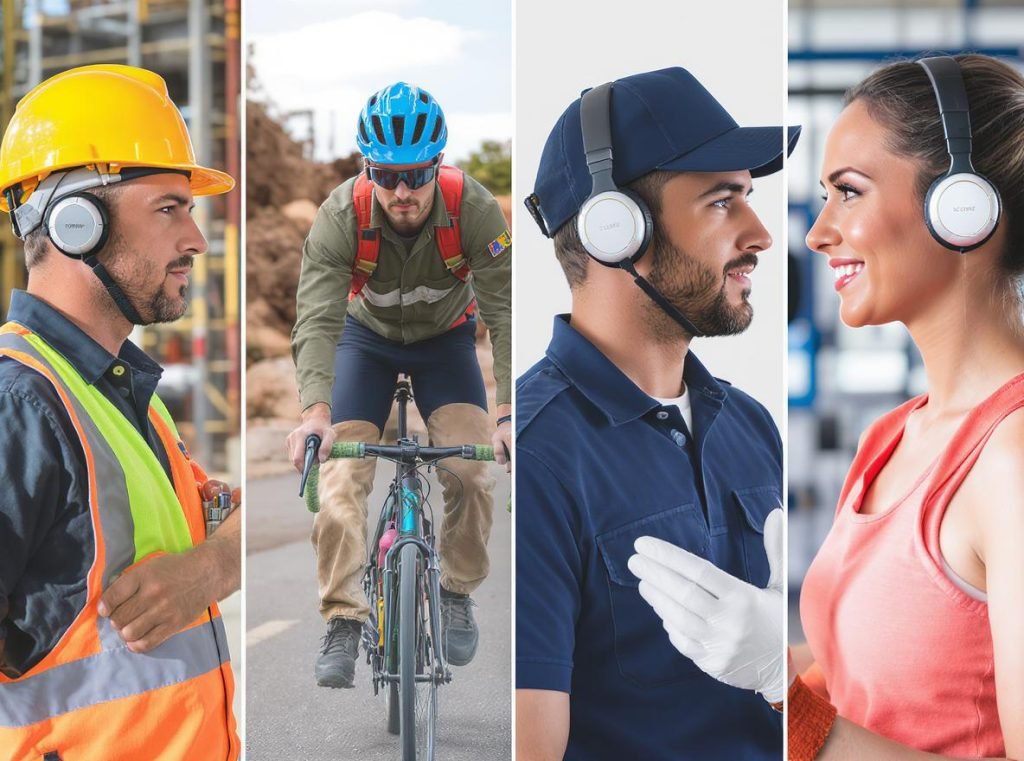
Sports and Fitness Industry Analysis:
The fitness market represents the largest consumer segment for bone conduction headphones. Athletes, runners, cyclists, and gym users need motivational audio content without sacrificing safety awareness. Professional sports teams and fitness facilities increasingly specify bone conduction technology for training environments.
Running and cycling communities particularly value hearing traffic, other athletes, and environmental sounds while maintaining musical motivation. Swimming applications utilize waterproof bone conduction models that function effectively even when ears are submerged, opening aquatic sports markets.
Personal trainers and fitness instructors benefit from hearing client communications while receiving audio cues from fitness applications, music systems, and communication devices.
Military and Law Enforcement Applications:
Bone conduction technology sees extensive use in tactical communications, allowing personnel to maintain critical situational awareness while receiving essential communications. Military applications include combat communications where hearing protection and environmental awareness are both mission-critical requirements.
Law enforcement agencies adopt bone conduction headsets for patrol officers, SWAT teams, and security personnel who need radio communication while remaining alert to environmental threats and public interactions.
Industrial and Workplace Safety Markets:
| Industry Sector | Application | Safety Benefit | Market Size |
|---|---|---|---|
| Construction | Communication + machinery awareness | Accident prevention | Large, regulated |
| Warehousing | Instructions + hazard awareness | OSHA compliance | Growing rapidly |
| Manufacturing | Process communication + safety signals | Liability reduction | Established market |
| Transportation | Communication + traffic awareness | DOT requirements | Specialized but stable |
Amazon warehouses exemplify industrial adoption, using bone conduction headphones for worker safety while maintaining productivity through clear audio instructions and environmental hazard awareness.
Healthcare and Accessibility Applications:
Medical professionals utilize bone conduction headphones in clinical settings where maintaining awareness of patient needs, emergency signals, and colleague communications is crucial for patient safety and care quality.
Accessibility markets include individuals with conductive hearing loss, those who cannot use traditional hearing aids, and patients requiring audio therapy or tinnitus relief. This represents a specialized but loyal customer base with specific technical requirements.
Emergency Services and Professional Communication:
Police, firefighters, emergency medical personnel, and dispatcher services benefit from hands-free communication capabilities while maintaining full environmental awareness during operations. The technology enables clear communication without compromising situational awareness critical for emergency response effectiveness.
Business and Corporate Markets:
Office workers, especially those in open-plan environments, use bone conduction headphones for music, calls, and audio content while remaining approachable and aware of workplace activities. Remote workers value balancing audio consumption with household awareness and family responsibilities.
Wholesale strategy for targeting high-volume markets:
Focus on bulk orders from organizations rather than individual consumers. Institutional buyers typically purchase larger quantities, value specific technical benefits, and require ongoing support relationships. Emphasize safety compliance, liability reduction, and productivity enhancement when approaching corporate and institutional customers.
How Do You Choose Quality Bone Conduction Headphones for Your Business?
Wholesalers need comprehensive selection criteria to evaluate suppliers, assess product quality, and minimize customer returns. Quality differences significantly impact customer satisfaction, brand reputation, and long-term business success in the bone conduction market.
Quality bone conduction headphones feature efficient transducers with minimal vibration leakage, ergonomic designs for extended comfort, adequate battery performance, appropriate water resistance ratings, and reliable construction materials. Evaluate sound clarity, contact pressure distribution, power efficiency, durability under intended use conditions, and manufacturer support capabilities.
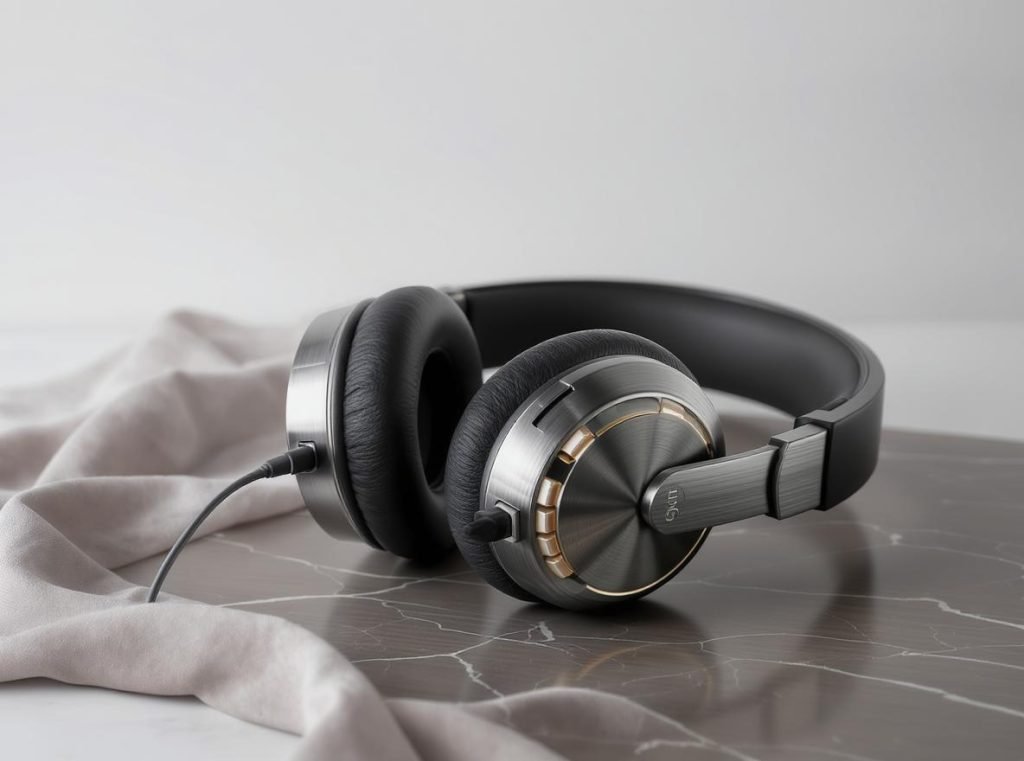
Technical specifications requiring evaluation:
Transducer Technology determines audio clarity, power efficiency, and user comfort. Premium manufacturers provide detailed specifications about vibration technology, frequency response ranges (typically 20Hz-20kHz), power efficiency ratings, and distortion measurements. Look for suppliers using advanced magnetic drivers and optimized frequency tuning.
Battery Performance varies dramatically between manufacturers and price points. Quality models typically provide 8-12 hours of continuous use with quick charging capabilities (5-10 minutes for 1-2 hours of use). Evaluate standby time, charging methods (USB-C preferred), and power management features.
Build Quality and Materials significantly impact durability and user comfort. Premium bone conduction headphones utilize titanium or high-grade polymer construction for lightweight durability. The headband should maintain consistent contact pressure without being too tight or loose, featuring adjustable sizing and flexible materials.
Water Resistance Standards expand market applications considerably. Sports and outdoor markets typically require IPX4 (sweat resistant) minimum, while specialized applications may need IPX7 or IPX8 (full waterproofing). Verify certification authenticity and testing standards.
Connectivity and Features affect user experience and market compatibility. Bluetooth 5.0 or higher ensures stable connections with extended range. Multipoint connectivity allows simultaneous connection to multiple devices. Evaluate codec support (aptX, AAC) for audio quality optimization.
Product recommendation matrix for wholesale buyers:
Premium Tier ($160-200): Professional and Specialized Markets
Shokz OpenRun Pro 2 exemplifies premium bone conduction technology with 12-hour battery life, enhanced sound quality with reduced vibration discomfort, professional appearance suitable for business environments, and advanced connectivity features. Target corporate clients, healthcare facilities, and professional services.
Mid-Range Tier ($70-120): Active Consumer and Small Business
Models like Shokz OpenMove offer excellent value with good performance, USB-C charging, lightweight design, and reliable functionality without premium features. Suitable for fitness retailers, small businesses, and volume consumer markets.
Communication-Focused Tier ($120-180): Business and Enterprise
Shokz OpenMeet/OpenComm optimize for voice calls and video conferencing with superior microphone quality, Zoom certification, and design specifically for business communication applications. Target corporate procurement, remote work solutions, and professional service providers.
Supplier evaluation criteria for wholesale success:
Manufacturing Quality Control – Request detailed quality assurance processes, testing procedures, and defect rate statistics. Established suppliers like Osmarto provide comprehensive quality certifications, ISO compliance documentation, and consistent manufacturing standards.
Research and Development Capabilities – Evaluate manufacturers’ innovation pipelines, patent portfolios, and technical advancement trajectories. Strong R&D indicates long-term viability and competitive positioning.
Supply Chain Reliability – Assess production capacity, delivery consistency, inventory management capabilities, and geographic distribution networks. Reliable suppliers maintain adequate stock levels and predictable delivery schedules.
Technical Support and Documentation – Quality suppliers provide comprehensive technical specifications, user documentation, troubleshooting guides, and ongoing technical support for wholesale partners.
Customization and Private Labeling – Many wholesale buyers prefer products adaptable to their specific market requirements. Evaluate customization options for branding, packaging, technical specifications, and market-specific features.
| Evaluation Factor | Priority Level | Key Metrics |
|---|---|---|
| Sound quality and efficiency | Critical | Frequency response, distortion levels, power efficiency |
| Comfort and ergonomics | High | Weight, pressure distribution, adjustment range |
| Battery and connectivity | High | Runtime, charging speed, Bluetooth stability |
| Build quality and durability | Medium-High | Materials, water resistance, stress testing |
| Manufacturer support | Medium | Documentation, technical support, warranty terms |
Quality assurance testing recommendations:
Request sample units for comprehensive evaluation before placing volume orders. Test various scenarios including extended wear comfort, different audio content types, intended use environments, and stress conditions. Evaluate packaging quality, documentation completeness, and accessory inclusion.
Consider suppliers offering demonstration programs, trial periods, or satisfaction guarantees to reduce purchase risk and ensure product-market fit for your specific customer base.
Summary
Bone conduction headphones revolutionize audio delivery by transmitting sound vibrations through skull bones directly to your inner ear, completely bypassing traditional hearing pathways. This innovative technology maintains full environmental awareness while providing clear audio, making it ideal for safety-conscious consumers, active lifestyles, and professional applications. The growing demand across sports, workplace safety, healthcare, and business communication markets creates exceptional opportunities for wholesalers and distributors.
Ready to explore premium bone conduction headphones for your business? Contact Osmarto today for comprehensive product specifications, competitive wholesale pricing, and expert guidance on selecting the perfect bone conduction solutions for your target markets. Our experienced team provides ongoing technical support and helps you capitalize on this rapidly expanding market opportunity.