Skip to content
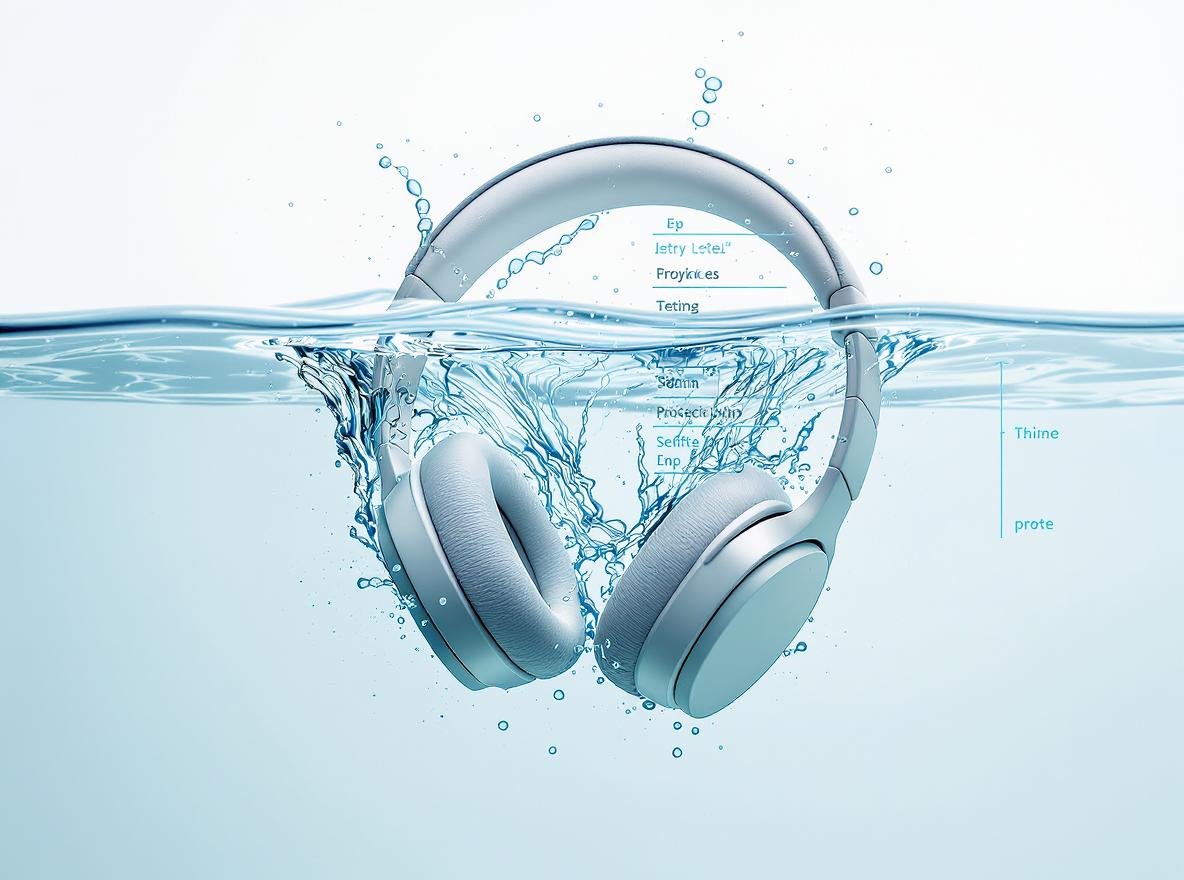
Shopping for headphones and confused by terms like “IPX4” or “IPX7”? You’re not alone. These cryptic codes determine whether your headphones can survive your morning jog in the rain or accidentally falling into a swimming pool.
An IPX rating is a standardized measure governed by the International Electrotechnical Commission (IEC) under standard IEC 60529 that defines how well electronic devices protect against water ingress. The rating system ranges from IPX0 (no protection) to IPX8 (continuous submersion), helping you choose headphones that match your lifestyle and usage needs. Understanding IPX ratings ensures you invest in headphones that won’t fail when exposed to moisture, sweat, or water.
Let’s dive deeper into what each rating means and how to choose the right waterproof headphones for your business needs.
What Does IPX Stand For and How Does It Work?
Many people see IPX ratings on product specifications but don’t understand the rigorous testing and standards behind these numbers.
IPX stands for “Ingress Protection X,” where IP means “Ingress Protection” or “International Protection,” and the “X” indicates that only liquid protection has been tested, not solid particle (dust) protection. The IPX system provides standardized, objective information about water resistance capabilities rather than relying on vague marketing terms like “splash-proof” or “water-resistant.”

The “X” exists because most consumer electronics, particularly headphones, focus primarily on liquid resistance rather than dust protection. Manufacturers often don’t test for dust resistance or the product doesn’t meet minimum thresholds for a dust rating.
When manufacturers submit their headphones for IPX testing, certified laboratories expose the devices to specific water conditions following IEC 60529 standards. Each rating level corresponds to increasingly rigorous water exposure tests, from light drizzle to complete submersion.
This standardized testing eliminates confusion caused by marketing terms. Whether you’re buying headphones from Osmarto or any other manufacturer, an IPX7 rating means the same level of protection worldwide, ensuring consistency across all brands.
The rigorous testing process involves specialized equipment, controlled water pressure, specific durations, and post-test functionality verification to ensure devices meet their claimed protection levels.
What Do the Different IPX Numbers Mean?
Understanding the specific protection levels helps you choose headphones that match your intended use and avoid costly water damage.
The IPX scale ranges from 0 to 8, with higher numbers indicating progressively better water protection. IPX0 offers no protection, while IPX8 provides the highest level of water resistance for continuous submersion beyond 1 meter depth.
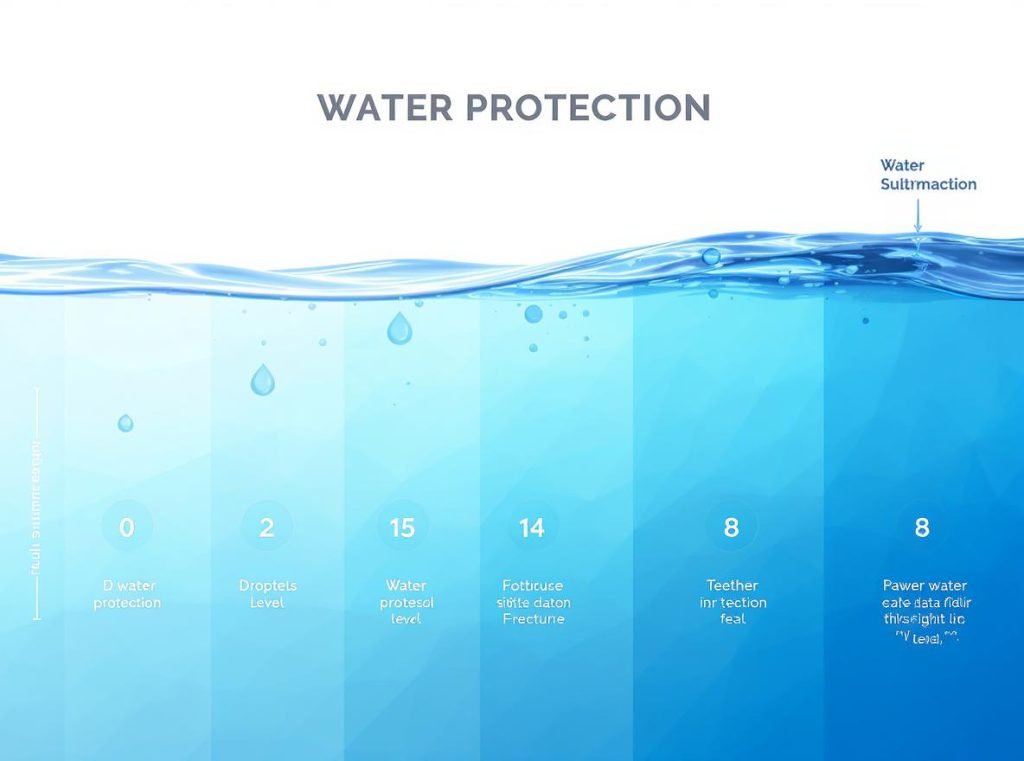
Here’s what each rating means for your headphones:
| IPX Rating | Protection Level | Testing Method | Real-World Application | Best For |
|---|---|---|---|---|
| IPX0 | No protection | No testing | Indoor use only | Studio recording |
| IPX1 | Dripping water | 1mm rainfall, 10 minutes | Light condensation | Home listening |
| IPX2 | Angled dripping water | Tilted 15°, drip exposure | Slight moisture | Office environments |
| IPX3 | Spraying water | 60° spray angle, 5 minutes | Light rain at angle | Casual outdoor use |
| IPX4 | Splash protection | 360° spray, 10 minutes | Normal rain, sweat | Gym workouts, jogging |
| IPX5 | Water jets | 12.5 L/min, 3 minutes | Heavy rain, fountains | Outdoor sports |
| IPX6 | Powerful water jets | 100 L/min, high pressure | Pressure washing nearby | Marine environments |
| IPX7 | Temporary submersion | 1m depth, 30 minutes | Accidental pool drop | Swimming, water sports |
| IPX8 | Continuous submersion | Beyond 1m, extended time | Extended underwater use | Professional diving |
IPX4 represents the minimum recommended rating for fitness enthusiasts, protecting against splashing water from any direction. This rating handles ordinary rain and sweat during gym sessions and outdoor running.
For serious water activities, IPX7 or IPX8 ratings are essential. IPX7 provides temporary submersion protection up to 1 meter for 30 minutes, while IPX8 allows continuous submersion beyond these limits.
The progression from IPX1 to IPX8 represents increasingly robust water protection, with IPX7 marking the critical transition from “water-resistant” to truly “waterproof.”
What’s the Difference Between Waterproof and Water-Resistant Headphones?
This distinction often confuses buyers and significantly affects purchasing decisions and performance expectations.
The term “waterproof” applies to products that can withstand full submersion (IPX7 or IPX8 rating), while “water-resistant” describes headphones that can resist splashes and sprays to some degree (IPX1-IPX6). This difference determines whether headphones survive accidental submersion or just handle moisture exposure.
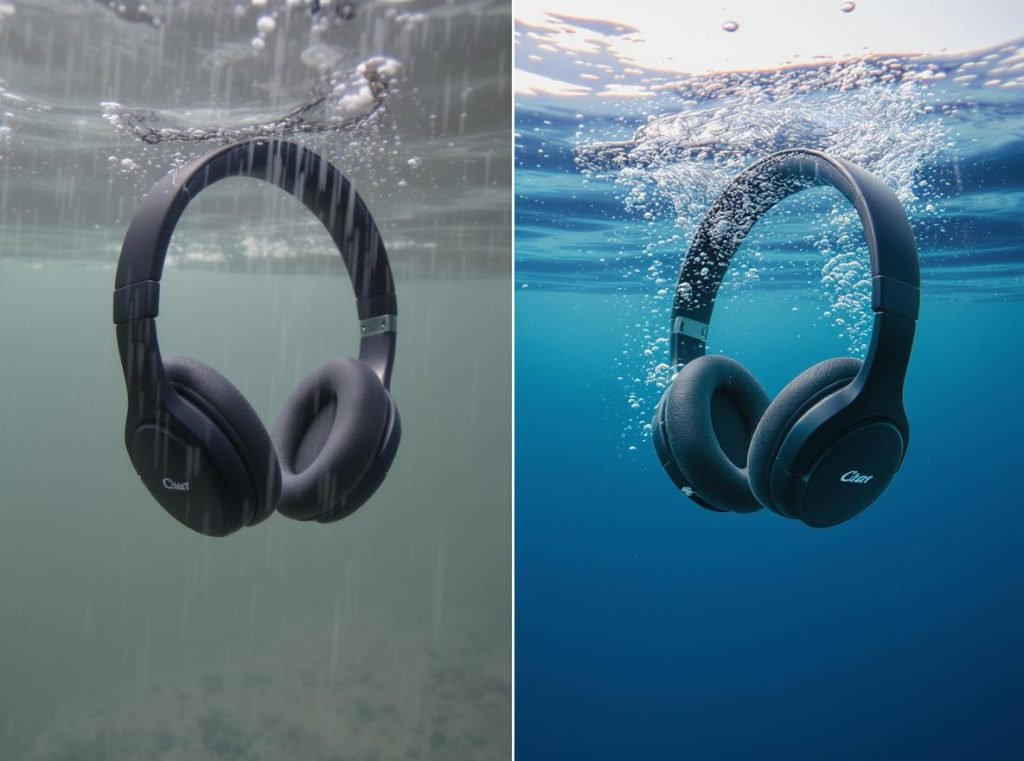
Water-Resistant Headphones (IPX1-IPX6):
- Handle moisture exposure like sweat, light rain, and splashes
- Cannot be fully submerged without damage
- Use protective coatings and basic seals to repel water droplets
- Perfect for gym workouts, jogging, and light outdoor activities
- Typically rated IPX4 to IPX6 for active use
Waterproof Headphones (IPX7-IPX8):
- Can withstand full submersion in water
- Feature tight seals, advanced gaskets, and comprehensive waterproof coatings
- Designed for swimming, water sports, and pool activities
- Built for extended underwater use with specialized engineering
- Must pass rigorous immersion testing protocols
However, no earbuds are truly waterproof in the absolute sense. Even IPX8-rated devices have limitations regarding depth, duration, and water type (fresh water vs. saltwater).
Understanding this difference helps wholesalers and retailers educate customers about realistic expectations, proper usage, and warranty coverage limitations.
Which IPX Rating Do You Need for Different Activities?
Choosing the wrong IPX rating can lead to expensive headphone replacements and disappointed customers who exceed protection limits.
For most business applications, IPX4 provides adequate protection for daily use and fitness activities, while IPX7 or higher is necessary for water-intensive activities. Your target market’s lifestyle determines the optimal IPX rating for your inventory selection.
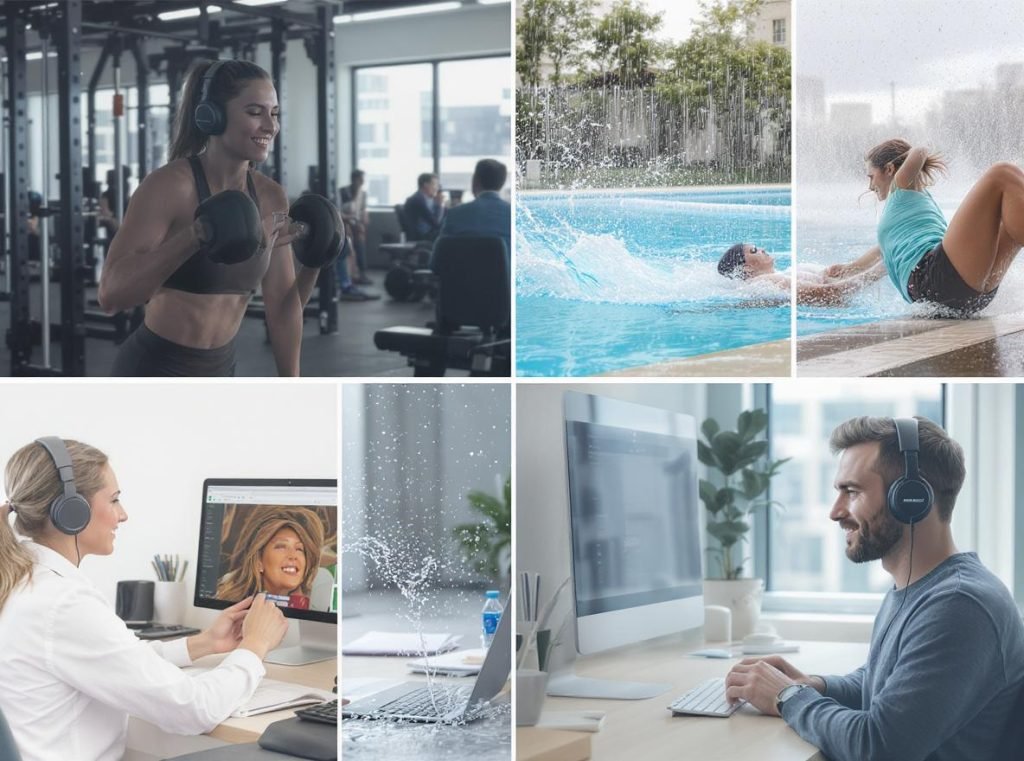
Light Exercise & Indoor Use (IPX1-IPX3):
Basic protection suits indoor environments and minimal moisture exposure. These ratings work for office environments, home listening, and light condensation situations.
Fitness & Sports Activities (IPX4-IPX5):
Active lifestyles require splash protection from multiple directions. IPX4 handles gym sweat and light rain effectively, while IPX5 manages heavier perspiration during intense workouts and outdoor sports in challenging weather.
Outdoor Adventures & Heavy Weather (IPX6):
IPX6 withstands powerful water jets from any direction, perfect for those caught in heavy rain during commutes or outdoor work. This rating suits hiking, cycling, and demanding outdoor environments where water pressure exceeds normal rainfall.
Swimming & Water Sports (IPX7-IPX8):
True submersion requires the highest ratings for safety and functionality. IPX7 handles accidental drops in pools and shallow water activities, while IPX8 allows intentional underwater use for serious swimmers and water sports enthusiasts.
Most swimmers don’t exceed 1-meter depth, making IPX7 sufficient for recreational swimming. However, IPX8 provides maximum peace of mind for extended aquatic activities.
Consider your customer base carefully when stocking inventory. Fitness-focused retailers need IPX4-IPX6 options, while marine and swimming specialists require IPX7-IPX8 models to serve their customers properly.
How Do Manufacturers Test IPX Ratings?
Understanding the rigorous testing process helps you evaluate the reliability of IPX claims and distinguish between certified protection and marketing exaggerations.
IPX testing follows strict standardized procedures defined by IEC 60529, involving controlled water exposure using specialized equipment and precise measurement protocols. Only certified, independent laboratories can officially assign IP ratings after completing these rigorous testing procedures.

Testing Equipment and Procedures:
IPX1-IPX2 Testing:
- Equipment: Drip test apparatus with controlled 1mm rainfall per minute
- Duration: 10-minute exposure on rotating turntable
- Assessment: Uniform water distribution and ingress monitoring
IPX3-IPX4 Testing:
- Equipment: Oscillating spray tubes and handheld spray nozzles
- IPX3: 60° spray angle, 5-minute duration per position
- IPX4: 360° spray coverage, 10-minute total duration
- Pressure: 50-150 kPa calibrated water pressure
IPX5-IPX6 Testing:
- Equipment: Hose testing with calibrated nozzles and flow meters
- IPX5: 12.5 L/min flow rate from 2.5-3 meter distance
- IPX6: 100 L/min flow rate with high-pressure jets
- Duration: Minimum 3 minutes from all directional angles
IPX7-IPX8 Testing:
- Equipment: Immersion tanks with controlled depth and pressure monitoring
- IPX7: 1-meter depth submersion for 30 minutes minimum
- IPX8: Depths exceeding 1 meter with extended duration based on specifications
- Monitoring: Real-time assessment for water ingress and functional integrity
Post-Test Evaluation:
After testing, devices undergo thorough inspection to verify no harmful water ingress into critical components, continued functionality of all electronic systems, structural integrity of seals and gaskets, and performance maintenance within acceptable parameters.
This rigorous testing ensures IPX ratings represent genuine protection levels rather than marketing claims, providing reliable guidance for purchasing decisions.
Do IPX Ratings Have Any Limitations?
Even the highest IPX ratings have important restrictions that affect real-world performance and customer expectations.
IPX ratings test only fresh water at room temperature for specific durations under controlled laboratory conditions. Real-world conditions like saltwater, chlorine, extreme temperatures, and prolonged exposure can exceed these testing parameters, potentially compromising protection levels.
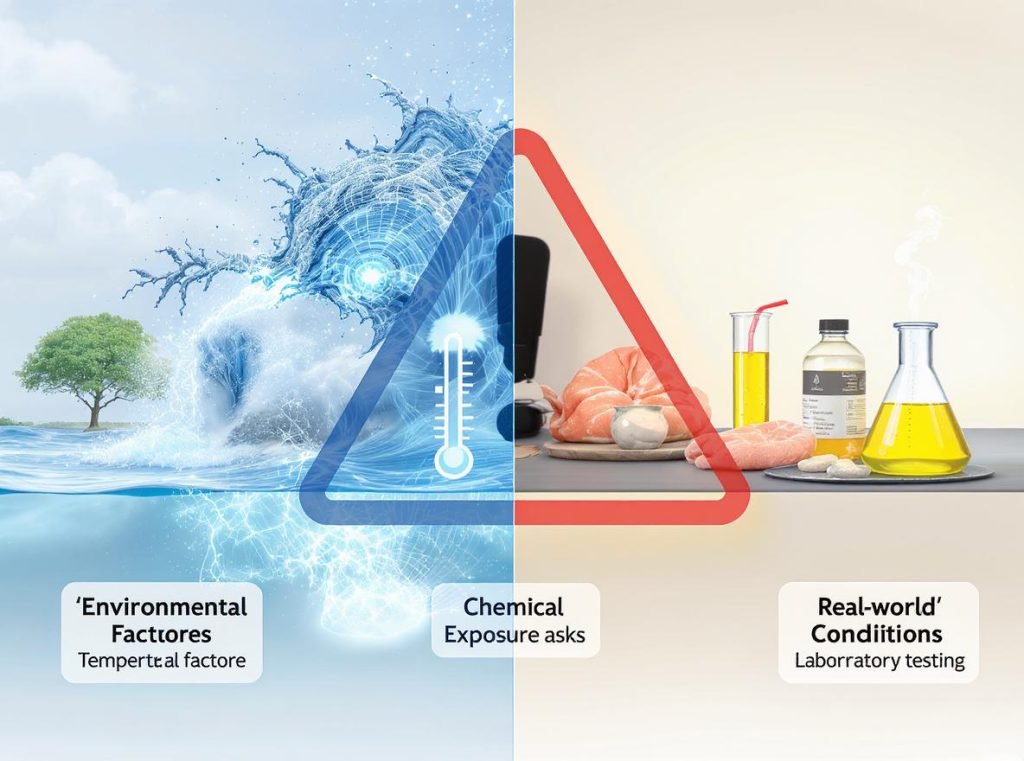
Environmental Limitations:
- Water Type: Testing uses fresh water only; protection may differ with salt water, chlorinated pools, or soapy water
- Temperature: Standard testing occurs at room temperature; performance varies in hot steam or freezing conditions
- Chemical Exposure: Ratings don’t account for chemical resistance from cleaning products or pH variations
Practical Usage Constraints:
- Pressure Variations: Real-world water pressure during activities may exceed controlled testing conditions
- Dynamic Conditions: Devices tested in stationary positions; actual use involves movement and varying angles
- Prolonged Exposure: Extended use beyond testing durations may compromise protection through seal degradation
Physical and Manufacturing Limitations:
- Wear and Tear: Seals and gaskets degrade over time, reducing actual protection levels below original ratings
- Production Variability: Manufacturing units may not match exact specifications of laboratory-tested prototypes
- Quality Control: Economic pressures may lead to compromised sealing in production models
Testing Scope Constraints:
- Single Exposure: Tests typically involve one exposure event; repeated water exposure may have cumulative effects
- No Dust Rating: IPX ratings don’t indicate solid particle protection, relevant for outdoor environments
- Self-Declaration: Many manufacturers self-declare compliance without independent third-party verification
Understanding these limitations helps set realistic customer expectations, reduces warranty claims, and ensures appropriate usage recommendations for different IPX-rated products.
What Should Wholesale Buyers Look for in IPX-Rated Headphones?
Smart purchasing decisions require evaluating multiple factors beyond basic IPX numbers to ensure quality and market success.
Look for IPX ratings that match your target market’s needs, verify certifications from reputable testing bodies following IEC 60529 standards, and ensure the rating applies to the entire product system, not just individual components. Request proper documentation and third-party verification to avoid unsubstantiated claims.

Technical Specifications Assessment:
- Minimum Rating Requirements: IPX4 for basic fitness markets, IPX7+ for aquatic specialists
- Certification Documentation: Verify IEC 60529 compliance with proper testing reports from accredited laboratories
- System Coverage: Ensure IPX rating applies to complete headphone system including charging cases, cables, and control modules
- Feature Integration: Confirm waterproof design doesn’t compromise active noise cancellation, Bluetooth connectivity, or battery life
Manufacturing Quality Evaluation:
- Seal Design Excellence: Examine gasket quality, seal placement, and port protection mechanisms for durability
- Material Selection: Verify use of corrosion-resistant materials, marine-grade components, and proven waterproof technologies
- Production Testing: Request information about quality control measures and production testing procedures
- Consistency Standards: Evaluate manufacturing processes that ensure every unit meets IPX specifications
Compliance and Documentation:
- Regional Standards: Ensure CE, FCC, RoHS compliance for target markets and import requirements
- Testing Reports: Obtain conformity declarations, detailed testing reports, and proper product labeling
- Third-Party Verification: Prefer suppliers using accredited testing laboratories rather than self-declared compliance
- Warranty Coverage: Verify water damage warranty terms align with IPX rating claims
Supplier Evaluation Criteria:
- Technical Capabilities: Assess in-house engineering resources, firmware development capacity, and R&D investment
- Transparency: Evaluate openness regarding testing procedures, certification processes, and quality standards
- Support Services: Consider post-sales support, warranty coverage, replacement part availability, and technical assistance
At Osmarto, we provide comprehensive IPX certification documentation for all our waterproof headphone models, including IEC 60529 testing reports from accredited laboratories, helping you make informed inventory decisions that match your customers’ needs and market requirements.
How Do IPX Ratings Affect Manufacturing Costs and Pricing?
Understanding cost implications helps you develop competitive pricing strategies and justify premium positioning for waterproof products.
Higher IPX ratings require more expensive materials, complex manufacturing processes, and extensive testing protocols, directly impacting wholesale pricing and profit margins. However, waterproof capabilities also command premium pricing and open new market segments, often justifying the additional investment.

Manufacturing Cost Components:
Design and Engineering Investment:
Higher IPX ratings demand sophisticated seal designs and specialized engineering expertise. Advanced gasket systems and port protection mechanisms increase development costs significantly. Testing and validation expenses for each rating level add substantial initial investment, with basic IP testing costing $1,250-$5,000, while advanced IPX7+ ratings require specialized immersion testing equipment at considerably higher expense.
Material Cost Escalation:
Waterproof coatings and marine-grade materials command premium pricing over standard components. Specialized gaskets, O-rings, and sealing compounds increase component costs substantially. Corrosion-resistant metals and advanced polymers cost significantly more than standard materials, directly affecting unit economics.
Production Process Complexity:
Assembly complexity increases dramatically with higher protection levels, requiring specialized tooling and equipment for waterproof assembly. Additional quality control testing during production adds labor costs and cycle time. Each unit requires individual testing to ensure seal integrity and waterproof performance.
Cost Progression Analysis:
- IPX4-IPX5: Moderate cost increases for basic splash protection and improved sealing
- IPX6: Significant material and testing cost escalation for high-pressure resistance
- IPX7-IPX8: Substantial investment in advanced sealing technology and immersion testing capabilities
Market Pricing Opportunities:
IPX7+ rated headphones typically command 20-40% price premiums over water-resistant models due to specialized technology and limited competition. Waterproof capabilities justify higher margins through technical differentiation and reduced competition in premium segments.
Professional and marine applications support significantly higher pricing structures, often 50-100% above standard consumer models. Volume economics benefit from economies of scale in seal production and bulk certification testing, reducing per-unit compliance costs for larger orders.
Investment Justification:
The investment in higher IPX ratings proves economically justified through market differentiation opportunities, customer retention via durable products that reduce warranty claims, and brand premium positioning that supports higher pricing power across product lines.
Understanding these cost dynamics helps both manufacturers and wholesale buyers make informed decisions about IPX rating investments relative to target market requirements and competitive positioning needs in the growing waterproof headphone market.
Summary
IPX ratings provide standardized water protection measurements governed by IEC 60529, ranging from IPX0 (no protection) to IPX8 (continuous submersion). Water-resistant models (IPX4-IPX6) suit daily activities and fitness use, while waterproof options (IPX7-IPX8) handle submersion and water sports. Understanding testing limitations and cost implications helps make informed purchasing decisions.
Ready to source certified IPX-rated headphones for your business? Contact Osmarto today for detailed IEC 60529 certification documentation, comprehensive testing reports, and competitive wholesale pricing on our complete range of waterproof headphone solutions. Let us help you find the perfect IPX-rated products for your market.
Looking for reliable IPX-certified headphone suppliers? Osmarto offers comprehensive waterproof headphone solutions with verified IPX ratings from accredited laboratories following IEC 60529 standards. Contact our wholesale team for product catalogs, certification documents, and volume pricing that matches your business needs.