Skip to content
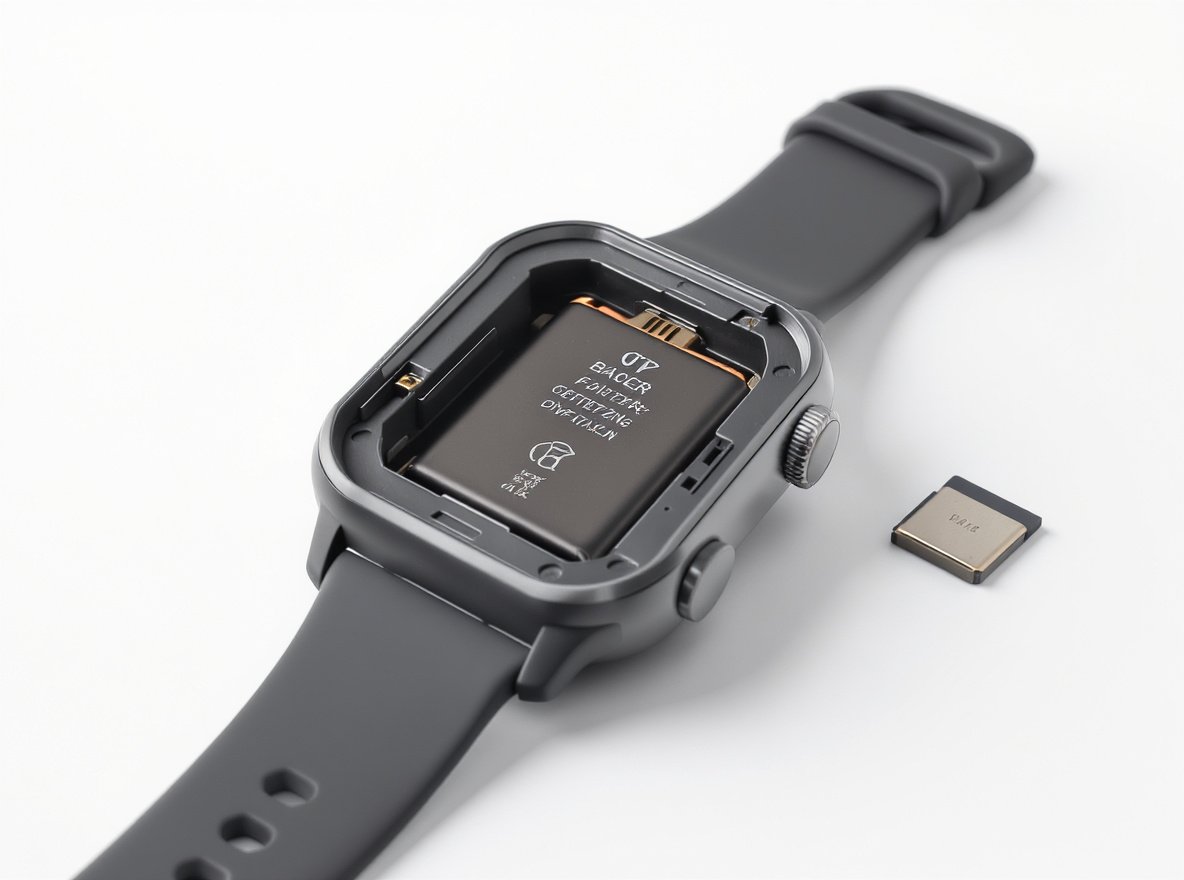
Is your smartwatch dying faster than ever, leaving you constantly searching for chargers? You’re not alone – battery degradation affects every smartwatch owner eventually, raising the crucial question of whether replacement is possible or if you need an entirely new device.
Yes, smartwatch batteries can be replaced, but the method and feasibility vary significantly by model. Most modern smartwatches have sealed designs that require professional service or advanced DIY skills, while only a few models offer user-replaceable batteries. The replacement process typically involves heating the device to soften adhesives, carefully removing components, and installing a new battery while preserving water resistance.
Understanding your options can save you hundreds of dollars and extend your smartwatch’s lifespan by 1-2 years. Let’s explore everything you need to know about smartwatch battery replacement.
Which Smartwatch Batteries Can Actually Be Replaced?
Not all smartwatches are designed equally when it comes to battery replacement accessibility. The industry has largely moved toward sealed designs prioritizing water resistance over repairability.
Professional battery replacement is available for most premium smartwatches including Apple Watch Series 3-9 and Ultra models, Samsung Galaxy Watch 4 and 5 series, and most Fitbit devices including Sense 2 and Versa 4. However, only a handful of current models offer user-replaceable batteries, including the Garmin Instinct 2 Solar and TicWatch Pro 5.
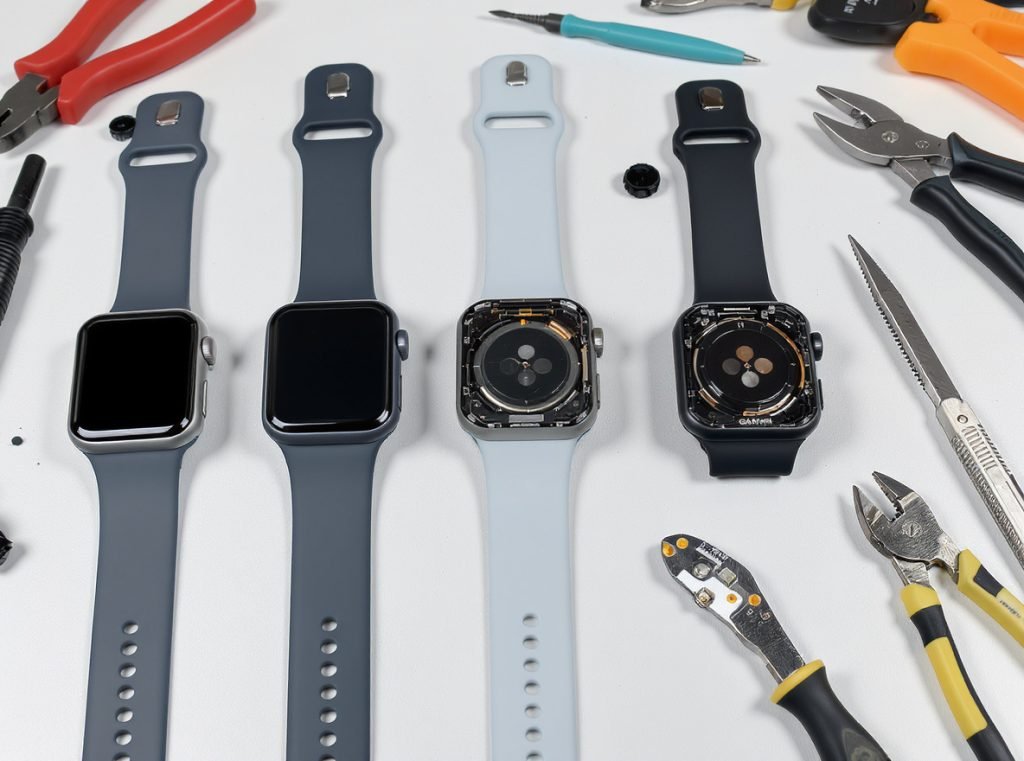
Understanding your device’s design determines whether you’ll need professional service or can handle replacement yourself.
Premium Models Requiring Professional Service
The most popular smartwatch brands have adopted sealed designs that make DIY replacement extremely challenging.
Apple Watch Family
All current Apple Watch models from Series 3 through Ultra 2 support battery replacement through Apple or authorized service providers, though the sealed construction requires specialized tools and expertise.
Samsung Galaxy Watch Series
Galaxy Watch 4, 5, and earlier models can have batteries replaced through Samsung Care or certified third-party services, with similar complexity to Apple devices.
Fitbit Devices
Most Fitbit models including Sense 2, Versa 4, and Charge 2 support battery replacement, though the process requires careful disassembly to avoid damaging delicate components.
Rare User-Replaceable Options
| Model | Battery Type | Replacement Difficulty | Special Features |
|---|---|---|---|
| Garmin Instinct 2 Solar | CR2032 coin cell | Easy | Solar charging capability |
| TicWatch Pro 5 | Snap-in design | Moderate | Tool-assisted access |
| PineTime/WatchX | Standard batteries | Easy | Open-source, modular |
| Generic DZ09/A1 models | Removable design | Easy | Basic functionality |
For wholesale buyers, these user-replaceable options offer significant advantages in customer satisfaction and reduced service costs.
How Much Does Smartwatch Battery Replacement Actually Cost?
Replacement costs vary dramatically between brands, service providers, and whether you choose DIY or professional service. Understanding these costs helps determine if replacement makes financial sense.
Professional smartwatch battery replacement ranges from $40-150 depending on the brand and service provider. Apple charges $79 for most models ($99 for Ultra series), Samsung official service costs $50-70, while independent repair shops typically charge $40-120. DIY replacement kits cost $10-60 but carry significant risk of device damage.

The economics become clearer when comparing replacement costs to new device prices and remaining useful life.
Brand-Specific Replacement Costs
Apple Watch Battery Replacement
- With AppleCare+: Free if battery health drops below 80%
- Without warranty: $79 for standard models, $99 for Ultra/Ultra 2
- Third-party services: $50-120 depending on location and model complexity
Samsung Galaxy Watch
- Official Samsung service: $50-70 for most current models
- Authorized repair centers: Similar pricing with comparable service quality
- Independent shops: $40-80 with variable warranty terms
Fitbit and Fitness Trackers
- Professional replacement: $50-80 for most Fitbit models
- DIY battery kits: $10-50 including necessary tools and batteries
- Generic smartwatch models: $15-40 for basic fitness tracker designs
Cost-Benefit Analysis Framework
When evaluating replacement versus upgrade decisions, consider these factors:
Replace When:
- Replacement cost under 50% of comparable new device price
- Current device meets your functional needs
- Device age between 2-4 years with good overall condition
Upgrade When:
- Replacement exceeds 60% of new model cost
- Multiple components showing wear beyond just battery
- Desired new features justify the additional investment
Should You Replace Your Smartwatch Battery Yourself?
DIY replacement appeals to cost-conscious users, but success depends heavily on technical skills, proper tools, and device design complexity.
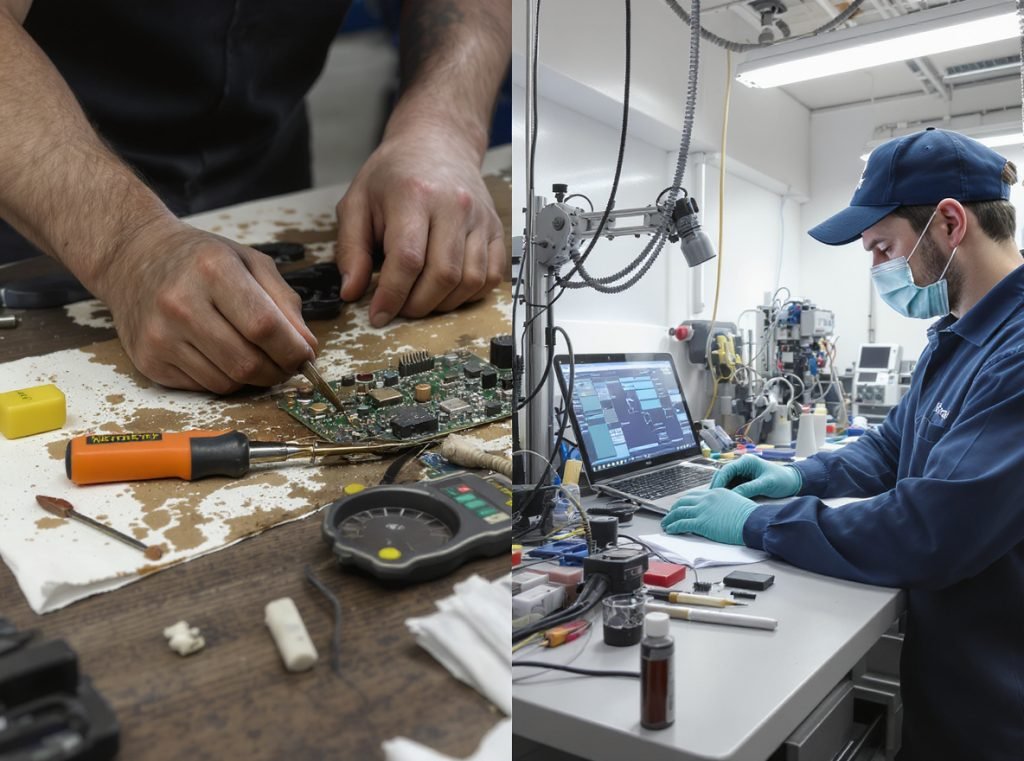
DIY replacement can save $40-100 compared to professional service, but carries significant risks including device damage, voided warranties, and loss of water resistance. Success requires proper tools, genuine replacement parts, and advanced technical skills. Most sealed premium smartwatches are extremely difficult to repair without specialized equipment and experience.
Consider these factors carefully before attempting self-replacement on expensive devices.
DIY Replacement Requirements
Essential Tools and Equipment
- Precision screwdriver set with security bits
- Plastic prying tools and spudgers
- Heat gun or hair dryer for adhesive softening
- Anti-static wrist strap and clean workspace
- Magnifying equipment for small component work
Technical Skills Needed
- Careful disassembly without damaging fragile ribbon cables
- Proper adhesive removal and reapplication
- Component alignment and reassembly precision
- Understanding of electronic safety procedures
Replacement Parts Considerations
Quality replacement batteries are crucial for successful DIY repairs. Compatible batteries typically range from 3.7V with capacities from 170mAh to 380mAh depending on the specific model and manufacturer specifications.
Professional Service Advantages
Guaranteed Results
- Genuine OEM parts with proper specifications
- Restored water resistance through professional resealing
- 6-month to 2-year warranties covering both parts and labor
- Expert handling minimizing damage risk during service
Service Provider Comparison
| Provider Type | Cost Range | Warranty Period | Turnaround Time | Parts Quality |
|---|---|---|---|---|
| Manufacturer | $79-99 | 6 months-2 years | 3-7 days | Genuine OEM |
| Authorized 3rd Party | $50-120 | 6 months-1 year | 1-3 days | OEM/High Quality |
| Independent Shop | $40-80 | 30 days-6 months | Same day | Variable Quality |
For businesses sourcing smartwatches for resale, partnering with manufacturers like Osmarto who design for serviceability can significantly reduce customer service issues and warranty claims.
Which Smartwatches Actually Have User-Replaceable Batteries?
The trend toward sealed designs has virtually eliminated user-replaceable batteries from mainstream smartwatches, but some options still exist for users prioritizing repairability.
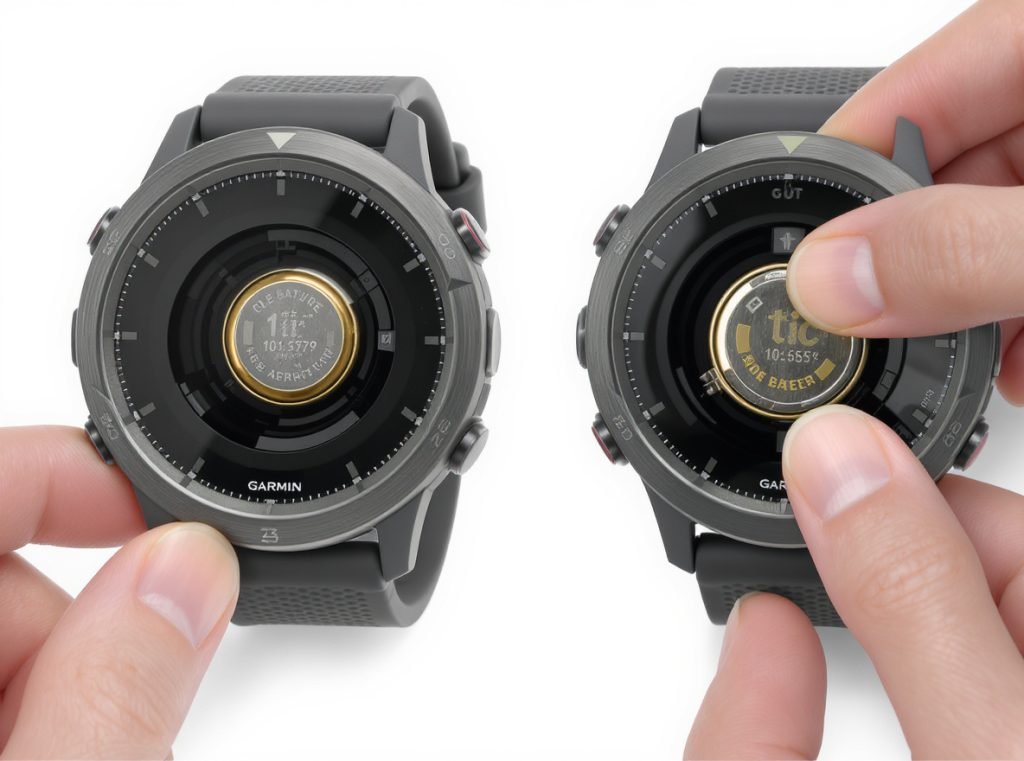
Current smartwatches with user-replaceable batteries include the Garmin Instinct 2 Solar with CR2032 coin cell battery, TicWatch Pro 5 with snap-in battery design, and various open-source models like PineTime and WatchX. Most mainstream brands including Apple, Samsung, and Fitbit have moved to sealed designs for better water resistance and thinner profiles.
For customers seeking long-term value and sustainability, these models offer significant advantages despite potentially fewer premium features.
Fitness-Focused Replaceable Options
Garmin Instinct 2 Solar
Uses standard CR2032 coin cell battery with easy user replacement. Solar charging capability extends battery life significantly, making replacements less frequent even with the removable design.
Coros Apex Pro
Features tool-assisted battery replacement system designed for user serviceability while maintaining rugged outdoor performance capabilities.
Select Casio G-Shock Connected Models
Some variants use standard watch batteries accessible through traditional watch battery replacement procedures.
Open-Source and Modular Designs
PineTime
Fully modular design with easily replaceable components including the battery, appealing to technically-minded users who value repairability over premium features.
WatchX
Arduino-compatible platform using standard coin cell batteries, designed specifically for makers and developers who prioritize customization and serviceability.
Business Implications for Wholesale Buyers
The scarcity of user-replaceable designs creates opportunities for manufacturers focusing on sustainability and total cost of ownership. Companies like Osmarto can differentiate by offering:
- Accessible battery replacement designs
- Clear service documentation and support
- Replacement parts availability
- Training for retail partners on basic maintenance
These features particularly appeal to environmentally conscious consumers and cost-sensitive market segments.
When Should You Replace vs. Upgrade Your Smartwatch?
Making the optimal choice between battery replacement and device upgrade requires analyzing multiple factors beyond simple cost comparison.
Replace the battery when your device is 2-4 years old, otherwise functional, battery health drops below 80%, and replacement costs under 50% of a comparable new device. Consider upgrading when replacement costs exceed 60% of new model price, software support has ended, multiple components are failing, or new health features would significantly benefit your usage.
The decision timeline often depends on how rapidly smartwatch technology is advancing and your specific feature requirements.
Replacement Decision Matrix
Favor Battery Replacement When:
- Device age between 18 months and 4 years
- All desired features still function properly
- Battery health diagnostics show 60-80% capacity remaining
- Replacement cost under $75 for devices worth $150+
Favor Device Upgrade When:
- Device over 4 years old with discontinued software support
- Replacement cost approaches 70% of newer model with better features
- Multiple hardware issues beyond battery degradation
- Significant new capabilities like advanced health monitoring appeal to you
Technology Evolution Considerations
Modern 2025 smartwatches offer substantial improvements over models from 3-4 years ago:
Battery Life Improvements
Current devices commonly provide 3-7 days of battery life compared to daily charging requirements of older models, representing a dramatic user experience improvement.
Enhanced Features
- Advanced health monitoring including blood oxygen and ECG
- Improved GPS accuracy and fitness tracking capabilities
- Better smartphone integration and app ecosystem
- Fast charging reducing inconvenience of regular charging
Performance Upgrades
- Faster processors enabling smoother operation
- Improved water resistance ratings
- Better display technology with higher resolution and brightness
| Device Age | Typical Recommendation | Key Considerations |
|---|---|---|
| Under 2 years | Replace battery | Still under warranty consideration |
| 2-4 years | Evaluate cost vs. features | Peak decision zone requiring analysis |
| Over 4 years | Usually upgrade | Technology advancement significant |
What Are the Warning Signs Your Smartwatch Battery Needs Replacement?
Recognizing battery degradation symptoms early allows you to plan replacement before complete failure disrupts your daily routine and data tracking.
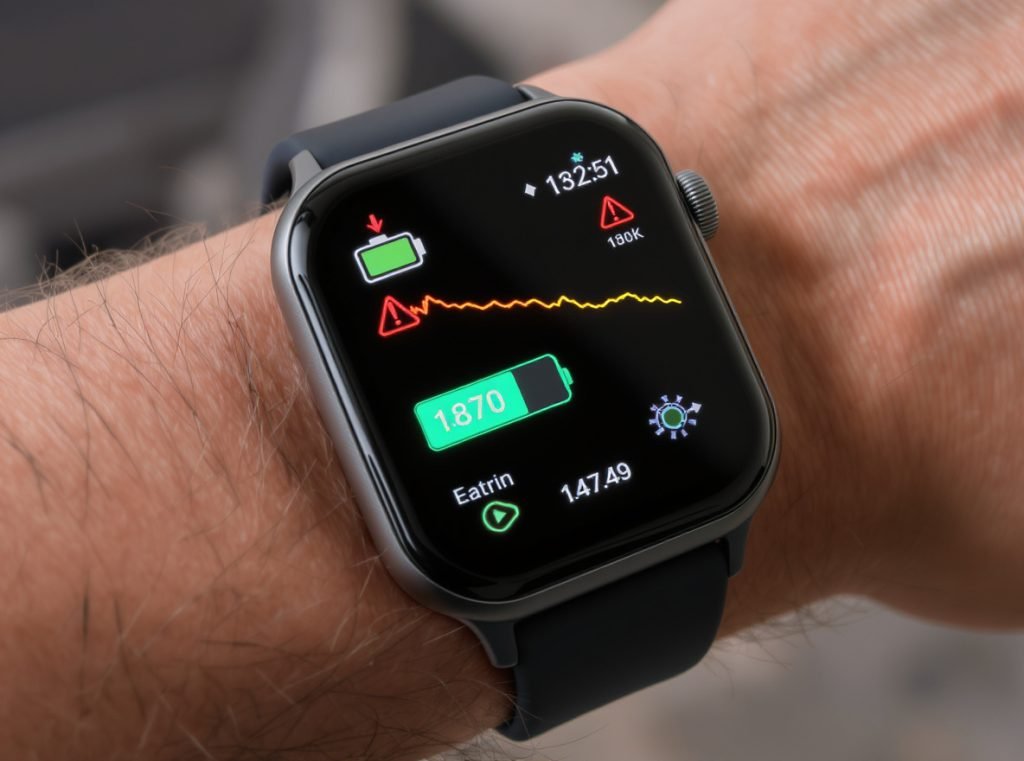
Key warning signs include rapid battery drain lasting less than 8-12 hours with normal use, unexpected shutdowns at 20-40% charge level, slow charging taking significantly longer than original specifications, excessive heat during charging, and visible battery swelling causing screen separation. These symptoms typically develop gradually over 18-36 months of regular use.
Early detection provides time to research replacement options and avoid emergency situations.
Progressive Battery Degradation Stages
Stage 1: Early Performance Decline (6-18 months)
- Slightly reduced battery life from original specifications
- Occasional inconsistencies in charging behavior
- Minor performance fluctuations during GPS or cellular intensive use
Stage 2: Moderate Degradation Issues (18-30 months)
- Battery life reduced by 25-40% from original capacity
- More frequent charging required for daily use
- Occasional unexpected shutdowns above normal low-battery thresholds
- Slower charging times even with original charging equipment
Stage 3: Critical Battery Failure (30+ months)
- Battery lasting less than half original duration with identical usage
- Device charges to 100% but drops rapidly to lower percentages
- Frequent shutdowns occurring at 20-40% displayed charge
- Device feels noticeably warm during normal operation
- Physical battery swelling visible through case separation or screen lifting
Monitoring and Diagnostic Tools
Built-in Battery Health Features
Most modern smartwatches include battery health monitoring accessible through device settings, showing current maximum capacity compared to original specifications.
Performance Tracking
Regular monitoring of daily battery consumption patterns helps identify gradual degradation before critical failure occurs.
Professional Assessment
Watch repair specialists can perform comprehensive battery health testing using specialized equipment to provide accurate remaining capacity measurements.
How Long Should You Expect Your Smartwatch Battery to Last?
Understanding realistic battery lifespan expectations helps you budget for replacements and choose devices with better long-term value.
Most smartwatch batteries maintain acceptable performance for 2-4 years with typical usage patterns. Premium models from Apple and Samsung generally last 2-4 years before replacement becomes necessary, fitness trackers like Fitbit and Garmin typically provide 2-3 years of service, while budget smartwatches may require replacement after 1-2 years due to lower-quality battery components.
Usage intensity affects lifespan more significantly than device price or brand reputation.
Factors Influencing Battery Longevity
Usage Pattern Impact
- GPS tracking and cellular connectivity accelerate battery wear
- Always-on display features increase daily power consumption
- Frequent notifications and app usage create additional drain
- Heart rate monitoring and sleep tracking add constant background load
Environmental and Maintenance Factors
- Operating temperature extremes reduce lithium-ion battery lifespan
- Proper charging habits including avoiding complete discharge cycles
- Software update impacts on power management efficiency
- Storage conditions during periods of non-use
Quality Variations by Segment
| Smartwatch Category | Expected Battery Life | Replacement Timeline | Usage Characteristics |
|---|---|---|---|
| Premium (Apple/Samsung) | 2-4 years | 3-5 years | Heavy feature use, daily charging |
| Fitness Focused (Garmin/Fitbit) | 2-3 years | 3-4 years | GPS intensive, moderate features |
| Budget Models | 1-2 years | 2-3 years | Basic features, variable quality |
Battery Chemistry and Cycle Life
Most smartwatch batteries retain approximately 80% of original capacity after 300-500 complete charge cycles. For users charging daily, this translates to 10-20 months before noticeable degradation, with replacement typically needed after 18-36 months.
Heavy users utilizing GPS tracking, cellular connectivity, and always-on displays may experience degradation sooner, while conservative users focusing on basic timekeeping and notifications can extend battery life significantly.
Where Can You Get Professional Smartwatch Battery Replacement?
Professional replacement services offer expertise, warranties, and genuine parts that DIY attempts cannot match, though at higher cost than self-service options.
Professional services are available through manufacturer-authorized service centers, nationwide electronics repair chains like uBreakiFix by Asurion, and local watch repair specialists. Apple offers in-store and mail-in service with genuine parts, Samsung provides same-day repairs at many locations, while independent shops offer competitive pricing with variable warranty terms and turnaround times.
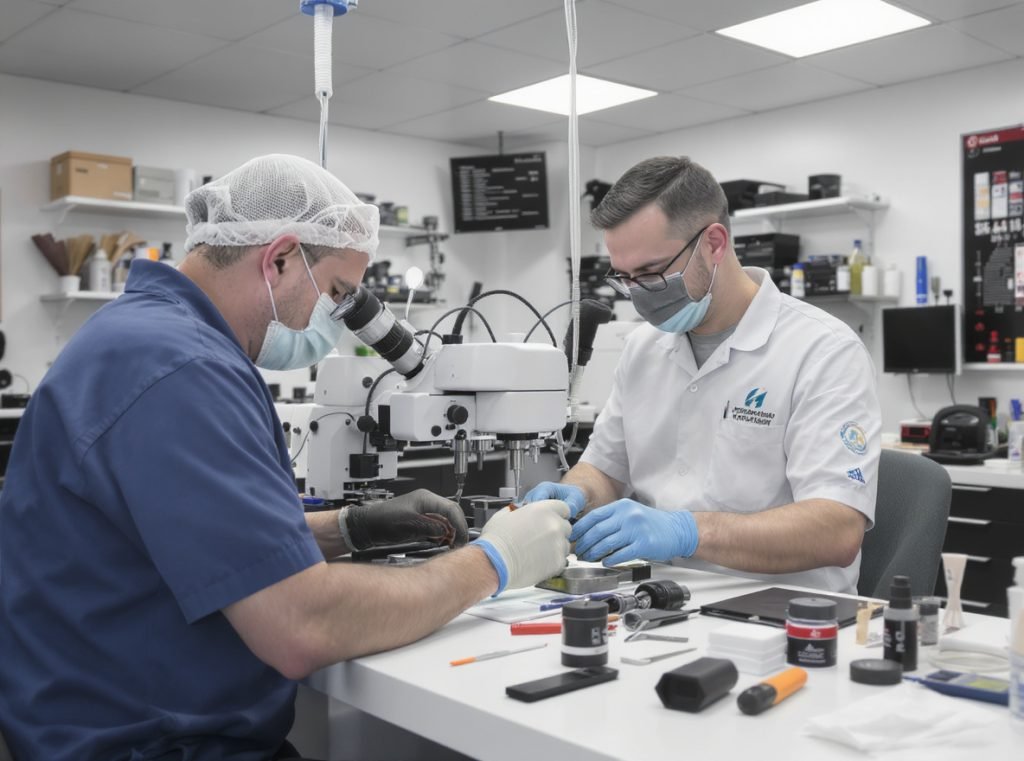
Choosing the right service provider balances cost, convenience, warranty protection, and part quality considerations.
Manufacturer-Authorized Service
Apple Official Service
- In-store Genius Bar appointments with same-day service availability
- Mail-in service with prepaid shipping and secure packaging
- Genuine OEM parts with full warranty coverage
- Integration with AppleCare+ coverage for reduced costs
Samsung Care Network
- Authorized service centers nationwide with trained technicians
- Same-day battery replacement available at many locations
- Official Samsung parts maintaining device authenticity
- Warranty coverage protecting against service-related issues
Garmin and Fitbit Support
Limited battery replacement services available for select models, though many devices are considered non-serviceable by manufacturers.
Third-Party Professional Options
uBreakiFix by Asurion
Nationwide electronics repair chain offering certified smartwatch battery replacement with standardized pricing and warranty terms across locations.
Local Watch Repair Specialists
Traditional watch repair shops increasingly service smartwatches, often providing competitive pricing, personal service, and quick turnaround times.
Independent Electronics Repair Stores
Specialized repair shops with proper tools and experience handling consumer electronics, offering variable pricing and service quality.
Service Selection Criteria
Evaluating Service Providers
- Verified certifications and technician training
- Customer reviews and Better Business Bureau ratings
- Warranty terms covering both parts and labor
- Genuine parts availability vs. compatible alternatives
- Turnaround time fitting your needs and schedule
For wholesale customers, partnering with manufacturers who provide comprehensive service support, training materials, and replacement parts availability can significantly improve customer satisfaction and reduce support burden.
Summary
Smartwatch battery replacement is definitely possible across most device categories, with options ranging from simple DIY solutions for basic models to professional services for premium sealed devices. The key decisions involve understanding your device’s design complexity, weighing replacement costs against upgrade benefits, and selecting service approaches matching your technical abilities and risk tolerance. With battery replacement typically extending device life by 1-2 years while maintaining familiar functionality, it often represents excellent value for devices under 4 years old.
Whether you’re a consumer maximizing device investment or a business sourcing sustainable products, battery serviceability should factor prominently in purchase decisions. For wholesale partners seeking smartwatches designed with long-term customer satisfaction in mind, Osmarto offers repairable designs that reduce total ownership costs and support environmental sustainability goals.
Ready to explore smartwatch solutions designed for serviceability and customer satisfaction? Contact Osmarto today to discuss how our repairable smartwatch designs can differentiate your product offerings and reduce customer service costs while supporting sustainability initiatives.