Skip to content
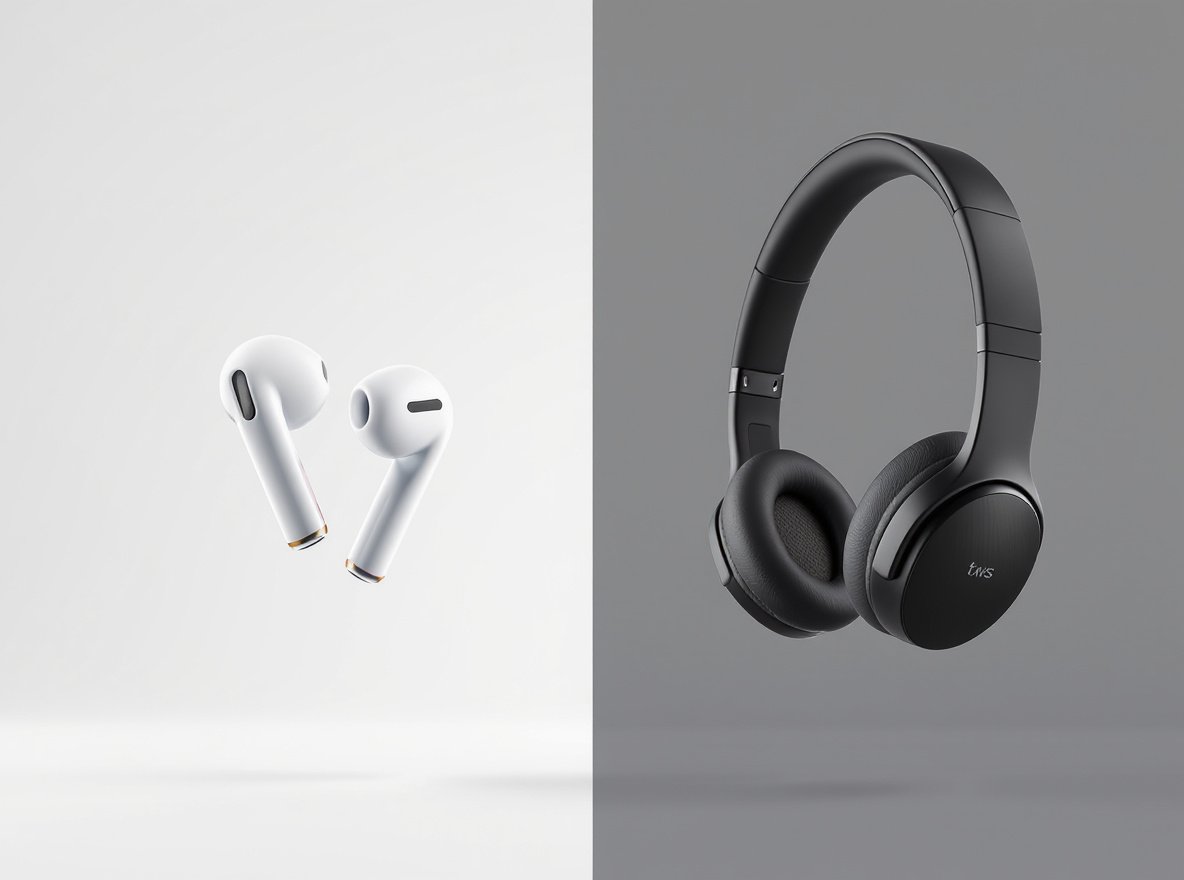
Choosing between TWS earbuds and Bluetooth neckbands impacts your wholesale success and customer satisfaction. With TWS dominating 71.3% of the wireless audio market while neckbands maintain strong growth in emerging markets, understanding these technologies helps you target the right customer segments.
The answer depends on your market positioning: TWS earbuds excel in premium segments with higher margins but require larger investments. Neckbands offer 30-40% lower wholesale costs ($12-18 vs $25-35 for TWS) and dominate price-sensitive markets, especially in Asia and Africa where they outsell TWS 3:1.
Let’s examine the data-driven differences to help you make profitable wholesale decisions.
What Are the Current Market Trends for TWS vs Neckband Sales?
Understanding market momentum guides your inventory investment strategy effectively.
TWS earbuds command 71.3% market share in 2025 with explosive 48.7% CAGR growth, projected to reach $532.66 billion by 2029. Neckbands maintain steady 15% CAGR through 2033, particularly strong in emerging markets.

The wireless audio landscape shows clear segmentation. TWS dominates developed markets through premium positioning and modern appeal. However, neckbands capture significant market share in price-sensitive regions.
Regional performance data reveals strategic opportunities:
Emerging market dominance: In India, 60% of wireless earphones under $20 are neckbands. African markets show neckbands outselling TWS 3:1, primarily due to loss prevention concerns and budget constraints.
Developed market patterns: TWS leads in North America and Europe where consumers prioritize convenience over cost considerations. These markets drive the premium segment growth.
| Market Segment | TWS Growth Rate | Neckband Growth Rate | Key Driver |
|---|---|---|---|
| Premium ($50+) | 52% CAGR | 8% CAGR | Brand prestige, features |
| Mid-range ($20-50) | 45% CAGR | 18% CAGR | Balanced performance |
| Budget (<$20) | 35% CAGR | 22% CAGR | Price sensitivity |
Which Offers Better Wholesale Profit Margins?
Profit margins directly impact your business sustainability and growth potential.
Neckbands typically offer wholesale prices 30-40% lower than equivalent TWS earbuds, with entry-level neckbands starting at $12-18 wholesale compared to $25-35 for basic TWS models.

The manufacturing complexity difference creates significant cost advantages for neckband production. TWS earbuds require precision assembly of miniaturized components, specialized charging cases, and complex quality control for wireless synchronization.
Neckband production benefits from simpler manufacturing processes similar to traditional wired earphones. The single-unit design eliminates charging case costs and reduces component count by approximately 30%.
Margin analysis breakdown:
- Neckband margins: Higher volume potential, faster inventory turnover, lower defect rates
- TWS margins: Premium pricing enables better per-unit profits despite higher production costs
- Market positioning: Neckbands excel in volume sales, TWS in value-per-transaction
How Do Battery Performance Differences Affect Customer Satisfaction?
Battery life directly correlates with customer retention and repeat purchase rates.
Neckbands provide 10-30 hours continuous playback versus 4-8 hours for TWS earbuds. However, TWS charging cases extend total usage to 12-40 hours with proper case management.

The larger neckband housing accommodates bigger batteries without compromising comfort or portability. This translates to superior performance for extended-use scenarios like long flights, all-day work, or delivery drivers.
Real-world usage patterns reveal important distinctions:
Professional users consistently prefer neckband longevity for uninterrupted workflows. Construction workers, delivery drivers, and customer service representatives value the reliable all-day performance.
TWS earbuds serve different usage patterns effectively. Commuters appreciate the convenience of case charging between uses, while fitness enthusiasts value the quick-charge capabilities for multiple daily workouts.
Customer satisfaction metrics:
- Neckband users report 85% satisfaction with battery performance
- TWS users show 72% satisfaction, with case management being the primary complaint
- Business customers overwhelmingly prefer neckband battery reliability
Which Technology Offers Better Call Quality for Business Users?
Call clarity affects professional customer segments significantly.
Neckbands generally provide superior call quality due to multiple microphones and optimal positioning away from wind noise. Budget neckbands around $20 often feature 2-3 microphones compared to single microphones in equivalent TWS models.

The neckband design enables strategic microphone placement for voice pickup optimization. Microphones position closer to the mouth while maintaining distance from environmental noise sources.
Professional calling advantages include:
Neckband benefits: Stable microphone positioning prevents voice quality fluctuations during movement. The larger housing accommodates advanced noise cancellation algorithms and multiple microphone arrays.
TWS limitations: Microphone placement on the earbud positions farther from the voice source. Movement can affect microphone orientation, causing inconsistent call quality.
Business customer preferences show clear patterns favoring neckbands for professional communication needs, while TWS appeals more to casual users prioritizing convenience over call optimization.
How Does Durability Compare Between These Technologies?
Longevity affects total cost of ownership and customer lifetime value.
Neckbands last an average of 2.5 years compared to 1.8 years for TWS earbuds, primarily due to lower loss rates and superior battery longevity. Large neckband batteries degrade more gracefully than tiny TWS cells.

Durability analysis reveals significant differences in component lifespan. Neckband batteries typically use 600mAh cells that remain functional even after degrading to 300mAh capacity. TWS batteries become unusable when small cells lose significant capacity.
Physical durability factors:
The connected neckband design eliminates loss risk – even if earbuds slip out during activity, they remain attached to the user. This virtually eliminates replacement costs from complete unit loss.
TWS earbuds face constant loss risk due to their small, separate design. Individual earbud replacement often costs 60-80% of the complete unit price, making loss financially significant for customers.
Failure mode comparison:
- Neckbands: Band fatigue (repairable), button wear, gradual battery decline
- TWS: Complete loss, charging case failure, individual earbud malfunction, contact corrosion
Which Performs Better for Active Lifestyles and Sports?
Sports and fitness represent significant growth segments for wireless audio.
Neckbands provide superior security during vigorous movement, favored by delivery drivers, construction workers, and professional athletes. TWS offers complete movement freedom but faces fall-out risks during high-impact activities.

Active lifestyle applications show clear preferences based on activity type. Neckbands excel in scenarios requiring constant audio availability without interruption risk.
Professional applications demonstrate neckband advantages:
Industrial workers value the secure connection during physical labor. Even if earbuds become dislodged, they remain accessible for immediate replacement without stopping work.
Fitness considerations vary by activity type:
- High-impact sports: Neckbands prevent loss during intense movement
- Gym workouts: TWS offers wire-free convenience for weightlifting
- Running: Mixed preferences based on individual fit and security comfort
- Professional sports: Athletes increasingly choose neckbands for training reliability
What Are the Sound Quality Differences in Practice?
Audio performance affects customer satisfaction across all market segments.
Sound quality has become increasingly comparable between technologies. Neckbands traditionally held advantages through larger drivers and better power management, but modern premium TWS earbuds now match neckband performance.

Historical advantages favored neckbands due to larger housing accommodating bigger drivers and more sophisticated audio processing. The neck-mounted design also enables better acoustic isolation and bass response.
Modern TWS development has largely bridged this performance gap through advanced driver materials and digital signal processing. Premium TWS models now deliver audio quality comparable to traditional headphones.
Performance considerations by price point:
- Budget segment: Neckbands maintain clear audio quality advantages
- Mid-range: Performance parity with slight neckband edge in bass response
- Premium: TWS matches or exceeds neckband performance through advanced technology
For wholesale buyers, neckbands offer better audio value at equivalent price points, particularly important for price-sensitive customer segments.
How Should Wholesale Buyers Approach Inventory Strategy?
Strategic inventory planning maximizes profitability and market coverage.
Smart wholesale operations stock both technologies to capture different market segments. Focus neckbands for budget-conscious and professional customers while maintaining TWS inventory for premium and fashion-conscious segments.

Successful inventory strategies recognize that neither technology universally dominates. Each serves distinct customer needs and price expectations effectively.
Regional market analysis guides optimal inventory allocation:
Emerging markets: Prioritize neckband inventory due to price sensitivity and practical concerns. These markets show consistent 22% annual growth in budget neckband segments.
Developed markets: Maintain balanced inventory with TWS emphasis for premium positioning. Urban professionals drive consistent demand for convenient, fashionable audio solutions.
Seasonal considerations:
- Gift seasons favor TWS for premium appeal
- Back-to-school periods benefit from budget neckband positioning
- Professional segments show consistent year-round neckband demand
What Future Trends Should Wholesale Buyers Consider?
Technology evolution affects long-term business planning and investment decisions.
TWS represents the future of premium wireless audio with major brand investment and continuous innovation. Neckbands maintain strategic importance in budget markets and specific professional applications.

Investment patterns from major technology companies strongly favor TWS development. Features like spatial audio, health monitoring, and AI integration focus primarily on TWS platforms.
However, neckband technology continues evolving with improved materials, better battery efficiency, and enhanced calling features. The stable 15% CAGR indicates sustained market demand.
Innovation trajectories:
- TWS focus: Premium features, brand partnerships, lifestyle integration
- Neckband focus: Durability improvements, professional applications, cost optimization
- Market coexistence: Both technologies serving distinct customer needs long-term
Summary
TWS earbuds and Bluetooth neckbands each excel in different market segments. TWS dominates premium markets with 71.3% share and 48.7% growth, while neckbands provide superior value in budget segments with 30-40% lower wholesale costs and better durability.

Ready to optimize your wireless audio inventory with data-driven product selection? Contact Osmarto for customized TWS and neckband solutions tailored to your market needs. Our experienced team provides competitive wholesale pricing, reliable supply chains, and market insights to grow your business.
Send us your inquiry today and discover how Osmarto’s comprehensive audio product range can capture both premium and budget market opportunities.