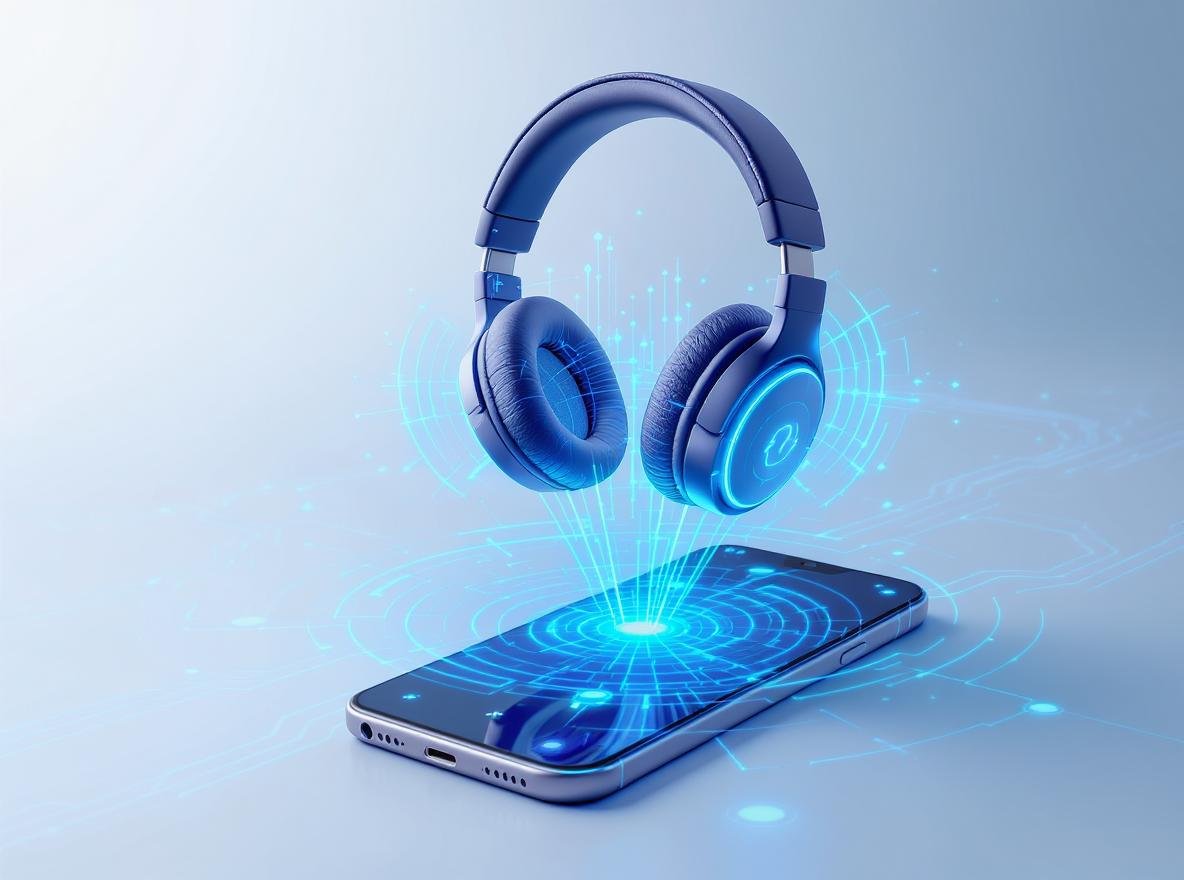
Struggling to connect your wireless headphones to your smartphone, laptop, or tablet? You’re not alone. Many people find the Bluetooth pairing process confusing and wonder exactly how their devices communicate wirelessly. The good news is that understanding this technology can help you troubleshoot connection issues and make smarter purchasing decisions for your business.
Wireless headphones connect to devices using Bluetooth through a sophisticated three-phase process: discovery (inquiry), pairing (authentication), and connection establishment. The headphones broadcast their availability using radio waves at 2.4 GHz frequency, devices exchange cryptographic security keys during pairing, and finally establish an encrypted wireless connection for high-quality audio transmission. This process typically takes 30-60 seconds and creates a permanent bond between devices.
Let’s dive deeper into how this wireless technology works and what you need to know as a business owner sourcing headphones for your customers.
What Exactly Is Bluetooth Technology in Wireless Headphones?
Understanding Bluetooth technology is crucial for anyone in the headphone business. This short-range wireless communication standard has revolutionized how we consume audio content without the limitations of cables.
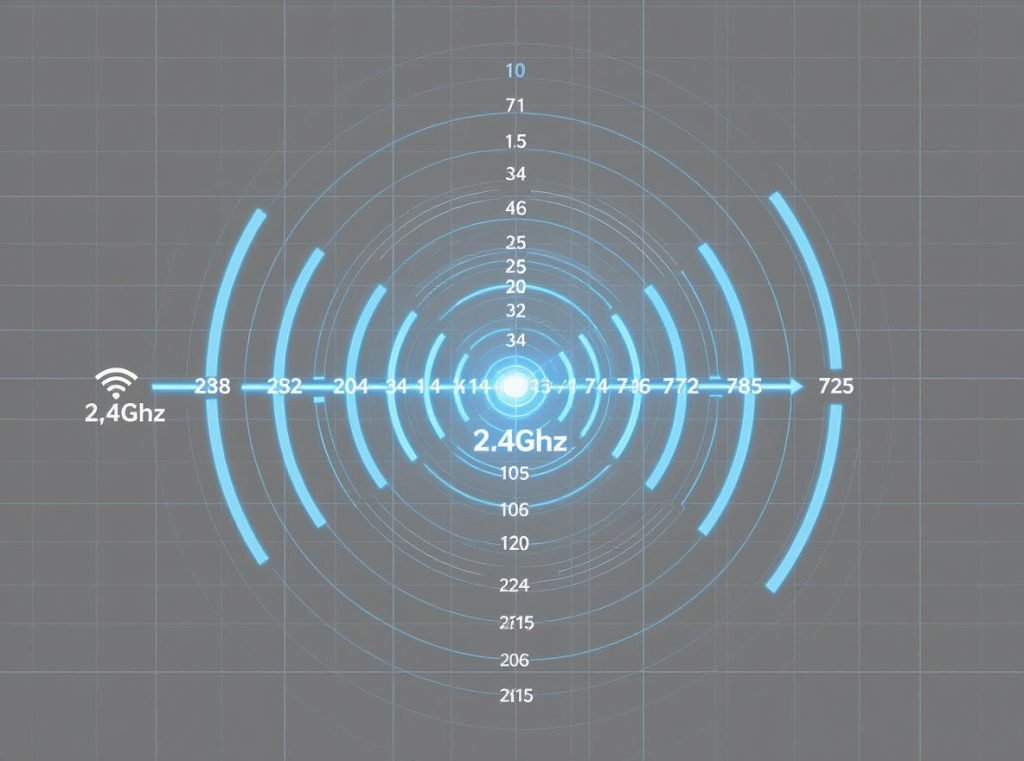
Bluetooth is a short-range wireless communication standard operating in the 2.4 GHz ISM (Industrial, Scientific, and Medical) frequency band. Originally developed by Swedish telecommunications company Ericsson in 1994, Bluetooth creates direct device-to-device connections without requiring internet infrastructure, routers, or cables. It uses ultra-high frequency radio waves to transmit audio data over distances of approximately 30-240 meters depending on the version.
The technology gets its name from 10th-century Danish King Harald “Bluetooth” Gormsson, who united warring tribes—much like how Bluetooth technology unites different devices. The Bluetooth logo even incorporates the runic characters for Harald’s initials (H and B).
Technical Foundation
Bluetooth operates using a sophisticated technique called frequency hopping spread spectrum, rapidly switching between 79 different frequency channels at a rate of 1,600 hops per second. This constant channel switching helps avoid interference from other devices operating in the same 2.4 GHz band.
Key advantages for headphone manufacturers and users include:
- Universal compatibility across virtually all modern devices regardless of brand
- No internet connection required for device-to-device communication
- Advanced interference resistance through frequency hopping
- Low power consumption, especially with Bluetooth Low Energy (BLE) versions
- Automatic reconnection capabilities once devices are paired
| Bluetooth Feature | Benefit | Business Impact |
|---|---|---|
| Frequency Hopping | Interference resistance | Fewer customer complaints about dropouts |
| Universal Standard | Cross-platform compatibility | Broader market reach |
| Low Energy Design | Extended battery life | Higher customer satisfaction |
| Automatic Reconnection | User convenience | Reduced support requests |
For businesses like Osmarto, understanding these technical specifications helps in product development and customer education. Modern Bluetooth versions (5.0 and above) offer dramatically improved range, speed, and battery efficiency compared to earlier implementations.
How Does the Bluetooth Pairing Process Actually Work?
The pairing process might seem simple from a user perspective, but there’s sophisticated security technology working behind the scenes. Modern Bluetooth pairing involves multiple phases that ensure secure, encrypted communication between devices.
Bluetooth pairing involves three distinct phases: Pairing Feature Exchange, Key Generation, and Transport-Specific Key Distribution. During the first phase, devices negotiate their capabilities and security requirements. In the second phase, they generate and exchange cryptographic keys using advanced algorithms like Elliptic Curve Diffie-Hellman (ECDH). Finally, they distribute the actual encryption keys that will secure all future communications.
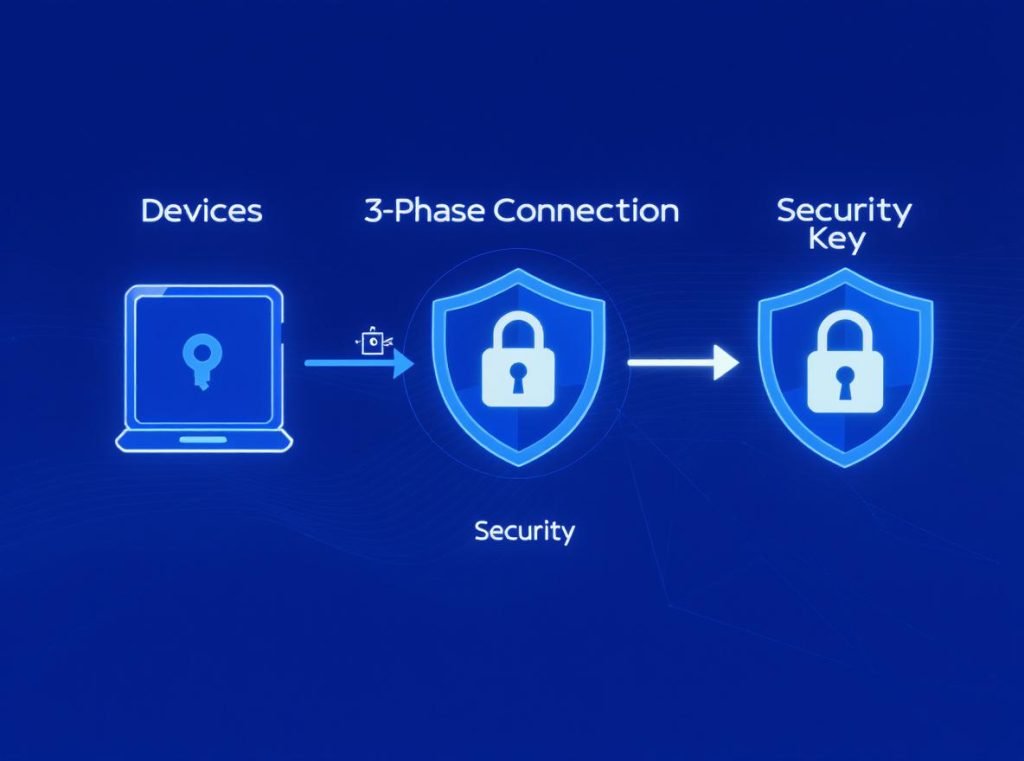
Phase 1: Pairing Feature Exchange
The process begins when one device (the initiator) sends a “Pairing Request” to another device (the responder). During this initial exchange, both devices share their capabilities including:
- Input/output abilities (display, keyboard, speaker capabilities)
- Authentication requirements and security preferences
- Maximum encryption key sizes supported
- Bonding requirements for permanent device memory
Phase 2: Key Generation
Modern Bluetooth devices use either LE Legacy Pairing (for older devices) or LE Secure Connections (Bluetooth 4.2+). The more secure LE Secure Connections method employs Elliptic Curve Diffie-Hellman (ECDH) key exchange with P-256 elliptic curve cryptography.
This phase generates shared cryptographic keys through mathematical algorithms that ensure even if someone intercepts all transmitted data, they cannot determine the encryption keys.
Phase 3: Transport-Specific Key Distribution
In the final phase, devices distribute the actual security keys they’ll use for ongoing communication:
- Long Term Key (LTK): Primary encryption key using AES-128 encryption
- Identity Resolving Key (IRK): Enables privacy through random address changes
- Connection Signature Resolving Key (CSRK): Authenticates data integrity
| Security Key | Purpose | Protection Level |
|---|---|---|
| LTK | Data encryption | AES-128 (military grade) |
| IRK | Privacy protection | Random address generation |
| CSRK | Data authentication | Tamper detection |
For wholesale customers, it’s important to understand that this security framework protects against eavesdropping, unauthorized access, and man-in-the-middle attacks. Quality manufacturers like Osmarto implement these security standards rigorously to protect end users and maintain brand reputation.
Why Do You Need to Put Headphones in “Pairing Mode”?
Many users wonder why they can’t just turn on their headphones and instantly connect. The answer lies in sophisticated power management and security protocols designed to protect both devices and extend battery life.
Pairing mode is a special discoverable state where headphones actively broadcast their presence on three dedicated Bluetooth advertising channels (channels 37, 38, and 39). This temporary state typically lasts 2-5 minutes and is necessary because headphones normally remain “invisible” to conserve battery power and prevent unauthorized connections from nearby devices.
During normal operation, Bluetooth devices use 37 data channels for communication, but they rely on just these 3 advertising channels for device discovery. When your headphones are in pairing mode, they’re constantly broadcasting “I’m here and ready to connect” messages on these specific frequencies.
Why Pairing Mode Is Essential:
Battery Conservation Strategy
Continuously broadcasting availability would drain the battery rapidly. Studies show that constant advertising can reduce battery life by up to 40%. Pairing mode activates only when needed, preserving power for actual audio playback.
Security and Privacy Protection
Headphones don’t constantly advertise their presence to prevent unauthorized access. Without explicit pairing mode activation, strangers cannot initiate connections even when within range.
Network Traffic Management
In crowded environments with many Bluetooth devices, selective pairing prevents interference and connection confusion. This is especially important in offices, gyms, and public spaces.
Common pairing mode indicators across different manufacturers include:
- Flashing blue and red LED lights alternately
- Rapid blue light blinking patterns
- Voice prompts announcing “pairing mode” or “ready to connect”
- Specific button combinations (typically holding power button for 3-7 seconds)
For wholesale customers, understanding that different headphone models have varying pairing procedures helps in customer support planning. Quality manufacturers like Osmarto provide clear visual and audio feedback to ensure intuitive pairing experiences that reduce support requirements.
What Happens During the Security Key Exchange?
The security aspect of Bluetooth pairing represents one of the most sophisticated elements of the technology. Modern Bluetooth implements multiple layers of cryptographic protection that rival banking-level security standards.
During pairing, devices execute a complex cryptographic dance using FIPS-approved P-256 elliptic curve cryptography. Each device generates its own public-private key pair, exchanges public keys while keeping private keys secret, then computes a shared secret that enables AES-128 encryption for all future communications. This process ensures that even sophisticated eavesdroppers cannot decrypt intercepted audio data.

Advanced Cryptographic Methods
Elliptic Curve Diffie-Hellman (ECDH) Key Exchange
Bluetooth Secure Connections uses ECDH with P-256 elliptic curve cryptography, the same standard used by government agencies and financial institutions. This mathematical framework allows two devices to agree on a shared secret over an insecure channel without ever transmitting the secret itself.
Authentication Protocols
Depending on device capabilities, Bluetooth employs different authentication methods:
- Numeric Comparison: Both devices display identical six-digit numbers for user verification
- Passkey Entry: One device displays a number that users enter on the other device
- Out-of-Band: Uses external channels like NFC for enhanced security
- Just Works: For devices without displays, providing encryption without user interaction
Multi-Layer Security Architecture
The security system implements multiple specialized protection mechanisms:
| Security Layer | Technology | Protection Against |
|---|---|---|
| Authentication | ECDH P-256 | Device impersonation |
| Encryption | AES-128 | Data eavesdropping |
| Privacy | IRK random addressing | Location tracking |
| Integrity | CSRK signatures | Data tampering |
Real-World Security Benefits
This comprehensive security framework protects against several attack vectors:
- Passive eavesdropping: Encrypted transmission prevents audio interception
- Active man-in-the-middle attacks: Authentication prevents unauthorized device substitution
- Privacy invasion: Random addressing prevents location tracking
- Data tampering: Integrity signatures detect modified communications
For businesses sourcing headphones, understanding these security features helps in product selection and customer education. Enterprise customers particularly value robust security implementations, and manufacturers like Osmarto ensure compliance with international security standards including FIPS approvals.
How Do Different Devices Handle Bluetooth Connections?
Not all devices implement Bluetooth connections identically, despite following the same underlying standards. Understanding these platform-specific differences is crucial for businesses serving diverse customer bases with various device ecosystems.
Each operating system and device type has unique Bluetooth implementation approaches while maintaining core compatibility. iOS prioritizes seamless ecosystem integration and enhanced security, Android offers extensive customization and codec flexibility, while Windows provides comprehensive enterprise management features. These differences impact user experience, audio quality, and connection reliability.
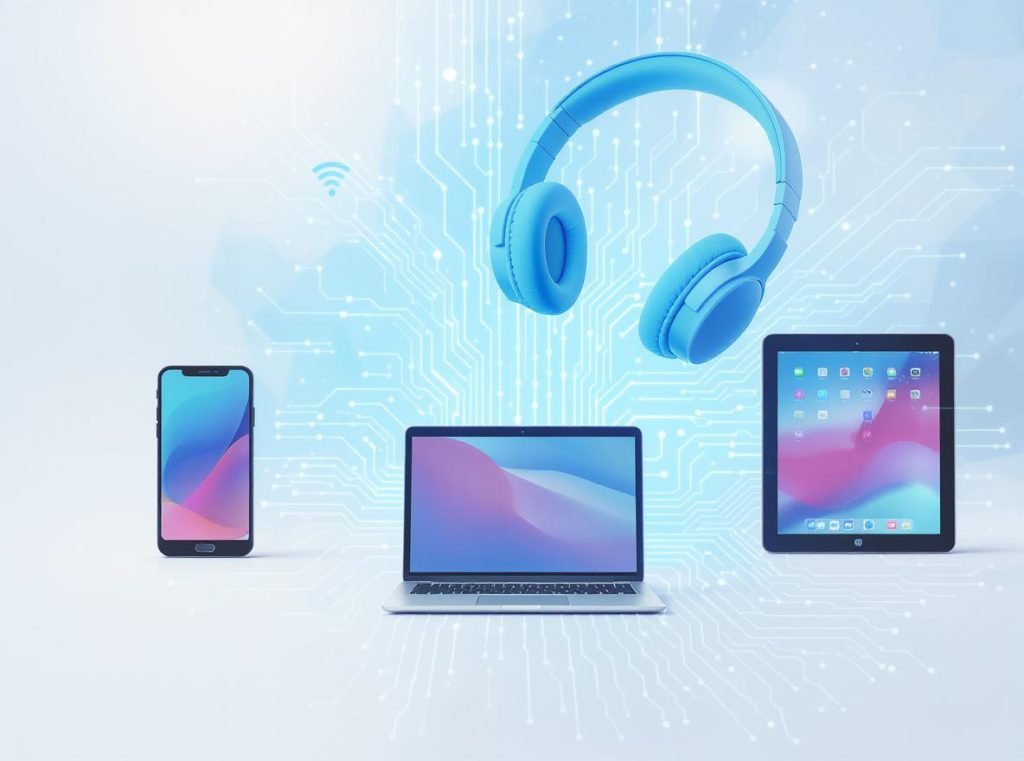
Platform-Specific Implementations
iOS Ecosystem (iPhone, iPad, Mac)
Apple devices implement robust security features including FIPS-approved algorithms and secure key storage in dedicated hardware security modules. iOS emphasizes simplicity with streamlined pairing through the Settings app and automatic codec selection for optimal audio quality.
Key iOS characteristics:
- Enhanced integration with Apple ecosystem devices using proprietary protocols
- Automatic AAC codec prioritization for superior audio quality
- Strict app permissions requiring explicit user consent for Bluetooth access
- Seamless handoff capabilities between iPhone, iPad, and Mac devices
Android Platform Diversity
Android offers extensive flexibility but varies significantly between manufacturers. Google’s reference implementation supports multiple advanced audio codecs including aptX, aptX HD, and LDAC.
Android advantages include:
- Customizable Bluetooth settings and developer options for power users
- Support for various high-quality audio codecs beyond basic SBC
- Manufacturer-specific enhancements (Samsung’s Scalable Codec, Sony’s LDAC)
- More granular control over connection preferences and power management
Windows Enterprise Features
Windows devices provide comprehensive Bluetooth management suited for business environments, supporting Bluetooth versions up to 5.1 with extensive profile compatibility.
Windows capabilities include:
- Detailed device properties and advanced troubleshooting tools
- Support for multiple audio profiles operating simultaneously
- Enterprise-level security policies and device management
- Extensive codec configuration options for professional audio applications
Bluetooth Profile Compatibility
Different device types utilize specific Bluetooth profiles that define communication protocols:
| Profile | Full Name | Primary Function | Device Support |
|---|---|---|---|
| A2DP | Advanced Audio Distribution | High-quality stereo streaming | Universal |
| HFP | Hands-Free Profile | Voice calls with controls | Smartphones, PCs |
| HSP | Headset Profile | Basic mono audio | Legacy devices |
| AVRCP | Audio/Video Remote Control | Media playback controls | Modern devices |
For headphones to function properly with any device, both must support compatible profiles. Modern smartphones typically support all major audio profiles, while specialized or older devices may have limited profile support.
Multi-Device Connectivity Capabilities
Traditional Bluetooth operates as point-to-point connections, but modern implementations support multiple simultaneous connections with different peripheral types. Most devices can simultaneously connect to headphones, keyboards, mice, and fitness trackers.
However, audio streaming limitations typically restrict most devices to one audio output at a time. Newer Bluetooth 5.2 features like Isochronous Channels enable true simultaneous multi-device audio streaming, though adoption remains limited.
For businesses like wholesale distributors working with Osmarto, understanding these platform differences ensures appropriate product recommendations and reduces compatibility-related support issues.
What Are the Most Common Bluetooth Connection Problems?
Despite Bluetooth’s technological maturity, users frequently encounter connection issues stemming from various technical, environmental, and compatibility factors. Understanding these problems helps businesses provide better customer support and select more reliable products.
The most frequent Bluetooth connection problems include range and interference issues, pairing authentication failures, audio quality degradation, and software compatibility conflicts. These problems often result from environmental factors like WiFi interference, device limitations such as maximum pairing capacity, or software issues including outdated drivers and power management conflicts.
Environmental and Range Limitations
Interference in the 2.4 GHz Spectrum
Bluetooth shares the crowded 2.4 GHz frequency band with WiFi networks, microwave ovens, and numerous other wireless devices. This congestion creates significant potential for signal interference and connection instability.
Common interference sources include:
- WiFi routers operating on overlapping channels
- Microwave ovens generating broadband interference
- Industrial equipment using 2.4 GHz frequencies
- Multiple Bluetooth devices in close proximity
Physical Obstacle Impact
Physical barriers significantly affect Bluetooth performance beyond the theoretical range specifications. The human body, walls, furniture, and metal objects can dramatically reduce effective range and connection quality.
Range performance factors:
- Line of sight: Optimal performance requires unobstructed paths
- Building materials: Concrete and metal construction severely limit range
- Device positioning: Pocket placement and body orientation affect signal strength
- Environmental density: Crowded spaces with multiple obstacles reduce reliability
Technical and Compatibility Issues
Pairing and Authentication Failures
Authentication problems represent the most common user complaints and support requests.
| Problem Type | Common Causes | Resolution Strategies |
|---|---|---|
| Discovery failures | Pairing mode timeout | Restart pairing process within time limits |
| PIN/passcode errors | Incorrect authentication | Clear pairing cache and retry |
| Connection drops | Low battery levels | Maintain adequate charge levels |
| Device limits reached | Too many paired devices | Remove unused pairings to free slots |
Audio Quality and Latency Problems
Audio issues manifest in several ways that significantly impact user experience:
- Stuttering and dropouts: Usually caused by interference or weak signal strength
- Audio-video synchronization: Particularly noticeable during video playback
- Reduced quality: Results from codec incompatibilities or bandwidth limitations
- Connection instability: Frequent disconnections during high-interference periods
Software and Driver Conflicts
Many connection problems originate from software rather than hardware limitations:
- Outdated Bluetooth drivers: Compatibility issues with newer devices and protocols
- Operating system conflicts: Updates changing Bluetooth stack behavior
- Power management interference: Aggressive power saving forcing Bluetooth sleep modes
- Application conflicts: Multiple programs competing for Bluetooth resources
Business Impact and Solutions
For wholesale partners, understanding these common problems enables better product selection and customer support strategies. Manufacturers like Osmarto address these issues through:
- Extensive compatibility testing across device types and operating systems
- Advanced antenna design for improved range and interference resistance
- Comprehensive documentation including troubleshooting guides
- Proactive customer support and technical resources
Businesses can minimize support burden by selecting suppliers who prioritize reliability testing and provide robust customer education materials.
How Has Bluetooth Technology Evolved for Headphones?
Bluetooth technology has undergone revolutionary improvements since its introduction, with each major version bringing transformative enhancements specifically benefiting audio applications. Understanding this evolution helps businesses make informed decisions about product specifications and future technology investments.
Bluetooth has evolved from version 1.0’s limited 732 kbps data rates and 10-meter range to version 5.4 offering 50 Mbps speeds, 240-meter range, and sophisticated audio features like LE Audio with LC3 codec. Each generation brought dramatic improvements in speed, range, audio quality, power consumption, and multi-device connectivity capabilities.

Historical Development Timeline
Early Generations (1999-2009)
The first Bluetooth devices in 1999 were primarily designed for voice communication with extremely limited capabilities. Bluetooth 1.0 suffered from interoperability problems and security vulnerabilities that limited adoption.
Bluetooth 2.0 (2004) introduced Enhanced Data Rate (EDR) technology, increasing speeds from 732 kbps to 2.1 Mbps and extending range to 30 meters. This version made wireless audio more practical but still suffered from high power consumption.
Bluetooth 3.0 (2009) added High Speed capabilities reaching up to 24 Mbps by incorporating WiFi for data transfer, but the complexity and power requirements made it unsuitable for headphone applications.
The Low Energy Revolution (2010-2016)
Bluetooth 4.0 (2010) marked a paradigm shift with Bluetooth Low Energy (BLE) introduction, reducing power consumption by up to 90% while maintaining performance. This breakthrough enabled practical all-day wireless headphone usage.
Subsequent 4.x versions refined the low energy implementation:
- 4.1 (2013): Improved coexistence with LTE and automatic reconnection
- 4.2 (2014): Enhanced security and improved data packet capacity
Modern High-Performance Era (2016-Present)
Bluetooth 5.0 (2016): The Game Changer
Version 5.0 delivered transformative improvements that revolutionized wireless audio:
| Improvement | Bluetooth 4.2 | Bluetooth 5.0 | Benefit |
|---|---|---|---|
| Range | 30 meters | 240 meters | 8x improvement |
| Speed | 1 Mbps | 2 Mbps | 2x faster data transfer |
| Message capacity | Limited | 8x increase | Better device communication |
| Power efficiency | Standard | 2.5x improvement | Longer battery life |
Advanced Audio Features (5.1-5.4)
Recent versions focused heavily on audio application improvements:
Bluetooth 5.1 (2019) added precise location tracking and direction finding capabilities, enabling advanced features like automatic ear detection and spatial audio.
Bluetooth 5.2 (2020) introduced revolutionary audio capabilities:
- LE Audio with LC3 codec: Provides higher quality audio at half the bitrate of traditional SBC
- Isochronous Channels: Enables true simultaneous streaming to multiple devices
- Enhanced Attribute Protocol (EATT): More efficient data exchange reducing latency
- Low Energy Power Control: Automatic optimization based on signal strength
Bluetooth 5.3 (2021) refined the foundation with:
- Improved interference resistance for crowded environments
- Faster connection establishment reducing pairing time
- Enhanced security features including stronger encryption
Audio Codec Evolution
Modern Bluetooth versions support advanced audio codecs that dramatically improve sound quality:
| Codec | Introduced | Bitrate | Latency | Compatibility |
|---|---|---|---|---|
| SBC | Bluetooth 1.2 | 328 kbps | 200ms | Universal |
| AAC | Bluetooth 2.0 | 256 kbps | 150ms | iOS optimized |
| aptX | Bluetooth 2.1 | 384 kbps | 70ms | Android/Windows |
| aptX HD | Bluetooth 4.0 | 576 kbps | 130ms | Premium devices |
| LC3 | Bluetooth 5.2 | 345 kbps | 20ms | Future standard |
Market Impact and Adoption
The global Bluetooth headphones market is projected to reach $24.36 billion by 2030, with a compound annual growth rate of 6.8%. This growth is driven largely by the technological improvements in recent Bluetooth versions.
Key adoption drivers include:
- Smartphone manufacturers removing headphone jacks: Accelerating wireless adoption
- Improved battery technology: Enabling longer usage times
- Advanced noise cancellation: Requiring sophisticated digital processing
- Voice assistant integration: Demanding always-listening capabilities
For businesses sourcing headphones, prioritizing Bluetooth 5.0+ ensures products meet current market expectations and remain competitive. Manufacturers like Osmarto invest heavily in staying current with Bluetooth evolution to provide cutting-edge products for wholesale partners.
What Should Businesses Know When Sourcing Bluetooth Headphones?
For wholesalers, distributors, and retailers, understanding Bluetooth technology specifications and market trends is crucial for making informed purchasing decisions that minimize returns, reduce support costs, and maximize customer satisfaction.
When sourcing Bluetooth headphones for business, prioritize Bluetooth 5.0 or newer versions, comprehensive codec support (SBC, AAC, aptX), extensive device compatibility testing, reliable multi-device connectivity, and suppliers with strong R&D capabilities. These factors directly impact customer satisfaction rates, technical support requirements, and long-term product competitiveness in rapidly evolving markets.

Critical Technical Specifications
Bluetooth Version Requirements
Always specify Bluetooth 5.0 or newer for new product lines. While older versions may reduce initial costs, they create customer satisfaction issues due to limited range, connection problems, and poor battery efficiency.
Essential Performance Metrics:
- Range: Minimum 30-foot stable connection, preferably 100+ feet
- Battery life: 8+ hours continuous playback, 24+ hours with case
- Codec support: SBC (universal), AAC (iOS), aptX (Android/Windows)
- Connection stability: <1% dropout rate under normal usage conditions
- Pairing reliability: >98% first-attempt success rate
Advanced Feature Considerations
Premium product lines should include:
- Multi-device connectivity: Simultaneous connection to 2+ devices
- Voice assistant integration: Compatible with Siri, Google Assistant, Alexa
- Active noise cancellation: Digital signal processing for background noise reduction
- Water resistance: IPX4 minimum for fitness applications
Supplier Evaluation Criteria
Manufacturing and Quality Standards
Ensure suppliers maintain rigorous quality control and certification compliance:
| Certification | Purpose | Business Benefit |
|---|---|---|
| Bluetooth SIG | Interoperability guarantee | Reduced compatibility issues |
| FCC/CE | Regulatory compliance | Legal market access |
| ISO 9001 | Quality management | Consistent product quality |
| RoHS | Environmental safety | Meeting environmental regulations |
Research and Development Capabilities
Partner with suppliers demonstrating strong innovation commitment:
- Investment in R&D: Minimum 5% of revenue dedicated to development
- Technology roadmap: Clear plans for adopting emerging Bluetooth features
- Patent portfolio: Intellectual property indicating innovation leadership
- Industry partnerships: Relationships with chip manufacturers and technology leaders
Supply Chain and Business Stability
Evaluate operational capabilities and long-term viability:
- Production capacity: Ability to scale during peak demand periods
- Geographic distribution: Multiple manufacturing locations for risk mitigation
- Financial stability: Strong balance sheet and cash flow management
- Customer references: Successful long-term partnerships with similar businesses
Market Trends and Future-Proofing
Current Market Dynamics
Industry analysis reveals strong growth in specific segments requiring different product approaches:
- True wireless earbuds: 15-20% annual growth with focus on miniaturization
- Gaming headsets: Emphasis on low-latency performance and RGB lighting
- Professional audio: Demand for studio-quality codecs and monitoring features
- Fitness applications: Integration with biometric sensors and health platforms
Emerging Technology Trends
Prepare for upcoming developments that will impact product specifications:
LE Audio Implementation
Bluetooth 5.2’s LE Audio standard will become mandatory for premium products by 2025-2026. Early adoption provides competitive advantages:
- 50% power reduction: Significantly extended battery life
- Improved audio quality: Better sound at lower bitrates
- Hearing aid compatibility: Addressing accessibility requirements
- Multi-stream capability: True simultaneous device audio
AI and Machine Learning Integration
Next-generation headphones will incorporate sophisticated processing:
- Adaptive noise cancellation: AI-powered environmental optimization
- Personalized audio profiles: Machine learning-based sound customization
- Health monitoring: Advanced biometric sensing capabilities
- Predictive maintenance: Early warning systems for component wear
Cost-Benefit Analysis Framework
Total Cost of Ownership Evaluation
Consider all factors affecting long-term profitability:
| Cost Factor | Impact | Evaluation Metrics |
|---|---|---|
| Initial procurement | Direct cost | Volume discount structures |
| Quality issues | Return rates | <2% defect rate target |
| Technical support | Overhead | Customer support call volume |
| Warranty claims | Direct cost | <1% failure rate within warranty |
| Market positioning | Revenue potential | Premium pricing capability |
ROI Optimization Strategies
Maximize return on investment through strategic supplier relationships:
- Exclusive distribution agreements: Regional market protection
- Co-marketing programs: Shared promotional investment
- Technical training: Enhanced sales team capabilities
- Custom packaging: Brand differentiation opportunities
Working with established manufacturers like Osmarto provides access to cutting-edge Bluetooth technology, comprehensive quality assurance, and ongoing technical support that enables wholesale partners to compete effectively in growing markets while minimizing operational risks.
Understanding these technical foundations, market dynamics, and supplier evaluation criteria enables businesses to make informed decisions that drive long-term success in the rapidly evolving wireless audio market.
Summary
Understanding how wireless headphones connect using Bluetooth reveals a sophisticated system of radio frequency communication, advanced cryptographic security, and evolving audio technology standards. The three-phase pairing process—discovery, authentication, and connection—creates secure encrypted channels that enable high-quality wireless audio streaming with universal device compatibility.
For wholesale success, prioritize suppliers offering Bluetooth 5.0+ products with comprehensive codec support, extensive compatibility testing, and strong R&D capabilities. Partner with manufacturers who provide robust documentation, technical support, and clear technology roadmaps for emerging standards like LE Audio.
Ready to source cutting-edge Bluetooth headphones that meet evolving market demands? Contact Osmarto today for wholesale pricing on our latest Bluetooth 5.0+ headphone collections featuring advanced security, superior audio codecs, and extensive device compatibility. Our technical team provides comprehensive product specifications, compatibility documentation, and ongoing support to ensure your success in the competitive wireless audio market. Send us your inquiry now to discover how our innovative Bluetooth headphones can accelerate your business growth.