Skip to content
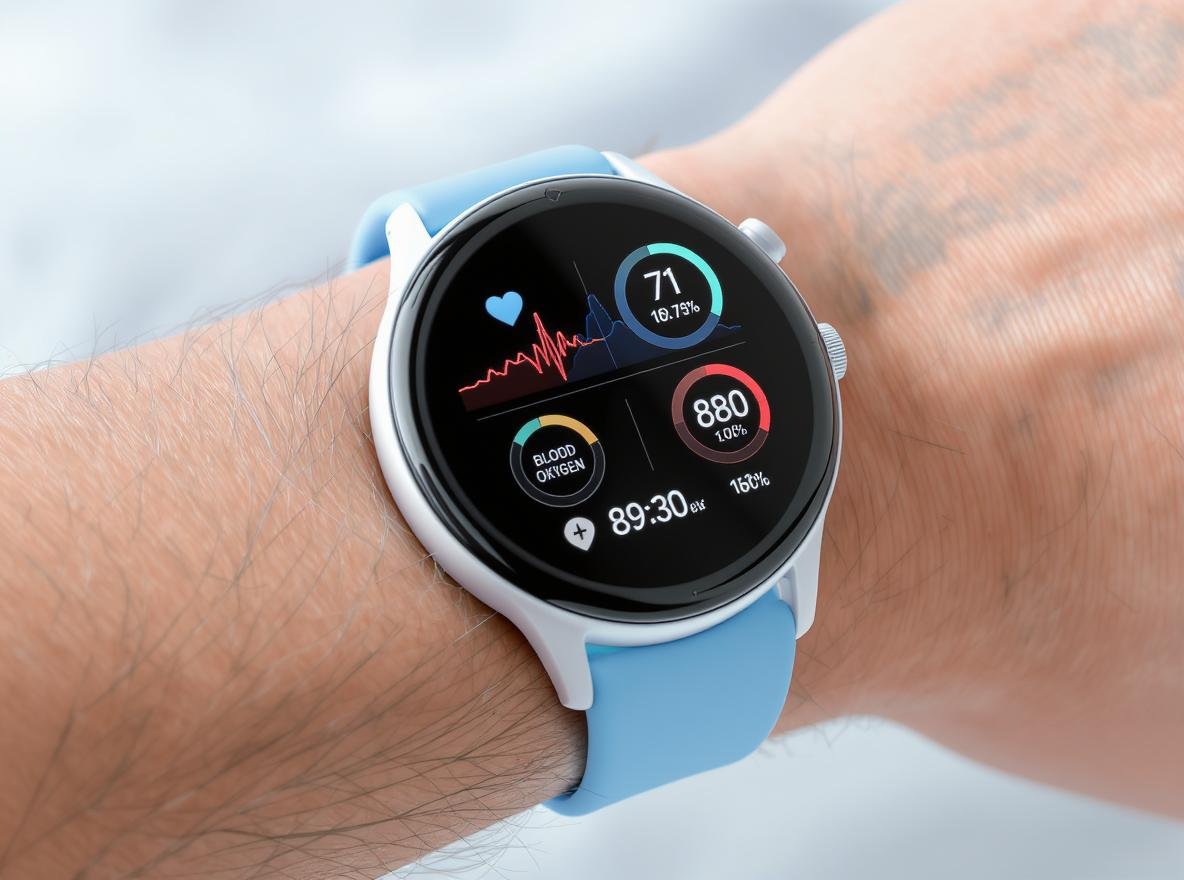
Modern smartwatches can generate millions of health records daily, creating overwhelming data streams that often confuse rather than clarify health decisions. Research shows that healthcare professionals struggle with this tsunami of personal health data, with one expert noting “there is so much personal health data generated from these devices and as a medical community, I’m not sure if we are prepared to manage it.”
The most important smartwatch health metrics to monitor are heart rate (including resting heart rate and heart rate variability), sleep tracking data, daily activity measurements beyond step counting, and blood oxygen saturation levels. These four core metrics provide actionable health insights without contributing to information overload that can detract from quality healthcare decisions.
Focusing on these evidence-based metrics will help you transform overwhelming smartwatch data into meaningful health improvements and early warning systems.
Why Should You Focus on Specific Health Metrics Rather Than All Available Data?
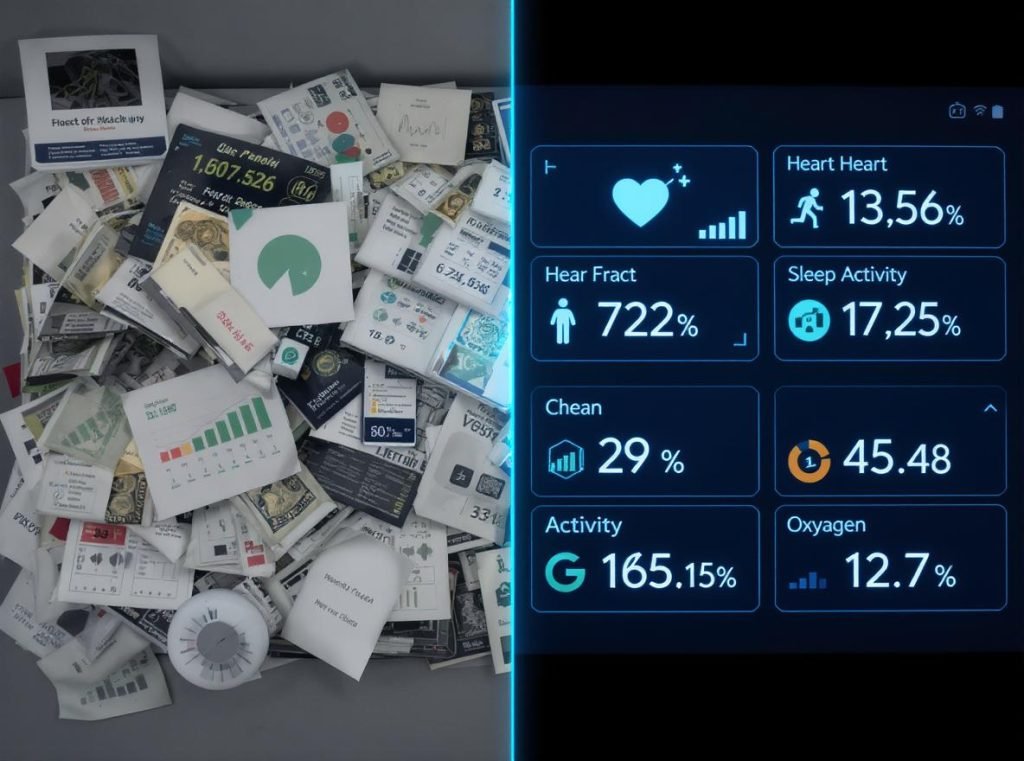
Data overload represents a significant challenge in modern health monitoring, with smartwatches capable of generating thousands of data points daily that can overwhelm both users and healthcare providers.
Research demonstrates that focusing on 3-5 core health metrics provides more meaningful insights than tracking dozens of measurements. Studies show that excessive health data creates information overload, leading to false positives, false negatives, and analysis paralysis that actually detracts from effective health management.
The Science Behind Data Overload
Healthcare researchers have identified information overload as a critical barrier to effective smartwatch health monitoring. Clinicians report difficulties managing the vast amounts of personal health data generated by wearable devices, potentially compromising quality care decisions.
Users experiencing data overload often abandon health tracking entirely or make poor health decisions based on misinterpreted normal variations. This phenomenon occurs because the human brain cannot effectively process large amounts of health data simultaneously.
Successful health monitoring requires selectivity over comprehensiveness. Studies indicate that tracking too many metrics simultaneously prevents pattern recognition and reduces the likelihood of taking meaningful action based on the data.
• Analysis paralysis: Too many metrics prevent decisive health actions
• False alerts: Normal variations trigger unnecessary medical anxiety
• Pattern blindness: Important health trends get lost in data noise
• User abandonment: Overwhelming complexity leads to discontinuing tracking
| Problem | Clinical Impact | Evidence-Based Solution |
|---|---|---|
| Data overload | Reduced care quality | Focus on 3-5 core metrics |
| Information tsunami | Healthcare provider burden | Prioritize actionable insights |
| False positives | Unnecessary medical visits | Understand normal variations |
What Makes Heart Rate the Most Critical Smartwatch Health Metric?
Heart rate monitoring stands out as the most fundamental and clinically valuable metric that consumer smartwatches can provide, with research showing that heart rate data from wearables often proves more accurate than clinical measurements due to reduced stress and white-coat syndrome effects.
Heart rate serves as a real-time window into cardiovascular health, stress levels, and overall fitness status. Studies demonstrate that resting heart rate trends over time can predict cardiovascular fitness improvements and detect potential health issues before symptoms appear.
Understanding Resting Heart Rate Accuracy
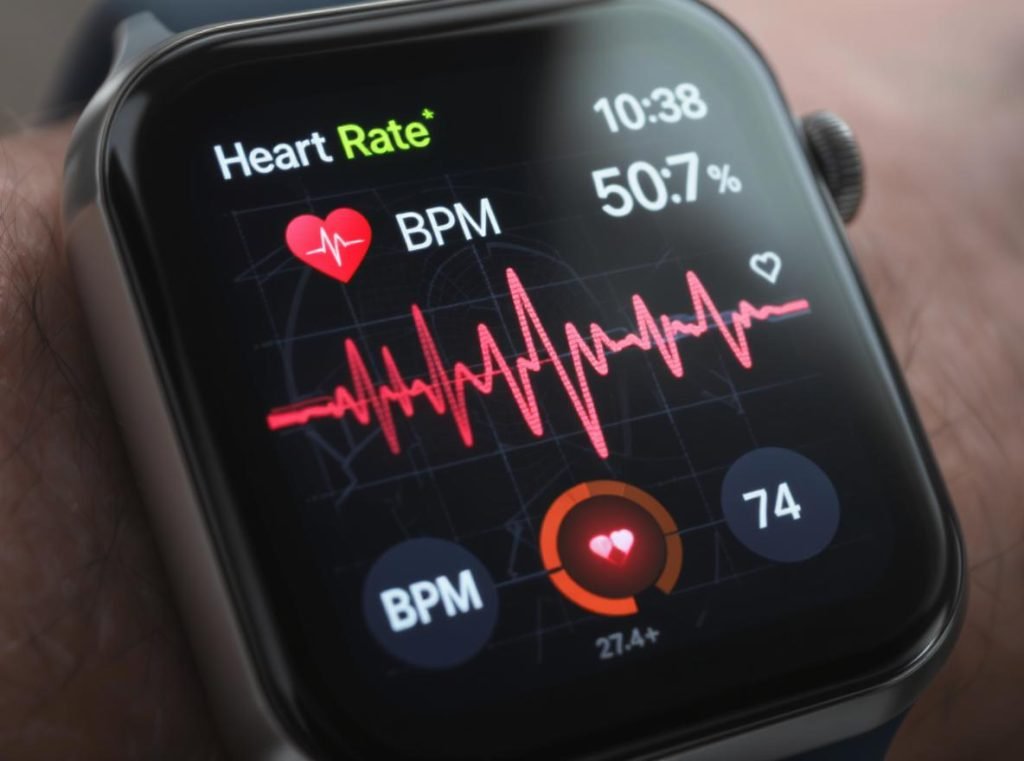
Modern smartwatches achieve approximately 91% accuracy for heart rate monitoring under normal conditions, making this the most reliable health metric available from consumer devices. Normal adult resting heart rates range from 60-100 beats per minute, though highly trained athletes may see rates as low as 40 BPM.
Research reveals that tracking resting heart rate trends matters more than individual readings. A gradual increase in baseline resting heart rate over weeks may indicate declining fitness, developing illness, or increased life stress requiring attention.
Clinical studies show that smartwatch heart rate data can be more representative of true cardiovascular status than clinic-based measurements, as home monitoring eliminates the stress-induced elevation common in medical settings.
Heart Rate Variability and Exercise Response
Heart rate variability (HRV) provides insights into autonomic nervous system balance and recovery status. Higher HRV generally indicates better stress resilience and cardiovascular health, while declining HRV may signal overtraining, illness, or elevated stress levels.
Researchers have identified that dividing average daily heart rate by daily step count creates a more meaningful fitness metric than either measurement alone. This “Daily Heart Rate Per Step” (DHRPS) reveals how efficiently your cardiovascular system responds to physical activity.
• Resting heart rate: Baseline cardiovascular health indicator
• Exercise heart rate: Immediate fitness response measurement
• Heart rate recovery: Post-exercise cardiovascular efficiency
• Heart rate variability: Stress and recovery status assessment
| Heart Rate Metric | Clinical Significance | Monitoring Frequency |
|---|---|---|
| Resting HR | Cardiovascular baseline | Daily trends |
| Exercise HR | Immediate fitness response | During activity |
| HR Recovery | Post-exercise efficiency | After workouts |
| HR Variability | Stress and recovery status | Weekly patterns |
However, accuracy limitations exist during vigorous exercise, with studies showing mean differences of 13.8 BPM during peak exercise for people in normal rhythm, and 28.7 BPM for those with atrial fibrillation.
How Does Sleep Tracking Impact Your Overall Health Management?
Sleep tracking provides comprehensive insights that extend far beyond simple duration monitoring, offering detailed analysis of sleep stages, efficiency, and environmental factors that directly impact overall health outcomes.
Research demonstrates that quality sleep tracking can identify patterns linked to serious medical conditions including heart disease, diabetes, obesity, and immune system dysfunction. Sleep efficiency measurements above 85% indicate healthy sleep patterns, while efficiency below 75% may signal insomnia or other sleep disorders.
Advanced Sleep Metrics That Matter
Modern smartwatches monitor light sleep, deep sleep, and REM sleep phases, each serving distinct recovery functions. Deep sleep supports physical recovery and immune system operation, while REM sleep handles mental processing and emotional regulation.
Sleep efficiency emerges as the most clinically relevant metric, comparing actual sleep time to total time in bed. Studies show that sleep efficiency above 90% indicates very good sleep quality, while consistent readings below 75% warrant medical evaluation.
Environmental monitoring during sleep provides additional insights into factors affecting sleep quality, including temperature, humidity, and movement patterns that can reveal sleep disorders like sleep apnea or restless leg syndrome.
Health Impact Evidence
Research consistently demonstrates that sleep quality tracking enables early detection of health issues and supports preventive healthcare decisions. Studies show that sleep tracking helps users identify how daily habits like diet, stress, screen time, and exercise directly impact sleep outcomes.
Quality sleep tracking benefits include:
Sleep pattern analysis can reveal symptoms of serious conditions like sleep apnea, enabling proactive healthcare decisions before complications develop. Users who actively monitor sleep patterns show higher long-term device usage and better health outcomes compared to those focused solely on activity tracking.
• Disease risk reduction: Lower rates of heart disease, diabetes, and obesity
• Cognitive improvement: Enhanced mood, memory, and decision-making
• Immune function: Better resistance to infections and illness
• Weight management: Proper leptin hormone production for appetite control
• Disorder detection: Early identification of sleep apnea and other conditions
Why Is Daily Activity Monitoring More Than Just Step Counting?
Modern activity tracking has evolved significantly beyond simple step counting to provide comprehensive movement analysis that includes heart rate zones, exercise recognition, and cardiovascular efficiency measurements that offer far more valuable health insights.
Research shows that focusing solely on step counts provides limited health benefits compared to monitoring active zone minutes, exercise intensity, and heart rate response during movement. Advanced activity metrics reveal cardiovascular fitness improvements and help optimize exercise routines for maximum health benefit.
Beyond the 10,000-Step Myth
Studies demonstrate that the traditional 10,000-step goal represents an arbitrary target that doesn’t necessarily align with individual fitness needs or health outcomes. Research indicates that personalized activity goals based on current fitness level and heart rate response provide better health results.
Active zone minutes prove more valuable than step counting because they measure time spent in heart-rate-elevating activities rather than simple movement duration. This approach ensures users receive actual cardiovascular benefits from their physical activity.
Advanced devices now track Daily Heart Rate Per Step (DHRPS), which reveals cardiovascular efficiency during movement and provides insights into fitness improvements over time that step counting alone cannot capture.
Comprehensive Movement Analysis
Modern smartwatches automatically recognize different exercise types and adjust calorie calculations based on activity intensity, personal biometrics, and heart rate response. This provides more accurate energy expenditure estimates for weight management and nutrition planning.
Exercise recognition capabilities distinguish between walking, running, cycling, swimming, and strength training, adjusting measurement algorithms for each activity type to provide more accurate health insights.
Movement quality assessment helps users understand the difference between gentle movement and exercise that provides cardiovascular benefits, encouraging more effective physical activity choices.
| Activity Metric | Health Insight | Practical Application |
|---|---|---|
| Active zone minutes | Cardiovascular benefit time | Exercise effectiveness |
| Heart rate zones | Exercise intensity | Training optimization |
| Exercise recognition | Activity-specific tracking | Accurate calorie burn |
| Movement patterns | Daily activity distribution | Sedentary behavior alerts |
How Accurate Is Blood Oxygen Monitoring for Health Assessment?
Blood oxygen saturation (SpO2) monitoring in consumer smartwatches shows variable accuracy depending on the specific device and measurement conditions, with recent research providing detailed comparisons between different manufacturers and clinical-grade equipment.
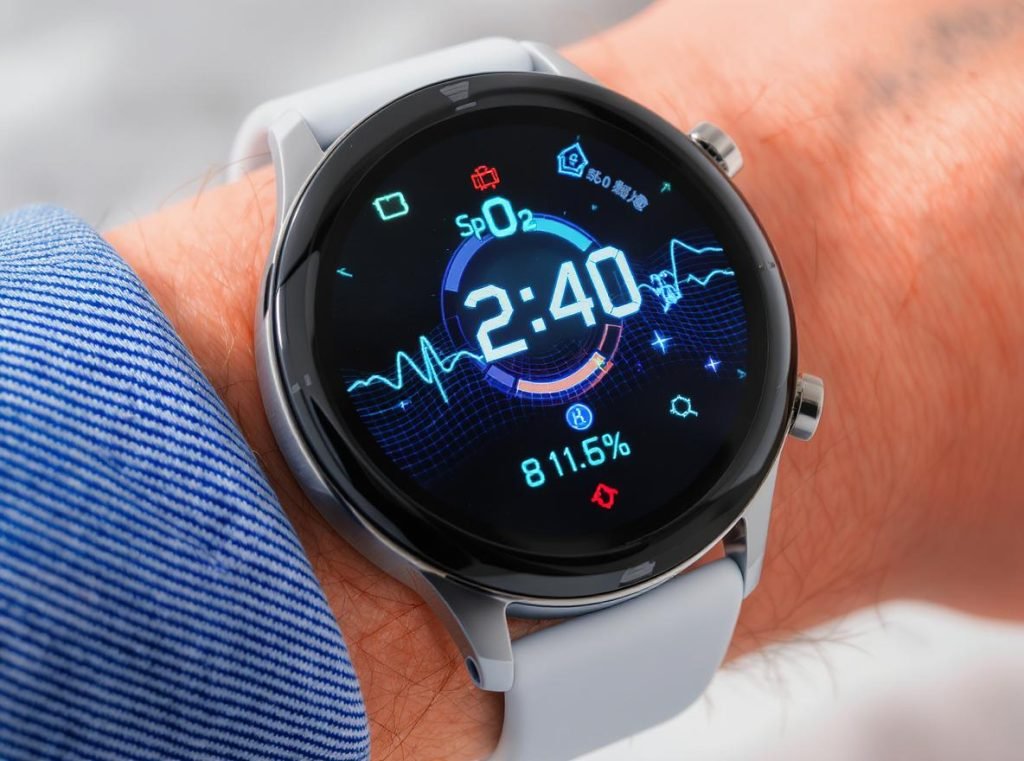
Studies comparing consumer smartwatches to clinical pulse oximeters reveal significant performance differences between devices. The Apple Watch Series 7 showed the closest accuracy to reference standards with a mean absolute error of 2.2%, while other devices showed errors ranging from 2.2% to 5.8%.
Device-Specific Accuracy Research
Recent clinical studies provide specific accuracy data for major smartwatch brands when measuring blood oxygen levels. The Samsung Galaxy Watch 5 demonstrated high diagnostic accuracy for detecting hypoxemia (SpO2 below 90%), while the Garmin Venu 2s showed the largest deviation from reference standards.
Measurement success rates vary significantly between devices, with some smartwatches achieving successful readings in 88.9% of attempts while others succeed only 69.5% of the time. These differences significantly impact the practical utility of SpO2 monitoring for health assessment.
Research demonstrates that all major smartwatch models can detect hypoxemia with high diagnostic accuracy under controlled conditions, making them potentially valuable for monitoring conditions like sleep apnea, chronic obstructive pulmonary disease, and respiratory infections.
Clinical Applications and Limitations
SpO2 monitoring proves most valuable for trend analysis rather than single-point measurements. Consistent readings below personal baseline levels may indicate respiratory issues, sleep disorders, or other health conditions requiring medical evaluation.
Nighttime SpO2 tracking shows particular promise for detecting sleep-disordered breathing and sleep apnea symptoms, with devices capable of identifying oxygen desaturation events during sleep that users might not otherwise notice.
Limitations include measurement challenges during movement, varying accuracy across different skin tones (though recent studies show less bias than initially feared), and reliability issues during sleep monitoring that may cause false low readings.
• Trend monitoring: More reliable than individual spot measurements
• Sleep disorder detection: Identifies breathing disruptions during rest
• Respiratory health: Tracks oxygen efficiency during illness recovery
• Altitude adaptation: Monitors oxygen levels during elevation changes
Which Additional Metrics Provide Value Without Creating Information Overload?
Beyond the four core metrics, several additional measurements can provide targeted health insights when selected based on specific health goals rather than tracked comprehensively, helping avoid the information overload that reduces tracking effectiveness.
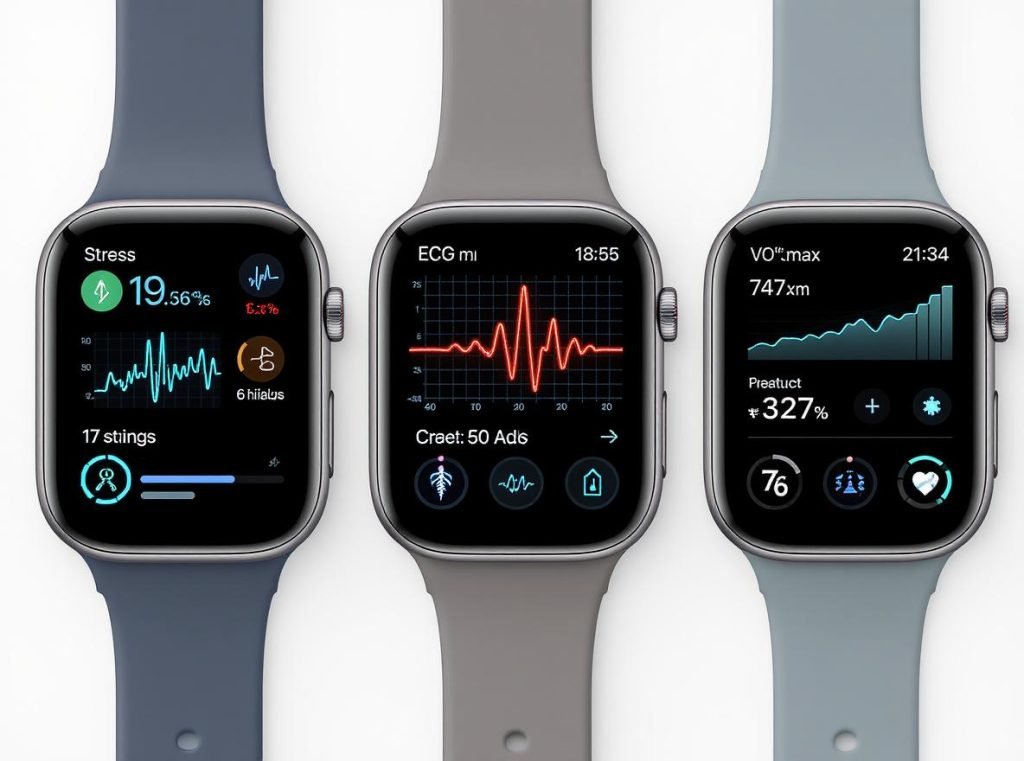
Research identifies stress monitoring, ECG/rhythm detection, and fitness-specific metrics like VO2 max as valuable supplementary measurements. The key lies in selecting 1-2 additional metrics aligned with individual health priorities rather than attempting to monitor every available feature.
Stress and Recovery Monitoring
Advanced smartwatches now incorporate multiple stress indicators including heart rate variability, cortisol level detection through sweat analysis, and breathing pattern assessment. Recent research demonstrates that devices can now measure stress hormones in real-time, providing immediate feedback on stress management interventions.
Heart rate variability serves as a reliable stress and recovery indicator, with higher variability generally indicating better stress resilience and autonomic nervous system balance. Declining HRV trends may signal need for stress management or recovery interventions.
Guided breathing exercises integrated into smartwatches show clinical effectiveness for acute stress management, with studies demonstrating measurable improvements in stress hormone levels following device-guided breathing sessions.
ECG and Cardiac Rhythm Analysis
Research shows that photoplethysmography (PPG)-based smartwatches can detect atrial fibrillation with 97.4% sensitivity and 96.6% specificity, making cardiac rhythm monitoring a valuable feature for specific populations at risk for heart rhythm disorders.
ECG recording capabilities in advanced smartwatches provide more detailed heart rhythm analysis than basic heart rate monitoring, though with important limitations compared to medical-grade equipment that users must understand.
Clinical studies demonstrate that smartwatch ECG features can detect heart rhythm abnormalities that might otherwise go unnoticed, potentially enabling earlier medical intervention for cardiac conditions.
Fitness-Specific Advanced Metrics
VO2 max estimation provides cardiovascular fitness assessment, though smartwatch calculations typically overestimate values by approximately 5% compared to laboratory measurements. Despite this limitation, VO2 max trends over time provide valuable fitness improvement indicators.
Recovery time estimation helps optimize training schedules by indicating when the body has sufficiently recovered from previous exercise sessions, potentially preventing overtraining and improving performance outcomes.
Exercise form analysis represents an emerging capability in advanced devices, with some smartwatches now able to distinguish between different exercise types and provide technique feedback for improved workout effectiveness.
| Supplementary Metric | Primary Use Case | Target User Group |
|---|---|---|
| Stress monitoring | Work-life balance optimization | High-stress professionals |
| ECG/rhythm detection | Cardiac health screening | At-risk populations |
| VO2 max estimation | Fitness performance tracking | Athletes and fitness enthusiasts |
| Recovery analysis | Training optimization | Active exercisers |
How Should You Interpret and Act on Your Smartwatch Health Data?
Effective interpretation of smartwatch health data requires understanding device limitations, focusing on trends rather than individual readings, and knowing when patterns warrant professional medical evaluation rather than self-diagnosis.
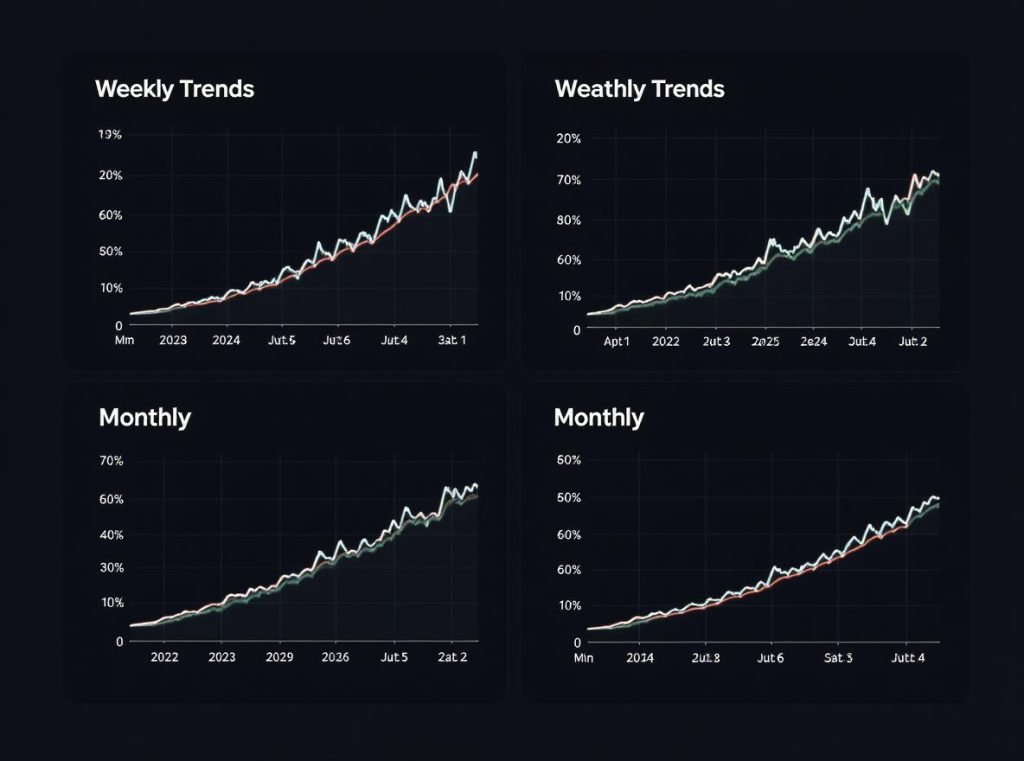
Healthcare professionals emphasize that single data points have limited clinical value – meaningful health insights emerge from pattern recognition over weeks and months. Establishing personal baselines through consistent tracking provides the foundation for identifying significant health changes that require attention.
Establishing Personal Health Baselines
Every individual exhibits unique normal ranges for health metrics based on age, fitness level, genetics, and lifestyle factors. Research demonstrates that personal baselines provide more meaningful health insights than comparing individual readings to population averages.
Consistent tracking for 2-4 weeks establishes reliable personal ranges for key metrics like resting heart rate, sleep efficiency, and activity levels. This baseline period accounts for normal day-to-day variations and provides context for identifying genuinely concerning changes.
Your personal resting heart rate baseline might be 45 BPM if highly fit or 75 BPM if beginning fitness improvements – both can represent perfectly healthy individual ranges requiring different interpretation approaches.
Recognizing Actionable Health Patterns
Meaningful health insights emerge from gradual trends over time rather than dramatic daily fluctuations. Research shows that slowly increasing resting heart rate over several weeks may indicate declining fitness, developing illness, or increased life stress requiring intervention.
Focus on consistent patterns rather than isolated readings to avoid unnecessary anxiety about normal physiological variations. A single elevated heart rate measurement has limited significance, while consistently elevated readings warrant attention and possible medical consultation.
Healthcare providers recommend looking for changes that persist for several days or show gradual progression over weeks, as these patterns more likely indicate genuine health changes requiring response.
• Gradual trends: Often indicate developing health conditions
• Sudden changes: May signal acute issues or measurement errors
• Consistent deviations: Provide most reliable health insights
• Isolated readings: Usually represent normal variations
When to Consult Healthcare Professionals
Smartwatch data supplements but never replaces professional medical evaluation. Research emphasizes that concerning health trends or physical symptoms should prompt medical consultation regardless of device readings or normal patterns.
Contact healthcare providers when smartwatch data shows persistent abnormal patterns, especially when accompanied by physical symptoms like chest pain, shortness of breath, unusual fatigue, or other concerning changes in how you feel.
Healthcare professionals recommend presenting summarized trend information rather than overwhelming providers with detailed daily records, focusing on significant pattern changes and correlations with symptoms.
What Should Wholesale Buyers Consider When Sourcing Health-Focused Smartwatches?
Market research identifies five distinct consumer segments for health-focused smartwatches, each with specific feature priorities and accuracy requirements that wholesale buyers must understand to optimize product selection and marketing strategies.
Target market analysis reveals that fitness enthusiasts prioritize exercise tracking accuracy, health-conscious consumers focus on comprehensive wellness monitoring, medical users require clinical-grade accuracy, casual users want simplicity, and technology adopters seek cutting-edge features. Understanding these segments enables strategic product positioning and pricing.

Core Consumer Segments and Requirements
Fitness enthusiasts represent a high-value segment prioritizing advanced activity tracking, GPS accuracy, heart rate monitoring during exercise, and performance optimization features. This group tolerates complexity in exchange for detailed fitness insights and training guidance.
Health-conscious consumers focus on comprehensive health monitoring including sleep analysis, stress tracking, and vital sign monitoring for general wellness awareness. They prefer user-friendly interfaces that translate complex data into actionable health insights.
Medical monitoring users require the highest accuracy standards for managing chronic conditions like atrial fibrillation, diabetes, or sleep disorders. This segment values FDA approvals, clinical validation studies, and integration with healthcare provider systems.
Casual wellness users want basic health awareness without complexity or information overload. They prioritize simple interfaces, long battery life, and essential features like step counting, sleep tracking, and heart rate monitoring.
Technology adopters seek the latest features, connectivity options, and advanced capabilities regardless of immediate practical need. This segment drives demand for emerging features like ECG monitoring, blood oxygen tracking, and stress analysis.
Essential Health Features for Market Success
Heart rate monitoring accuracy remains the most critical factor for customer satisfaction across all segments. Clinical research shows that devices achieving 91% accuracy under normal conditions meet consumer expectations, while lower accuracy rates lead to user abandonment.
Sleep tracking comprehensiveness significantly impacts long-term user engagement, with comprehensive sleep stage analysis, efficiency calculations, and environmental monitoring driving higher customer retention rates compared to basic duration tracking.
Battery life directly correlates with health monitoring effectiveness, as devices requiring daily charging often fail to capture complete sleep data and 24/7 health monitoring that customers expect from health-focused smartwatches.
Water resistance proves essential for continuous health monitoring, enabling 24/7 wear including during exercise, sleep, and daily activities without device removal that interrupts comprehensive health tracking.
Accuracy Standards and Clinical Validation
Wholesale buyers should prioritize devices with published clinical validation studies comparing accuracy to medical-grade equipment. Research shows significant performance differences between manufacturers, with some devices achieving clinical-grade accuracy while others show substantial measurement errors.
FDA approvals for medical-grade features provide competitive advantages and enable marketing to health-conscious consumers concerned about device accuracy and regulatory compliance for health monitoring applications.
Understanding accuracy limitations helps set appropriate customer expectations and reduces return rates due to unrealistic performance expectations, particularly for features like blood oxygen monitoring and ECG analysis.
| Consumer Segment | Priority Features | Accuracy Requirements | Price Sensitivity |
|---|---|---|---|
| Fitness enthusiasts | Exercise tracking, GPS, performance | High exercise accuracy | Medium |
| Health-conscious | Comprehensive monitoring, sleep | Good overall accuracy | Medium-high |
| Medical users | FDA features, clinical validation | Medical-grade accuracy | Low |
| Casual wellness | Simplicity, battery life, basics | Adequate accuracy | High |
| Technology adopters | Latest features, connectivity | Variable by feature | Low-medium |
Integration and Ecosystem Considerations
App ecosystem compatibility with popular health and fitness applications significantly impacts user satisfaction and long-term engagement. Devices supporting major platforms like Apple Health, Google Fit, and fitness apps provide better user experiences.
Data export capabilities enable users to share information with healthcare providers, supporting the growing trend of consumer health data integration into clinical care and improving device value proposition for health-conscious buyers.
Cloud integration and data security features address growing consumer concerns about health data privacy while enabling the advanced analytics and long-term trend analysis that make health monitoring valuable for users.
Interoperability with other health devices and smart home ecosystems creates comprehensive health monitoring solutions that justify premium pricing and drive customer loyalty through ecosystem lock-in effects.
For wholesale buyers looking to capitalize on the growing health-focused smartwatch market, Osmarto offers comprehensive OEM/ODM solutions with clinically validated health monitoring features. Our experienced engineering team can customize devices for specific market segments while maintaining the accuracy standards your customers demand.
Summary
The most critical smartwatch health metrics are heart rate monitoring (including resting rate and variability), comprehensive sleep tracking, activity analysis beyond step counting, and blood oxygen monitoring. Research demonstrates these four metrics provide actionable health insights without creating information overload that reduces tracking effectiveness.
Ready to offer your customers scientifically-backed health monitoring technology? Contact Osmarto today for wholesale pricing on our clinically validated smartwatch collection, featuring the advanced health tracking capabilities that drive customer satisfaction and long-term engagement in today’s competitive wellness market.