Skip to content
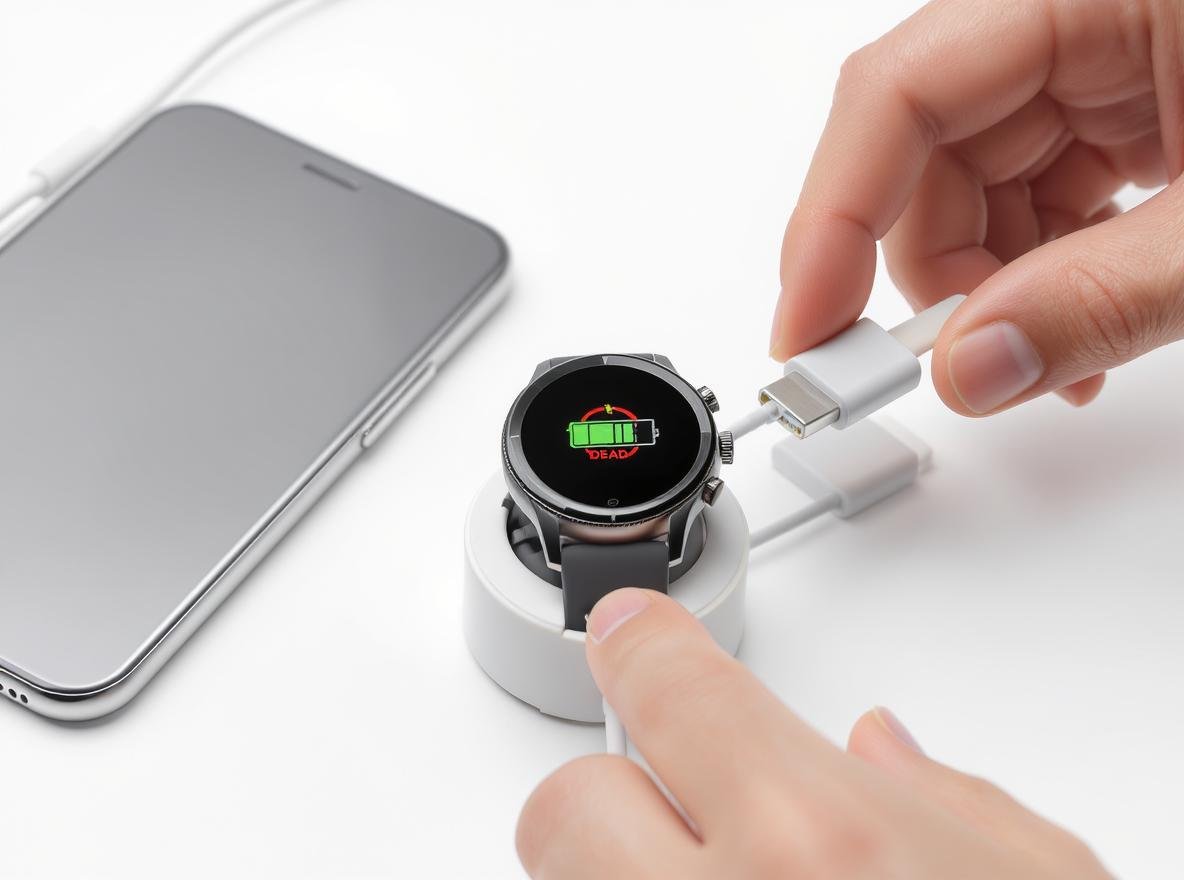
You’ve just realized your smartwatch is dead, but the charger is nowhere to be found. Your phone charger is right there on the desk, and you’re wondering if it could save the day. This frustrating scenario highlights one of the most common pain points in wearable technology today.
You generally cannot use a standard mobile phone charger to charge your smartwatch directly. While some limited wireless charging compatibility exists between phones and certain smartwatches, most smartwatches use proprietary charging systems that require specific charging accessories.
But there’s more to this story than meets the eye. Let’s explore why this compatibility gap exists and what your real charging options are.
Why Can’t I Use My Phone Charger for My Smartwatch?
Understanding the technical barriers behind this compatibility issue helps explain why universal charging remains elusive for wearable devices.
Most smartwatches cannot use standard mobile chargers due to different power requirements, proprietary charging mechanisms, and design constraints that prioritize waterproofing and space efficiency over charging compatibility.
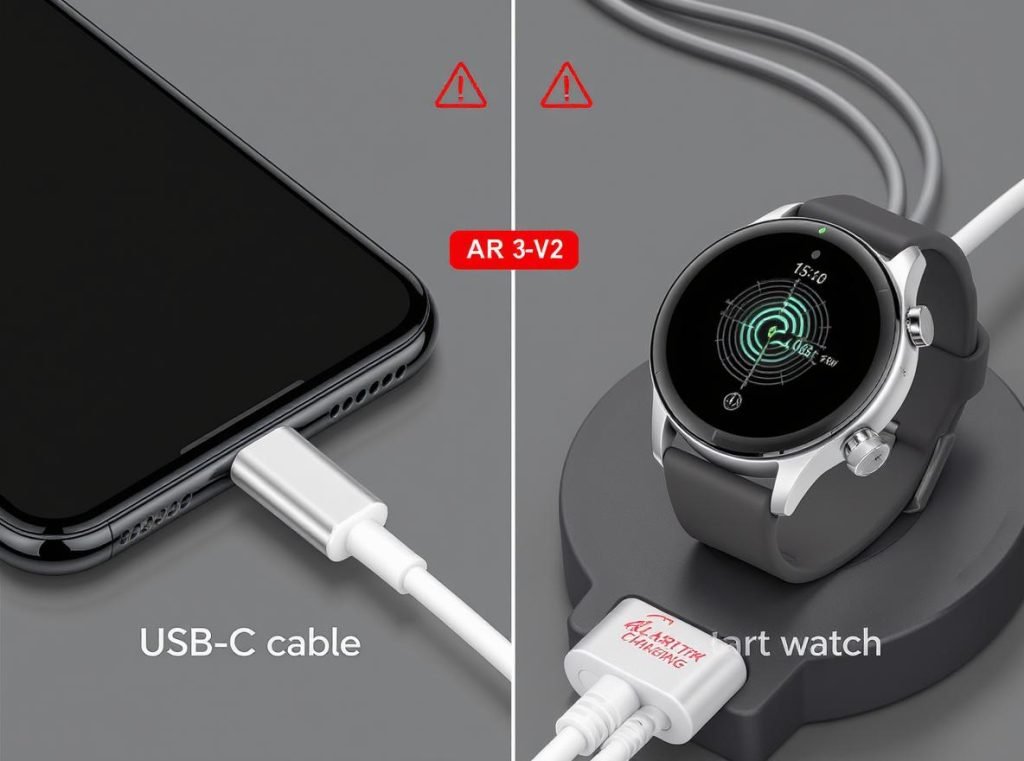
The incompatibility stems from several fundamental differences between smartphones and smartwatches:
Power Requirements Mismatch
Smartwatches typically require much less power than smartphones. Most smartwatches charge at 5V/1A or lower, while many actually draw only 500-850mA during charging. Phone chargers often output 2.1A or higher, which could potentially damage your smartwatch’s delicate circuitry if used incorrectly.
Physical Design Limitations
Smartwatches simply don’t have space for traditional charging ports. The average smartwatch case measures only 40-46mm in diameter, making standard USB ports impossible to implement. Manufacturers must prioritize compact designs that maintain the device’s sleek profile.
Waterproofing Requirements
Most modern smartwatches boast 5 ATM+ water resistance ratings. Adding traditional charging ports would compromise this protection by creating potential entry points for water and dust. Magnetic wireless charging allows manufacturers to save space while maintaining superior waterproofing.
| Issue | Smartphone | Smartwatch | Impact |
|---|---|---|---|
| Power Output | 18-100W+ | 2-5W | Risk of damage with wrong charger |
| Port Size | Standard USB | No physical space | Requires alternative solutions |
| Water Rating | IP67-68 | 5+ ATM | Ports compromise waterproofing |
What Charging Methods Do Smartwatches Actually Use?
The smartwatch industry has developed several distinct charging approaches, each designed to overcome the limitations of traditional wired charging.
Most smartwatches use one of four primary charging methods: magnetic wireless charging docks, Qi standard wireless charging, pin-based connectors, or specialized USB connections.
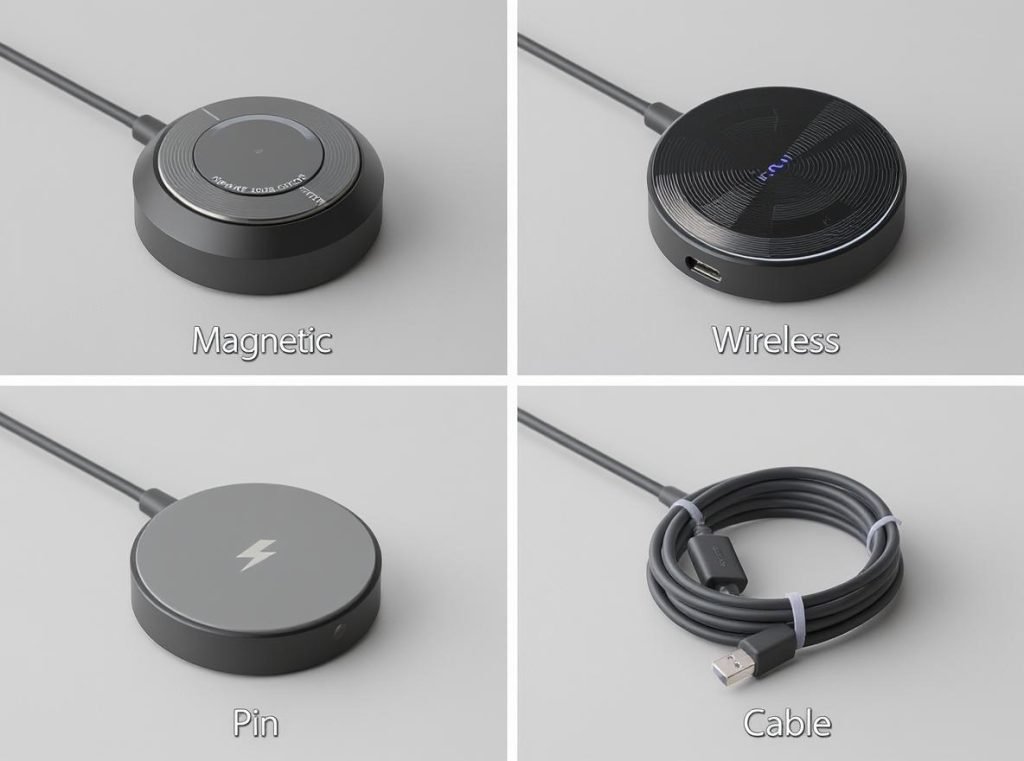
Let’s examine each approach and their compatibility implications:
Magnetic Wireless Charging
This is the most popular solution across major brands. Apple Watch uses a proprietary magnetic charging system that’s specifically designed to prevent charging from non-Apple wireless chargers. Samsung Galaxy Watch employs magnetic wireless charging docks, with newer models featuring flat charging designs for improved stability.
Qi Standard Wireless Charging
Some smartwatches support Qi wireless charging, but with significant limitations. The Samsung Galaxy Watch Active supports Qi but won’t work with all wireless chargers due to charging coil positioning requirements. The charging coils must be closely aligned, which isn’t straightforward with universal wireless chargers.
Pin and Dock Connectors
Fitbit devices use various pin-based charging systems, including magnetic 4-pin connectors for the Sense and Versa series. Google Pixel Watch switched from inductive charging in the first generation to a pin-based system in the Pixel Watch 2, demonstrating how manufacturers continue evolving their approaches.
Specialized USB Connections
Some smartwatch models include direct USB connections with micro USB, USB-C, or specialized USB ports. However, these are less common due to waterproofing challenges and space constraints.
Can Any Smartwatches Use Standard Mobile Chargers?
While direct compatibility remains limited, some interesting workarounds and exceptions exist in the current market.
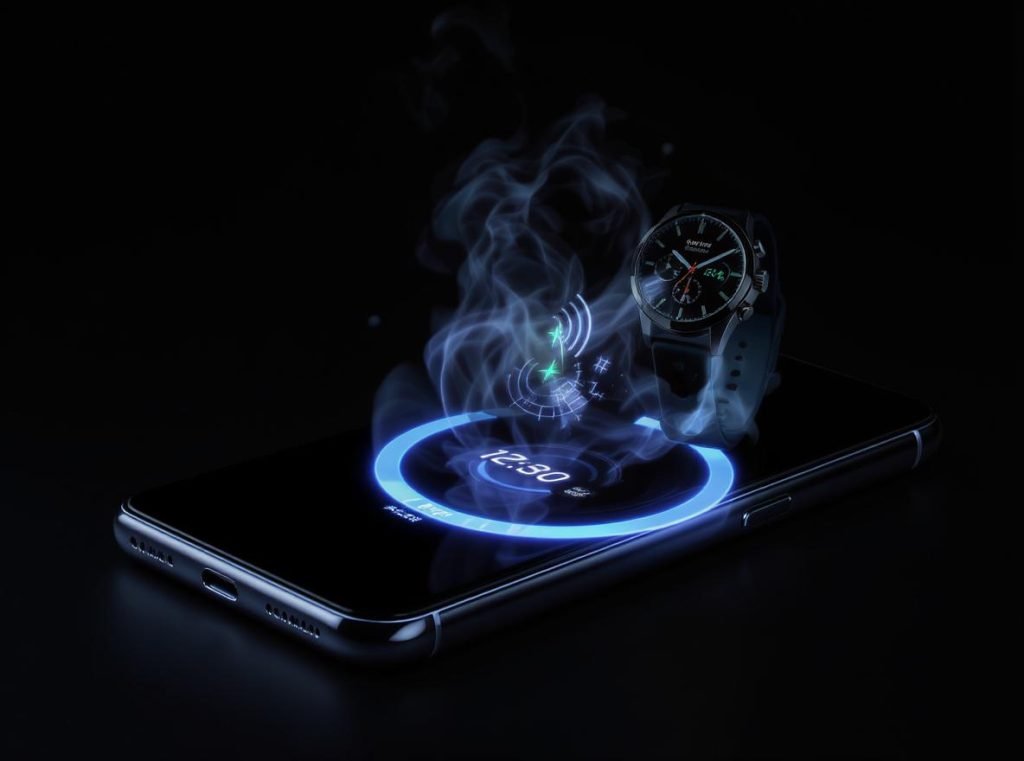
Limited wireless compatibility exists through Samsung’s Wireless PowerShare feature and some Qi-compatible smartwatches, but Apple specifically prevents cross-device charging and most universal solutions face alignment challenges.
Samsung’s Wireless PowerShare
Samsung Galaxy phones can charge certain Samsung watches using Wireless PowerShare, including Galaxy Watch, Watch Active, and Gear Sport models. However, your phone must have at least 30% battery remaining, and notably, the Galaxy Watch 7 series no longer supports this feature due to updated sensors.
Apple’s Intentional Restrictions
iPhones with MagSafe theoretically can charge devices wirelessly, but Apple Watch specifically prevents this through built-in protection systems. Apple has implemented deliberate restrictions that only allow charging with Apple-certified chargers, maintaining tight control over the charging ecosystem.
Qi Compatibility Challenges
While some smartwatches claim Qi compatibility, practical limitations persist. The Galaxy Watch 6 is technically Qi-compliant but doesn’t work with most Qi chargers due to small charging coils and alignment issues. Standard Qi chargers may cause overheating in incompatible watches, creating safety concerns.
The reality is that even when technical compatibility exists, practical challenges like coil alignment, power delivery matching, and safety considerations limit real-world interoperability.
What’s the Future of Smartwatch Charging Standardization?
The charging fragmentation problem has attracted regulatory attention and industry innovation, potentially leading to significant changes in the coming years.
Regulatory pressure from the EU and India, combined with emerging Qi2 wireless charging standards featuring magnetic alignment, may drive better cross-device compatibility in future smartwatch generations.

Regulatory Developments
The European Union has already mandated USB-C for smartphones by December 2024, with smartwatches potentially next in line for similar regulations. India’s Bureau of Indian Standards is actively considering universal charging requirements for wearables, including smartwatches, fitness trackers, and wireless earbuds.
Technical Solutions on the Horizon
The Qi2 wireless charging standard offers promising developments for future compatibility. Qi2 delivers a minimum 15W power output compared to 5-7.5W for the original Qi standard, features magnetic alignment for better positioning similar to Apple’s MagSafe technology, and maintains backward compatibility with existing Qi devices.
Implementation Challenges
Standardizing smartwatch charging faces several obstacles. Different shapes and sizes make universal docks challenging to design, waterproofing requirements limit traditional port options, and power delivery needs vary significantly between devices and manufacturers.
Timeline expectations suggest that while smartphones adopt USB-C universally, smartwatches will likely achieve standardization through advanced wireless charging solutions rather than wired connections, with full implementation potentially taking several years across all manufacturers.
How to Choose the Right Charger for Your Smartwatch Business
For businesses operating in the smartwatch industry, understanding charging compatibility directly impacts customer satisfaction and operational efficiency.
When sourcing smartwatches for your business, prioritize models with reliable charging solutions, stock appropriate accessories, and plan for the evolving regulatory landscape around universal charging standards.
Strategic Sourcing Considerations
Product Selection Criteria
Evaluate charging compatibility when selecting smartwatch models for your inventory. Consider devices that support emerging standards like Qi2, assess the availability and cost of replacement charging accessories, and factor in customer convenience and satisfaction ratings related to charging experience.
Inventory Management Strategy
Maintain adequate stock of brand-specific charging accessories, typically 1.5x the number of charging accessories per smartwatch unit. Stock popular universal wireless chargers for compatible devices and keep replacement parts readily available to minimize customer service issues.
Multi-Device Charging Solutions
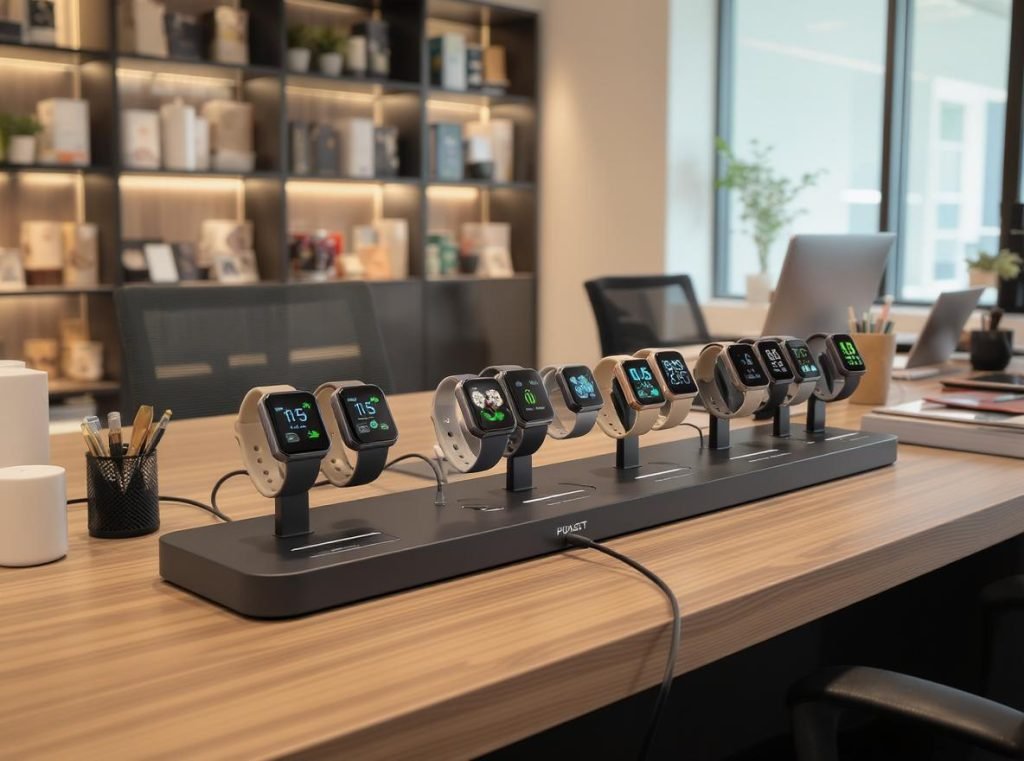
Consider offering 3-in-1 or 6-in-1 charging stations that can simultaneously charge phones, watches, and earbuds. These solutions appeal to consumers seeking desk organization and businesses wanting to reduce cable clutter in office environments.
At Osmarto, we understand these evolving challenges and work closely with wholesale partners to provide comprehensive charging solutions. Our smartwatch models are designed with both current compatibility needs and future standardization trends in mind, ensuring your business stays ahead of industry developments.
Best Practices for Smartwatch Charging Compatibility
Whether you’re managing retail operations, serving corporate customers, or working with end consumers, following proven practices minimizes charging-related complications.
Always use manufacturer-recommended chargers, maintain proper charging environments, and educate customers about compatibility limitations while planning for future standardization trends.
For Retail and Distribution Partners
Safety and Compliance Standards
Ensure all charging accessories meet RoHS certification standards for safety and regulatory compliance. Implement overcharge protection and temperature monitoring for charging stations, and regularly inspect cables and connectors for damage or wear.
Customer Education Programs
Train staff on proper charging practices and compatibility limitations for each brand you carry. Provide clear charging instructions with each sale, educate customers about the risks of using incompatible chargers, and offer charging accessory bundles to enhance customer convenience.
Corporate and B2B Solutions
Deploy multi-port USB charging stations (7-10 ports) for conference rooms and common areas. Provide device-specific charging solutions for each smartwatch brand your organization uses, and install Qi-compatible wireless charging areas where appropriate.
Quality Assurance Protocols
Test charging compatibility before stocking new smartwatch models, verify that power output specifications match device requirements, and ensure all charging accessories meet established safety standards and certifications.
End User Best Practices
Use official chargers or manufacturer-recommended alternatives exclusively. Check power specifications to ensure any third-party charger matches your watch’s voltage and current requirements. Avoid using phone fast chargers for smartwatches, as they can damage the battery over time, and charge in room temperature conditions while avoiding extreme heat or cold.
Summary
The question of using standard mobile chargers for smartwatches reveals the current fragmentation in wearable device charging standards. While most smartwatches require proprietary charging solutions due to power requirements, design constraints, and waterproofing needs, limited wireless compatibility exists through technologies like Samsung’s Wireless PowerShare and Qi standard support.
The future points toward better standardization through regulatory pressure and emerging technologies like Qi2 with magnetic alignment, but the transition will take time across all manufacturers. For businesses in the smartwatch industry, success depends on understanding these compatibility challenges, stocking appropriate charging accessories, and staying informed about evolving standards.
Ready to navigate the complex world of smartwatch charging solutions for your business? Contact Osmarto today to explore our comprehensive product line and charging accessories designed to meet your wholesale customers’ needs while preparing for the future of standardized charging technology.