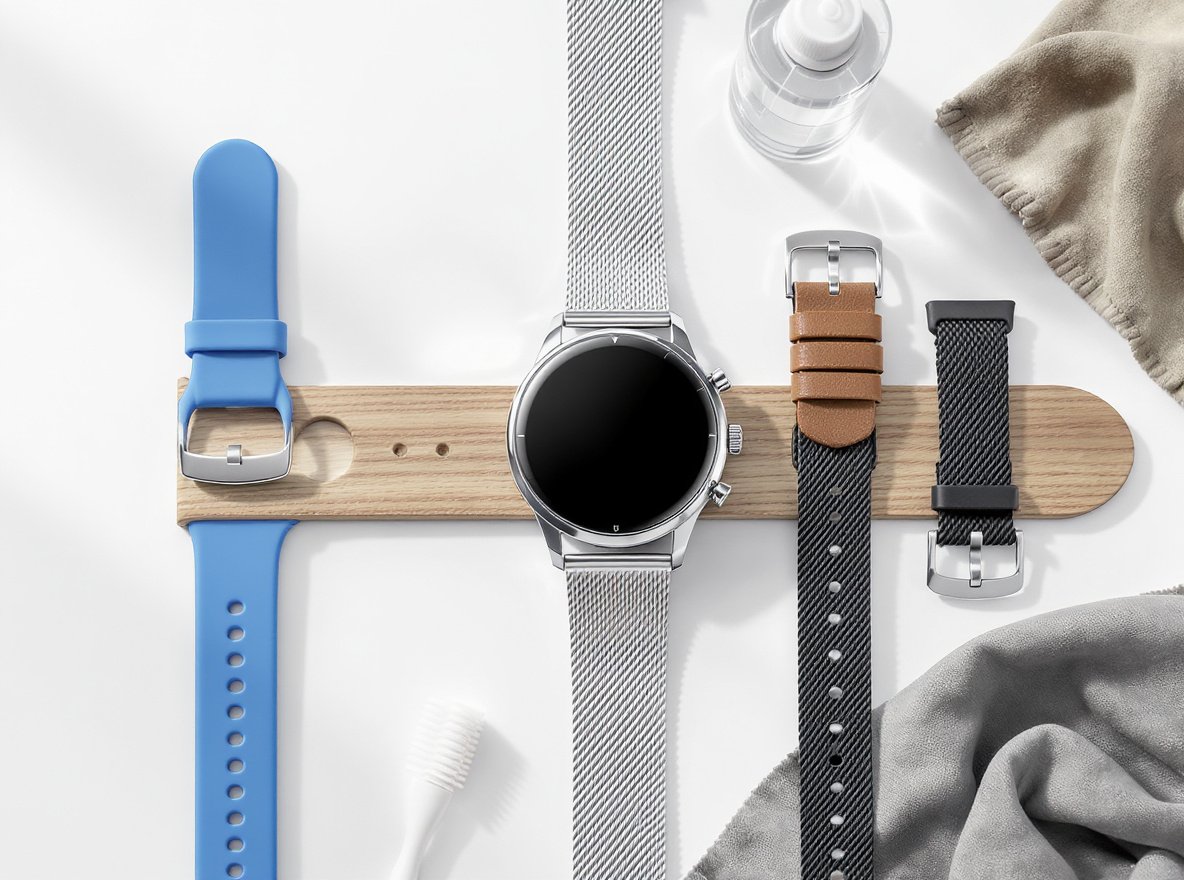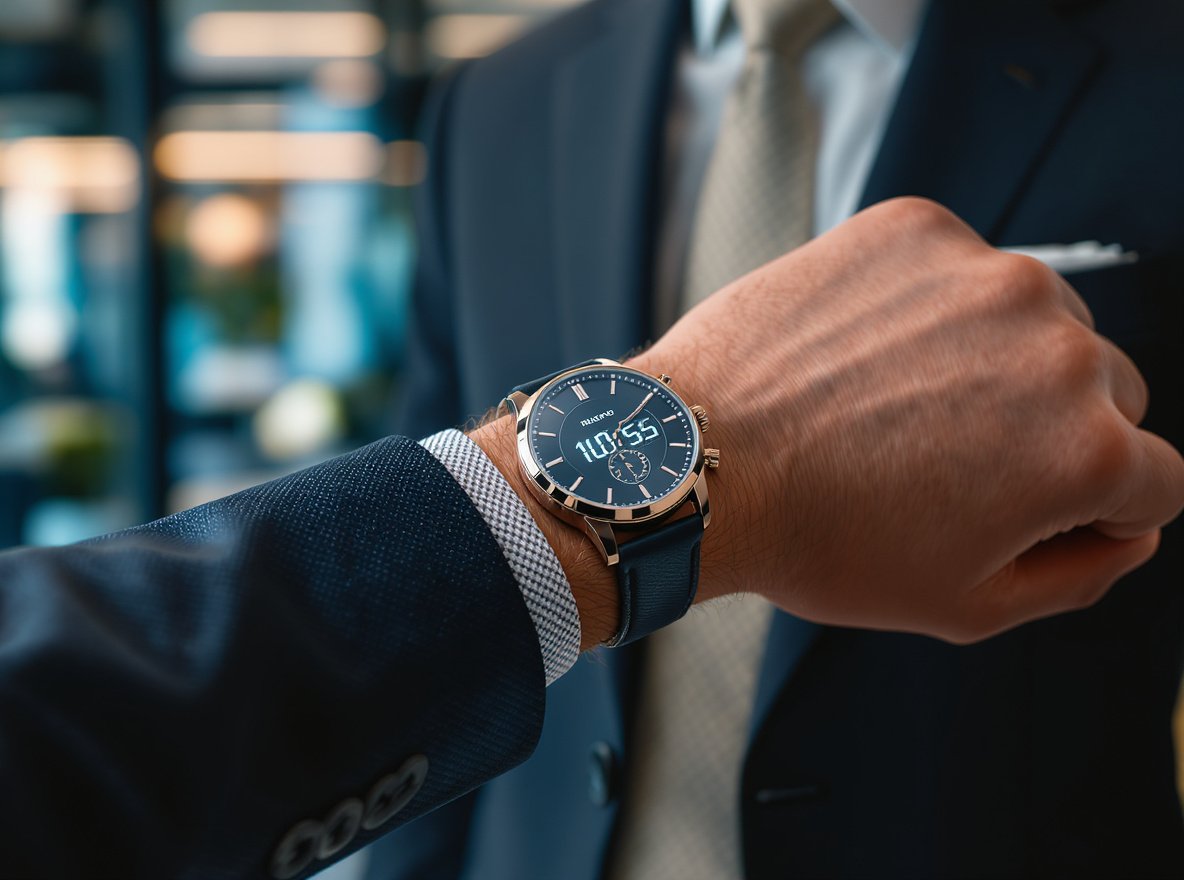
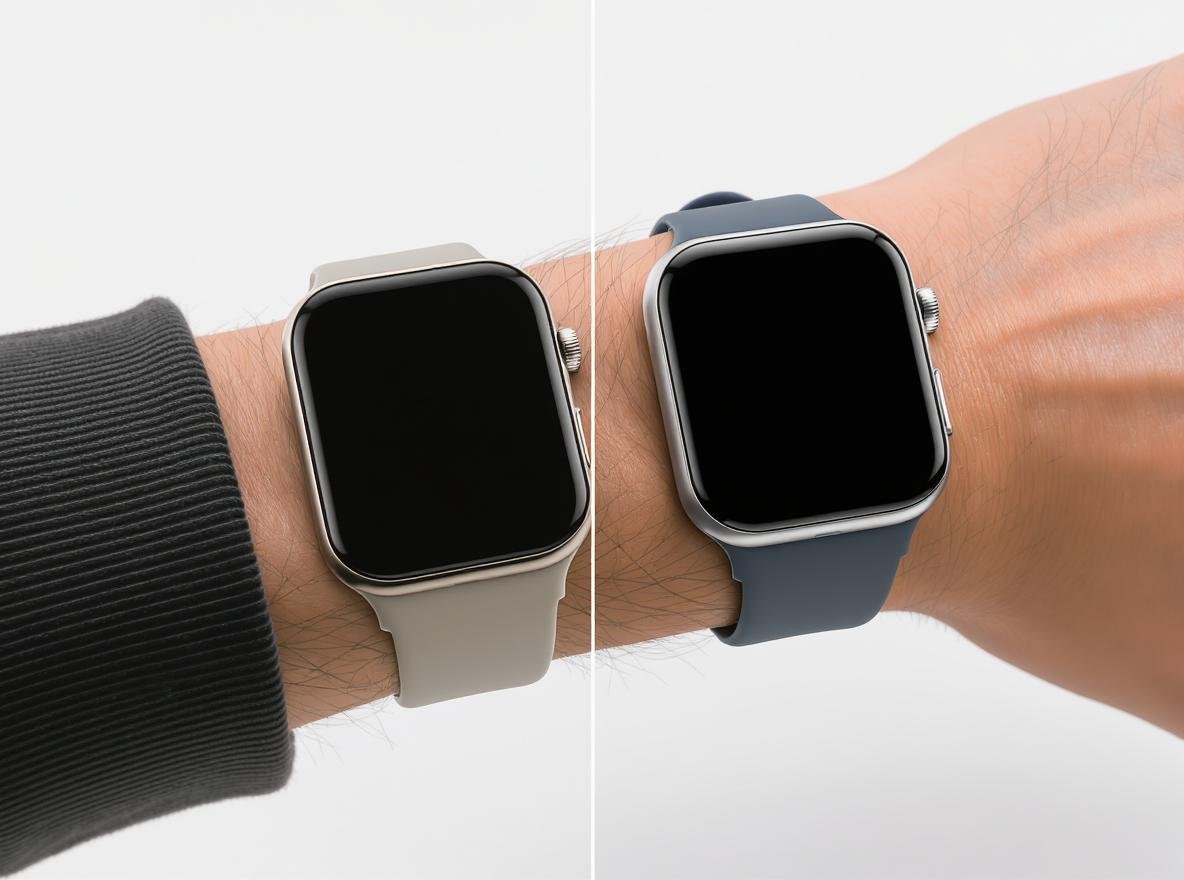
You’re unboxing your new smartwatch, but something feels off about wearing it on your left wrist. Maybe you’re left-handed, or perhaps your right wrist just feels more natural. This common dilemma affects millions of smartwatch users worldwide.
Yes, you can absolutely wear a smartwatch on your right hand instead of your left. The choice is largely personal preference, and modern smartwatches are designed to accommodate both wrists with proper settings adjustments. While tradition suggests wearing watches on the non-dominant hand, comfort and individual needs should guide your decision.
Let’s explore everything you need to know about optimizing your smartwatch experience, regardless of which wrist you choose.
Which Hand Should I Wear My Smartwatch On?
Choosing the right wrist for your smartwatch affects daily comfort, device protection, and overall user experience. Understanding traditional guidelines helps, but personal preference ultimately matters most.
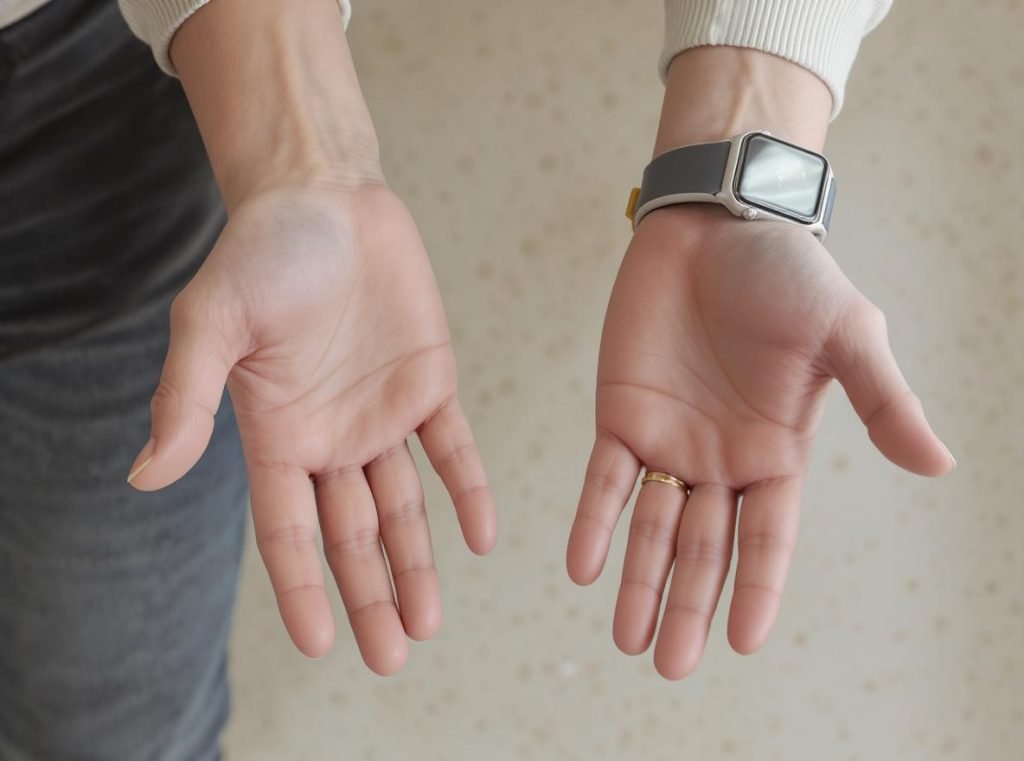
Most users benefit from wearing their smartwatch on their non-dominant hand – left wrist for right-handed people, right wrist for left-handed users. However, there is no universally correct choice, and the decision should prioritize personal comfort, convenience, and individual lifestyle needs.
Traditional Guidelines:
The conventional recommendation follows the non-dominant hand rule for practical reasons. Your dominant hand performs most daily activities like writing, typing, and lifting objects, making it more prone to impacts and damage.
Personal Preference Prevails:
Modern smartwatch users increasingly choose based on individual factors rather than conventions. Research shows that comfort and convenience trump traditional rules for most users.
Key considerations include:
- Daily activity patterns and occupation requirements
- Ease of interaction with touch controls and buttons
- Fashion preferences and existing jewelry
- Individual anatomical differences and wrist sensitivity
The smartwatch market’s projected growth to $105.20 billion by 2032 reflects manufacturers’ focus on accommodating diverse user preferences, including wrist placement options.
Does Hand Choice Affect Smartwatch Sensor Accuracy?
Sensor performance represents a primary concern for users considering non-traditional wrist placement. Understanding how different sensors respond to wrist choice helps optimize your device’s health tracking capabilities.
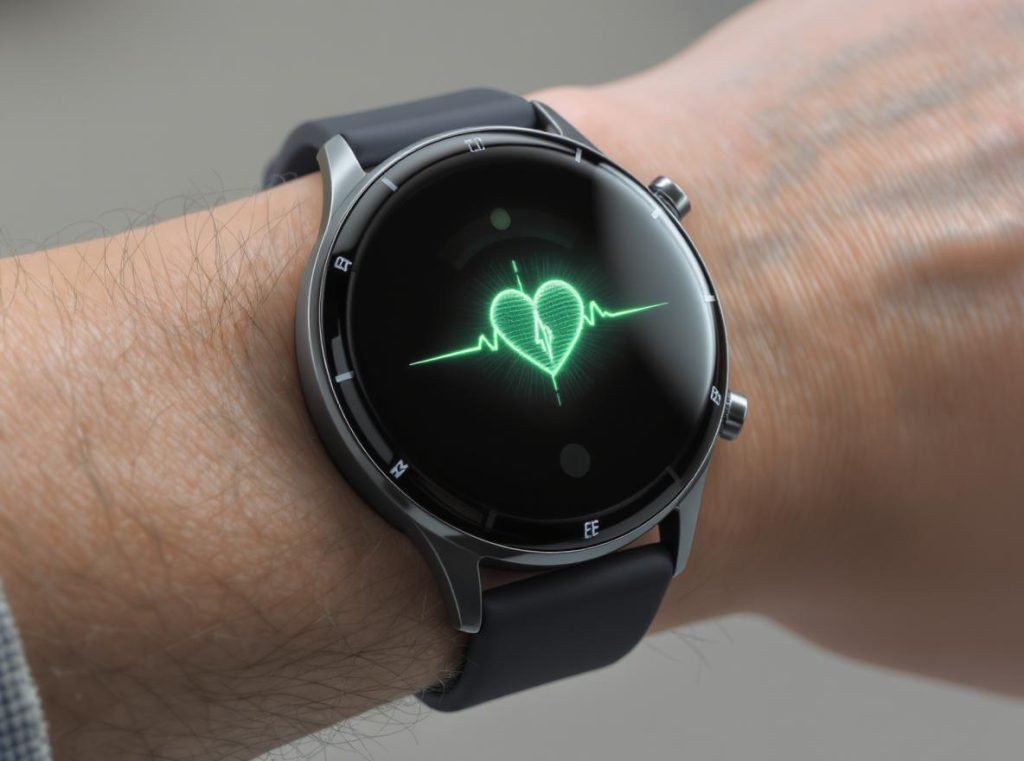
Research indicates that hand choice has minimal impact on sensor accuracy for most users. Heart rate monitoring shows no significant difference between wrists, while proper sensor positioning and consistent skin contact matter more than wrist selection.
Heart Rate Monitoring Performance:
Studies comparing left and right wrist accuracy reveal no significant differences for most individuals. Some users experience slightly better results on the left wrist due to proximity to the heart, but individual anatomical variations create more impact than wrist choice.
Step Counting Considerations:
Step counting accuracy typically performs better on the non-dominant hand. The dominant hand’s frequent small movements during activities like brushing teeth, writing, or gesturing can inflate step counts when sensors misinterpret these motions as steps.
Optimal Sensor Placement Techniques:
Regardless of wrist choice, proper positioning ensures accurate readings:
| Placement Factor | Recommendation | Impact on Accuracy |
|---|---|---|
| Position | Two fingers above wrist bone | Critical for all sensors |
| Band Tightness | Snug but not restrictive | Maintains consistent skin contact |
| Skin Contact | Avoid tattoos and scars | Prevents optical sensor interference |
| Movement | Minimize during readings | Reduces motion artifacts |
Sleep Tracking Performance:
Sleep monitoring maintains consistent accuracy on either wrist since both hands remain relatively stable during rest periods.
What Are the Advantages of Wearing a Smartwatch on the Right Hand?
Right-hand smartwatch wearing offers distinct benefits that many users find compelling. These advantages often outweigh traditional conventions, especially for specific user groups.
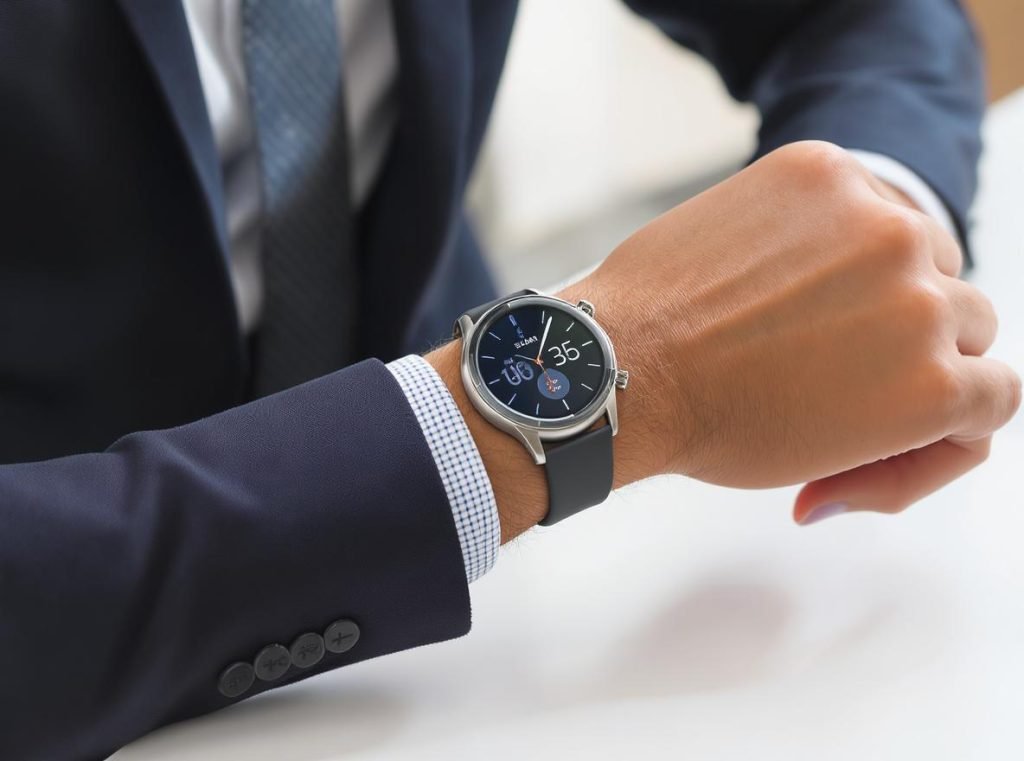
Right-hand wearing provides enhanced control precision for left-handed users, better protection during certain activities, improved ergonomics for dominant hand interaction, and customized accessibility for individual comfort needs.
Enhanced Control for Left-Handed Users:
Left-handed individuals often experience superior interaction when wearing smartwatches on their right wrist. The dominant left hand provides better precision for touch controls, crown manipulation, and gesture navigation.
Ergonomic and Comfort Benefits:
- Better muscle coordination due to dominant hand’s superior control
- Seamless integration with activities requiring specific hand positioning
- Reduced interference with professional tasks or hobbies
Protection Advantages:
Some occupations and activities benefit from right-wrist placement:
- Musicians playing string instruments avoid interference
- Medical professionals maintain easy access to timing functions
- Artists and craftspeople protect devices from dominant hand activities
Market Demand Recognition:
The estimated 4-5 million left-handed smartwatch users in the United States alone represent significant market demand. Manufacturers increasingly design features specifically for this underserved segment.
Can Left-Handed People Wear Smartwatches on Their Right Hand?
Left-handed users face unique considerations when selecting optimal smartwatch placement. Modern devices offer comprehensive solutions for this significant user segment.
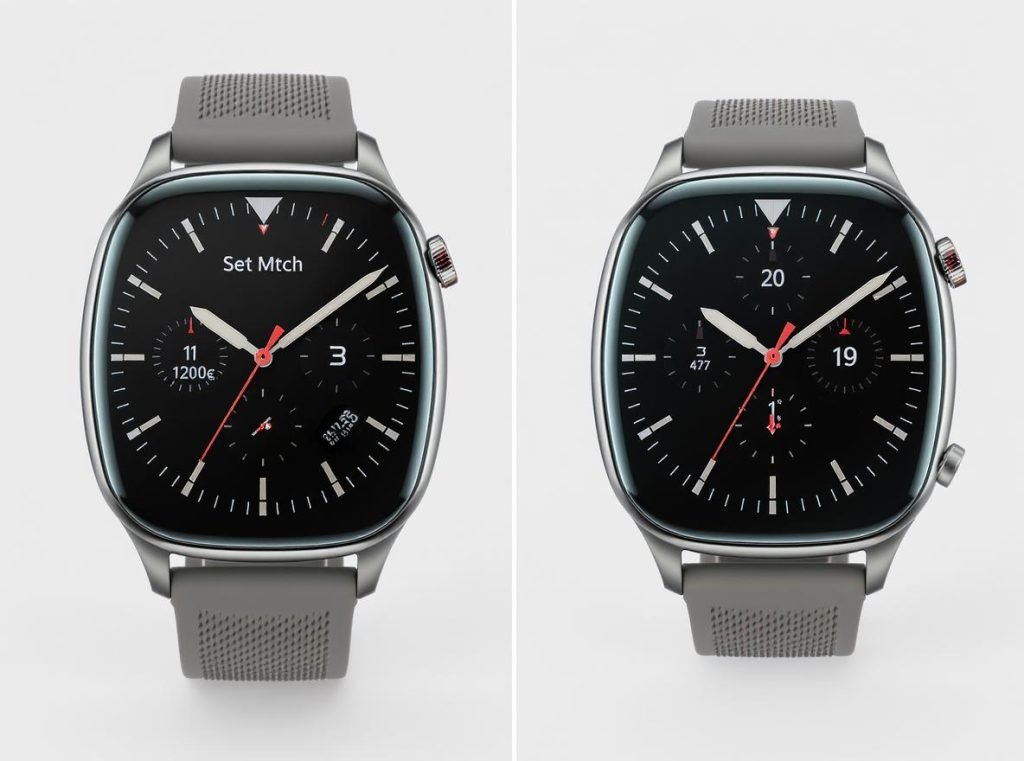
Left-handed people can absolutely wear smartwatches on their right wrist and often find it more comfortable. Most modern smartwatches support left-handed configuration through orientation settings, display rotation, and button position adjustments.
Configuration Capabilities:
Modern smartwatches accommodate left-handed users through:
- Orientation settings that flip displays 180 degrees
- Button position adjustments for optimal accessibility
- Strap reconfiguration options for enhanced comfort
User Experience Benefits:
Left-handed users wearing smartwatches on their right wrist report:
- More intuitive touch screen interaction
- Easier access to crown and button controls
- Better integration with dominant hand activities
- Reduced interference during writing and drawing
Market Recognition:
Approximately 10-15% of the population is left-handed, representing substantial market opportunity. Major manufacturers now prioritize left-handed support as a standard feature rather than an afterthought.
Brand Support Comparison:
| Brand | Left-Handed Support | Setup Complexity | Native Features |
|---|---|---|---|
| Apple Watch | Excellent since 2015 | Simple | Complete orientation control |
| Samsung Galaxy | Comprehensive | Easy | Full display rotation |
| Google Pixel | Modern support | Straightforward | Native OS integration |
| Wear OS Devices | Variable by model | Depends on version | Check individual capabilities |
How Do I Set Up My Smartwatch for Right-Hand Wearing?
Proper configuration ensures optimal performance and usability when wearing your smartwatch on the right wrist. Most modern devices include comprehensive setup options.
Configure your smartwatch’s orientation settings, adjust display rotation, and optimize button positioning through native device settings or companion apps. These adjustments ensure optimal functionality regardless of wrist placement.
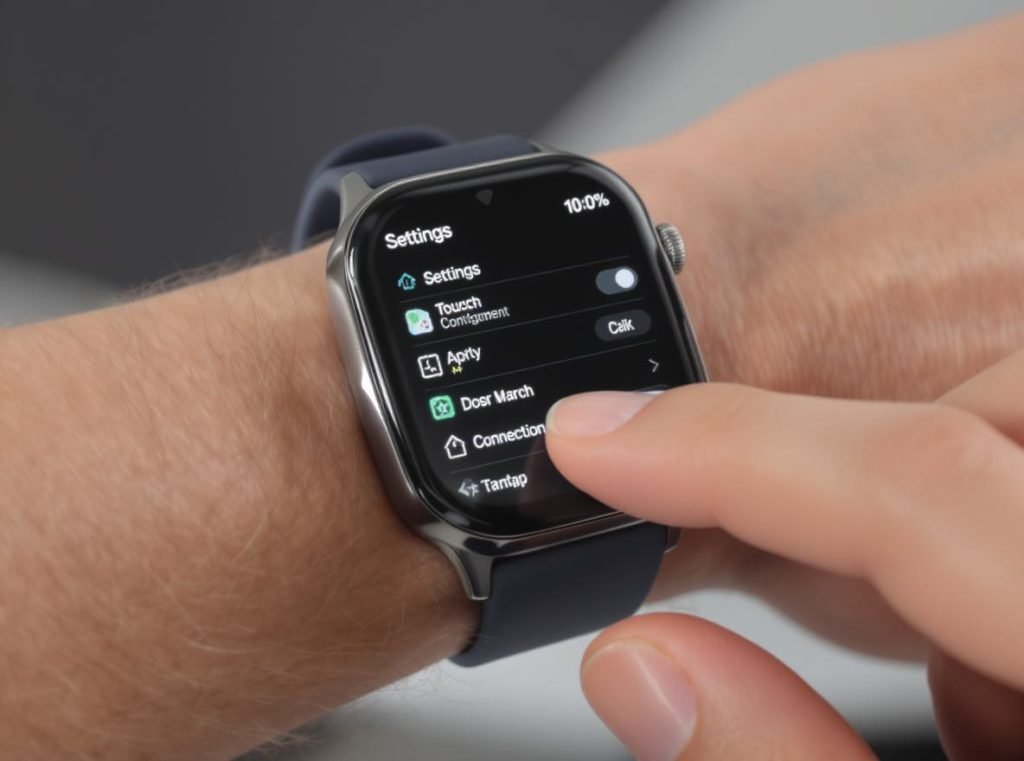
Apple Watch Configuration Steps:
- Open the Watch app on your iPhone
- Navigate to General > Watch Orientation
- Select “Right Wrist”
- Choose “Digital Crown on Left Side”
- Alternative: Settings > General > Orientation directly on the watch
Samsung Galaxy Watch Setup Process:
- Via Galaxy Wearable app: Watch Settings > General > Orientation
- On the watch: Settings > General > Orientation
- Select “Right” under Wrist preference
- Choose “Left” under Key Position to optimize screen orientation
Google Pixel Watch Configuration:
- In Pixel Watch app: Watch Preferences > Watch Orientation
- On device: Settings > Display > Wrist Orientation
- Select “Right wrist” and “Left crown” position
- Swap straps by detaching and reattaching on opposite sides
Universal Setup Principles:
Regardless of brand, follow these optimization steps:
- Verify orientation settings match your chosen wrist
- Test button accessibility and screen readability
- Calibrate fitness sensors for accurate tracking
- Confirm notification and control responsiveness
Are There Any Disadvantages to Wearing a Smartwatch on the Right Hand?
Right-hand smartwatch wearing does present some potential limitations that users should understand before making their decision. These drawbacks vary by device and individual usage patterns.
Right-hand wearing may create button accessibility challenges, software compatibility issues with older devices, measurement complications for certain health features, and social or professional appearance considerations in traditional settings.

Button and Interface Challenges:
Traditional smartwatch designs favor left-wrist wearing, potentially creating:
- Awkward button placement when worn on the right wrist
- Difficulty accessing crowns and controls designed for opposite-hand operation
- Increased risk of accidental button presses during wrist flexion
Software Compatibility Concerns:
Older devices may experience limitations:
- Historical lack of orientation settings for right-wrist wearing
- Third-party app interface issues with rotated displays
- Battery drain concerns with third-party rotation solutions
Health Monitoring Complications:
Certain advanced features may require adjustment:
- Body composition measurements needing specific finger placement on buttons
- ECG readings potentially requiring orientation calibration
- Some health monitoring algorithms assuming left-wrist positioning
Professional and Social Considerations:
- Traditional business settings may expect conventional left-wrist placement
- Luxury watch etiquette typically favors left-wrist wearing
- Cultural expectations in certain regions may influence appropriate placement
However, these disadvantages are increasingly minimal as manufacturers prioritize universal design and comprehensive orientation support.
What Should Wholesale Buyers Consider About Smartwatch Hand Placement?
Wholesale buyers, distributors, and retailers must understand consumer hand placement preferences to optimize product selection, inventory management, and market positioning strategies.
Wholesale buyers should prioritize smartwatches with comprehensive orientation support, target the underserved left-handed market segment, and highlight ambidextrous capabilities to maximize market appeal and reduce return rates.

Market Opportunity Analysis:
The global smartwatch market’s projected growth to $105.20 billion by 2032 with 15.43% CAGR presents substantial opportunities. Market volume expects growth from 171.38 million units in 2024 to 583.81 million units by 2029.
Left-Handed Market Segment:
- Represents 10-15% of total population
- Estimated 4-5 million left-handed smartwatch users in US alone
- Historically underserved market with growing manufacturer attention
- Premium pricing opportunities for specialized features
Product Selection Priorities:
Universal Compatibility Features:
- Native orientation settings for both wrists
- Ambidextrous design elements and button placement
- Easy strap reconfiguration options
- Comprehensive software support across operating systems
Quality Assurance Requirements:
- Verify orientation change reliability across models
- Test sensor accuracy on both wrists during quality checks
- Validate setup process simplicity for average consumers
- Confirm button accessibility in both configurations
Inventory Strategy Optimization:
| Price Segment | Feature Requirements | Market Positioning |
|---|---|---|
| Budget Models | Basic orientation settings | Highlight universal compatibility |
| Mid-Range | Comprehensive left-handed support | Target underserved segments |
| Premium Devices | Advanced ambidextrous optimization | Premium positioning for specialized needs |
Marketing and Education Strategies:
- Emphasize versatility for both wrists in product descriptions
- Provide clear setup instructions for orientation changes
- Address common sensor accuracy concerns in marketing materials
- Train retail partners on left-handed user benefits
Future Market Trends:
Manufacturers increasingly prioritize inclusive design with native OS support for orientation changes, reducing reliance on third-party solutions. Future innovations may feature truly ambidextrous designs with centered controls, eliminating hand placement preferences entirely.
Summary
Wearing your smartwatch on the right hand instead of the left is absolutely viable and often preferable depending on your individual needs. Modern devices offer comprehensive orientation support, minimal sensor accuracy differences, and growing recognition of diverse user preferences. Choose based on comfort, convenience, and personal lifestyle rather than outdated conventions.
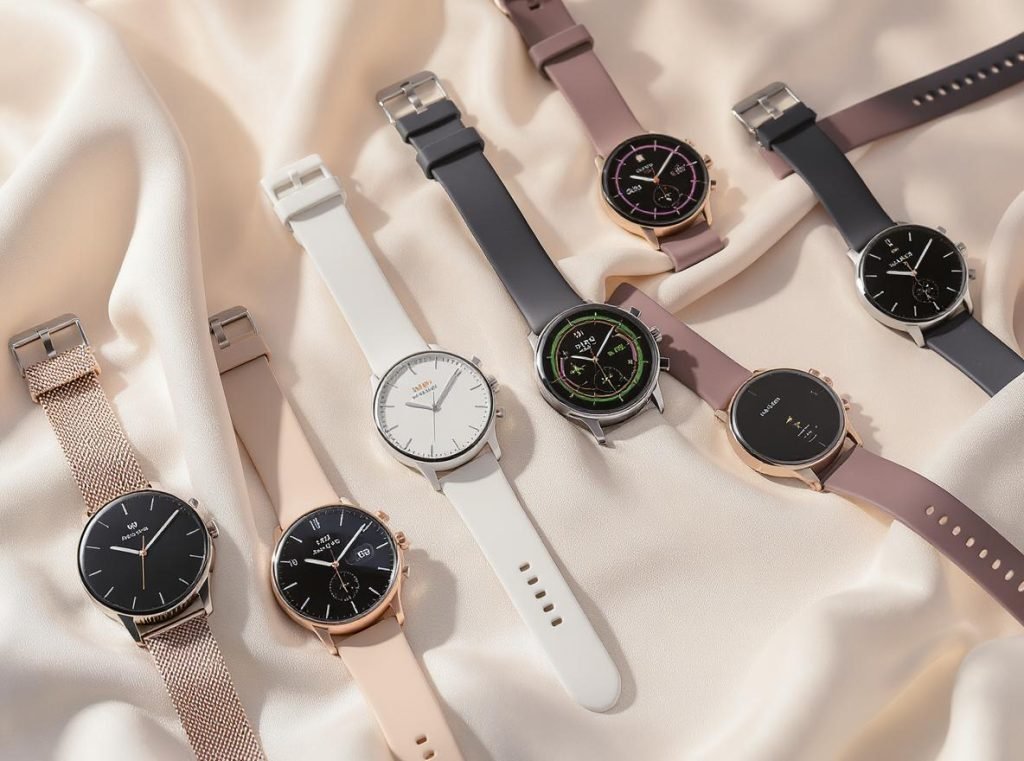
Ready to source versatile smartwatches that accommodate all user preferences? Osmarto specializes in manufacturing high-quality smartwatches with comprehensive ambidextrous features, native orientation support, and superior sensor accuracy on both wrists. Our devices cater to the growing left-handed market while maintaining universal appeal. Contact us today to explore wholesale opportunities and discover how our smartwatch solutions can capture broader market segments. Send us an inquiry to learn about our competitive pricing, customization options, and comprehensive support for diverse user needs.