Skip to content
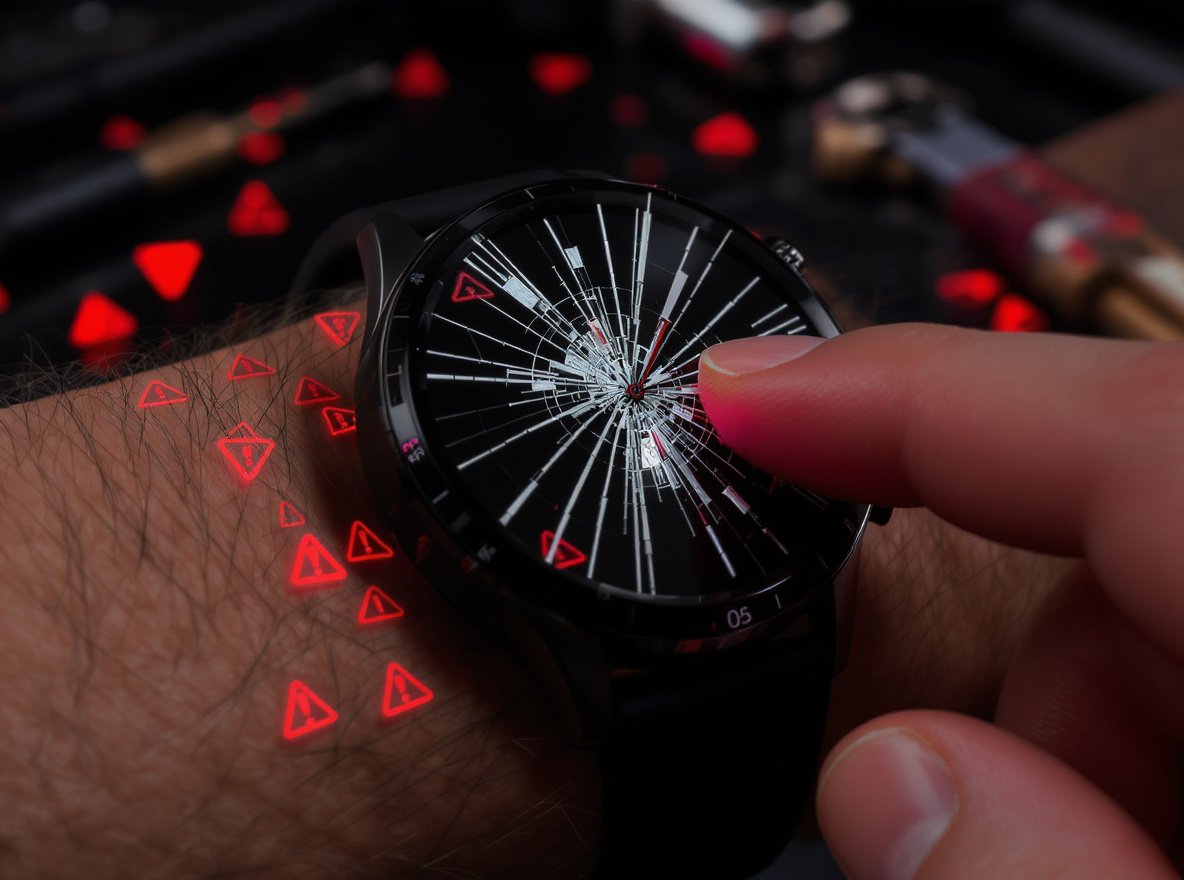
A non-responsive smartwatch touchscreen can instantly transform your high-tech companion into an expensive paperweight. Whether you’re trying to answer calls, check notifications, or navigate apps, a malfunctioning touchscreen disrupts your entire daily routine and productivity. Smartwatch touchscreen failures occur at 2.3 times the rate of smartphone screens, making this a widespread issue affecting users across all brands.
The most common causes of smartwatch touchscreen problems include software issues (82% of cases), water or moisture damage, physical impact damage, charging interference from incompatible chargers, and environmental factors like extreme temperatures. Most software-related issues can be resolved through force restarts, updates, and proper cleaning procedures.
Don’t panic just yet – most touchscreen issues have straightforward solutions that you can try at home, with force restarts resolving 82% of WearOS screen issues.
What Are the Primary Causes of Smartwatch Touchscreen Failures?
Understanding the root causes helps you identify the right solution quickly and prevents future problems from developing.
Software issues are the leading cause of touchscreen problems, followed by hardware damage from water exposure and physical impacts. Third-party apps, corrupted updates, charging interference, and environmental factors also contribute to touchscreen malfunctions.
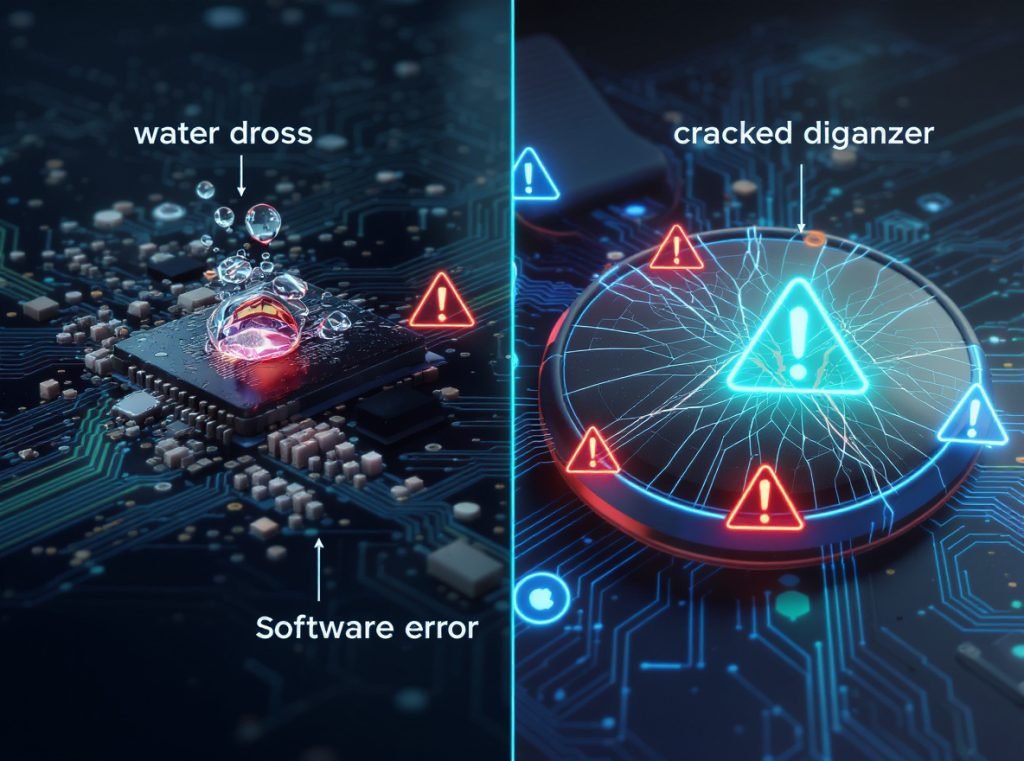
Software problems dominate the failure statistics. Outdated firmware, software glitches, and system conflicts cause the majority of touchscreen responsiveness issues. Third-party apps can create system conflicts that interfere with normal touch detection.
Hardware problems typically stem from water damage, even in water-resistant models, and physical damage from drops or impacts that may not show visible screen cracks. Touch sensor malfunction or digitizer failure creates permanent dead zones that software fixes cannot resolve.
Environmental factors play a significant role. Extreme temperatures affect screen responsiveness, while dirty, oily, or wet fingers prevent proper touch detection. Even incorrectly installed screen protectors can create interference.
| Cause Category | Frequency | Typical Symptoms | Resolution Rate |
|---|---|---|---|
| Software Issues | 82% | Freezing, lag, unresponsiveness | Very High |
| Water Damage | 15% | Dead zones, phantom touches | Medium |
| Physical Impact | 12% | Partial screen failure | Low |
| Environmental | 8% | Temperature-related issues | High |
How Do I Perform a Force Restart to Fix My Smartwatch?
Force restarting resolves 82% of WearOS screen issues and should be your first troubleshooting step for any touchscreen problem.
Each smartwatch brand has specific restart procedures: Apple Watch requires holding side button + crown for 10 seconds, Samsung Galaxy needs power button pressed 3 times rapidly, Fitbit connects to charger + hold button for 8 seconds, Garmin holds power button for 15+ seconds, and WearOS devices need power button held for 30 seconds.
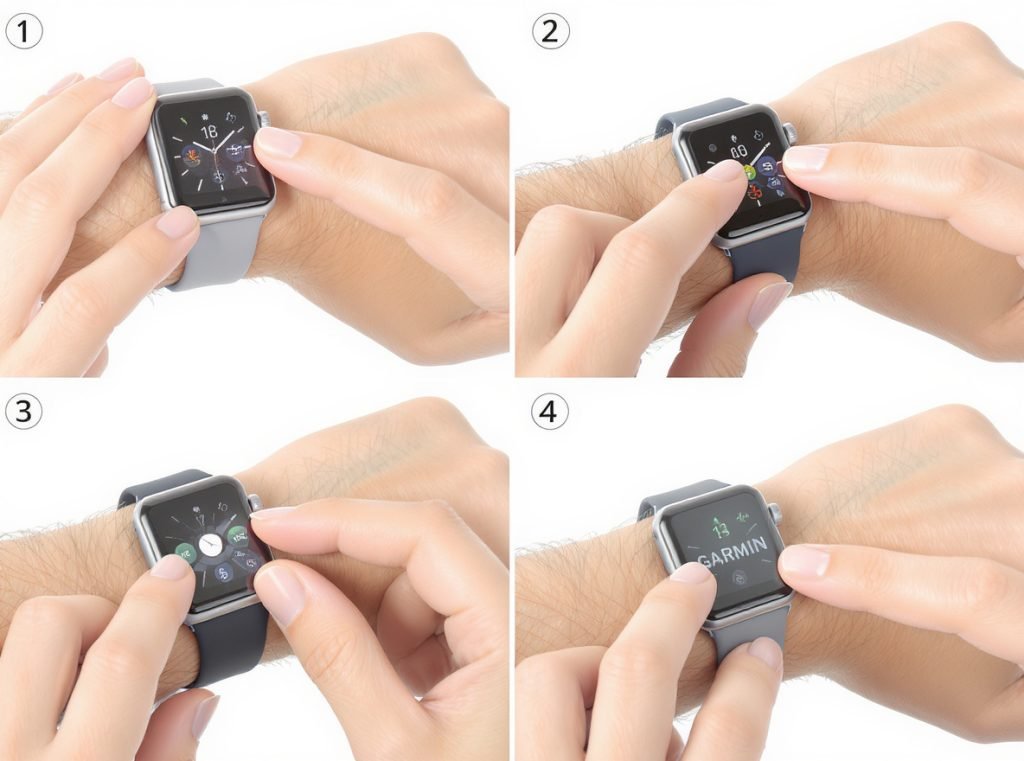
The force restart procedure varies significantly between brands, so using the correct method for your specific device is crucial for success.
For Apple Watch users, simultaneously hold the side button and Digital Crown for exactly 10 seconds until the Apple logo appears. This clears memory caches and refreshes the watchOS system completely.
Samsung Galaxy Watch owners have multiple options: press the power button 3 times rapidly, or hold both the home and back buttons until “Rebooting” appears on screen. This method works for Galaxy Watch 4, 5, and 6 series.
- Apple Watch: Side button + crown (10 seconds)
- Samsung Galaxy: Power button 3x rapidly OR both buttons until “Rebooting”
- Fitbit: Connect charger + hold button (8 seconds)
- Garmin: Power button (15+ seconds)
- WearOS: Power button (30 seconds)
Fitbit devices require connection to the charging dock before attempting the restart procedure. This ensures adequate power during the restart process and prevents shutdown during the procedure.
Should I Update My Smartwatch Software to Fix Touchscreen Issues?
Software updates include critical stability improvements and touchscreen calibration enhancements that resolve many common responsiveness problems.
Always check for firmware, software, or OTA updates through your companion smartphone app before attempting other troubleshooting methods. Updates often contain specific fixes for touchscreen sensitivity issues and system stability improvements that eliminate common touch detection problems.
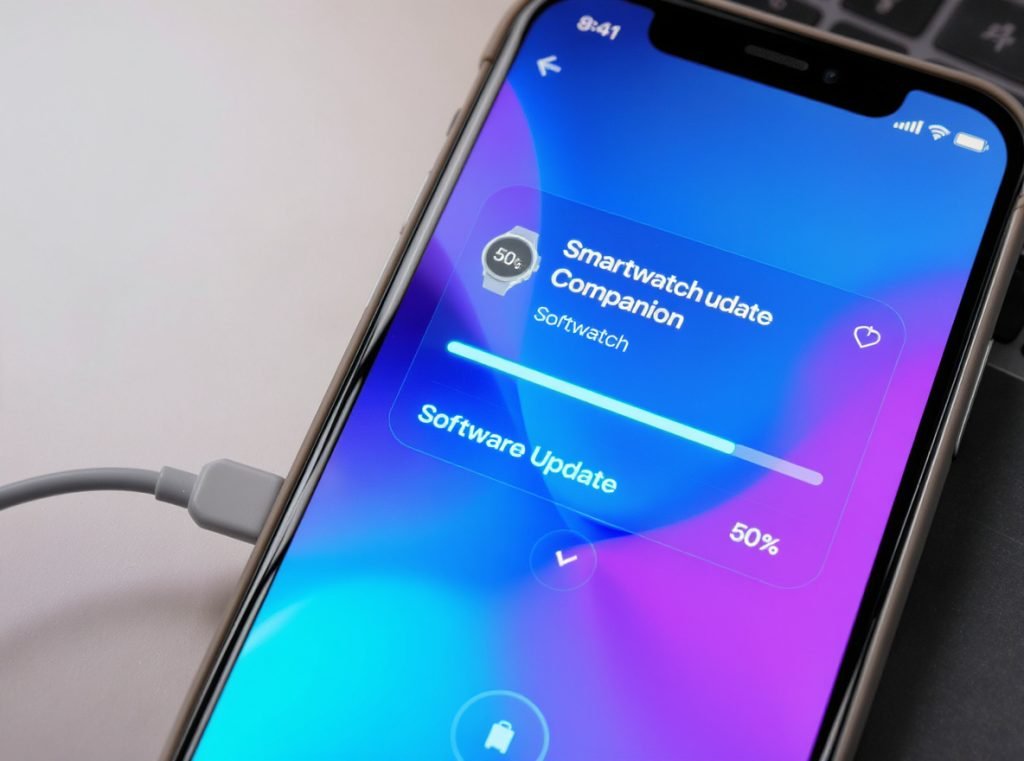
Manufacturers regularly release updates specifically addressing touchscreen complaints from users. These updates improve touch algorithms, fix known bugs, and enhance overall system responsiveness.
Access updates through your smartphone’s companion app rather than directly on the smartwatch. Galaxy Wearable, Apple Watch app, Fitbit app, and Garmin Connect all provide update notifications and installation options.
Ensure your companion app is fully updated before checking for watch firmware updates. Outdated apps may not display available watch updates or may fail during the installation process.
The update process typically requires adequate battery charge (usually 50% or higher) and a stable Wi-Fi connection. Updates install during charging periods to prevent interruption from low battery conditions.
How Can I Clean My Smartwatch Screen Properly?
Improper cleaning or contaminated screens cause many touchscreen responsiveness issues that users mistake for hardware failures.
Remove any screen protectors temporarily and clean the entire screen surface with a microfiber cloth. Ensure your hands are completely clean and dry before testing touchscreen functionality, as oils, moisture, and residue significantly impact capacitive touch detection.
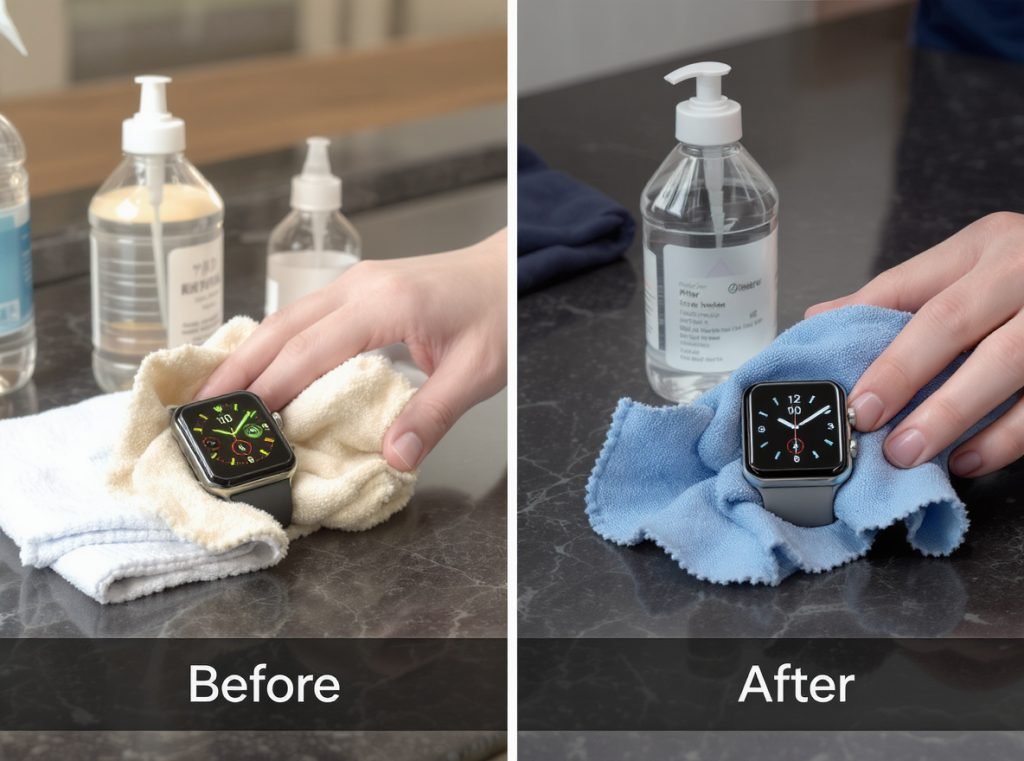
Start by powering off your smartwatch to prevent accidental inputs during cleaning. Use only lint-free microfiber cloths – the same type used for camera lenses or eyeglasses works perfectly.
For stubborn residues, slightly dampen the microfiber cloth with distilled water only. Avoid soap, alcohol, or chemical cleaning products that could damage protective coatings or interfere with touch sensitivity.
Pay special attention to screen edges where dirt and oils accumulate most heavily. These areas often create dead zones or reduced sensitivity that users attribute to hardware problems.
Your hands matter as much as the screen condition. Wash and thoroughly dry your hands before testing the touchscreen. Moisturizer residue, natural skin oils, or slight dampness interfere with capacitive touchscreen technology.
| Cleaning Step | Method | Avoid |
|---|---|---|
| Power Off | Hold power button | Cleaning while powered on |
| Screen Surface | Microfiber cloth, circular motions | Paper towels, tissues |
| Stubborn Residue | Slightly damp microfiber with distilled water | Soap, alcohol, chemicals |
| Hand Preparation | Wash and dry thoroughly | Moisturizer, oils, dampness |
Why Does My Charger Affect Touchscreen Performance?
Charging-related interference from faulty or incompatible chargers creates touchscreen problems that many users don’t associate with power delivery issues.
Use only the original charging dock that came with your smartwatch. Third-party chargers deliver 23% less power to Galaxy Watches and can cause significant touchscreen interference during charging and normal operation. Incompatible chargers create electromagnetic interference that disrupts touch sensor functionality.
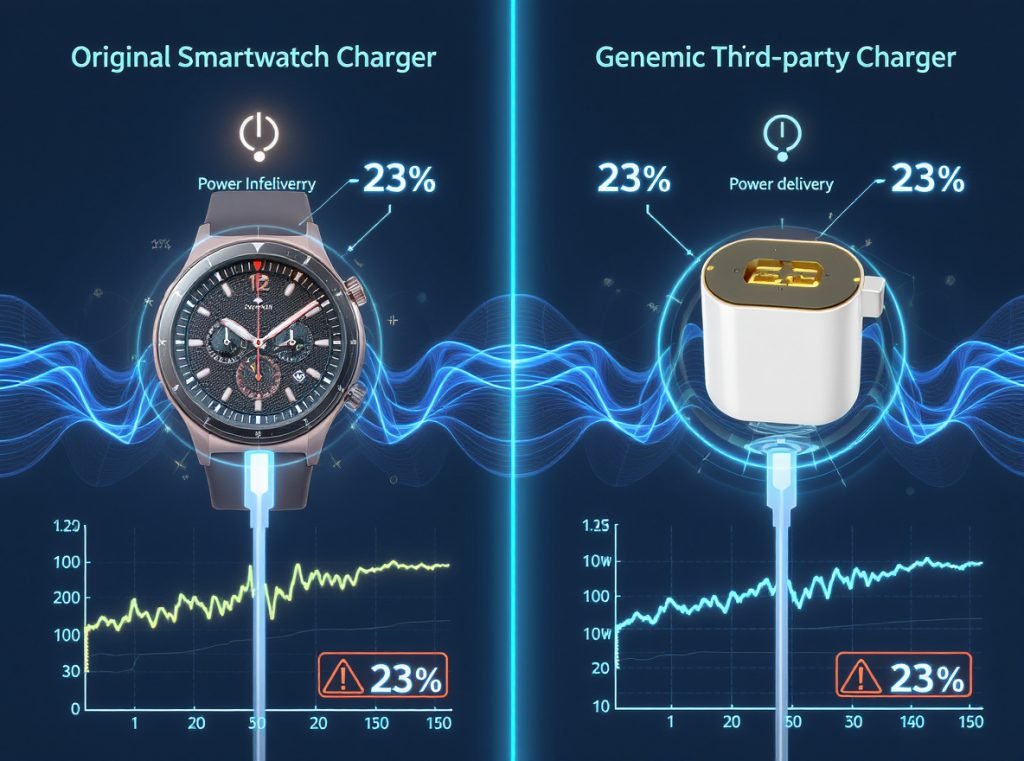
Original equipment manufacturer (OEM) chargers provide precise voltage and current specifications required for proper device operation. Third-party alternatives often fail to meet these specifications, creating power delivery inconsistencies.
The charging process affects more than just battery levels. Improper power delivery creates electromagnetic fields that interfere with capacitive touchscreen sensors, causing erratic behavior, phantom touches, or complete unresponsiveness.
Galaxy Watch users experience particularly severe issues with non-OEM chargers, losing nearly a quarter of expected charging efficiency. This reduced power delivery extends beyond charging time to affect overall system performance.
Test your touchscreen while disconnected from any charging source. If problems disappear when unplugged, your charger is likely causing electromagnetic interference that disrupts normal touch detection.
What Should I Do If Only Parts of My Screen Work?
Dead zones or partial touchscreen failure typically indicate hardware damage rather than software issues and require different troubleshooting approaches.
Partial screen failures usually result from water damage, physical impact damage, or digitizer failure. Use touchscreen testing apps to identify affected areas, then determine if the damage occurred after water exposure, drops, or impacts. Software solutions rarely fix hardware-related dead zones.
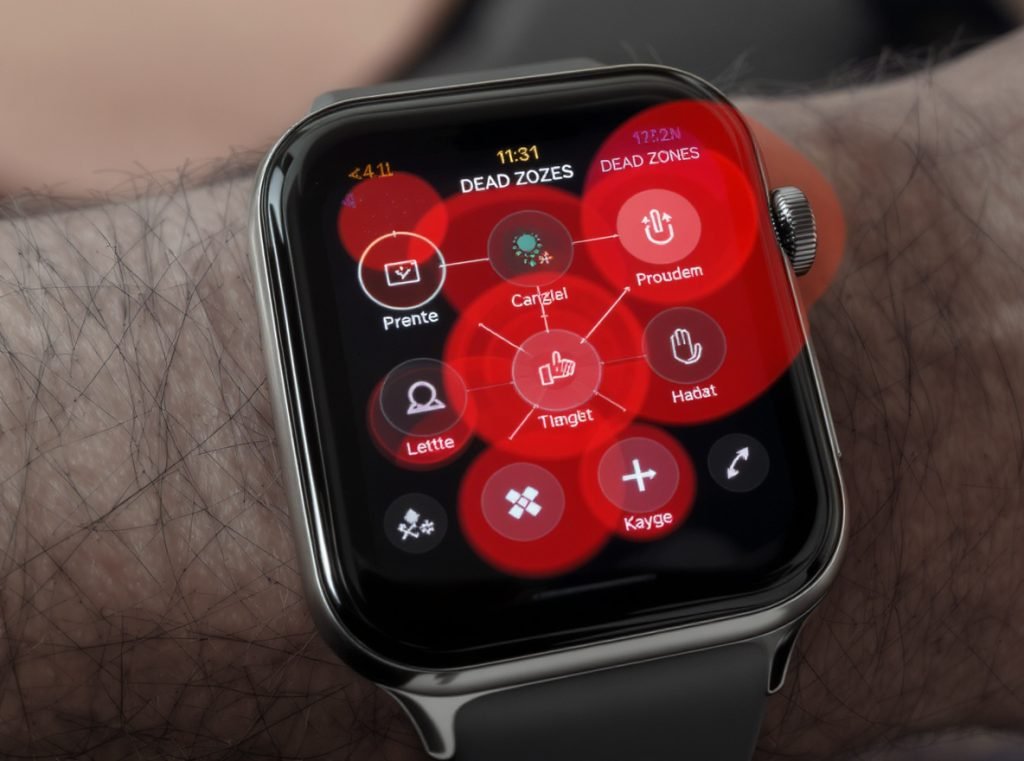
Download “Touchscreen Test” or similar diagnostic apps to map unresponsive areas accurately. Run the test and systematically swipe across the entire screen surface, noting areas that don’t register touches or show false inputs.
Water damage creates the most common dead zone patterns. Even water-resistant watches can develop internal moisture that affects specific screen areas, often appearing as horizontal or vertical strips of unresponsiveness.
Physical impact damage may not show visible screen cracks but can damage the internal digitizer layer. This creates irregular dead zones that correspond to impact points, often appearing after drops or collisions.
Digitizer failure represents permanent hardware damage where the touch sensor layer fails in sections. These dead spots won’t respond to any software fixes and typically require professional screen replacement.
| Dead Zone Pattern | Likely Cause | Software Fix Success | Repair Required |
|---|---|---|---|
| Horizontal/Vertical Strips | Water damage | Low | Yes |
| Irregular Patches | Impact damage | Very Low | Yes |
| Corner/Edge Areas | Digitizer failure | None | Yes |
| Random Scattered | Multiple causes | Low | Likely |
When Should I Consider Professional Repair Services?
Certain symptoms indicate hardware damage requiring professional diagnosis and repair rather than continued user troubleshooting attempts.
Seek professional repair when software troubleshooting (restart, updates, factory reset) doesn’t resolve issues, dead zones persist after trying all software fixes, water damage indicators are present (fogging, moisture under screen), or physical damage is visible or suspected. Repair costs typically range from $129-$399 depending on the brand.
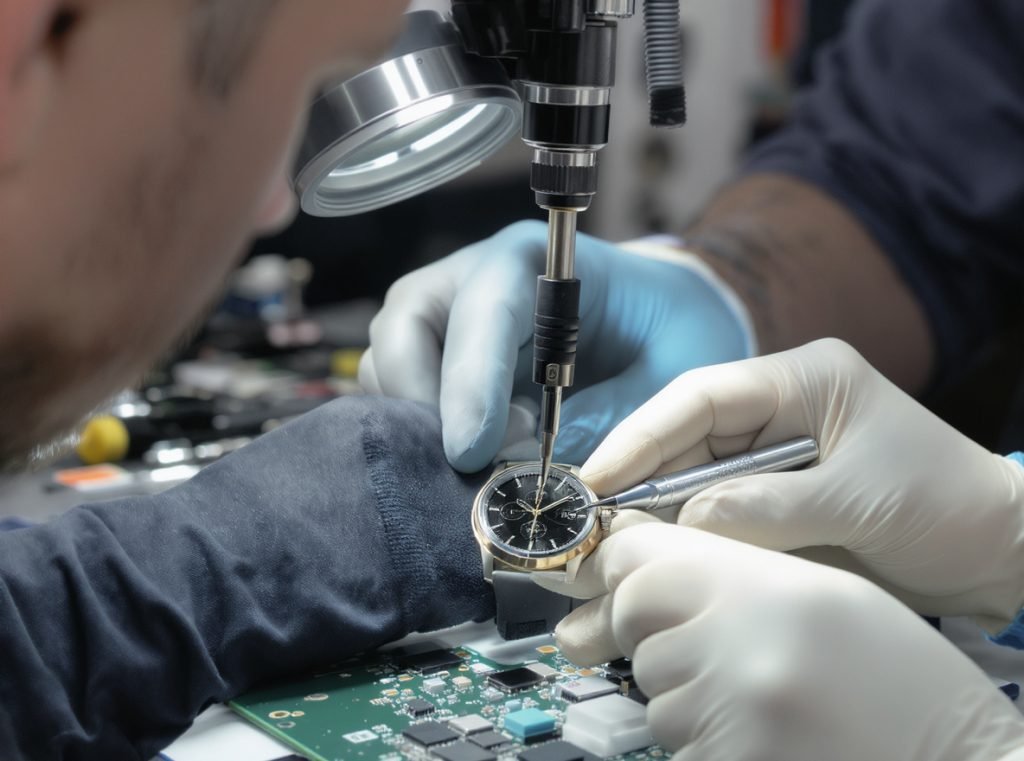
Professional repair becomes necessary when all software solutions fail to restore normal touchscreen functionality. Attempting additional DIY repairs beyond basic troubleshooting typically voids warranties and can cause permanent damage.
Water damage indicators include screen fogging, visible moisture under the display, or erratic touch behavior that began after water exposure. These symptoms require specialized drying techniques and potential component replacement.
Most professional repairs complete within 5 business days and include 180-day warranties on replacement parts and labor. This timeframe allows for thorough diagnosis and quality control testing.
- Apple Watch screen replacement: $150-$399
- Samsung Galaxy Watch: $129-$279
- Garmin devices: $149-$199
- Generic/budget brands: $75-$150
Consider replacement versus repair when costs exceed 60% of a new device’s price, especially for devices over 3 years old where multiple components may need replacement.
How Can I Prevent Future Touchscreen Problems?
Proactive protection and maintenance significantly reduce touchscreen failure rates and extend your smartwatch’s functional lifespan.
Install tempered glass screen protectors and protective silicone cases designed for your specific model. Use only original charging equipment, avoid high-pressure water environments, clean weekly with appropriate materials, and maintain awareness of extreme temperature exposure. These practices prevent most common touchscreen failures.
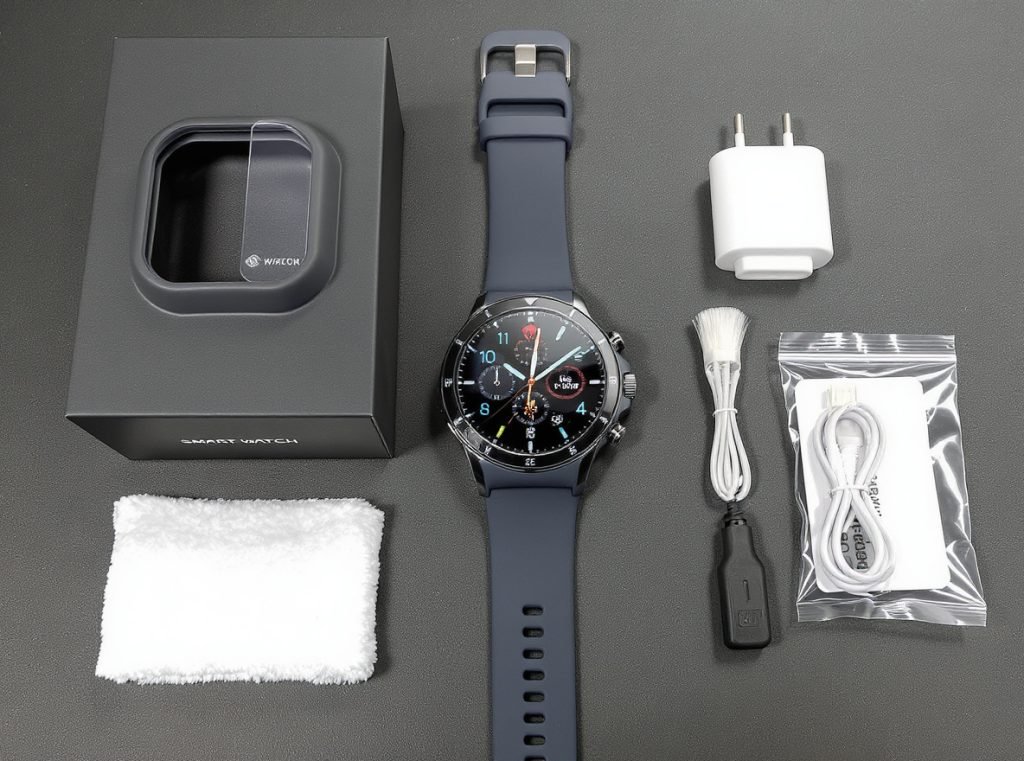
Tempered glass protectors absorb impact energy and prevent surface scratches from keys, coins, and other hard objects. They’re essential for preventing physical damage that leads to digitizer failure.
Silicone cases provide additional drop protection and help maintain water resistance seals. Choose cases specifically designed for your smartwatch model to ensure proper fit and functionality.
Water management requires understanding your device’s actual limitations. “Water resistant” doesn’t mean “waterproof,” and ratings decrease over time as seals age. Dry your watch thoroughly after any water exposure and use water lock mode during swimming.
Regular maintenance prevents gradual sensitivity loss from oil and dirt accumulation. Weekly cleaning with microfiber cloths maintains optimal touch response and prevents stubborn residue buildup.
| Prevention Category | Action Required | Frequency | Impact |
|---|---|---|---|
| Physical Protection | Screen protector + case | One-time setup | High |
| Charging Practices | Original charger only | Daily | Medium |
| Water Management | Dry after exposure, water lock mode | As needed | High |
| Regular Cleaning | Microfiber cloth cleaning | Weekly | Medium |
Environmental awareness includes avoiding extreme temperature changes, high-velocity activities that could cause impacts, prolonged moisture exposure, and electromagnetic interference from incompatible charging equipment.
What If All Troubleshooting Steps Fail?
When comprehensive troubleshooting doesn’t restore touchscreen functionality, several options remain before considering device replacement.
Check warranty status first, as most smartwatches include 1-2 year coverage for manufacturing defects. Consider replacement versus repair economics when costs exceed 60% of new device pricing. Professional diagnosis provides accurate damage assessment using specialized tools and ensures proper repair procedures.
Warranty coverage varies significantly between manufacturers but typically includes manufacturing defects that cause touchscreen failures. Water damage and physical impact damage usually void warranty protection.
Professional repair centers use specialized tools unavailable to consumers, including digitizer testing equipment, component-level diagnostics, and OEM replacement parts. This ensures proper functionality and maintains device integrity.
Data backup becomes critical before any repair or replacement procedure. Health and fitness data, app settings, and customizations should be preserved through companion smartphone apps before device service.
Remember that attempting DIY repairs beyond basic troubleshooting typically voids warranties and can cause permanent damage due to smartwatches’ complex, miniaturized components. Professional services provide the expertise and tools necessary for successful repairs.
Summary
Smartwatch touchscreen problems affect devices at 2.3 times the rate of smartphones, with software issues causing 82% of failures. Force restarts, software updates, proper cleaning, and original charger usage resolve most problems. Hardware damage from water exposure or impacts typically requires professional repair, with costs ranging from $129-$399 depending on brand and damage extent.
Partner with Osmarto for Reliable Smartwatch Solutions
Are you a wholesaler, distributor, or retailer seeking dependable smartwatch suppliers? Osmarto manufactures premium smartwatches with rigorously tested touchscreen technology designed to minimize common failure modes. Our devices undergo comprehensive quality assurance testing, including touchscreen durability, water resistance validation, and electromagnetic compatibility verification.
Our manufacturing processes incorporate the latest capacitive touchscreen technology with enhanced digitizer reliability, reducing the 2.3x failure rate common in the industry. We provide comprehensive technical documentation, troubleshooting guides, and after-sales support to help your customers maintain optimal device performance.
Contact Osmarto today to discuss wholesale opportunities, custom branding solutions, and how our advanced smartwatch technology can differentiate your product lineup. Send us an inquiry to learn more about our competitive pricing, quality assurance standards, and comprehensive warranty programs designed for business customers.