Skip to content

Have you ever wondered why your favorite artists wear those small earpieces during live performances? Stage environments create unique audio challenges that can make or break a show. Without proper sound monitoring, even the most talented musicians struggle to deliver their best performance.
Musicians wear in-ear monitors (IEMs) on stage primarily to provide superior sound quality, protect hearing, enable mobility, reduce feedback, and deliver personalized mixes that traditional stage monitors simply cannot match. These devices revolutionize live performance by delivering audio directly into the performer’s ears while blocking out external noise.
Let’s dive deeper into why in-ear monitors have become essential equipment for professional musicians worldwide.
What Are In-Ear Monitors and How Do They Work?
Understanding the technology behind these tiny devices helps explain their growing popularity in professional music circles.
In-ear monitors are professional-grade listening devices specifically designed for musicians to hear themselves clearly during live performances, using wireless transmission and balanced armature drivers borrowed from hearing aid technology.
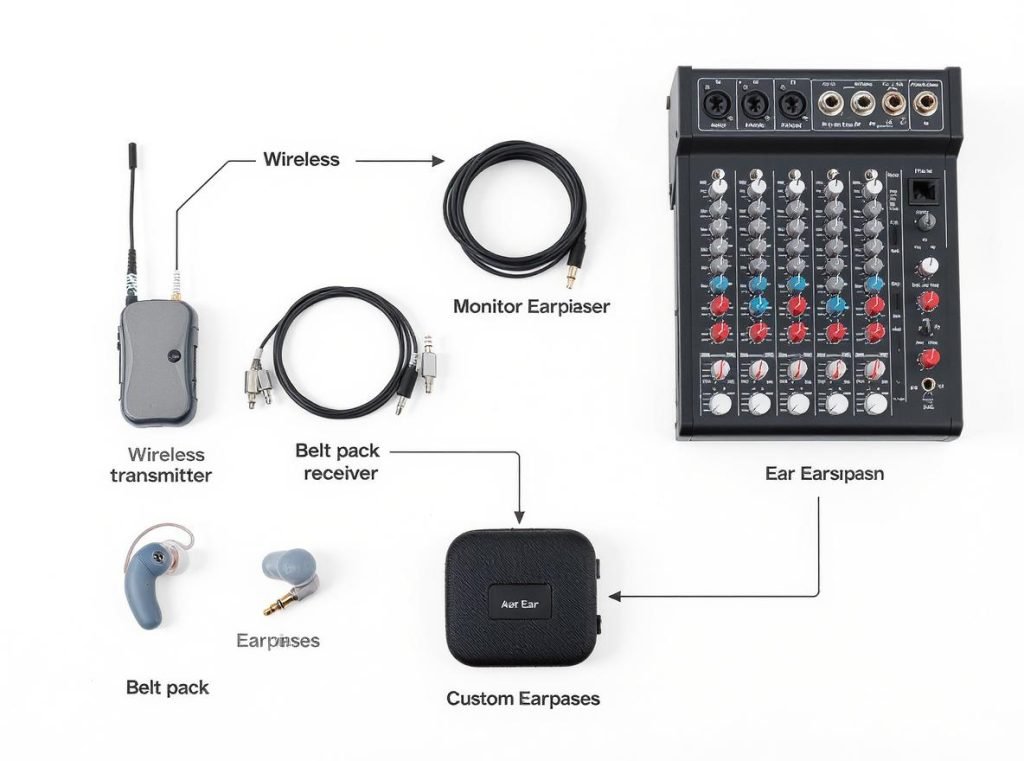
Unlike consumer earbuds, IEMs are purpose-built monitoring systems that operate similarly to professional audio equipment. A complete IEM system consists of three essential components:
- Transmitter: Placed off-stage and connected to the mixing board, converting monitor mixes to radio waves
- Receiver (Belt Pack): Worn by performers, receiving wireless signals and converting them back to audio
- Earphones: Fitting snugly in the ear canal with noise-canceling technology for crystal-clear audio delivery
| Component | Technology | Professional Benefit |
|---|---|---|
| Transmitter | Professional UHF wireless | Interference-free signal transmission |
| Receiver | Digital processing with volume control | Personal mix adjustment capability |
| Earphones | Balanced armature drivers | Superior high-frequency extension |
Many professional IEMs utilize balanced armature (BA) drivers borrowed from hearing aid technology. These drivers are significantly smaller, have less mass, and offer superior high-frequency extension compared to typical dynamic drivers. Multiple BA drivers can be combined with crossover networks to handle different frequency ranges, providing exceptional sound quality in the tiny space of an in-ear design.
Why Musicians Choose In-Ear Monitors Over Traditional Stage Monitors
The shift from traditional wedge monitors to IEMs represents a fundamental advancement in live performance technology, driven by several compelling advantages.
IEMs eliminate the major problems of traditional stage monitoring: feedback issues, limited mobility, inconsistent sound quality, and dangerous volume levels required to compete with ambient noise.
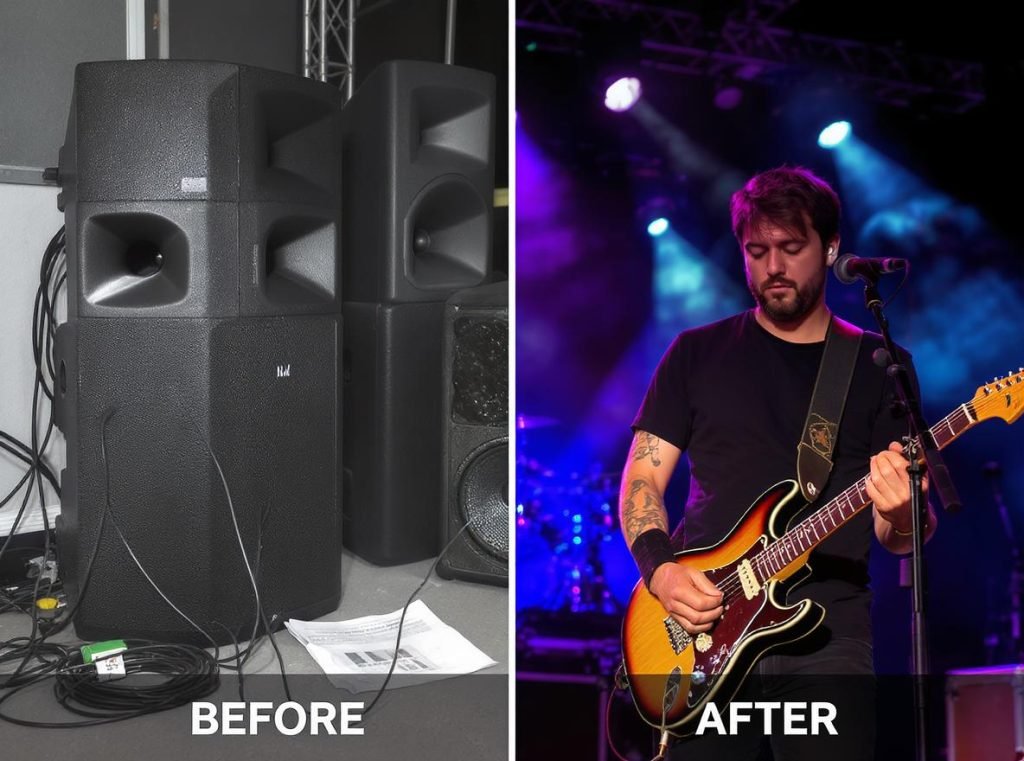
Traditional stage monitors must compete with crowd noise, amplifiers, and PA systems, often requiring dangerously high volumes to be heard. Stage monitors are notorious for creating feedback loops when sound from wedge speakers gets picked up by microphones and cycled through the PA system, creating that painful screeching sound.
Professional IEMs like those from Ultimate Ears can provide up to 26dB of passive noise isolation, allowing musicians to hear their mix clearly without excessive volume. This superior acoustic isolation means performers can achieve excellent clarity at much lower volumes.
Enhanced Stage Mobility and Safety
Traditional wedge monitors restrict performer movement, as stepping out of the speaker’s projection area means losing the monitor mix. With wireless IEMs, performers can move freely across large stages, down catwalks, or anywhere within the wireless system’s range while maintaining consistent audio.
Wedge monitors are bulky, create tripping hazards with cables, and take up valuable stage real estate. IEMs eliminate these safety concerns while creating a cleaner, more professional stage appearance.
How In-Ear Monitors Protect Musicians’ Hearing
Hearing protection has become a critical concern as musicians recognize the long-term risks of loud performance environments.
IEMs protect hearing through passive noise isolation, controlled volume levels, and elimination of competing stage noise that forces higher monitor volumes. In Europe, hearing protection for professional musicians is actually mandatory, highlighting the importance of this issue.
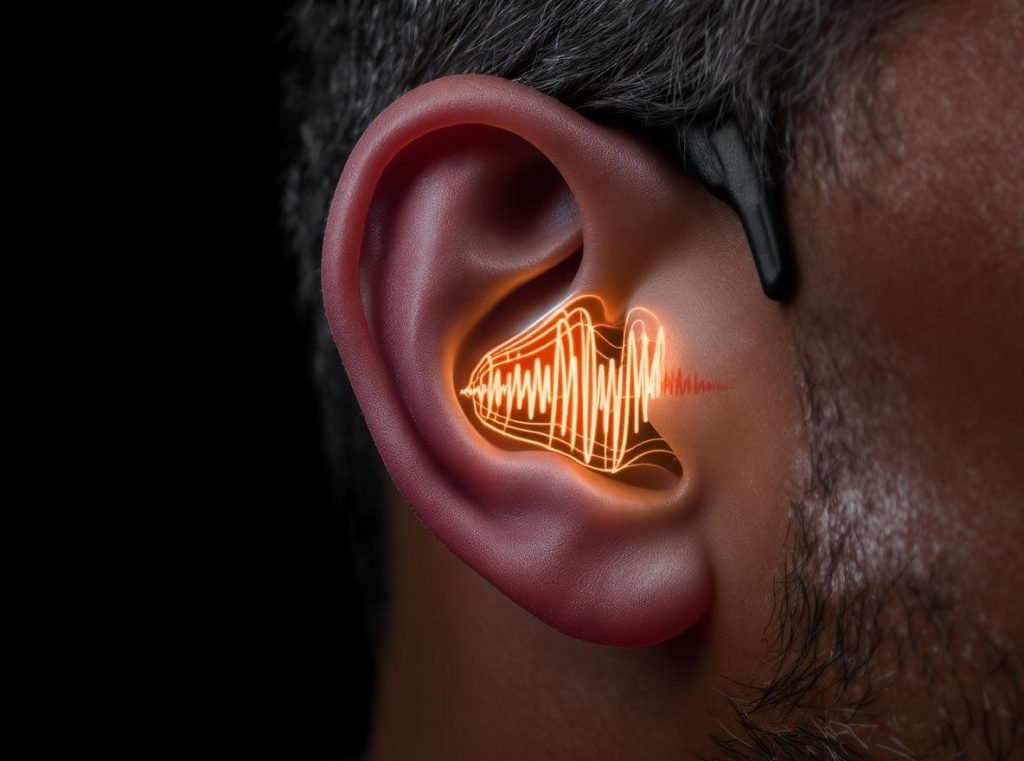
The music industry has seen numerous artists suffer permanent hearing damage from years of exposure to high sound levels during performances and rehearsals. Stage wedges often require volumes exceeding safe levels to cut through stage noise and crowd sounds.
Musicians using traditional monitors frequently experience the “more me syndrome,” constantly requesting higher volumes to hear themselves, leading to a dangerous escalation of stage volume. IEMs solve this problem through multiple protection mechanisms:
- Passive Noise Isolation: Professional custom-fitted IEMs can provide up to 26dB of noise reduction
- Lower Required Volumes: External noise blocking allows excellent clarity at safer listening levels
- Controlled Sound Environment: Consistent, controllable sound levels that performers can adjust to safe ranges
- Professional Recognition: Organizations like NIOSH recognize quality IEM manufacturers for contributions to musician hearing health
Deep fitted custom units block more sound than any other ear protection while still allowing musicians to hear their performance clearly. This dual function of protection and clarity makes IEMs an essential investment for serious performers.
What Do Musicians Actually Hear Through Their In-Ear Monitors?
The content delivered through in-ear monitors can be customized to each performer’s specific needs and role in the band.
Each musician typically receives their own personalized monitor mix tailored to their specific needs, which can include their own instrument, rhythm section, click tracks, vocal cues, and communication channels.
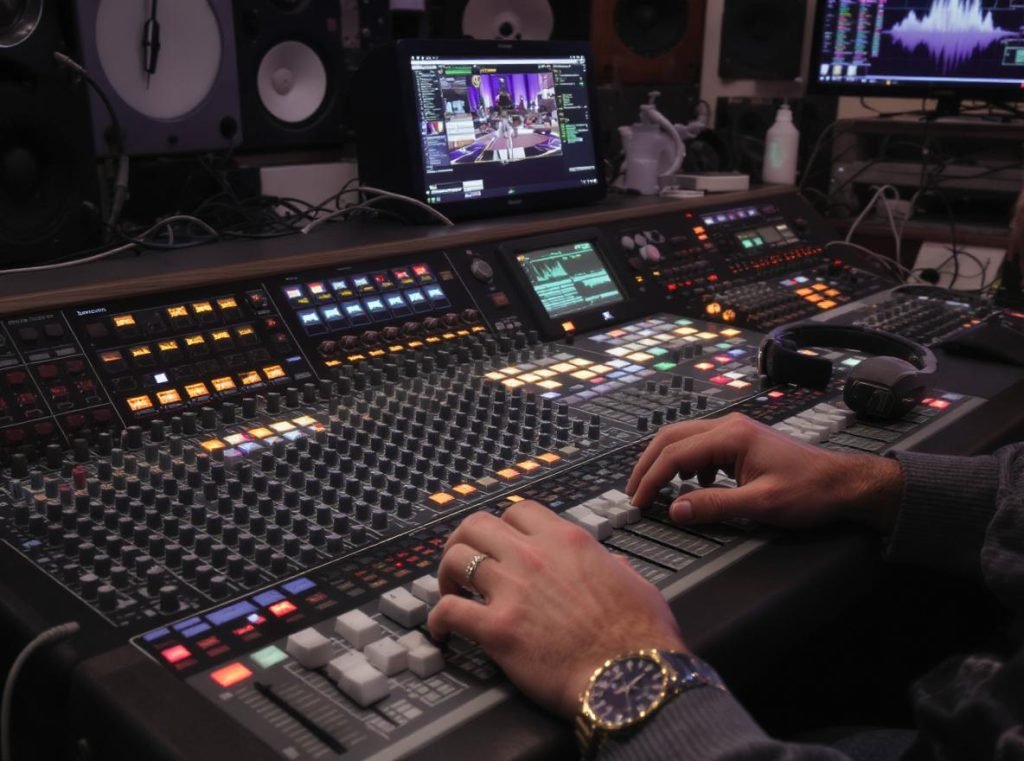
Professional musicians describe their specific preferences based on their role in the band. The ability to customize these mix elements allows performers to focus on what they need most while filtering out distracting elements.
Common IEM Mix Components:
- Personal instrument or voice prominently featured for intonation and timing
- Essential rhythm section elements (kick drum, snare, bass)
- Click tracks or metronomes for precise timing, especially with backing tracks
- Vocal cues indicating song sections, tempo changes, or entrances
- Direct communication channels with sound engineers
- Ambient crowd microphones to maintain audience connection
| Performer Type | Primary Mix Focus | Secondary Elements |
|---|---|---|
| Lead Vocalist | Own voice + rhythm section | Harmony vocals, lead instruments |
| Drummer | Click track + kick/snare | Bass, rhythm instruments |
| Guitarist | Own guitar + drums/bass | Vocals, other guitars |
| Bassist | Own bass + kick drum | Vocals, rhythm guitar |
Many professional acts use metronomes or click tracks to maintain precise timing, especially when synchronizing with backing tracks. Running a click track isn’t possible with wedge monitors because the audience would hear it, making IEMs essential for modern pop and electronic performances.
Different musical styles require different monitoring approaches. Rock and metal musicians often prefer emphasis on drums and rhythm guitars, while pop and electronic artists typically require click tracks and clear vocal monitoring for precise synchronization.
Do In-Ear Monitors Improve Stage Performance Quality?
The impact of proper monitoring on performance quality cannot be overstated in professional music settings.
Yes, IEMs significantly enhance stage performance quality through improved musical precision, consistent performance across venues, enhanced communication, and reduced performance anxiety.

Musicians who can hear themselves and their bandmates clearly perform with greater confidence, accuracy, and musical connection. The elimination of competing stage noise allows for subtle musical nuances that would be lost with traditional monitoring.
Performance Benefits Include:
IEMs enable performers to hear themselves and their bandmates with unprecedented clarity, leading to better intonation, timing, and musical interaction. Many musicians report increased confidence when using IEMs because they can clearly hear their own performance.
Unlike wedge monitors, which vary dramatically in quality and positioning from venue to venue, IEMs provide identical monitoring experiences regardless of location. This consistency allows bands to deliver more predictable, professional performances night after night.
The ability for sound engineers to communicate directly with performers through IEMs enables real-time adjustments and coordination without disrupting the audience experience. This seamless communication improves overall show quality and professionalism.
The widespread adoption of IEMs by major touring acts demonstrates their performance benefits. Professional tours increasingly rely on IEM systems because they deliver consistent, high-quality results that traditional monitoring cannot match.
What Types of In-Ear Monitors Do Professional Musicians Use?
The market offers various IEM options ranging from basic universal models to high-end custom systems designed for touring professionals.
Professional musicians typically choose between universal-fit and custom-molded in-ear monitors, with industry standards dominated by brands like Shure, Ultimate Ears, and emerging competitors like Wisycom.
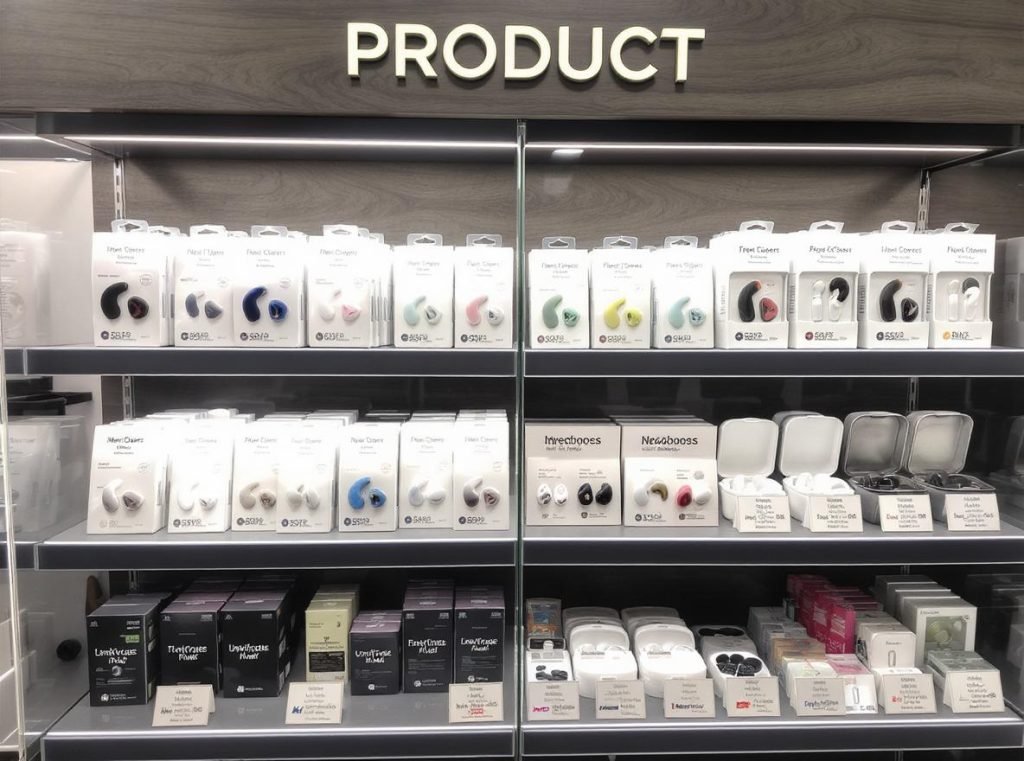
Universal Fit vs. Custom Fit IEMs
Universal Fit IEMs (UIEMs) are designed to fit a broad range of ear canals using interchangeable ear tips. They offer immediate availability, lower costs, shareability between performers, and easy replacement if lost or damaged.
Popular universal models include the Shure SE215 ($99) known for excellent isolation and durability, and the Shure SE425 ($299) offering balanced armature drivers for superior clarity.
Custom In-Ear Monitors (CIEMs) are individually molded to each performer’s unique ear canal shape, providing perfect fit, superior isolation up to 26dB noise reduction, long-term comfort for extended performances, and personalized aesthetics with custom colors and artwork.
Professional Brand Hierarchy:
- Flagship Touring Systems: Shure PSM1000 (industry standard for 85-90% of major tours), Wisycom IEM Systems (emerging competitor), Lectrosonics (premium spatial audio)
- High-End IEM Manufacturers: Ultimate Ears (bomb-proof construction), JH Audio (precision-tuned soundstages), 64 Audio (innovative apex technology), Empire Ears (extensive customization)
| Price Range | Category | Representative Models |
|---|---|---|
| $50-200 | Entry Level | KZ ZS10 Pro ($80), Shure SE215 ($99) |
| $300-800 | Professional | Shure SE425 ($299), UE 5 Pro ($400) |
| $800-3000+ | Custom Professional | 64 Audio A12t ($1900), UE 18+ Pro ($1550) |
How to Choose the Right In-Ear Monitors for Different Musicians
Selecting appropriate IEMs depends on multiple factors including musical style, budget, performance requirements, and personal preferences.
The key factors include fit preference, driver configuration, wireless capabilities, budget constraints, and specific musical genre requirements, with custom-fit options providing the best long-term value for serious performers.

Budget and Performance Considerations:
Entry-level options ($50-200) like the Truthear Hexa ($80) provide excellent sound quality with foam tips for superior isolation, while the industry-standard Shure SE215 ($99) offers proven durability and isolation for beginning professionals.
Professional-level IEMs ($300-800) such as the Shure SE846 ($1000) deliver reference-quality monitoring, while the Ultimate Ears UE 5 Pro ($400) provides professional reliability for touring musicians.
Custom professional models ($800-3000+) like the 64 Audio A12t ($1900) represent flagship custom monitoring solutions, and the JH Audio Layla ($2800) offers premium audiophile performance for the most demanding applications.
Musical Genre Requirements:
Rock and metal musicians need emphasis on durability and powerful low-end response, with models like Shure SE535 providing balanced yet impactful sound for extended touring schedules.
Pop and electronic artists require precision timing capabilities for accurate click track reproduction, clear vocal monitoring for pitch accuracy, and wireless systems essential for choreographed performances.
Classical and jazz musicians prefer natural, uncolored sound reproduction with wide frequency response for acoustic instrument accuracy and comfortable fit for extended performance periods.
Professional Selection Criteria:
For extended touring use, custom-molded IEMs provide superior long-term comfort and durability. For versatility across different users and situations, universal models with multiple ear tip options accommodate various applications.
Sound quality preferences vary from flat response models like the Shure SE846 for accurate monitoring, to enhanced bass options with dynamic drivers, to vocal-emphasis models with enhanced midrange clarity for singers.
Summary
In-ear monitors have revolutionized live music performance by solving critical audio challenges that traditional stage monitors couldn’t address. They provide superior sound quality while protecting musicians’ hearing and enabling greater stage mobility. From entry-level universal models starting at $50 to custom professional systems exceeding $3000, IEMs offer solutions for every performance level and budget range.
For music industry wholesalers, distributors, and retailers seeking reliable IEM solutions, partnering with experienced manufacturers ensures access to quality products that meet diverse professional needs. Contact Osmarto today to explore our comprehensive range of in-ear monitors designed for wholesale distribution to musicians, venues, and audio professionals worldwide – helping you serve this growing market with confidence.