Skip to content
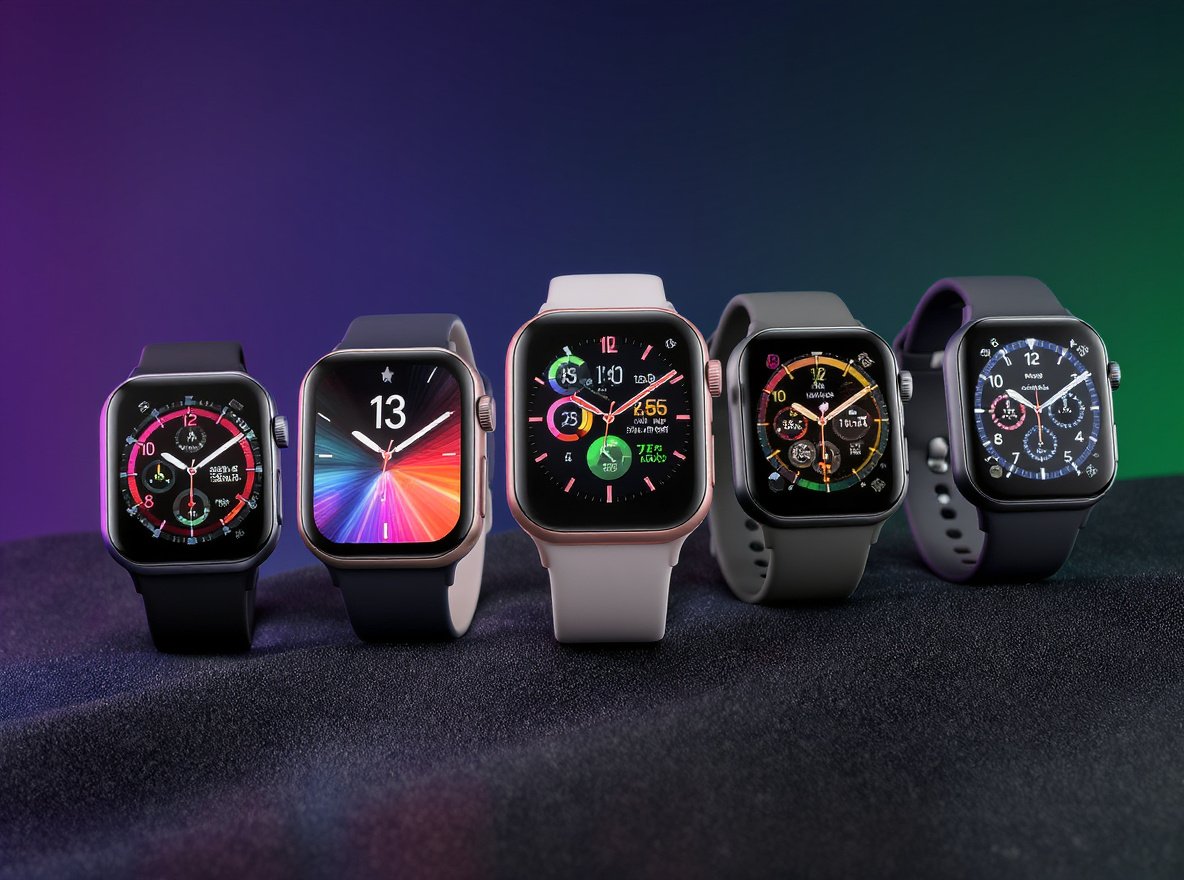
Tired of staring at the same boring watch face day after day? You’re not alone. One of the most frustrating things about buying a smartwatch is discovering that your customization options are limited to just a handful of preset designs. This lack of variety can make your expensive investment feel stale and impersonal within weeks.
Wear OS smartwatches offer the most extensive watch face selection, with Facer alone hosting over 500,000 designs, while Apple Watch maintains strict limitations with no third-party face installation allowed. Samsung Galaxy Watch models running Wear OS provide the best combination of variety and quality for wholesale buyers seeking maximum customer appeal.
But there’s much more to consider when choosing smartwatches for your business inventory. Let’s explore the complete ecosystem landscape.
What Platform Offers the Most Watch Face Variety?
Understanding platform differences is crucial when selecting smartwatch inventory that will satisfy diverse customer preferences.
Wear OS dominates watch face variety with access to over 500,000 designs through platforms like Facer, compared to Apple’s closed ecosystem that prohibits third-party installations. This massive selection advantage makes Wear OS devices significantly more appealing to customization-focused customers.

The numbers tell the complete story. Facer alone provides over 500,000 watch face designs for Wear OS devices, accessible through the Google Play Store. Samsung Galaxy Watch models benefit from this extensive library while maintaining high build quality and performance standards.
Google Play Store serves as the primary distribution platform for Wear OS watch faces, offering dedicated categories with thousands of options ranging from free community designs to premium professional creations. However, Google is transitioning to the Watch Face Format (WFF) by January 14, 2026, which will eliminate legacy faces while improving battery efficiency and system compatibility.
Platform Comparison Overview:
| Platform | Available Faces | Third-party Support | Customization Level |
|---|---|---|---|
| Wear OS | 500,000+ | Full access | Unlimited |
| Apple Watch | 50+ built-in | Prohibited | Limited |
| Garmin Connect IQ | 10,000+ | Moderate | Good |
| Fitbit | Basic options | Very limited | Minimal |
For wholesale buyers, this variety translates directly to stronger customer satisfaction and reduced return rates. Customers who can personalize their devices extensively are more likely to remain happy with their purchases long-term.
Why Does Apple Watch Limit Third-Party Watch Faces?
This restriction significantly impacts customer choice and should influence your inventory decisions for different market segments.
Apple completely prohibits third-party watch face installation to ensure compatibility with watchOS updates and maintain system stability, according to Apple VP of Technology Kevin Lynch. This creates a controlled but limited experience compared to Android alternatives.
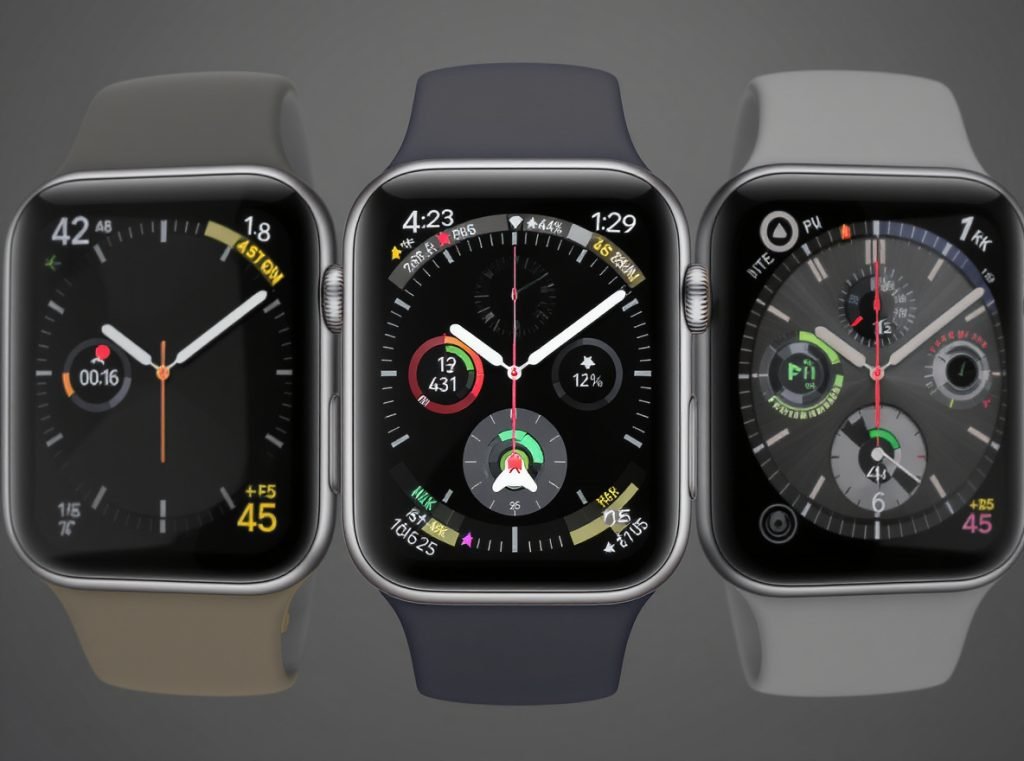
Apple’s approach prioritizes integration over variety. Every built-in watch face is optimized for battery life, smooth performance, and seamless integration with iOS apps. The company maintains strict quality control by developing all faces in-house.
This limitation affects your business strategy in several ways. Customers seeking extensive customization will be disappointed with Apple Watch options, while those prioritizing reliability and polish may prefer Apple’s curated approach.
Apple’s Current Offerings:
Apple provides approximately 50+ built-in faces with some customization through complications and widgets. Users can modify colors, add data complications, and arrange information displays, but cannot install completely new designs.
The trade-off creates clear market segmentation. Position Apple Watch for customers who value seamless ecosystem integration and proven reliability. Reserve Wear OS recommendations for customers who explicitly want maximum customization freedom.
Consider this when planning inventory mix. Markets with tech-savvy, customization-focused customers will favor Wear OS devices, while premium business segments may prefer Apple’s polished experience.
Which Third-Party Platforms Provide the Best Watch Faces?
Knowledge of leading platforms helps you educate customers and add value to your smartwatch sales.
Facer leads the industry with 500,000+ designs, HealthKit integration, and create mode functionality, making it the most comprehensive solution for customers seeking variety across multiple smartwatch brands. Other platforms serve specialized needs and preferences.
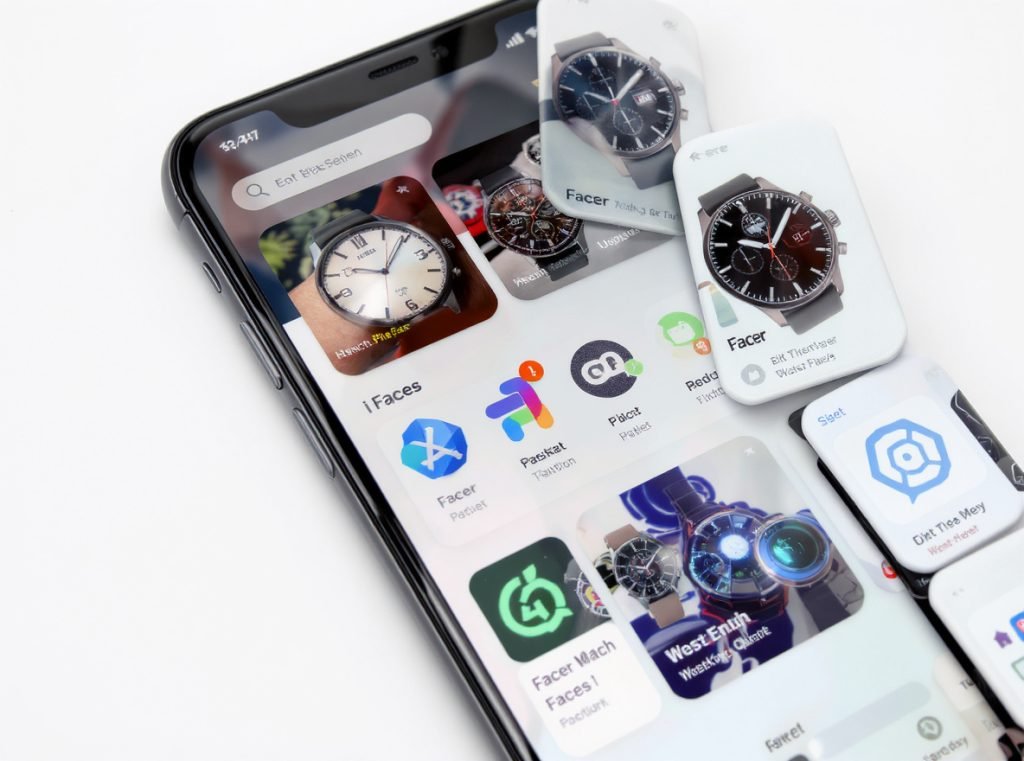
Top Platform Analysis:
Facer
The industry standard across Apple Watch, Wear OS, Tizen, and RTOS smartwatches. Offers both free community designs and premium professional faces with advanced features like health data integration and custom creation tools.
Watch Faces PRO
Features 10,000+ designs with live faces and customizable complications. Annual subscription at $7.99 provides good value for customers wanting professional-quality designs without monthly fees.
WatchMaker
Massive collection with advanced animation support and design tools. The $29.99 yearly subscription provides access to premium features and extensive customization capabilities.
TIMEFLIK
Currently offers 73% off promotion with unlimited access to professionally designed faces. Regular pricing at $71.88/year positions it as a premium option.
Clockology
Specializes in custom clocks with interactive visuals and data integration. The $1.99 monthly subscription makes it accessible for customers wanting unique, personalized designs.
These platforms create significant added value for your inventory. When customers know they can access thousands of designs, they’re more willing to invest in higher-quality smartwatch models and less likely to experience buyer’s remorse.
Are Premium Watch Faces Worth the Investment for End Users?
Understanding premium value helps you position higher-end smartwatch models and justify pricing strategies.
Premium watch faces typically offer superior design quality, advanced complications, regular updates, and exclusive aesthetics, making them worthwhile for users who prioritize professional appearance and enhanced functionality. Subscription costs range from $0.99 to $39.99 annually.
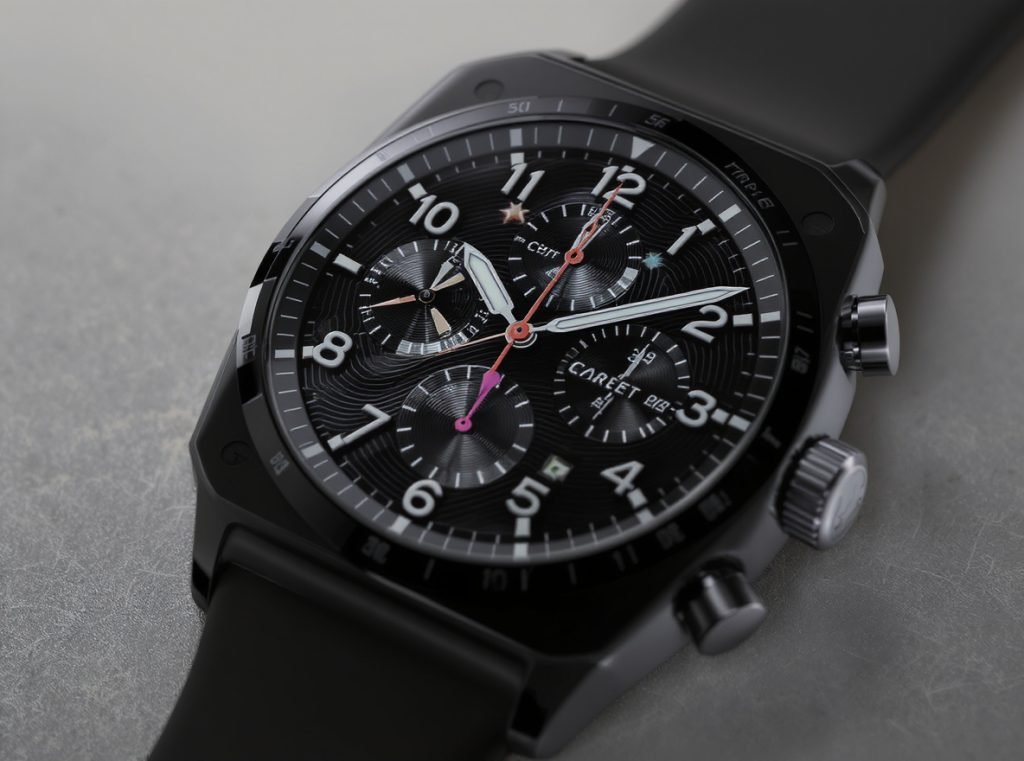
Premium faces provide tangible advantages over free alternatives. They feature sophisticated animations optimized for battery efficiency, exclusive designs unavailable elsewhere, and advanced complications integrating weather, fitness data, and calendar information.
Pricing Structure Analysis:
Individual premium faces typically cost $0.99-$4.99, while subscription services range from $4.99-$39.99 annually. Some premium packages reach $99.99 monthly for extensive collections, though these target serious enthusiasts rather than average users.
From a business perspective, customers who invest in premium watch faces demonstrate higher engagement with their devices. This increased investment creates stronger brand loyalty and reduces switching likelihood to competitor products.
Value Factors:
- Enhanced functionality beyond basic time display
- Professional aesthetics suitable for business environments
- Regular updates ensuring compatibility with OS changes
- Exclusive designs not available through free platforms
- Advanced health and productivity integrations
Consider offering premium face subscriptions as bundle deals with higher-end smartwatch models. This approach increases total sale value while providing customers with immediate customization options.
What Design Trends Drive Watch Face Popularity in 2025?
Current trends influence customer preferences and should guide your inventory selection and marketing strategies.
Popular 2025 watch face trends include smaller refined aesthetics (37-38mm preference), vibrant color schemes, skeleton displays, retro-inspired designs, and minimalist digital layouts. Understanding these trends helps you select and market smartwatches that align with current consumer preferences.
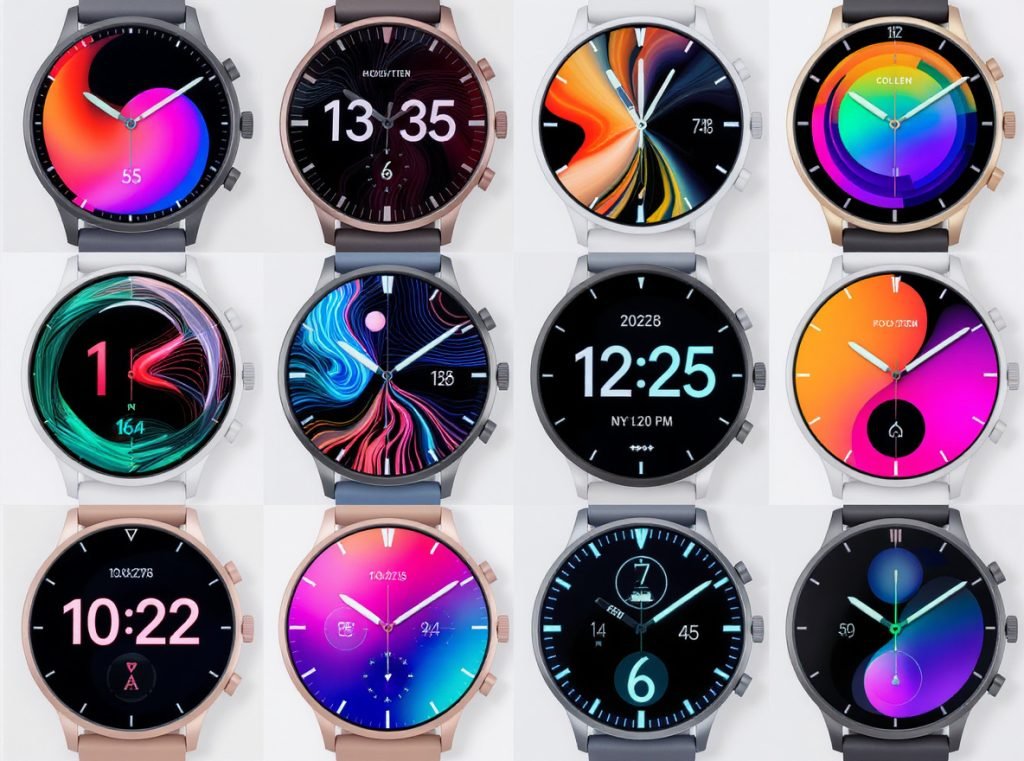
Current Design Preferences:
Vibrant Color Schemes
Blue, green, and copper tones dominate popular faces. Customers gravitate toward watches that can display bold, energetic colors that reflect personality and mood.
Minimalist Digital Layouts
Clean, uncluttered interfaces with bold typography appeal to users seeking quick time checks and essential information without visual distractions.
Retro and Vintage-Inspired Designs
Classic watch face recreations and vintage-style complications satisfy customers wanting traditional aesthetics with modern functionality.
Skeleton Displays
Transparent and semi-transparent designs showing internal complications create visual interest while maintaining functionality.
Functional Elements:
Popular faces consistently include clear time displays with multiple format options, essential health metrics (heart rate, steps, battery), weather integration, customizable color schemes with 8-10 options minimum, and always-on display optimization.
The psychological “smiley face” effect of 10:10 hand positioning continues influencing analog face popularity, demonstrating how traditional design principles remain relevant in digital contexts.
How Should Wholesale Buyers Evaluate Watch Face Ecosystems?
The watch face ecosystem significantly impacts long-term customer satisfaction and competitive positioning for your business.
Wholesale buyers should prioritize Wear OS devices for maximum customization appeal while considering Apple Watch for ecosystem integration customers, as the customizable smartwatch market grows from $36 billion in 2023 to projected $104 billion by 2032. This 16% CAGR demonstrates strong demand for personalization features.
Market Growth Implications:
The explosive growth in customizable smartwatches reflects increasing consumer demand for personal expression through wearable technology. Customers no longer accept generic, unchangeable interfaces when purchasing premium devices.
Strategic Considerations:
Platform longevity matters for long-term customer satisfaction. Google’s Wear OS and Apple’s watchOS both demonstrate strong commitments to continued development, ensuring your customers’ investments remain valuable over time.
Ecosystem Health Indicators:
- Active developer communities creating new content
- Regular platform updates and improvements
- Cross-device compatibility within brand families
- Quality control standards preventing problematic faces
Supply Chain Considerations:
Partner with suppliers offering diverse smartwatch brands supporting robust face ecosystems. Focus on Samsung Galaxy Watch for maximum customization appeal, Apple Watch for iOS integration, and consider Garmin for fitness-focused segments.
Quality and compatibility verification prevents customer service issues. Ensure your inventory supports latest watch face formats, particularly Wear OS devices transitioning to Watch Face Format (WFF) standards.
What Marketing Strategies Work Best for Watch Face Variety?
Effective marketing transforms watch face customization from a technical feature into a compelling value proposition.
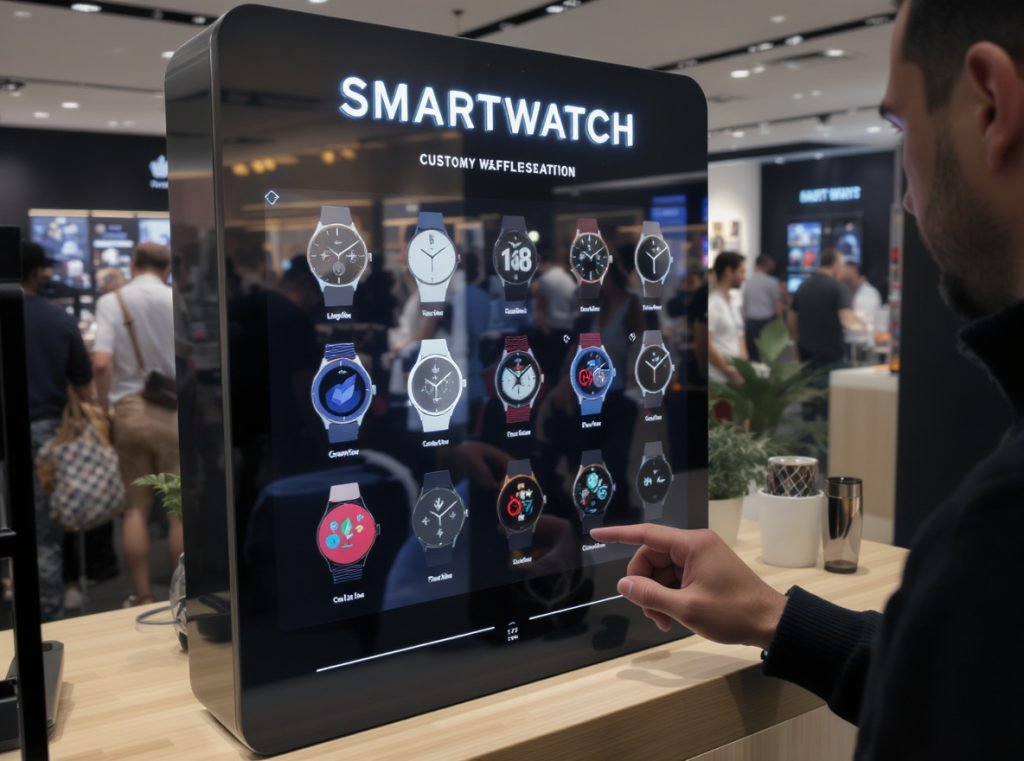
Demonstrate customization capabilities live during sales interactions, highlight platform differences clearly, and create dedicated customization stations where customers can browse and apply different faces. This hands-on approach converts significantly better than static descriptions.
Retail Strategy Implementation:
Live Demonstration Stations
Set up interactive displays showing customers the vast libraries available on different platforms. Let them scroll through hundreds of options and apply faces in real-time.
Platform Education
Clearly explain Wear OS’s open ecosystem advantages versus Apple’s limitations. Many customers don’t understand these differences until educated by knowledgeable sales staff.
Bundle Premium Access
Offer premium face subscriptions as value-added services with higher-end models. This increases total sale value while providing immediate customization benefits.
Target Demographic Strategies:
Fashion-conscious consumers respond to aesthetic variety demonstrations. Show how one watch can match multiple outfits and occasions through face changes.
Tech enthusiasts appreciate functional complexity. Highlight complications, data integration, and technical capabilities of advanced watch faces.
Fitness users want health-focused designs. Demonstrate faces optimized for workout tracking, heart rate monitoring, and activity goal visualization.
Business customers need professional aesthetics. Show clean, corporate-appropriate faces suitable for meeting environments.
Content Marketing Opportunities:
Create “Best Watch Faces for [Industry]” content targeting specific professional segments. Develop seasonal face collection recommendations and social media showcases featuring customer customizations.
How Does Watch Face Compatibility Affect Business Decisions?
Compatibility issues create customer service challenges and impact your reputation, making this a critical consideration for inventory planning.
Verify watch face platform compatibility, update support, and regional availability before purchasing inventory to avoid customer satisfaction issues, as different regions may have varying access to watch face marketplaces. The upcoming Wear OS transition to Watch Face Format requires particular attention.

Compatibility Factors:
Operating System Requirements
Ensure inventory runs current OS versions supporting latest watch face standards. Older smartwatches may lack compatibility with newer, more advanced faces featuring complex animations or high-resolution graphics.
Hardware Limitations
Budget smartwatches often can’t support resource-intensive faces with multiple complications or smooth animations. Match your inventory capabilities with customer expectations.
Regional Restrictions
Some watch face apps have geographic limitations affecting international customers. Research marketplace availability in your target markets before committing to large orders.
Update Lifecycle Planning
Choose brands committed to long-term software support ensuring continued compatibility. The Google Wear OS transition to WFF by January 2026 exemplifies how platform changes affect older devices.
Technical Support Preparation:
Prepare customer service teams for watch face installation questions. Create simple guides showing face download and installation processes for different platforms.
Test compatibility before large orders using demo units with popular watch face apps installed. This proactive approach prevents costly returns and customer dissatisfaction.
Quality Assurance Protocol:
Establish testing procedures for new inventory ensuring watch face marketplace access works correctly. Document any limitations or special requirements for customer communication.
What Business Opportunities Exist in the Watch Face Market?
The growing customization market creates multiple revenue streams beyond basic smartwatch sales.
The watch face ecosystem offers opportunities for custom branding, value-added services, and premium subscription bundles, particularly as the market grows to projected $104 billion by 2032. Smart positioning in this space can differentiate your business significantly.
Revenue Stream Development:
Custom Branding Services
Offer corporate customers branded watch faces featuring company logos, colors, and messaging. This service commands premium pricing while building stronger customer relationships.
Subscription Bundle Sales
Package premium watch face subscriptions with higher-end smartwatch models. Annual subscriptions ranging from $7.99-$39.99 add significant margin while providing immediate customer value.
Installation and Setup Services
Provide white-glove face installation for less tech-savvy customers. This service approach builds relationships and justifies higher pricing through added convenience.
Market Positioning Strategies:
Position Wear OS devices as the premium choice for customization-conscious customers. Emphasize the 500,000+ face library as a key differentiator over Apple’s limited options.
Partnership Opportunities:
Consider partnerships with watch face developers for exclusive designs or early access to new collections. These relationships create competitive advantages and marketing opportunities.
Develop relationships with corporate customers seeking branded solutions. Many businesses appreciate custom watch faces that reinforce their corporate identity during client meetings.
Future Market Considerations:
The transition to Watch Face Format (WFF) creates opportunities for businesses that understand and communicate these changes effectively. Position yourself as the knowledgeable partner helping customers navigate platform transitions.
Summary
Wear OS smartwatches, particularly Samsung Galaxy Watch models, offer the best watch face selection with access to over 500,000 designs through platforms like Facer, while Apple Watch remains limited to built-in options due to strict ecosystem control. For wholesale buyers, this variety represents significant competitive advantage and customer satisfaction potential. The growing customizable smartwatch market, projected to reach $104 billion by 2032, demonstrates strong demand for personalization features that smart retailers can leverage.
Ready to capitalize on the booming watch face customization market? Contact Osmarto today to explore our comprehensive smartwatch collection designed for wholesale distribution. Our expert team can help you select models that maximize customer satisfaction through superior customization ecosystems, ensuring your inventory appeals to the growing segment of personalization-focused consumers.