Skip to content
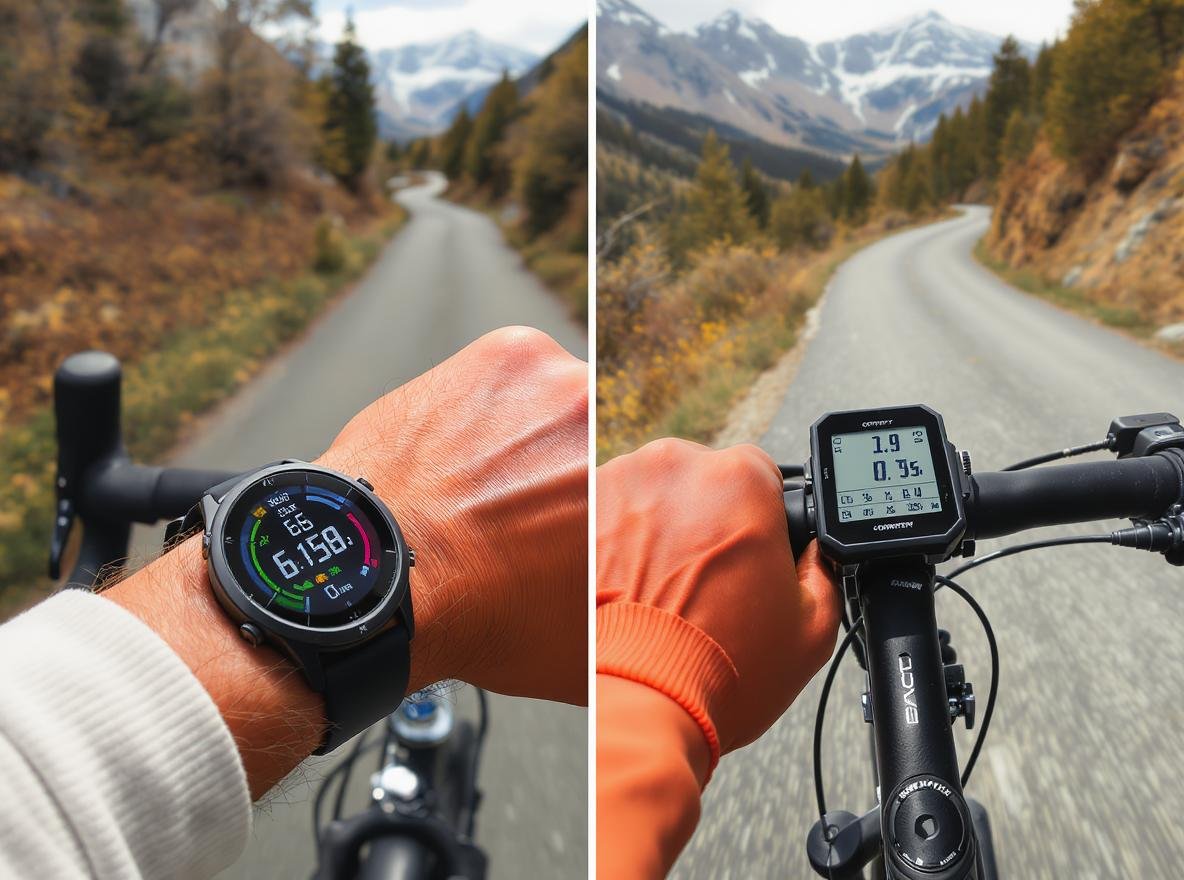
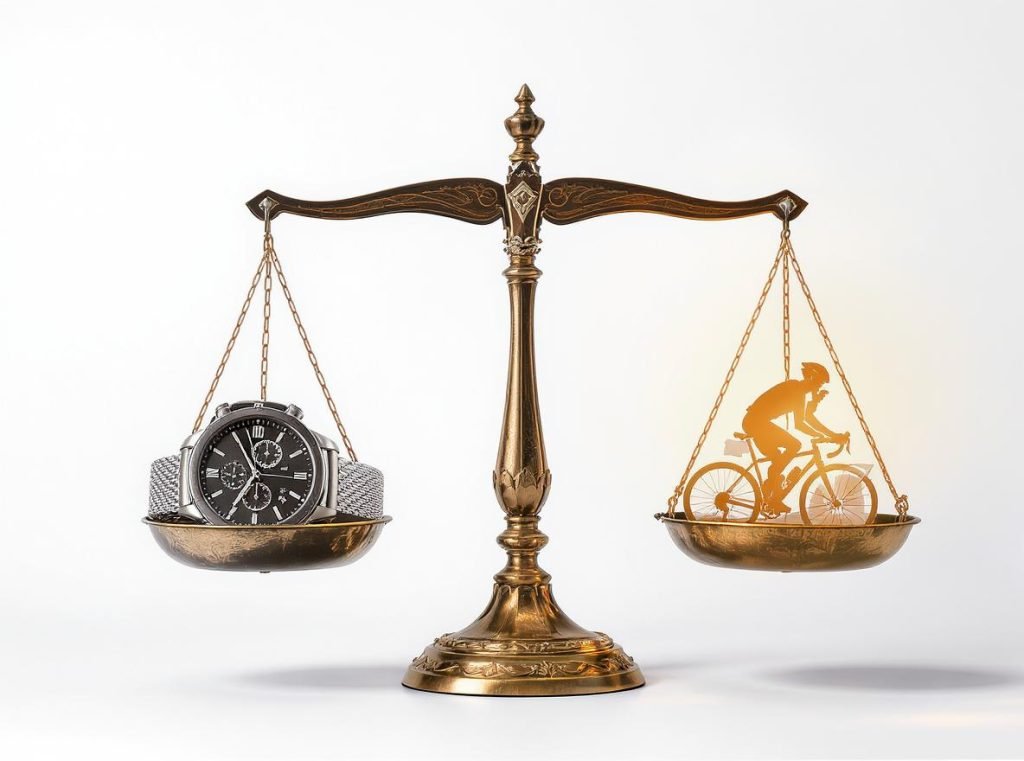
Choosing between a smartwatch and bike computer can make or break your cycling experience. With technology advancing rapidly, cyclists face a critical decision between versatile wrist-worn devices and specialized cycling computers, each offering distinct advantages that could transform your riding performance.
For most cyclists, the choice depends on riding priorities: smartwatches excel for multi-sport athletes and casual riders who value 24/7 health tracking and convenience, while dedicated bike computers provide superior battery life, larger displays, and cycling-specific features for serious cyclists and long-distance riders.
Understanding your cycling goals, typical ride duration, and whether you prioritize cycling-specific performance or all-around fitness tracking determines the optimal choice.
What Are the Main Differences Between Smartwatches and Bike Computers?
The fundamental distinction lies in their core design philosophy and intended purpose, affecting every aspect of functionality and user experience.
Smartwatches are versatile multi-sport devices that happen to include cycling features, while bike computers are purpose-built tools specifically engineered for cycling performance. This core difference influences screen size, battery life, data presentation, and overall cycling experience.
Screen Size and Positioning Impact
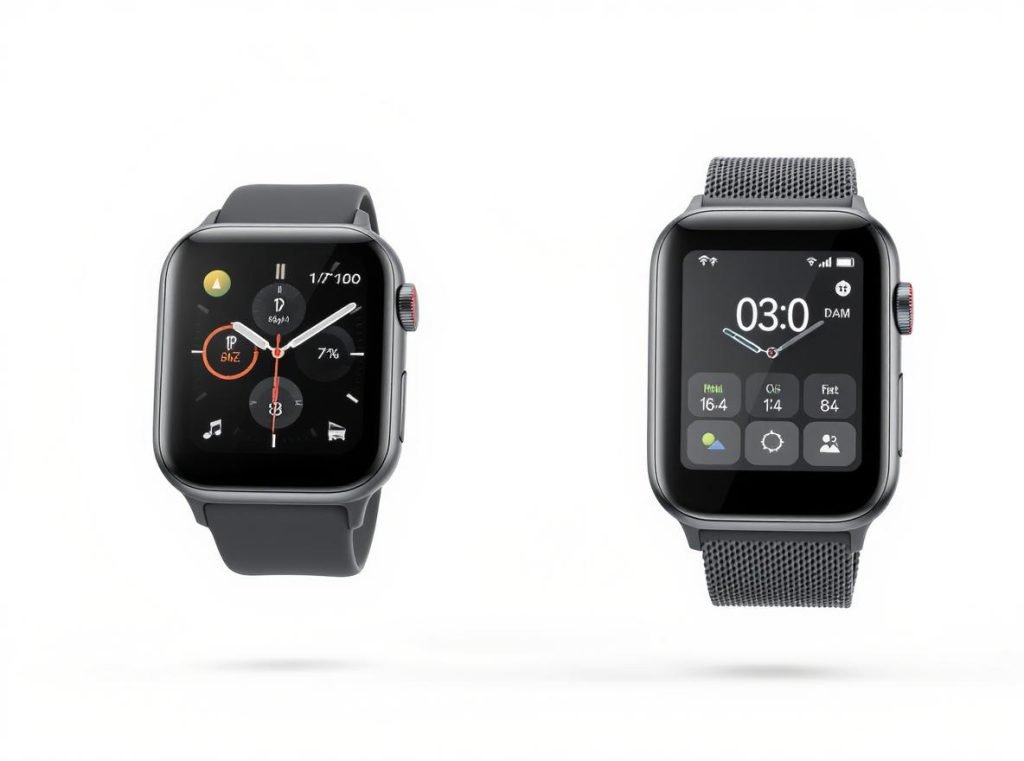
The most immediately noticeable difference affects your riding safety and data visibility. Bike computers feature significantly larger displays ranging from 2.2 inches on compact models like the Wahoo Elemnt Bolt to 3.5 inches on premium units like the Garmin Edge 1040. Even large smartwatches typically max out at 1.4 inches.
More critically, bike computers mount directly on handlebars, keeping crucial data constantly visible without requiring any movement from your riding position. Smartwatches require lifting your arm and potentially twisting your wrist to view data, which can be dangerous during technical sections or high-speed descents.
Design Philosophy Differences
Cycling-Specific Engineering
Bike computers are built specifically for outdoor cycling conditions. They feature superior weather sealing, impact resistance, and are designed to withstand vibrations and harsh cycling environments that would challenge general-purpose devices.
Multi-Purpose Versatility
Smartwatches prioritize versatility across multiple activities and daily use. They combine cycling tracking with comprehensive health monitoring, smartphone connectivity, and lifestyle features that extend far beyond cycling performance.
Which Device Offers Superior Battery Life for Long Rides?
Battery performance critically impacts device reliability, especially for cyclists planning extended adventures, multi-day tours, or ultra-endurance events.
Modern bike computers deliver 12-20 hours of continuous GPS tracking, with some models like the Coros Dura claiming up to 120 hours. Solar-powered units extend this further, while smartwatches typically provide 4-30 hours of GPS tracking depending on model and settings.
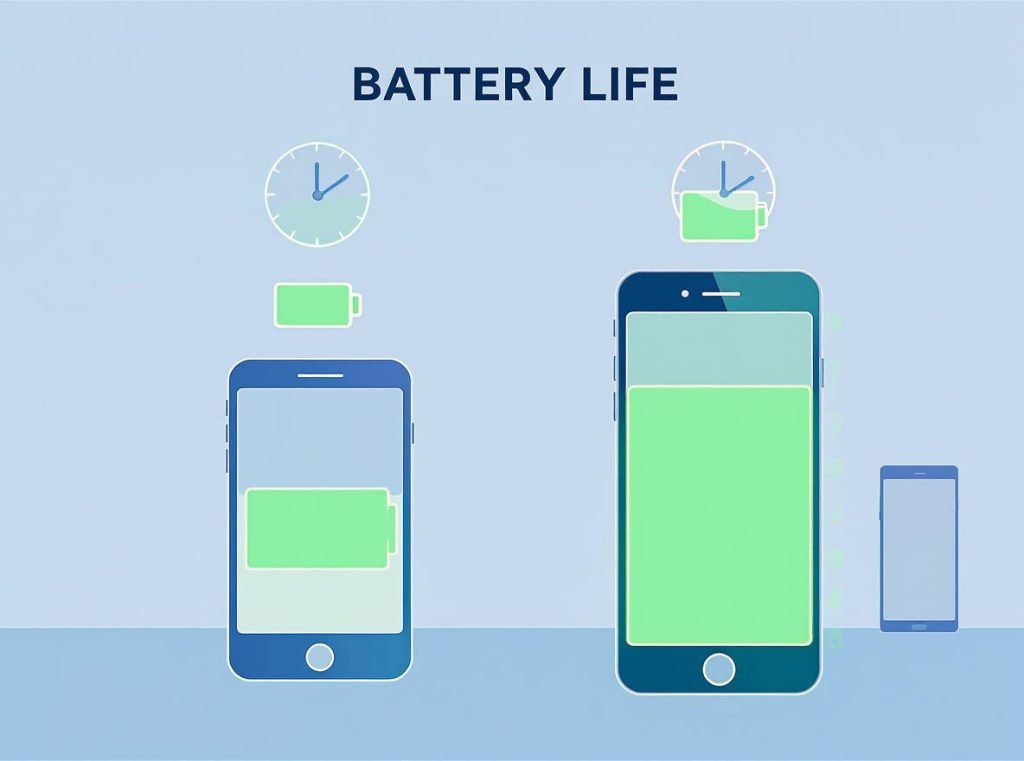
Battery Performance Analysis
| Device Category | Standard GPS Mode | Extended Mode | Solar Enhancement |
|---|---|---|---|
| Entry Bike Computer | 12-15 hours | 20-25 hours | N/A |
| Premium Bike Computer | 15-20 hours | 40-100 hours | Up to 100+ hours |
| Standard Smartwatch | 4-8 hours | 12-20 hours | Limited improvement |
| Premium Smartwatch | 8-30 hours | 40-60 hours | Moderate improvement |
Practical Battery Considerations
For ultra-long rides exceeding 12 hours, bike computers provide clear advantages. The Garmin Edge 1040 Solar can provide up to 100 hours in battery saver mode, making it suitable for bikepacking adventures and multi-day tours where charging opportunities are scarce.
Smartwatches consume more power due to constant health monitoring, smartphone connectivity, and full-color displays. However, their continuous wear means they’re always charged when you start riding, unlike bike computers that may sit unused between rides.
Power Management Strategies
Both device types offer power-saving modes that extend battery life by reducing screen brightness, limiting GPS accuracy, and disabling non-essential features. Understanding these modes helps maximize device endurance during critical long rides.
Are Bike Computers More Accurate Than Smartwatches for Cycling Metrics?
Measurement accuracy directly impacts training effectiveness and performance analysis, making this crucial for serious cyclists and competitive athletes.
Both device types use similar GPS technology for comparable positional accuracy. However, bike computers often provide more precise cycling-specific data through better sensor integration, barometric altimeters, and cycling-optimized algorithms designed for two-wheeled performance analysis.
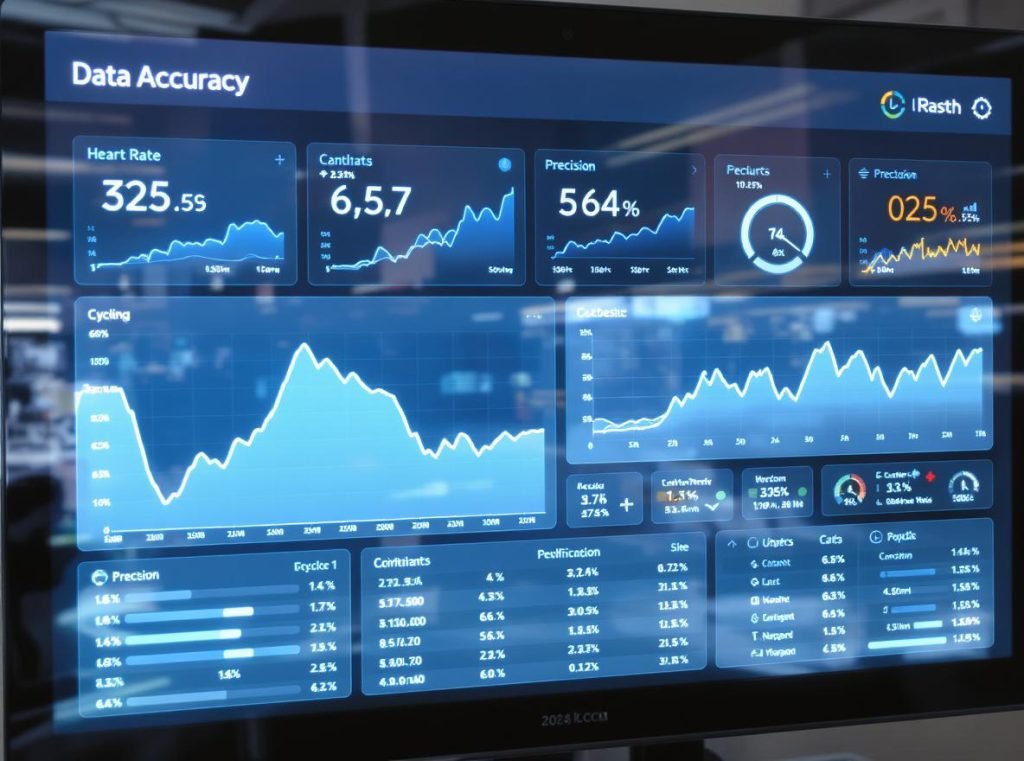
GPS and Speed Accuracy Comparison
Modern smartwatches and bike computers achieve similar GPS accuracy within 1-3% under normal conditions. Both use advanced multi-GNSS receivers that access GPS, GLONASS, and Galileo satellites for improved positioning.
Environmental Performance
Bike computers typically include barometric altimeters for more accurate elevation data and temperature sensors for environmental monitoring. This provides better climbing metrics and environmental context that smartwatches may lack.
Heart Rate Monitoring Precision
Smartwatch Advantages
Built-in optical heart rate sensors eliminate the need for additional equipment and provide 24/7 monitoring. Modern sensors have improved significantly in accuracy and can provide reliable readings during moderate-intensity cycling.
Bike Computer Accuracy
Bike computers typically rely on external chest strap heart rate monitors, which provide more accurate readings during cycling activities. Wrist-based monitoring can be affected by movement, grip positioning, and sweat affecting sensor contact during intense efforts.
Professional cyclists and serious training athletes often prefer chest strap setups for reliable heart rate zone training and accurate training load calculations.
Advanced Cycling Metrics Integration
Bike computers generally handle multiple sensor connections more reliably without dropouts or delays. They excel in:
- Power meter integration and analysis
- Cadence tracking precision
- Advanced cycling dynamics
- Training load calculations specific to cycling performance
Which Device Provides Better Navigation for Cycling Routes?
Navigation capabilities determine route success and safety, especially when exploring unfamiliar terrain or following complex cycling routes and event courses.
Bike computers offer superior navigation for cycling through larger screens, cycling-specific map data, and constant visibility. The Garmin Edge series provides detailed maps with turn-by-turn directions and elevation profiles, while smartwatches offer basic breadcrumb trails that require frequent wrist checking.
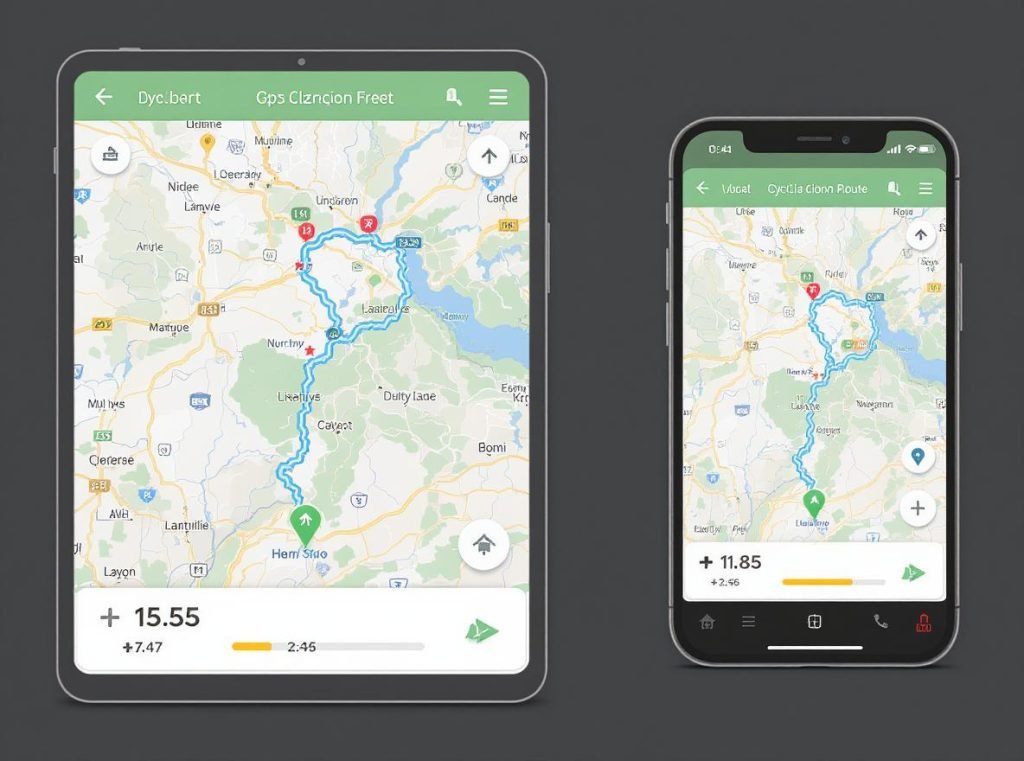
Navigation Feature Analysis
Map Detail and Readability
Larger bike computer screens make detailed map reading practical while maintaining focus on the road. The 3.5-inch display on premium units shows comprehensive route information, nearby points of interest, and cycling-specific features like bike lanes.
Smartwatch navigation becomes challenging due to screen size limitations. Detailed map reading requires stopping or significantly compromising riding position and safety.
Route Planning and Recalculation
Bike computers excel in on-the-fly route recalculation and provide comprehensive routing information optimized for cycling. They can suggest cycling-friendly alternatives when you deviate from planned routes.
Turn-by-Turn Performance
Both device types provide audible alerts and visual notifications. However, bike computers maintain constant visual reference while smartwatches require deliberate wrist positioning to view navigation cues.
Offline Map Capabilities
Bike computers typically offer more internal storage for detailed offline maps, crucial for remote area cycling where cellular connectivity is unreliable.
Do Smartwatches Deliver Better Value for Multi-Sport Athletes?
Athletes participating in various sports need devices that adapt seamlessly to different activities while maintaining consistent performance tracking across disciplines.
Smartwatches provide exceptional value for multi-sport athletes by offering dedicated modes for running, swimming, cycling, triathlon, and other activities in a single device. This eliminates the need for multiple specialized devices while providing comprehensive 24/7 health monitoring and recovery analysis.
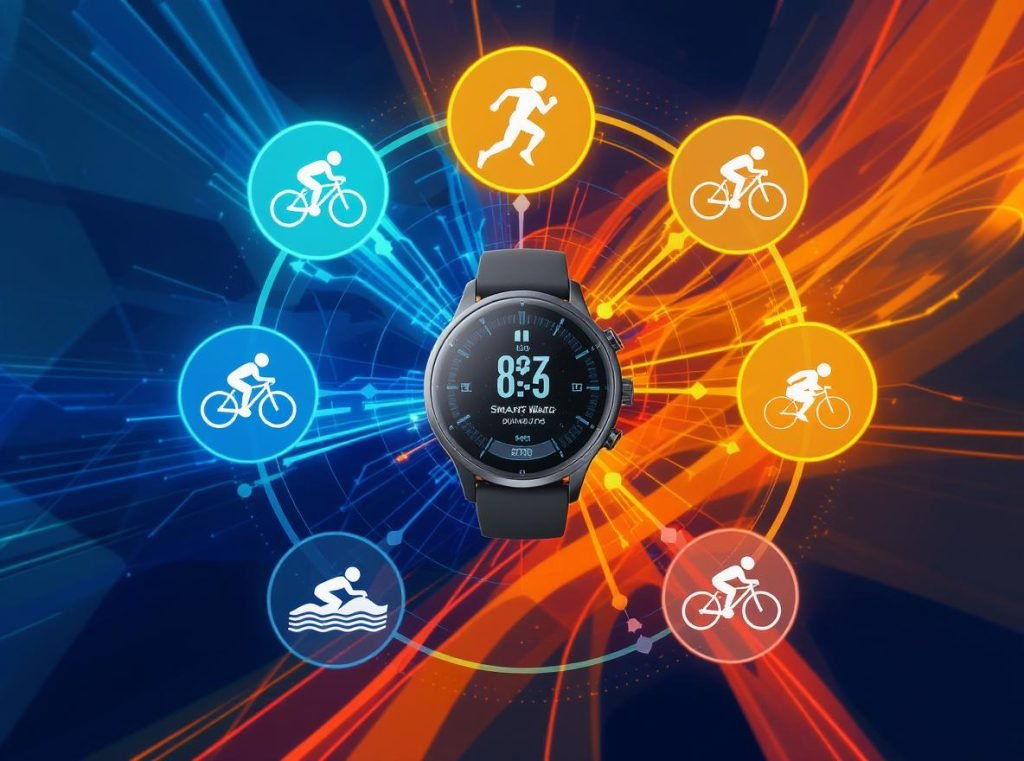
Multi-Sport Functionality Benefits
Activity Transition Management
Modern smartwatches automatically detect activity changes and adjust tracking accordingly. This seamless transition proves invaluable for triathletes who need uninterrupted data recording across swimming, cycling, and running segments.
Comprehensive Health Ecosystem
Smartwatches excel in providing continuous health insights that enhance overall athletic performance:
- Sleep quality analysis and recovery recommendations
- Stress monitoring and recovery guidance
- Daily activity tracking and calorie management
- Heart rate variability for training readiness
- Recovery metrics that inform training decisions
Training Load Integration
Advanced smartwatches analyze training stress across multiple sports, providing holistic fitness insights that single-sport devices cannot match. This cross-training analysis helps athletes understand how different activities impact overall fitness and recovery needs.
Cost-Effectiveness Analysis
One quality smartwatch replaces multiple activity-specific devices:
- Dedicated cycling computer ($300-600)
- Running watch ($200-400)
- Fitness tracker ($100-200)
- Health monitoring device ($150-300)
The consolidated approach provides better value for athletes engaged in multiple disciplines while maintaining professional-grade features across all activities.
Which Device Offers Superior Training App Integration?
Seamless data synchronization and platform compatibility enable cyclists to analyze performance trends, participate in virtual training, and share achievements with cycling communities worldwide.
Both smartwatches and bike computers integrate excellently with popular platforms like Strava, TrainingPeaks, and Garmin Connect. However, smartwatches provide more extensive smartphone app ecosystems and real-time connectivity features due to constant phone pairing and broader market appeal.
Platform Connectivity Features
Popular Training Platform Support
Both device types support standard integrations:
- Strava for social sharing and segment tracking
- TrainingPeaks for structured workout analysis and coaching
- Zwift compatibility for indoor training sessions
- Garmin Connect for comprehensive data analysis
Real-Time Connectivity Advantages
Smartwatches maintain constant smartphone connectivity, enabling advanced features:
- Live segment tracking with real-time leaderboards
- Incident detection with automatic emergency contacts
- Real-time weather updates and safety alerts
- Social media sharing during rides
- Text and call notifications without phone access
Data Export Flexibility
Both devices export standard file formats (GPX, TCX, FIT) for universal platform compatibility. Advanced users can access raw data for custom analysis and integration with specialized coaching software.
Structured Workout Capabilities
Bike computers often excel in cycling-specific structured workouts with features like ClimbPro for gradient analysis and cycling-specific training plans that smartwatches may not match with the same depth.
Are There Meaningful Aerodynamic Advantages with Smartwatches?
Aerodynamic efficiency becomes increasingly important for competitive cyclists, time trial specialists, and those seeking marginal performance gains in racing situations.
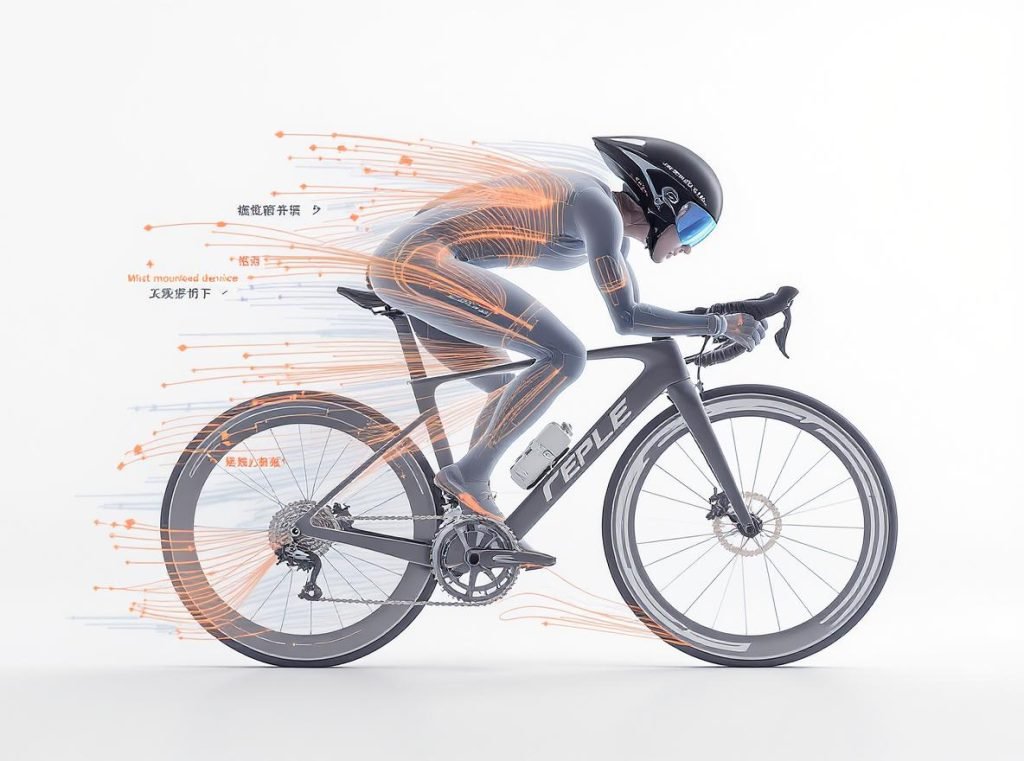
Smartwatches provide clear aerodynamic advantages by eliminating handlebar-mounted devices that create frontal area and potential turbulence. While the benefit saves only a few watts for most recreational cyclists, it can be meaningful for competitive cyclists focused on marginal gains and time trial performance.
Aerodynamic Impact Assessment
Quantified Performance Benefits
Every component adding frontal area creates measurable drag. Removing handlebar-mounted devices eliminates this drag source entirely, positioning tracking functionality behind the rider’s aerodynamic profile where it creates no additional wind resistance.
Professional Racing Applications
Tour de France riders demonstrate mixed approaches, with about half displaying comprehensive data fields while others focus on navigation with minimal metrics. Time trial specialists often prioritize aerodynamic efficiency over data convenience.
Practical Trade-offs
While aerodynamically superior, smartwatches require body position adjustments to view data, potentially creating temporary aerodynamic inefficiencies. The net benefit depends on viewing frequency and duration versus constant device drag.
Wind Tunnel Validation
Independent testing shows handlebar computers can create 2-5 watts of additional drag at racing speeds. For competitive cyclists where seconds matter, this represents meaningful performance impact over race distances.
What Are the Total Cost Considerations for Each Device Category?
Budget constraints and long-term value significantly influence device selection, especially when considering feature requirements, upgrade cycles, and total cost of ownership.
Entry-level bike computers start around $200-300, while quality cycling smartwatches begin at $250-400. However, smartwatches provide greater overall value by replacing multiple devices, making them cost-effective for multi-sport athletes despite higher initial investment.
Comprehensive Price Analysis
| Price Category | Bike Computer Features | Smartwatch Features | Best Value For |
|---|---|---|---|
| $200-300 | Basic GPS, limited navigation | Multi-sport tracking, health monitoring | Casual cyclists, budget-conscious buyers |
| $400-600 | Advanced navigation, power meter support | Premium sports features, advanced health metrics | Serious cyclists, multi-sport athletes |
| $700+ | Professional features, long battery, detailed mapping | Ultra-premium materials, extensive app ecosystem | Competitive cyclists, technology enthusiasts |
Value Proposition Analysis
Bike computers provide cycling-specific value through superior battery life, detailed navigation, and specialized features that dedicated cyclists appreciate. Their focused functionality delivers maximum cycling utility per dollar spent.
Smartwatches offer broader value through multi-sport functionality, health monitoring, and smartphone integration that extends utility throughout daily life, not just cycling activities.
Long-term Investment Considerations
Smartwatches typically receive regular software updates adding new features and capabilities, while bike computers focus on stability and cycling-specific improvements. Consider upgrade cycles and feature evolution when making purchase decisions.
Total Cost of Ownership
Factor in potential accessory costs like heart rate monitors, cadence sensors, and mounting hardware when comparing total investment requirements between device categories.
Which Device Better Serves Professional Cyclists vs. Recreational Riders?
Different cycling levels demand varying feature priorities, accuracy requirements, and integration needs that significantly influence optimal device selection and performance outcomes.
Professional and competitive cyclists overwhelmingly favor dedicated bike computers for superior battery life, constant data visibility, and cycling-specific features. Recreational riders often benefit more from smartwatches due to multi-sport functionality, convenience, and comprehensive health tracking that supports overall fitness goals.

Professional Cyclist Requirements
Race-Day Reliability Standards
Professional cycling demands maximum reliability during competitions and training. Tour de France riders rely on bike computers that deliver consistent performance under extreme conditions, with battery life sufficient for the longest race stages.
Advanced Performance Analytics
Professional training requires precise data for power analysis, training load management, and performance optimization. Bike computers excel in providing cycling-specific metrics and detailed analysis capabilities that inform coaching decisions.
Team Integration Requirements
Professional teams often standardize on specific bike computer platforms for data consistency and coaching analysis. Team support protocols and data sharing requirements influence device selection at the professional level.
Recreational Cyclist Benefits
Convenience and Lifestyle Integration
Casual cyclists value ease of use and devices that serve multiple purposes throughout their day. The best smartwatches track all exercise and recovery while offering smartphone functionality, making them ideal for recreational fitness enthusiasts.
Motivational Features
Achievement badges, social sharing capabilities, and activity challenges help maintain motivation for recreational cyclists who prioritize fitness enjoyment over performance optimization.
Simplified Data Management
Recreational riders often prefer streamlined data presentation without overwhelming technical details. Smartwatches excel in presenting essential metrics in user-friendly formats that encourage consistent activity without complexity.
How Do Weather Conditions Affect Device Performance?
Environmental conditions significantly impact device usability, screen visibility, and overall reliability during outdoor cycling adventures across various climate conditions.
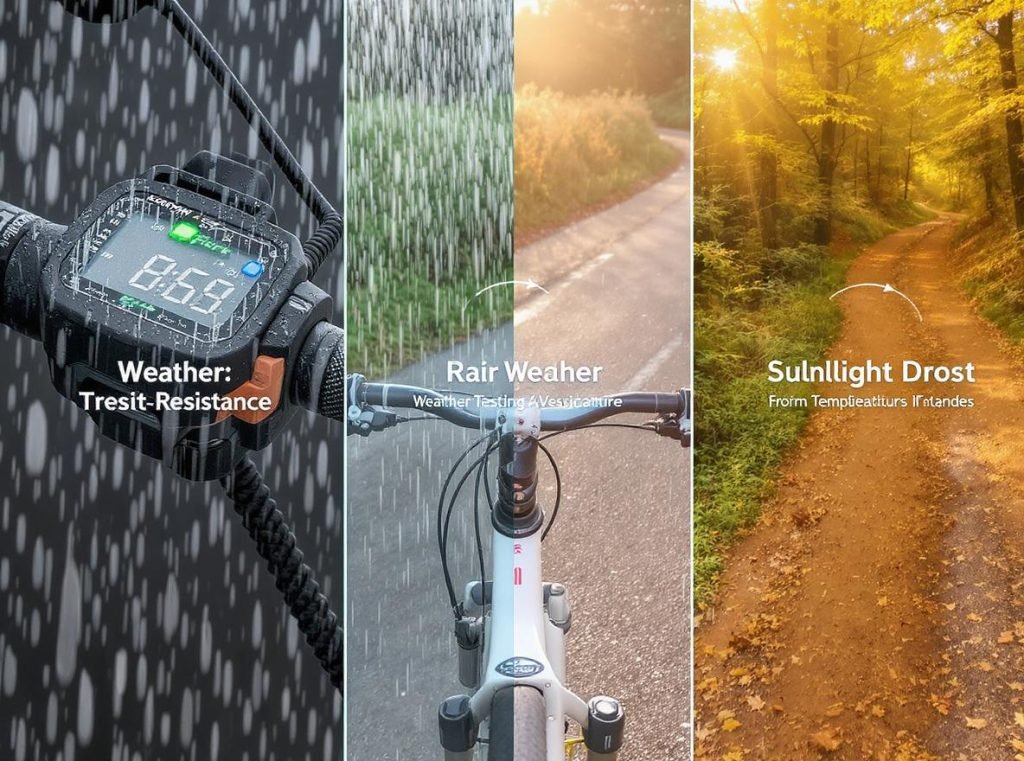
Both modern smartwatches and bike computers offer excellent weather resistance with IPX7-IPX8 ratings. However, bike computers typically provide better screen visibility in bright sunlight and maintain superior performance in temperature extremes, while smartwatches may struggle with touchscreen responsiveness in wet conditions.
Weather Performance Comparison
Rain and Water Management
Bike computers with physical buttons maintain full functionality when wet, while touchscreen-only devices may become difficult to operate with water droplets interfering with screen sensitivity.
Temperature Extreme Performance
Cold weather affects battery performance more significantly in smartwatches due to smaller batteries and power-hungry features. Bike computers, engineered specifically for outdoor use, typically maintain better performance in extreme temperatures.
Sunlight Visibility Optimization
Bike computers often feature transflective displays optimized for outdoor visibility that remain readable in direct sunlight. Smartwatch OLED screens may require maximum brightness settings that significantly drain battery faster in sunny conditions.
Humidity and Condensation Effects
Extended exposure to high humidity can affect both device types, but bike computers’ outdoor-focused engineering typically provides better resistance to condensation buildup that might impair screen clarity.
What Should Wholesale Buyers Consider When Stocking These Devices?
Understanding market trends, consumer preferences, and regional demand patterns helps wholesale buyers make informed inventory decisions that maximize sales opportunities and customer satisfaction.
Wholesale buyers should prioritize smartwatch inventory due to broader market appeal, higher profit margins, and growing consumer preference for multi-functional devices. However, maintaining bike computer selection serves dedicated cycling customers and competitive athletes who demand specialized features.

Market Analysis for Wholesale Success
Consumer Demand Trends
The global GPS bike computer market is projected to grow at 6.2% CAGR through 2034, driven by increasing cycling adoption for fitness and commuting. However, smartwatch growth significantly outpaces cycling computer expansion due to broader market appeal.
Regional Market Variations
Europe leads cycling computer demand (35% market share), followed by strong Asia-Pacific growth driven by e-bike adoption and urban cycling initiatives. North American markets show preference for multi-sport devices that align with diverse fitness activities.
Customer Segment Analysis
- Fitness and commuting segments (40%+ of market): Favor cost-effective devices balancing functionality and price
- Professional and competitive cyclists: Demand feature-rich, high-end bike computers regardless of price
- Multi-sport athletes: Increasingly choose smartwatches for versatility and convenience
Inventory Strategy Recommendations
Product Mix Optimization
Stock 70% smartwatches to capture broader market demand, with 30% dedicated bike computers for specialized cycling customers. Focus on mid-range price points ($300-600) that offer optimal profit margins and customer satisfaction.
Seasonal Considerations
Cycling computer demand peaks during spring and summer months, while smartwatch sales remain consistent year-round due to indoor fitness and daily wear functionality.
Customer Education Investment
Smartwatches require more customer education regarding cycling features and capabilities. Provide training materials and feature comparison guides to support retail sales teams and improve customer satisfaction.
Osmarto’s Manufacturing Advantages for Partners
As a specialized smartwatch manufacturer, Osmarto offers wholesale partners distinct competitive advantages that drive business success:
Custom Feature Development
Our engineering team develops cycling-specific features tailored to evolving market demands, ensuring your customers receive cutting-edge functionality that competitors cannot match.
Competitive Manufacturing Pricing
Direct factory relationships eliminate middleman costs, providing wholesale partners with industry-leading pricing that maximizes profit margins while offering customers exceptional value.
Quality Assurance Excellence
Rigorous testing protocols specifically for cycling applications ensure reliable performance that builds customer trust and reduces warranty claims that impact profitability.
Flexible Partnership Terms
Adaptable order quantities support both emerging retailers and established distributors, with custom branding options that help partners differentiate their product offerings in competitive markets.
Technical Support Infrastructure
Comprehensive technical support and product training help your sales teams confidently recommend appropriate solutions, improving customer satisfaction and reducing returns.
Summary
The smartwatch versus bike computer decision hinges primarily on your cycling priorities and lifestyle needs. Smartwatches excel for multi-sport athletes and casual cyclists who value comprehensive health tracking, convenience, and versatility across multiple activities. Dedicated bike computers remain superior for serious cyclists who prioritize maximum battery life, specialized cycling features, constant data visibility, and professional-grade accuracy. Consider your typical ride duration, feature requirements, budget constraints, and whether you need cycling-specific functionality or prefer an all-in-one fitness solution.
Ready to enhance your product portfolio with premium cycling smartwatches? Contact Osmarto today to discover how our innovative cycling-focused smartwatch solutions can meet your wholesale customers’ evolving demands while maximizing your profit margins and market competitiveness.