Skip to content
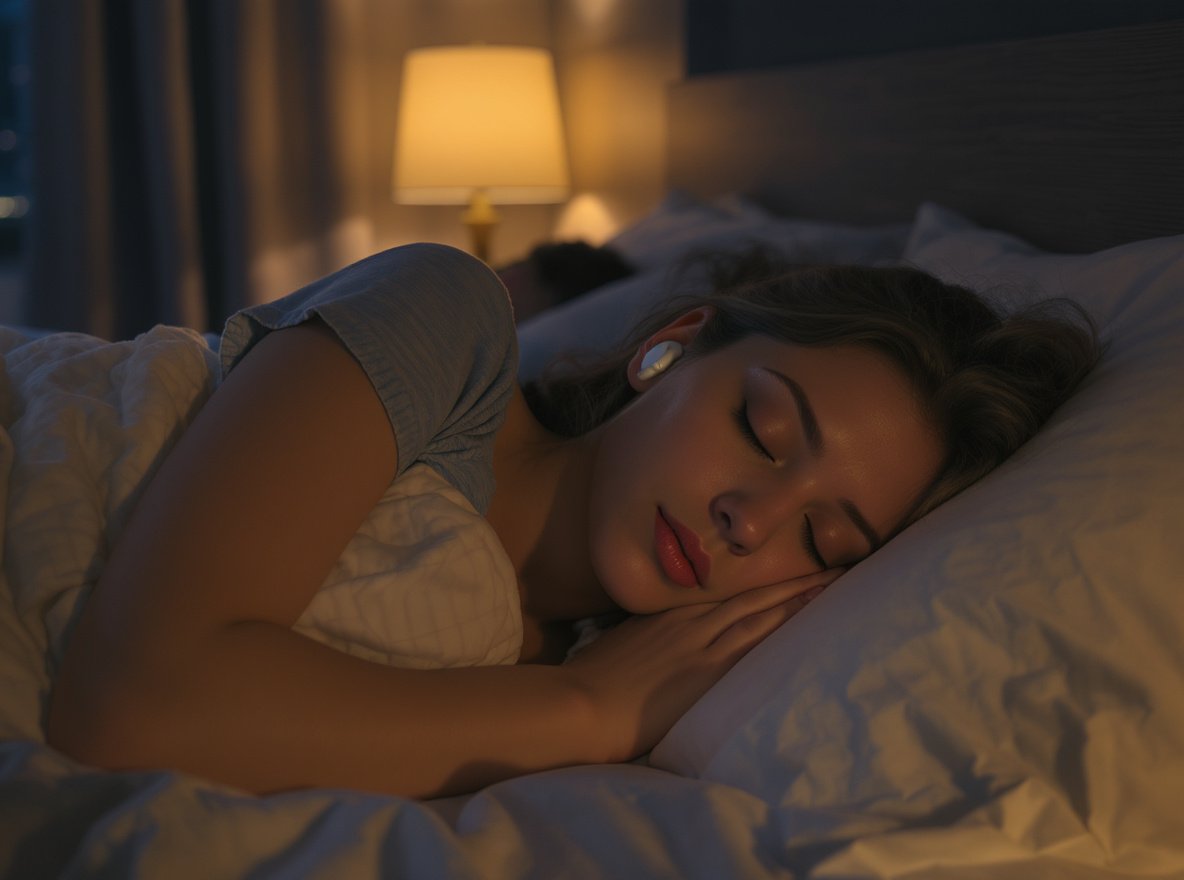
Snoring partners, noisy neighbors, and street traffic can turn bedtime into a frustrating battle. You toss, turn, and desperately wish for silence while your partner’s thunderous snores shake the walls. The solution isn’t separate bedrooms – it’s finding the right sleep earbuds engineered specifically for overnight comfort and noise management.
Sleep earbuds with active noise cancellation and ultra-low-profile designs are most effective for blocking snoring. Top models like the Soundcore Sleep A20 and QuietOn 3.1 offer 25-30 dB noise reduction, 10+ hour battery life, and specialized ear tips that sit flush with your ear for side-sleeping comfort.
Ready to reclaim your peaceful nights? Let’s explore everything you need to know about choosing the perfect sleep earbuds for your specific situation.
What Makes Sleep Earbuds Different from Regular Earbuds?
Sleep earbuds aren’t just miniaturized versions of your daily listening gear. They’re fundamentally engineered with different priorities than standard audio devices, addressing the unique challenges of overnight wear and noise management.
Sleep earbuds feature ultra-compact, flush-sitting designs, extended 10-14 hour battery life, sleep-optimized materials like memory foam tips, reduced touch sensitivity, and specialized audio focused on noise masking rather than high-fidelity music reproduction.
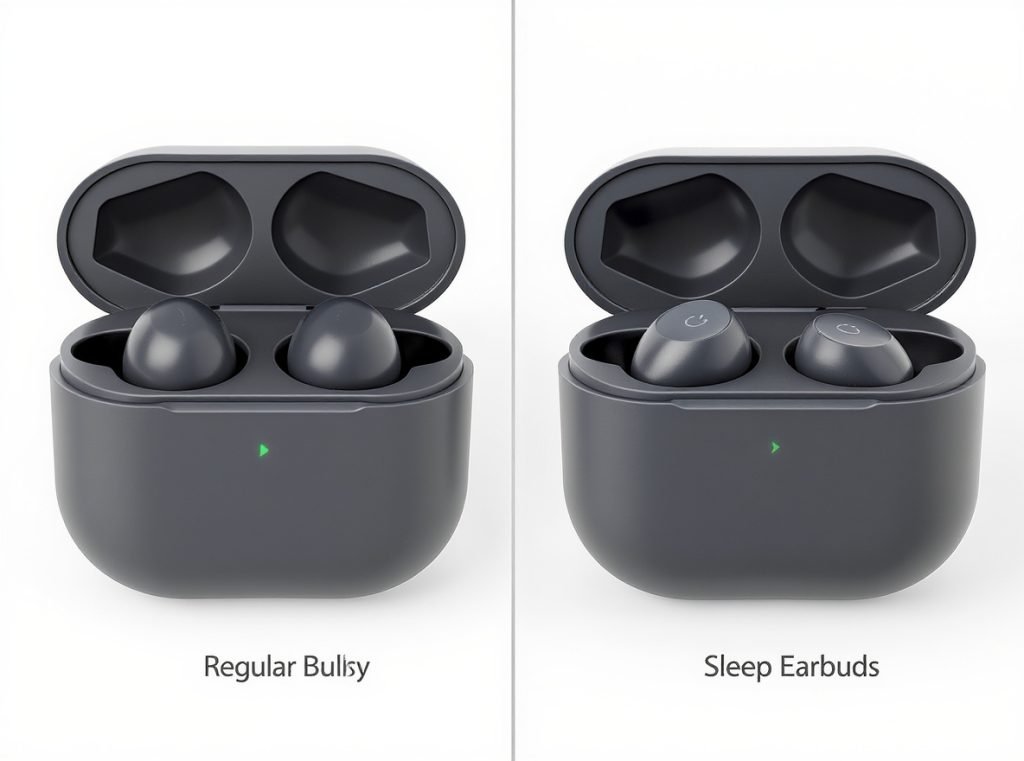
The key distinctions that matter for sleep quality include:
Ultra-Compact Design: Sleep earbuds feature significantly smaller, flatter profiles that sit flush with the ear. Models like the Soundcore Sleep A20 use “Twin-Seal” ear tips specifically designed to prevent the protruding issues that make regular earbuds uncomfortable against pillows.
Extended Battery Performance: While regular earbuds typically offer 6-7 hours of battery life, sleep earbuds are engineered for all-night use. The Soundcore Sleep A20 provides up to 14 hours of continuous playback in sleep mode, with the charging case extending total use to 80 hours.
Sleep-Optimized Materials: These devices use ultra-soft, hypoallergenic materials and memory foam tips that mold to your ear canal for extended comfort. The materials are specifically chosen to prevent ear fatigue during 6-9 hours of continuous wear without causing pressure points.
How Effective Are Sleep Earbuds at Blocking Snoring Sounds?
Snoring typically occurs in frequencies between 100-1000 Hz, presenting unique challenges that sleep earbuds address through multiple technological approaches. Understanding this frequency range is crucial for selecting earbuds that actually work against your partner’s specific snoring patterns.
Quality sleep earbuds can reduce snoring noise by 25-30 dB through combined passive isolation and active noise cancellation. This typically reduces moderate snoring (40-50 dB) to whisper levels, though the effectiveness varies based on snoring volume, proper fit, and technology type.
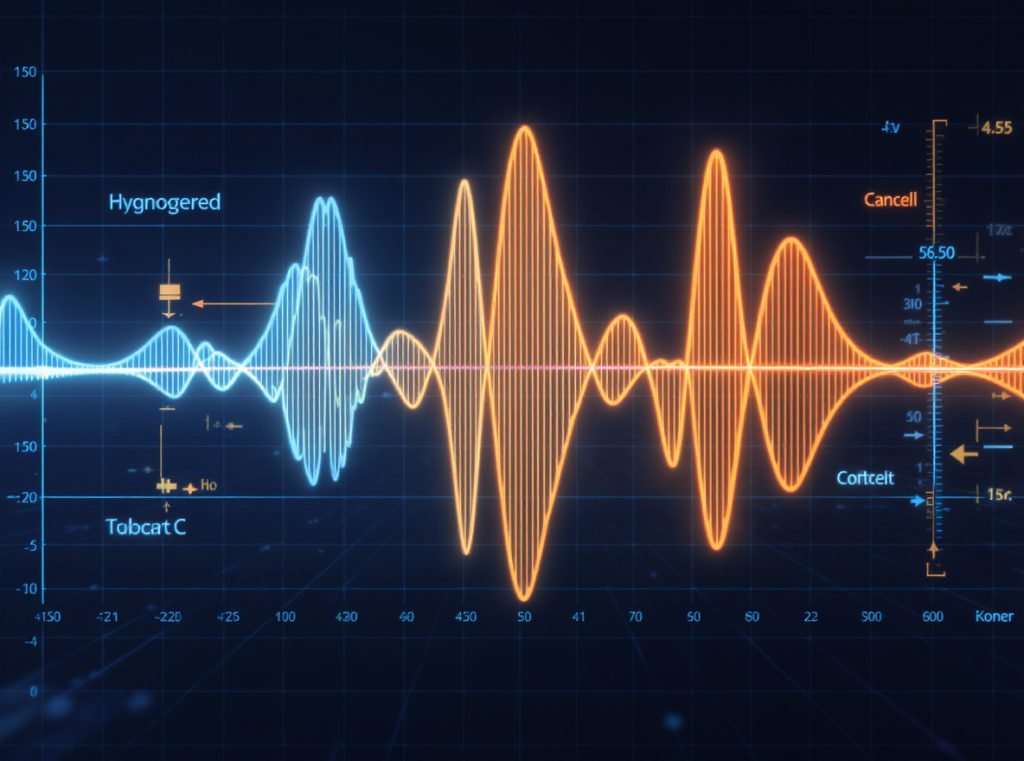
Different technologies offer varying effectiveness against snoring:
Passive Noise Isolation: Models like the Soundcore Sleep A20 use specialized “Twin-Seal” ear tips that create a physical barrier, providing 3x stronger passive noise blocking than regular earbuds. This physical isolation excels against consistent, low-frequency snoring sounds.
Active Noise Cancellation: Advanced models like the QuietOn 3.1 or Soundcore Sleep A30 generate opposing sound waves to cancel out snoring frequencies. The QuietOn 3.1 offers up to 28 hours of battery life with ANC specifically tuned for sleep environments, making it particularly effective against rhythmic, consistent snoring.
Noise Masking Technology: The Ozlo Sleepbuds use this approach, playing scientifically-designed white noise or nature sounds that make snoring less noticeable rather than blocking it entirely. This method works well for variable or irregular snoring patterns.
| Technology | Snoring Reduction | Best For | Battery Impact |
|---|---|---|---|
| Passive Isolation | 15-25 dB | Consistent snoring | None |
| Active Noise Cancelling | 20-30 dB | Low-frequency snoring | Moderate |
| Noise Masking | Variable | Irregular snoring | Low |
| Hybrid Approach | 25-35 dB | All snoring types | Higher |
Are Sleep Earbuds Safe to Wear All Night?
Medical experts generally consider sleeping with properly designed sleep earbuds safe for most people, though specific precautions ensure optimal ear health during extended wear periods.
Sleep earbuds designed for overnight use are safe when maintaining volume levels below 50% maximum, ensuring proper fit without pressure, and following hygiene practices like weekly cleaning and monthly ear tip replacement. However, individuals with sensitive ears should start gradually.
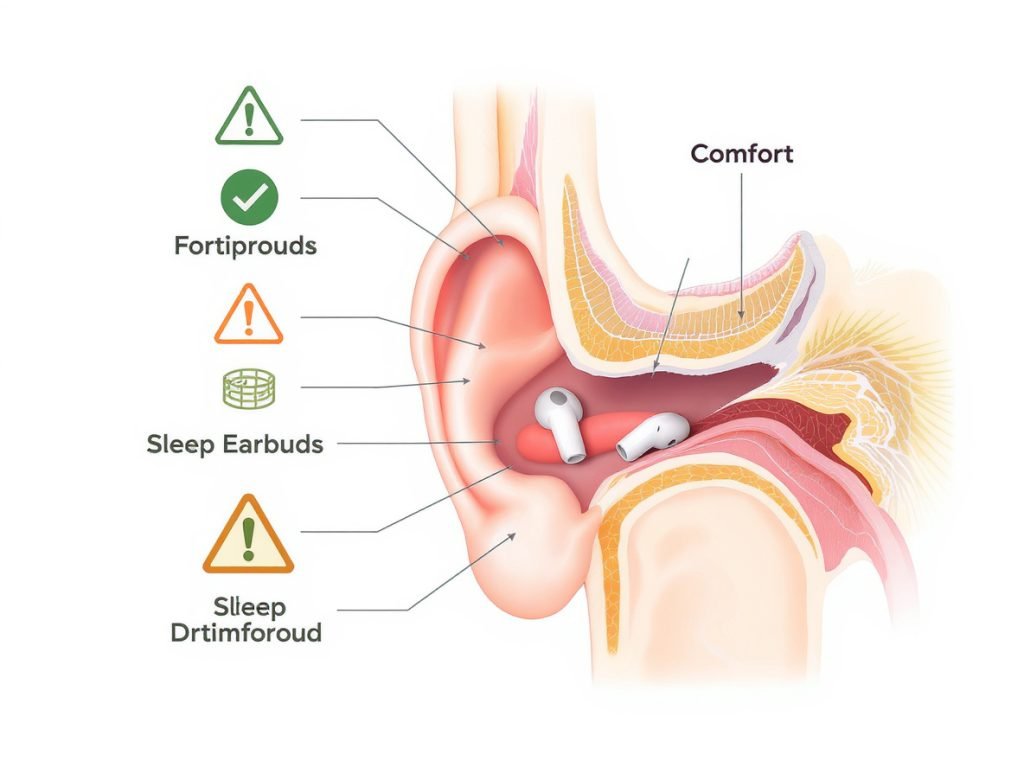
Hearing Safety Protocols: Audio should never exceed 50% of maximum volume, and sleep earbuds should primarily play low-volume white noise or ambient sounds rather than music. Many sleep earbuds include built-in volume limiting features to prevent hearing damage during extended use.
Ear Health Considerations: Extended wear can potentially lead to ear infections if hygiene isn’t maintained. The warm, moist environment created by sealed earbuds can promote bacterial growth. Essential prevention measures include:
• Weekly cleaning with mild soap and water
• Allowing ears periodic breaks when possible
• Using breathable ear tip options if available
• Replacing ear tips every 3-6 months to maintain hygiene
Emergency Sound Awareness: While sleep earbuds mask environmental sounds, most models allow higher-frequency emergency sounds like smoke alarms to penetrate. Many sleep earbuds include personal alarm features that wake only the wearer without disturbing partners.
Physical Comfort Standards: Sleep earbuds are engineered to minimize pressure points that could cause soreness or headaches. However, individuals with sensitive ears should start with 2-4 hour wear periods before attempting full-night use.
What Features Should You Look for in Sleep Earbuds?
Selecting the right sleep earbuds requires balancing comfort, noise reduction effectiveness, and practical features that support consistent overnight use. The wrong choice can leave you more frustrated than sleeping without them.
Essential features include: 8+ hours battery life, noise reduction rating of 25+ dB, ultra-low profile design under 10mm thickness, multiple ear tip sizes and materials, sleep-specific audio libraries, and automatic sleep timers. Premium models add intelligent noise adaptation and biometric sleep tracking.
Comfort and Fit Requirements:
Ultra-low profile designs with multiple ear tip sizes (typically XS through L) are non-negotiable. Look for soft silicone or memory foam options, with some models offering both sealed and breathable varieties. Stabilizing wings help keep earbuds secure during sleep movement.
Battery Life Standards:
| Duration | Use Case | Models | Charging Case Total |
|---|---|---|---|
| 8-10 hours | Standard sleep | Most basic models | 40-50 hours |
| 10-14 hours | Extended sleep | Soundcore Sleep A20 | 80 hours |
| 16+ hours | Premium reliability | QuietOn 3.1 | 28 hours continuous |
Sleep-Specific Audio Features:
• Customizable white noise libraries with pink noise and nature sounds
• Sleep timers that automatically shut off after you fall asleep
• Personal alarm functions that won’t wake your partner
• App-based sound customization and sleep tracking capabilities
• Intelligent snore masking that adapts to real-time snoring patterns
Build Quality Indicators: Sleep earbuds endure significant stress from movement and pressure. Look for IPX4+ water resistance ratings to handle moisture from sweating, durable construction materials, and reliable charging contacts that won’t corrode over time.
Which Types of Sleep Earbuds Work Best Against Snoring?
Different sleep earbud technologies excel against various snoring patterns. Understanding these approaches helps you choose the most effective solution for your partner’s specific snoring characteristics and your sensitivity levels.
Active noise cancelling models like the QuietOn 3.1 and Soundcore Sleep A30 perform best against consistent, rhythmic snoring. For variable snoring patterns, noise masking models like the Ozlo Sleepbuds often prove more effective. Hybrid models combining both approaches offer maximum versatility.
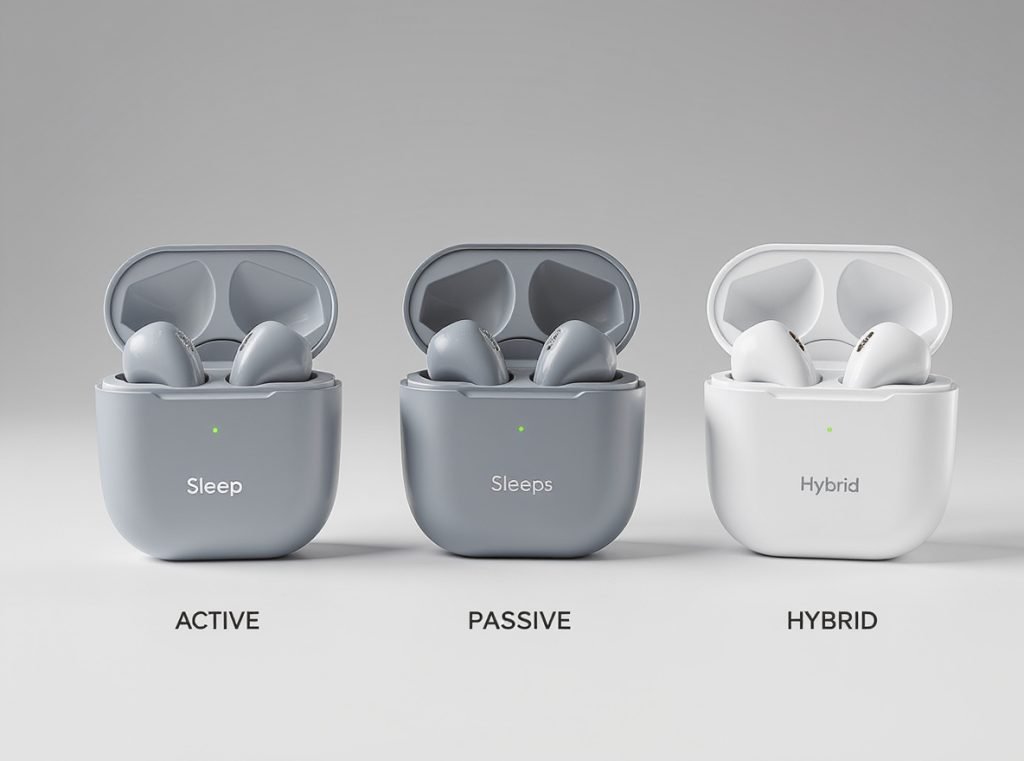
Active Noise Cancelling Champions:
QuietOn 3.1: Offers 28 hours of continuous battery life with ANC specifically tuned for sleep environments. Particularly effective against low-frequency, consistent snoring sounds. The specialized sleep-tuned ANC targets the 100-1000 Hz range where most snoring occurs.
Soundcore Sleep A30: Features intelligent ANC with adaptive snore masking that adjusts in real-time to changing snoring patterns. The smart algorithms learn your partner’s snoring habits and optimize noise cancellation accordingly.
Passive Isolation Excellence:
Soundcore Sleep A20: Uses advanced passive noise blocking with specialized “Twin-Seal” ear tips and a 4-point noise masking system. Offers excellent value proposition with 14-hour battery life and 80-hour total case capacity.
Specialized Noise Masking Solutions:
Ozlo Sleepbuds: Focus on noise masking rather than active cancellation, using scientifically-designed sounds to cover snoring. The approach works particularly well for irregular or variable snoring patterns that ANC struggles to predict and cancel.
Bose Sleepbuds II: Use proprietary noise-masking technology with pre-loaded sleep sounds specifically tuned for common sleep disturbances including snoring frequencies.
For severe snoring situations, many users find success combining sleep earbuds with specific masking sounds – pink noise for mid-frequency snoring, brown noise for low-frequency rumbling, and nature sounds for psychological relaxation benefits.
How Do You Properly Fit Sleep Earbuds for Maximum Comfort?
Achieving the correct fit determines both comfort and noise-blocking effectiveness. Most user complaints about sleep earbuds stem from improper fitting rather than product defects, making proper technique essential for success.
Proper fitting requires selecting ear tips 1-2 sizes smaller than regular earbuds, inserting at a slight downward angle following your ear canal’s natural curve, and ensuring the earbud sits flush with your outer ear. The fit should create a gentle seal without pressure or discomfort.
Professional Fitting Process:
- Size Selection Strategy: Start with medium tips, then adjust down if they feel tight or cause pressure after 30 minutes. Each ear may require different sizes – this is completely normal.
- Insertion Technique: Insert the earbud so the tip rests gently in the ear canal opening, then rotate slightly back and down until it locks comfortably. The earbud should sit flush with your ear without protruding.
- Seal Testing: Speak aloud – your voice should sound slightly muffled, indicating proper seal. Shake your head gently – earbuds should remain secure without shifting.
Troubleshooting Common Fit Issues:
| Problem | Solution | Technical Reason |
|---|---|---|
| Falls out during movement | Try larger tips or different shape | Improves mechanical retention |
| Pressure pain after 30 minutes | Use smaller tips or softer materials | Reduces contact pressure points |
| Still hear too much snoring | Check for air gaps, try foam tips | Improves acoustic seal integrity |
| Ear feels “full” or blocked | Use tips with ventilation holes | Maintains air circulation |
Break-in Period Management: Allow 1-2 weeks to adjust to sleeping with earbuds. Start with shorter periods during naps or evening relaxation before attempting full-night wear. Your ears need time to adapt to the sensation and pressure.
What’s the Difference Between Sleep Earbuds and Traditional Earplugs?
While both products aim to improve sleep by reducing noise, their approaches, effectiveness, and practical applications differ significantly. Understanding these trade-offs helps you choose the right solution for your specific needs and budget.
Sleep earbuds actively mask or cancel noise while optionally playing sleep-promoting sounds, whereas earplugs only block noise passively. High-quality foam earplugs provide superior overall noise reduction (NRR 30-33) but sleep earbuds excel at low-frequency snoring and offer additional functionality like personal alarms and sleep tracking.
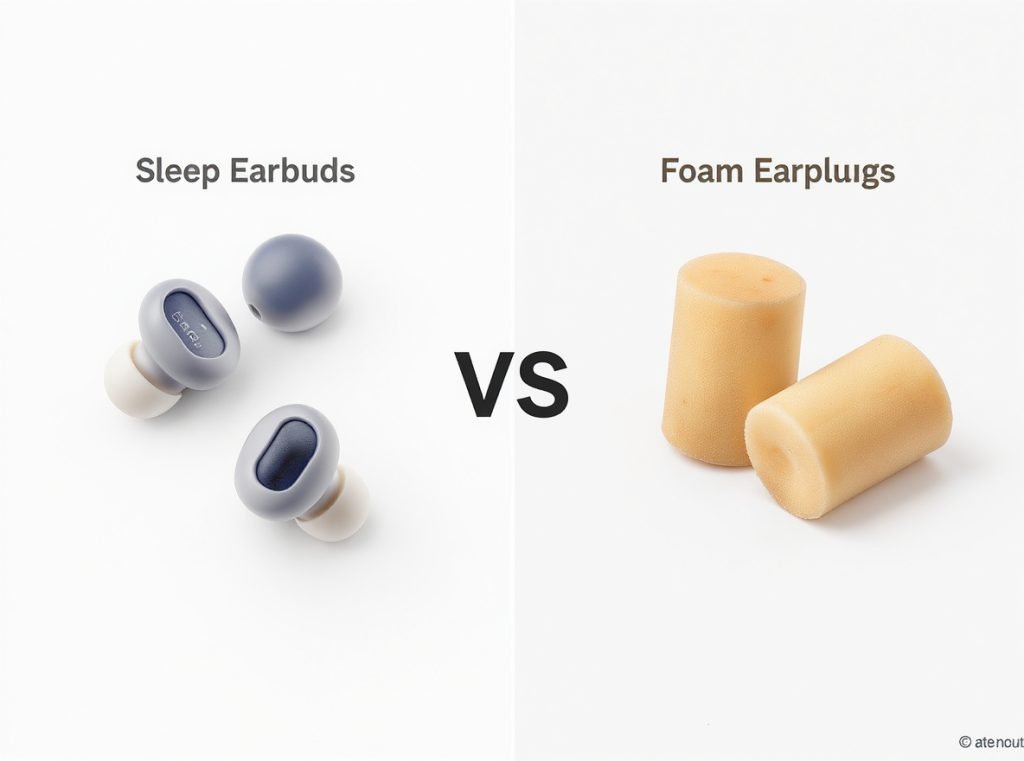
Noise Reduction Comparison:
Traditional foam earplugs achieve higher overall noise reduction ratings, particularly for mid and high-frequency sounds. However, sleep earbuds with active noise cancellation specifically target the 100-1000 Hz range where snoring occurs, making them more effective for this specific application.
Comfort Analysis:
Sleep earbuds generally provide superior comfort for side sleepers during extended wear. Foam earplugs can become uncomfortable after several hours, may fall out during movement, and can cause pressure buildup that some users find disturbing.
Practical Considerations:
| Factor | Sleep Earbuds | Traditional Earplugs |
|---|---|---|
| Initial Cost | $50-350 | $0.30-0.50 per pair |
| Ongoing Costs | Replacement tips, charging | Continuous replacement |
| Maintenance | Regular cleaning, charging | Disposable |
| Versatility | Multiple functions | Noise blocking only |
| Effectiveness vs Snoring | Excellent (targeted frequencies) | Good (general reduction) |
When to Choose Earplugs: Maximum passive noise blocking is needed, budget is primary concern, you prefer maintenance-free solutions, or you don’t want to worry about batteries and charging.
When to Choose Sleep Earbuds: You want customizable sound masking, smart features appeal to you, comfort during side-sleeping is crucial, or you need consistent performance with additional functionality like sleep tracking and personal alarms.
How Long Should Sleep Earbuds Battery Last?
Battery life directly impacts the practicality and reliability of sleep earbuds. Nothing disrupts sleep quality more than waking up to renewed snoring because your earbuds died at 3 AM.
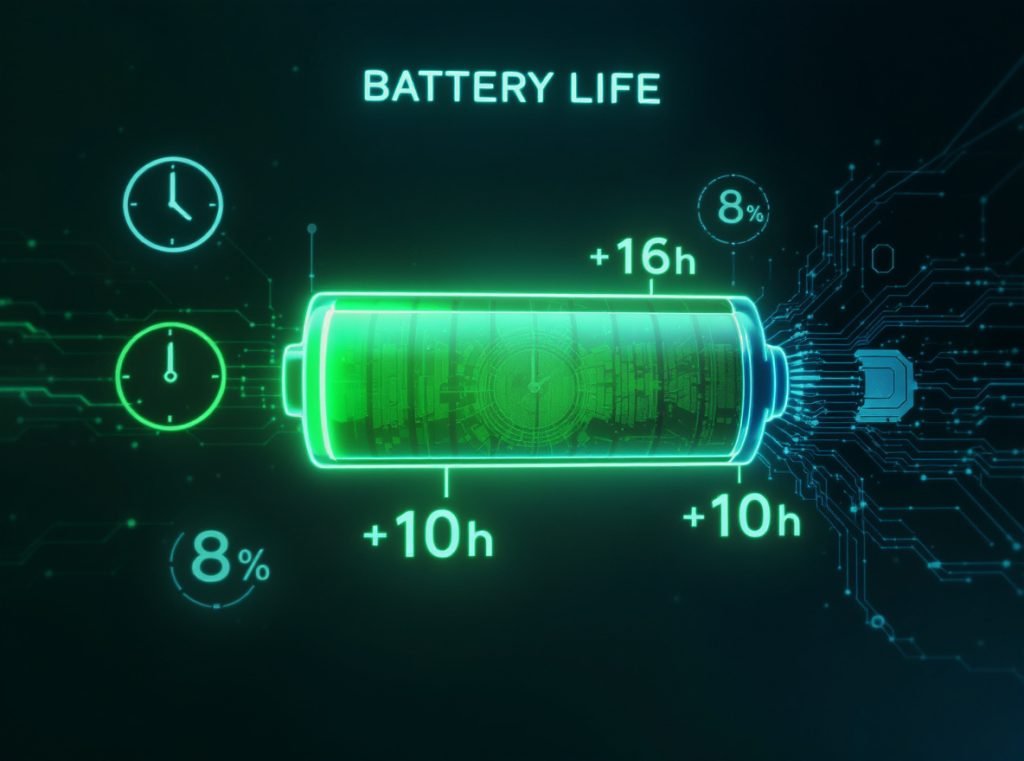
Sleep earbuds should provide minimum 8-10 hours of continuous use to cover a full night’s sleep with buffer time. Premium models offering 12-16 hours accommodate longer sleep periods and account for battery degradation over time. The Soundcore Sleep A20’s 14-hour capacity represents the current gold standard.
Battery Performance Tiers:
Standard Range (8-10 hours): Covers most sleep needs with some buffer. Models in this range include most mid-tier sleep earbuds and provide reliable full-night coverage for average sleepers.
Extended Range (10-14 hours): Accommodates longer sleep periods, weekend lie-ins, and provides significant buffer against battery degradation. The Soundcore Sleep A20 exemplifies this category with 14 hours in sleep mode.
Marathon Range (16+ hours): Premium models like the QuietOn 3.1 offer 28 hours of continuous ANC, providing multiple nights of use or accommodation for shift workers with irregular sleep schedules.
Factors Affecting Real-World Battery Life:
• Active noise cancelling reduces battery life by 20-40% compared to passive modes
• Volume levels significantly impact duration – higher volumes drain batteries faster
• Bluetooth connection quality affects power consumption
• Environmental temperature – cold conditions reduce battery performance
• Battery age – expect 20-30% capacity reduction after 1-2 years of regular use
Power Management Features worth prioritizing include auto-shutoff timers, sleep detection that reduces power consumption after you fall asleep, and fast charging capabilities that provide 3+ hours of use from a 30-minute charge.
Can Sleep Earbuds Help with Other Sleep Issues Beyond Snoring?
Quality sleep earbuds address multiple sleep disturbances beyond snoring, making them valuable investments for various sleep challenges. Their versatility extends their utility far beyond the single use case of blocking partner noise.
Sleep earbuds effectively address noisy neighbors, traffic sounds, tinnitus relief, anxiety-related sleep issues, shift work sleep challenges, and travel sleep disruption through customizable soundscapes, guided meditation audio, biometric sleep tracking, and gradual wake-up features.
Tinnitus Management: Many sleep earbuds include tinnitus-masking frequencies specifically tuned to common tinnitus pitches. White noise, pink noise, and nature sounds can provide significant relief for tinnitus sufferers by masking the persistent ringing or buzzing sounds.
Anxiety and Stress Relief: Sleep earbuds can play guided meditations, breathing exercises, or calming soundscapes that activate the parasympathetic nervous system and promote relaxation. The Ozlo Sleepbuds offer scientifically-designed sounds specifically created to reduce anxiety and racing thoughts.
Shift Work Applications: For workers with irregular schedules, sleep earbuds with comprehensive sound-masking capabilities help maintain consistent sleep quality regardless of daytime environmental conditions or household activity levels.
Travel Sleep Enhancement: Hotel rooms, airplanes, and unfamiliar environments often disrupt sleep patterns. Portable sleep earbuds provide consistent, familiar soundscapes that promote faster sleep onset and deeper sleep maintenance.
Advanced Sleep Optimization: Premium models with sleep tracking capabilities monitor sleep positions, movements, and duration, providing insights for comprehensive sleep optimization beyond simple noise management.
The versatility of modern sleep earbuds makes them valuable tools for anyone struggling with sleep quality, not just those dealing with snoring partners.
What Are the Best Practices for Maintaining Sleep Earbuds?
Proper maintenance extends sleep earbud lifespan from the typical 1-2 years to 3-4 years while preventing ear infections and ensuring consistent performance. Poor maintenance is the leading cause of premature failure and hygiene issues.
Clean earbuds weekly with 70% isopropyl alcohol, replace ear tips every 3-6 months, store in dry conditions with proper charging case use, and rotate between two pairs when possible. Weekly cleaning with mild soap and warm water for removable tips prevents bacterial buildup.

Weekly Maintenance Routine:
Remove silicone tips and wash separately with mild soap and warm water, allowing complete drying before reassembly. Clean earbud nozzles with dry cotton swabs, never inserting anything into the nozzle opening. Wipe charging contacts and case interior with alcohol-dampened cotton swabs.
Monthly Deep Maintenance:
Replace ear tips with fresh ones to maintain hygiene and acoustic seal integrity. Inspect charging contacts for corrosion or debris buildup. Check for firmware updates via manufacturer apps. Test battery life and charging functionality to identify degradation early.
Professional Cleaning Techniques:
| Component | Cleaning Method | Frequency | Why It Matters |
|---|---|---|---|
| Ear Tips | Mild soap, warm water | Weekly | Prevents bacterial growth |
| Nozzles | Dry cotton swabs only | Weekly | Maintains audio quality |
| Charging Contacts | Alcohol wipes | Monthly | Ensures reliable charging |
| Case Interior | Dry brush, alcohol wipes | Monthly | Prevents contamination |
Storage Optimization: Use the provided charging case consistently to prevent damage and contamination. Store at room temperature away from extreme heat or cold. Keep charging ports clean and dry to prevent corrosion.
Replacement Indicators: Ear tips showing discoloration or becoming sticky, battery life dropping below 6 hours, intermittent connectivity issues, physical damage to drivers or housing, or persistent ear irritation despite proper hygiene all signal need for replacement or professional service.
Summary
The best sleep earbuds for blocking snoring combine active noise cancellation with ultra-low profiles, 10+ hour battery life, and comfort-focused designs like the Soundcore Sleep A20 and QuietOn 3.1. While requiring higher initial investment than traditional earplugs, their versatility in addressing multiple sleep challenges, customizable soundscapes, and additional features like sleep tracking make them valuable long-term investments for anyone serious about achieving consistent, quality sleep despite environmental noise challenges.
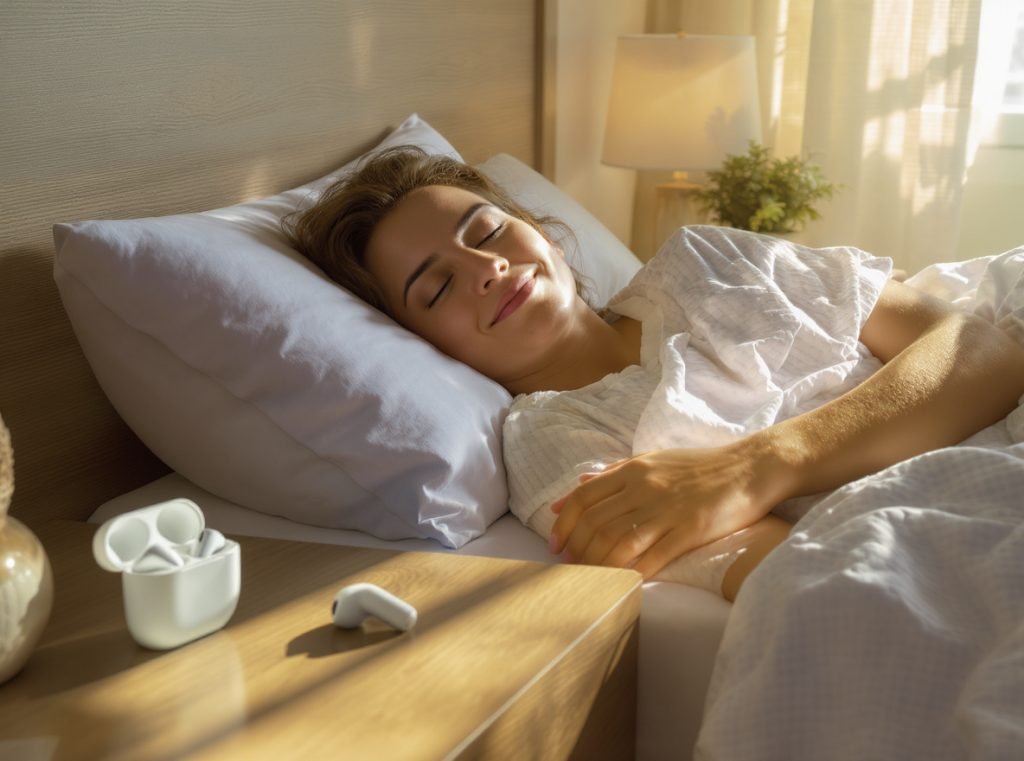
Whether you’re dealing with snoring partners, noisy environments, shift work schedules, or other sleep disruptions, the right sleep earbuds can transform restless nights into peaceful, restorative sleep experiences.
Transform Your Sleep Business with Premium Sleep Earbuds from Osmarto
Ready to capitalize on the rapidly growing sleep wellness market? Osmarto specializes in manufacturing high-quality sleep earbuds featuring advanced active noise cancellation, extended 12+ hour battery life, ultra-comfortable low-profile designs, and customizable sound libraries. Our comprehensive wholesale programs support distributors, retailers, and brand manufacturers worldwide with competitive pricing, private labeling options, and technical customization capabilities.
From basic passive isolation models to premium ANC-enabled sleep earbuds with smart features, we provide complete product lines that address the diverse needs of the sleep wellness market. Contact our wholesale team today to discuss minimum orders, customization options, and how we can help you serve customers seeking effective solutions for sleep noise challenges.