Skip to content
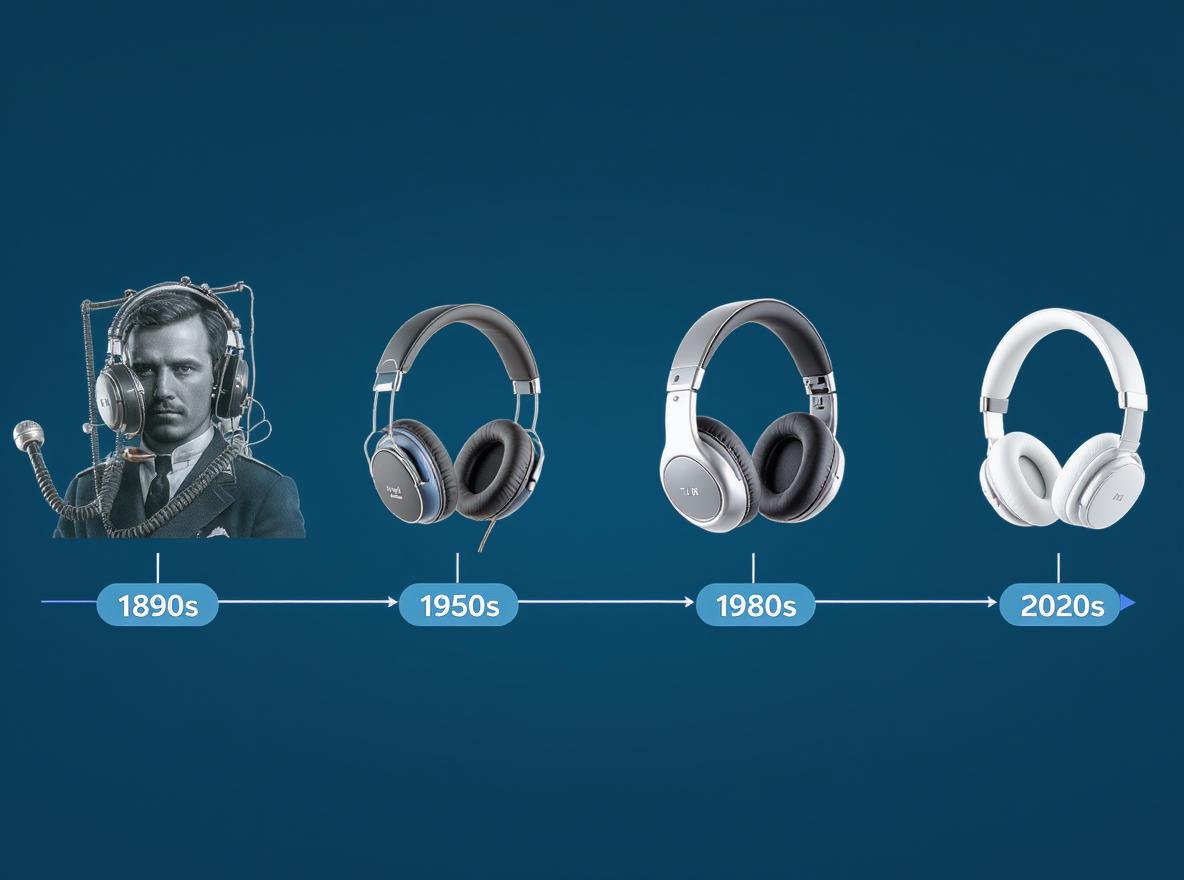
Have you ever wondered how the headphones in your business inventory came to exist? Most people assume headphones were always designed for music, but their origin story reveals fascinating business opportunities. Understanding this evolution helps wholesale partners identify why the headphone market has become a $61.88 billion global industry with incredible growth potential.
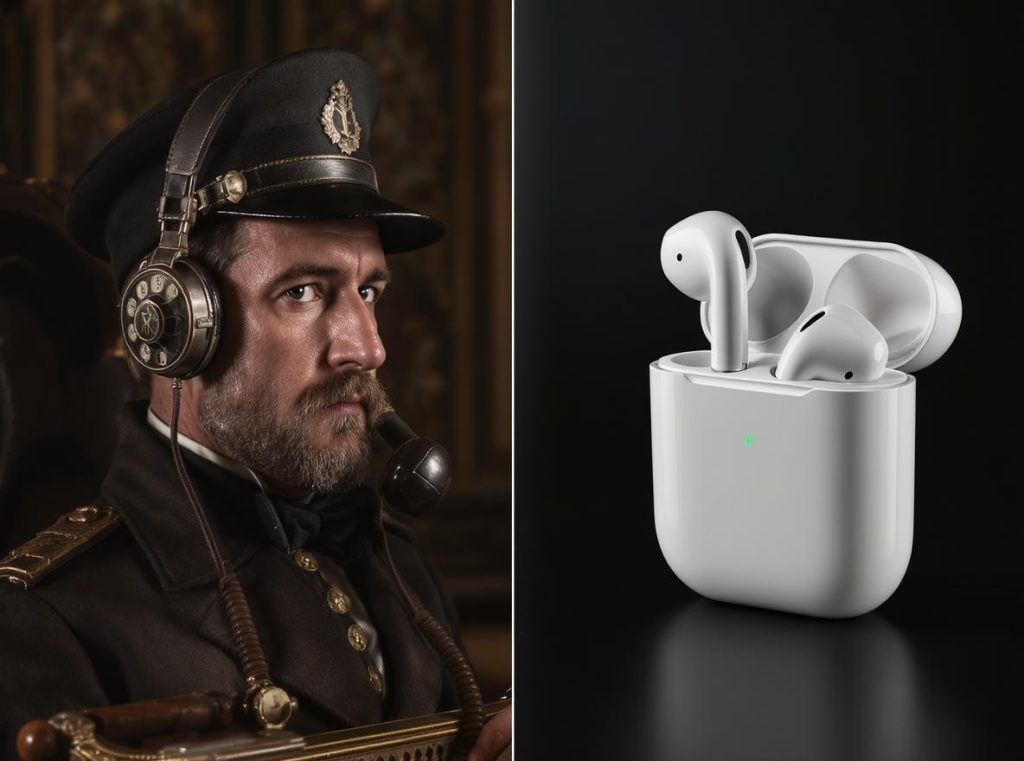
Headphones were first invented in the 1880s for telephone switchboard operators, not for music. These early devices weighed over 10 pounds and rested on operators’ shoulders to keep their hands free for connecting calls. The first modern-style headphones were created in 1910 by Nathaniel Baldwin in his kitchen, featuring two padded ear cups connected by a headband.
Let’s explore how a simple workplace tool transformed into today’s diverse, profitable headphone market that offers countless opportunities for retailers, distributors, and wholesalers worldwide.
What Was the Original Purpose of the First Headphones?
The headphone industry began with a practical business solution rather than entertainment. In the 1880s, telephone switchboard operators faced a significant workplace challenge that required innovative thinking.
The first headphones were developed in the 1880s specifically for telephone switchboard operators who needed hands-free communication while managing multiple calls and connecting wire circuits efficiently.

These early “headphones” were revolutionary workplace tools. Operators needed to:
- Handle dozens of calls simultaneously
- Connect various telephone lines manually
- Keep detailed records of connections
- Maintain clear communication with callers
The original headphones were massive shoulder-mounted devices weighing over 10 pounds. Despite their bulk, they solved a critical business problem by freeing operators’ hands for essential tasks. This innovation marked the beginning of hands-free communication technology that drives today’s massive market.
An interesting early entertainment application emerged in the 1890s with the British Electrophone system. This premium service allowed wealthy subscribers to listen to live performances from London opera houses through primitive headphones for £5 per year (equivalent to £120 today). This early example demonstrates how innovative businesses can find new applications for existing technology.
For wholesale partners, this history illustrates why durability, comfort, and clear communication remain top selling points – principles that originated from these demanding business applications over 140 years ago.
Who Actually Invented the First Modern Headphones?
While early telephone headsets existed, the headphones resembling modern designs came from an unexpected source. The credit for creating truly wearable headphones goes to an American engineer working from his home kitchen.
In 1910, Nathaniel Baldwin invented the first modern headphones at his kitchen table in Utah. His design featured two padded ear cups connected by a comfortable headband, closely resembling today’s over-ear headphones.

Baldwin’s story offers valuable lessons for today’s headphone businesses:
The Innovation Challenge
Baldwin initially created his headphones for personal use – he wanted to better hear sermons at his local Mormon temple. This personal motivation drove him to solve comfort and audio quality issues that professional manufacturers had overlooked.
Market Recognition and Military Adoption
When private investors dismissed his invention as unmarketable, Baldwin approached the U.S. Navy. Military officials immediately recognized the value and ordered 100 pairs, not knowing Baldwin was handcrafting each set in his kitchen. This represents one of the first major wholesale headphone orders in history.
Business Applications
The military used Baldwin’s headphones for:
- Ship-to-shore communications
- Aircraft pilot communications
- Radio monitoring operations
- Field communications for personnel
A Costly Business Decision
Remarkably, Baldwin refused to patent his design, considering it “trivial.” This decision later contributed to his financial ruin as competitors freely copied his innovations. For modern businesses, this highlights the importance of protecting intellectual property in competitive markets.
Baldwin’s kitchen-table success demonstrates how understanding specific user needs often leads to breakthrough products. His focus on comfort and functionality established design principles that wholesale suppliers still prioritize when sourcing headphones today.
How Did Professional Applications Shape Early Headphone Development?
Professional and military applications drove significant technological advances that created the foundation for today’s diverse headphone market. Understanding these developments helps wholesale buyers identify quality indicators and market opportunities.
Professional applications, particularly in military and broadcasting, drove crucial innovations in durability, audio accuracy, and comfort. The 1937 Beyerdynamic DT 48 became the world’s first dynamic headphones, setting professional standards that influenced the entire industry.

Military Influence on Design Standards
Military requirements established quality benchmarks that benefit today’s commercial market:
| Military Need | Innovation Result | Modern Benefit |
|---|---|---|
| Harsh environments | Reinforced construction | Longer product lifespan |
| Clear communication | Improved drivers | Better audio quality |
| Extended use | Comfortable padding | All-day wearability |
| Reliable performance | Quality control standards | Consistent user experience |
Professional Audio Revolution
The Beyerdynamic DT 48, introduced in 1937, represented a quantum leap in headphone technology. These German-engineered headphones featured:
- Dynamic moving coil transducers for superior accuracy
- Rugged spring steel construction for durability
- Neutral sound reproduction for professional monitoring
- Exceptional build quality that kept them in production until 2012
Broadcasting and Studio Applications
Professional headphones became essential tools for:
- Sound engineers and audio producers
- Radio broadcasters and announcers
- Film production and post-production
- Telephone operators and communications
These professional requirements created quality standards that wholesale buyers should understand when evaluating suppliers. Military-grade specifications often indicate superior build quality and reliability, making them attractive selling points for both commercial and consumer markets.
The professional audio industry’s influence continues today. Many consumers actively seek “professional-grade” or “studio-quality” headphones, creating premium market opportunities for wholesale partners who understand these quality distinctions.
When Did Headphones Become Consumer Entertainment Products?
The transformation from professional tools to entertainment devices created the modern consumer headphone market that offers tremendous wholesale opportunities today. This shift established multiple market segments that smart retailers can target.
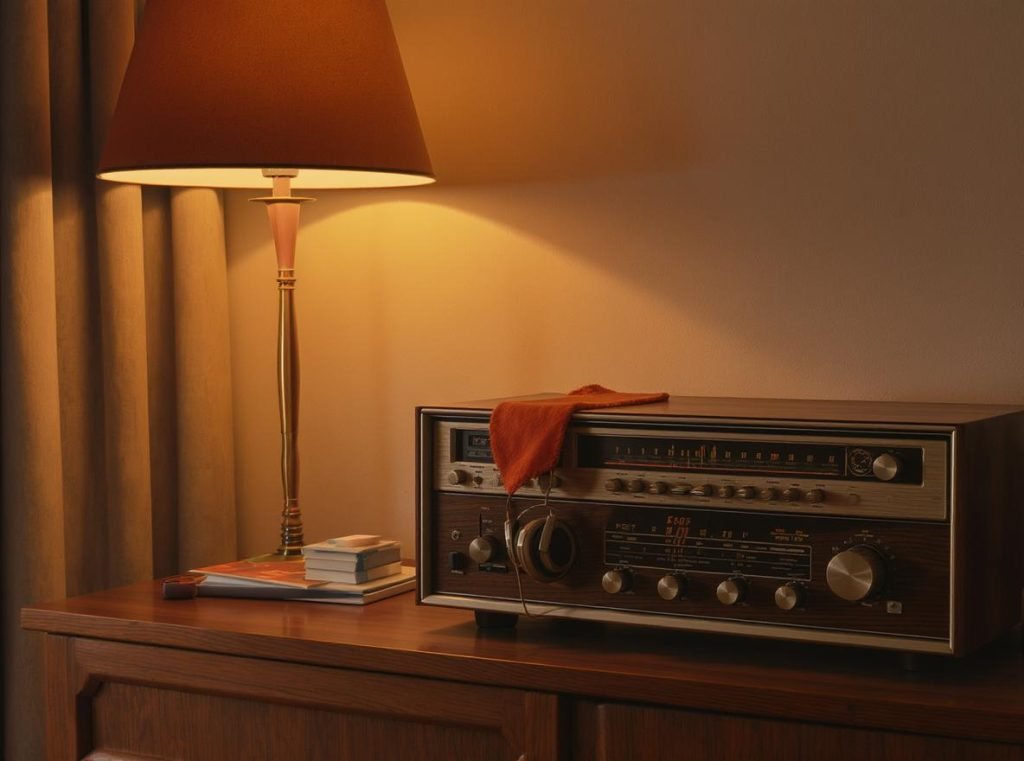
The consumer entertainment market began in 1958 when John C. Koss, a Milwaukee jazz musician, introduced the world’s first stereo headphones – the Koss SP/3. This innovation shifted headphones from communication tools to music enjoyment devices, creating the foundation for today’s multi-billion dollar consumer market.
The Stereo Revolution
John C. Koss partnered with engineer Martin Lange Jr. to develop a portable stereo phonograph system. However, the accompanying headphones became the real breakthrough at a Wisconsin audio trade fair. The SP/3 headphones featured:
- Plastic ear cups for lightweight comfort
- 3-inch speakers for enhanced audio quality
- Foam ear pads for extended listening sessions
- Stereo technology for immersive music experience
Market Creation Strategy
Koss didn’t just create a product – he built an entire market ecosystem:
- Coined the phrase “Hearing is Believing” for marketing
- Convinced audio manufacturers to include standardized headphone jacks
- Positioned headphones as essential music accessories rather than specialty tools
- Established pricing strategies that made high-quality audio accessible to consumers
Consumer Market Expansion Timeline
| Era | Innovation | Market Impact |
|---|---|---|
| 1950s | Stereo technology | Created demand for two-channel audio experiences |
| 1960s | Lightweight materials | Made extended listening comfortable and practical |
| 1970s | High-fidelity audio | Attracted audiophiles and created premium segments |
| 1979 | Sony Walkman | Popularized portable personal audio worldwide |
The Portable Revolution
The Sony Walkman, introduced in 1979, fundamentally transformed the headphone market. Bundled with the lightweight MDR 3L2 headphones, the Walkman made headphones a mainstream consumer accessory rather than specialized equipment. This portable music revolution created:
- Mass market demand for affordable headphones
- Fashion and lifestyle associations with headphone brands
- Multiple price points and style categories
- Global distribution opportunities for wholesale partners
For today’s wholesale businesses, this history explains why consumer headphones represent such diverse market segments – from budget-friendly options to premium audiophile products. Understanding these segments helps optimize inventory selection and target marketing strategies.
What Technological Breakthroughs Created Modern Market Opportunities?
Key technological innovations transformed headphones from basic communication tools into sophisticated devices that serve multiple industries and consumer segments. Understanding these breakthroughs helps wholesale partners identify emerging opportunities and product differentiation strategies.
Major technological advances including dynamic drivers, wireless connectivity, noise cancellation, and smart features have created diverse market segments worth over $61.88 billion globally. These innovations enable wholesale partners to target specific applications from professional audio to fitness and gaming.
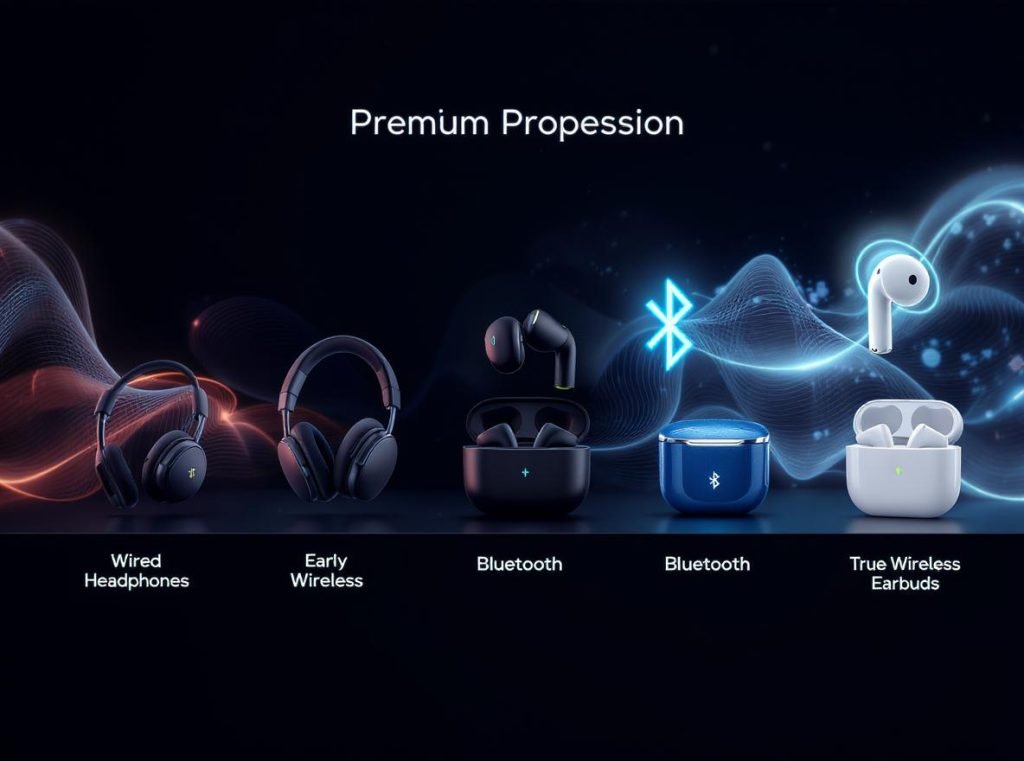
Wireless Technology Revolution
The progression from wired to wireless created entirely new product categories:
Early Wireless Attempts (1980s-1990s)
- Infrared systems required line-of-sight operation
- Radio frequency models suffered from interference
- Limited range and battery life restricted adoption
Bluetooth Breakthrough (1999-2000s)
Bluetooth technology, introduced in the mid-1990s, revolutionized wireless audio. The first Bluetooth headset was released by Jabra in 2000, but widespread adoption required improvements in:
- Battery life and charging convenience
- Audio quality and connection stability
- Range and interference resistance
- Manufacturing costs and consumer pricing
Modern Wireless Innovation (2010s-Present)
Today’s wireless headphones incorporate advanced features that create premium market opportunities:
- True Wireless Stereo (TWS) technology
- Active noise cancellation (ANC)
- Touch controls and voice assistant integration
- Health monitoring and fitness tracking
- Spatial audio and immersive sound technologies
Noise Cancellation Technology
Dr. Amar Bose developed active noise cancellation starting in 1978, investing 15 years and $50 million before releasing the first commercial noise-cancelling headphones in 1989. This technology now appears across multiple price points, creating opportunities for:
- Premium business and travel markets
- Professional applications requiring focus
- Consumer segments seeking audio quality
- Specialized applications like aviation and industrial use
Smart Headphone Integration
Modern headphones integrate multiple technologies that create new market segments:
| Feature Category | Applications | Market Value |
|---|---|---|
| AI Integration | Voice assistants, translation | Smart headphones: $12.5B (2024) |
| Health Monitoring | Fitness tracking, biometrics | Sports headphones: Growing segment |
| Gaming Audio | Spatial sound, low latency | Gaming headphones: $2.5B (2024) |
| Professional Use | Studio monitoring, broadcasting | Professional audio: Established premium market |
Market Growth Drivers
Current technological trends driving wholesale opportunities include:
- 5G connectivity enabling higher-quality streaming
- Artificial intelligence for personalized audio experiences
- Sustainable materials responding to environmental concerns
- Modular designs allowing component upgrades
- Integration with IoT devices and smart home systems
For wholesale partners, these technological advances represent different target markets and pricing strategies. Understanding which features appeal to specific customer segments helps optimize product selection and inventory investment.
What Modern Applications Drive Today’s Explosive Market Growth?
Today’s headphone market extends far beyond music, creating diverse wholesale opportunities across entertainment, professional, fitness, gaming, and emerging technology sectors. This diversification explains why the market is projected to reach $97.52 billion by 2030.
Modern headphones serve applications including remote work, fitness tracking, gaming, virtual reality, and smart home integration. This diversification has created a global market valued at $61.88 billion in 2024, with the wireless segment and True Wireless Stereo (TWS) earbuds driving the fastest growth.
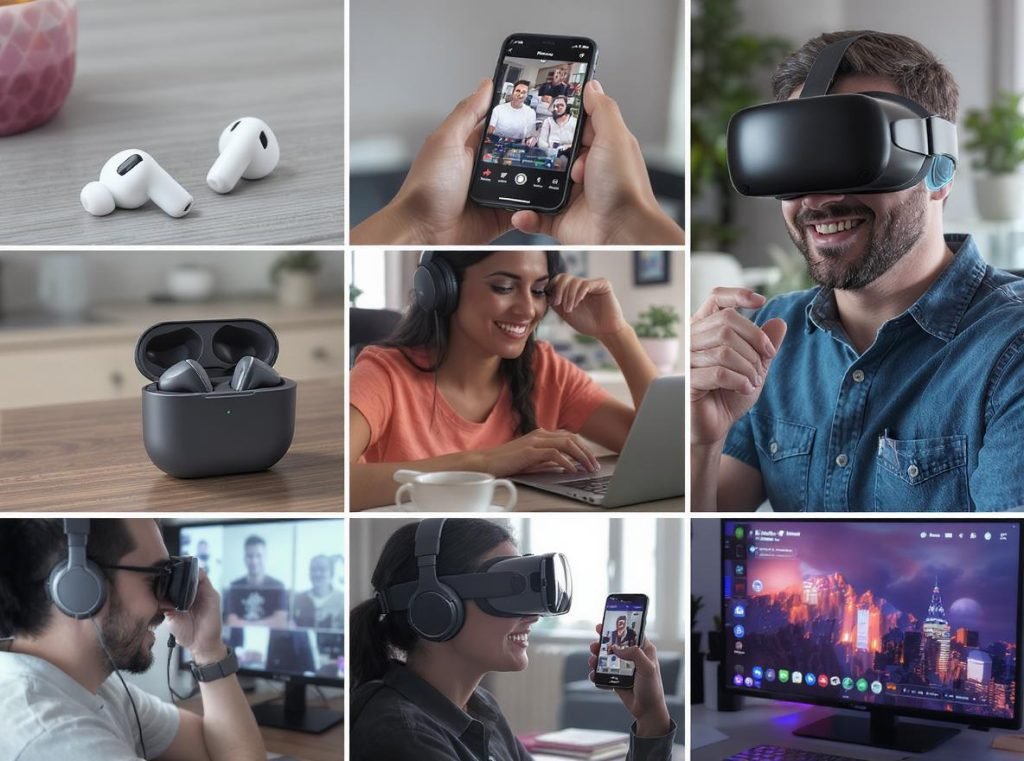
Remote Work and Professional Communication
The shift to remote work dramatically expanded professional headphone demand:
- Video conferencing and virtual meetings
- Call centers and customer service operations
- Content creation and digital media production
- Language learning and online education
This professional segment values features like noise cancellation, clear microphones, and all-day comfort – creating opportunities for wholesale partners to target B2B customers.
Fitness and Active Lifestyle Market
The fitness segment demands specialized features that create premium pricing opportunities:
- Sweat and water resistance for workout durability
- Secure fit designs for high-activity use
- Heart rate monitoring and biometric sensors
- Long battery life for extended training sessions
Gaming and Esports Industry
Gaming represents one of the fastest-growing segments, with the gaming headphone market valued at $2.5 billion in 2024 and projected to reach $4.78 billion by 2032. Gaming headphones require:
- Low-latency audio for competitive advantage
- Spatial audio and surround sound capabilities
- Integrated microphones for team communication
- Customizable RGB lighting and aesthetic features
Emerging Technology Applications
New technologies create additional wholesale opportunities:
Virtual and Augmented Reality
VR headsets require sophisticated spatial audio systems that create immersive experiences. This emerging market demands:
- Precise positional audio tracking
- Low-latency audio processing
- Comfortable extended-wear designs
- Integration with motion tracking systems
Smart Home Integration
Headphones increasingly serve as smart home control devices:
- Voice assistant integration for hands-free control
- Environmental awareness and transparency modes
- Seamless device switching and connectivity
- AI-powered audio optimization
Market Size and Growth Projections
| Segment | 2024 Market Value | 2030 Projection | Growth Rate |
|---|---|---|---|
| Total Headphone Market | $61.88 billion | $97.52 billion | 7.9% CAGR |
| Wireless Headphones | $25.1 billion | $202.5 billion (2033) | 27.2% CAGR |
| TWS Earbuds | $31.8 billion | $563.2 billion (2030) | 62.1% CAGR |
| Smart Headphones | $12.5 billion | $36.3 billion (2030) | 19.5% CAGR |
Geographic Market Opportunities
Different regions show varying preferences that inform wholesale strategies:
- North America: Premium features and brand recognition
- Europe: Sustainability and environmental responsibility
- Asia-Pacific: Value pricing and technological innovation
- Emerging markets: Basic functionality and affordability
For wholesale partners, this market diversification means multiple target audiences and product categories. Understanding regional preferences and application-specific requirements helps optimize product selection, pricing strategies, and customer targeting for maximum profitability.
How Has the Market Evolved Into Today’s Billion-Dollar Industry?
The journey from 10-pound shoulder-mounted telephone equipment to today’s sophisticated wireless earbuds represents one of technology’s most remarkable business transformations. This evolution created a multi-billion dollar industry with exceptional wholesale opportunities.
The headphone market has evolved from a niche communication tool into a $61.88 billion global industry projected to reach $97.52 billion by 2030. This growth is driven by technological innovation, market diversification, and the rise of wireless audio, particularly True Wireless Stereo earbuds.

Key Market Evolution Milestones
The transformation occurred through distinct phases that created different business opportunities:
Phase 1: Communication Foundation (1880s-1950s)
- Telephone operator tools established basic functionality
- Military applications drove durability and reliability standards
- Professional audio created quality benchmarks
Phase 2: Consumer Entertainment (1958-1980s)
- Stereo technology created the music listening market
- Portable devices like the Walkman popularized personal audio
- Multiple price points emerged for different consumer segments
Phase 3: Digital Revolution (1990s-2000s)
- Digital audio improved sound quality dramatically
- Early wireless technology began market adoption
- Computer and gaming applications expanded use cases
Phase 4: Wireless Dominance (2010s-Present)
- Bluetooth technology matured for mainstream adoption
- Smartphone integration created massive market demand
- True Wireless Stereo earbuds became the fastest-growing segment
Current Market Dynamics
Today’s market structure offers multiple opportunities for wholesale businesses:
Premium Segment Growth
High-end headphones with advanced features command premium pricing:
- Active noise cancellation has become standard
- Spatial audio and immersive technologies
- AI integration and smart features
- Sustainable materials and eco-friendly design
Mass Market Expansion
Affordable options with essential features serve price-conscious consumers:
- Basic wireless connectivity
- Adequate battery life and sound quality
- Simple controls and reliable performance
- Competitive pricing for volume sales
Specialized Applications
Niche markets provide opportunities for focused wholesale strategies:
- Professional audio and studio monitoring
- Gaming and esports equipment
- Fitness and sports applications
- Business and communication tools
Geographic Growth Patterns
Different regions show varying growth rates and preferences:
- Developed markets focus on premium features and brand loyalty
- Emerging markets prioritize value pricing and basic functionality
- Asia-Pacific leads in manufacturing and innovation
- Europe emphasizes sustainability and environmental responsibility
Future Growth Drivers
Several trends will continue driving market expansion:
- 5G technology enabling higher-quality wireless audio
- Health monitoring and biometric integration
- Virtual and augmented reality applications
- Voice assistants and smart home connectivity
Wholesale Business Implications
This market evolution creates specific opportunities for wholesale partners:
- Multiple price points allow diverse customer targeting
- Regional preferences enable specialized market focus
- Technological advancement cycles create regular upgrade demand
- Application diversity provides multiple revenue streams
Understanding this evolution helps wholesale businesses identify which market segments align with their capabilities, target customers, and growth objectives in this dynamic, profitable industry.
Summary
From 10-pound telephone operator tools in the 1880s to today’s AI-powered wireless earbuds, headphones have evolved into a $61.88 billion global industry. This remarkable transformation from communication necessity to entertainment essential creates diverse wholesale opportunities across professional, consumer, gaming, and emerging technology markets worldwide.
Ready to capitalize on the headphone industry’s continued growth? Contact Osmarto today to explore our comprehensive range of headphones designed for wholesalers, distributors, and retailers. Our experienced team understands market trends and can help you identify the perfect products for your target segments. Send us an inquiry to discover competitive wholesale pricing and reliable supply chain solutions for your headphone business success.