Skip to content
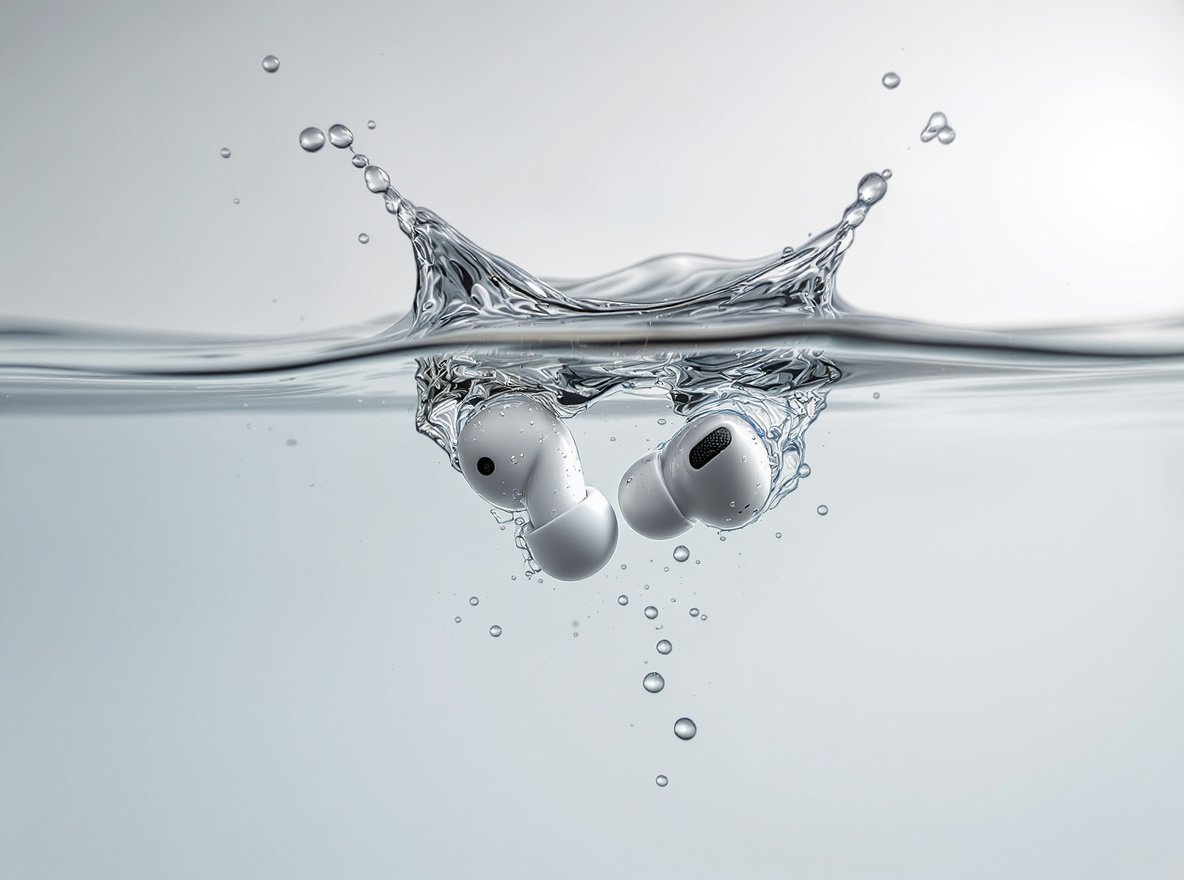
Dropping your earbuds in water can feel like a disaster, especially when they’re expensive or your go-to pair for daily use. Whether they fell into your coffee cup, got caught in the rain, or took an unexpected swim in the pool, water damage doesn’t always mean permanent destruction of your audio gear.
The key to saving water-damaged earbuds is acting within the first 30 minutes. Remove them from water immediately, power them off completely, remove all detachable parts, and begin proper drying procedures. Quick response and patience during the recovery process can often restore full functionality.
Don’t panic yet – many earbuds can survive water exposure with the right immediate care and systematic recovery approach.
What Should I Do Immediately After My Earbuds Get Wet?
The first 30 minutes after water exposure are absolutely critical for earbud survival. Your immediate response determines whether recovery is possible or if the damage becomes permanent.
Power down immediately and remove from water within seconds. Turn off wireless earbuds completely, disconnect wired models from devices, and remove batteries if possible. Never attempt to test, charge, or operate wet earbuds as electricity combined with water creates unintended current paths that permanently damage circuits.

Emergency Response Protocol
Remove your earbuds from water instantly – every second of submersion allows more moisture to penetrate internal components and protective seals.
Power off wireless earbuds completely using the proper shutdown sequence. For wired models, immediately disconnect from any device to prevent electrical damage through connected circuits.
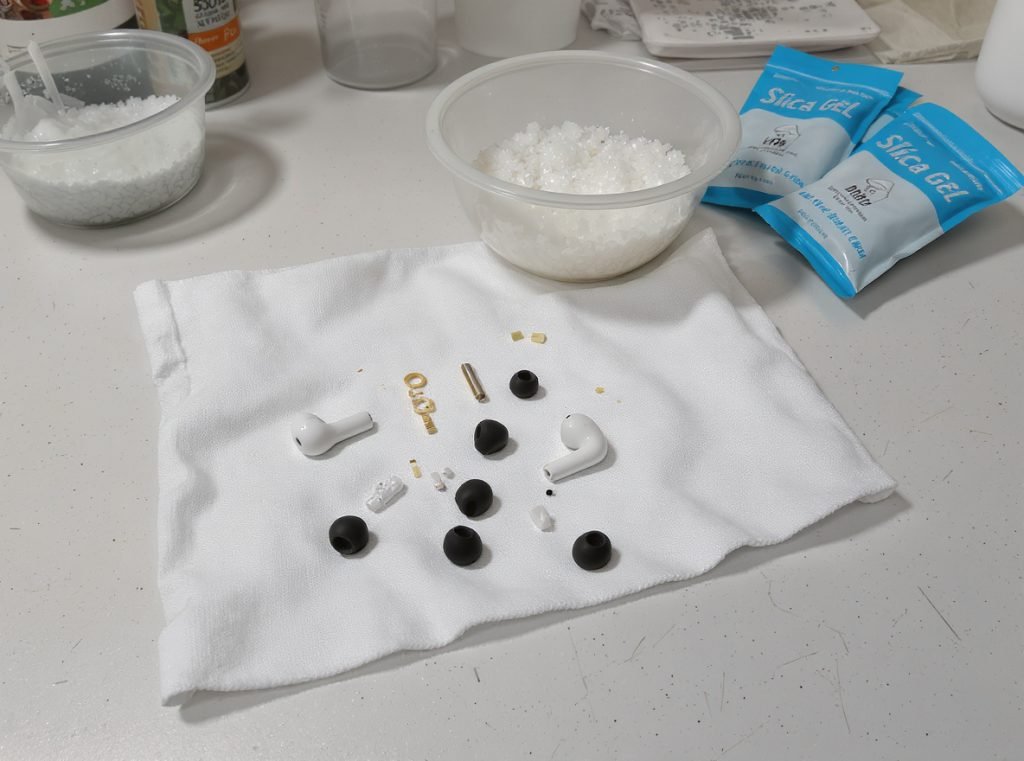
Remove all detachable components including ear tips, foam sleeves, covers, and any removable parts. This exposes trapped water areas and allows thorough drying of all surfaces.
Gently shake earbuds upside down to expel visible water, but avoid vigorous shaking that could damage delicate internal components or drive moisture deeper into circuit areas.
- Never test functionality while moisture is present
- Don’t attempt charging wet earbuds or cases
- Avoid pressing buttons or controls until completely dry
- Remove from charging cases immediately if they were submerged together
How Do I Properly Dry My Water-Damaged Earbuds?
Proper drying technique is the most critical factor in successful earbud recovery. The wrong approach can drive moisture deeper into electronics or cause permanent damage through improper heating.
Use gentle surface drying first, then deep moisture removal with desiccants. Never apply heat sources like hair dryers or ovens, as heat damages sensitive electronics, melts adhesives, and causes battery expansion. Allow 48-72 hours minimum drying time regardless of external appearance.
Surface Drying Methods
Begin with gentle blotting using soft, lint-free cloths to remove exterior moisture. Avoid tissues or paper towels that leave fiber residue on sensitive components.
Position disassembled earbuds on elevated, absorbent surfaces in well-ventilated areas. Rotate them periodically to encourage moisture evaporation from all angles.
Air drying requires 24-48 hours minimum in clean, dry environments with good airflow. Even earbuds that appear dry externally may contain internal moisture that takes significantly longer to evaporate.
Deep Moisture Removal Techniques
Rice Method: Submerge earbuds completely in 4-6 cups of uncooked rice within sealed containers. Rice acts as natural desiccant beads that absorb moisture from electronic components. Replace rice every 10-12 hours and continue for 48-72 hours.
Silica Gel Packets: More effective than rice, place earbuds with multiple fresh desiccant packets in airtight containers for 24-48 hours. Replace saturated packets when they no longer feel firm.
| Drying Method | Time Required | Effectiveness | Cost |
|---|---|---|---|
| Air Drying Only | 48-72 hours | Fair | Free |
| Rice Method | 48-72 hours | Good | Very Low |
| Silica Gel Packets | 24-48 hours | Excellent | Low |
| Professional Equipment | 12-24 hours | Superior | High |
Should I Use Cleaning Solutions for Water-Damaged Earbuds?
Different water types require specific cleaning approaches before drying. Clean water damage differs significantly from contaminated or mineral-rich water exposure that leaves harmful residues.
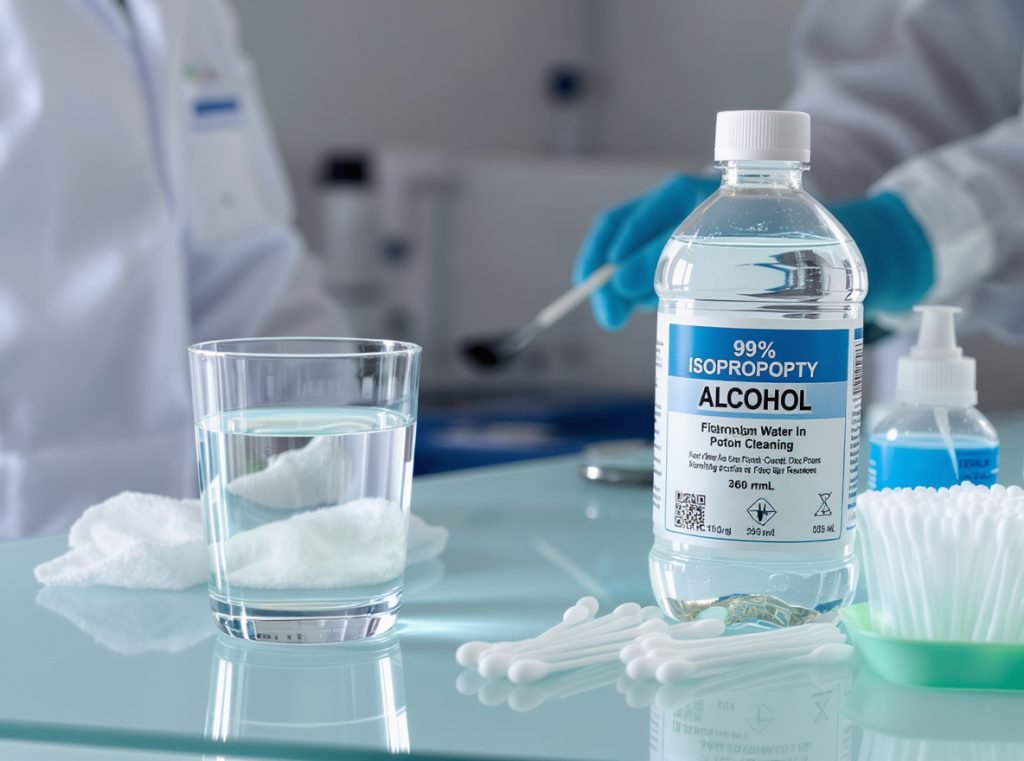
For salt water, pool water, or contaminated liquids, rinse with distilled water first to remove corrosive residues, then proceed with standard drying methods. Use 99% isopropyl alcohol for cleaning visible corrosion after initial drying, never during active moisture removal.
Water Type Treatment Guide
Clean water (rain, distilled water) typically requires only standard drying procedures since it leaves minimal conductive or corrosive residues behind.
Salt water or contaminated water requires immediate distilled water rinse to flush harmful minerals and contaminants. Fill a glass with distilled water, submerge earbuds briefly, shake gently, then remove and dry thoroughly.
Pool water contains chlorine and other chemicals that can cause long-term corrosion if not properly removed before the drying process begins.
Isopropyl Alcohol Guidelines:
- Use 99% concentration whenever possible (contains minimal water)
- 70% alcohol contains 30% water and requires 24+ hours additional drying
- Apply only after initial drying period to clean visible corrosion
- Never use rubbing alcohol with additives or perfumes
How Long Should I Wait Before Testing My Earbuds?
Rushing the testing process causes more earbud failures than the original water damage. Internal moisture takes significantly longer to evaporate than external appearances suggest.
Minimum waiting periods: 48-72 hours for air drying, 30 minutes to 1 hour after 99% isopropyl alcohol cleaning, 24+ hours after 70% alcohol use, and 48-72 hours with desiccant methods. Continue drying until rice or silica gel packets no longer absorb detectable moisture.
Testing Protocol and Timeline
The 48-hour minimum applies even to earbuds that appear completely dry externally. Internal cavities and circuit board areas retain moisture much longer than visible surfaces.
Visual inspection isn’t reliable for determining complete dryness. Moisture can hide in component gaps, speaker chambers, and charging port areas that look completely dry.
Begin testing gradually after waiting periods. Try powering on without connecting audio first. If basic functions work, test Bluetooth pairing before attempting audio playback.
Return to drying immediately if you notice crackling sounds, distorted audio, charging issues, or any irregular behavior during testing.
What Are the Signs That My Earbuds Can Be Saved?
Understanding recovery indicators helps determine whether continued efforts are worthwhile or if replacement becomes necessary for safety and functionality reasons.
Positive signs include normal power-on behavior, clear audio without crackling or distortion, proper Bluetooth pairing, normal charging functionality, and no visible swelling around battery areas. Warning signs include battery bloating, blue-green corrosion, persistent audio problems, or complete failure to power on.

Recovery Success Indicators
Normal LED indicators and standard power-on sequences suggest internal electronics survived water exposure without major circuit damage.
Clear, undistorted audio output across all frequency ranges indicates drivers and amplification systems are functioning properly without moisture interference.
Proper Bluetooth pairing and connection stability show wireless components and antenna systems weren’t compromised by water exposure.
Critical Warning Signs:
- Battery swelling or bloating (immediate safety hazard – discontinue use)
- Blue-green corrosion visible on charging contacts or internal components
- Persistent crackling, static, or muffled audio after complete drying
- Complete power failure after 72+ hours of proper drying
- Charging case malfunctions or connection issues
Long-term Performance Monitoring
Even successfully recovered earbuds may show delayed effects from water exposure. Monitor for gradually declining battery life, intermittent connection issues, or slowly developing audio problems over the following weeks.
Repeated minor moisture exposure from humidity or sweat can cause cumulative damage even when individual incidents seem harmless.
Can Water-Resistant Earbuds Survive Being Dropped in Water?
IP ratings provide valuable guidance for water exposure expectations, but they represent controlled testing conditions that don’t always match real-world accident scenarios.
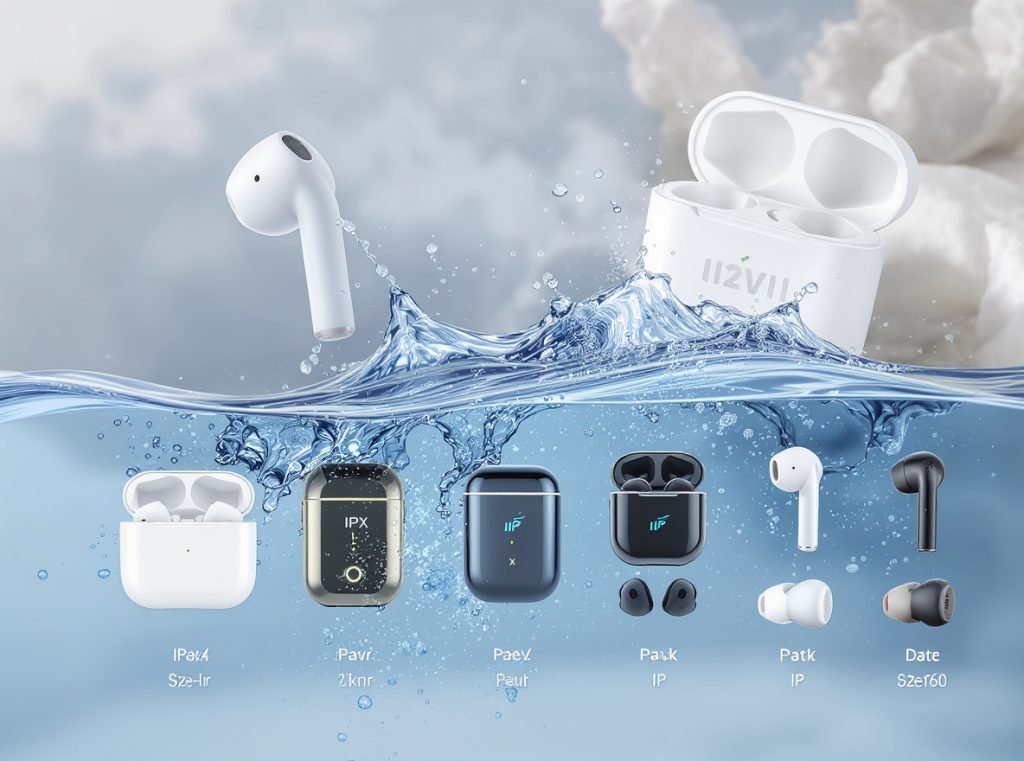
IPX4 earbuds handle splash resistance, IPX7 models can survive submersion up to 1 meter for 30 minutes, and IPX8 units withstand submersion up to 3 meters for 30 minutes. However, no consumer earbuds are truly waterproof, and all benefit from immediate drying procedures after water exposure.
IP Rating Survival Analysis
IPX4 protection covers workout sweat and light rain exposure but offers minimal defense against accidental submersion in sinks, toilets, or drink containers.
IPX7 ratings indicate earbuds can survive brief accidental drops in shallow water like bathtubs, pools, or large drink containers without immediate damage.
IPX8 protection provides the best survival chances for deeper water accidents, but extended exposure beyond rated limits still causes damage.
| IP Rating | Protection Level | Typical Survival Rate | Recovery Time |
|---|---|---|---|
| IPX1-IPX3 | Light moisture only | 20-30% | 72+ hours |
| IPX4-IPX5 | Splash resistant | 40-60% | 48-72 hours |
| IPX6-IPX7 | Temporary submersion | 60-80% | 24-48 hours |
| IPX8 | Extended submersion | 80%+ | 12-24 hours |
Real-world factors affecting survival: Water pressure from strong jets, temperature extremes affecting protective seals, salt water or chlorinated pool exposure, and impact damage from dropping can compromise even high-rated models.
When Should I Consider Professional Repair Services?
Professional repair becomes economically viable for premium earbuds when DIY recovery methods fail or when dealing with complex internal damage beyond consumer repair capabilities.
Seek professional help when earbuds cost over $200, DIY methods fail after 72+ hours, visible internal corrosion appears, or battery swelling occurs. Professional services cost $70-150 and have specialized equipment like ultrasonic cleaners, but replacement parts aren’t available for most consumer models.

Professional vs. DIY Decision Matrix
Cost-benefit analysis is essential since professional repair often costs 25-50% of replacement prices. Budget earbuds under $100 rarely justify professional repair expenses.
Professional services offer specialized ultrasonic cleaning equipment, component-level diagnosis capabilities, and access to manufacturer repair protocols unavailable to consumers.
When to Contact Manufacturers:
- Check warranty coverage first (most exclude water damage)
- Some companies offer water damage assessment programs
- Premium brands may have authorized repair networks
- Extended warranty plans sometimes cover accidental damage
Time sensitivity matters since professional repair typically requires 1-2 weeks turnaround, while DIY attempts provide immediate results (successful or otherwise).
How Can I Prevent Future Water Damage to My Earbuds?
Prevention strategies provide better outcomes and lower costs than recovery attempts after water damage occurs. Choosing appropriate protection levels and developing protective habits eliminates most water damage scenarios.
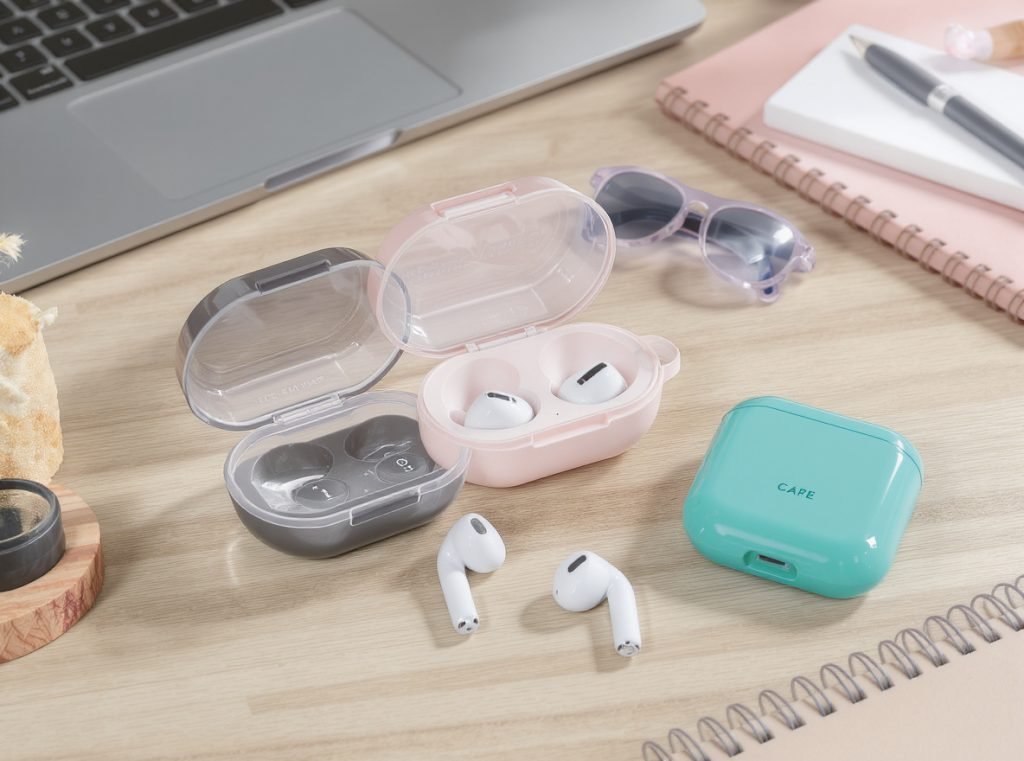
Select earbuds with IPX7 or higher ratings for active lifestyles, use protective cases during water-adjacent activities, and establish habits that keep earbuds away from moisture hazards. Apply nano-coating sprays designed for electronics and store with desiccant packs in humid climates.
Lifestyle-Based Protection Strategies
Choose IP ratings appropriate for your specific activities and environment. IPX4 suffices for basic gym use, while IPX7+ becomes essential for outdoor sports or humid work environments.
Daily Protection Habits:
- Remove earbuds before entering bathrooms, kitchens, or areas with liquid hazards
- Store in protective cases when not actively in use
- Keep away from humid environments like steamy bathrooms
- Avoid handling with wet hands or during food preparation
- Use waterproof cases for beach, pool, or marine activities
Environmental Considerations:
- Use desiccant packs in storage cases for humid climates
- Apply electronics-safe nano-coating sprays following manufacturer guidelines
- Perform weekly cleaning with dry cloths to prevent moisture buildup
- Inspect charging ports regularly for debris that compromises water resistance
Commercial Applications and Business Considerations
For businesses providing earbuds to employees or customers, water resistance becomes a critical factor in total cost of ownership and user satisfaction.
Companies operating in moisture-prone environments should prioritize IPX7+ ratings to minimize replacement costs and downtime from water damage incidents.
B2B Partnership Benefits: Working with manufacturers who prioritize water resistance testing and provide detailed IP certification reduces warranty claims and customer service issues. Contact our team to explore commercial-grade water-resistant earbud solutions designed for challenging work environments and demanding user applications.
Summary
Water damage doesn’t automatically spell doom for your earbuds when you respond quickly and follow proper recovery procedures. The key steps include immediate power-down and removal from water, thorough disassembly of removable parts, appropriate drying methods using desiccants, and patience during the 48-72 hour recovery period. While success rates vary based on water type, exposure duration, and IP ratings, systematic recovery approaches give water-damaged earbuds their best survival chance.
For businesses seeking reliable audio solutions that minimize water damage concerns, partnering with experienced manufacturers ensures access to properly rated products and technical support when issues arise.