Skip to content
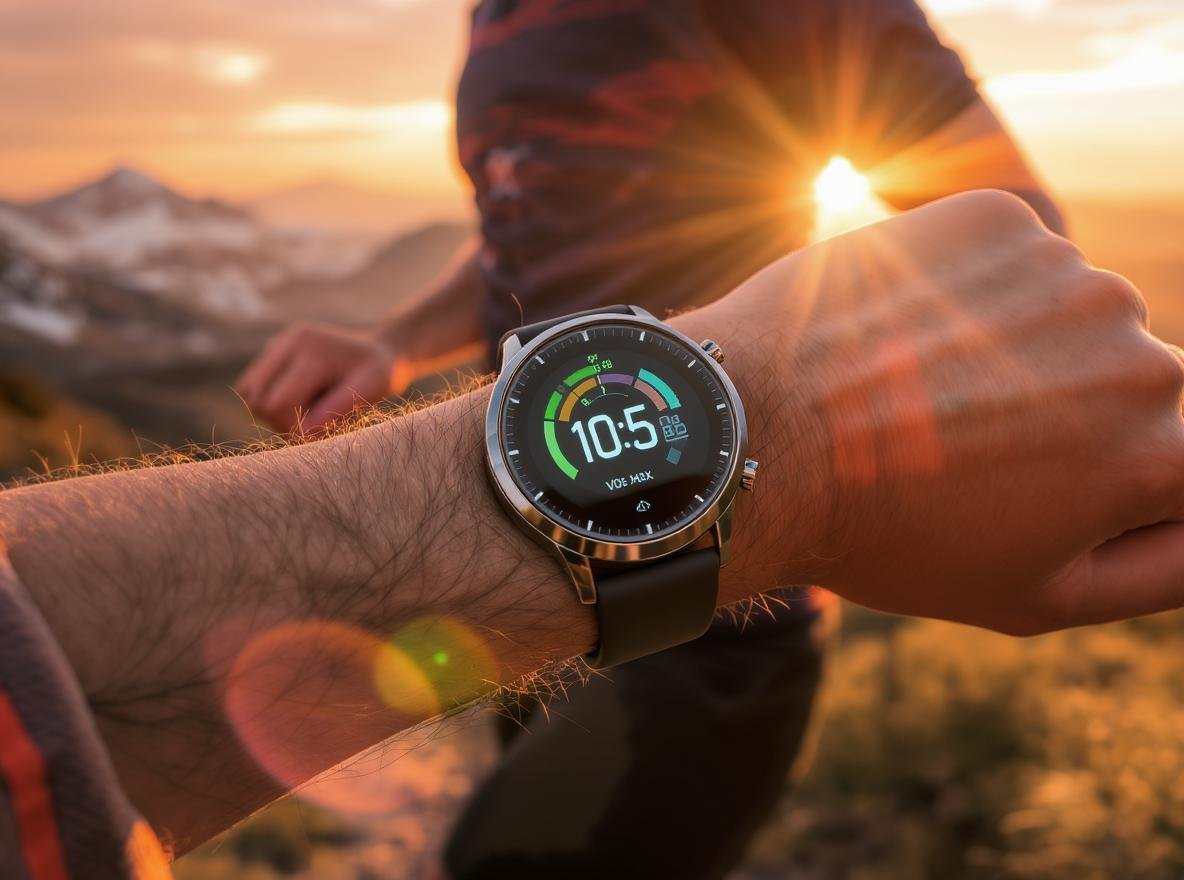
Understanding your fitness level has become easier with modern smartwatches, but the VO2 max score remains confusing for many users. This crucial fitness metric could be the key to optimizing your health and performance.
VO2 max is the maximum volume of oxygen your body can import, transport and use in a single minute during intense physical activity, measured as milliliters of oxygen per kilogram of body weight per minute (mL/kg/min). Smartwatches estimate VO2 max using heart rate data, GPS pace tracking, and personal information including age, weight, and gender through sophisticated algorithms with typical accuracy within 4-15% of laboratory tests.
Let’s explore everything you need to know about this important fitness measurement and how your smartwatch calculates it.
What Exactly is VO2 Max and Why Does It Matter?
Understanding VO2 max helps you gauge your cardiovascular fitness and overall health status with remarkable precision.
VO2 max represents the highest rate at which your body can take in, transport, and utilize oxygen during exhaustive exercise. It’s determined by pulmonary ventilation capacity, cardiac output, blood oxygen-carrying capacity, and mitochondrial density in skeletal muscle, making it the gold standard for measuring cardiorespiratory fitness.

Your VO2 max score serves as one of the most reliable indicators of cardiovascular health and longevity. Each 1 mL/kg/min increase is associated with a 9% reduction in all-cause mortality, making it as important as traditional risk factors like blood pressure or cholesterol levels.
The American Heart Association now recommends routine VO2 max assessment because low cardiorespiratory fitness carries health risks comparable to smoking or hypertension. This shift highlights the metric’s evolution from a specialized sports science measurement to a vital health indicator.
Key Health Implications:
- Predicts cardiovascular disease risk more accurately than BMI
- Correlates directly with longevity and quality of life
- Indicates overall metabolic health and efficiency
- Reflects your body’s ability to deliver oxygen to working muscles
Elite endurance athletes typically display VO2 max values of 70-90 mL/kg/min, nearly double the average sedentary adult’s 35-40 mL/kg/min range. This dramatic difference illustrates the metric’s wide range and improvement potential.
How Do Smartwatches Calculate Your VO2 Max Score?
Modern smartwatches use sophisticated sensor fusion and algorithms to estimate VO2 max without requiring laboratory equipment.
Smartwatches combine photoplethysmography (PPG) heart rate sensors, GNSS GPS tracking, barometric pressure readings, and accelerometer data with your personal profile information. Different brands use proprietary algorithms developed with partners like Firstbeat or in-house research teams to convert this sensor data into VO2 max estimates.
The calculation process involves multiple sophisticated components working together seamlessly. Your device continuously monitors physiological responses during exercise, analyzing the relationship between heart rate, exercise intensity, and movement efficiency.
Primary Sensor Inputs:
- Optical heart rate monitoring through LED sensors
- GPS speed and elevation tracking for pace analysis
- Barometric pressure for altitude adjustments
- Accelerometer data for cadence and stride patterns
- User profile data including age, weight, and gender
| Brand | Algorithm Partner | Minimum Exercise Requirement | Key Method |
|---|---|---|---|
| Apple Watch | In-house + Columbia University | 20+ min outdoor walk/run at ≥70% HR reserve | Neural network solving differential equations using HR + speed |
| Garmin | Firstbeat | 10+ min steady outdoor run/cycle | Heart rate-speed regression corrected for demographics |
| Fitbit | Firstbeat | 10+ min GPS run or 1,000+ steps brisk walk | Heart rate reserve model refined by GPS pace |
| Polar | Running Index | 12+ min run above 40% max HR | Speed-HR-altitude integration with proprietary scaling |
| Samsung | Samsung Health/Firstbeat | 1+ km outdoor run at ≥4 km/h on flat terrain | Heart rate-speed regression with terrain requirements |
The algorithms remove segments with optical heart rate outliers or GPS drift to ensure data quality. Weight and age entry errors can bias readings by 5-10%, emphasizing the importance of accurate profile information.
What is Considered a Good VO2 Max Score?
VO2 max scores vary significantly based on age, gender, and fitness level, making age-adjusted comparisons essential for meaningful interpretation.
According to Cooper Institute normative data, a “good” VO2 max score corresponds to the 60th percentile for your age and gender. For example, a 30-year-old man scoring 44+ mL/kg/min or a 30-year-old woman scoring 38+ mL/kg/min would be considered to have good cardiovascular fitness.

Age significantly impacts VO2 max expectations due to natural cardiovascular changes over time. Younger individuals typically achieve higher absolute scores, but age-adjusted ratings provide more meaningful health assessments.
Cooper Institute Classification Standards (60th Percentile “Good” Scores):
| Age Range | Men (mL/kg/min) | Women (mL/kg/min) |
|---|---|---|
| 20-29 years | 45.4+ | 39.5+ |
| 30-39 years | 44.0+ | 37.8+ |
| 40-49 years | 42.4+ | 36.3+ |
| 50-59 years | 39.2+ | 33.0+ |
| 60-69 years | 35.5+ | 30.0+ |
| 70-79 years | 32.3+ | 28.1+ |
Elite athlete benchmarks provide perspective on peak human performance. World-class cross-country skiers achieve approximately 90 mL/kg/min, while elite female marathoners typically score 65-73 mL/kg/min.
Your smartwatch typically provides age and gender-adjusted ratings automatically, displaying results as “Superior,” “Excellent,” “Good,” “Fair,” or “Poor” rather than requiring manual comparisons to reference tables.
How Accurate Are Smartwatch VO2 Max Measurements?
While convenient for daily monitoring, smartwatch VO2 max estimates have inherent limitations compared to laboratory gold-standard testing.
Validation studies show smartwatch VO2 max estimates typically achieve mean absolute percentage errors (MAPE) of 4-15% compared to laboratory gas exchange testing. For healthy adults performing steady outdoor runs with good heart rate and GPS signals, estimates are usually within ±5 mL/kg/min of laboratory values.
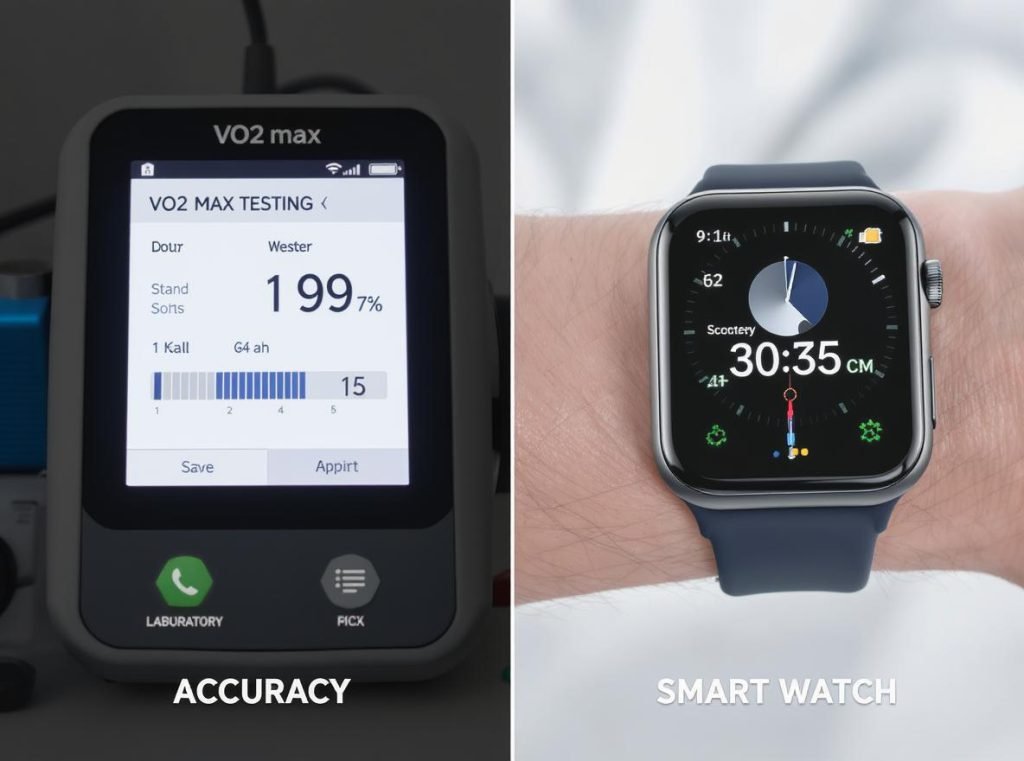
Laboratory testing remains the definitive measurement method, using breath-by-breath gas analysis during incremental exercise to exhaustion. This direct measurement of oxygen consumption and carbon dioxide production provides precise, unambiguous results.
Validation Study Results:
| Device | Study Sample | Laboratory Comparison | Bias | Accuracy (MAPE) |
|---|---|---|---|---|
| Garmin Forerunner 245 | 35 participants | Treadmill gas analysis | -2.8 mL/kg/min | 5.7% |
| Apple Watch Series 7 | 19 participants | Cycling ergometer test | -4.5 mL/kg/min | 15.8% |
| Apple Watch (2025) | 30 participants | Treadmill testing | -6.1 mL/kg/min | 13.3% |
| Fitbit Charge 2 | 22 participants | Treadmill VO2 max test | Variable | Strong correlation (r=0.87) |
Accuracy depends heavily on measurement conditions and individual physiology. Dark tattoos, wrist hair, loose bands, or excessive sweating can distort optical heart rate signals, affecting calculations significantly.
Factors Reducing Accuracy:
- Optical heart rate sensor limitations during high-intensity exercise
- GPS signal quality in urban environments or poor weather
- Incorrect personal profile information (weight, age, gender)
- Medical conditions affecting heart rate response
- Environmental factors like temperature, altitude, or terrain
For most users, smartwatch estimates provide sufficient accuracy for trend monitoring and fitness goal setting, even if absolute values differ from laboratory measurements.
Which Smartwatch Brands Offer VO2 Max Tracking?
Most major smartwatch manufacturers now include VO2 max estimation capabilities, each using different algorithms and measurement requirements.
Leading brands offering VO2 max tracking include Apple Watch (Cardio Fitness), Garmin (VO2 Max Estimate), Samsung Galaxy Watch, Fitbit (Cardio Fitness Score), Polar (Running Index), Suunto (Fitness Level), COROS (Running VO2 Max), and Huawei (Training Index VO2 Max). Each brand requires specific workout conditions and uses proprietary calculation methods.

Apple Watch provides VO2 max through its Cardio Fitness feature, requiring outdoor walks or runs lasting at least 20 minutes with heart rate above 70% of heart rate reserve. The device uses neural networks and differential equation models developed with Columbia University.
Garmin devices are widely recognized for sports science accuracy, requiring 10-15 minutes of steady outdoor running or cycling with GPS. Their partnership with Firstbeat Analytics provides scientifically validated algorithms specifically designed for athletic performance monitoring.
Brand Comparison Overview:
| Brand | Feature Name | Workout Requirement | Validation Evidence | Target Market |
|---|---|---|---|---|
| Apple | Cardio Fitness | 20+ min outdoor activity at 70%+ HR reserve | Multiple peer-reviewed studies, 4-16% MAPE | General fitness consumers |
| Garmin | VO2 Max Estimate | 10+ min steady GPS activity | Extensive validation, 5-6% MAPE | Serious athletes and fitness enthusiasts |
| Samsung | VO2 Max | 1+ km flat outdoor run at 4+ km/h | Limited formal validation | Mainstream consumers |
| Fitbit | Cardio Fitness Score | 10+ min GPS run or brisk walk | Small-scale studies available | Health-focused users |
| Polar | Running Index | 12+ min run above 40% max HR | Peer-reviewed validation studies | Endurance athletes |
Each manufacturer’s approach reflects their target audience and technical expertise. Sports-focused brands like Garmin and Polar typically require more rigorous measurement conditions but provide higher accuracy for serious athletes.
How Can You Improve Your VO2 Max Score?
Strategic training approaches combined with lifestyle optimization can effectively increase VO2 max and overall cardiovascular health.
High-intensity interval training (HIIT) provides the most effective method for improving VO2 max, with 4×4-minute intervals at 90-95% maximum heart rate producing 7-13% improvements within 6 weeks. Combining HIIT with zone 2 endurance training, tempo runs, and resistance training creates optimal adaptation stimulus.

HIIT creates the greatest physiological adaptations by challenging your cardiovascular system’s maximum capacity. These intense efforts force improvements in cardiac output, oxygen transport, and muscle oxygen utilization efficiency.
Proven Training Methods:
- High-Intensity Intervals: 4×4 minutes at 90-95% max HR with 3-minute recovery
- Long Intervals: 3-minute efforts at VO2 max pace with 2-minute recovery
- Tempo Runs: 20-30 minutes at 85% VO2 max to enhance lactate threshold
- Zone 2 Endurance: 60-90 minutes at 60-70% VO2 max for mitochondrial development
- Resistance Training: Supporting cardiac stroke volume and oxygen transport
Lifestyle factors significantly impact VO2 max development beyond structured exercise. Weight management directly affects scores since VO2 max is expressed per kilogram of body weight – losing 5 kg of fat can raise your score by approximately 5 mL/kg/min.
Sample Weekly Training Structure:
- 2 HIIT sessions (Tuesday, Friday)
- 1 tempo run (Thursday)
- 1 long endurance session (Sunday)
- 2 resistance training sessions
- 1-2 easy recovery activities
Sleep quality, stress management, and proper nutrition support training adaptations. Iron deficiency can impair hemoglobin capacity – correcting deficiency improves VO2 max up to 7% in some individuals.
Monitor progress using your smartwatch’s trending features rather than daily fluctuations. Meaningful improvements typically require 4-8 weeks of consistent training to become apparent in VO2 max measurements.
What Are the Limitations of Smartwatch VO2 Max Readings?
Understanding smartwatch limitations helps set realistic expectations and optimize measurement accuracy.
Smartwatch VO2 max estimates face several key limitations: sensor noise from environmental factors, algorithm assumptions that may not apply to all individuals, device variation between brands, medical conditions affecting heart rate response, and population bias toward healthy adults aged 20-60 years.
Optical heart rate sensors struggle with accuracy during high-intensity exercise, particularly with dark skin tones, tattoos, or excessive arm hair. These factors can cause heart rate spikes or dropouts that significantly impact VO2 max calculations.
Environmental conditions create substantial measurement challenges. Hot weather, high altitude, humidity, and strong winds influence heart rate responses independent of fitness changes. Your smartwatch may interpret these responses as fitness variations rather than environmental impacts.
Primary Limitations:
- Sensor Accuracy: Optical HR errors up to ±10 bpm during intense exercise
- Environmental Interference: Temperature, altitude, and weather affect readings
- Individual Variation: Running economy and physiology differ between people
- Algorithm Assumptions: Models trained on specific populations may not apply universally
- Medical Exclusions: Arrhythmias, pacemakers, and medications invalidate HR-based estimates
Device switching creates apparent fitness changes when algorithms differ between manufacturers. Moving from one brand to another often produces sudden score drops or increases that reflect calculation differences rather than actual fitness changes.
Firmware updates can silently alter algorithms, causing temporary inconsistencies in measurements. Users occasionally report VO2 max features disappearing or changing dramatically after software updates.
Despite these limitations, smartwatches provide valuable long-term trending information when used consistently. Focus on directional changes over months rather than absolute values or daily fluctuations.
How Often Should You Check Your VO2 Max Score?
Optimal VO2 max monitoring frequency balances useful feedback with realistic physiological adaptation timelines.
Check your VO2 max score monthly rather than daily, as meaningful cardiovascular fitness changes typically require 2-3 weeks of consistent training to become apparent. Weekly trending during intense training phases can provide additional insight, but daily monitoring often reflects temporary fluctuations rather than true fitness changes.

Physiological adaptations to cardiovascular training follow predictable timelines. Immediate post-exercise changes reflect fatigue and recovery status rather than improved fitness capacity. True VO2 max improvements require time for cellular adaptations including increased mitochondrial density and improved cardiac stroke volume.
Daily checking provides minimal value due to normal biological fluctuations. Sleep quality, hydration status, stress levels, and recent exercise history all influence heart rate responses temporarily without indicating fitness changes.
Recommended Monitoring Schedule:
- Monthly assessments: Primary progress tracking and goal adjustment
- Weekly trends during peak training: Monitor adaptation to intense programs
- Post-training block evaluation: Assess effectiveness of 4-6 week training cycles
- Quarterly comprehensive reviews: Long-term fitness trajectory analysis
Use your smartwatch’s historical graphing features to visualize trends over extended periods. Most devices provide 3-12 month trend displays that smooth out daily variations and highlight meaningful changes.
Special Circumstances for More Frequent Monitoring:
- Return from injury or illness
- Major training program changes
- Competition preparation phases
- Significant weight loss programs
Consistency in measurement conditions improves reliability. Check VO2 max after similar workout types, at consistent times of day, and under comparable environmental conditions when possible.
Practical Tips for Maximizing Smartwatch VO2 Max Accuracy
Optimizing measurement conditions significantly improves the reliability and consistency of smartwatch VO2 max estimates.
Maximize accuracy by tightening your wrist strap during workouts, warming up 10 minutes before VO2 max eligible activities, choosing flat terrain with clear GPS reception, keeping personal profile information current, and maintaining consistent measurement conditions between sessions.
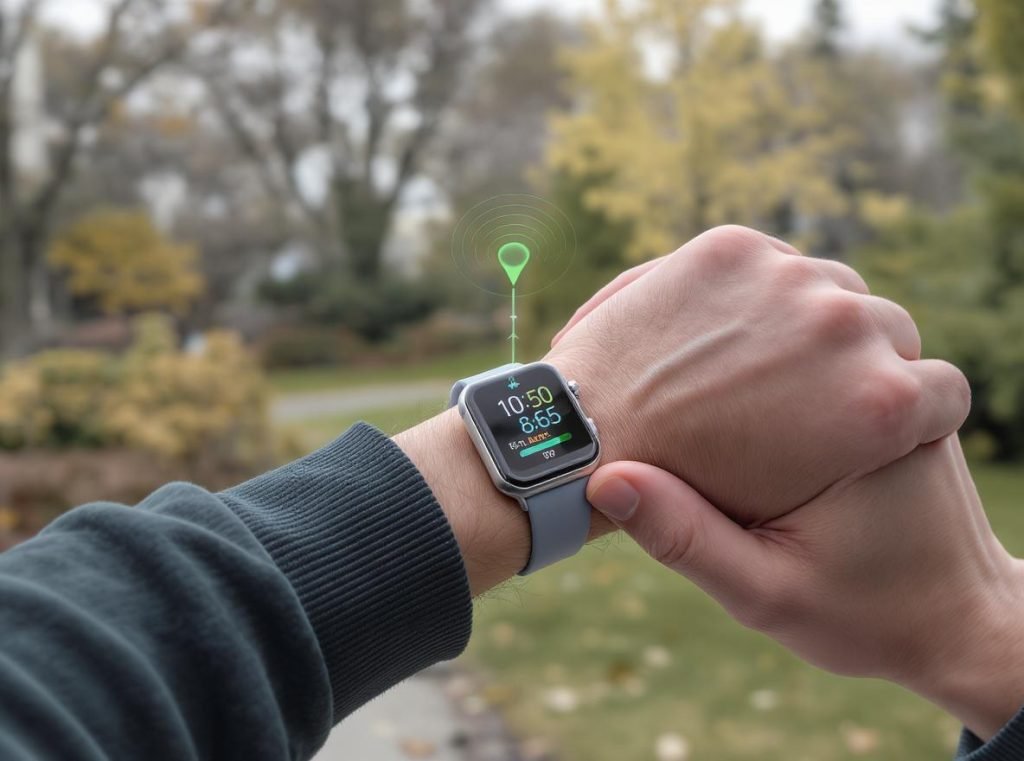
Proper device positioning dramatically affects optical heart rate accuracy. The watch should sit snugly on your wrist, approximately one finger-width tighter than casual wear, positioned above the wrist bone where blood flow is strongest.
GPS signal quality directly impacts pace calculations used in VO2 max algorithms. Choose open areas with clear sky views, avoiding tall buildings, dense tree cover, or underground passages during qualifying workouts.
Optimization Checklist:
- Device Fit: Snug but comfortable positioning above wrist bone
- Profile Accuracy: Update weight monthly, verify age and gender settings
- Environmental Selection: Flat terrain with clear GPS reception
- Warm-up Protocol: 10-minute gradual intensity increase before measurement
- Consistent Conditions: Similar routes, times, and weather when possible
Regular calibration improves algorithm accuracy for your individual physiology. Complete several qualifying workouts under optimal conditions to establish baseline measurements before tracking trends.
Update your weight in the companion app monthly, especially during weight management programs. Since VO2 max is expressed per kilogram, weight changes directly affect calculations even without fitness improvements.
Avoid measuring VO2 max immediately after illness, during high stress periods, or when using medications that affect heart rate response. These factors can temporarily skew readings and create misleading trend data.
Summary
VO2 max measures your body’s maximum oxygen utilization capacity during intense exercise, serving as the gold standard for cardiovascular fitness assessment. Smartwatches estimate this metric using heart rate, GPS, and personal data with 4-15% accuracy compared to laboratory testing. Monthly monitoring reveals meaningful fitness trends while strategic training approaches can improve scores significantly.
Ready to leverage advanced VO2 max tracking for your business success? Osmarto’s precision-engineered smartwatches deliver laboratory-grade fitness monitoring capabilities perfect for wholesalers, distributors, and retailers serving health-conscious consumers worldwide. Our B2B smart watch solutions combine cutting-edge sensor technology, validated algorithms, and competitive wholesale pricing to strengthen your market position. Contact Osmarto today to explore partnership opportunities and discover how our innovative wearable technology can drive your business growth in the expanding fitness tracking market.