Skip to content
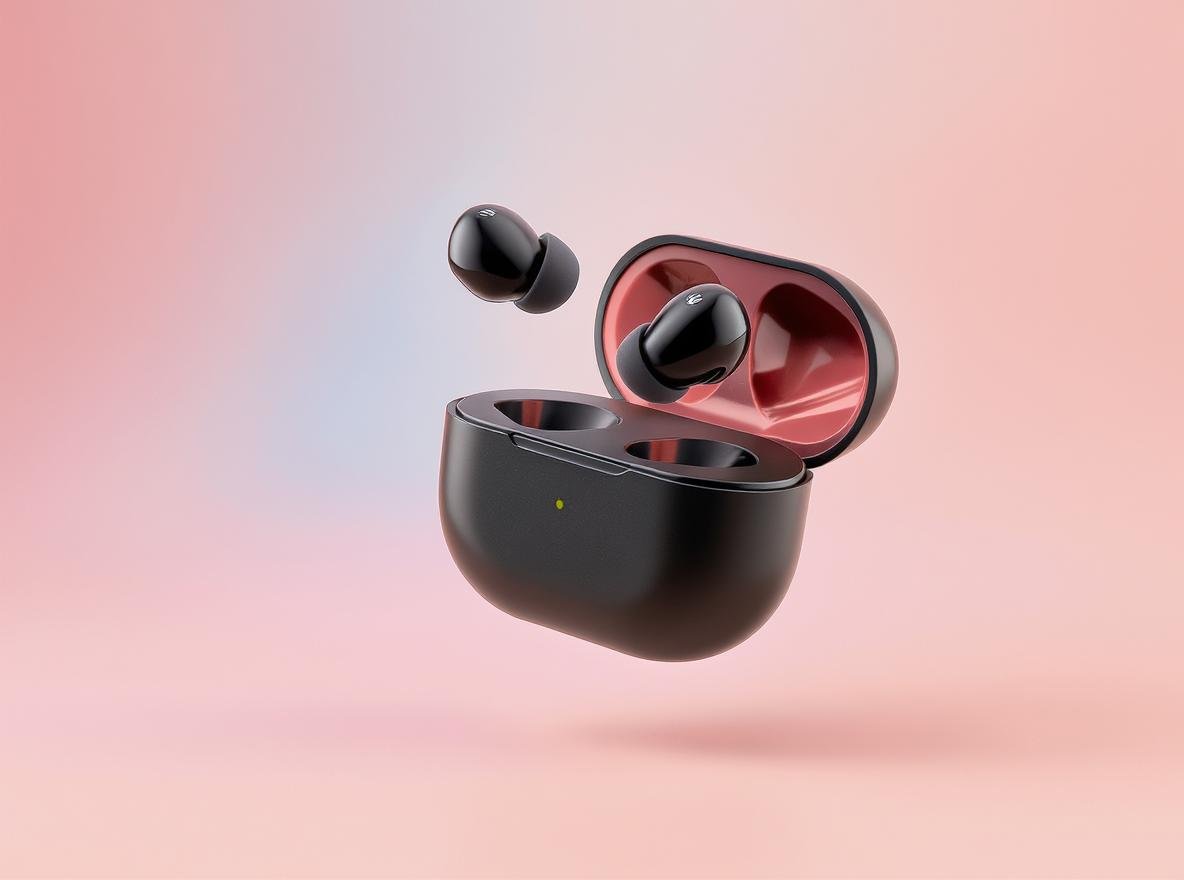
Tired of tangled cables restricting your movements during workouts? Frustrated with wires breaking at the worst possible moments? Traditional wired earbuds limit your freedom and often fail when you need them most. TWS technology completely eliminates these daily headaches.
TWS (True Wireless Stereo) earbuds are completely cable-free audio devices that use Bluetooth technology to deliver authentic stereo sound without any physical connections between the earbuds or to your device. Unlike regular wireless earbuds with connecting neckbands, TWS earbuds offer complete independence with two separate earpieces communicating wirelessly.
Continue reading to understand the sophisticated technology powering this audio revolution and why TWS represents the future of personal audio for businesses worldwide.
How Do TWS Earbuds Actually Work Through Wireless Technology?
Understanding TWS operational mechanics helps retailers explain the value proposition to customers and differentiate premium models from basic alternatives.
TWS earbuds operate using a master-slave configuration where one earbud connects directly to your device, then forwards audio signals to the second earbud through independent Bluetooth communication. This creates a triangular connection network between your phone and both earpieces for synchronized stereo playback.
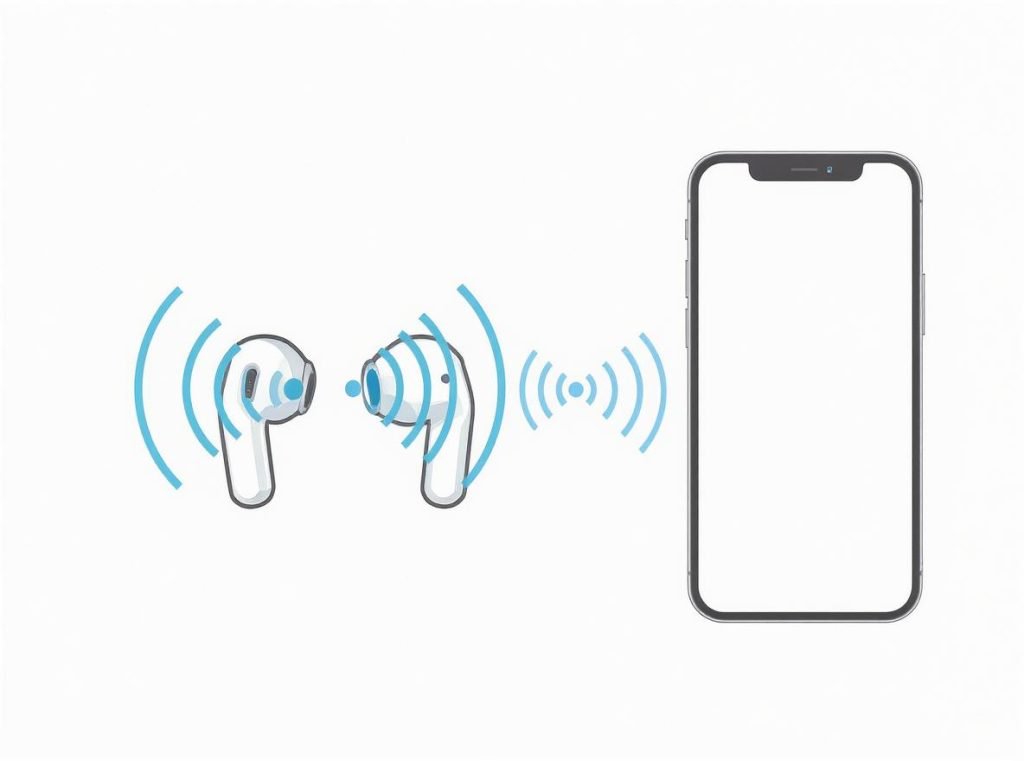
The master earbud receives compressed audio data from your smartphone using codecs like SBC, AAC, or aptX. Advanced processing chips then decode this signal and simultaneously transmit the appropriate left or right channel to the slave earbud in real-time.
Synchronization happens through continuous timing exchanges between earbuds. They calculate transmission delays and compensate for any latency, typically achieving synchronization within 25 microseconds between channels. This precision ensures seamless stereo experiences without noticeable audio delays.
Modern premium TWS models feature dual master technology. Either earbud can serve as the primary connection, automatically switching roles if one earpiece is removed or experiences battery depletion. This redundancy improves connection stability and user experience.
The entire process requires sophisticated Bluetooth protocols specifically designed for TWS applications. These enhanced protocols manage multiple simultaneous connections while maintaining audio quality and minimizing power consumption.
What Technology Components Make TWS Earbuds Function?
TWS earbuds contain remarkably advanced miniaturized technology that enables their wireless functionality and audio performance.
Each TWS earbud houses a Bluetooth system-on-chip (SoC), dynamic driver, lithium-ion battery, multiple MEMS microphones, accelerometers, and specialized antenna systems all integrated into housings typically under 20 grams. This technological density requires precision engineering and quality components.
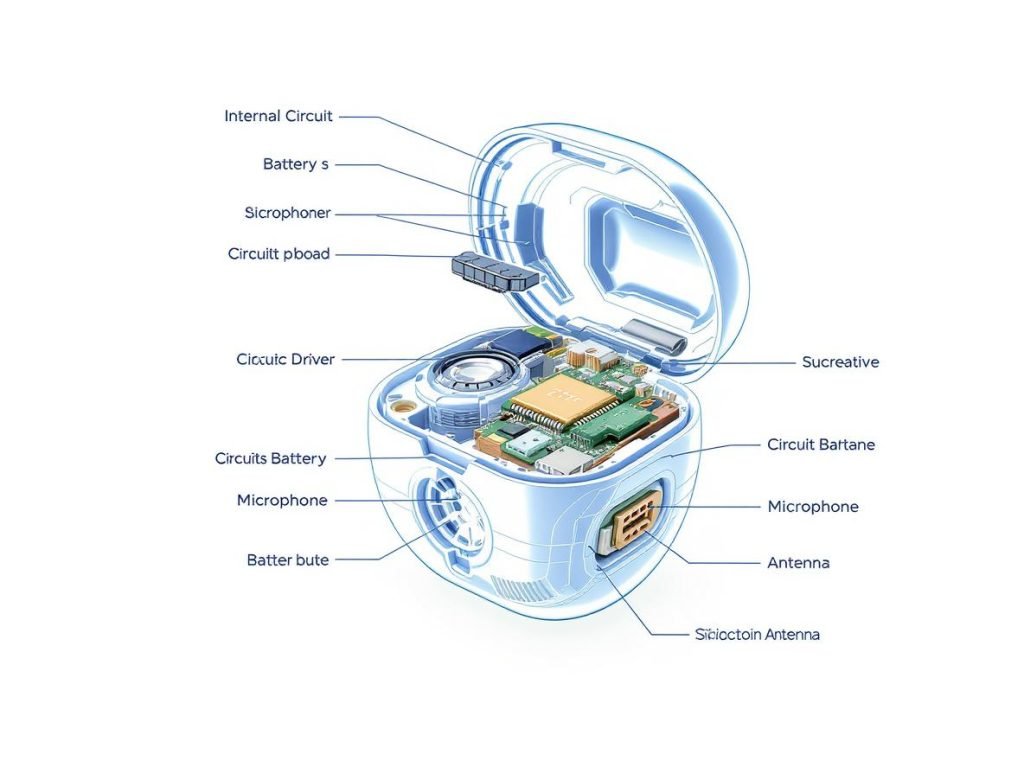
The Bluetooth SoC serves as the computational brain, handling connectivity, audio processing, and inter-earbud communication. Popular chips include Qualcomm QCC5144, Realtek RTL8763B, and specialized TWS processors that determine connection stability and audio codec support.
| Component | Function | Typical Specifications |
|---|---|---|
| Bluetooth Chip | Audio processing & connectivity | Qualcomm QCC51xx series |
| Driver Unit | Sound reproduction | 6mm-13mm dynamic drivers |
| Battery | Power supply | 30-50mAh per earbud |
| Microphones | Calls & voice commands | 2-4 MEMS microphones |
| Sensors | Motion detection | Accelerometers, proximity sensors |
Dynamic drivers convert electrical signals into sound waves, typically ranging from 6mm to 13mm diameter. Smaller drivers can deliver excellent audio quality when engineered properly, making them ideal for compact TWS designs.
Battery technology enables portable operation with lithium-ion cells providing 3-8 hours playback per charge. The charging case extends total usage to 20-40 hours, addressing the primary limitation of wireless operation.
Multiple MEMS microphones enable hands-free calling, voice assistant activation, and advanced noise cancellation features. Premium models incorporate 3-4 microphones per earbud for superior call quality and environmental noise management.
How Do TWS Earbuds Differ from Regular Wireless Headphones?
Understanding these distinctions helps businesses position TWS products appropriately and target specific market segments effectively.
TWS earbuds eliminate all physical connections including neckbands or cables between earpieces, while regular wireless headphones maintain physical connections between the left and right units. This fundamental difference creates distinct user experiences and market positioning opportunities.
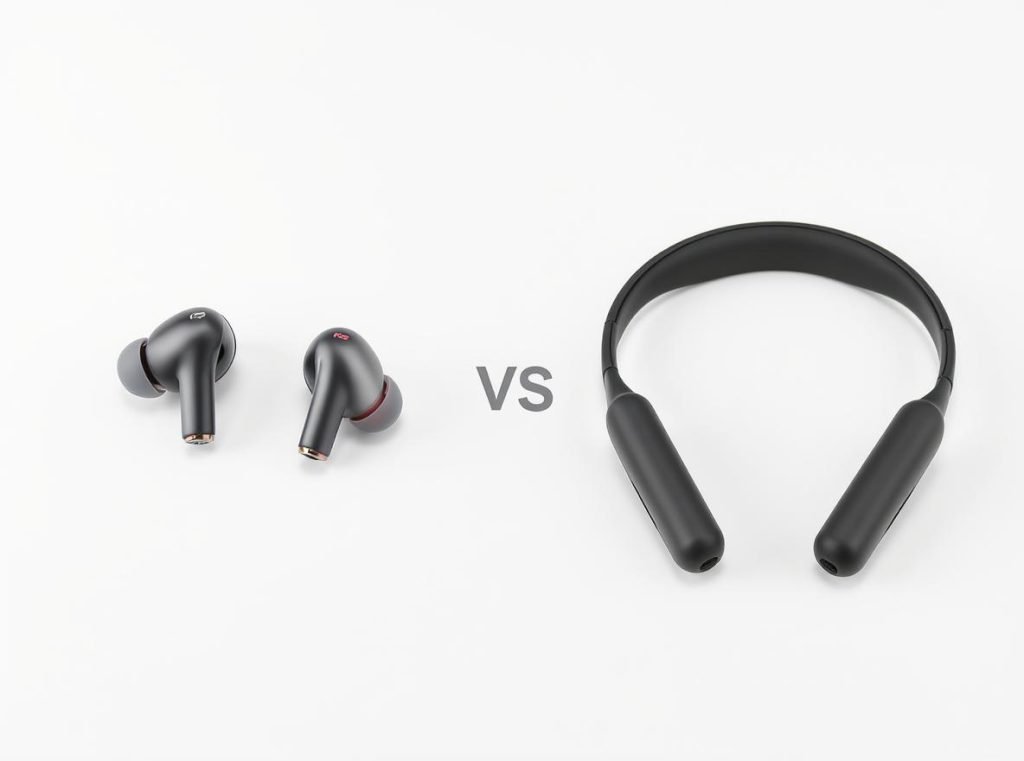
Regular wireless earbuds typically feature neckband designs with shared battery systems and stable connections through physical wires. They generally offer longer battery life and lower costs, appealing to budget-conscious consumers.
TWS earbuds provide complete freedom with independent operation capabilities. Users can operate either earbud individually, extending battery life and maintaining situational awareness. This flexibility particularly appeals to professionals and active lifestyle users.
Connection reliability differs significantly between technologies. Regular wireless earbuds maintain stable connections through physical wires, while TWS systems depend entirely on wireless communication protocols that can experience interference or dropouts.
The portability advantage strongly favors TWS designs. Compact charging cases easily fit in pockets or small bags, while neckband earbuds require more storage space and careful handling to prevent tangling.
Market positioning reflects these differences, with TWS earbuds commanding premium pricing due to advanced technology and convenience factors, while regular wireless options target value-conscious segments.
What Is the Proper Pairing Process for TWS Earbuds?
Correct pairing procedures are crucial for customer satisfaction and reducing product returns for retailers and distributors.
To pair TWS earbuds, remove both units from the charging case simultaneously, which triggers automatic power-on and inter-earbud pairing, then select the device name from your phone’s Bluetooth menu to complete connection. Most modern TWS earbuds streamline this process for user convenience.
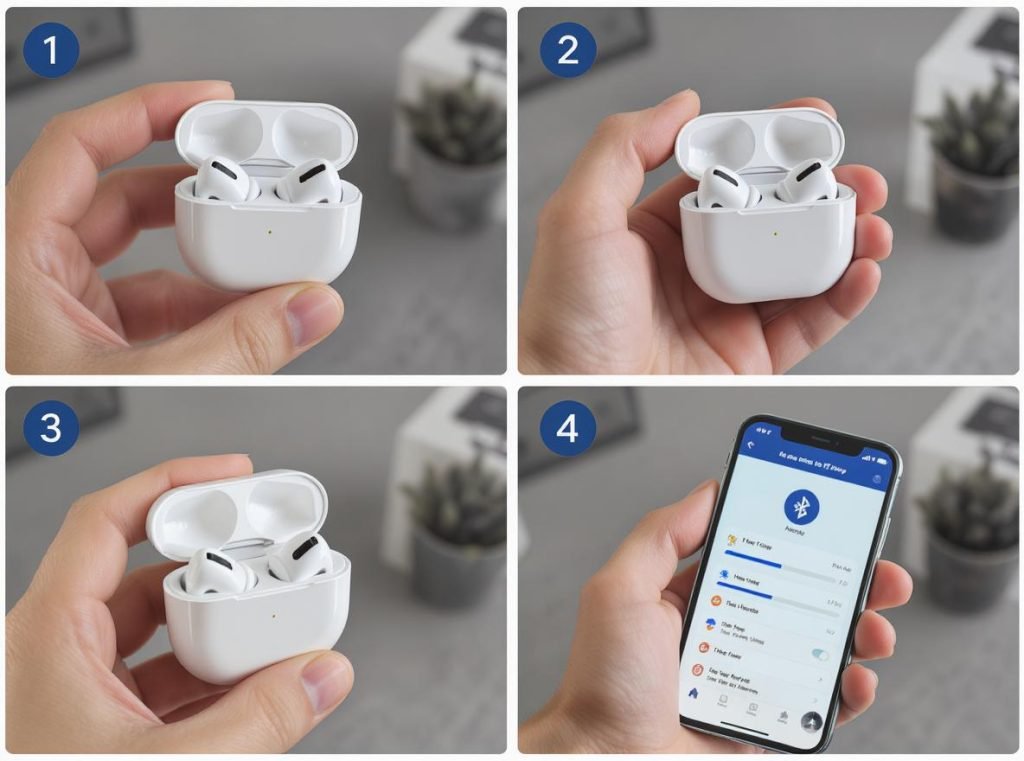
The initial setup sequence begins with charging verification. Ensure both earbuds and the charging case are adequately charged before first use to prevent pairing failures or incomplete connections.
Remove both earbuds simultaneously from the charging case. Modern TWS models automatically power on and enter pairing mode, indicated by LED status lights or audio prompts announcing “pairing mode” or “left channel, right channel.”
Inter-earbud pairing occurs automatically as the two earpieces establish their wireless connection. This typically takes 5-10 seconds and is confirmed by synchronized LED patterns or audio confirmations.
Device pairing follows inter-earbud connection. Enable Bluetooth on your smartphone and search for available devices. The TWS earbuds appear as a single device entry, not separate left and right listings.
| Pairing Step | Duration | Success Indicators |
|---|---|---|
| Remove from case | Instant | Auto power-on |
| Inter-earbud sync | 5-10 seconds | LED synchronization |
| Device discovery | 10-15 seconds | Appears in Bluetooth list |
| Connection complete | 5 seconds | Audio confirmation |
After successful initial pairing, subsequent connections happen automatically when earbuds are removed from the case and the paired device has Bluetooth enabled. This convenience factor drives customer satisfaction and repeat purchases.
Troubleshooting common pairing issues involves factory resetting the earbuds by holding specific button combinations for 5-10 seconds, then repeating the pairing process with a clean connection slate.
What Advantages Drive TWS Market Growth and Business Opportunities?
TWS technology offers compelling benefits that create multiple market opportunities for wholesalers, distributors, and retailers.
TWS earbuds provide unmatched movement freedom, enhanced safety during activities, individual earbud functionality, advanced features like touch controls and voice assistants, plus premium positioning opportunities that justify higher profit margins. These advantages translate directly into business success.
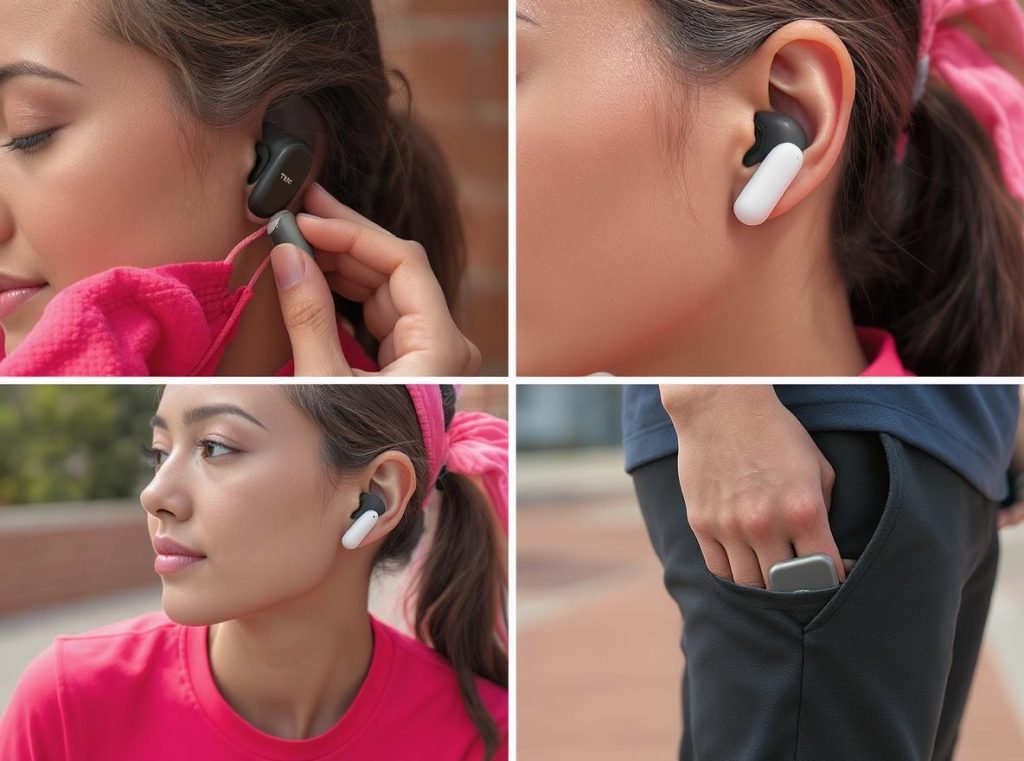
Complete wireless freedom revolutionizes user experiences during exercise, commuting, and professional activities. Without cable restrictions, users enjoy unrestricted movement that appeals particularly to fitness enthusiasts, athletes, and active professionals.
Safety improvements make TWS earbuds ideal for outdoor activities and sports. Eliminating dangling cables reduces snagging risks during cycling, running, or equipment operation. This safety factor drives adoption among active lifestyle segments.
Individual earbud operation extends practical usage scenarios. Users can operate one earbud for calls while keeping the other charged, or maintain environmental awareness during activities requiring partial hearing. This flexibility appeals to professionals and safety-conscious consumers.
Advanced feature integration includes touch-sensitive controls, voice assistant compatibility, active noise cancellation, and water resistance ratings. These premium features enable higher pricing and better profit margins compared to basic audio products.
Market segmentation opportunities span from budget-conscious consumers seeking basic TWS functionality to premium customers demanding advanced features like spatial audio and health monitoring capabilities.
The convenience factor justifies premium pricing as users willingly pay more for the elimination of cable management, compact portability, and instant connectivity. This pricing flexibility benefits retailers and distributors with improved margins.
What Challenges and Limitations Should Businesses Consider?
Understanding TWS limitations helps businesses set appropriate customer expectations and develop effective sales strategies.
Primary TWS limitations include battery dependence requiring regular charging, higher costs compared to wired alternatives, potential connection issues in crowded wireless environments, and increased loss risk due to small individual components. Addressing these concerns proactively improves customer satisfaction.
Battery management represents the most significant limitation. TWS earbuds provide 3-8 hours per charge compared to unlimited operation with wired alternatives. Users must manage charging schedules for both earbuds and cases, creating usage planning requirements.
Cost considerations affect market penetration. Quality TWS earbuds typically range from $30-$300+ compared to sub-$20 wired options. This price differential limits adoption among extremely price-sensitive consumers but creates opportunities in premium segments.
Connection stability varies based on environmental factors and device compatibility. Crowded wireless environments with multiple Wi-Fi networks and Bluetooth devices can cause interference, affecting TWS performance due to compact antenna limitations.
| Challenge | Impact Level | Mitigation Strategy |
|---|---|---|
| Battery limitations | High | Extended case capacity |
| Higher costs | Medium | Value positioning |
| Connection issues | Medium | Quality chip selection |
| Loss risk | Medium | Find-my-earbud features |
Loss risk increases with individual earbuds lacking physical connections. Users frequently misplace or lose individual earpieces during activities, creating replacement demand but also customer frustration.
Audio latency, while minimal, remains noticeable during video viewing or gaming applications. Budget TWS models may exhibit more pronounced delays compared to wired connections, affecting user experience in specific use cases.
Size constraints limit repairability and component upgradeability. Most TWS earbuds are sealed units requiring complete replacement when batteries degrade or components fail, affecting long-term value propositions.
How Is TWS Technology Evolving to Address Current Limitations?
Future TWS developments create opportunities for forward-thinking businesses to position themselves advantageously in expanding markets.
Next-generation TWS innovations focus on extended battery life, enhanced audio quality, AI-powered features, health monitoring integration, and sustainable design approaches that address current limitations while opening new market segments. These advances drive upgrade cycles and premium positioning opportunities.
Battery technology improvements promise significant usage extensions. New lithium-polymer designs and more efficient processing chips will deliver 10+ hours per charge with charging cases providing 50+ hours total operation, eliminating current battery anxiety.
Audio quality enhancements include support for lossless audio codecs, spatial audio processing, and adaptive sound tuning based on individual hearing profiles. These improvements position TWS as legitimate alternatives to premium wired headphones.
Artificial intelligence integration enables adaptive noise cancellation that automatically adjusts based on environmental conditions, personalized sound profiles that learn user preferences, and contextual awareness features that modify behavior based on activity recognition.
Health monitoring capabilities transform TWS earbuds into wellness devices. Future models will monitor heart rate, body temperature, blood oxygen levels, and fitness metrics, appealing to health-conscious consumers and creating new market categories.
Smart connectivity features include seamless multi-device switching, enhanced voice assistant integration, and augmented reality audio experiences that create location-based soundscapes and interactive audio content.
Sustainability initiatives address environmental concerns through recyclable materials, modular designs enabling component replacement, and improved energy efficiency extending product lifecycles.
These technological advances create opportunities for businesses to position TWS products as premium lifestyle devices rather than simple audio accessories, justifying higher prices and better margins while expanding addressable markets.
Summary
TWS earbuds represent the future of personal audio through their completely wireless design, advanced Bluetooth connectivity, and rapidly expanding feature sets. Understanding their master-slave operational system, miniaturized component technology, and market advantages helps businesses capitalize on this growing industry. While challenges like battery limitations and higher costs exist, ongoing innovations in AI integration, health monitoring, and sustainable design continue expanding TWS appeal across diverse consumer segments.

Ready to explore TWS manufacturing opportunities for your business? Contact Osmarto today for comprehensive information about our latest TWS production capabilities, customization options, and competitive wholesale pricing. Our experienced engineering team can help you identify optimal TWS solutions for your target markets and provide complete technical support for successful product launches in this dynamic industry.