Skip to content
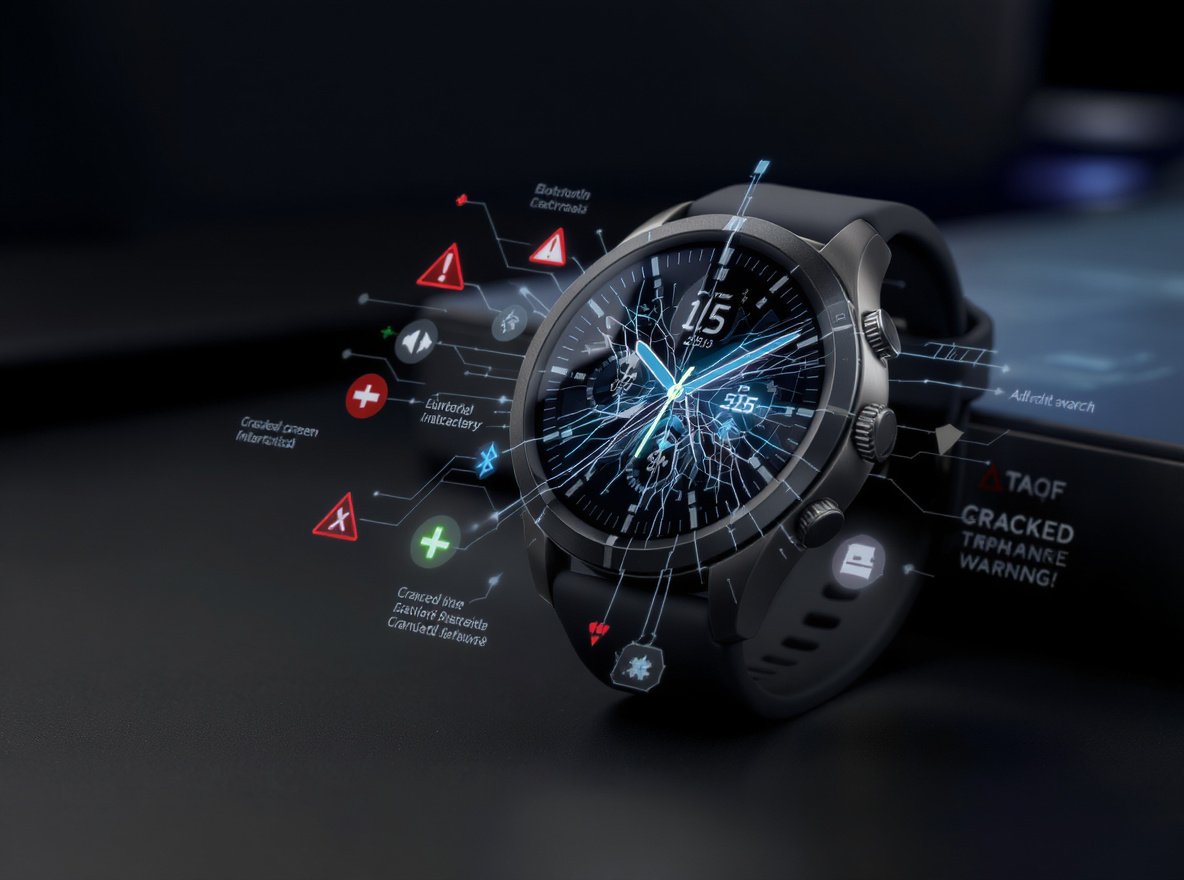
Smartwatches have transformed how we stay connected and monitor health, but these sophisticated devices face significant technical challenges. Understanding these common problems helps businesses make informed sourcing decisions and provide better customer support for their markets.
The most common smartwatch issues include rapid battery drain, Bluetooth connectivity failures, charging problems, inaccurate fitness tracking data, software crashes, display malfunctions, and overheating concerns. Battery life problems affect users most frequently, with always-on displays and intensive features reducing usage from days to mere hours.
For wholesalers and manufacturers, recognizing these issues early prevents customer complaints and reduces return rates significantly.
Why Do Smartwatches Experience Severe Battery Drain Problems?
Battery performance represents the top complaint among smartwatch users worldwide, directly impacting customer satisfaction and brand loyalty for retail partners.
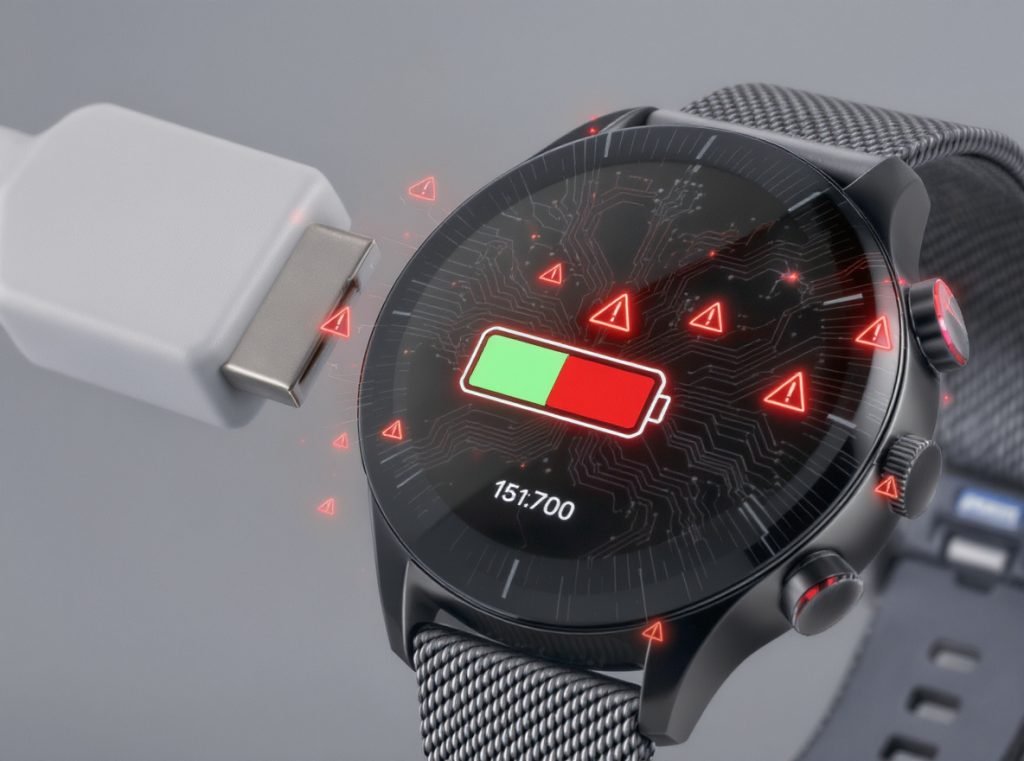
Battery drain occurs primarily from always-on displays consuming 30-40% more power, high screen brightness settings on AMOLED displays, background app activity with continuous syncing, intensive GPS tracking that drains 10-15% battery in 30 minutes, and outdated firmware lacking power optimization.
Always-On Display Impact:
This popular feature keeps screens continuously active even when dimmed, creating the single largest battery drain factor. Users expect this convenience, but manufacturers must balance functionality with power efficiency.
Background App Consumption:
Fitness trackers, weather services, and health monitoring apps create substantial power draw through continuous data syncing and location tracking. These apps refresh data every few minutes, keeping processors active constantly.
Hardware-Intensive Features:
GPS navigation during workouts can spike power consumption dramatically. Heart rate monitoring, cellular connectivity, and Wi-Fi syncing compound the problem when used simultaneously.
| Feature | Battery Impact | Daily Usage Reduction |
|---|---|---|
| Always-On Display | 30-40% increase | 2-3 days to 1 day |
| GPS Tracking | 10-15% per 30min | Significant during workouts |
| Continuous Heart Rate | 15-20% daily | 3 days to 2 days |
| Cellular Connectivity | 25-35% increase | 2 days to 1 day |
Natural Battery Degradation:
Lithium-ion batteries lose capacity through charge cycles and age. When capacity drops below 80%, users experience noticeably shorter usage periods requiring professional battery replacement.
Business Implications:
Wholesale partners should prioritize models with larger battery capacities, efficient chipsets, and robust power management systems to minimize customer complaints about battery performance.
How Do Bluetooth Connectivity Issues Disrupt Smartwatch Functionality?
Bluetooth problems create immediate frustration for users and increase technical support requests for retailers dealing with smartwatch sales.
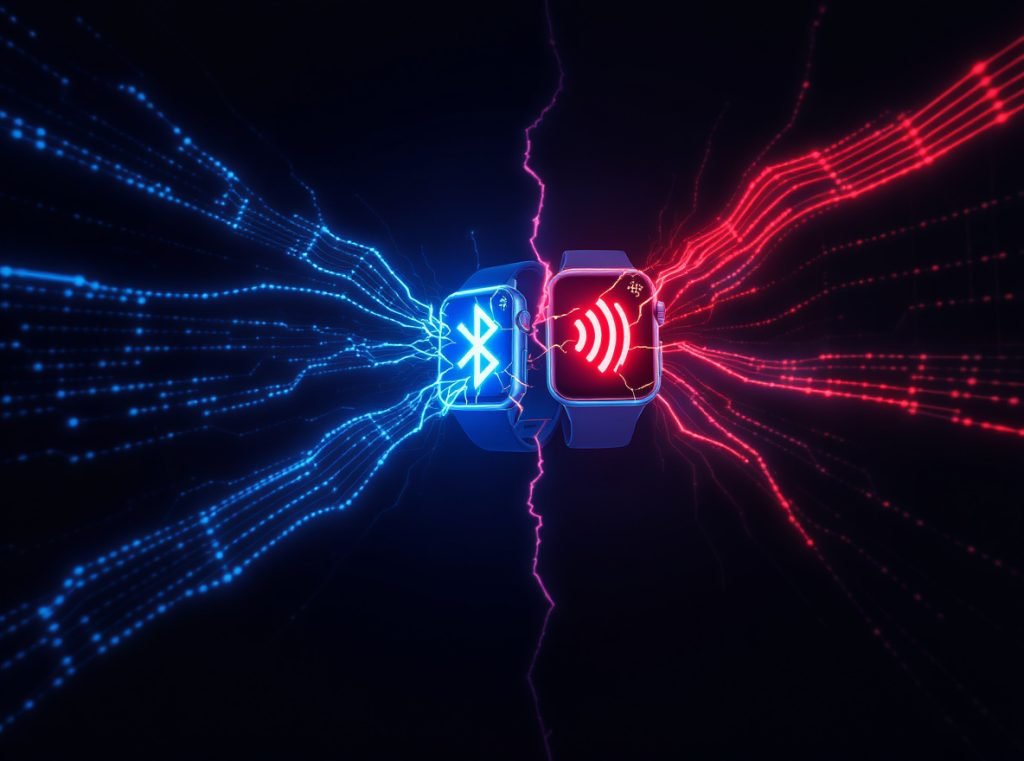
Bluetooth connectivity failures occur due to interference from nearby devices in crowded environments, outdated smartphone drivers causing communication breakdowns, 30-foot range limitations, pairing memory conflicts with multiple devices, and software compatibility issues between watch firmware and phone operating systems.
Common Connectivity Symptoms:
Users experience missed notifications, failed data synchronization, inability to pair with new devices, and frequent disconnection alerts. These problems interrupt core smartwatch functions like call handling and message replies.
Environmental Interference Factors:
Crowded Bluetooth environments with multiple devices create signal conflicts. Office buildings, gyms, and public spaces often overwhelm Bluetooth connections, causing frequent disconnections.
Software Compatibility Challenges:
Smartphone operating system updates sometimes break compatibility with older smartwatch models. Android and iOS updates can introduce connection protocols that older watches cannot support properly.
Range and Physical Barriers:
Most smartwatches use Bluetooth 5.0 with effective ranges of 30-50 feet. Walls, metal objects, and electronic interference reduce this range significantly in real-world conditions.
Solutions for Business Partners:
- Test Bluetooth functionality across major smartphone brands before bulk orders
- Verify compatibility with latest Android and iOS versions
- Provide comprehensive pairing troubleshooting guides
- Stock models with latest Bluetooth standards for future-proofing
Reliable Bluetooth connectivity ensures customers can utilize full smartwatch capabilities, reducing return rates and support requests for wholesale distributors.
What Causes Smartwatch Charging Failures and Malfunctions?
Charging problems render smartwatches completely unusable, creating immediate customer dissatisfaction and warranty claims for retail partners.
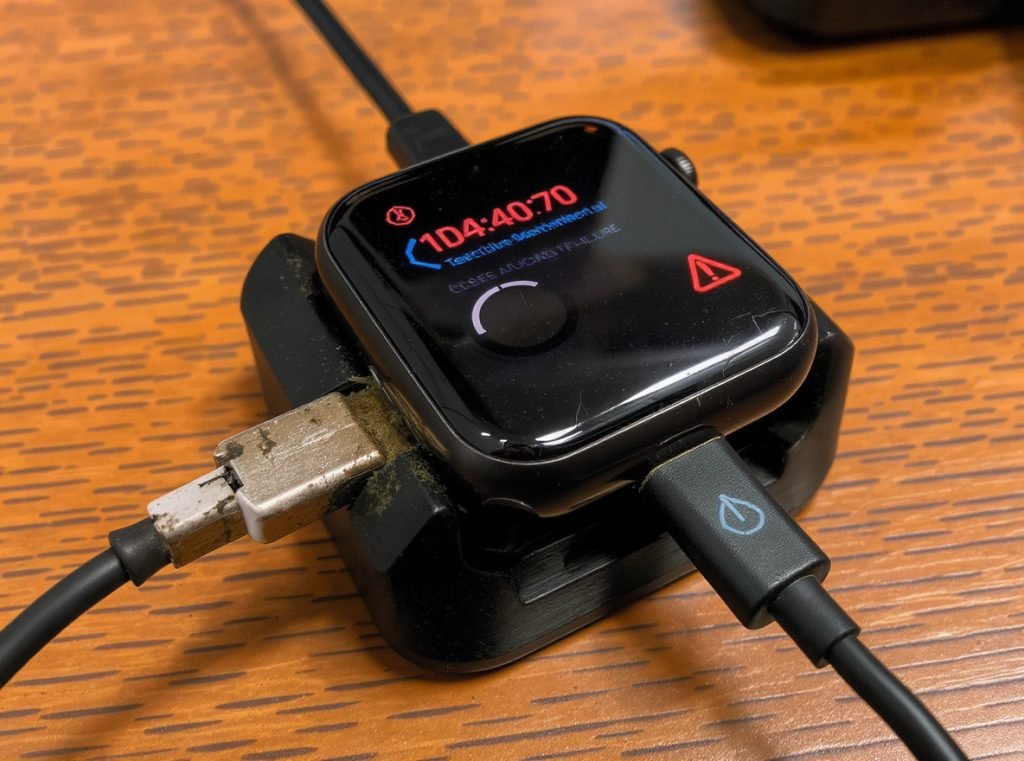
Charging failures result from dirty charging contacts accumulating sweat and debris, damaged cables providing insufficient power delivery (up to 23% less than original equipment), faulty charging ports on watches, software glitches preventing charging recognition, battery hardware failure, and environmental factors like extreme temperatures.
Physical Contact Issues:
Magnetic charging pins accumulate dirt, sweat, and debris that prevent proper electrical connection. This represents the most common yet easily preventable charging problem affecting user satisfaction.
Cable and Adapter Quality:
Third-party chargers often deliver inconsistent power, with some providing 23% less power than original equipment. Low-quality charging accessories can damage watch batteries or fail completely within months.
Environmental Temperature Effects:
Charging circuits operate within specific temperature ranges for safety. Extreme cold or heat interferes with proper charging processes and can damage internal components permanently.
Software Recognition Problems:
Firmware glitches may prevent watches from recognizing charging connections or properly managing charging cycles. These issues often resolve through software updates or factory resets.
Prevention Strategies for Wholesale Buyers:
- Source watches with robust magnetic charging mechanisms
- Include high-quality charging cables and adapters in packages
- Test charging functionality across temperature ranges
- Provide clear charging maintenance instructions to end users
Quality Assurance Considerations:
Partner with manufacturers who conduct extensive charging durability tests and provide reliable charging accessories to minimize customer support issues and warranty claims.
Why Does Fitness Tracking Data Show Significant Inaccuracies?
Fitness tracking precision directly affects user trust and determines whether customers recommend smartwatches to others, impacting long-term sales growth.
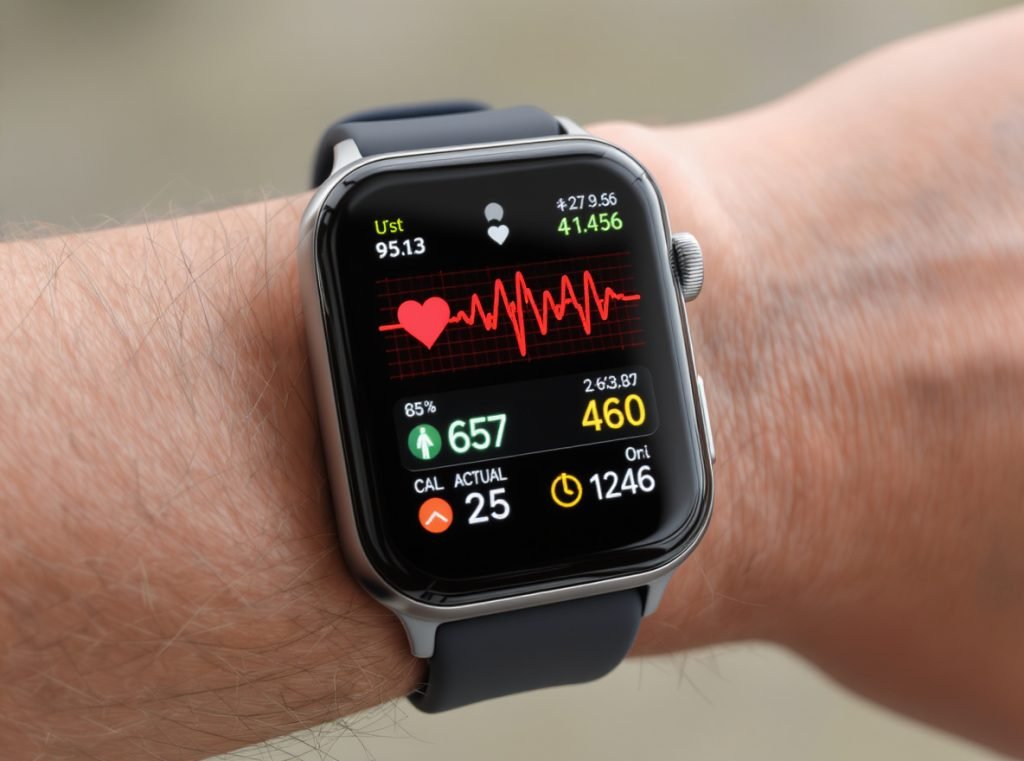
Fitness tracking inaccuracies occur due to improper device placement affecting sensor readings, individual physiological differences like skin tone and wrist size, activity type variations with different accuracy levels, environmental conditions disrupting sensors, and sensor technology limitations inherent to wrist-based measurements.
Heart Rate Monitoring Accuracy:
Apple Watches show 4.43% mean errors for heart rate measurements, while Fitbit devices can underestimate by 9.3 beats per minute during exercise. Samsung devices typically underestimate by 7.1 beats per minute during workouts.
Step Counting Precision:
Step counting generally performs better across brands. Apple Watches demonstrate 0.9-3.4% error rates, Samsung devices show 1.08-6.30% error ranges, while Fitbit can miscalculate by 9.1-21.9% depending on activity type.
Energy Expenditure Calculations:
Calorie burn represents the least accurate metric across all brands. Apple Watches show 27.96% mean error for energy expenditure, while studies indicate wearable devices can over or underestimate calorie burn by more than 30% on average.
| Tracking Feature | Apple Watch Error | Samsung Error | Fitbit Error |
|---|---|---|---|
| Heart Rate | 4.43% | 7.1 BPM under | 9.3 BPM under |
| Step Count | 0.9-3.4% | 1.08-6.30% | 9.1-21.9% |
| Calorie Burn | 27.96% | Variable | 30%+ variance |
Factors Affecting Measurement Accuracy:
Loose watch bands allow light leakage affecting optical heart rate sensors. Tattoos and darker skin tones can interfere with LED-based measurements. Cold temperatures reduce blood flow, impacting sensor readings significantly.
Activity-Specific Variations:
Consistent activities like walking and running provide more reliable data than irregular movements like cycling or weightlifting. Swimming and water sports present additional challenges for sensor accuracy.
Quality Considerations for Manufacturers:
Investing in advanced sensors, improved algorithms, and thorough calibration processes helps minimize tracking inconsistencies and reduces customer complaints about data reliability.
What Software Problems Plague Modern Smartwatch Performance?
Software stability determines overall user satisfaction and influences whether customers purchase additional devices or recommend brands to others.
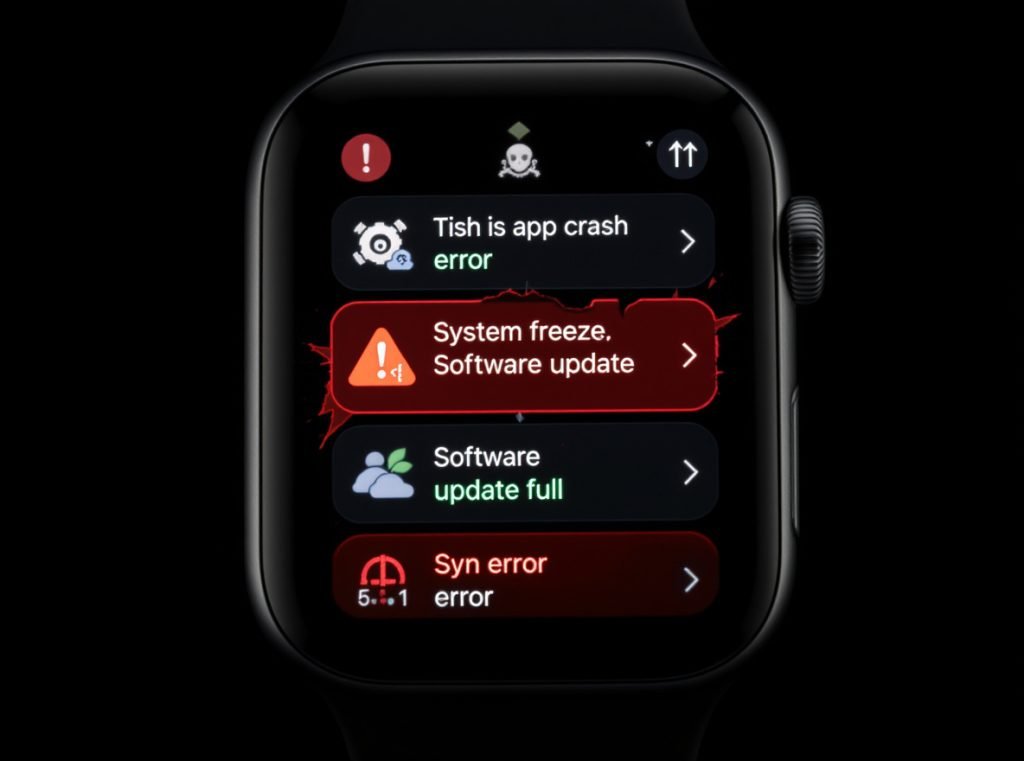
Software problems include app crashes from corrupted data and insufficient memory, performance degradation with slow response times and laggy interfaces, update-related bugs introducing new problems after firmware updates, synchronization failures preventing proper data sharing, and memory management issues causing crashes when storage approaches capacity.
App Performance Issues:
Limited processing power and RAM cause apps to crash when handling complex tasks or multiple background processes. Fitness apps, music players, and navigation services particularly strain system resources.
Update-Related Complications:
Firmware updates frequently introduce new bugs while fixing existing ones. Users report reduced battery life, feature malfunctions, and complete system instability requiring factory resets after updates.
Data Synchronization Failures:
Connection problems between watches and smartphone companion apps result in lost fitness data, missed notifications, and incomplete functionality. These issues frustrate users who rely on data continuity.
Memory Management Challenges:
Smartwatches with limited storage struggle when approaching capacity limits. Users experience slow performance, app crashes, and system freezes when memory usage exceeds optimal levels.
Solutions for Business Partners:
- Partner with manufacturers offering consistent software support
- Ensure watches run latest stable firmware before shipping
- Provide technical support resources for common software issues
- Test popular third-party apps for compatibility before recommendations
Quality Assurance Standards:
Reputable manufacturers conduct extensive software testing, provide regular updates, and maintain compatibility with popular smartphone platforms to ensure stable user experiences.
How Do Display and Hardware Failures Impact User Experience?
Display problems create immediate usability issues and often indicate serious hardware failures requiring professional repair or complete device replacement.
Display malfunctions include unresponsive touchscreens from software glitches or physical damage, screen failures with black displays and color distortion, physical damage from drops compromising water resistance, environmental sensitivity affecting touch response in extreme temperatures, and hardware component failures in sensors and processors.
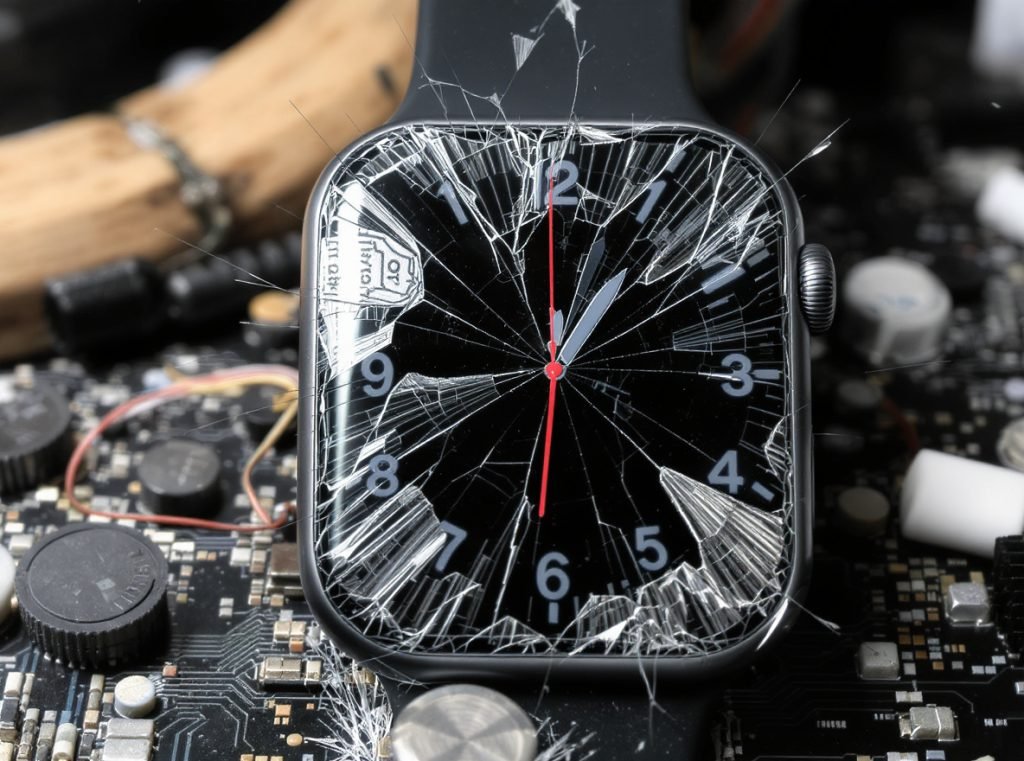
Touchscreen Responsiveness Issues:
Unresponsive touchscreens result from software glitches, physical damage, water exposure, or calibration errors. Cold conditions particularly affect touchscreen functionality, making devices difficult to operate outdoors.
Display Failure Rates:
Smartwatch displays fail at 2.3 times the rate of smartphone screens due to smaller form factors and increased vulnerability to impacts. OLED displays suffer from permanent image burn-in when static elements remain visible too long.
Physical Damage Susceptibility:
Drops and impacts crack screens and compromise water resistance seals. Protective cases and screen protectors significantly reduce damage rates but add bulk to compact designs.
Water Resistance Degradation:
Seal degradation over time allows moisture penetration damaging internal components. Despite advertised water resistance ratings, older watches become vulnerable to water damage.
Component Failure Indicators:
- Dead pixels appearing as permanent black spots
- Screen flickering or color distortion
- Haptic feedback motor malfunctions
- Button responsiveness declining over time
Prevention and Mitigation:
- Choose models with reinforced glass screens and robust construction
- Verify genuine water resistance certifications from manufacturers
- Include protective accessories in wholesale packages
- Offer extended warranty coverage for hardware-related failures
Quality Standards for Wholesale:
Partner with manufacturers conducting comprehensive durability testing including drop tests, water immersion trials, and component lifecycle evaluations before mass production.
What Overheating Issues Threaten Smartwatch Safety and Performance?
Temperature management affects device longevity, battery health, and user safety, creating potential liability concerns for wholesale distributors.
Overheating occurs from intensive processing demands during GPS tracking and cellular connectivity, environmental factors including direct sunlight and high ambient temperatures, LTE connectivity issues in poor signal areas forcing devices to work harder, charging-related heat generation from non-certified chargers, hardware defects in batteries and thermal management systems, and poor heat dissipation in compact designs.
Processing-Related Heat Generation:
GPS navigation with continuous screen usage, intensive workout tracking with multiple sensors active, and background app synchronization create significant thermal buildup in compact watch housings.
Environmental Contributing Factors:
Direct sunlight exposure, high ambient temperatures above 35°C (95°F), and poor ventilation around charging areas contribute to dangerous overheating situations.
Cellular Connectivity Heat Issues:
LTE-enabled watches in areas with poor signal strength work harder to maintain connections, generating excessive heat that can damage internal components and create user discomfort.
Charging-Related Temperature Problems:
Fast charging protocols generate substantial heat that can damage battery cells. Charging immediately after intensive use or in warm environments compounds thermal stress on components.
Safety Implications for Businesses:
- Hot devices create safety concerns and potential burn risks
- Overheating reduces battery lifespan by 50% or more
- Temperature damage typically voids manufacturer warranty coverage
- Customer complaints can escalate to safety reports and liability issues
Hardware Design Limitations:
Compact watch designs limit effective heat dissipation compared to larger electronic devices. Advanced features packed into small form factors create ongoing thermal management challenges.
Risk Mitigation Strategies:
Select smartwatch models with proven thermal management systems, provide user education about safe charging and usage practices, avoid sourcing devices with documented overheating issues, and maintain clear warranty policies regarding temperature-related damage.
Summary
Common smartwatch issues stem from battery optimization challenges, Bluetooth connectivity problems, charging difficulties, fitness tracking limitations, software instability, hardware failures, and thermal management concerns. Understanding these problems helps wholesale partners select reliable manufacturers, provide better customer support, and minimize return rates through informed product selection.
Ready to source premium smartwatches that address these common issues? Contact Osmarto today for wholesale inquiries and discover our thoroughly tested product lineup engineered for reliability and customer satisfaction. Our quality assurance team ensures each model meets strict performance standards, helping your business avoid costly returns and support issues.