Skip to content
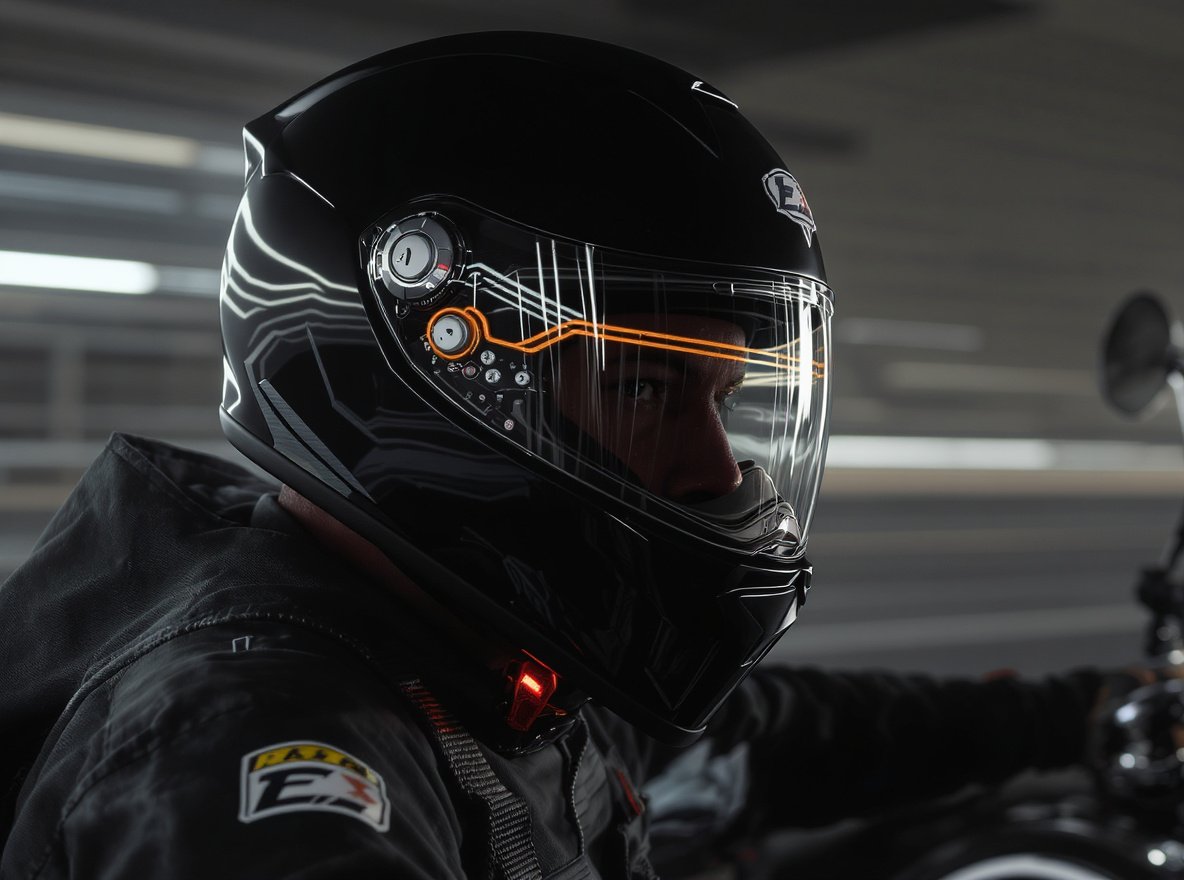
Wind noise at highway speeds can exceed 100 decibels, causing permanent hearing damage in under 30 minutes. Finding earbuds that protect your hearing while fitting comfortably under your helmet is crucial for safe, enjoyable riding.
Apple AirPods Pro emerge as the top overall choice for most motorcycle riders, offering superior noise cancellation, secure fit, and proven durability. However, the best earbuds depend on your specific helmet type, budget, and riding needs.
Let’s explore everything you need to know about choosing earbuds that enhance rather than compromise your motorcycle riding experience.
Why Do Motorcycle Riders Need Specialized Earbuds?
Regular consumer earbuds fail motorcycle riders because they weren’t designed for the unique challenges of helmet environments and high-speed wind exposure.
Motorcycle riding generates wind noise exceeding 100 decibels at highway speeds – enough to cause permanent hearing damage in under 30 minutes. Specialized earbuds provide dual protection: reducing harmful noise while delivering clear audio for navigation and communication.
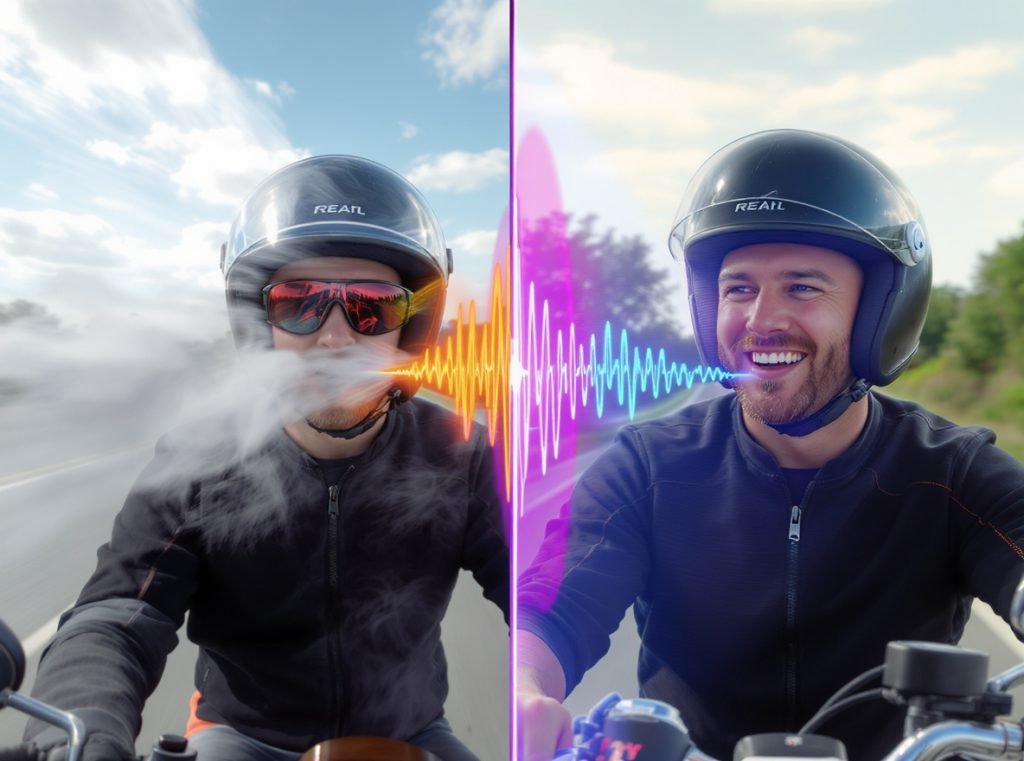
Even full-face helmets cannot adequately protect against dangerous sound levels. Standard earbuds frequently dislodge during helmet installation, create painful pressure points, and require dangerously high volumes to overcome wind noise.
The confined helmet space amplifies every design flaw. Bulky housings that feel comfortable in normal use become torture devices under helmet compression. Poor cable routing creates snag hazards that can distract riders at critical moments.
Quality motorcycle earbuds address these challenges through specialized design features:
- Ultra-low profile housings that sit flush with ear canals
- Reinforced cable connections resistant to vibration damage
- Superior passive noise isolation reducing need for high volumes
- Secure retention systems preventing loss during helmet changes
Without proper audio solutions, many riders either ride in dangerous silence or risk hearing damage from excessive volume levels.
What Makes Earbuds Comfortable Under a Helmet?
Helmet compatibility requires careful consideration of size, shape, and materials to prevent pressure points during extended rides.
The most comfortable motorcycle earbuds feature ultra-compact housings under 15mm depth, multiple ear tip options, and flush-fitting designs that don’t protrude beyond the outer ear canal opening.
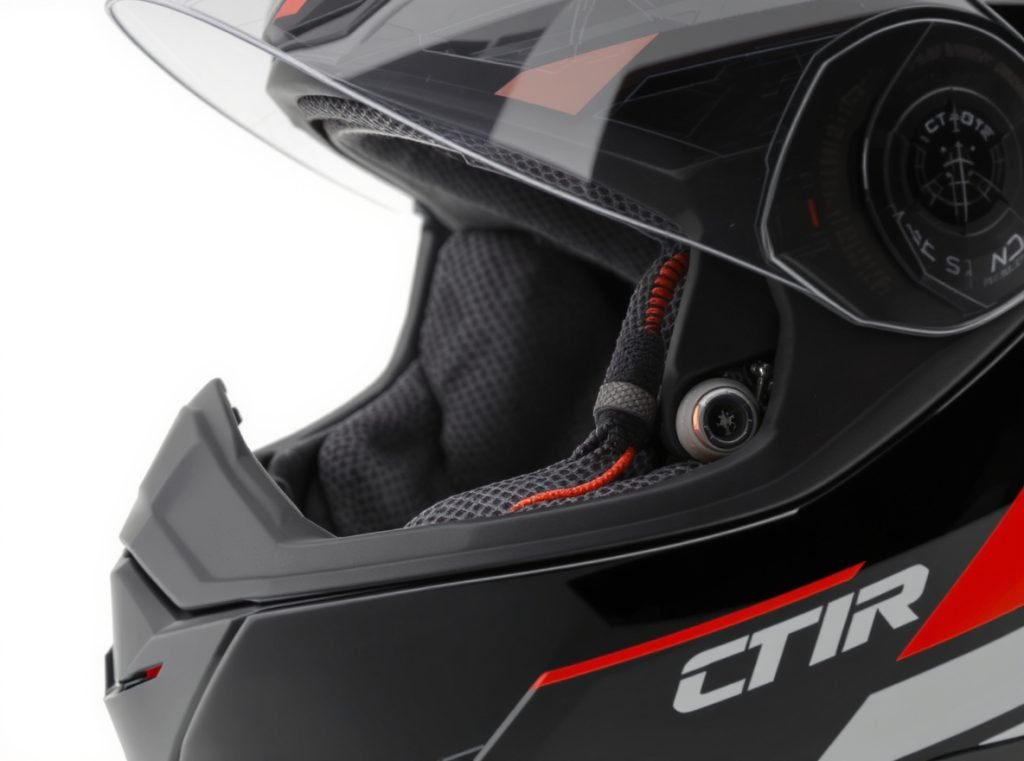
Low-profile design stands as the single most critical comfort factor. Any protrusion beyond the ear canal creates pressure points when helmet padding compresses. Premium options like the TREBLAB X3 Pro include ergonomic ear hooks and five different ear tip sizes to accommodate various ear shapes.
Material selection dramatically impacts long-ride comfort. Medical-grade silicone tips maintain flexibility across temperature ranges while providing excellent sealing. Memory foam alternatives offer superior noise isolation but may compress over extended use.
For ultimate comfort, custom-molded solutions like Snugs MotoMusic provide personalized fit based on individual ear impressions. While more expensive, they eliminate pressure points entirely for serious touring riders.
| Comfort Feature | Standard Earbuds | Motorcycle-Optimized |
|---|---|---|
| Housing depth | 18-25mm | Under 15mm |
| Protrusion | Often extends beyond ear | Flush-fitting design |
| Tip variety | 2-3 sizes | 5+ sizes multiple materials |
| Pressure distribution | Concentrated points | Even distribution |
Consider your helmet type when selecting earbuds. Full-face helmets create more compression than open-face designs, requiring even lower profiles for comfort.
How Important Is Noise Cancellation for Motorcycle Riding?
Active noise cancellation versus passive isolation creates different benefits and limitations for motorcycle applications.
Passive noise isolation through proper ear canal sealing proves more effective for motorcycle use than active noise cancellation. Quality passive isolation blocks harmful high-frequency wind noise by 20-30 decibels while preserving important ambient safety sounds.
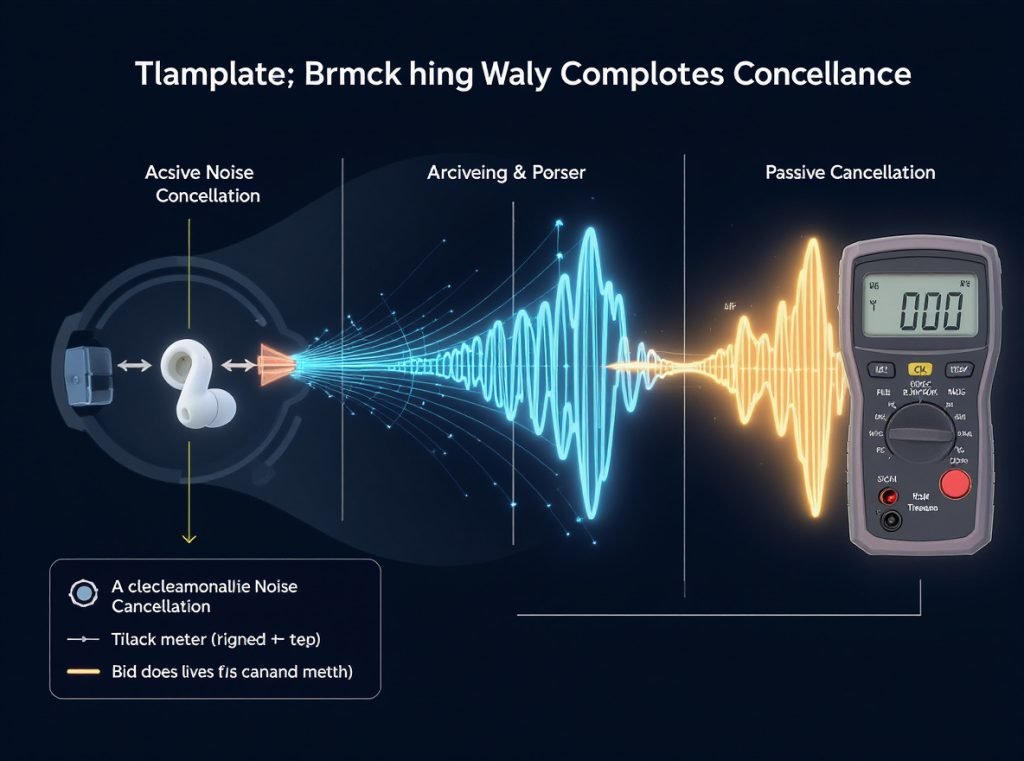
Active noise cancellation (ANC) works best on consistent low-frequency sounds like engine rumble but struggles with chaotic wind turbulence. ANC systems may also over-isolate riders from critical safety sounds like sirens and horns.
Passive isolation advantages for motorcycle use include:
- No battery dependency for noise protection
- Effective wind noise blocking across all frequencies
- Preservation of safety sounds like emergency vehicles
- Consistent performance regardless of battery level
However, premium ANC earbuds like Apple AirPods Pro offer transparency modes that selectively filter sounds. These systems allow emergency vehicle sirens while maintaining music clarity – providing the best of both worlds when properly configured.
The key is reducing noise levels to safe ranges (under 85 decibels) while maintaining situational awareness. Quality earbuds achieve this through proper ear canal sealing rather than relying solely on electronic processing.
Which Safety Features Should You Prioritize?
Safety considerations extend beyond comfort to include situational awareness, secure retention, and emergency accessibility.
Essential safety features include transparency modes for environmental awareness, secure fit systems preventing loss during helmet changes, and volume limiting to avoid dangerous sound levels that could mask traffic sounds.

Situational awareness remains paramount for motorcycle safety. The best earbuds maintain your ability to hear approaching vehicles, emergency sirens, and engine changes while providing clear audio content.
Volume limiting prevents riders from compensating for poor noise isolation by raising levels to dangerous thresholds. Quality systems reduce ambient noise through proper sealing, eliminating the need for excessive volumes.
Secure retention prevents earbuds from falling during helmet installation or sudden head movements. Over-ear hooks, wing tips, and properly sized ear tips all contribute to secure fit.
Emergency accessibility considerations include:
- Quick removal capability without fumbling with controls
- Pause/transparency activation accessible through helmet gloves
- Visual indicators for battery or connection status
- Backup communication methods for system failures
Communication capability enhances safety for navigation instructions, hands-free calls, and group riding coordination. Choose systems compatible with your smartphone and motorcycle communication needs.
What Water Resistance Level Do You Need?
Motorcycle riding exposes earbuds to rain, sweat, temperature extremes, and washing requirements, making water resistance crucial for longevity.
IPX5 or higher water resistance is recommended for motorcycle use, with IPX7-rated models like Tempo 30 providing submersion protection for maximum durability. IPX4 provides basic splash protection as the minimum acceptable level.

IPX rating definitions for motorcycle applications:
- IPX4: Basic splash protection, suitable for light rain and sweat
- IPX5: Water jet protection, handles heavy rain and washing
- IPX6: Powerful water jet resistance for extreme weather
- IPX7: Submersion protection up to 1 meter for 30 minutes
- IPX8: Extended submersion protection for ultimate peace of mind
Beyond water resistance, consider environmental durability factors like temperature cycling from cold morning rides to hot afternoon sun. UV exposure degrades cheaper plastics over time, while constant engine vibration can loosen internal connections.
Build quality indicators include:
- Reinforced cable connections with strain relief
- Quality housing materials resistant to temperature cycling
- Secure charging case seals for wireless models
- Proven long-term reliability from established manufacturers
For wholesale buyers considering bulk purchases, prioritize models with comprehensive warranty coverage and established service networks to support end-user satisfaction.
How Do Wireless and Wired Options Compare for Motorcycles?
Both wireless and wired earbuds offer distinct advantages for motorcycle applications, with selection depending on riding style and preferences.
Wireless earbuds eliminate cable management challenges and provide modern features like noise cancellation, while wired options offer unlimited runtime and reliable connections without battery concerns.
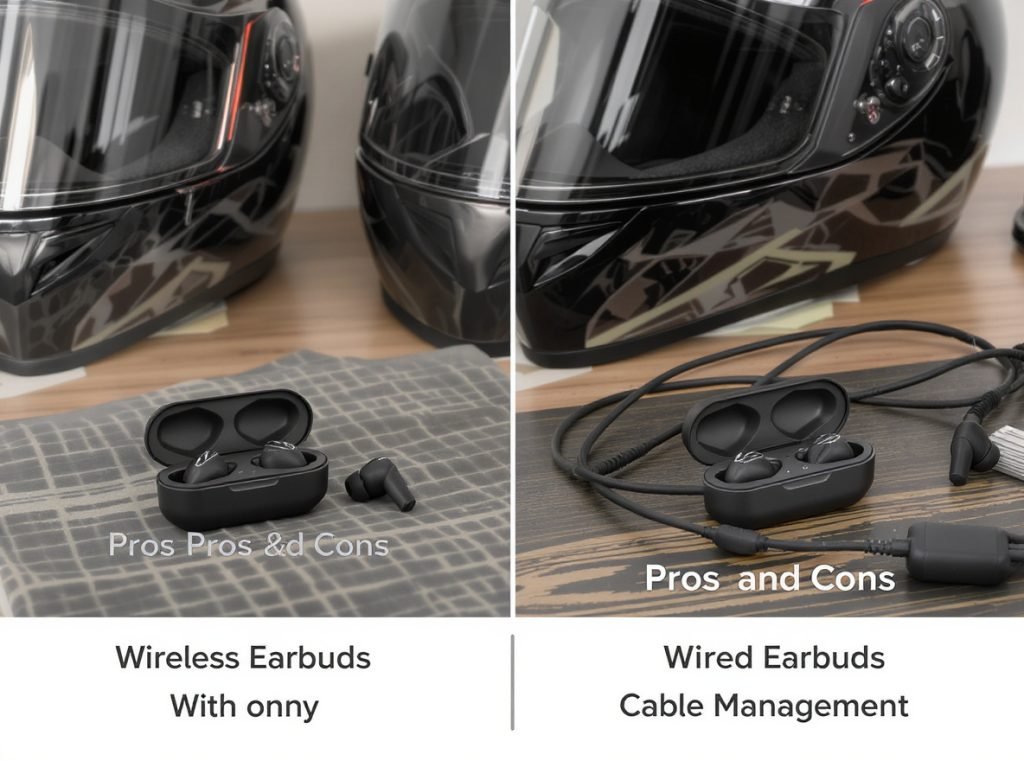
Wireless advantages become immediately apparent during helmet installation. No cables means no snag points on helmet hardware, jacket zippers, or bike controls. Modern wireless earbuds provide 6-8 hours of listening time with charging cases extending usage to full-day touring.
Premium wireless models like Apple AirPods Pro offer seamless iOS integration, while Android users benefit from models like Samsung Galaxy Buds Pro with advanced codec support.
Wireless limitations include battery management requirements and potential loss during helmet removal. Higher initial costs also make wireless options less attractive for budget-conscious riders.
| Feature Comparison | Wireless | Wired |
|---|---|---|
| Installation convenience | Excellent | Requires cable routing |
| Runtime limitations | 6-8 hours typical | Unlimited |
| Connection reliability | Very good (improving) | Excellent |
| Feature availability | Advanced (ANC, touch controls) | Basic audio functions |
| Loss risk | Higher (individual earbuds) | Lower (connected design) |
| Price range | $100-300+ | $30-150 |
Wired earbuds excel for extended touring where charging opportunities are limited. Models like MEE M6 Earbuds provide excellent sound quality with IPX5 water resistance at mid-range pricing.
For wholesale applications, consider offering both options to address different customer segments and use cases.
What Are the Top Recommended Models for Different Needs?
Based on extensive testing and rider feedback, several models consistently outperform others in motorcycle applications.
Apple AirPods Pro lead overall performance with superior ANC, secure fit, and iOS integration. TREBLAB X3 Pro offers exceptional audio quality, while budget options like SUOOKC provide impressive battery life at accessible pricing.

Premium Tier – Apple AirPods Pro
The gold standard for most motorcycle riders, combining industry-leading noise cancellation with secure fit and proven durability.
- Battery: 6-8 hours with ANC, 30+ hours with case
- Water resistance: IPX4
- Key features: Transparency mode, spatial audio, seamless iOS integration
- Best for: iPhone users, daily commuters, premium experience
Best Value – Tempo 30
Excellent mid-range performance with superior passive noise isolation and enhanced water protection.
- Battery: 8 hours continuous use
- Water resistance: IPX7 submersion protection
- Key features: Multiple ear tip options, secure fit design
- Best for: Budget-conscious riders wanting quality performance
Audiophile Choice – TREBLAB X3 Pro
Exceptional sound quality with 14.2mm drivers and ergonomic ear hooks for extended comfort.
- Battery: 9 hours + 145 hours with charging case
- Water resistance: IPX5 rating
- Key features: Hi-Fi sound, secure ear hooks, premium build quality
- Best for: Long-distance touring, audio enthusiasts
Budget Champion – SUOOKC Motorcycle Helmet Headset
Impressive 32-hour battery life and active noise cancellation at budget-friendly pricing.
- Battery: 32 hours continuous operation
- Water resistance: IPX6 protection
- Key features: Extended battery, ANC, affordable pricing
- Best for: Cost-conscious riders, ultra-long touring
Best Wired – MEE M6 Earbuds
Reliable wired performance with no battery concerns and excellent build quality.
- Power: No battery required
- Water resistance: IPX5 protection
- Key features: Durable construction, consistent performance
- Best for: Riders preferring wired reliability, backup systems
For distributors and retailers seeking motorcycle-specific audio solutions, contact Osmarto for competitive wholesale pricing and customization options tailored to your market requirements.
How Do You Properly Install and Use Motorcycle Earbuds?
Correct installation and usage techniques maximize comfort, safety, and performance while preventing damage to equipment.
Start with proper ear tip sizing outside the helmet, establish cable routing plans, test volume levels while stationary, and practice emergency removal procedures for safety situations.
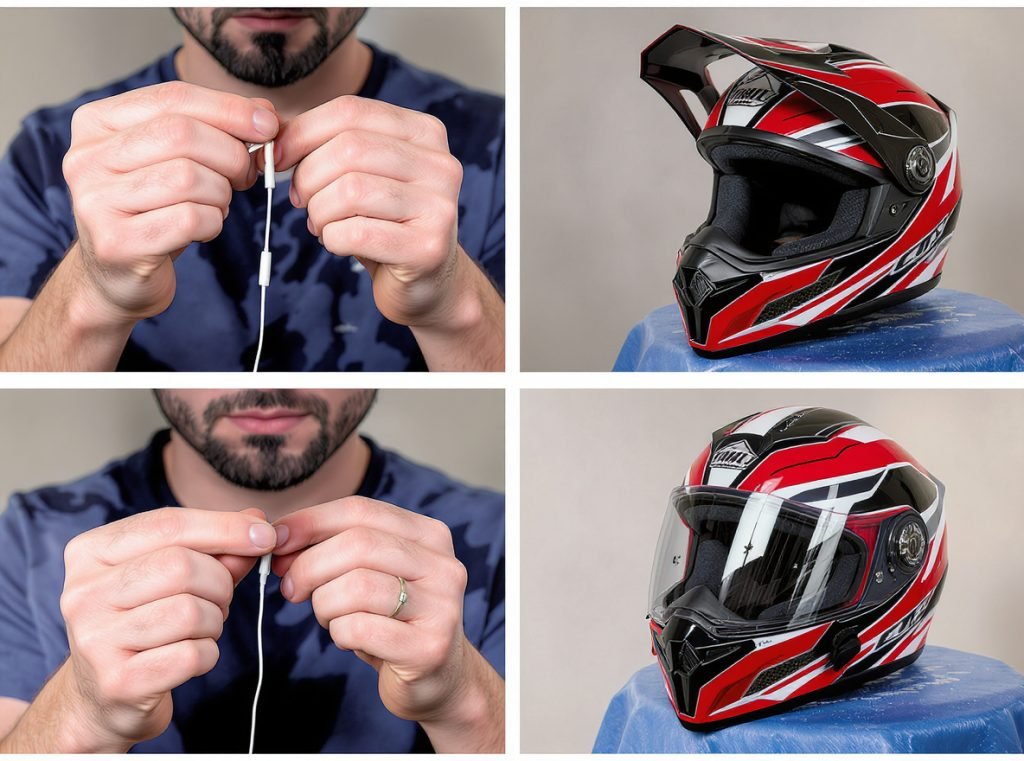
Pre-installation preparation prevents common problems:
Size testing should occur without the helmet first. Most riders require different ear tip sizes for each ear. Test various materials – silicone offers durability while memory foam provides superior sealing. Replace tips regularly as they compress and lose effectiveness.
For wireless earbuds, the installation sequence becomes critical:
- Insert earbuds before putting on helmet to ensure proper seating
- Put helmet on carefully using slow, deliberate movements
- Check fit and comfort before starting ride
- Practice removal technique to catch falling earbuds safely
Helmet-mounted systems require different approach:
- Mount speakers in designated ear pockets using provided adhesive strips
- Install microphone near mouth area for clear communication
- Route cables inside helmet liner to avoid interference
- Test system operation before first ride
Volume calibration requires careful attention to safety. Start with lower levels and gradually increase while stationary. Never exceed levels that mask important environmental sounds like approaching vehicles or emergency sirens.
Best practices for ongoing use:
- Charge wireless systems regularly to avoid mid-ride failures
- Keep backup wired option available for extended tours
- Clean ear tips weekly to maintain hygiene and performance
- Inspect cables for wear or damage from vibration
What Legal Considerations Apply to Motorcycle Earbuds?
Earbud legality varies significantly by jurisdiction, with evolving regulations attempting to balance safety concerns with practical communication needs.
Legal status varies by state, with complete bans in California, Louisiana, Maryland, Minnesota, Virginia, and Washington, while many states permit single-ear use for communication purposes. Recent legislation like Pennsylvania House Bill 646 shows growing recognition of motorcycle-specific needs.

The legal landscape continues evolving as technology advances and legislators better understand motorcycle communication requirements. Some jurisdictions distinguish between traditional earbuds and motorcycle-specific communication systems.
Current regulatory approaches include:
Complete Prohibition States
Six states currently ban all headphone use while operating motor vehicles, including motorcycles. These blanket bans often fail to distinguish between entertainment use and safety-related communication.
Single-Ear Allowances
Many states permit one earbud for navigation and communication while requiring the other ear remain unobstructed for environmental awareness.
Motorcycle-Specific Exceptions
Some states specifically allow helmet-integrated communication systems, recognizing their importance for safety and navigation.
Recent legal developments show positive trends. Pennsylvania House Bill 646 (2025) represents growing legislative recognition of motorcycle audio needs, specifically allowing headphones and helmet-integrated systems for motorcyclists.
Compliance recommendations for riders:
- Research local laws before traveling to new jurisdictions
- Choose systems preserving ambient awareness regardless of legal requirements
- Consider helmet-integrated systems which often receive broader legal acceptance
- Stay informed through motorcycle advocacy organizations
Always verify current local regulations as laws continue evolving to address modern communication needs while maintaining safety standards.
Summary
Selecting optimal earbuds for motorcycle riding requires balancing comfort, safety, performance, and legal compliance. Apple AirPods Pro lead overall performance, while specialized options like TREBLAB X3 Pro serve audiophiles and budget models like SUOOKC provide extended battery life. Prioritize low-profile designs, adequate water resistance, and proper noise isolation over excessive features.

For retailers, distributors, and brand manufacturers seeking comprehensive motorcycle audio solutions, Osmarto offers specialized earbuds designed specifically for riding applications. Contact us for wholesale pricing, bulk customization opportunities, and technical specifications tailored to your market segment needs.