Skip to content
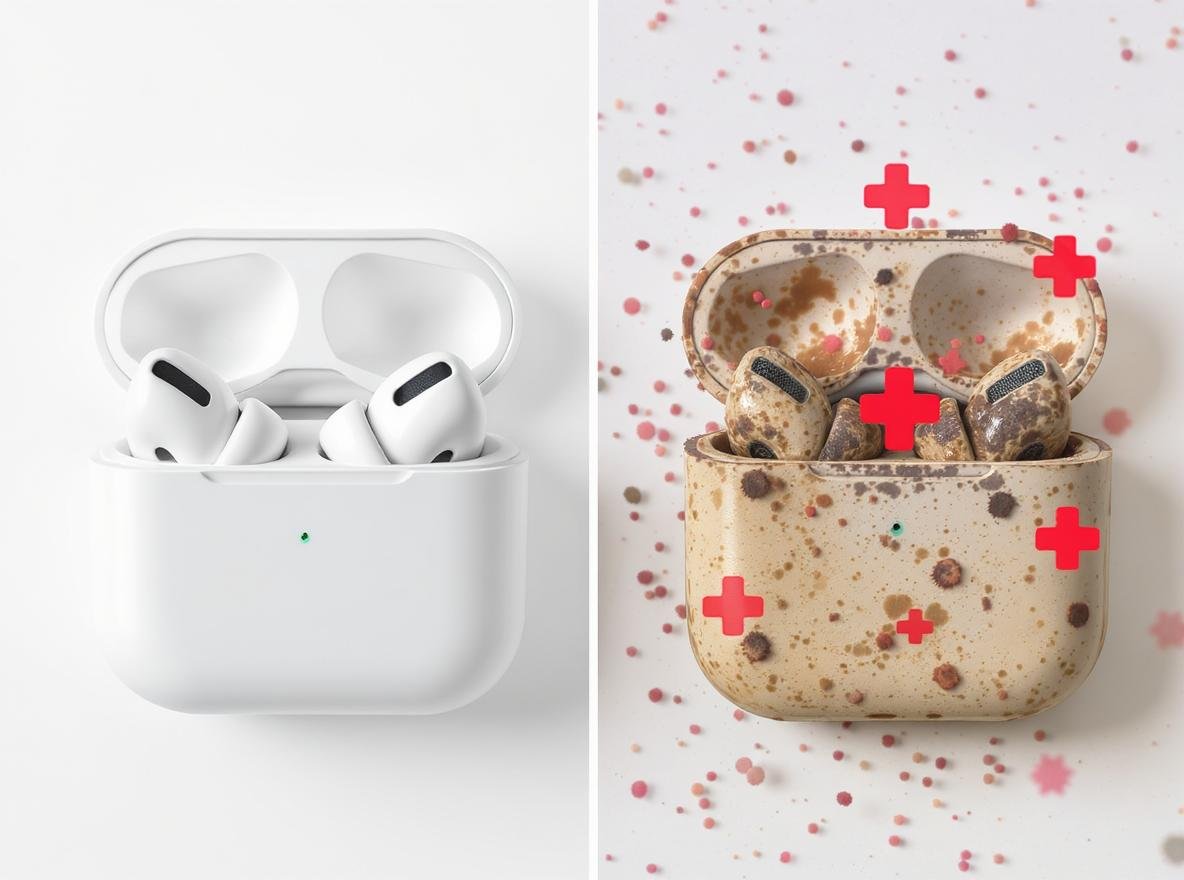
We’ve all been in that moment – your friend wants to hear that incredible song you’re playing, or a family member needs to borrow your earbuds for an urgent call. While sharing seems harmless and natural, your ears might face serious consequences later.
No, you should never share earbuds with another person. Sharing earbuds can increase bacterial levels by up to 2,700 times compared to a kitchen cutting board, creating ideal conditions for ear infections. It’s essentially like sharing a toothbrush and can transmit dangerous bacteria including MRSA between users.
The health risks go far beyond simple discomfort. Let’s explore why sharing earbuds poses real dangers and what safer alternatives exist for enjoying audio together.
What Are the Main Health Risks of Sharing Earbuds?
Understanding these risks helps you make informed decisions about protecting your ear health and audio habits.
Sharing earbuds introduces foreign bacteria into your ears, with contamination levels reaching 2,700 times higher than kitchen cutting boards and 330 times more than countertops.
Dangerous Bacterial Transfer
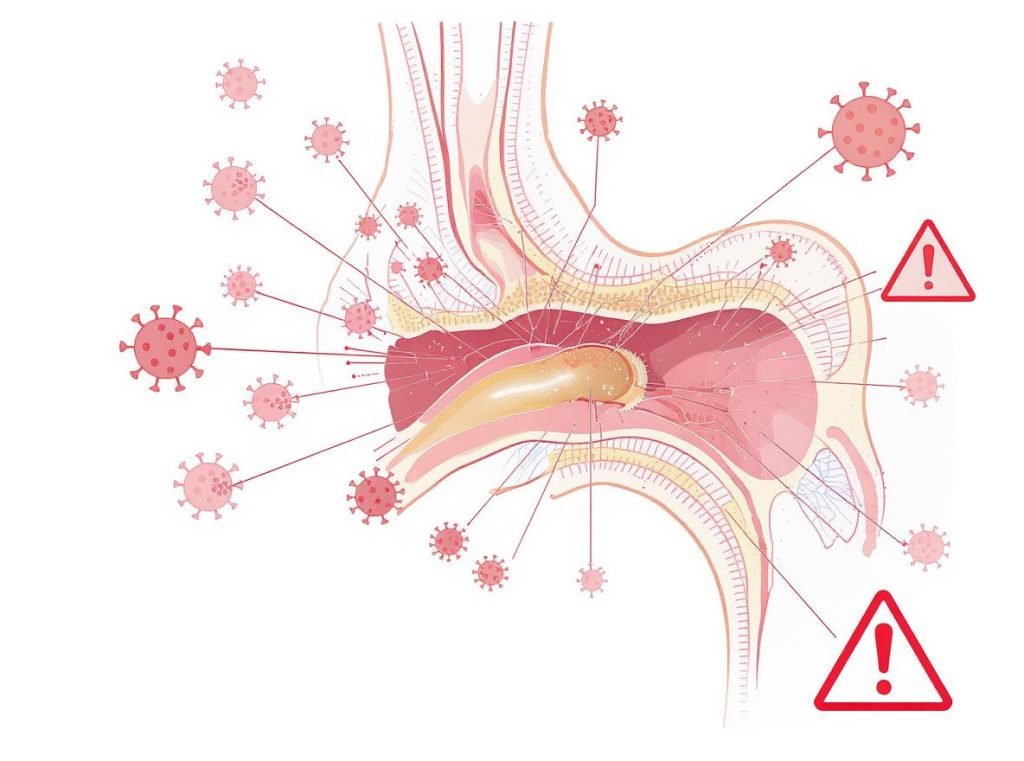
Your ears naturally contain harmless bacteria that belongs there. However, when you introduce someone else’s ear bacteria through shared earbuds, serious problems can develop.
Research reveals shocking contamination levels on headphones that exceed what we’d consider acceptable on kitchen surfaces. You’re essentially swapping ear wax with another person, which contains whatever bacteria, fungi, or pathogens were present in their ears.
The most concerning bacterial transfers include:
- MRSA (Methicillin-Resistant Staphylococcus Aureus) – antibiotic-resistant infections
- Streptococcus bacteria causing serious ear infections
- Pseudomonas – commonly causing swimmer’s ear
- Various fungi that thrive in warm, moist environments
Medical Evidence of Infection Increases
Medical professionals report seeing more patients with outer ear infections, with shared earbud use as a common factor. Studies show that 44.4% of ear infections now involve MRSA strains, which can survive on surfaces for up to a week.
The progression typically follows this pattern:
| Timeline | What Happens | Risk Level |
|---|---|---|
| Day 1 | Bacterial transfer occurs | Initial exposure |
| Days 2-4 | Foreign bacteria begins multiplying | Growing risk |
| Days 5-7 | Symptoms may start appearing | Moderate concern |
| Week 2+ | Full infection develops if untreated | High risk |
Can You Get Serious Diseases from Shared Earbuds?
The disease transmission risk varies based on your immune system and the other person’s health status.
Yes, you can potentially contract MRSA, streptococcus, or pseudomonas through shared earbuds, though serious disease risk remains relatively low for healthy individuals.

When Vulnerability Increases Dramatically
Your risk of serious infections skyrockets if you have:
- Compromised immune system from chemotherapy or medications
- Diabetes or other chronic conditions
- Recent organ transplant
- Open cuts, scratches, or existing infections in your ear canal
- Any condition that affects your body’s ability to fight infections
Even healthy people aren’t completely safe. Unless you’re immunocompromised from conditions like diabetes, chemotherapy, or organ transplants, experts note the risk remains relatively low but still present.
Real Medical Cases and Outcomes
Healthcare providers consistently report cases where shared earbuds directly led to serious infections requiring antibiotic treatment. MRSA infections, in particular, pose significant challenges because they resist standard antibiotic treatments.
The most serious complications include:
- Deep tissue infections requiring surgical intervention
- Chronic ear infections that damage hearing
- Antibiotic-resistant infections spreading to other body parts
- Permanent hearing loss from untreated infections
How Do Earbuds Create the Perfect Environment for Bacteria?
The design and usage patterns of earbuds naturally create what microbiologists call ideal “breeding grounds” for harmful microorganisms.
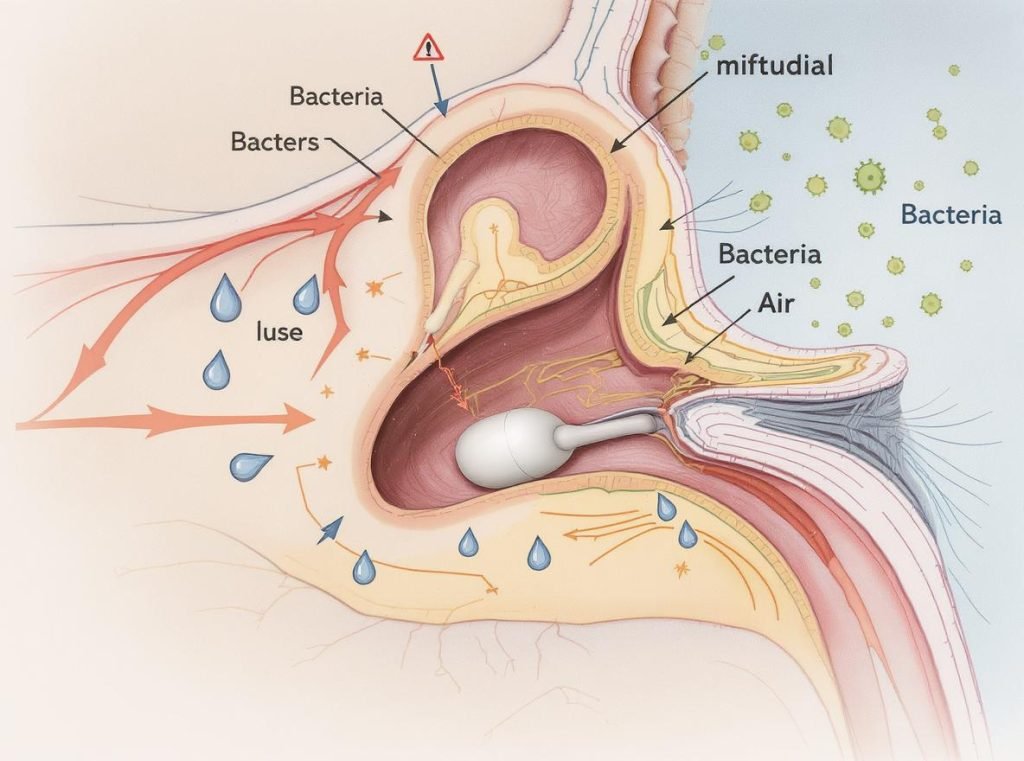
Earbuds increase bacterial growth in ears by up to 700%, with some studies showing 11-fold increases, by trapping moisture and blocking natural air circulation.
The Science Behind Bacterial Multiplication
When you insert earbuds, you create a sealed environment that blocks normal air circulation. This traps heat and moisture from natural ear secretions and sweat, creating the warm, damp conditions where dangerous bacteria and fungi thrive.
Normal ear cleaning mechanisms get disrupted because earbuds can push earwax deeper into the canal and prevent its natural outward migration. This trapped wax becomes a perfect medium where bacteria multiply rapidly.
Physical Factors That Increase Risk
Material Impact on Bacterial Growth:
Silicone Tips:
- Non-porous surface resists some bacteria initially
- Easy to clean with proper alcohol wipes
- Still harbor dangerous bacteria in small crevices and seams
Foam Tips:
- Highly porous material traps significantly more bacteria
- Nearly impossible to clean thoroughly once contaminated
- Require frequent replacement to maintain hygiene
Hard Plastic Materials:
- Smooth surfaces easier to sanitize effectively
- Less comfortable for extended wear periods
- Best option for shared environments when properly cleaned
Physical Ear Damage:
Constant insertion and removal causes microscopic scratches in delicate ear canal skin, creating direct entry points where infections can take hold and spread rapidly.
What Should You Do If You’ve Already Shared Earbuds?
Don’t panic, but take immediate preventive action to minimize your infection risk and monitor for developing problems.
Clean your ears gently, avoid using earbuds temporarily, and monitor for infection symptoms like pain, discharge, or hearing changes over the next 7-10 days.
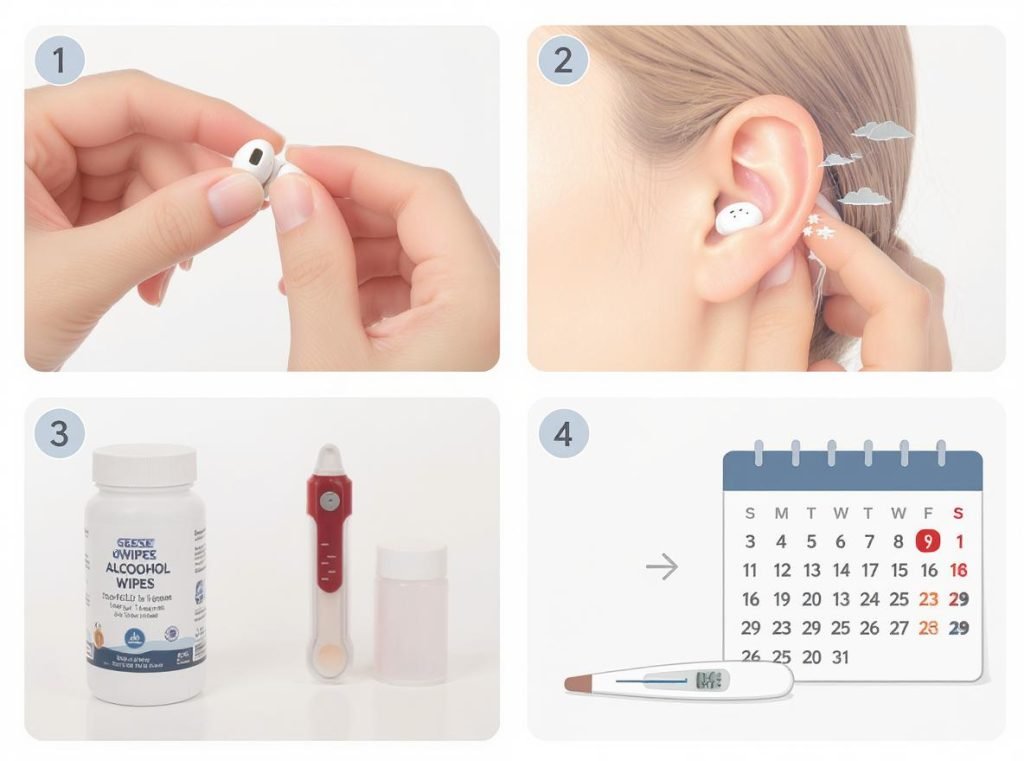
Emergency Response Steps
Right after sharing earbuds, follow this protocol:
- Remove earbuds immediately and avoid reinserting anything
- Let your ears air out completely for several hours minimum
- Resist the urge to clean aggressively with cotton swabs
- Allow natural ear cleaning mechanisms to work undisturbed
Clean the shared earbuds thoroughly with 70% isopropyl alcohol and wait for complete drying before any future use.
Critical Warning Signs Requiring Medical Attention
| Symptom Category | Urgency Level | Recommended Action |
|---|---|---|
| Mild itching or discomfort | Low | Monitor closely for 2-3 days |
| Moderate pain or pressure sensation | Medium | Schedule doctor visit within 24-48 hours |
| Discharge, fever, or severe pain | High | Seek immediate medical attention |
| Any hearing loss or significant changes | Emergency | Require immediate emergency care |
Don’t use earbuds until any symptoms completely resolve, as continued use can worsen infections or delay essential healing processes.
Are There Safe Ways to Share Audio Without Sharing Germs?
Yes, multiple modern technologies allow safe audio sharing while completely protecting your ear health.
Use Bluetooth audio sharing features, wireless splitters, or over-ear headphones instead of sharing in-ear devices to eliminate health risks entirely.
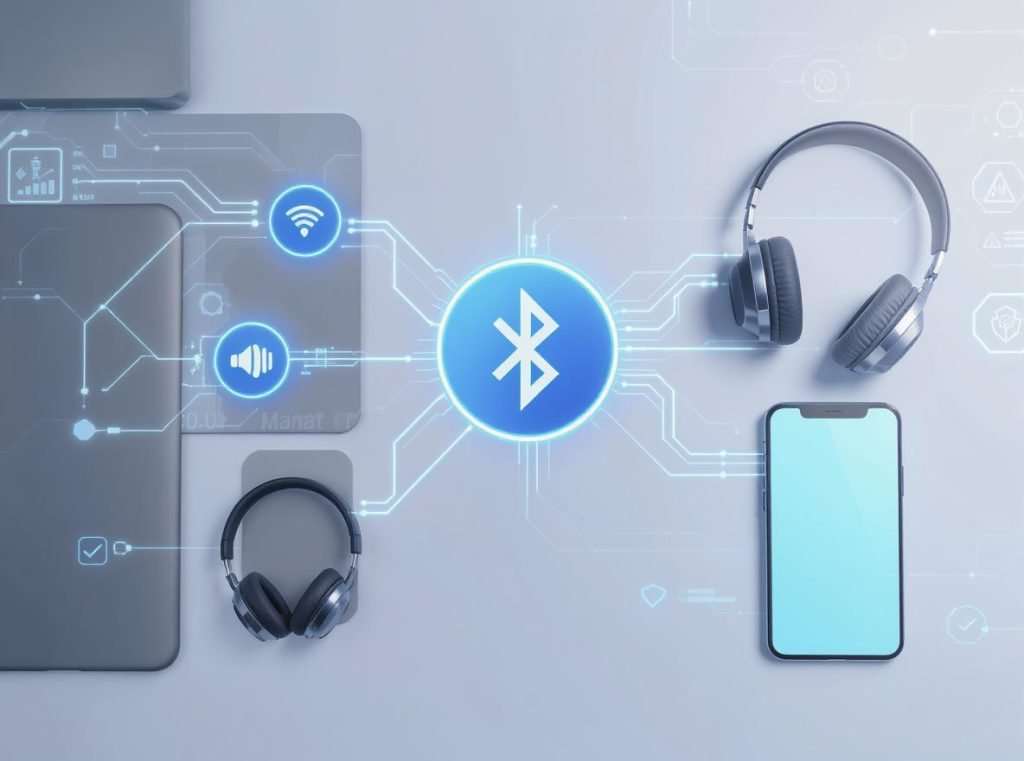
Modern Bluetooth Sharing Solutions
iPhone Audio Sharing (iOS 13.1+):
- Connect two compatible Apple or Beats headphones simultaneously
- Each user maintains independent volume control
- No physical contact or contamination risk
Samsung Dual Audio (Bluetooth 5.0):
- Stream to multiple Bluetooth devices from compatible Samsung phones
- Works with most modern Bluetooth headphones
- Perfect for sharing music, videos, or calls safely
Universal Bluetooth Transmitters:
- Connect multiple headphones to any audio source
- Work with older devices lacking built-in multi-device support
- Allow up to 100 headphones connection in some professional models
Traditional Safe Alternatives
Wired Audio Splitters with Volume Control:
Each person uses their own headphones connected through a splitter featuring independent volume controls, ensuring personalized comfort levels without contamination.
Disposable Headphone Covers:
Sanitary covers made from spun-bond polypropylene create protective barriers between users and shared headphones. Educational facilities and call centers commonly use these for safety.
Over-Ear Headphones for Sharing:
When sharing is absolutely necessary, over-ear models present significantly lower risk because they don’t penetrate the ear canal and are much easier to clean thoroughly between users.
How Often Should You Clean Your Own Earbuds?
Regular cleaning prevents dangerous bacterial buildup even when you’re not sharing with others.
Clean earbuds weekly minimum with 70% isopropyl alcohol, or every three days if you’re a heavy user (8+ hours daily).
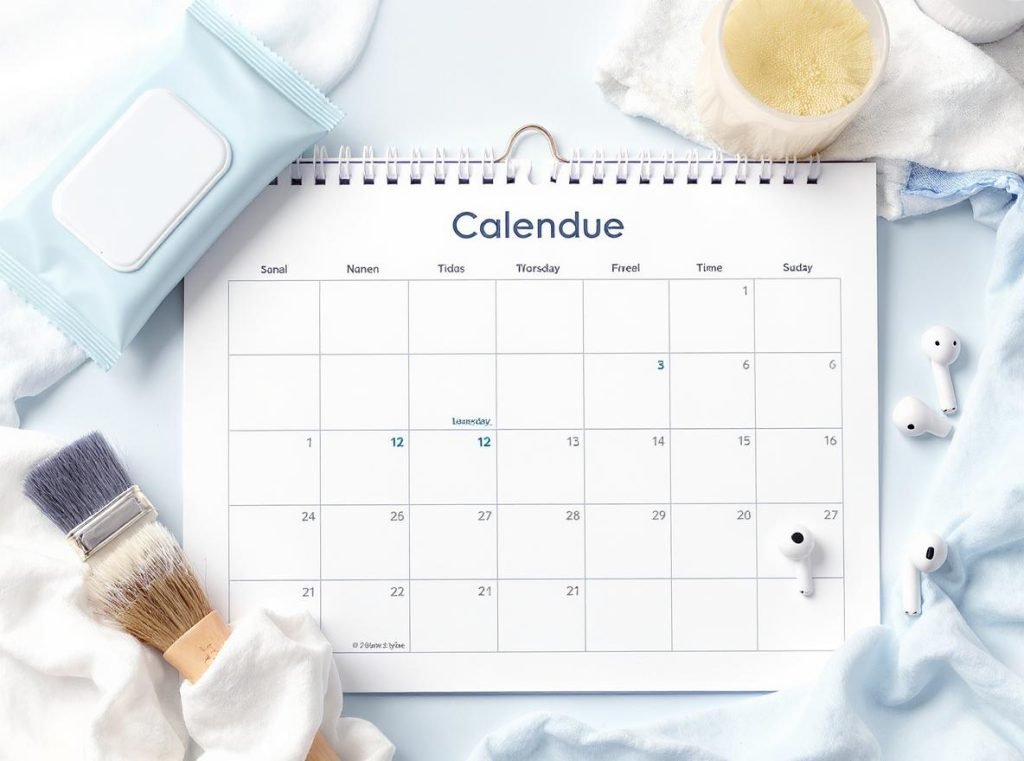
Evidence-Based Cleaning Schedule
After Every Workout or Sweating:
Moisture and salt from perspiration create ideal bacterial growth conditions that multiply rapidly in warm earbud environments.
Weekly Deep Cleaning Protocol:
- Remove all detachable ear tips and wash with warm, soapy water
- Use soft toothbrush to gently clean mesh areas and small crevices
- Wipe exterior surfaces with 70%+ isopropyl alcohol on cloth
- Allow all components to dry completely before reassembly
Every 72 Hours for Heavy Users:
Wax buildup typically begins within this timeframe, so regular cleaning prevents dangerous accumulation that becomes increasingly difficult to remove.
Professional Cleaning Standards
| Cleaning Component | Frequency | Method | Why It Matters |
|---|---|---|---|
| Ear tips | Weekly | Warm soapy water | Direct ear contact point |
| Mesh screens | Weekly | Soft brush + alcohol | Trap bacteria and wax |
| Charging case | Weekly | Alcohol wipe | Recontaminates clean earbuds |
| Cable connections | Monthly | Gentle alcohol cleaning | Hidden bacteria accumulation |
Critical Rule: Never submerge earbuds in water or use harsh chemicals that can damage sensitive electronic components while trying to maintain hygiene.
What Types of Headphones Are Safest for Health?
Different headphone designs carry dramatically varying levels of health risks and infection potential.
Over-ear headphones are significantly safer than in-ear models because they don’t penetrate the ear canal, allow natural air circulation, and are much easier to clean thoroughly.
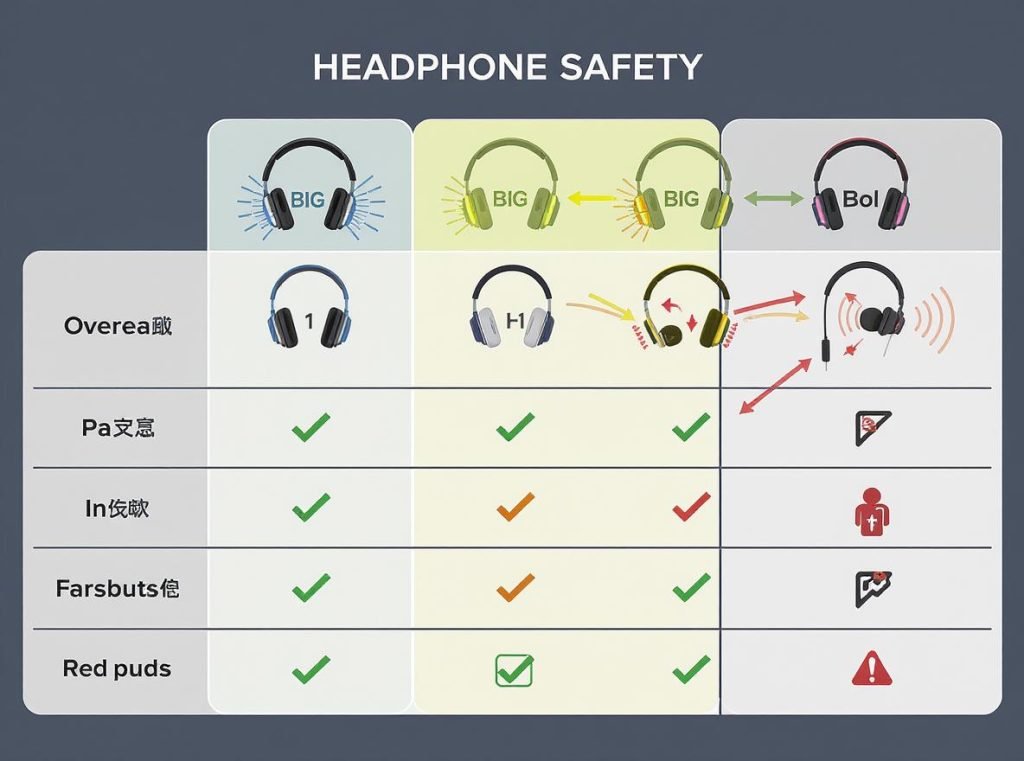
Scientific Safety Rankings
Safest Health Options:
- Open-back over-ear headphones – Maximum air circulation, no canal penetration
- Bone conduction headphones – No ear contact whatsoever
- On-ear headphones with breathable padding – Minimal contact, easy cleaning
Moderate Risk Category:
- Closed-back over-ear headphones – Some moisture trapping but cleanable
- Well-ventilated on-ear models – Limited air flow restriction
- Loose-fitting earbuds – Some canal penetration but reduced sealing
Highest Risk Category:
- Deep-insertion in-ear monitors – Maximum canal penetration and sealing
- Tight-sealing noise-canceling earbuds – Complete air flow blockage
- Foam-tipped earbuds – Impossible to clean thoroughly
Professional Purchasing Considerations
For businesses buying headphones in bulk quantities:
Wholesale Health Priorities:
- Choose models with completely removable, washable components
- Prioritize materials scientifically proven to resist bacterial growth
- Include professional cleaning supplies with every bulk order
- Provide detailed hygiene guidelines to all end customers
Quality Standards for Health Safety:
- Medical-grade materials where economically feasible
- Easy disassembly allowing thorough sanitization
- Durable construction withstanding frequent cleaning cycles
- Clear cleaning instructions backed by manufacturer warranties
Studies comparing headphone types consistently demonstrate that over-ear models present significantly fewer health risks than any in-ear alternatives for both individual and shared use.
Summary
Sharing earbuds creates serious health risks with bacterial contamination levels 2,700 times higher than kitchen cutting boards. The potential for MRSA transmission, permanent hearing damage, and antibiotic-resistant infections far outweighs any convenience. Modern Bluetooth sharing features and over-ear alternatives provide safe options for enjoying audio together while protecting your health.
Ready to upgrade your audio inventory with health-conscious options? Contact Osmarto for wholesale pricing on over-ear headphones and safer audio solutions that protect your customers while delivering exceptional sound quality. Send us an inquiry today to discuss bulk orders that prioritize both audio excellence and user health safety.