Skip to content
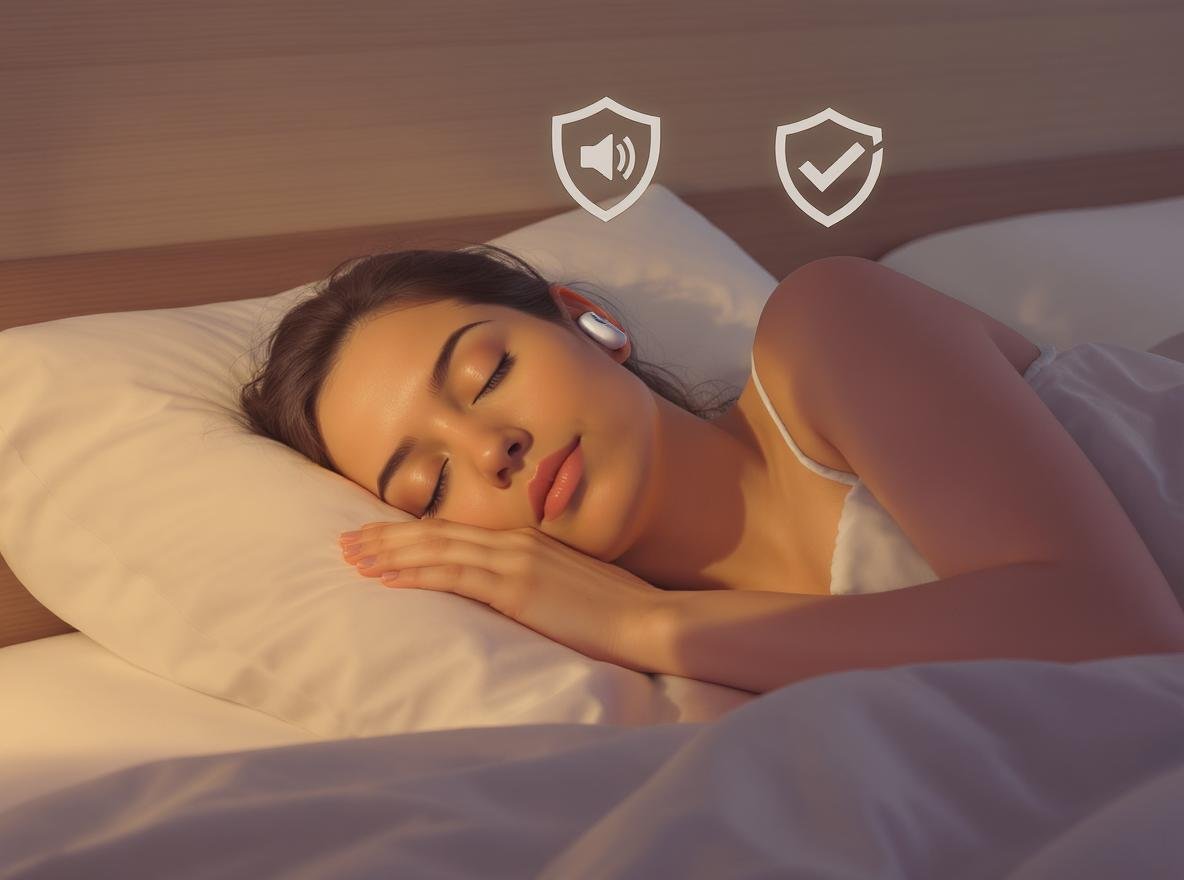
Many people struggle with sleep due to noisy environments, racing thoughts, or the need for soothing sounds. While sleeping with headphones seems like an obvious solution, you might wonder about the potential risks to your health and safety.
Sleeping with headphones can be relatively safe when done properly, but it carries several health and safety risks that need careful consideration. The key lies in choosing the right type of headphones, keeping volumes below 60% of maximum, maintaining proper hygiene, and being aware of emergency safety concerns.
Let’s explore everything you need to know about sleeping with headphones safely, including the risks, benefits, and best practices for a good night’s rest.
What Are the Main Health Risks of Sleeping with Headphones?
Understanding the potential dangers is crucial before making sleeping with headphones a regular habit. While millions of people do this safely, awareness of risks helps you make informed decisions.
The primary health risks include hearing loss from prolonged exposure to elevated sound levels, increased risk of ear infections due to trapped moisture and bacteria, physical discomfort from pressure points, and tinnitus development from extended headphone use.

Hearing Damage from Extended Exposure
Experts recommend keeping volumes below 60% of maximum volume, as listening to sounds above 85 decibels for extended periods can cause permanent hearing loss. Since earbuds sit directly in the ear canal, they expose you to higher sound levels even at lower volume settings.
One concerning study found that 10% of participants listened to music between 90-100 decibels during sleep, significantly increasing their risk for future hearing impairments. This is particularly dangerous because sleep reduces your awareness of volume levels that might seem comfortable when awake but prove damaging over 6-8 hours of continuous exposure.
Key hearing-related concerns include:
- Cumulative damage from prolonged nightly exposure
- Inability to monitor volume changes during sleep movements
- Risk of permanent threshold shifts in hearing sensitivity
- Higher risk with in-ear devices due to direct canal placement
Ear Infections and Bacterial Growth
Wearing headphones overnight creates an ideal environment for bacterial growth that can lead to serious ear health issues.
Earbuds and in-ear headphones trap moisture in the ear canal, especially problematic if you go to bed after showering. This warm, humid environment promotes bacterial growth that can lead to external ear infections, commonly called “swimmer’s ear.”
| Risk Factor | Severity Level | Common Symptoms |
|---|---|---|
| Trapped moisture | High | Itching, discharge, pain |
| Bacterial overgrowth | High | Swelling, hearing reduction |
| Earwax impaction | Medium | Blockage, muffled hearing |
| Skin irritation | Medium | Redness, soreness |
Additionally, headphones can push earwax deeper into the canal, causing impaction that may require medical removal and can lead to temporary hearing loss.
Physical Discomfort and Tissue Damage
Poor-fitting earbuds can damage the skin in your ear canal, potentially leading to necrosis—a serious condition where skin cells die due to reduced blood flow.
Traditional over-ear headphones create pressure points on your head and ears, especially problematic for side sleepers who may experience soreness, interrupted sleep quality, and even temporary indentations from prolonged pressure.
Tinnitus Development
Extended headphone use can contribute to tinnitus, the persistent ringing in the ears that affects millions of people worldwide.
This condition creates a particularly problematic cycle: people may initially use headphones to mask environmental sounds for better sleep, but extended use can worsen or trigger tinnitus, which then requires even more audio masking to manage.
What Safety Issues Should You Consider with Sleep Headphones?
Beyond health risks, there are critical safety considerations that many people overlook when sleeping with audio devices.
The most significant safety risks include inability to hear emergency alarms and important sounds, strangulation hazards from corded devices, and potential battery-related safety issues from electronic devices worn during unconscious hours.
Emergency Response and Sound Recognition
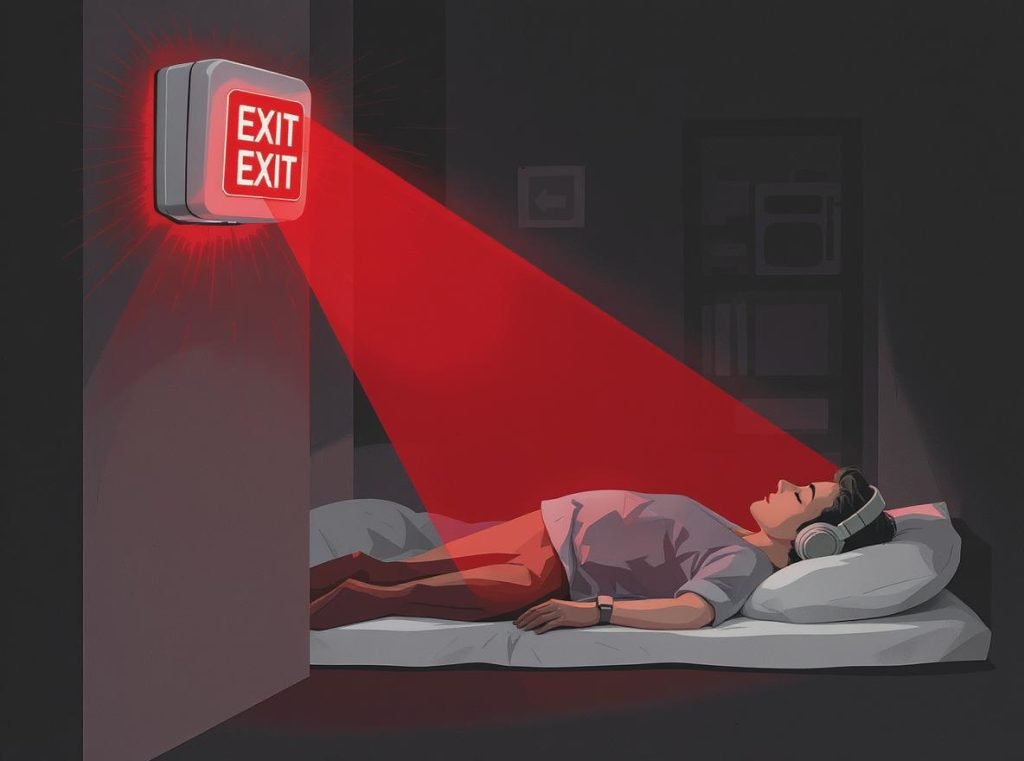
Noise-canceling headphones can prevent you from hearing fire alarms, break-ins, medical emergencies, or urgent phone calls. This risk is particularly concerning for people living alone or those responsible for others’ safety.
If you wear noise-canceling headphones to sleep, you risk missing critical emergency sounds that could have life-saving importance. Fire alarms, smoke detectors, security alarms, and emergency sirens all rely on your ability to hear them, and sleep already reduces our natural responsiveness to external sounds.
Essential sounds you might miss include:
- Smoke and fire detection systems
- Carbon monoxide alarms
- Home security alerts
- Medical emergency calls
- Children or family members in distress
- Weather emergency warnings
Strangulation and Cord Hazards
Wired headphones pose serious strangulation risks during sleep, as cords can become wrapped around your neck or limbs as you move during natural sleep cycles.
This danger is especially pronounced for restless sleepers who frequently change positions. Cords can also accidentally adjust volume levels, potentially causing sudden loud sounds that could damage hearing or cause startling wake-ups.
Electronic Device Safety Concerns
While rare, there have been documented instances of earbuds malfunctioning or overheating during sleep, and being unconscious means you cannot immediately respond to such issues.
Battery-powered devices worn for extended periods carry small but real risks of overheating, especially if charging ports become blocked or devices malfunction during the night.
Which Types of Headphones Are Safest for Sleeping?
Not all headphones are created equal when it comes to sleep safety. Choosing the right type can significantly reduce risks while maintaining comfort and effectiveness.
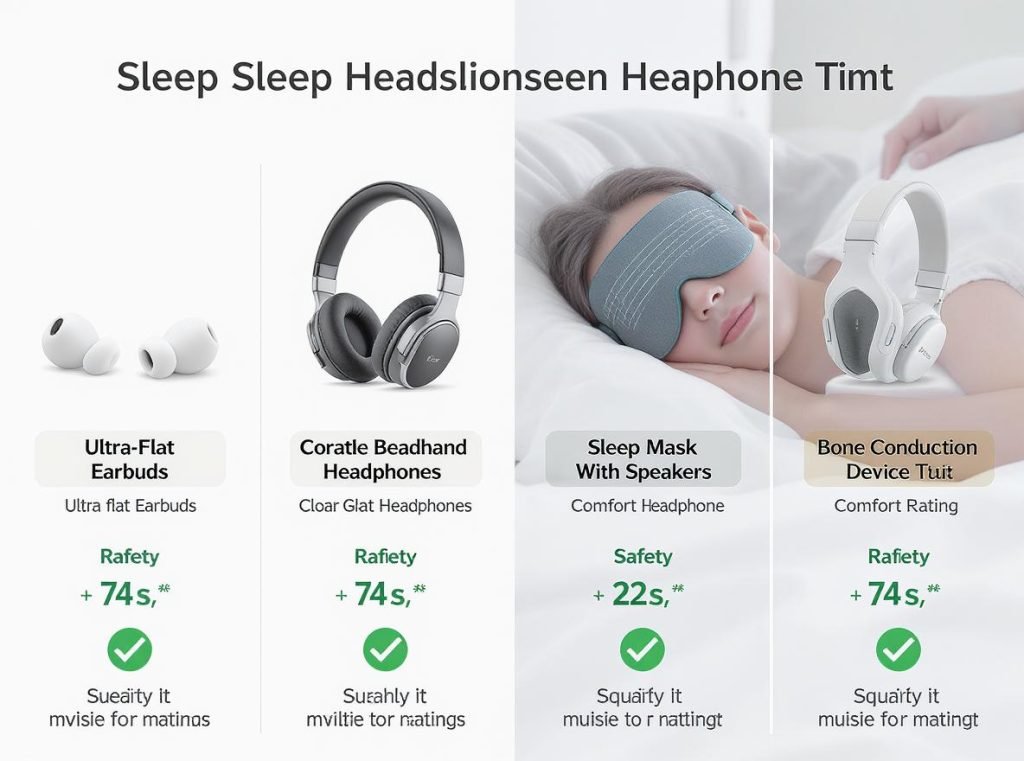
Sleep-specific headphones like ultra-flat wireless earbuds, soft headband designs, and sleep masks with integrated audio are the safest options. These specialized designs minimize pressure points, reduce infection risks, and often include important safety features like volume limiting and automatic shutoff timers.
Ultra-Flat Sleep Earbuds
Modern sleep earbuds are specifically engineered for extended comfort and safety. Products like the Soundcore Sleep A20 feature ultra-flat designs just 6mm thick, making them comfortable for side sleepers while including built-in safety features.
These specialized earbuds often incorporate volume limits well below hearing damage thresholds, sleep tracking capabilities, and gentle wake-up alarms that gradually increase in volume rather than startling you awake.
Benefits of sleep-specific earbuds:
- Ultra-compact design prevents pressure points
- Built-in volume limiting for hearing protection
- Extended battery life (8-10+ hours)
- Often include sleep-tracking features
- Designed to stay secure during movement
Headband-Style Sleep Headphones
Headband headphones like SleepPhones feature ultra-thin speakers (0.25 inches) embedded in soft, washable fabric headbands that eliminate pressure points and prevent devices from falling off during sleep.
These designs distribute sound evenly while remaining comfortable for all sleeping positions, and the washable fabric addresses hygiene concerns that come with extended wear.
| Feature | Traditional Headphones | Sleep Headbands |
|---|---|---|
| Thickness | 15-30mm | 6-8mm |
| Pressure points | Multiple | None |
| Side sleeping comfort | Poor | Excellent |
| Washability | Limited | Full fabric washing |
| Fall-off risk | High | None |
Sleep Masks with Integrated Audio
The Manta Sound Sleep Mask combines light blocking with audio playback, featuring adjustable C-shaped eyecups that accommodate side sleeping while positioning speakers away from direct ear canal contact.
These dual-purpose devices are particularly effective for people who need both darkness and sound control for optimal sleep quality.
Bone Conduction Technology for Sleep
Bone conduction headphones transmit sound through skull vibrations rather than direct ear canal placement, leaving ears completely open to environmental sounds while still providing audio benefits.
While audio quality may not match traditional headphones, bone conduction offers unique safety advantages by maintaining awareness of emergency sounds and eliminating ear infection risks entirely.
How Can You Sleep with Headphones Safely?
Following evidence-based safety protocols allows you to enjoy the benefits of sleep audio while minimizing health and safety risks.
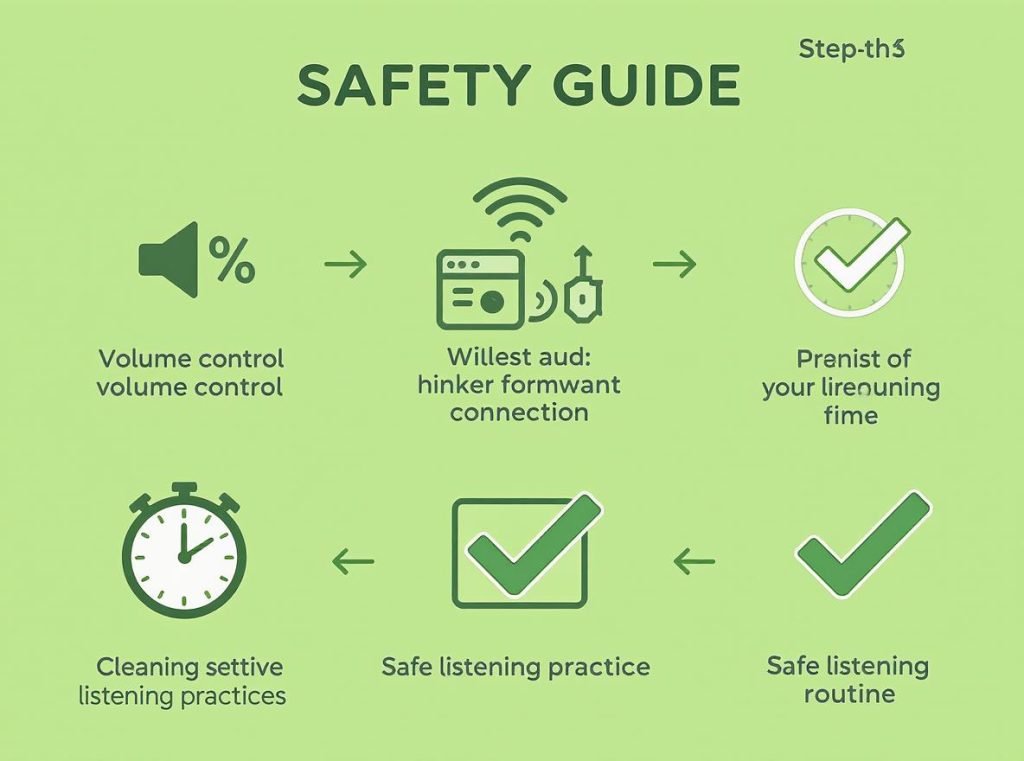
Safe headphone sleeping requires strict volume control below 60% maximum, using wireless sleep-specific designs, implementing time limitations with the 60/60 rule, maintaining rigorous device hygiene, and choosing appropriate audio content designed for sleep rather than active listening.
Volume Control and the 60/60 Rule
Keep volume at 60% or lower of your device’s maximum setting and follow the 60/60 rule: listen at no more than 60% volume for no more than 60 minutes at a time, allowing 15-20 minute breaks between sessions.
For extended sleep listening, aim for volumes around 40 decibels or lower—roughly equivalent to a whisper. Use the “arm’s length rule” as a quick check: if someone within arm’s reach can hear your audio, it’s too loud for safe sleep use.
Most smartphones allow you to set maximum volume limits in accessibility settings. Use these features to prevent accidental volume increases during sleep movements or app notifications.
Hygiene and Maintenance Protocols
Clean your headphones regularly to prevent bacterial infections that can develop from extended overnight use.
Sanitize earbuds every 40 hours of use with alcohol-free antimicrobial wipes, paying special attention to areas that contact skin. For headband-style headphones, wash the fabric according to manufacturer instructions after removing electronic components.
Essential hygiene practices include:
- Daily cleaning with 70% isopropyl alcohol wipes
- Monthly replacement of silicone ear tips
- Weekly washing of fabric components
- Proper storage in clean, dry environments
- Regular inspection for wear or damage
Wireless Technology and Battery Safety
Always choose wireless options to eliminate strangulation risks, ensuring your selected model has sufficient battery life (minimum 8-10 hours) to last through complete sleep cycles.
Look for devices with automatic shutoff features that can be programmed to turn off after you fall asleep, typically 30-90 minutes depending on your needs.
Content Selection for Sleep Safety
Choose audio content specifically designed for sleep rather than regular music or entertainment. Sleep-focused content is typically mixed at consistent volume levels without sudden spikes that could damage hearing or cause startling wake-ups.
Effective sleep audio options include white noise, nature sounds, binaural beats designed for sleep frequencies, and guided sleep meditations with consistent, gentle narration.
What Are the Proven Benefits of Sleeping with Headphones?
Despite the risks, sleeping with headphones offers legitimate, research-backed benefits for many people, particularly those facing challenging sleep environments or specific health conditions.
Research shows that over 90% of participants reported improved sleep quality when using properly designed nighttime audio. Benefits include effective noise masking, stress reduction through targeted audio content, tinnitus management, and enhanced sleep quality through scientifically designed soundscapes.
Scientifically Proven Sleep Quality Improvements
Studies demonstrate that listening to calming sounds can lower heart rate, reduce blood pressure, and decrease stress hormones like cortisol, promoting faster sleep onset and deeper sleep phases.
Music listening triggers dopamine release, creating positive neurochemical changes that facilitate relaxation and counter the effects of daily stress and anxiety that often interfere with sleep quality.
Research-backed benefits include:
- Reduced time to fall asleep (sleep onset latency)
- Increased deep sleep phase duration
- Lower cortisol levels during sleep
- Improved overall sleep satisfaction scores
- Reduced nighttime awakening frequency
Environmental Noise Management
Headphones effectively mask disruptive environmental sounds that can fragment sleep cycles, particularly beneficial for urban dwellers, shift workers, and people with snoring partners.
Consistent, low-level audio helps maintain sleep by preventing sudden awakening from environmental noise changes that are increasingly common in modern living situations.
Stress and Anxiety Reduction
Audio content provides significant mental health benefits by redirecting attention away from anxious thoughts and daily stressors that often intensify during the quiet nighttime hours.
Guided meditations, progressive muscle relaxation audio, and specially designed binaural beats can actively promote relaxation responses that improve both sleep quality and overall mental health.
Medical Applications for Sleep Disorders
For people with tinnitus, sleep headphones provide essential relief by masking ringing sounds with white noise or specially designed sound therapies, allowing for more restful sleep.
Sleep audio can also benefit people with certain anxiety disorders, ADHD, and other conditions that make quiet sleep environments problematic rather than restful.
What Are the Best Alternatives to Sleeping with Headphones?
Before committing to headphone use, consider these alternatives that often provide similar benefits with reduced health and safety risks.
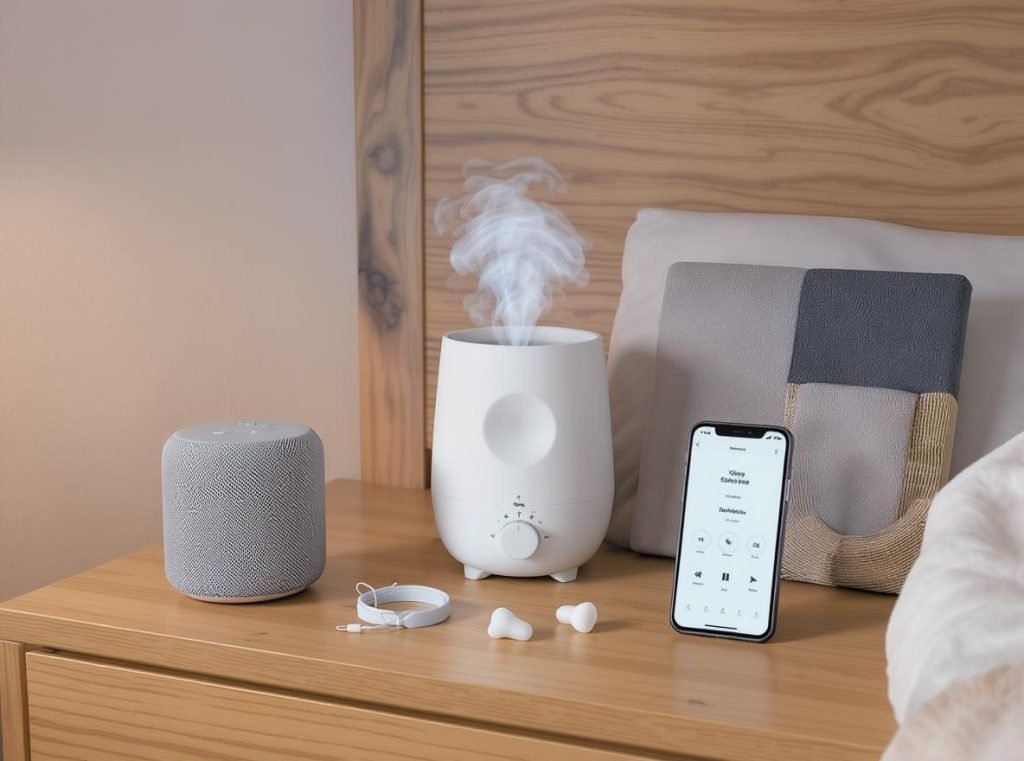
Effective alternatives include strategically positioned room speakers, dedicated white noise machines, sound-generating earplugs, smart sleep systems, and comprehensive environmental modifications. These options often provide comparable benefits while eliminating most physical risks associated with wearing devices during sleep.
Room-Based Audio Solutions
Bedside speakers or dedicated sleep sound machines provide audio benefits without any direct ear contact or safety concerns. Modern Bluetooth speakers can be strategically positioned for optimal sound distribution while maintaining full environmental awareness.
Position speakers 3-6 feet from your bed and use timer functions to automatically shut off after you fall asleep, typically 30-90 minutes depending on your sleep patterns.
Specialized White Noise Machines
Dedicated white noise machines are designed specifically for sleep environments and often include multiple sound options, timer functions, and volume controls optimized for bedroom use.
These devices provide consistent sound masking without any of the health risks associated with prolonged headphone use, making them ideal for people who primarily need environmental noise control.
Advanced Sleep Technology Systems
Products like the Ozlo Sleepbuds use proprietary sound masking technology specifically tuned to block sleep-disrupting frequencies while remaining comfortable for extended wear and maintaining some environmental awareness.
Smart sleep systems often combine multiple technologies including ambient sound generation, sleep tracking, and gradual wake-up features that work together to optimize sleep quality.
Environmental Modification Approaches
Sometimes the most effective solution involves addressing your sleep environment directly rather than adding technology:
Room modifications for better sleep include:
- Acoustic panels or soundproofing materials for walls and windows
- Heavy curtains or blinds to reduce external noise transmission
- White noise from fans, air purifiers, or HVAC systems
- Direct addressing of noise sources when possible
- Strategic furniture placement to minimize sound transmission
Hybrid Strategies for Optimal Results
Consider combining multiple approaches for maximum effectiveness: use room-based audio solutions most nights while reserving headphones for particularly challenging environments, travel, or situations where room modifications aren’t possible.
What Should Businesses Know About the Growing Sleep Headphone Market?
The sleep audio market represents a significant business opportunity at the intersection of health technology and consumer electronics, driven by increasing awareness of sleep health’s importance.
The global sleep headphones market was valued at $92 million in 2024 and is projected to reach $160-3.8 billion by 2032, depending on market analysis methodology. Growth is driven by rising sleep disorder prevalence, urbanization challenges, and increasing consumer preference for non-pharmacological sleep solutions.

Market Size and Growth Projections
Conservative estimates project the market reaching $160 million by 2032 with a 7.34% compound annual growth rate, while more aggressive projections suggest potential growth to $3.8 billion by 2032 at a 13.5% CAGR.
The sleep disorder epidemic affects 50-70 million adults in the U.S. alone, creating substantial and growing market demand for technology-based sleep solutions.
Primary Market Drivers and Demographics
Rising stress levels, increasing urbanization, and growing awareness of sleep health’s impact on overall wellness are primary growth drivers creating sustained market expansion.
Key consumer segments include:
- Urban millennials dealing with noise pollution
- Frequent travelers needing consistent sleep solutions
- Shift workers requiring daytime sleep management
- Individuals with sleep disorders or tinnitus
- Health-conscious consumers seeking non-pharmaceutical solutions
Technology Integration and Innovation Trends
Modern sleep headphones increasingly incorporate advanced features that differentiate premium products from basic audio devices.
Cutting-edge features driving market growth include:
- Bluetooth connectivity with smartphone app integration
- Built-in sleep tracking and biometric monitoring
- AI-powered personalization and adaptive sound algorithms
- Automatic volume adjustment based on sleep phases
- Integration with smart home systems and sleep optimization platforms
Regional Market Opportunities and Growth Patterns
North America currently dominates market share due to high disposable income and established wellness culture, while Asia-Pacific shows the highest growth potential with projected 15.2% CAGR growth.
The Asia-Pacific expansion is driven by rapid urbanization, increasing health awareness, and growing middle-class populations in countries like China, India, and Southeast Asian markets.
Product Development Focus Areas for Success
Successful products prioritize user safety, extended comfort, and sleep-specific features rather than traditional audio quality metrics that appeal to active listeners.
Key differentiators for market success include:
- Ultra-thin designs specifically engineered for side sleepers
- Extended battery life lasting 10+ hours for full sleep cycles
- Washable, hygienic materials that address long-term health concerns
- Built-in safety features like volume limiting and emergency sound pass-through
- Integration with sleep tracking apps and wellness ecosystems
Distribution Strategies and Market Access
E-commerce platforms and health-focused marketing approaches prove most effective for reaching target demographics interested in sleep optimization rather than general entertainment.
Successful marketing positions these products as health and wellness solutions rather than entertainment devices, emphasizing sleep quality improvement, stress reduction, and long-term health benefits.
The sleep headphone market represents a compelling opportunity for businesses that understand the unique requirements of sleep users and prioritize safety, comfort, and health outcomes over traditional audio performance metrics.
Summary
Sleeping with headphones can be safe when approached with proper knowledge and precautions, but requires understanding significant health and safety risks. The key factors for safe use include choosing sleep-specific wireless designs, maintaining strict volume limits below 60%, ensuring excellent device hygiene, and remaining aware of emergency sound recognition needs. While room-based alternatives may work for some situations, specialized sleep headphones remain valuable tools for managing challenging sleep environments when used responsibly and with appropriate safety measures.
The growing sleep audio market reflects increasing consumer awareness of sleep health’s importance and demand for effective, non-pharmaceutical sleep solutions. For businesses in the audio industry, this represents a significant opportunity to develop products that prioritize user safety and sleep-specific needs over traditional entertainment-focused features.
Whether you’re exploring sleep audio solutions for personal use or evaluating market opportunities for your business, understanding the balance between benefits and risks will lead to better outcomes. For wholesalers, distributors, and brand manufacturers interested in this expanding market, partnering with experienced headphone manufacturers who understand sleep-specific design requirements and safety standards can help you capitalize on this growing demand while ensuring customer safety and satisfaction.