Skip to content
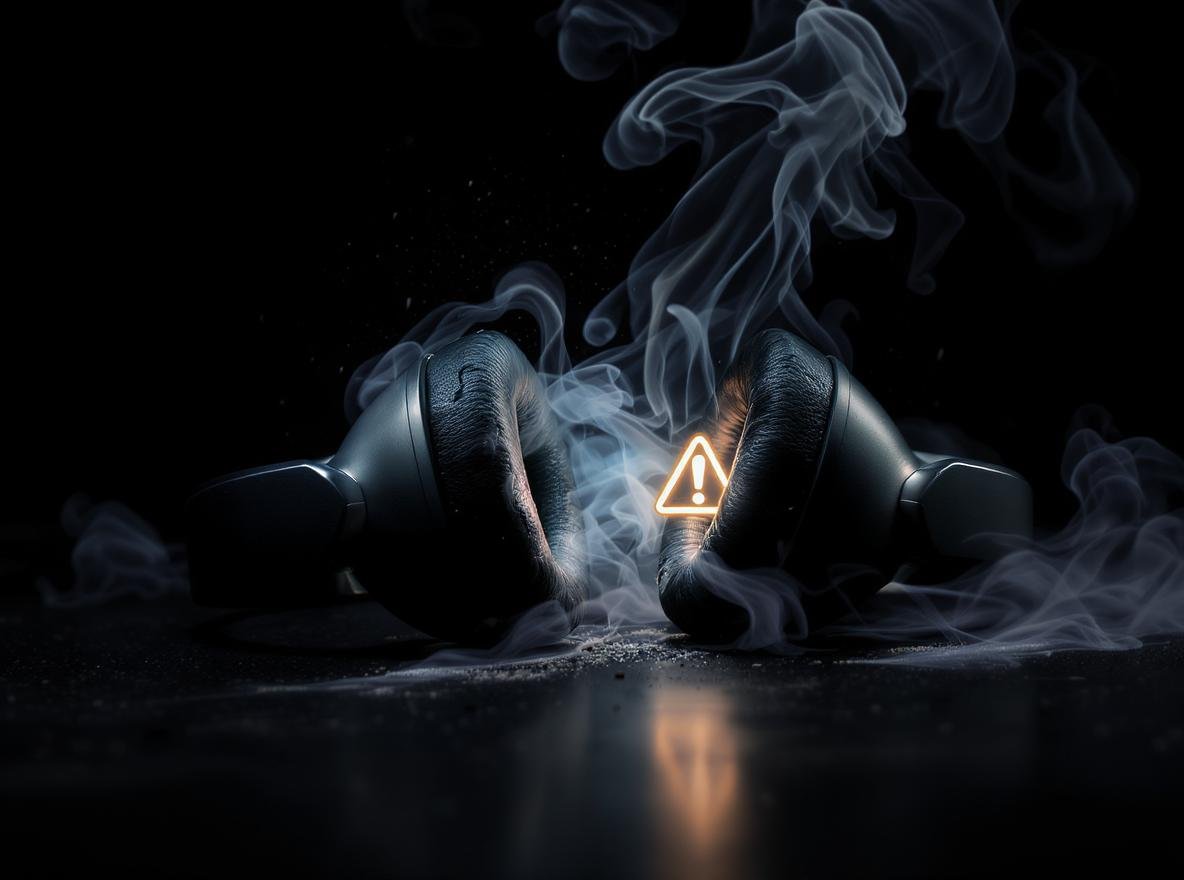
Stories about wireless headphones exploding on planes or catching fire while charging understandably make consumers nervous. If you use wireless headphones daily, you’re probably wondering whether these devices pose real safety risks to you and your family.
Yes, headphones can potentially explode or catch fire, though such incidents remain statistically rare. The primary danger comes from lithium-ion batteries in wireless headphones experiencing thermal runaway—a self-sustaining reaction where overheating spreads through battery cells, potentially causing ignition and explosion.
Understanding the real risks and prevention strategies will help you use headphones safely while making informed purchasing decisions.
What Makes Headphones Potentially Dangerous?
The safety concerns around headphones aren’t just media hype—they’re based on documented incidents and scientific understanding of battery failures.
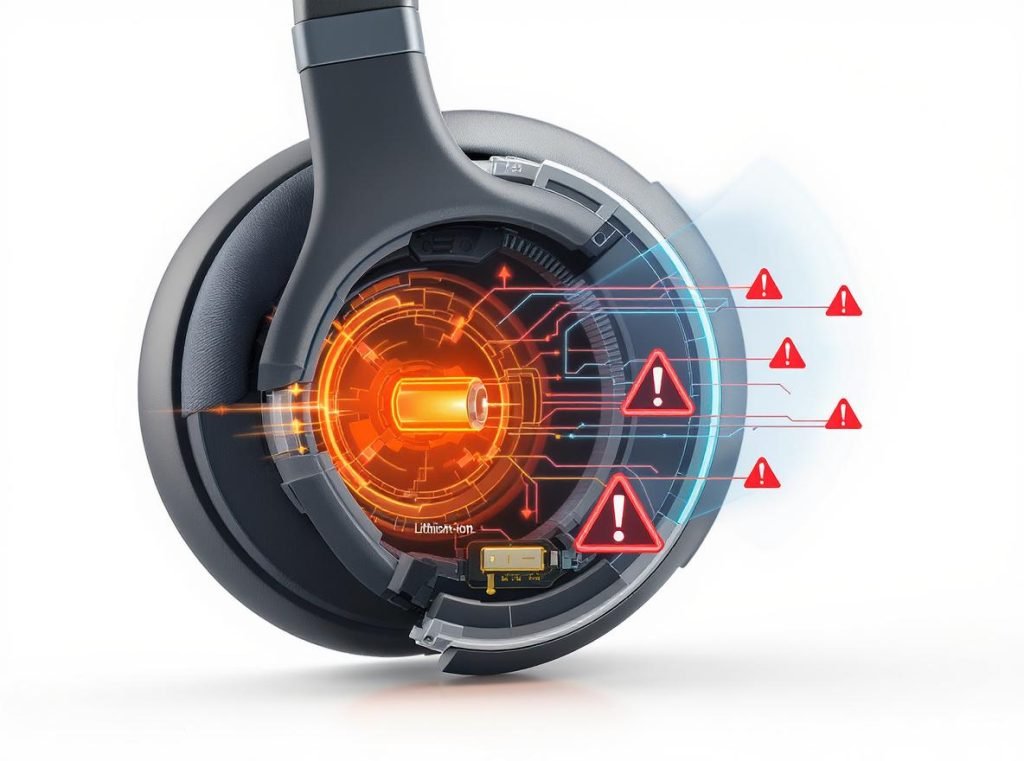
Lithium-ion batteries store high amounts of energy in small spaces and contain pressurized, flammable electrolytes. When these batteries fail through physical damage, manufacturing defects, or extreme temperatures, they can experience thermal runaway—causing the battery to overheat, swell, and potentially ignite.
Real incidents highlight these dangers. In 2017, a woman’s wireless headphones caught fire during a flight from Beijing to Melbourne, leaving her with burns on her face and blisters on her hands. This incident prompted the Australian Transport Safety Bureau to release safety warnings about battery-powered devices on aircraft.
The U.S. Consumer Product Safety Commission reported over 25,000 overheating or fire incidents involving more than 400 types of lithium battery-powered consumer products over a five-year period, demonstrating that battery failures affect numerous device categories.
Common triggers for battery failure include:
• Physical damage from dropping, crushing, or puncturing headphones
• Temperature extremes above 130°F (54°C) or charging below 32°F (0°C)
• Overcharging beyond safe capacity limits
• Using incompatible chargers that deliver incorrect voltage
• Manufacturing defects in low-cost products with poor quality control
These factors can cause internal shorts, electrolyte leakage, and the dangerous thermal runaway process that leads to fires and explosions.
Are Wireless Headphones More Dangerous Than Wired Ones?
The difference in safety between wireless and wired headphones is dramatic and worth understanding before making your next purchase.
Wireless headphones carry significantly higher fire and explosion risks compared to wired models because they contain lithium-ion batteries. Wired headphones have virtually zero risk of catching fire since they contain no batteries and rely on low-voltage electrical current from the audio source.
Recent recalls illustrate this disparity clearly:
| Product Type | Recall Reason | Incidents Reported | Injury Type |
|---|---|---|---|
| DeWalt Jobsite Pro Wireless | Overheating batteries | 61 reports, 5 fires | 4 burn injuries |
| Audio-Technica True Wireless | Charging case defects | Multiple overheating | Fire hazard |
| Happy Plugs Wireless | Faulty charging cables | Several incidents | Burn hazard |
| Wired headphones | None documented | Zero fire incidents | No battery-related risks |
While wired headphones eliminate battery-related dangers entirely, they do present other safety considerations like potential strangulation hazards during sleep or around moving machinery. However, these risks are different in nature and generally easier to manage through proper usage.
The convenience of wireless technology comes with trade-offs that consumers should understand when weighing their options.
What Are the Warning Signs of Dangerous Headphones?
Recognizing early warning signs can prevent dangerous situations and protect you from serious injuries or property damage.
Critical warning signs include battery swelling, excessive heat generation, unusual odors (especially chemical or burning smells), charging problems, sudden power loss, and any visible damage to the device housing or charging ports.
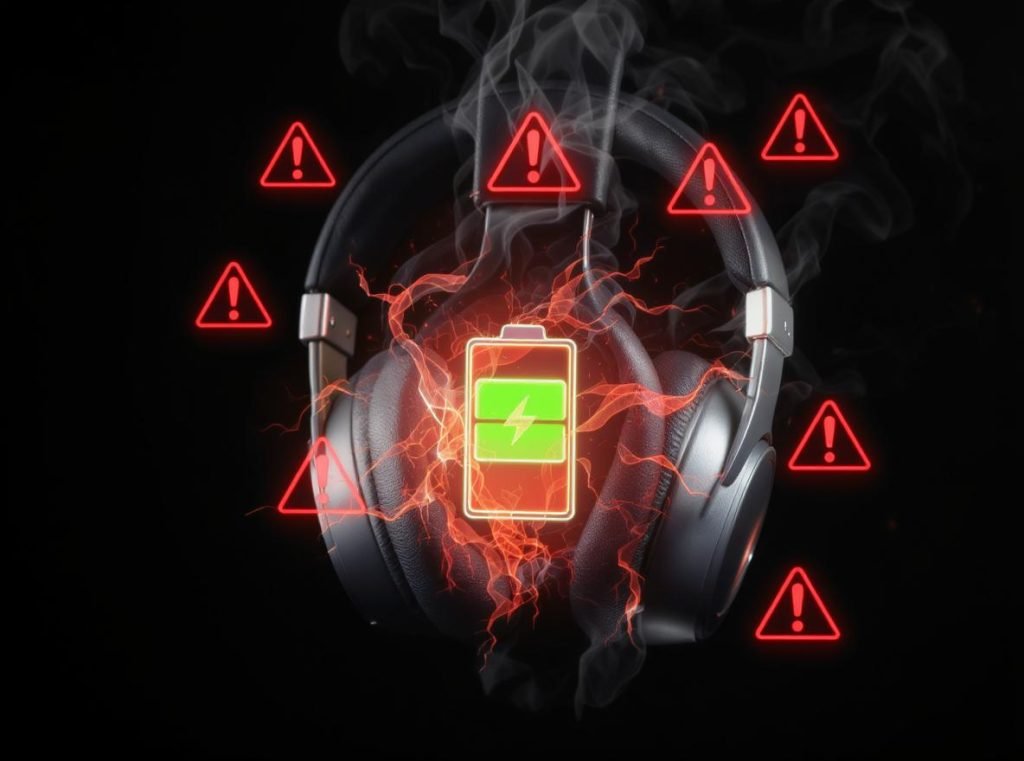
Physical warning signs requiring immediate action:
• Battery swelling or bulging anywhere on the headphones
• Discoloration, melting, or burn marks around charging ports
• Cracks or damage to battery compartments
• Unusual flexibility in normally rigid areas
Performance indicators of battery failure:
• Headphones becoming extremely hot during charging or use
• Charging taking significantly longer than normal
• Battery draining much faster than usual
• Sudden shutdowns during operation
• Failure to hold charge for normal periods
Sensory alerts that demand immediate discontinuation:
• Chemical, metallic, or burning odors during use
• Hissing, popping, or sizzling sounds from the device
• Visible sparks or small flames
• Any unusual taste in your mouth while wearing headphones (rare but serious)
If you notice any of these warning signs, stop using the headphones immediately, disconnect them from power sources, and place them in a safe location away from flammable materials. Contact the manufacturer for guidance and consider reporting the incident to consumer safety authorities.
How Can You Prevent Headphone Explosions and Fires?
Taking appropriate precautions dramatically reduces your already-low risk of experiencing headphone-related safety incidents.
The most effective prevention strategies include purchasing from reputable manufacturers with safety certifications, using original charging equipment, avoiding extreme temperatures, proper storage and handling, and never leaving headphones charging unattended for extended periods.
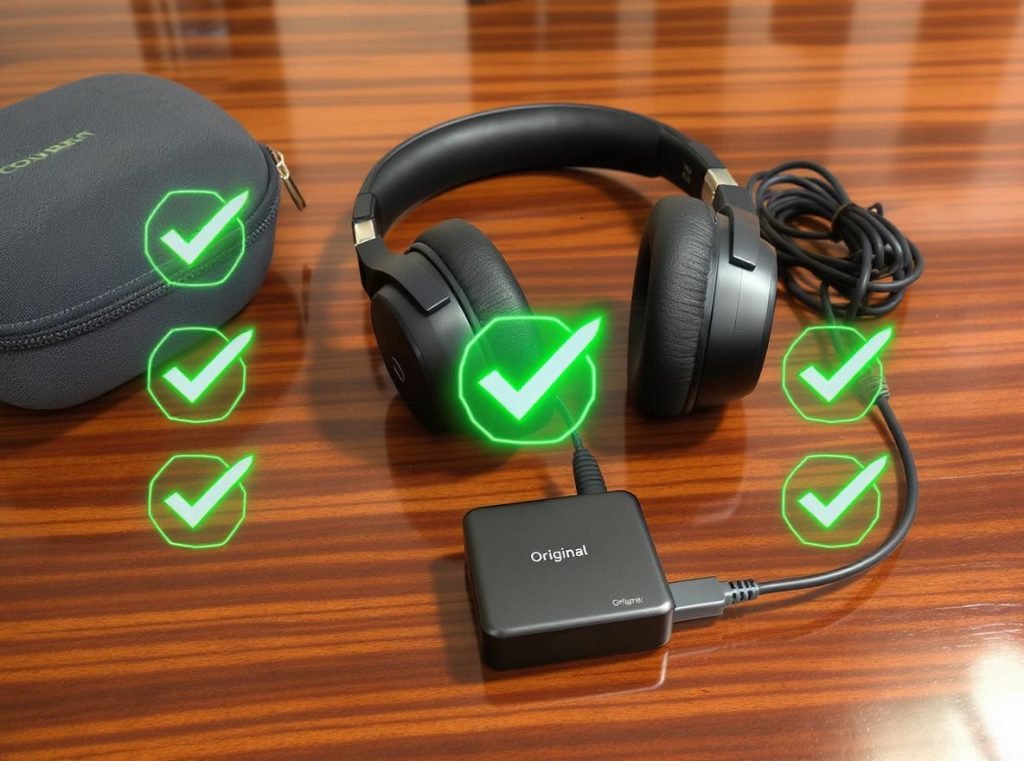
Smart purchasing decisions:
• Choose products with UL 2054 testing or NRTL certification
• Avoid ultra-cheap wireless headphones that may compromise safety features
• Check the CPSC database at cpsc.gov for product recalls before buying
• Research manufacturer reputation and safety track record
Safe charging practices:
• Use only manufacturer-provided chargers or certified alternatives
• Charge headphones on hard, non-flammable surfaces away from beds or couches
• Monitor the charging process, especially during initial uses
• Disconnect headphones once fully charged—most complete charging within 1-2 hours
• Never charge overnight or when you cannot supervise the process
Proper handling and storage guidelines:
• Store headphones in protective cases when not in use
• Keep devices between -4°F to 113°F (-20°C to 45°C)
• Handle carefully to prevent drops, crushing, or pressure damage
• Avoid exposing headphones to water unless specifically rated waterproof
• Keep away from metal objects that could damage charging ports
What Should Businesses Know About Headphone Safety?
Companies purchasing headphones for employee use or resale need to understand both safety requirements and liability considerations.
Businesses should prioritize suppliers with comprehensive safety certifications, established quality control processes, and clear protocols for handling safety incidents. This protects both your organization and end users from potential liability and harm.

Legal and regulatory considerations:
• OSHA emphasizes that employers must ensure employee safety in all equipment decisions
• “Struck-by” accidents in construction are among leading causes of workplace deaths, partly due to audio devices masking safety sounds
• Companies may face liability for injuries caused by unsafe products provided to employees
Essential supplier evaluation criteria:
• UL certification, CE marking, FCC approval, and RoHS compliance
• ISO 9001 quality management certification
• Documented battery safety testing procedures
• Product liability insurance coverage
• Established recall and safety incident protocols
Workplace safety policy development:
• Implement clear guidelines about when and where headphones are appropriate
• Consider “open ears” policies in high-risk environments like construction sites
• Provide employee training on proper headphone use and charging safety
• Establish emergency procedures for headphone-related incidents
At Osmarto, we understand these business concerns and maintain rigorous safety protocols throughout our manufacturing process. Our headphones undergo comprehensive safety testing, including battery thermal protection verification and electromagnetic compatibility checks, ensuring our wholesale partners can confidently distribute our products.
Which Types of Headphones Are Safest?
Different headphone categories carry varying levels of risk based on their design, battery requirements, and intended use environments.
Wired headphones represent the safest option with virtually no fire or explosion risk, while high-quality wireless headphones from reputable manufacturers pose manageable risks when used correctly. Budget wireless products present the highest risk due to potentially inferior components.
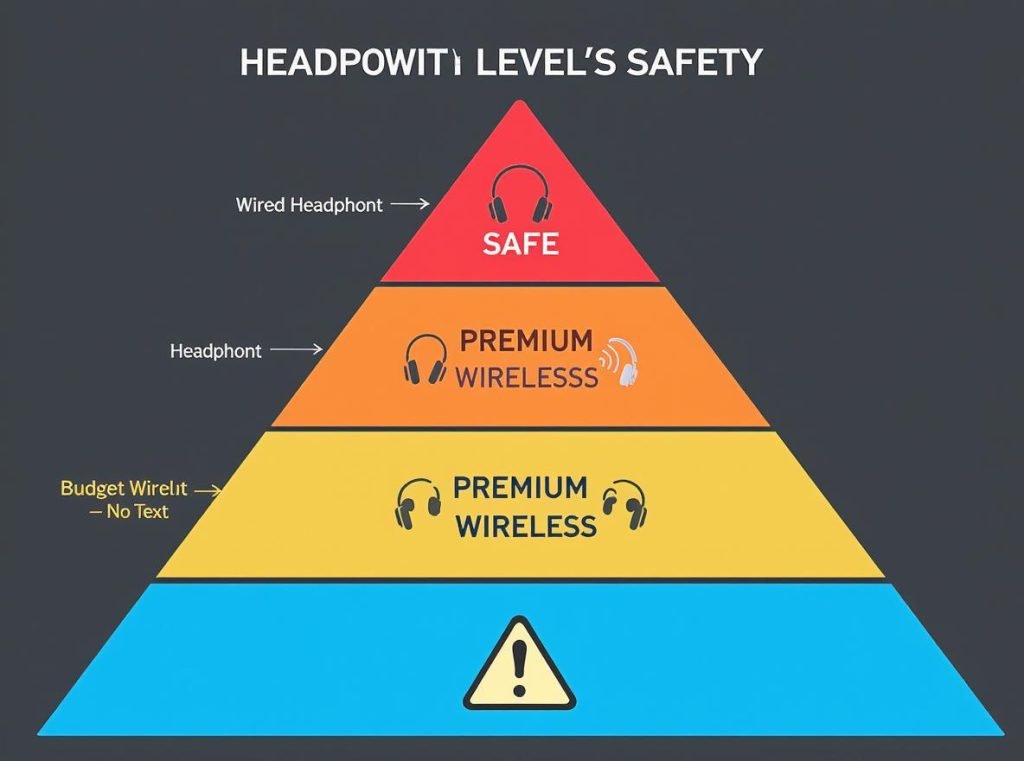
Safety hierarchy from lowest to highest risk:
Wired headphones (lowest risk):
• Zero battery-related fire or explosion danger
• Superior sound quality with no compression
• No electromagnetic field exposure concerns
• Unlimited usage time without charging
• Lower cost and simpler technology
Premium wireless headphones (low risk with precautions):
• Advanced battery management systems with temperature monitoring
• Overcharge protection and thermal shutdown mechanisms
• UL certification and rigorous safety testing
• Established manufacturer warranties and support
• Quality components from verified suppliers
Budget wireless headphones (highest risk):
• Potentially inferior battery components and safety features
• Limited quality control and testing procedures
• Unclear certification status and safety compliance
• Minimal manufacturer support for safety issues
Professional and industrial applications:
Companies like Firecom and Setcom manufacture specialized wireless headsets for firefighters and hazardous environments, featuring military-specification durability, enhanced battery safety systems, and fail-safe mechanisms that exceed consumer product standards.
How Do You Handle a Headphone Emergency?
Knowing proper emergency response procedures can prevent injuries, property damage, and more serious incidents.
If headphones catch fire, smoke, or become extremely hot, immediately remove them if safely possible, move to fresh air, smother flames with water or appropriate fire extinguisher, and seek medical attention for any burns or chemical exposure.
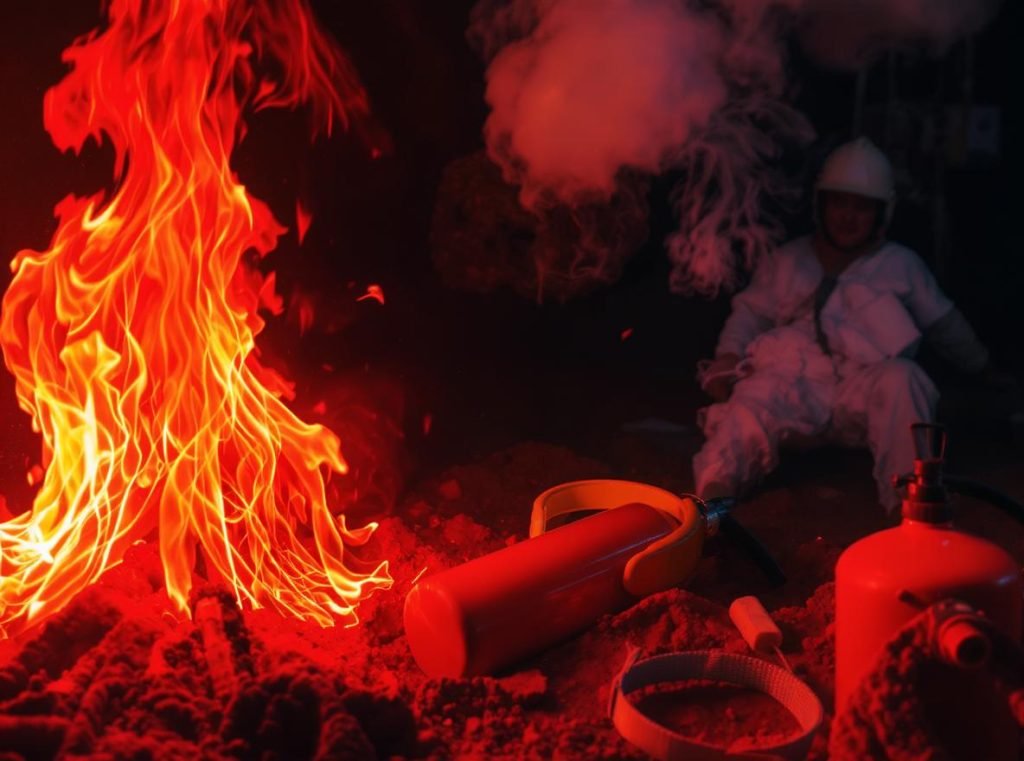
Immediate response procedures:
If headphones catch fire:
• Remove headphones immediately if you can do so safely
• Do not touch burning components with bare hands
• Smother flames with water or Class ABC fire extinguisher (never use water on exposed batteries)
• Move to fresh air to avoid inhaling toxic fumes
• Call emergency services if fire cannot be controlled quickly
If headphones overheat without fire:
• Disconnect from power source immediately
• Place device on non-flammable surface away from people and combustible materials
• Allow cooling in well-ventilated area for several hours
• Do not attempt to charge or use the device again
• Contact manufacturer for inspection and replacement
Medical response:
• Seek immediate professional medical evaluation for any burn, no matter how minor
• Rinse affected skin with cool water for at least 20 minutes
• Do not apply ice, oils, or home remedies to burns
• Watch for signs of chemical exposure including respiratory irritation
Documentation and reporting:
• Photograph damaged equipment safely for manufacturer reports
• Preserve all evidence including packaging and receipts
• File reports with CPSC for serious incidents
• Contact insurance providers if property damage occurred
What Questions Should You Ask Headphone Suppliers?
When sourcing headphones for business use, asking comprehensive safety questions protects your customers, employees, and business reputation.
Essential supplier questions should cover safety certifications, quality control processes, recall history, emergency support procedures, and warranty coverage for safety-related incidents.

Safety and compliance verification:
• “Can you provide copies of UL 2054, CE, FCC, and RoHS certifications?”
• “What specific testing procedures do you follow for battery safety and thermal protection?”
• “Have any of your products been subject to safety recalls, and what corrective measures were implemented?”
• “Do you maintain product liability insurance, and what does it cover?”
Manufacturing and quality control:
• “What type of lithium-ion batteries do you use, and from which suppliers?”
• “Do your products include thermal shutdown mechanisms and overcharge protection?”
• “What percentage of products undergo individual safety inspection before shipping?”
• “Can you provide factory audit reports and quality certifications?”
Support and warranty coverage:
• “What should customers do if products show signs of overheating or failure?”
• “Does your warranty specifically cover battery-related safety incidents?”
• “How quickly do you respond to safety concerns and potential recalls?”
• “Do you provide comprehensive safety documentation for business customers?”
Supply chain transparency:
• “Can you verify the origin and safety certifications of your component suppliers?”
• “What quality control standards do your manufacturing facilities maintain?”
• “How do you ensure consistent safety standards across different production batches?”
At Osmarto, we welcome detailed safety inquiries because transparency builds lasting partnerships with our wholesale customers. We provide comprehensive documentation, maintain extensive product liability coverage, and offer ongoing technical support to ensure our business partners can confidently market and distribute our products to their customers.
Summary
While headphone explosions and fires remain rare, understanding the risks and prevention strategies is essential for safe usage. The primary dangers stem from lithium-ion batteries in wireless headphones, particularly when damaged or manufactured with poor quality control. By choosing reputable manufacturers, following proper charging practices, and recognizing warning signs early, consumers can minimize risks while enjoying modern wireless audio technology.
For businesses seeking reliable headphone suppliers, partnering with manufacturers who prioritize safety certifications, rigorous testing, and comprehensive support is crucial for protecting customers and maintaining reputation. Contact Osmarto today to learn how our commitment to safety excellence and quality assurance can support your business growth in the competitive audio market.