Skip to content
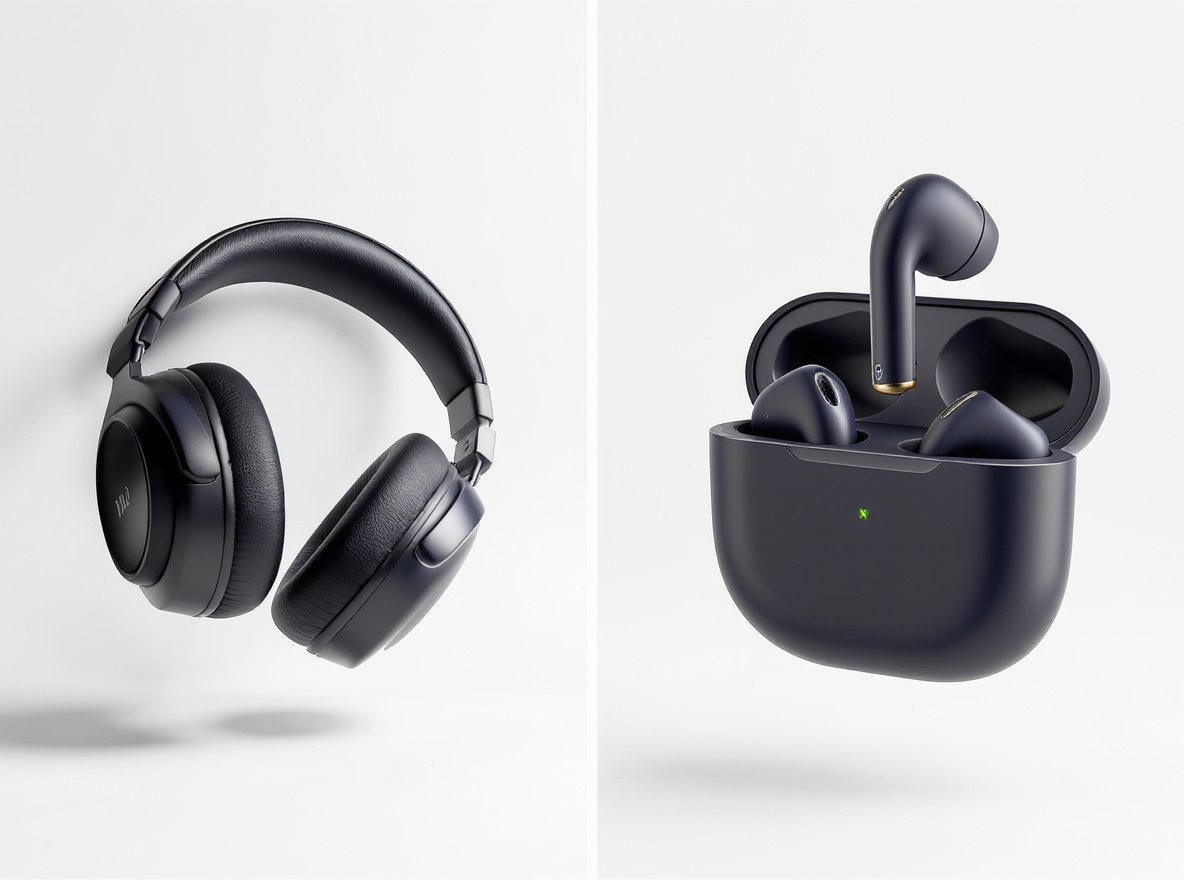
Choosing between headphones and earbuds can be overwhelming, especially when you’re investing in audio products for your business or sourcing inventory for your customers. With countless options flooding the market, making the wrong choice could impact customer satisfaction and your bottom line.
The choice between headphones and earbuds ultimately depends on your specific needs, lifestyle, and listening preferences. Both options have evolved significantly with technological advances narrowing the gap in many areas while maintaining distinct advantages for different use cases.
Let’s dive into this comprehensive comparison to help you make the perfect choice for your audio needs.
What’s the Main Difference Between Headphones and Earbuds?
Understanding the fundamental differences helps clarify which option suits your customers’ needs better.
The fundamental difference lies in their design and positioning. Headphones feature larger drivers (typically 40-50mm) that sit over or on your ears, creating a more spacious acoustic environment, while earbuds use much smaller drivers (8-12mm) that fit directly into your ear canal.
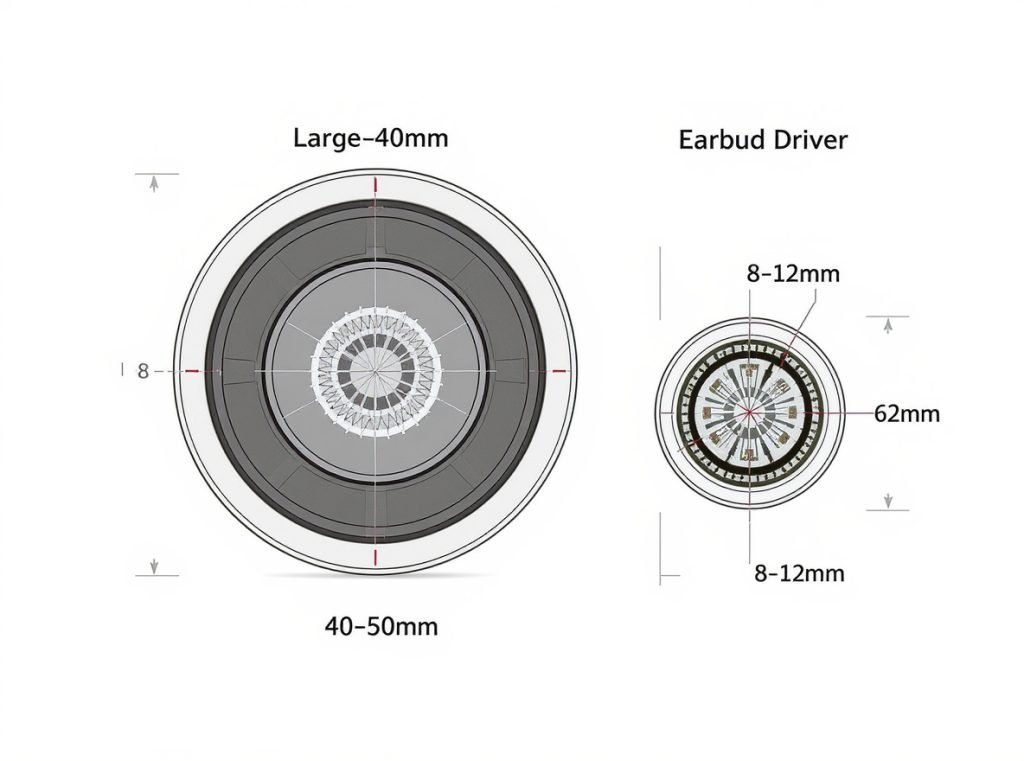
The physical design creates two completely different listening experiences:
Headphones come in two main varieties: over-ear models that completely encase your ears, and on-ear designs that rest on top of them. This larger form factor allows for more sophisticated internal components and better heat dissipation.
Over-ear headphones create a sealed environment that naturally blocks external noise. Their size accommodates bigger batteries, advanced processing chips, and premium materials that enhance durability and performance.
Earbuds insert directly into the ear canal and rely on a proper seal for both comfort and sound quality. Modern designs often include multiple ear tip sizes to ensure optimal fit across different ear canal shapes.
The intimate positioning of earbuds creates a direct sound delivery system that can be highly effective when properly fitted, though it requires more precision in manufacturing and user selection.
Which Offers Better Sound Quality: Headphones or Earbuds?
Sound quality remains the primary concern for audio enthusiasts and businesses sourcing premium products.
Headphones generally provide superior sound quality due to their physical advantages. The larger drivers can reproduce a wider range of frequencies with greater accuracy, particularly in the lower bass regions.
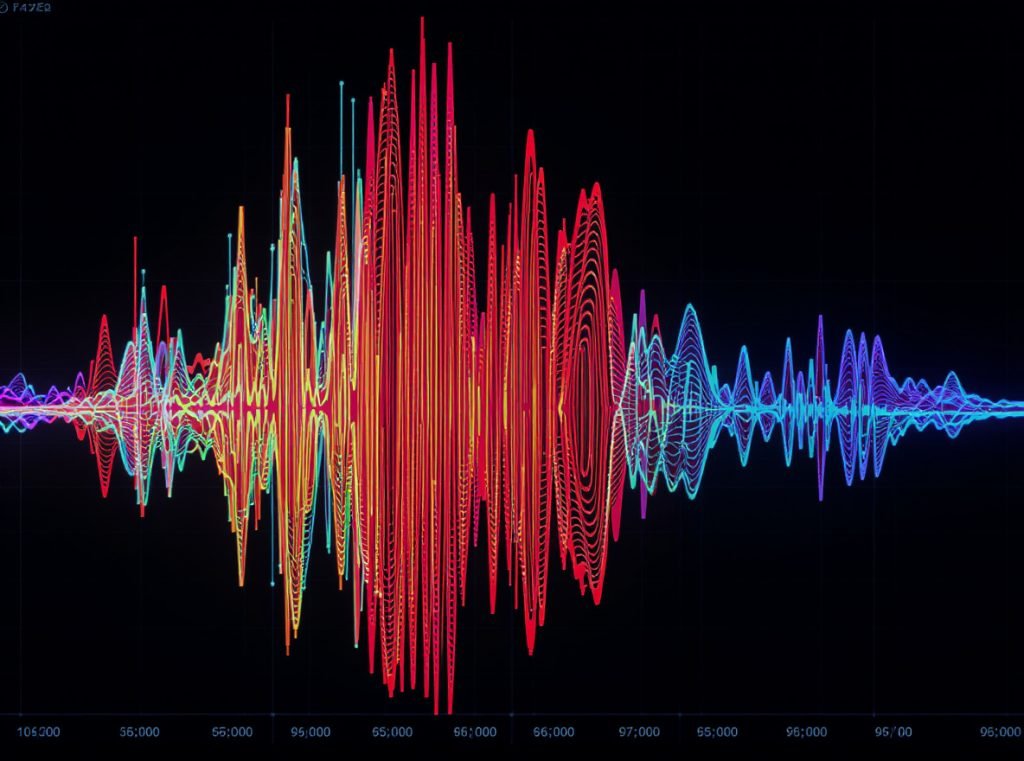
Here’s why headphones typically dominate the sound quality battle:
The increased space allows for better soundstage and instrument separation, creating a more immersive listening experience. Larger drivers move more air, producing deeper bass response and more dynamic range. The distance from your eardrums allows for more natural sound reproduction.
However, the gap has narrowed considerably. Premium earbuds like the Technics EAH-AZ100 and Sony WF-1000XM5 now deliver exceptional sound quality that rivals many headphones. Modern earbuds benefit from advanced digital signal processing and high-quality codecs like LDAC that can transmit near-lossless audio.
Recent studies show that there’s no direct correlation between price and sound quality, with many sub-$100 options performing admirably across both categories.
| Sound Quality Factor | Headphones | Earbuds |
|---|---|---|
| Frequency Response | Better bass extension and treble clarity | Focused mid-range performance |
| Soundstage | Wider, more spacious sound | Intimate, direct delivery |
| Detail Retrieval | Slight edge due to driver size | Excellent in premium models |
| Codec Support | High-quality wireless codecs | LDAC and aptX support available |
For wholesalers, headphones offer more consistent sound quality across price points, while earbuds require careful selection to ensure premium audio performance.
Are Headphones More Comfortable Than Earbuds for Long-Term Use?
Comfort becomes crucial for extended listening sessions, whether for professional use, gaming, or entertainment applications.
Yes, headphones are generally more comfortable for extended listening sessions. They distribute weight across your head and don’t create pressure inside your ear canals.
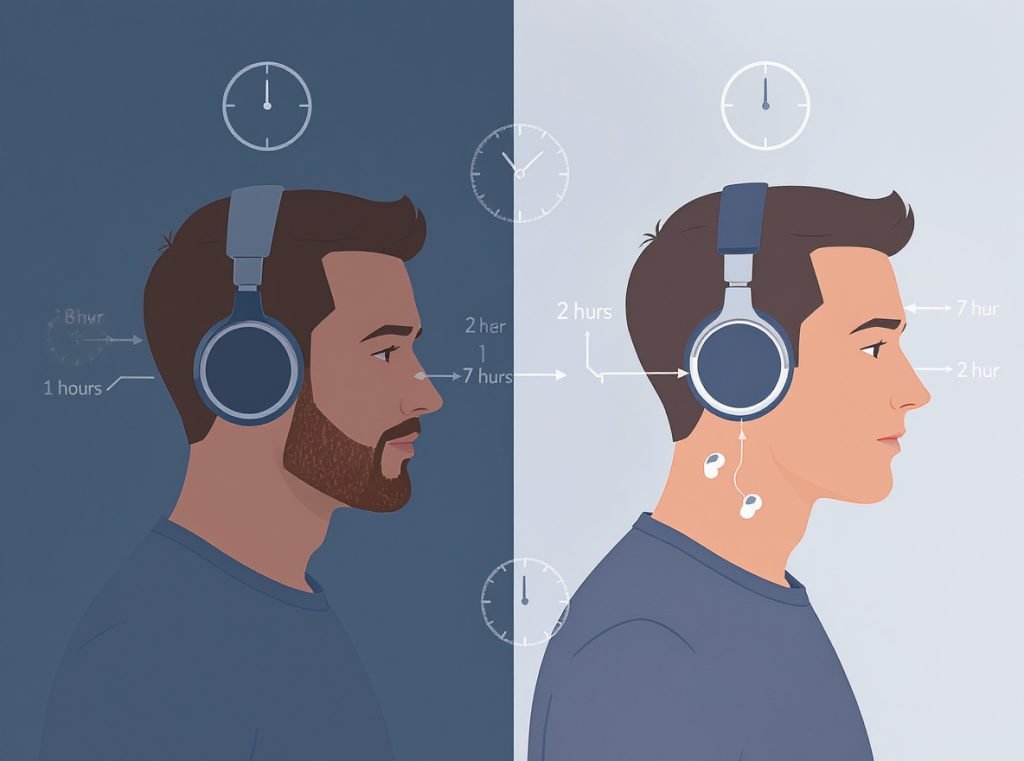
Key comfort advantages of headphones include:
The padded ear cups and adjustable headbands make them ideal for multi-hour use without causing discomfort. Weight distribution occurs across your entire head rather than concentrated pressure points. Breathable materials prevent heat buildup during extended use.
Earbuds can cause ear fatigue over time since they apply direct pressure to your ear canal. However, they’re much lighter and less noticeable during short to medium listening sessions. The comfort level depends heavily on finding the right ear tip size and material.
Professional users often prefer headphones for office environments where 6-8 hour usage is common. Content creators, audio engineers, and customer service representatives typically choose headphones for their superior long-term comfort.
Comfort considerations for different users:
• Office workers: Headphones excel for all-day wear without ear canal irritation
• Commuters: Earbuds win for 1-2 hour sessions with easy storage
• Glasses wearers: May experience pressure points with headphones
• Active users: Earbuds provide better situational awareness and freedom
Which Is Better for Exercise and Active Lifestyles?
Your customers’ activity levels significantly influence the best choice for their audio needs.
Earbuds are overwhelmingly preferred for exercise and active use. Their lightweight design, secure fit, and availability of sport-specific models with stability fins make them ideal for workouts.
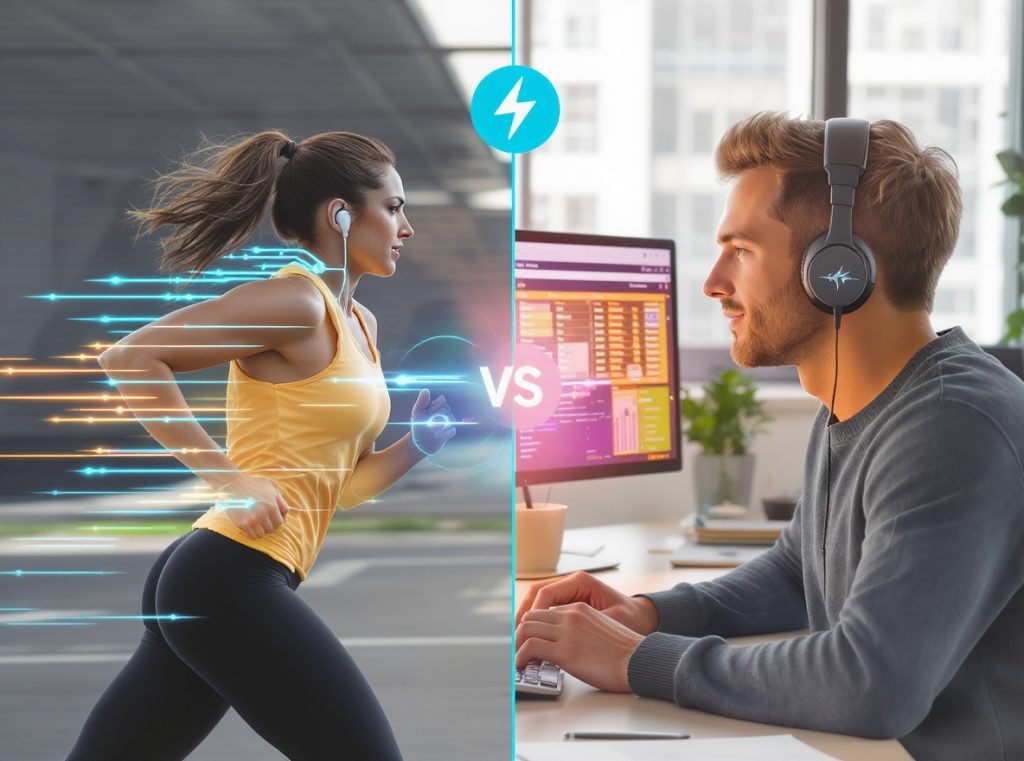
Modern sport earbuds offer several key advantages:
• Lightweight and stable: Won’t slip during intense movement or cardio activities
• Sweat resistance: Many models offer IPX4 or higher water resistance ratings
• Secure fit: Sport fins and ear hooks keep them positioned correctly
• Freedom of movement: No headband to interfere with exercises or safety equipment
The fitness market has driven significant innovation in earbud design. Features like heart rate monitoring, coaching integration, and ambient sound mixing cater specifically to active users.
Headphones can work for certain activities like weightlifting or stationary workouts, but they’re generally too bulky for running or high-intensity training. Some specialized workout headphones are designed specifically for gym use, but they represent a niche market.
For retailers targeting fitness enthusiasts, sport-specific earbuds with IPX7+ ratings and secure-fit designs offer the best customer satisfaction and repeat business potential.
How Do Battery Life and Convenience Compare?
Battery performance and daily convenience factors heavily influence customer satisfaction and product reviews.
Headphones significantly outperform earbuds in continuous battery life. Most wireless headphones offer 24-60 hours of continuous playbook, with some premium models providing up to 60+ hours of usage.

This means customers can go days or even weeks without charging, making headphones ideal for travelers, office workers, and anyone who dislikes frequent charging routines.
Earbuds take a different approach with charging cases:
Individual earbuds typically provide 4-12 hours per charge, but their charging cases extend total usage to 20-50 hours. The convenience factor favors earbuds due to their compact charging cases that fit easily in pockets.
The case provides multiple recharges throughout the day, and many users find the frequent charging routine manageable for the portability benefits.
Battery comparison breakdown:
• Single charge duration: Headphones win with 30+ hours vs 4-12 hours for earbuds
• Total system capacity: Cases give earbuds 40+ hours total usage time
• Charging convenience: Earbuds charge quickly in portable cases
• Power efficiency: Headphones consume less power per hour of playback
For business customers, consider usage patterns when selecting inventory. Office supply retailers should emphasize headphones’ long battery life, while travel accessory stores might highlight earbuds’ charging case convenience.
Which Provides Better Noise Cancellation?
Noise cancellation technology significantly impacts usability in various environments from offices to airplanes.
Headphones deliver superior noise cancellation, particularly for low-frequency sounds like airplane engines and traffic noise. Their over-ear design provides natural passive isolation, and when combined with active noise cancellation (ANC), they can reduce noise by 15-20 dB more than earbuds in the bass range.

The physics favor headphones for noise cancellation:
Over-ear designs create natural acoustic sealing that blocks external sound without requiring battery power. This passive isolation works even when the headphones are powered off. Active noise cancellation systems have more space for sophisticated processing and larger microphone arrays.
Modern ANC earbuds are highly effective for moderate noise environments like offices or coffee shops. Premium models like the Bose QuietComfort Ultra and Apple AirPods Pro 2 offer excellent noise reduction, though they still lag behind over-ear headphones in loud environments.
Noise cancellation performance by frequency:
| Frequency Range | Headphones Performance | Earbuds Performance |
|---|---|---|
| Low-frequency (airplane engines) | Excellent (15-20 dB reduction) | Good (10-15 dB reduction) |
| Mid-frequency (office chatter) | Very Good | Very Good |
| High-frequency (sharp sounds) | Good | Good (ear canal seal helps) |
| Situational awareness | Limited | Better control available |
For customers working in noisy environments or frequent travelers, headphones provide superior noise isolation. Office workers and students benefit from earbuds’ ability to maintain some environmental awareness.
What About Price and Value Considerations?
Understanding price-to-performance ratios helps businesses select the right inventory mix for their target markets.
Both headphones and earbuds offer excellent value at various price points, with no clear winner in terms of price-to-performance ratio. Recent market analysis shows that exceptional audio quality is achievable in both categories under $150.
Budget-friendly options delivering solid performance:
Earbuds: Soundcore Space A40 ($50-70) offers premium features at budget prices. QCY MeloBuds Pro ($30-50) provides reliable wireless performance for price-conscious customers.
Headphones: JLab JBuds Lux ANC ($79) delivers effective noise cancellation. Sony CH-720N ($100-150) offers brand recognition with solid performance.
Premium options deliver additional features like advanced ANC, premium materials, and extended warranties, but performance gains diminish significantly above $150-200. The sweet spot for most customers lies in the $75-150 range where both categories offer compelling features.
Value considerations by customer segment:
• Budget-conscious: Headphones typically offer better build quality and features under $75
• Mid-range buyers: Both categories excel, choice depends on use case preferences
• Premium customers: Brand reputation and specific features become primary drivers
• Professional users: Headphones justify higher prices through comfort and audio quality
Are There Health Considerations Between Headphones and Earbuds?
Health and safety factors increasingly influence purchasing decisions, especially for products intended for daily use.
Headphones are generally safer for your hearing because they deliver sound further from your eardrum, reducing the risk of noise-induced hearing loss at equivalent volume levels.
The World Health Organization estimates that over 1 billion young adults are at risk of hearing damage from unsafe listening practices, primarily from earbuds used at excessive volumes.
Critical health factors to consider:
Volume proximity impact: Earbuds deliver sound directly to the eardrum, requiring lower volume levels to achieve the same perceived loudness. However, users often increase volume to overcome poor noise isolation, creating dangerous listening conditions.
Safe listening guidelines: Both device types are safe when following the 60/60 rule – 60% maximum volume for 60 minutes maximum duration. Taking regular listening breaks helps prevent hearing damage regardless of device choice.
Additional health considerations:
• Ear wax buildup: Earbuds can contribute to wax accumulation and potential infections
• Long-term damage: Repeated high-volume exposure causes permanent hearing loss
• Hygiene concerns: Shared earbuds pose higher infection risk than headphones
• Situational awareness: Earbuds allow better environmental sound monitoring for safety
For businesses targeting young demographics or promoting workplace wellness, emphasizing hearing health features and safe listening education adds value to your audio product offerings.
Which Should You Choose for Your Specific Needs?
Making the right choice requires matching device characteristics to specific use cases and customer preferences.
Choose headphones if your customers prioritize:
Superior sound quality and immersive listening experiences for music, movies, or gaming. Extended comfort for long listening sessions exceeding 3 hours daily. Maximum noise cancellation for focus-intensive work or travel. Professional audio applications requiring accurate sound reproduction.
Professional environments consistently favor headphones for their audio quality and all-day comfort. Content creators, audio engineers, and customer service representatives typically prefer headphones’ superior sound reproduction and microphone quality.
Choose earbuds if your customers prioritize:
Maximum portability and convenience for active lifestyles. Exercise compatibility with sweat resistance and secure fit. Discreet appearance for professional or social settings. Quick charging capabilities and easy storage solutions.
Commuters, fitness enthusiasts, and users who frequently move between locations consistently prefer earbuds’ convenience and portability. The ability to charge quickly in a pocket-sized case appeals to busy professionals.
Consider offering both categories to maximize market coverage. Many audio enthusiasts use headphones for home listening and earbuds for portability, creating opportunities for complementary sales.
Business considerations for inventory selection:
Office supply retailers should emphasize comfortable headphones for desk workers and remote employees. Sporting goods stores should prioritize durable, sweat-resistant earbuds with secure-fit designs. Electronics distributors benefit from offering both categories to serve diverse customer needs across different price points.
Quality control becomes crucial regardless of category choice. Partner with experienced manufacturers who understand the importance of consistent performance, reliable wireless connectivity, and durable construction across different price points.
Summary
The headphones versus earbuds decision depends on matching device characteristics to specific use cases and customer priorities. Headphones excel in sound quality, long-term comfort, and noise cancellation, making them ideal for professional applications and immersive listening. Earbuds win for portability, exercise compatibility, and everyday convenience, appealing to active users and commuters.
Ready to source premium headphones or earbuds for your business? Contact Osmarto today for wholesale pricing on high-quality audio products that meet your customers’ diverse needs. Our experienced team helps you select the perfect inventory mix to maximize customer satisfaction and market success.