Skip to content
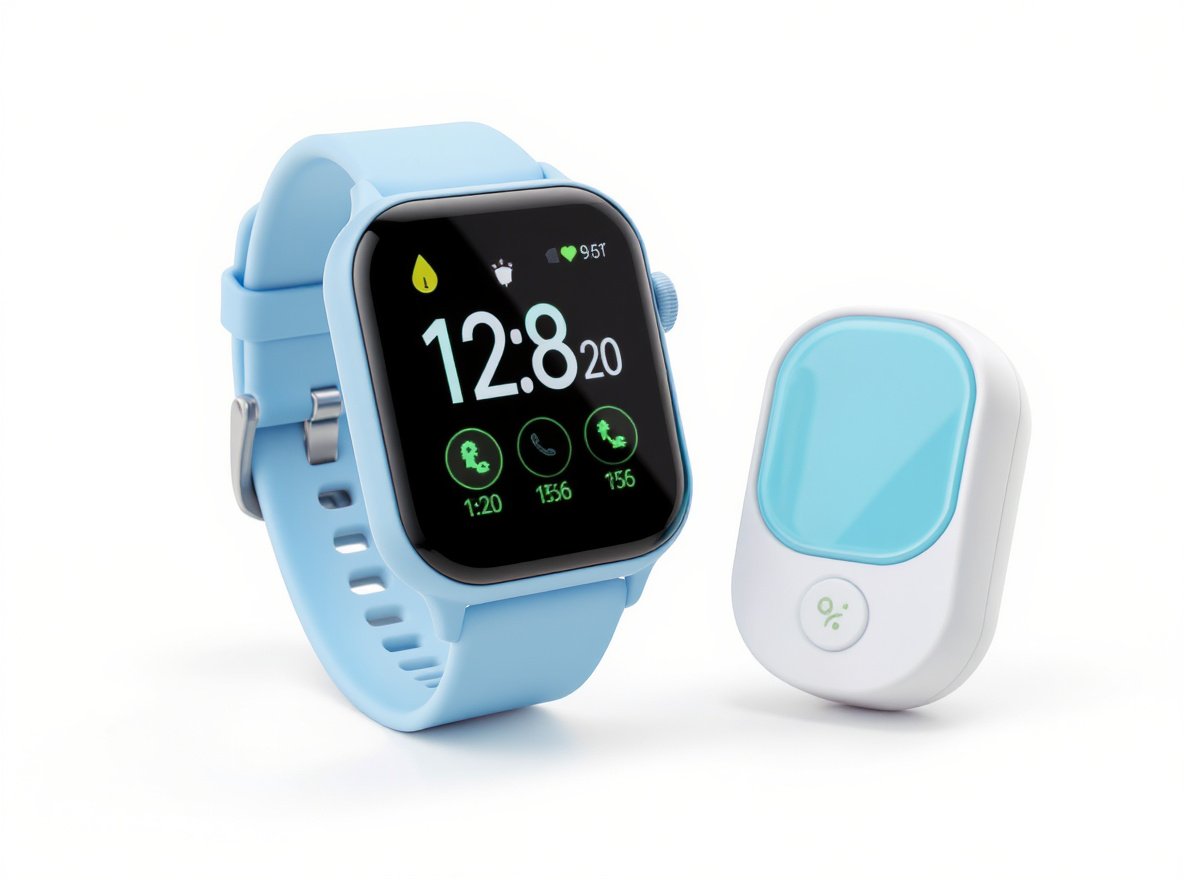
Managing diabetes has become significantly easier with modern technology. Many people with diabetes wonder if they can use their smartwatch to monitor glucose levels with the Dexcom G7 system. The answer affects daily convenience and health management routines for millions worldwide.
Yes, smartwatches do work with Dexcom G7, but compatibility is currently limited to Apple Watch models. Dexcom G7 is the first continuous glucose monitor to offer Direct to Watch functionality, enabling phone-free glucose monitoring directly on your wrist. This breakthrough allows users to receive real-time glucose data, trend arrows, and alerts without smartphone dependency.
If you’re considering integrating glucose monitoring into your smartwatch routine, understanding the full compatibility landscape and market opportunities will help you make informed decisions for both personal use and business ventures.
Which Smartwatches Are Compatible with Dexcom G7?
Understanding exact compatibility requirements is crucial for consumers and businesses entering the health wearables market.
Dexcom G7’s Direct to Watch feature is exclusively compatible with Apple Watch models running watchOS 10 or later. This includes all modern Apple Watch generations that can handle advanced Bluetooth connectivity for continuous glucose monitoring.
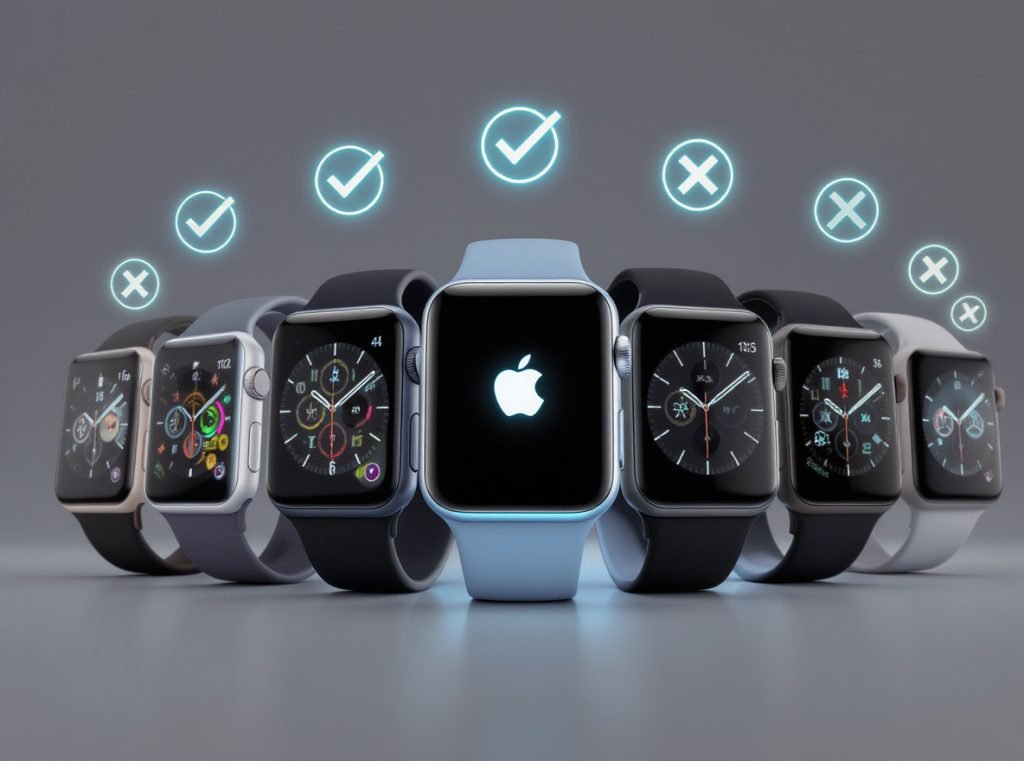
The complete list of compatible Apple Watch models includes:
Compatible Apple Watch Models:
- Apple Watch Series 6 and newer (Series 7, 8, 9, 10)
- Apple Watch SE (2nd Generation)
- Apple Watch Ultra and Ultra 2
All compatible models require watchOS 10 or later for proper functionality. The Direct to Watch feature connects the G7 sensor directly via Bluetooth, enabling continuous monitoring without requiring an iPhone nearby for basic glucose readings.
For wholesale buyers and distributors, this presents significant market opportunities. The global continuous glucose monitoring market is projected to grow from $12.69 billion in 2025 to $54.55 billion by 2035, representing a 15.7% compound annual growth rate.
| Smartwatch Platform | Dexcom G7 Direct Support | Market Size | Business Opportunity |
|---|---|---|---|
| Apple Watch | Yes (Native Integration) | Premium segment | High-value customers |
| Samsung Galaxy Watch | No (Workarounds available) | Large user base | Underserved market |
| Garmin Watches | Partial (Connect IQ apps) | Fitness enthusiasts | Specialized segment |
| Wear OS Devices | Limited (Third-party only) | Growing platform | Development opportunity |
Understanding these compatibility gaps helps businesses identify lucrative opportunities for partnerships, product development, and market positioning in the expanding health technology sector.
How Does Dexcom G7 Direct to Watch Work?
The technology behind glucose monitoring on smartwatches represents a significant advancement in wearable health integration.
Dexcom G7 Direct to Watch connects the G7 sensor directly to Apple Watch using Bluetooth Low Energy, transmitting real-time glucose readings, trend arrows, and 1-6 hour historical graphs without requiring smartphone connectivity. This direct connection eliminates common reliability issues that plagued earlier solutions.
The setup process is designed for user-friendly implementation:
Users open their Dexcom G7 smartphone app, navigate to Connections > Direct to Watch, and follow the guided pairing process. Once established, the system operates independently for most monitoring functions.
Key technical capabilities include:
- Real-time glucose readings updated every minute
- Trend arrows showing glucose direction and rate of change
- Historical data graphs (1, 3, or 6-hour views)
- Customizable high, low, and urgent low glucose alerts
- Integration with automated insulin delivery (AID) systems
- Seamless data synchronization across devices
However, users still need their iPhone for initial sensor pairing, Share/Follow features for caregivers, and certain advanced functions. This represents both current limitations and future development opportunities.
The direct connection technology creates substantial opportunities for smartwatch manufacturers. Companies developing native glucose monitoring capabilities or partnerships with continuous glucose monitoring manufacturers can capture significant market share in the rapidly growing wearable diabetes devices market, expected to reach $19.49 billion by 2030.
For businesses in the smartwatch industry, understanding these technical requirements helps inform product development strategies focused on health integration, advanced Bluetooth capabilities, and medical device compatibility standards.
What Are the Benefits of Using Smartwatch with Dexcom G7?
Combining smartwatch technology with continuous glucose monitoring delivers compelling advantages that drive market demand and business opportunities.
The primary benefit is complete phone-free monitoring, allowing users to check glucose levels, receive critical health alerts, and track glucose trends directly from their wrist during any activity. This freedom significantly enhances lifestyle flexibility and reduces device dependency.
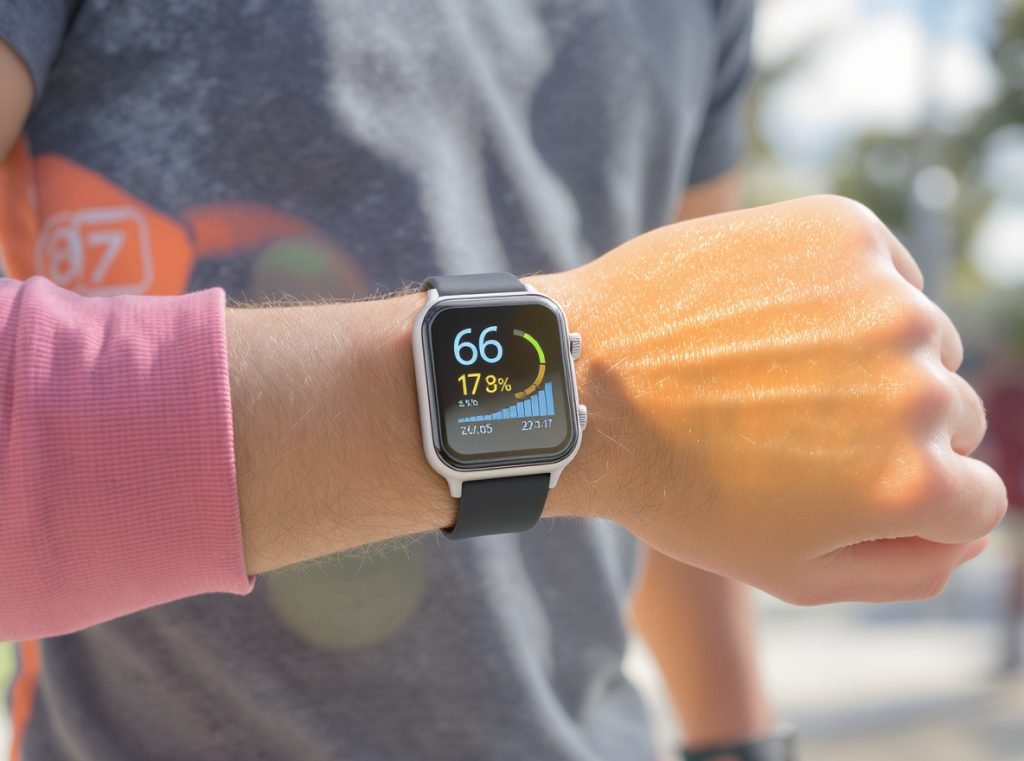
Real-world benefits that appeal to consumers include:
Enhanced Activity Freedom:
- Swimming and water activities with waterproof smartwatch protection
- Exercise and sports without phone bulk or connectivity concerns
- Professional environments where phone access is impractical or restricted
- Travel situations requiring minimal device carrying and maximum convenience
Improved Health Management:
- Discrete glucose checking in social and professional situations
- Real-time decision making for insulin dosing, meal planning, and exercise timing
- Reduced missed readings due to phone absence or inconvenience
- Integration with existing smartwatch health metrics for comprehensive wellness tracking
For businesses, these benefits translate into powerful value propositions. Health-conscious consumers increasingly seek devices that seamlessly integrate medical monitoring with daily activities, creating substantial market opportunities.
The convenience factor particularly appeals to active individuals, parents managing children’s diabetes, healthcare professionals, and anyone requiring discrete health monitoring throughout their workday.
Market research indicates that 97% of health-focused wearable users express interest in understanding how daily activities impact their health metrics, demonstrating strong consumer demand for integrated monitoring solutions.
Business opportunities emerge from understanding these user benefits and positioning compatible devices as essential health management tools rather than simple fitness trackers or luxury accessories.
Are There Alternatives for Non-Apple Watch Users?
The large population of non-Apple smartwatch users creates significant demand for alternative glucose monitoring solutions and business opportunities.
While Dexcom G7 doesn’t offer direct connectivity to non-Apple smartwatches, several workaround solutions exist using third-party applications, Garmin’s official integration, and smartphone-bridge methods. These alternatives provide varying levels of functionality and market appeal.
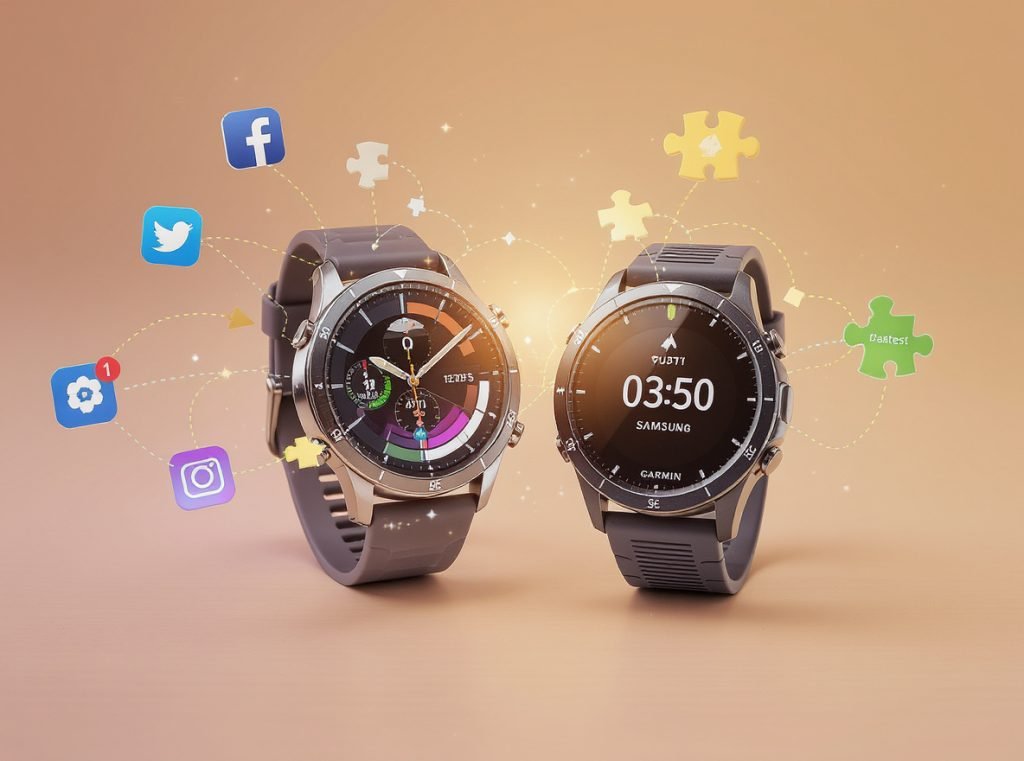
Samsung Galaxy Watch Solutions:
Despite lacking native Dexcom G7 support, Samsung users can access glucose data through third-party applications like Blose and G-Watch Wear that sync with Dexcom Follow data. Advanced users employ Nightscout integration for comprehensive glucose monitoring, and the Juggluco app reportedly provides direct G7 to Wear OS connectivity.
Garmin Watch Integration:
Garmin offers official Dexcom integration through Connect IQ apps, including dedicated widgets for real-time glucose viewing and data fields for activity tracking integration. This solution works with both G6 and G7 sensors across multiple Garmin smartwatch and cycling computer models, serving the fitness-focused user segment effectively.
Other Wear OS and Third-Party Solutions:
Limited official support exists for most Wear OS devices, though developers continue creating bridging solutions through companion smartphone apps and unofficial integrations.
| Solution Type | Setup Complexity | Reliability | Market Segment | Business Potential |
|---|---|---|---|---|
| Apple Direct | Simple | High | Premium users | Established market |
| Garmin Official | Moderate | High | Fitness enthusiasts | Growing segment |
| Third-party Apps | Complex | Variable | Tech-savvy users | Niche opportunity |
| Samsung Workarounds | Moderate | Moderate | Large user base | Major opportunity |
This compatibility landscape represents substantial business opportunities. Companies that develop partnerships with glucose monitor manufacturers or create reliable bridging solutions could capture significant market share among the millions of non-Apple smartwatch users seeking health integration.
For manufacturers and retailers, educating customers about available alternatives while positioning for future native compatibility improvements creates competitive advantages in the expanding health wearables market.
What Should Businesses Know About the Glucose Monitoring Smartwatch Market?
The intersection of smartwatch technology and medical device integration creates unprecedented opportunities across multiple business sectors.
The glucose monitoring smartwatch market represents a transformative opportunity driven by rising diabetes prevalence, technological advancement, and growing consumer demand for integrated health solutions. Understanding market dynamics and regulatory requirements enables businesses to position products effectively.

Critical market indicators include:
Market Size and Growth Projections:
- Continuous Glucose Monitoring Market: $12.69 billion (2025) to $54.55 billion (2035)
- Wearable Diabetes Devices Market: $12.10 billion (2025) to $19.49 billion (2030)
- Non-invasive Glucose Monitoring: $980.5 million (2024) to $7.2 billion (2037)
- Global diabetes population: 540 million adults currently, projected 700 million by 2045
Key market drivers fueling business opportunities:
- Healthcare cost reduction: CGM adoption showing 40% reduction in diabetes-related hospitalizations
- Technology advancement: Improved sensor accuracy, extended wear time, and enhanced connectivity
- Consumer preference shift toward integrated health monitoring devices
- Insurance coverage expansion for continuous glucose monitoring systems
Partnership and collaboration opportunities are expanding rapidly. Dexcom maintains partnerships with over 90 companies including insulin pump manufacturers, digital health applications, and diabetes organizations, demonstrating the ecosystem approach to health technology business development.
Strategic considerations for different business segments include regulatory compliance requirements, partnership development with medical device manufacturers, and positioning for future technology convergence in wearable health monitoring.
| Business Type | Primary Opportunity | Key Success Factors | Revenue Potential |
|---|---|---|---|
| Device Manufacturers | Native integration development | Medical device compliance | High |
| Software Developers | Third-party bridging solutions | Cross-platform compatibility | Medium |
| Healthcare Partnerships | B2B monitoring services | Clinical validation | High |
| Retail Distribution | Education and compatibility guidance | Technical expertise | Medium |
Success requires understanding both technological capabilities and regulatory landscapes while building strategic partnerships that create comprehensive diabetes management ecosystems serving the growing global diabetic population.
How Can Businesses Capitalize on This Market Opportunity?
Smart business strategies can leverage the explosive growth in health-integrated smartwatch solutions and capture market share in this expanding sector.
Companies can capitalize by focusing on compatible device inventory, developing health-focused partnerships, building educational marketing strategies, and investing in future technology development. Success requires understanding both current limitations and emerging opportunities.

Strategic approaches for different business models:
Manufacturers and Technology Companies:
- Invest in native glucose monitoring capability development
- Pursue partnerships with established CGM manufacturers like Dexcom, Abbott, and Medtronic
- Focus research on non-invasive glucose sensing technology (projected breakthrough by 2026-2028)
- Consider regulatory pathways for medical device certification and FDA approval
Wholesalers and Distributors:
- Prioritize Apple Watch inventory to meet immediate market demand
- Develop relationships with healthcare technology resellers and medical device distributors
- Create comprehensive educational materials about compatibility requirements and alternatives
- Monitor emerging solutions for early adoption and competitive positioning opportunities
Retailers and Service Providers:
- Train staff extensively on glucose monitoring compatibility across different platforms
- Bundle compatible watches with diabetes management accessories and services
- Partner with local diabetes education centers and healthcare providers
- Develop targeted marketing campaigns for health-conscious and diabetic consumers
The business advantages include positioning as health technology experts, building customer loyalty through education and support, and capturing market share in the rapidly growing health wearables segment projected to continue double-digit growth.
Market expansion opportunities continue emerging as technology advances. Companies like Apple have invested 15+ years in developing non-invasive glucose monitoring capabilities, while other manufacturers explore optical sensors, electromagnetic fields, and bioimpedance technologies for future breakthrough solutions.
If your business is looking to expand into the health monitoring smartwatch sector, partnering with experienced manufacturers who understand both consumer electronics and medical device requirements can accelerate market entry and ensure regulatory compliance. Contact Osmarto to explore how we can help you develop health-focused smartwatch solutions that meet your customers’ evolving health technology needs and capture opportunities in this rapidly growing market.
What Does the Future Hold for Glucose Monitoring Smartwatches?
Technology development continues advancing toward broader smartwatch compatibility and revolutionary non-invasive monitoring capabilities.
Future developments will likely expand glucose monitoring compatibility beyond Apple Watch to include comprehensive Android Wear OS support, Samsung Galaxy native integration, and breakthrough non-invasive sensing technologies. Market demand and technological advancement drive continued innovation across the industry.
Near-term developments (1-2 years):
- Expanded Apple Watch model support and enhanced battery optimization
- Improved reliability and connectivity for existing Direct to Watch functionality
- Enhanced alert customization and integration with healthcare platforms
- Resolution of current compatibility issues with iOS and Android updates
Medium-term possibilities (2-5 years):
- Native Android Wear OS support from major CGM manufacturers
- Samsung Galaxy Watch direct connectivity partnerships
- Third-party manufacturer partnerships expanding compatible device options
- Regulatory approval expansion for more smartwatch platforms
Long-term breakthrough potential (5-10 years):
Industry experts predict that true non-invasive glucose monitoring through smartwatches will become available by 2026-2028, though companies like Apple acknowledge their solutions are still “many years away” despite significant investment. Multiple companies are developing optical sensors, electromagnetic field technology, and bioimpedance approaches for breakthrough glucose sensing capabilities.
The regulatory landscape presents both challenges and opportunities. FDA requirements demand extremely precise glucose readings for medical device approval, while recent FDA warnings against unauthorized non-invasive glucose monitoring claims highlight the importance of regulatory compliance.
Market consolidation trends indicate increased merger and acquisition activity as companies seek to expand market reach and acquire breakthrough technologies. Strategic partnerships between CGM manufacturers and wearable device companies continue growing, creating comprehensive diabetes management ecosystems.
Business implications for forward-thinking companies include investment in research and development for health integration technologies, regulatory compliance preparation, and partnership development with medical device manufacturers positioned for future market expansion.
Success in this evolving market requires understanding both technical challenges of accurate glucose monitoring and the complex regulatory landscape, while building strategic partnerships that create comprehensive health management solutions for the growing global diabetic population.
Summary
Dexcom G7 currently works directly only with Apple Watch models through innovative Direct to Watch technology, offering phone-free glucose monitoring via Bluetooth connectivity. While alternatives exist for non-Apple users through Garmin’s official integration and third-party solutions, the seamless experience remains primarily exclusive to Apple’s ecosystem. This creates substantial opportunities and challenges for smartwatch businesses targeting the rapidly growing health-conscious consumer market projected to reach $54.55 billion by 2035.
Ready to explore smartwatch opportunities in the explosive growth health monitoring market? Contact Osmarto today to discuss how we can help you develop compatible devices and strategic partnerships that meet your customers’ evolving health technology needs and capture your share of this transformative business opportunity.