Skip to content
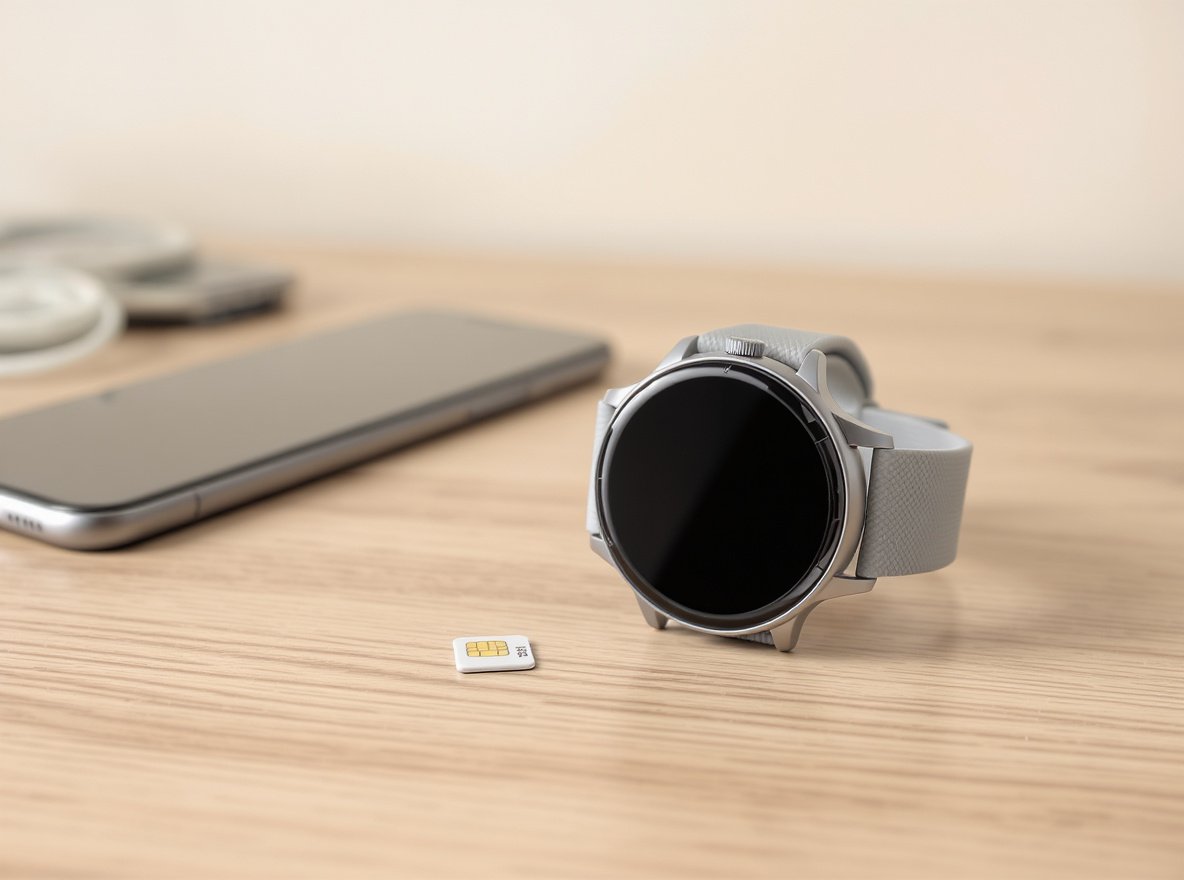
Are you confused about whether your new smartwatch needs its own SIM card? You’re not alone – this is one of the most common questions among smartwatch buyers worldwide. The answer isn’t straightforward because it depends on your specific watch type and how you plan to use it.
Most smartwatches do not require their own SIM card to function, as they’re designed to work as companions to your smartphone via Bluetooth or Wi-Fi connections. However, certain cellular-enabled smartwatches can benefit from having their own SIM card or eSIM for independent operation away from your phone.
Let’s dive deeper into the different types of smartwatches and when you actually need a SIM card to get the most out of your device.
What Types of Smartwatches Actually Need SIM Cards?
Understanding your smartwatch category is crucial before making any SIM card decisions. Not every smartwatch on the market requires cellular connectivity to function properly.
Only cellular/LTE and standalone smartwatches can utilize SIM cards for independent functionality. GPS-only smartwatches (also called Bluetooth smartwatches) do not need SIM cards at all and must remain within approximately 30 feet of your paired smartphone for full functionality.
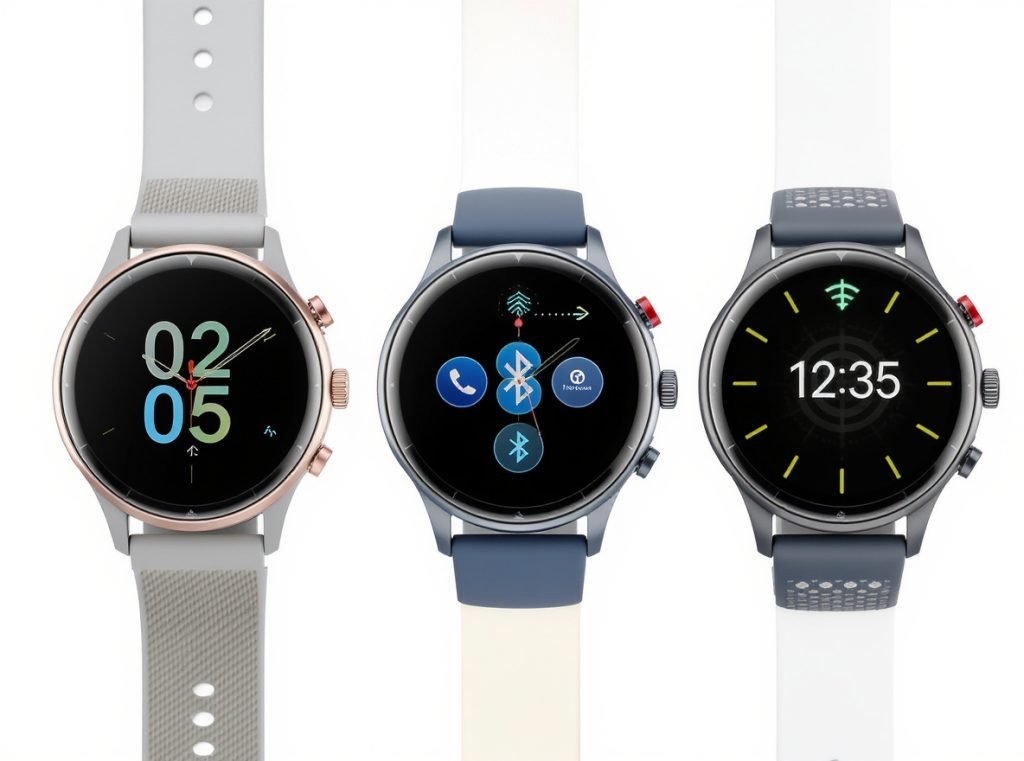
The smartwatch market offers three distinct categories:
GPS-Only Smartwatches connect exclusively to your smartphone via Bluetooth or Wi-Fi. These devices display notifications, track fitness data, control music, and run apps while remaining within Bluetooth range of your phone. Popular examples include Apple Watch GPS models, Samsung Galaxy Watch GPS versions, and most fitness trackers.
Cellular/LTE Smartwatches feature both Bluetooth connectivity and cellular capabilities. These watches can operate without your smartphone nearby, allowing independent calls, texts, music streaming, and app usage. Even cellular smartwatches don’t absolutely require a SIM card – they can still function as GPS-only watches when connected to your phone.
Standalone Smartwatches are specifically designed as independent devices that require SIM cards to function properly. These are often targeted for specific use cases, such as children’s smartwatches for safety and communication purposes.
| Smartwatch Type | SIM Required | Primary Function | Target Users |
|---|---|---|---|
| GPS-Only | No | Phone companion via Bluetooth/Wi-Fi | General consumers, fitness users |
| Cellular/LTE | Optional | Independent + phone companion | Tech enthusiasts, professionals |
| Standalone | Yes | Complete independence | Kids, seniors, safety applications |
How Do SIM Cards Work in Smartwatches?
The technology behind smartwatch connectivity might seem complex, but understanding the basics helps you make informed purchasing decisions for your business inventory.
Smartwatch SIM cards work identically to smartphone SIMs, connecting devices directly to cellular networks for independent communication. Most modern smartwatches use eSIM technology instead of physical SIM cards – an eSIM is embedded directly into the device and can be activated remotely through software.
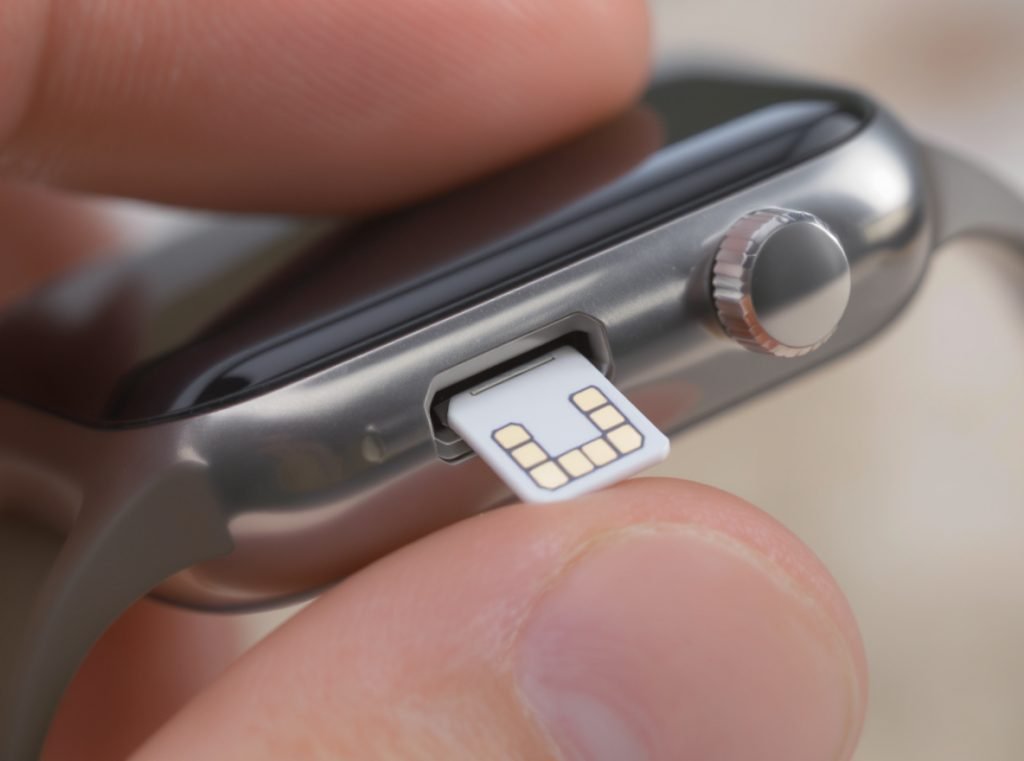
Most cellular smartwatches use two connection methods:
Physical SIM Cards are typically nano-SIM format (12.3mm x 8.8mm x 0.67mm) that slide into small slots on the watch case. Many carriers provide triple-cut SIM cards that include all sizes so you can punch out the nano size needed.
eSIM Technology eliminates physical cards entirely. The eSIM chip measures just 5mm x 6mm x 1mm and is soldered directly into the device. This allows for smaller, more waterproof designs while simplifying carrier switching through software activation.
Key advantages of SIM-enabled smartwatches include:
- Independent calling and texting capabilities
- GPS tracking without smartphone dependency
- Emergency communication features
- Real-time health monitoring with instant alerts
- Full internet access for apps and updates
The cellular connection enables smartwatches to function as complete communication devices, making them particularly valuable for business applications, child safety, and professional use cases.
Can You Use Your Phone’s SIM Card in a Smartwatch?
Many people wonder if they can simply transfer their existing phone SIM to their new smartwatch, especially when managing inventory costs for wholesale businesses.
You cannot directly transfer your phone’s physical SIM card to a smartwatch. However, many carriers offer number sharing or NumberSync services that allow your smartwatch to share the same phone number as your smartphone, so calls and texts to your number reach both devices.
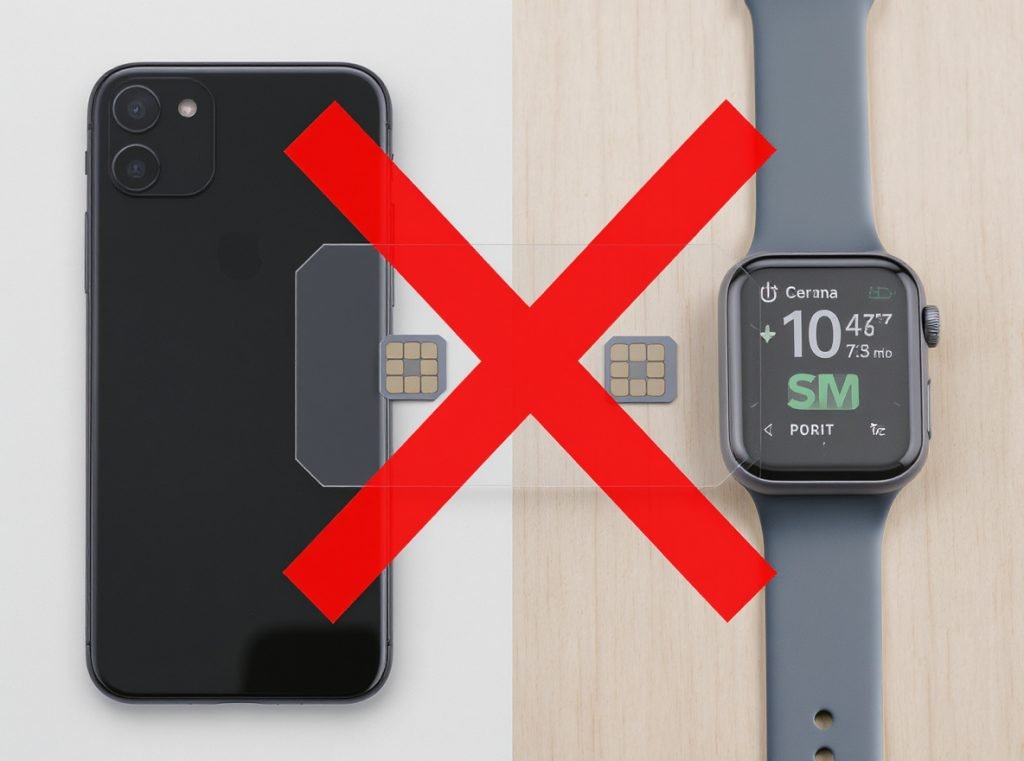
The technical and practical barriers include:
Physical Incompatibility prevents direct SIM swapping. While smartphones typically use nano-SIM cards, smartwatches require the same nano-SIM size but in different slot configurations, and many modern watches use eSIM technology exclusively.
Carrier Number Sharing Plans offer the ideal solution. Major carriers provide services where your smartwatch shares your existing phone number through eSIM technology. With eSIM, the process is streamlined – carriers can provision a digital SIM profile to your watch without requiring physical card swapping.
Separate Number Options work for standalone applications. You can maintain independent phone numbers for business use, privacy, or when shared plans aren’t available in your region.
| Solution | Cost | Convenience | Best For |
|---|---|---|---|
| Number Sharing/NumberSync | $10-15/month | High | Most users |
| Separate SIM Plan | $20-40/month | Medium | Business use, privacy |
| eSIM Activation | Varies by carrier | Highest | Modern smartwatches |
For wholesale buyers, understanding these options helps you advise retail customers and select the most marketable smartwatch models for your target demographics.
What Happens if You Don’t Use a SIM Card?
Understanding smartwatch functionality without SIM cards helps both consumers and wholesale buyers make informed decisions about product features and target markets.
Smartwatches without SIM cards still offer extensive functionality through Bluetooth smartphone pairing or Wi-Fi connections, including fitness tracking, notifications, music control, and basic apps. However, they cannot make independent calls, send texts, or access cellular data when away from the paired phone or Wi-Fi network.
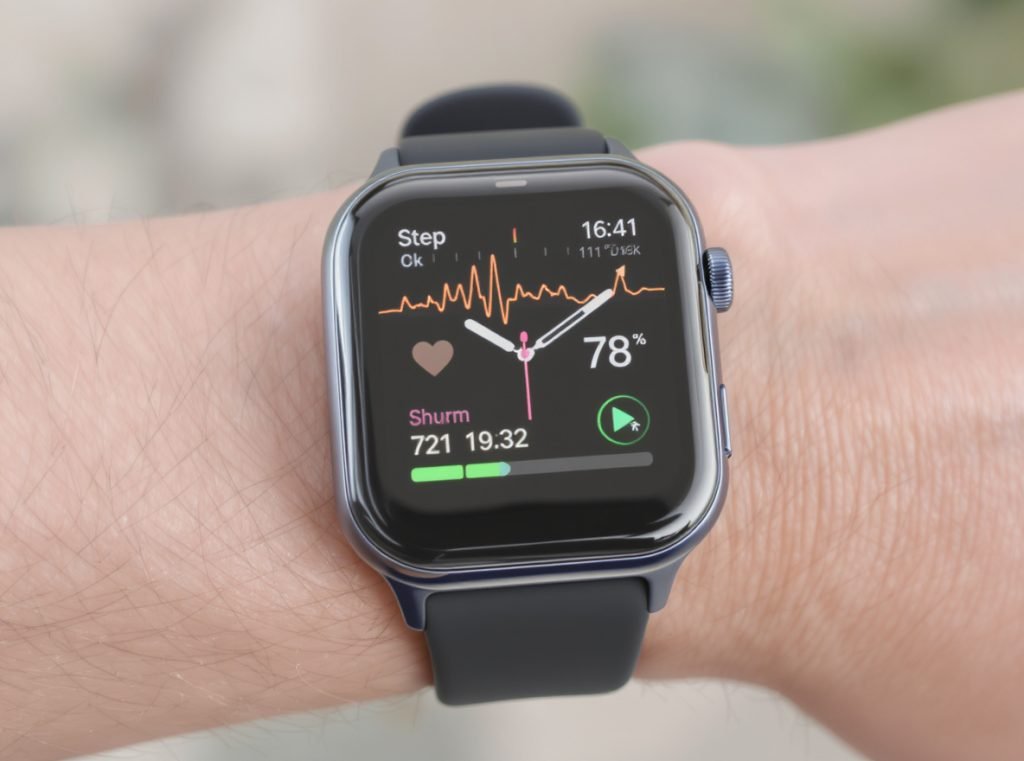
Core functions available without SIM cards include:
Fitness and Health Tracking remains fully functional using built-in sensors. Heart rate monitoring, step counting, sleep analysis, and workout tracking work independently, with data syncing to your smartphone when Bluetooth reconnects.
Smart Notifications and Connectivity display calls, texts, emails, and app alerts from your paired smartphone. You can read messages, see caller information, and even make Bluetooth calls through your paired phone within approximately 30 feet.
Wi-Fi and Offline Features continue working without cellular connectivity. When connected to known Wi-Fi networks, watches can download apps, send messages through internet services, and access some online features. Local music storage, calculator, timer, alarm, and basic apps function normally.
Key limitations without SIM include:
- No independent calling capabilities
- No text message sending without phone/Wi-Fi
- Limited functionality when traveling without your smartphone
- Cannot use location sharing or emergency features when phone isn’t present
- No cellular data access away from phone or Wi-Fi networks
Available features include Apple Pay and other NFC payments (when supported), complete fitness monitoring, and Wi-Fi connectivity for internet features when networks are available.
For wholesale applications, SIM-free operation suits customers seeking basic fitness tracking and smartphone companion features without additional monthly carrier costs.
Which Smartwatch Brands Require SIM Cards?
Different smartwatch manufacturers take varying approaches to SIM card integration, affecting your wholesale inventory decisions and customer recommendations.
Major smartwatch brands offer both GPS-only and cellular models, while fitness-focused brands typically avoid SIM integration entirely. The approach varies significantly based on target market and intended use cases.
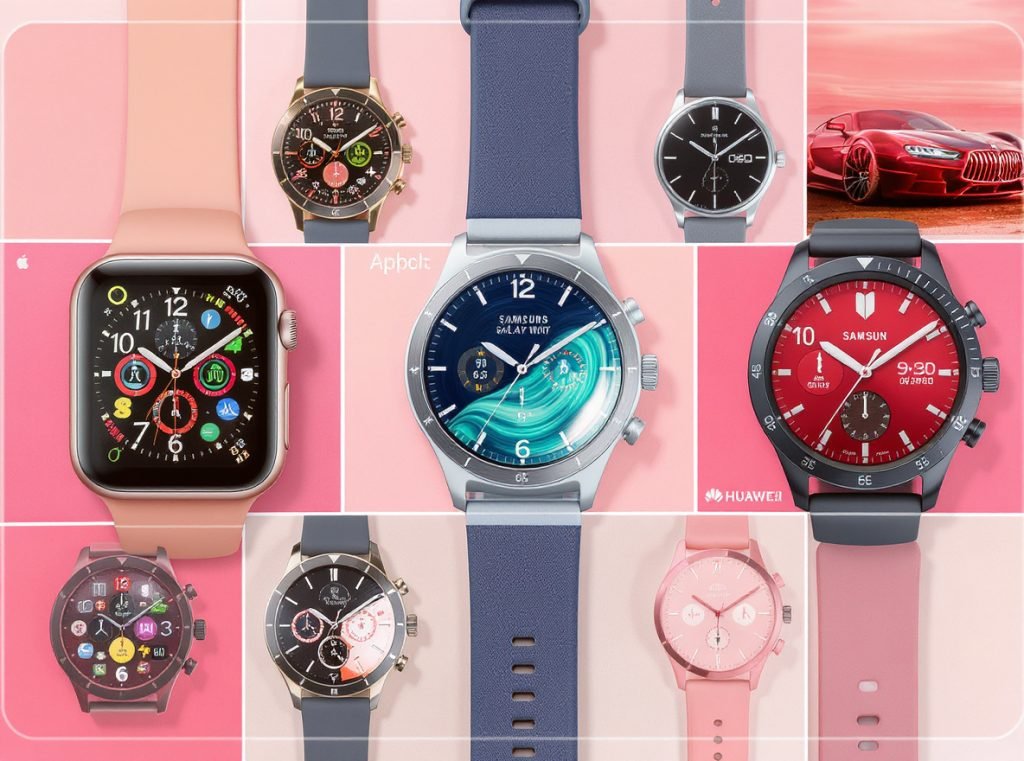
Brand-specific SIM capabilities include:
Premium Brands with Cellular Options include Apple (Watch Series 3 and later GPS + Cellular models with eSIM), Samsung (Galaxy Watch series and Galaxy Watch Active with cellular support), and Huawei (Watch 5 and other recent LTE models). These brands offer both GPS-only and cellular variants.
Emerging Brands with eSIM Support include Xiaomi (Watch 2 Pro, Watch S3, and Mi Watch with eSIM support) and limited Garmin models (Forerunner 945 LTE with limited US availability). These represent the growing adoption of cellular features in mid-range markets.
Fitness-Focused Brands typically eliminate SIM capabilities entirely. Fitbit, Amazfit, most Garmin fitness watches, and budget smartwatch manufacturers prioritize battery life and cost efficiency over cellular connectivity.
Children’s and Specialty Smartwatches almost universally require SIM cards for safety-focused features like GPS tracking, emergency calls, and parental monitoring.
| Brand Category | SIM Approach | Examples | Wholesale Advantage |
|---|---|---|---|
| Premium Brands | Optional eSIM/cellular | Apple, Samsung, Huawei | High margins, tech appeal |
| Emerging Brands | Growing eSIM support | Xiaomi, select Garmin | Competitive pricing |
| Fitness Brands | Usually GPS-only | Fitbit, Amazfit, Garmin fitness | Steady demand, longer battery |
| Kids’/Safety Watches | SIM required | Various safety brands | Growing market, recurring revenue |
Understanding these approaches helps wholesale buyers select diverse inventory that meets different customer needs and price points while maximizing profit potential across market segments.
How Much Does a Smartwatch SIM Card Cost?
Cost considerations significantly impact both consumer purchasing decisions and wholesale profit margins, making pricing transparency crucial for business success.
Physical SIM cards are usually free from carriers (though some charge small shipping fees under $1), while monthly smartwatch plans range from $5-20 depending on the carrier and data allowance. Most carriers waive activation fees for smartwatch lines.

Detailed cost breakdown includes:
Monthly Service Plans vary significantly by provider and plan type. Budget options cost $5-10 monthly for basic plans with limited data, while major carriers charge $10-20 monthly for smartwatch add-on lines. Some carriers offer unlimited data plans specifically for smartwatches.
Initial Setup Costs are generally minimal. Physical SIM cards are typically free, though some carriers charge shipping fees under $1. eSIM activation is usually free through software. Most carriers waive activation fees for smartwatch lines, though some may charge $10-30.
Carrier-Specific Options include number sharing services where your smartwatch shares your phone’s number and plan, often the most economical choice for users who want cellular connectivity without separate billing.
Initial setup costs include:
- Physical SIM card: $5-25 (often waived with plan activation)
- eSIM activation: Usually free
- Activation fees: $20-35 (varies by carrier)
- Device compatibility verification: Free
| Plan Type | Monthly Cost | Features | Best For |
|---|---|---|---|
| Budget Plans | $5-10 | Limited data | Basic connectivity |
| Carrier Add-on Lines | $10-20 | Number sharing, good data | Most users |
| Unlimited Plans | $15-25 | Unlimited smartwatch data | Heavy users |
For wholesale businesses, understanding these ongoing costs helps you educate retail customers and position products appropriately based on total ownership costs rather than just initial purchase prices.
Do Kids’ Smartwatches Always Need SIM Cards?
The children’s smartwatch market represents a growing wholesale opportunity, but SIM requirements vary significantly across different product categories and safety features.
Most children’s smartwatches are designed as safety devices that typically require cellular connectivity, though not always. Some kids’ smartwatches can function with limited features over Wi-Fi, but cellular connectivity is usually essential for the safety features parents want.
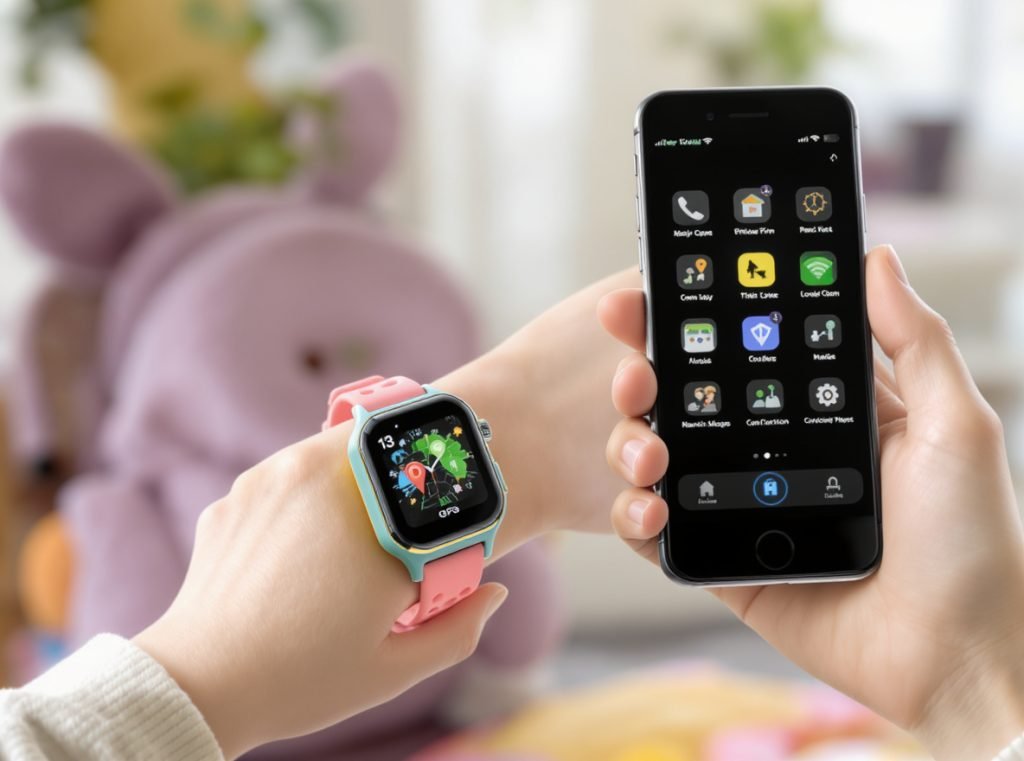
Children’s smartwatch categories include:
Safety-Focused Models typically require SIM cards for full functionality. These devices need cellular connectivity for real-time GPS tracking and location sharing, two-way voice calling, emergency SOS functionality, geofencing and safety alerts, parental monitoring and controls, and school-time restrictions.
Educational and Entertainment Models may work without SIM cards. Some focus on learning games, camera functions, and basic timekeeping without requiring cellular service. These models can offer limited features through Wi-Fi connectivity.
Hybrid Models offer both cellular and Wi-Fi functionality, allowing parents to choose the level of connectivity based on their child’s age and independence level.
Essential cellular features for kids include:
- Real-time GPS location tracking and sharing
- Two-way voice and emergency calling
- Geofencing alerts and parental notifications
- School mode restrictions and parental controls
- Emergency SOS functionality when needed
Limited Wi-Fi alternatives offer:
- Educational games and learning activities
- Camera and photo storage capabilities
- Basic fitness and activity tracking
- Timer, alarm, and calculator functions
| Kids’ Watch Type | SIM Required | Key Features | Parent Appeal |
|---|---|---|---|
| Safety GPS | Yes | Location, calls | Peace of mind |
| Educational | Sometimes | Games, learning | Skill development |
| Fitness Tracker | No | Activity tracking | Health monitoring |
For wholesale buyers targeting the children’s market, SIM-enabled safety watches command higher prices but require educating customers about ongoing carrier costs and setup requirements.
What Size SIM Card Do Smartwatches Use?
Understanding SIM card sizes and compatibility helps wholesale buyers avoid customer service issues and ensure proper product specifications for different markets.
Most smartwatches use Nano SIM cards (12.3mm x 8.8mm x 0.67mm), which are the smallest physical SIM format. However, the trend is moving toward eSIM technology, with eSIM chips measuring just 5mm x 6mm x 1mm and soldered directly into the device.
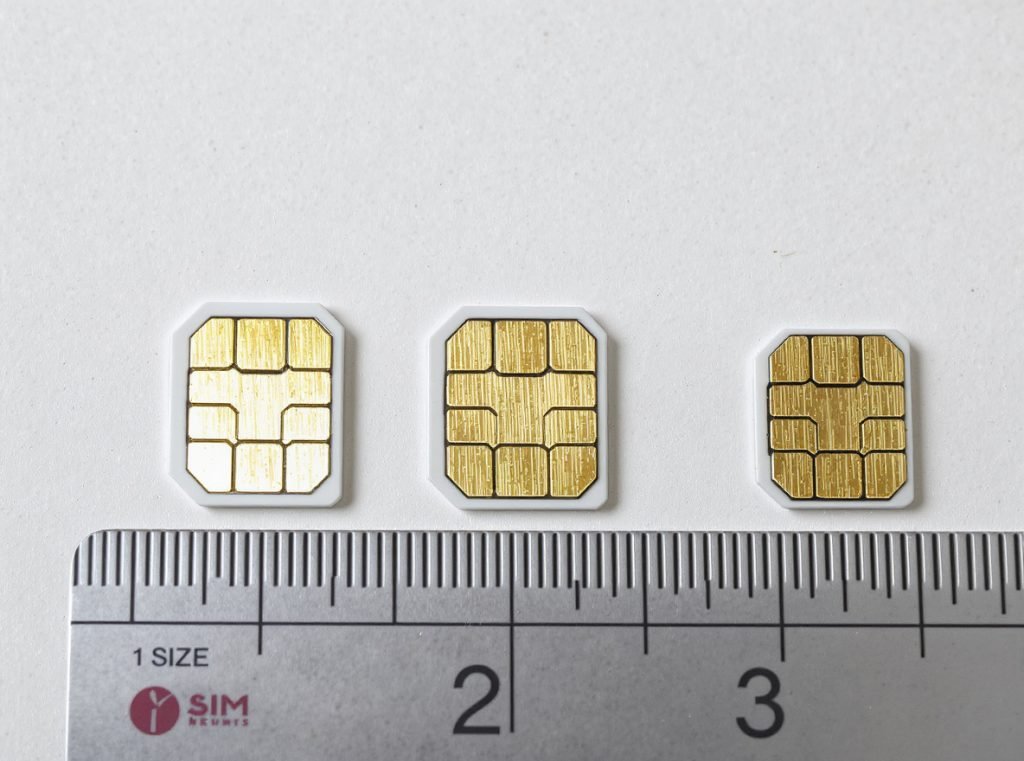
Physical SIM specifications include:
Nano-SIM Cards represent the current standard for smartwatches requiring physical SIM cards. These measure 12.3mm x 8.8mm x 0.67mm and fit into small slots typically located on the watch case side or underneath removable covers.
Triple-Cut SIM Cards are provided by many carriers, including all sizes (Standard, Micro, and Nano) in one card so you can punch out the nano size needed for your smartwatch.
eSIM Integration eliminates physical cards entirely and represents the future of smartwatch connectivity. eSIM chips are embedded directly into the device during manufacturing and can be activated remotely through software, allowing for smaller, more waterproof designs.
Installation and activation methods include:
- Side slot access (most common for nano-SIM)
- Carrier software activation for eSIM
- Professional setup for some models
- Remote activation through carrier apps
| SIM Type | Dimensions | Activation Method | Advantages |
|---|---|---|---|
| Nano-SIM | 12.3×8.8×0.67mm | Physical insertion | Widely available, transferable |
| eSIM | 5×6×1mm (embedded) | Software activation | Space efficient, waterproof |
For wholesale inventory management, confirming SIM specifications prevents compatibility issues and ensures customers receive proper activation instructions with their purchases.
Are There Smartwatches That Work Without Any SIM Card?
The non-SIM smartwatch market offers significant opportunities for wholesale buyers targeting cost-conscious consumers and specific use cases where cellular connectivity isn’t necessary.
Yes, many smartwatches work perfectly without SIM cards, including GPS-only models, fitness trackers, and Wi-Fi-enabled devices. These watches offer comprehensive health monitoring, smart notifications, and app functionality through smartphone pairing or direct Wi-Fi connections.
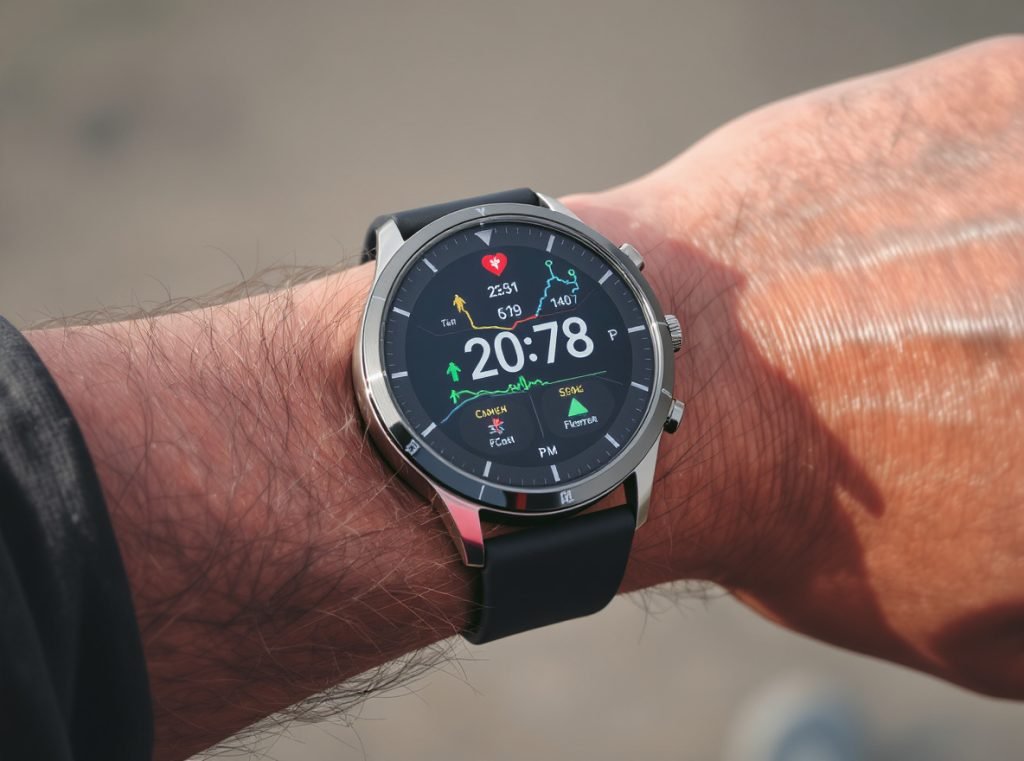
Non-SIM smartwatch categories include:
GPS-Only Models from major brands work excellently without cellular connectivity. Examples include Apple Watch GPS versions, Samsung Galaxy Watch GPS models, and most fitness trackers. These provide complete functionality when paired with smartphones.
Fitness-Focused Devices prioritize health tracking over communication features. Garmin fitness watches, Fitbit devices, and similar brands excel at heart rate monitoring, built-in GPS tracking, sleep analysis, and workout guidance without requiring cellular plans.
Wi-Fi-Enabled Smartwatches can access internet features without SIM cards. When connected to known Wi-Fi networks, these watches can download apps, stream music, send messages through internet services, and even make Wi-Fi calls through apps like WhatsApp.
Key advantages of SIM-free operation:
- No monthly carrier costs or additional billing
- Extended battery life (typically 2-7+ days)
- Simplified setup and maintenance
- Lower initial purchase price
- Reduced complexity, ideal for basic users
Functional limitations without cellular:
- Cannot make independent calls away from phone/Wi-Fi
- Limited functionality when traveling without smartphone
- No cellular emergency features when phone isn’t present
- Reduced independence for location tracking
Available features include fitness monitoring, smartphone notifications when connected, Wi-Fi connectivity for internet apps, Apple Pay and NFC payments (when supported), and time/alarm/calculator functions.
| Watch Type | Battery Life | Key Features | Target Market |
|---|---|---|---|
| GPS-Only Models | 2-5 days | Phone pairing, full smart features | General consumers |
| Fitness Trackers | 5-14+ days | Health monitoring, basic smart features | Active users |
| Wi-Fi-Enabled | 1-3 days | Internet apps, advanced features | Tech-savvy users |
For wholesale strategies, SIM-free smartwatches offer higher profit margins due to lower complexity while serving the largest segment of casual smartwatch users who prioritize convenience over independence.
Summary
Smartwatch SIM requirements depend entirely on your intended use and watch type. Bluetooth companion devices and fitness trackers work excellently without SIM cards, offering comprehensive features through smartphone pairing. Cellular-enabled and standalone smartwatches need SIM cards or eSIM for independent communication, GPS tracking, and emergency features, making them ideal for children’s safety, professional use, or complete smartphone independence.
For wholesale buyers, understanding these differences helps you stock diverse inventory serving various customer needs while properly advising retail partners about ongoing costs and setup requirements.
Ready to expand your smartwatch inventory with the right mix of SIM-enabled and SIM-free options? Contact Osmarto today for competitive wholesale pricing on smartwatches that match your market needs. Our team can help you select the perfect product mix for your customers while maximizing your profit margins across all smartwatch categories.