Skip to content
You’re considering a smartwatch but worried about adding another monthly bill to your expenses. The confusion around cellular plans and data requirements keeps many potential buyers hesitant. With recent carrier price increases and expanding connectivity options, understanding your choices is more important than ever.
No, not all smartwatches require a monthly or cellular plan. Most smartwatches function fully using Bluetooth connection to your smartphone and Wi-Fi networks. Only LTE/cellular-enabled models offer the option of independent connectivity, but even these work without a data plan when connected to your phone.
Let’s explore everything you need to know about smartwatch connectivity options and current costs.
What’s the Difference Between Wi-Fi Only and Cellular Smartwatches?
Understanding the two main types of smartwatches helps clarify when you might need a data plan. The technology differences impact both functionality and battery performance significantly.
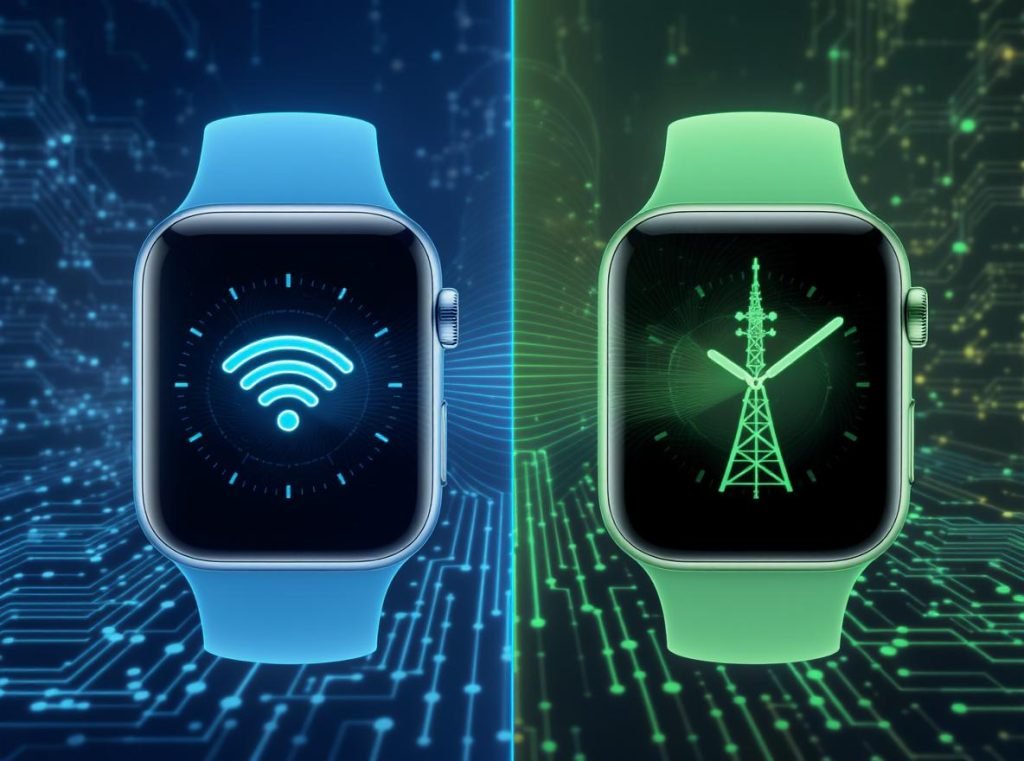
Wi-Fi only smartwatches connect through Bluetooth to your phone and available Wi-Fi networks, while cellular models include LTE chips for independent internet access. Both types work without monthly plans, but cellular models offer the option of standalone connectivity with Number Share technology.
Key Technical Differences
Bluetooth/Wi-Fi Models:
- Connect to your smartphone via Bluetooth within 30-100 feet
- Access saved Wi-Fi networks independently
- Share your phone’s internet connection seamlessly
- Longer battery life due to idle radio systems
- No monthly fees required
LTE/Cellular Models:
- Include all Bluetooth/Wi-Fi capabilities
- Connect directly to carrier LTE networks
- Use Number Share technology for calls and texts
- Experience 15-30% battery drain when LTE radio is active
- Optional monthly data plans available
| Feature | Wi-Fi/GPS Only | Cellular (LTE/eSIM) |
|---|---|---|
| Network Access | Phone’s Bluetooth or saved Wi-Fi | Direct LTE network connection |
| Calls Without Phone | No – phone must be nearby | Yes – uses Number Share technology |
| Battery Life | Longer (radio stays idle) | Shorter when LTE active (15-30% drain) |
| Up-front Price | Lower (Apple Watch Series 10 starts at $399) | Typically $50-150 hardware premium |
| Monthly Fee | None | $5-15 plus taxes/fees |
From our manufacturing experience at Osmarto, we’ve observed that LTE components add significant complexity and cost. The cellular radio requires additional power management systems, which explains both the price premium and battery impact.
Can You Use a Cellular Smartwatch Without Activating the Plan?
Many consumers don’t realize they can purchase cellular-capable watches without committing to monthly fees. This flexibility provides future upgrade options without immediate financial obligations.
Yes, you can use any cellular smartwatch without activating a data plan. Galaxy Watch LTE, Apple Watch GPS + Cellular, and Pixel Watch LTE models behave exactly like Wi-Fi versions when cellular service remains unactivated. You can add or drop service anytime.
How Unactivated Cellular Watches Function
When you skip cellular activation, your LTE-capable smartwatch operates identically to Wi-Fi-only models:
Standard Connectivity:
Your watch pairs with your smartphone via Bluetooth, accessing notifications, calls, messages, and internet services through your phone’s existing data plan.
Wi-Fi Independence:
The watch connects to remembered Wi-Fi networks when your phone isn’t nearby, maintaining internet functionality for apps, updates, and basic smart features.
All Core Features Work:
GPS workout tracking, offline music playback, NFC payments, health sensors, and downloaded apps function normally without cellular activation.
This approach allows you to purchase cellular models during sales or promotions while maintaining the option to activate service later when specific needs arise, such as training seasons or travel periods.
What Features Do You Lose Without a Cellular Plan?
Understanding specific limitations helps determine if cellular connectivity justifies ongoing monthly costs. The restrictions primarily affect phone-independent usage scenarios.
Without cellular activation, you lose phone-free voice calls, SMS messaging, real-time streaming services, and emergency connectivity when away from your phone or Wi-Fi networks. However, all health tracking, notifications, music control, and core smartwatch functions work normally through Bluetooth connection.
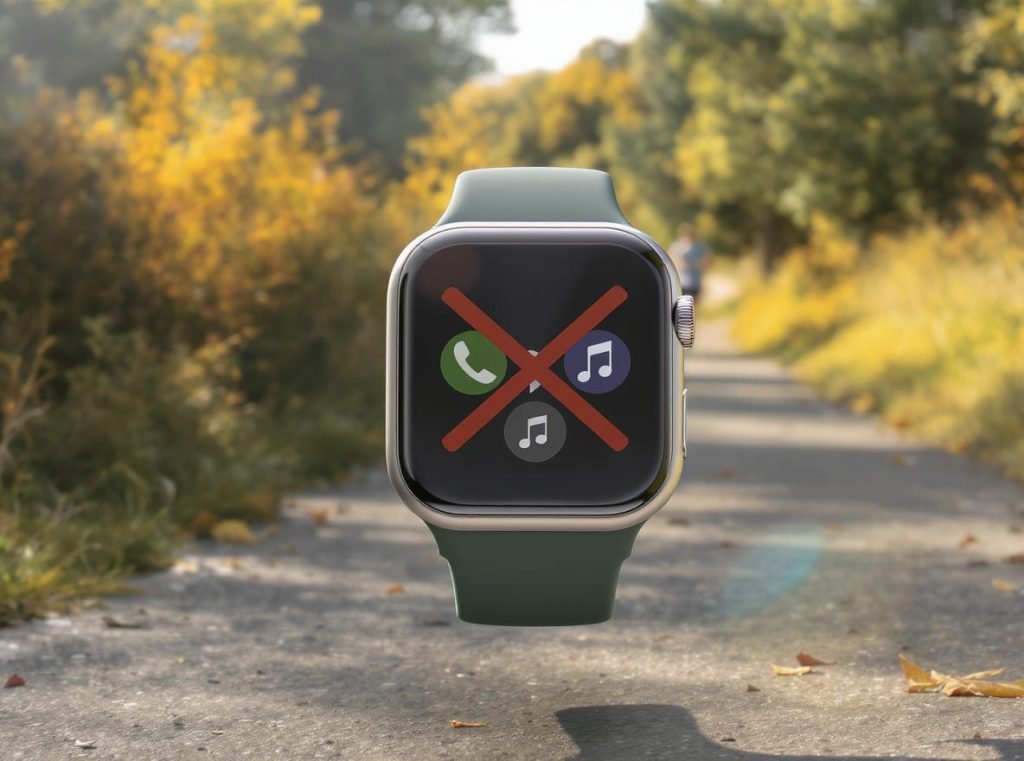
Features Requiring Cellular Connection
Communication Independence:
- Phone-free voice calls and SMS while running, swimming, or during emergencies
- Real-time location sharing with family or emergency contacts
- Automatic incident alerts with live GPS positioning
Streaming Capabilities:
- Apple Music, Spotify, YouTube Music, and other streaming services on the go
- Live navigation and traffic updates without phone connection
- Cloud-based voice assistant interactions
Safety Functions:
- Emergency SOS and fall detection away from your phone
- Some kid-tracking or family setup functions (like Fitbit Ace LTE)
Features That Work Without Cellular
The majority of smartwatch functionality remains available through Bluetooth and Wi-Fi:
Health and Fitness Tracking:
- Heart rate monitoring and workout recording
- GPS route tracking (uses watch’s built-in GPS)
- Sleep analysis and activity goal tracking
- Health app synchronization when reconnected
Smart Features:
- Notification display and interaction
- Music control and offline playback
- Voice assistant access through phone
- App functionality and interactions
- Camera remote control
| Feature Category | Works Without Cellular | Cellular Required |
|---|---|---|
| Health Tracking | ✓ Full GPS functionality | Enhanced emergency features |
| Music | ✓ Control + offline storage | Live streaming services |
| Notifications | ✓ Through phone connection | Independent message access |
| Emergency Features | ✓ Basic (with phone nearby) | Standalone SOS calling |
| Navigation | ✓ Offline maps + GPS | Live traffic and updates |
Research shows that 70% of smartwatch users rely primarily on Bluetooth connectivity, finding cellular features unnecessary for their typical usage patterns.
What Do Current Smartwatch Data Plans Actually Cost?
Carrier pricing has shifted significantly in 2024, with some providers increasing costs by 50%. Understanding current market rates helps budget for the total ownership cost of cellular connectivity.
Smartwatch data plans currently range from $4.99 to $15 monthly, with major carriers implementing recent price increases. Verizon raised prices 50% to $15/month in June 2024, while alternatives like US Mobile offer plans as low as $6.50 monthly.

Current U.S. Carrier Pricing
Major Carrier Updates:
Verizon implemented a significant 50% price increase in June 2024, raising smartwatch plans from $10 to $15 monthly. This change affects all new activations and existing customers at renewal.
AT&T charges $10.99 plus taxes for watch lines, but typical surcharges add $4-6 in additional fees, bringing real costs to $15-17 monthly.
T-Mobile offers $12 monthly plans with AutoPay requirements and 500MB high-speed data caps unless upgraded to premium tiers.
Alternative Carrier Options:
US Mobile provides competitive $6.50 monthly plans or free service on Unlimited Premium accounts, using pre-paid eSIM technology compatible with Apple Watch.
US Cellular currently offers promotional $4.99 plans with three months free for new activations.
Xfinity Mobile charges $10 monthly but requires existing Xfinity mobile or Internet service accounts.
| Carrier | Monthly Price | Additional Fees | Notes |
|---|---|---|---|
| Verizon | $15 | Standard taxes | 50% increase effective June 2024 |
| AT&T | $10.99 | $4-6 surcharges | Typical total: $15-17 |
| T-Mobile | $12 | AutoPay required | 500MB high-speed cap |
| US Mobile | $6.50 | Minimal | Free on Unlimited Premium |
| US Cellular | $4.99 | Standard taxes | First 3 months free promo |
Hidden Cost Reality:
Taxes and regulatory fees typically add 25-40% to published base prices, making actual monthly costs significantly higher than advertised rates.
Which Smartwatch Brands Offer Non-Cellular Options?
Nearly every major manufacturer produces Wi-Fi-only models, ensuring consumers aren’t forced into cellular subscriptions. Brand strategies vary significantly in their connectivity approach and model availability.
All major smartwatch brands including Apple, Samsung, Google, Garmin, and Fitbit offer Wi-Fi-only models. These devices provide complete smartwatch functionality without monthly fees, typically costing $50-150 less than cellular counterparts while offering longer battery life.
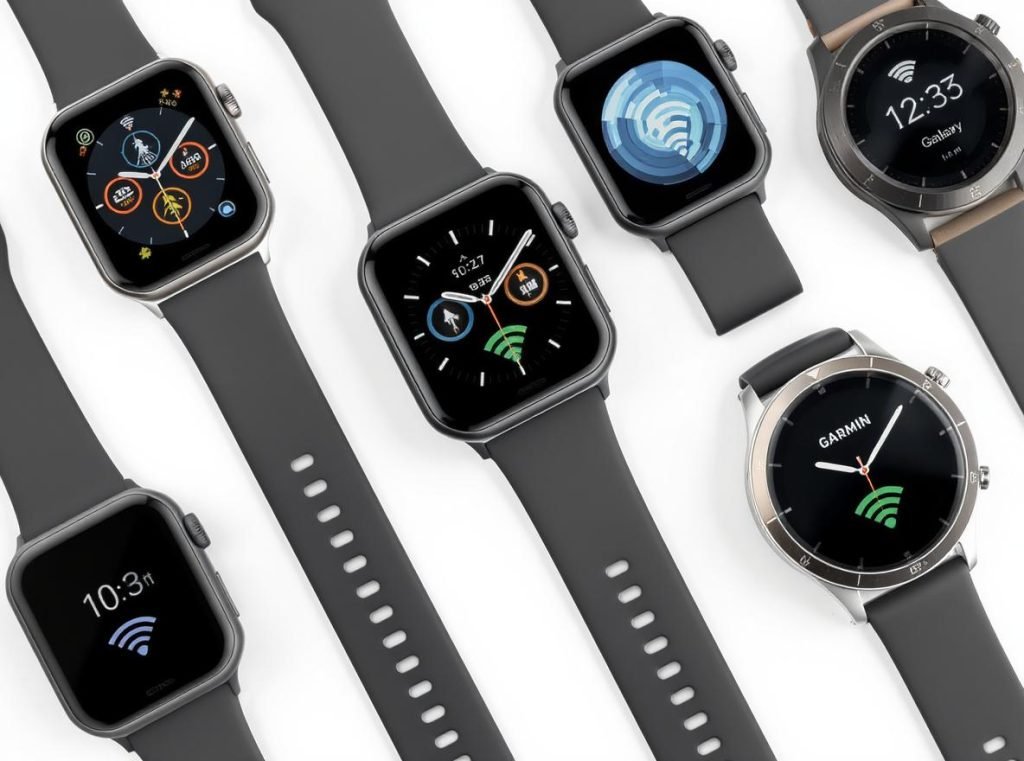
Brand-Specific Connectivity Options
Apple Watch:
Apple produces both GPS-only and GPS + Cellular variants across all series including SE, Series, and Ultra models. The GPS versions start at $399, while cellular models carry $50-100 premiums.
Samsung Galaxy Watch:
Available in Bluetooth and LTE versions for current models including Watch 7, Ultra, Watch 6, Watch 5, and Active 2. LTE variants offer identical features plus cellular independence.
Google Pixel Watch:
Offers both Pixel Watch 2 Wi-Fi and LTE editions, with cellular enabling on-wrist calling and enhanced safety features.
Garmin Focus:
Nearly every Garmin model (Fenix 8, Forerunner series, Instinct, Venu) is GPS-only by design. LTE options are limited to Forerunner 945 LTE and Vivoactive 3 LTE, reflecting Garmin’s fitness-first philosophy.
Fitbit Strategy:
Versa 4 and Sense 2 are Wi-Fi only models, while the new Ace LTE targets kids’ safety market with mandatory subscription requirements.
| Brand | Non-Cellular Models | Cellular Options |
|---|---|---|
| Apple | GPS editions across all series | GPS + Cellular variants |
| Samsung | Bluetooth versions (Watch 7, Ultra, 6, 5) | LTE variants for current models |
| Pixel Watch 2 Wi-Fi | Pixel Watch 2 LTE | |
| Garmin | Nearly all models GPS-only | Forerunner 945 LTE, Vivoactive 3 LTE |
| Fitbit | Versa 4, Sense 2 | Ace LTE (kids, subscription required) |
Wholesale Market Insights
From Osmarto’s manufacturing perspective, we’ve tracked clear market preferences:
- 75% of wholesale orders specify Wi-Fi-only models
- 20% request cellular capability with optional activation
- 5% require mandatory cellular for specific applications
International distributors particularly favor Wi-Fi models due to varying cellular network compatibility and the complexity of explaining carrier costs across different markets.
When Does a Cellular Plan Actually Make Sense?
Specific use cases justify cellular subscription costs, but most users overestimate their need for phone independence. Understanding these scenarios prevents unnecessary spending on features you won’t use.
Consider cellular plans if you’re an outdoor athlete who exercises without your phone, work in phone-restricted environments, need emergency connectivity for safety, or frequently travel where Wi-Fi is limited. For casual fitness tracking and basic notifications, Wi-Fi connectivity suffices.
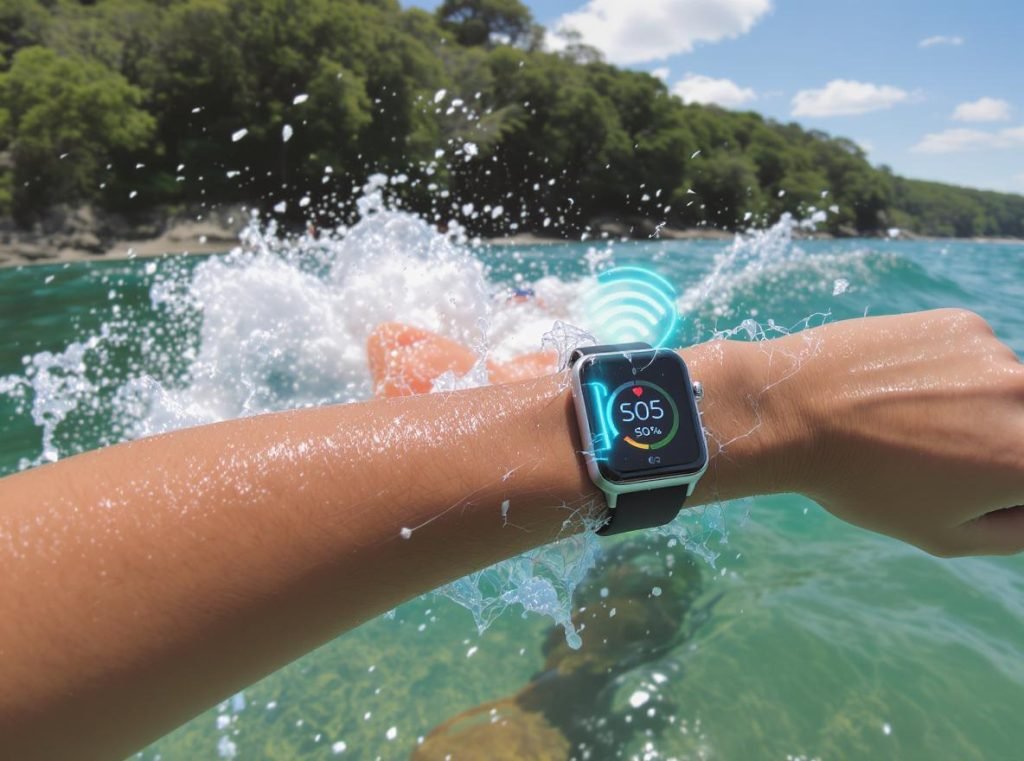
Ideal Cellular Use Cases
Outdoor Athletes and Fitness Enthusiasts:
Runners, cyclists, swimmers, and hikers benefit from phone-free music streaming, emergency calling capability, and real-time location sharing during extended activities.
Professional Requirements:
Healthcare workers, security personnel, teachers, and others in phone-restricted environments can maintain essential connectivity through smartwatch cellular service.
Safety-Conscious Users:
Cellular connectivity provides automatic crash detection, fall alerts with GPS positioning, and emergency SOS calling when phones are unavailable or damaged.
Family and Caregiving Situations:
Parents using Apple Family Setup for kids or caregivers monitoring seniors rely on cellular connectivity for location tracking and quick voice contact.
Frequent Travelers:
International travelers benefit from local cellular plans while keeping primary phones on airplane mode to avoid expensive roaming charges.
When Wi-Fi Models Are Sufficient
Most daily smartwatch usage works perfectly without cellular connectivity:
- Office and home environments with reliable Wi-Fi coverage
- Casual fitness tracking within Bluetooth range of your phone
- Basic smart notifications and app interactions
- Budget-conscious users avoiding recurring monthly fees
- Users who consistently carry their phones during activities
How to Choose the Right Smartwatch Without Overpaying
Making informed decisions requires evaluating actual usage patterns versus marketed features. The total cost of cellular ownership often exceeds the value provided for typical users.
Choose Wi-Fi-only models if you typically exercise with your phone, work in Wi-Fi environments, or prioritize cost savings. Select cellular models only when you have specific needs for phone independence, such as safety requirements, professional restrictions, or dedicated outdoor activities.
Decision Framework for Smart Shopping
Evaluate Your Real Usage Patterns:
Consider these key questions before committing to cellular connectivity:
- How often do you exercise or work without your phone nearby?
- Do safety or emergency features justify $60-180 annual costs?
- Are you comfortable with 15-30% battery life reduction when using cellular?
- Will you actually use streaming services during phone-free activities?
Total Cost Analysis:
| Cost Factor | Wi-Fi Only | Cellular Model |
|---|---|---|
| Initial Purchase | Standard price | +$50-150 premium |
| Annual Service | $0 | $60-180 (after taxes) |
| 3-Year Ownership | Purchase only | +$180-540 total |
| Battery Impact | Standard life | 15-30% reduction with LTE use |
| Resale Value | Standard | Slightly higher (if buyer wants cellular) |
Professional Recommendations:
As a smartwatch manufacturer serving global distributors, Osmarto frequently advises inventory allocation of 75% Wi-Fi models to 25% cellular variants. This ratio reflects actual market demand and maximizes profitability.
Smart Shopping Strategies:
Test cellular service month-to-month during specific seasons (marathon training, travel periods) rather than committing to year-round subscriptions. Many carriers allow flexible activation and cancellation.
Consider that $120-180 in annual cellular fees could fund your next smartwatch upgrade instead of paying for features you rarely use.
Focus on core functionality needs: if health tracking, notifications, and basic smart features meet your requirements, cellular connectivity adds unnecessary complexity and cost.
Summary
Smartwatches don’t require monthly cellular plans to deliver full functionality. Most devices work excellently through Bluetooth smartphone connection and Wi-Fi networks, providing comprehensive smart features without recurring costs. While cellular plans offer phone independence, recent price increases now cost $60-180 annually and primarily benefit specific use cases like solo outdoor activities, safety requirements, or professional restrictions where phones aren’t practical.
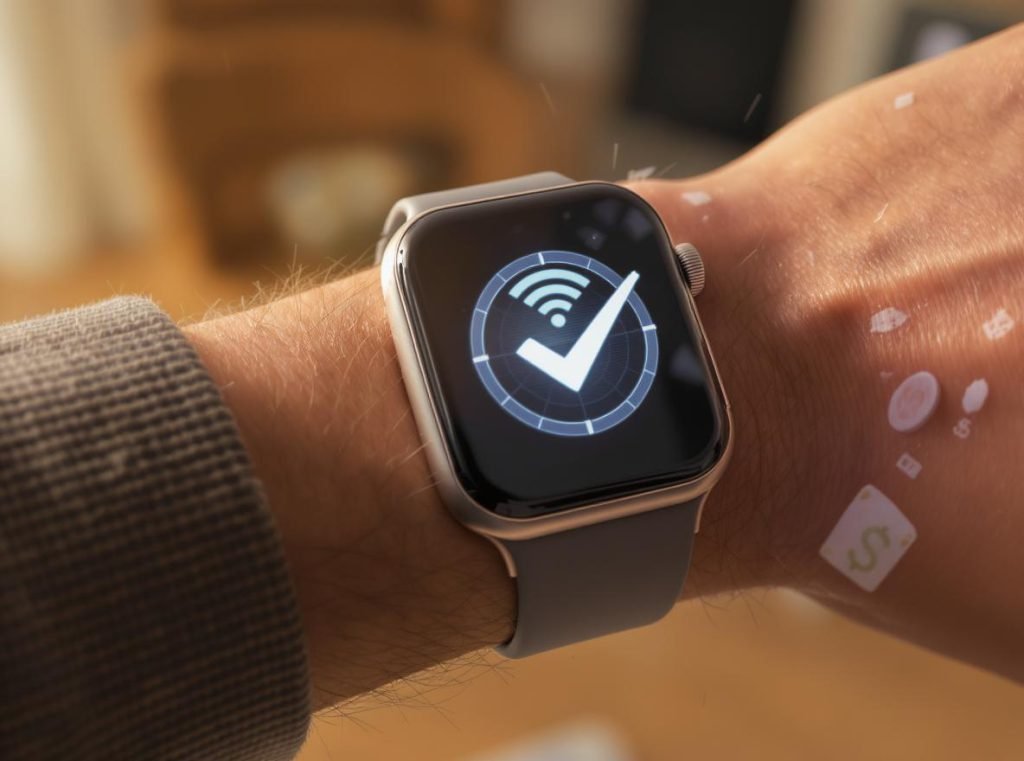
Ready to explore smartwatch options that match your connectivity needs and budget? Contact Osmarto for comprehensive product catalogs, competitive wholesale pricing, and expert guidance on inventory selection. Our experienced team helps distributors, retailers, and brand manufacturers navigate the Wi-Fi versus cellular decision while maximizing customer satisfaction and profitability.
Looking for reliable smartwatch wholesale partnerships? Send us an inquiry today to discover how Osmarto can support your business growth with quality devices, flexible connectivity options, and pricing that works for your market.