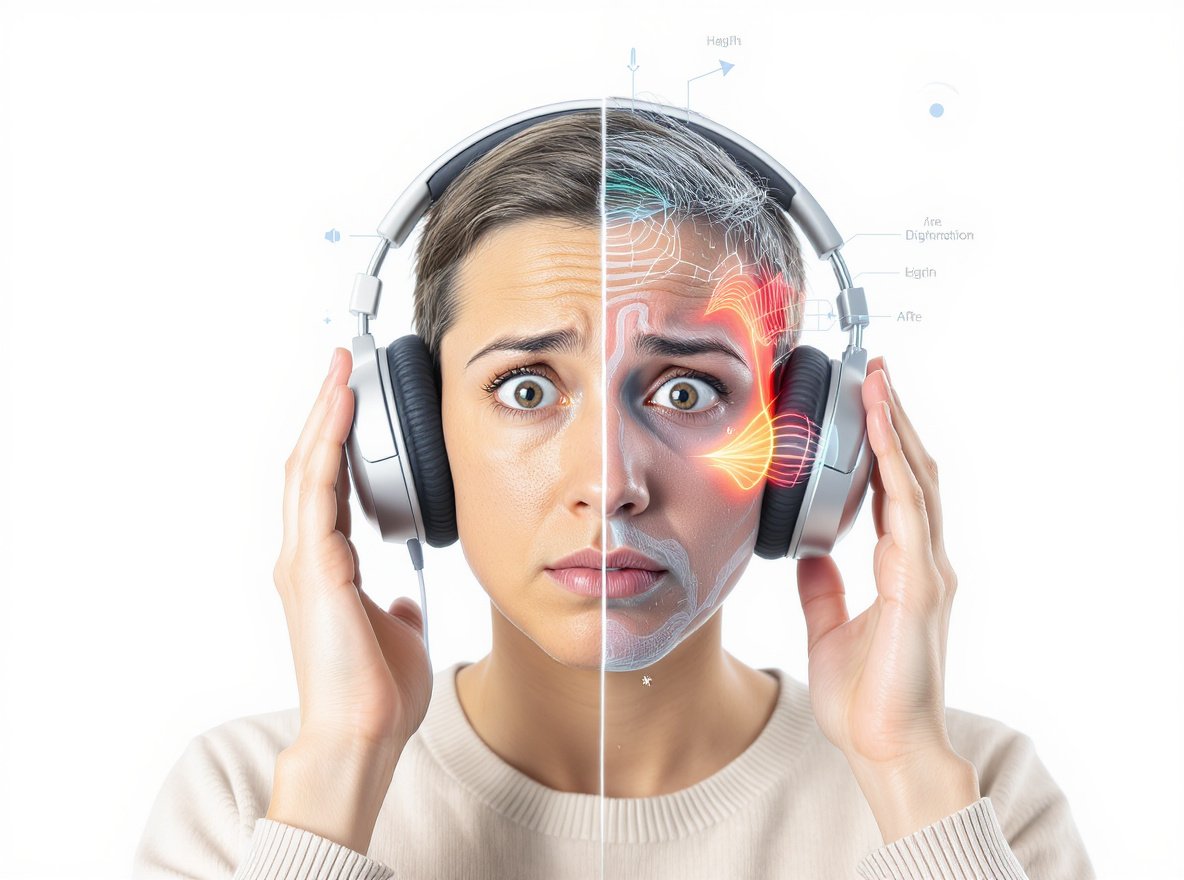
Millions of people worldwide use headphones daily, but many worry about potential hearing damage. The persistent ringing, buzzing, or whistling sounds of tinnitus can be life-changing, affecting sleep, concentration, and overall quality of life.
Headphones and earbuds do not directly cause tinnitus; however, using them inappropriately can significantly increase your chances of developing noise-induced hearing loss, which in turn can lead to tinnitus. The real problem lies in how people use these devices – not the technology itself.
Let’s explore everything you need to know about headphones, tinnitus, and how to protect your ears while enjoying your favorite audio content.
What Is Tinnitus and How Does It Develop?
Understanding tinnitus is crucial for anyone who regularly uses headphones or earbuds.
Tinnitus is the perception of sound in one or both ears when no external sound is present. It commonly manifests as ringing, but can also present as buzzing, humming, hissing, whooshing, or clicking sounds. This condition affects approximately 15-20% of people worldwide, with higher prevalence among older adults.
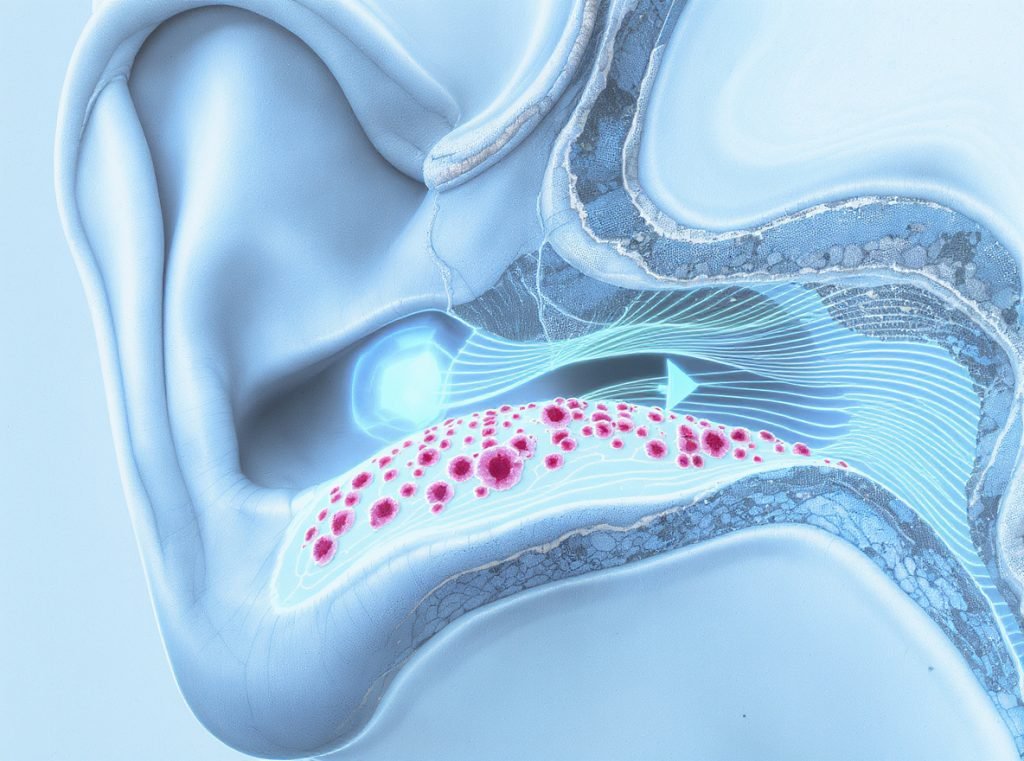
Tinnitus develops through several mechanisms. The most common trigger for chronic tinnitus is sensorineural hearing loss, which can be age-related or noise-induced.
The condition occurs when tiny hair cells in the inner ear (cochlea) become damaged. When these delicate structures are bent or broken—often due to aging or regular exposure to loud sounds—they can “leak” random electrical impulses to the brain, causing the perception of sound.
Key causes of tinnitus include:
- Noise-induced hearing loss: Prolonged exposure to loud sounds damages inner ear hair cells
- Age-related hearing decline: Natural deterioration of hearing structures over time
- Earwax blockage: Excessive wax buildup affecting sound transmission
- Medical conditions: Including high blood pressure, diabetes, and certain medications
Tinnitus is not a disease itself but rather a symptom of an underlying condition, which is why proper diagnosis and treatment are essential.
Do Headphones Directly Cause Tinnitus?
This is one of the most common questions among audio enthusiasts and everyday listeners.
No, headphones and earbuds do not directly cause tinnitus. However, using them inappropriately can significantly increase your chances of developing noise-induced hearing loss, which can lead to tinnitus. Research shows that earphone users have 1.27 times higher odds for developing tinnitus compared to non-users.
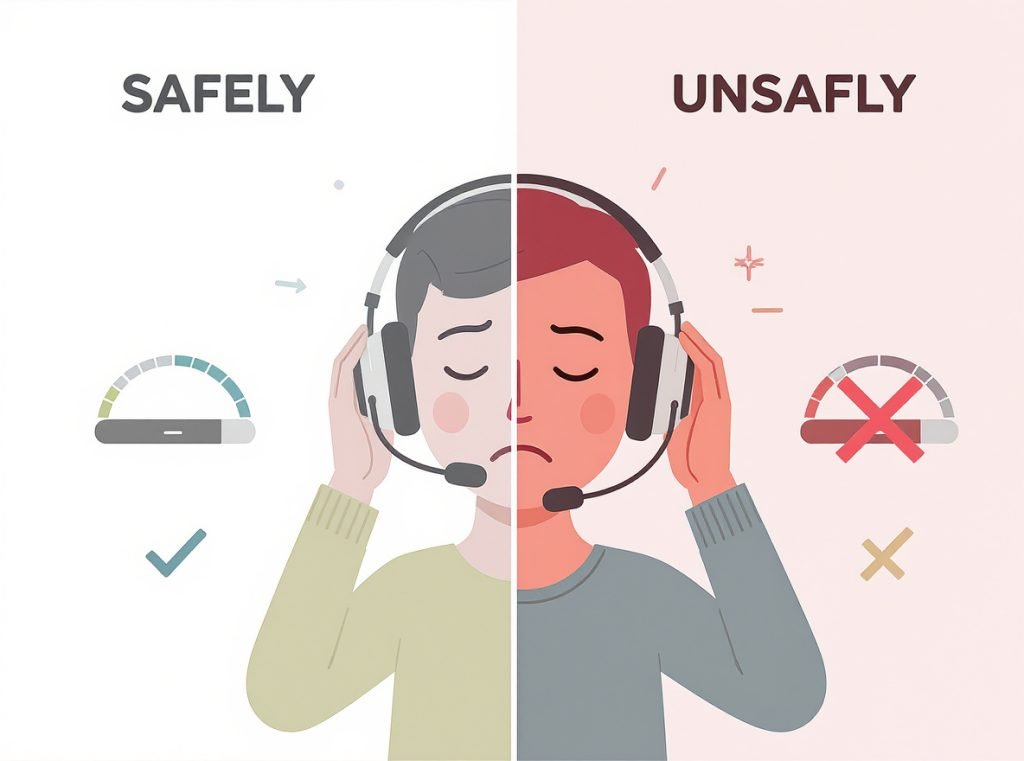
The technology itself—including Bluetooth connectivity and noise-cancelling features—poses no inherent risk to your hearing health. The real issues stem from user behavior patterns.
Concerning usage statistics reveal:
- 79% of young people use portable music devices
- 34% have extended exposure periods
- Over 37% use these devices at dangerously high volumes
The danger lies in volume levels and exposure time. Most consumer headphones and earbuds can produce sounds between 100-110 dB at maximum volume—loud enough to cause permanent hearing damage in just 5-15 minutes.
| Volume Level | Damage Risk | Exposure Time |
|---|---|---|
| 100-110 dB | High risk | 5-15 minutes at maximum volume |
| 85-100 dB | Moderate risk | Extended exposure dangerous |
| Below 85 dB | Lower risk | Safe with time limits |
The problem is psychological: headphones don’t subjectively sound as loud as loudspeakers, even when delivering the same sound pressure to your eardrums. This can lead people to listen at dangerously high volumes without realizing the potential for damage.
What Volume Levels Are Safe for Headphone Use?
Knowing safe listening levels is essential for preventing hearing damage and potential tinnitus.
Follow the 60/60 rule: keep your device volume at no more than 60% of maximum and listen for no more than 60 minutes at a time before taking a break. At 60% volume, most devices produce around 75-85 dB, which is generally safe for 1-8 hours depending on the specific device.
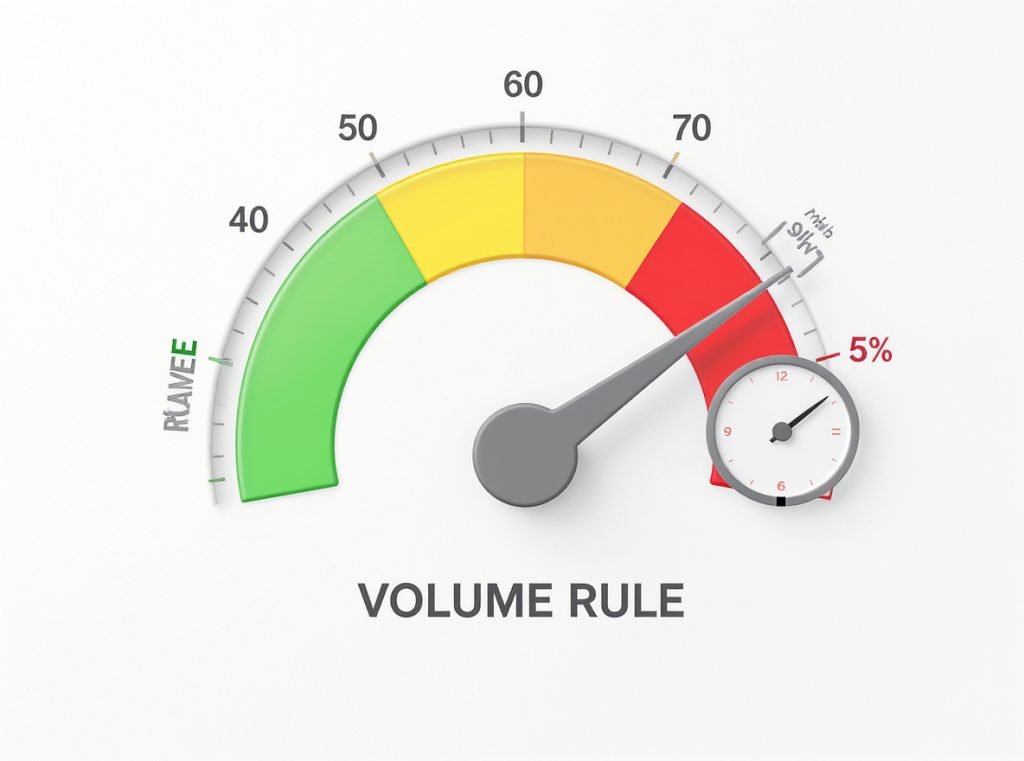
The World Health Organization considers 80 dB the safe threshold for an eight-hour period, while OSHA sets the workplace standard at 85 dB. For every 3 dB increase in volume, the safe exposure time is cut in half.
Safe listening guidelines by volume level:
| Volume Level | Maximum Safe Exposure Time | Typical Source |
|---|---|---|
| 85 dB | 8 hours | Heavy city traffic, 60% volume |
| 88 dB | 4 hours | 70% volume on many devices |
| 91 dB | 2 hours | Lawnmower, 80% volume |
| 94 dB | 1 hour | Motorcycle, 85% volume |
| 97 dB | 30 minutes | 90% volume |
| 100 dB | 15 minutes | Sports crowd, 95% volume |
| 103 dB | 7.5 minutes | Maximum volume on devices |
Practical volume test: If someone at arm’s length can hear your headphones, they’re likely too loud. You should also be able to hear conversations around you while wearing your headphones.
Can You Use Headphones If You Already Have Tinnitus?
Many people with existing tinnitus wonder whether they can continue using headphones safely.
Yes, people with tinnitus can generally use headphones, but with important precautions. Properly using headphones isn’t typically linked with worsening tinnitus symptoms. Some people with tinnitus may even find relief using headphones, especially when playing white noise or soft music.
Best practices for headphone use with tinnitus:
- Use moderate volumes below 60% of maximum
- Choose over-ear headphones over in-ear models to avoid direct pressure on the ear canal
- Take regular breaks to prevent auditory system fatigue
- Avoid use during tinnitus spikes or periods of increased sound sensitivity
When to avoid headphones with tinnitus:
- During tinnitus flare-ups or symptom spikes
- In extremely loud environments, even with noise-cancelling headphones
- When experiencing ear pain or unusual pressure
- If headphone use consistently worsens your symptoms
Interestingly, noise-cancelling headphones may actually help some tinnitus sufferers by allowing them to listen at lower volumes, reducing the risk of further hearing damage. Always consult with a hearing healthcare professional for personalized advice regarding tinnitus management.
What Types of Headphones Are Safest for Your Ears?
The design and quality of your headphones can significantly impact your hearing health and tinnitus risk.
Over-ear headphones are generally the safest option for your ears. Audiologists rank headphone safety from safest to least safe: open-back over-ear, closed-back over-ear, on-ear headphones, earbuds, and finally in-ear earphones/IEMs.
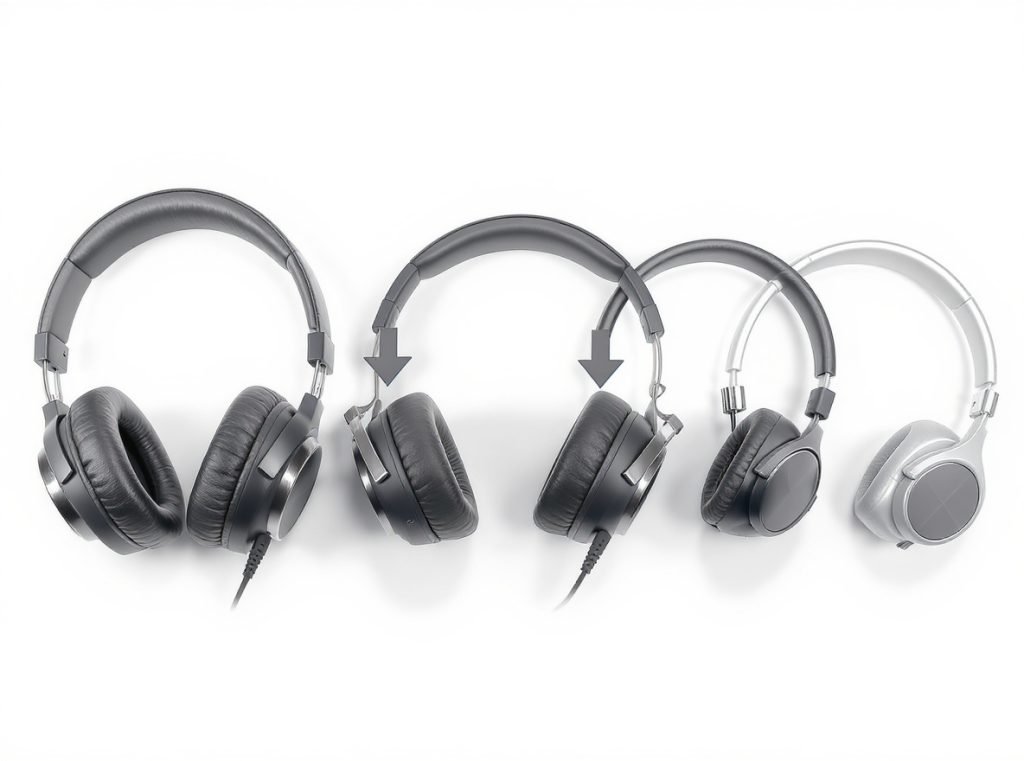
Why over-ear headphones are safer:
Distance and Distribution:
- Positioned further from the eardrum compared to earbuds
- Sound spreads more externally rather than being concentrated directly in the ear canal
- Better sound distribution reduces pressure on sensitive ear structures
Comfort and Health Benefits:
- Less likely to cause pressure-related discomfort during extended use
- Don’t create enclosed environments that foster bacterial growth
- Allow for better air circulation around the ears
Safety ranking comparison:
| Headphone Type | Safety Ranking | Key Benefits |
|---|---|---|
| Open-back over-ear | Safest | Allow ambient sound mixing |
| Closed-back over-ear | Very safe | Good seal without ear canal pressure |
| On-ear headphones | Moderately safe | Less isolation than over-ear |
| Earbuds | Less safe | Sit outside ear canal |
| In-ear earphones/IEMs | Least safe | Insert directly into ear canal |
Noise-cancelling over-ear headphones offer additional benefits by blocking ambient noise, allowing you to listen at lower volumes. However, ensure you can still hear important warning sounds when using them in public spaces.
How Can You Prevent Tinnitus When Using Headphones?
Prevention is always better than treatment when it comes to hearing health and tinnitus.
The most effective prevention strategy combines the 60/60 rule with smart equipment choices and environmental awareness. This approach addresses volume control, exposure time, and listening conditions to minimize your risk of developing tinnitus.
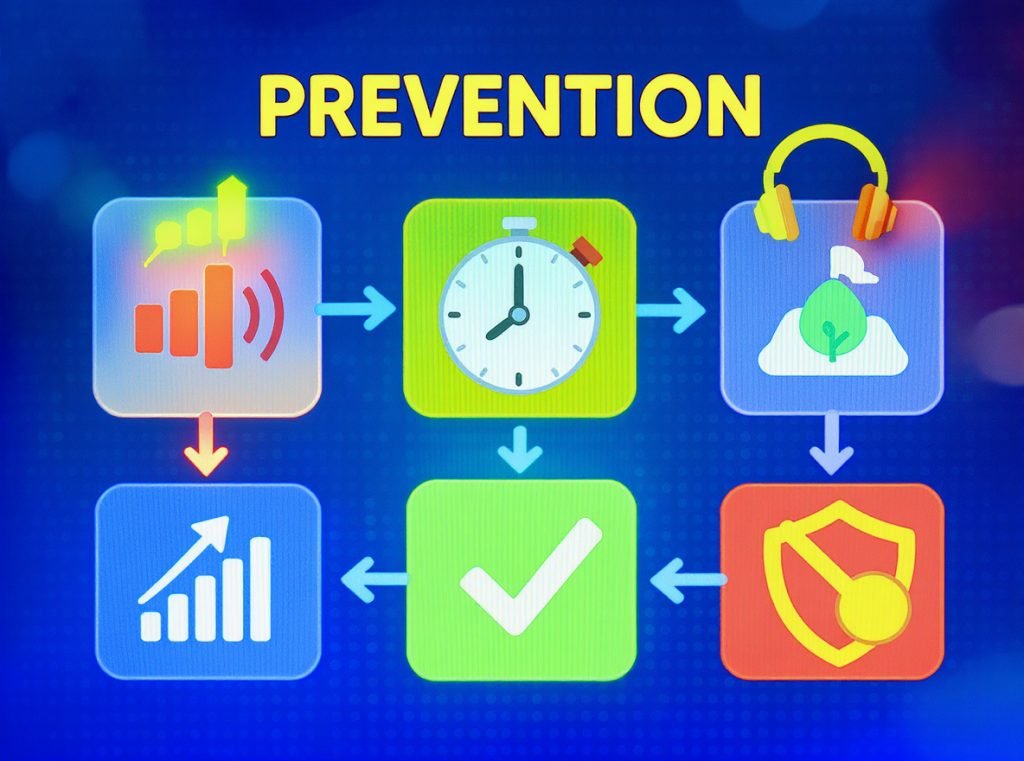
Volume management strategies:
- Keep volume at 60% of maximum or lower
- Set volume limits on your devices if available
- Use smartphone apps to monitor your sound exposure
- Pay attention to device volume warnings and take them seriously
Equipment selection for safety:
- Choose over-ear headphones over earbuds when possible
- Invest in quality, noise-cancelling headphones to reduce the need for high volumes
- Ensure proper fit to avoid turning up volume to compensate for poor seal
- Replace worn-out ear tips or padding that affects sound quality
Smart listening habits:
- Take regular breaks—at least once every hour
- Give your ears rest in quiet environments between listening sessions
- Avoid listening in noisy environments where you might compensate with higher volumes
- Never fall asleep wearing headphones
Environmental awareness tips:
- Reduce background noise from controllable sources before putting on headphones
- Use noise-cancelling features to avoid volume escalation
- Protect your hearing in naturally loud environments with appropriate ear protection
- Choose quiet environments for listening when possible
At Osmarto, we understand that prevention starts with quality equipment design. Our headphones incorporate noise-cancelling technology and comfortable over-ear designs that naturally encourage safe listening practices.
When Should You See a Doctor About Tinnitus?
Knowing when to seek professional help is crucial for protecting your hearing health and getting effective treatment.
You should seek immediate medical attention for sudden onset tinnitus, pulsatile tinnitus that follows your heartbeat, tinnitus in only one ear, or when accompanied by dizziness, sudden hearing loss, or ear discharge. Schedule an appointment if tinnitus persists for more than a week or interferes with your daily life.

Immediate medical attention required:
- Sudden onset tinnitus following head or neck trauma
- Pulsatile tinnitus that follows your heartbeat rhythm
- Tinnitus occurring in only one ear
- Symptoms accompanied by dizziness, nausea, or balance problems
- Sudden hearing loss alongside tinnitus
- Any discharge from the ear with tinnitus symptoms
Schedule an appointment if you experience:
- Tinnitus persisting for more than one week
- Symptoms interfering with sleep, concentration, or daily activities
- Depression or anxiety related to tinnitus symptoms
- Hearing difficulties in conversations or need to increase device volumes
- The sound significantly affecting your quality of life
What to expect during medical evaluation:
| Evaluation Component | Purpose | Typical Process |
|---|---|---|
| Hearing test (audiological exam) | Assess hearing function | Professional audiometry testing |
| Physical examination | Check ears, head, and neck | Visual and manual examination |
| Medical history review | Identify potential causes | Discussion of symptoms and lifestyle |
| Specialized testing | Rule out underlying conditions | May include imaging or blood work |
Your healthcare provider may refer you to an ear, nose, and throat specialist (otolaryngist) or an audiologist for specialized care. Remember that while tinnitus can be alarming, especially when it develops suddenly, it rarely indicates a life-threatening condition. However, early evaluation and treatment of underlying causes can significantly improve outcomes and quality of life.
Summary
Headphones and earbuds don’t directly cause tinnitus, but improper use can lead to noise-induced hearing loss that triggers tinnitus symptoms. Research shows earphone users have 1.27 times higher odds of developing tinnitus. The key to safe listening lies in following the 60/60 rule, choosing over-ear headphones with noise-cancelling features, and seeking prompt medical attention for persistent tinnitus symptoms.
Looking for hearing-safe headphones for your wholesale business? Osmarto manufactures premium over-ear headphones designed with hearing health as a priority. Our noise-cancelling models allow users to enjoy superior audio quality at safe volumes, reducing the risk of hearing damage and tinnitus. Contact us today for wholesale pricing on headphones that combine exceptional sound quality with long-term hearing protection—giving your customers the audio experience they want while protecting their most valuable sense.