Skip to content
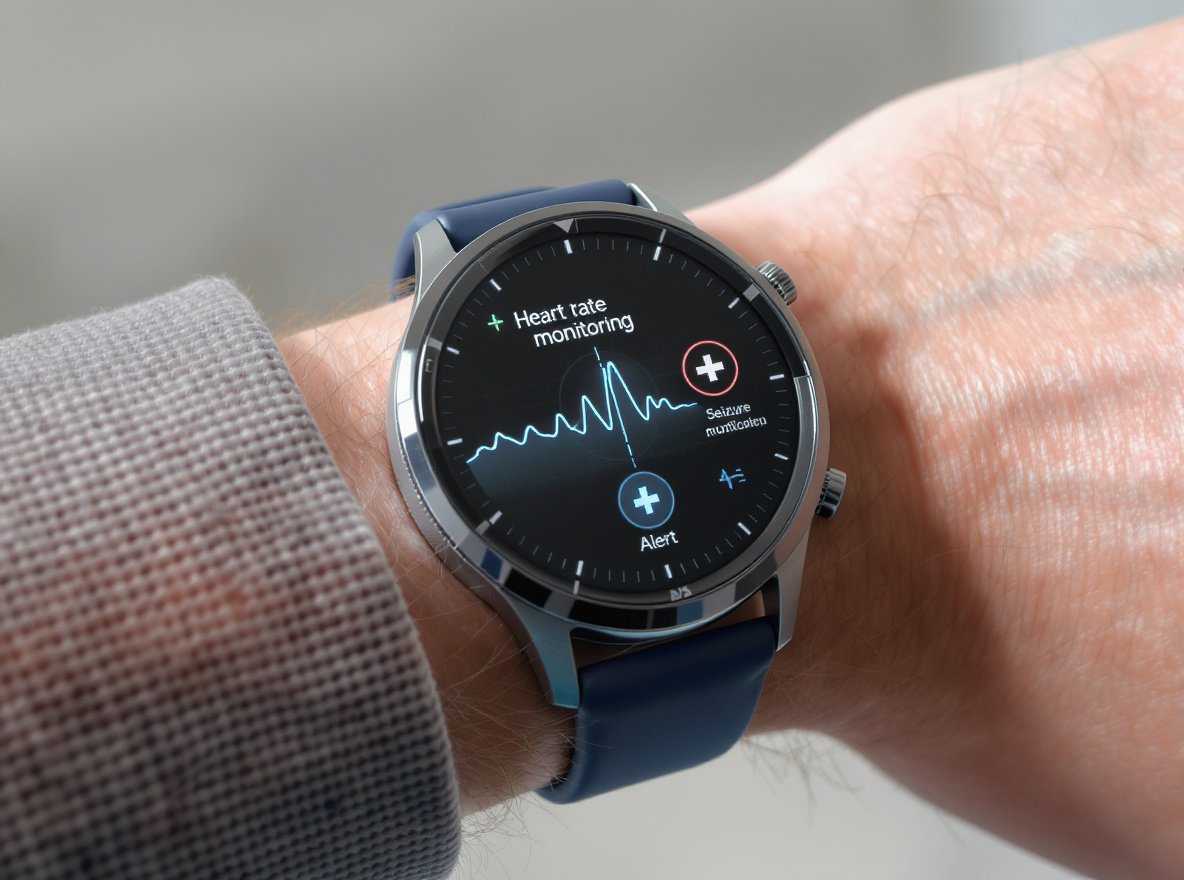
Living with epilepsy affects over 50 million people worldwide, creating constant uncertainty about when the next seizure might occur. For families and individuals managing this condition, the fear of undetected seizures—especially during sleep or when alone—can be overwhelming and life-limiting.
Yes, smartwatches can effectively detect seizures in people with epilepsy, achieving 98-100% accuracy for tonic-clonic seizures. FDA-cleared devices like EpiWatch for Apple Watch and Empatica’s EpiMonitor use advanced AI algorithms and multiple sensors to automatically detect seizures and alert caregivers within 1-3 minutes, significantly improving safety and independence.
This breakthrough technology is transforming epilepsy management and opening new possibilities for independent living while maintaining crucial safety protections.
How Do Smartwatches Detect Seizures?
Understanding the sophisticated technology behind seizure detection helps patients, caregivers, and healthcare professionals appreciate how these life-saving devices work.
Smartwatches detect seizures using multiple sensor technologies including accelerometers for movement detection, photoplethysmography (PPG) for heart rate monitoring, electrodermal activity (EDA) sensors for skin conductance changes, and gyroscopes for rotational movement tracking. AI algorithms analyze these sensor inputs simultaneously to identify seizure-specific patterns.

Modern seizure detection relies on sensor fusion technology that combines multiple physiological signals. The accelerometer tracks the characteristic rhythmic, repetitive movements of tonic-clonic seizures, while heart rate sensors detect the sudden cardiovascular changes that accompany seizure activity.
Electrodermal activity sensors measure electrical changes in skin conductance caused by autonomic nervous system activation during seizures. Research shows that heart rate-based features often outperform movement-based detection alone, which is why multimodal approaches achieve the highest accuracy.
Core Detection Technologies:
- Accelerometry: Identifies rhythmic shaking patterns specific to convulsive seizures
- Heart Rate Monitoring: PPG sensors track sudden cardiovascular stress responses
- Electrodermal Activity: Measures autonomic nervous system activation through skin conductance
- Gyroscope Data: Captures rotational movements and orientation changes during seizures
AI Algorithm Processing:
Machine learning models trained on hundreds or thousands of seizure recordings analyze sensor data in real-time. These algorithms distinguish seizure patterns from normal activities like exercise, sleep movements, or daily tasks that might otherwise trigger false alarms.
The systems look for specific pattern combinations: sudden onset of rhythmic movements, characteristic heart rate changes, and physiological markers that clearly differentiate seizures from routine activities.
| Sensor Type | Detection Method | Seizure Indicator |
|---|---|---|
| Accelerometer | Movement patterns | Repetitive convulsive motions |
| PPG Heart Rate | Cardiovascular changes | Sudden heart rate elevation |
| EDA Sensor | Skin conductance | Autonomic nervous system activation |
| Gyroscope | Rotational tracking | Orientation changes during seizures |
This multi-sensor approach enables modern devices to achieve medical-grade accuracy while maintaining user comfort and battery efficiency for continuous daily wear.
Which Types of Seizures Can Smartwatches Detect?
Current seizure detection technology shows varying effectiveness across different seizure types, with significant implications for patient safety and device selection.
Smartwatches reliably detect generalized tonic-clonic seizures (grand mal seizures) with 90-100% sensitivity rates. However, detection of focal seizures, absence seizures, and other non-convulsive seizure types remains limited, with sensitivity rates ranging from 0-70% depending on the specific seizure characteristics and motor involvement.

FDA-cleared devices like EpiMonitor and EpiWatch focus specifically on tonic-clonic seizures because these seizures produce the most distinctive physiological signatures that current sensor technology can reliably identify. These seizures also carry the highest risk of injury and sudden unexpected death in epilepsy (SUDEP).
Highly Detectable Seizures:
Generalized tonic-clonic seizures involve full-body convulsions with clear movement patterns that accelerometers and gyroscopes can easily identify. The accompanying cardiovascular stress and autonomic nervous system activation create multiple detectable signals that AI algorithms can recognize with high confidence.
Secondary generalized seizures that progress from focal onset to convulsive stages become detectable once they reach the tonic-clonic phase, though the focal onset portion may go unnoticed.
Detection Challenges for Other Seizure Types:
- Focal Seizures Without Motor Symptoms: Detection rates of 24-70% due to subtle or absent movement patterns
- Absence Seizures: Currently undetectable with standard smartwatch sensors; requires specialized EEG wearables
- Complex Partial Seizures: Variable detection (0-27%) depending on motor involvement and behavioral changes
- Myoclonic Seizures: Brief muscle jerks often too short for reliable detection
Specialized Detection Requirements:
Some seizure types require alternative monitoring approaches. Absence seizures need single-channel EEG wearables, which are currently in phase-3 clinical trials. Focal seizures without obvious motor symptoms may require additional sensors or different algorithmic approaches.
| Seizure Type | Detection Sensitivity | Clinical Validation Level |
|---|---|---|
| Tonic-Clonic | 90-100% | FDA-cleared devices available |
| Focal Motor | 24-70% | Research studies only |
| Absence | Not detectable | Specialized EEG required |
| Complex Partial | 0-27% | Limited research data |
Understanding these limitations helps healthcare providers counsel patients appropriately and ensures families have realistic expectations about device capabilities for their specific seizure types.
How Accurate Are Smartwatch Seizure Detection Systems?
Clinical accuracy data from rigorous testing provides the foundation for medical device approval and patient confidence in seizure detection technology.
FDA-cleared seizure detection smartwatches demonstrate exceptional accuracy for tonic-clonic seizures. EpiWatch achieves 100% sensitivity with only 0.05 false alarms per day in clinical trials, while Empatica’s Embrace2 shows 98-100% sensitivity with 0.67-1.35 false alarms per day. These accuracy levels make them viable medical tools for epilepsy management.

Clinical validation occurs in controlled epilepsy monitoring units where patients wear both smartwatches and hospital-grade EEG equipment simultaneously. This allows researchers to compare device performance against the gold standard of seizure detection with objective verification.
FDA-Cleared Device Performance:
EpiWatch’s clinical trials demonstrated remarkable results with 100% sensitivity in both controlled epilepsy monitoring units and real-world ambulatory settings. The false alarm rate of 0.13 per day in ambulatory conditions represents excellent performance for practical daily use.
Empatica’s Embrace2 achieved similarly impressive results across multiple clinical studies, with some trials reporting zero missed seizures during extensive testing periods. The slightly higher false alarm rate reflects the device’s conservative approach to ensure no genuine seizures go undetected.
Factors Influencing Accuracy:
Individual patient characteristics significantly affect detection performance. Age plays a role, with studies showing higher false alarm rates in pediatric populations compared to adults. Activity levels during waking hours can influence baseline sensor readings and algorithm calibration.
Proper device placement and consistent wearing habits are crucial for optimal performance. Loose-fitting devices or intermittent wear can compromise sensor contact and reduce detection reliability.
Clinical Study Results:
- Samsung Watch Study: 87% sensitivity with 0.21 false alarms per day
- Apple Watch Multicenter Trial: 100% sensitivity with extremely low false alarm rates
- Meta-Analysis of Validated Devices: Mean sensitivity of 91% (95% CI: 85-96%) for tonic-clonic seizures
Real-World vs. Clinical Performance:
Clinical trials occur in controlled environments that may not reflect typical daily conditions. Real-world performance can vary based on lifestyle factors, environmental conditions, and individual seizure characteristics that weren’t represented in clinical study populations.
| Study Setting | Sensitivity Range | False Alarms/Day | Validation Level |
|---|---|---|---|
| Clinical Trials | 95-100% | 0.05-0.13 | Highest confidence |
| Hospital Monitoring | 98-100% | 0.67-1.35 | Medical grade validation |
| Real-World Use | 85-95% | Variable | User-reported outcomes |
| Research Studies | 87-100% | 0.21-1.35 | Published peer review |
These accuracy levels represent remarkable achievements in wearable medical technology and provide families with reliable monitoring capabilities that significantly exceed previous detection methods available for home use.
What Are the Benefits of Using Smartwatches for Seizure Detection?
Seizure detection smartwatches deliver comprehensive benefits that transform epilepsy management from reactive care to proactive safety monitoring with wide-ranging impacts on patients, families, and healthcare systems.
Key benefits include immediate safety improvements through automatic caregiver alerts with GPS location, 24/7 monitoring that reduces SUDEP risk, increased independence for people with epilepsy, and objective seizure documentation that improves medical care. These devices address the critical problem that approximately 50% of seizures go unrecognized by patients themselves.

The rapid caregiver alert system represents perhaps the most crucial benefit, enabling response times within 1-3 minutes of seizure onset. This speed can be life-saving for seizures that involve breathing difficulties, injuries, or prolonged duration requiring medical intervention.
Immediate Safety Benefits:
Automatic GPS location sharing enables caregivers to locate individuals quickly, even when seizures occur in unfamiliar places. This feature is particularly valuable for active individuals who travel, work in various locations, or participate in outdoor activities.
Continuous monitoring provides crucial protection during sleep when many dangerous seizures occur and visual monitoring is impossible. Nocturnal seizure detection offers families peace of mind and ensures intervention when needed most.
Clinical and Medical Management Benefits:
- Objective Seizure Documentation: Replaces unreliable patient self-reporting with accurate, automated tracking
- Treatment Optimization: Provides neurologists with reliable seizure frequency data for medication adjustments
- Pattern Recognition: Long-term data reveals seizure triggers, timing patterns, and treatment effectiveness
- Clinical Trial Participation: Enables participation in research studies requiring objective seizure counts
Quality of Life Improvements:
Independence increases dramatically when people with epilepsy know help will arrive automatically if needed. This confidence enables pursuit of education, career goals, and social activities that might otherwise seem too risky.
Modern smartwatches appear identical to consumer fitness devices, eliminating stigma associated with obvious medical equipment. This discretion particularly benefits young adults and professionals who prefer privacy about their medical conditions.
Family and Caregiver Benefits:
- Reduced anxiety and constant worry about undetected seizures
- Improved sleep quality knowing alert systems provide overnight protection
- Ability to respond appropriately to different seizure situations
- Enhanced communication with healthcare providers using objective data
| Benefit Category | Specific Advantage | Impact on Daily Life |
|---|---|---|
| Safety | Automatic emergency alerts | Faster medical intervention |
| Independence | Reduced supervision needs | Greater personal freedom |
| Medical Care | Objective seizure tracking | Better treatment decisions |
| Peace of Mind | 24/7 monitoring | Reduced family anxiety |
These comprehensive benefits make seizure detection smartwatches valuable tools for improving both safety outcomes and quality of life for the global epilepsy community.
Are There Any Limitations to Smartwatch Seizure Detection?
Understanding device limitations ensures appropriate expectations and optimal integration into comprehensive epilepsy management strategies while maintaining realistic perspectives on technology capabilities.
Current smartwatch seizure detection faces several important limitations: they primarily detect only tonic-clonic seizures, cannot prevent seizures or guarantee 100% detection, may produce occasional false alarms causing “alarm fatigue,” and require consistent daily wear with proper maintenance for optimal performance.

Medical authorities emphasize that no proven evidence indicates seizure monitoring devices can guarantee complete safety for people experiencing seizures. This reality helps families maintain appropriate expectations while still benefiting from significant safety improvements.
Detection Scope Limitations:
Current technology focuses almost exclusively on convulsive seizures with obvious motor symptoms. Focal seizures, absence seizures, and other subtle seizure types often go undetected because they don’t produce the clear physiological signatures that current sensors require.
Detection delays mean devices identify seizures during or after onset rather than providing predictive warnings. While research continues on seizure forecasting, current commercial devices offer detection rather than prevention capabilities.
Technical and Practical Limitations:
- Battery Life Concerns: Continuous monitoring reduces smartwatch battery life to 1-7 days depending on the device
- Connectivity Requirements: Most systems require smartphone pairing and internet connection within 10 meters for alert functionality
- Sensor Limitations: Wearable sensors have lower signal quality compared to clinical EEG equipment
- Environmental Interference: Extreme temperatures or electromagnetic fields can occasionally affect sensor accuracy
User Compliance Challenges:
Consistent device wearing is essential for effectiveness, but some users find smartwatches uncomfortable, aesthetically unappealing, or disruptive to sleep. Compliance rates directly affect detection capability and overall system value.
Device maintenance including regular charging, software updates, and subscription management requires ongoing user attention and technical competence that some individuals may find challenging.
Clinical and Research Limitations:
- Limited Real-World Validation: Most accuracy studies occur in controlled hospital settings
- Individual Variability: Seizure patterns differ between patients, affecting personalized detection accuracy
- Age-Related Performance: Higher false alarm rates documented in pediatric populations
- Cost Barriers: Device costs and subscription fees may limit accessibility for some families
| Limitation Category | Specific Challenge | Impact Level |
|---|---|---|
| Detection Scope | Only tonic-clonic seizures | Significant |
| Technical | Battery and connectivity | Moderate |
| User Factors | Compliance and comfort | Variable |
| Clinical | Individual variability | Moderate |
Acknowledging these limitations allows families and healthcare providers to use seizure detection technology effectively as part of comprehensive epilepsy management rather than as standalone solutions.
How Much Do Seizure Detection Smartwatches Cost?
Cost analysis reveals significant price variations between consumer and medical-grade options, affecting accessibility and business opportunities in the growing seizure detection market.
Seizure detection smartwatch costs range from $249-$799 for consumer devices with specialized apps to $800+ for dedicated medical devices, plus monthly subscription fees of $15-$48. Total annual costs typically range from $500-$2,000 including device purchase, subscriptions, and accessories, though some insurance plans may provide reimbursement for FDA-cleared devices.
Pricing structures reflect the distinction between consumer electronics with medical applications and purpose-built medical devices that undergo extensive clinical validation and regulatory approval processes.
FDA-Cleared Medical Device Costs:
Empatica EpiMonitor represents the premium medical device category with prescription-only availability and comprehensive monitoring services. Subscription plans range from $15.90/month for basic monitoring to $48.50/month for full-featured family plans supporting up to 10 caregivers.
Annual subscriptions typically offer one month free and extended warranty coverage, reducing overall costs for committed users. Device replacement costs and accessories add to the total ownership expense over time.
Consumer Smartwatch Solutions:
- Apple Watch + EpiWatch: $249-$799 device cost plus prescription app (pricing not publicly available)
- Samsung Galaxy Watch + Detection Apps: $200-$500 device cost plus monthly subscriptions
- SeizAlarm: Approximately $15-25/month subscription with compatible smartwatches
- My Medic Watch: Monthly subscription with 30-day free trial, pricing varies by features
Budget-Friendly Alternatives:
OpenSeizureDetector offers free app functionality with compatible Garmin watches ($200-400), providing accessible seizure detection for cost-conscious users. Epipal provides free basic features with optional premium upgrades.
Business Pricing Considerations:
For wholesale customers and distributors, bulk purchasing opportunities can significantly reduce per-unit costs. Healthcare equipment distributors should evaluate both initial device costs and ongoing service revenue potential when selecting product lines.
| Price Category | Device Type | Monthly Fees | Target Market |
|---|---|---|---|
| Premium Medical | EpiMonitor | $15.90-$48.50 | Clinical/prescription |
| Consumer Medical | Apple Watch + EpiWatch | Variable | General epilepsy market |
| Budget Options | Generic + apps | $15-25 | Price-sensitive users |
| Wholesale | Bulk pricing | Negotiable | B2B distributors |
Insurance reimbursement for FDA-cleared devices is increasingly available, though approval processes may take several months and vary by provider and specific medical necessity criteria.
Can Regular Smartwatches Like Apple Watch Detect Seizures?
The transformation of consumer smartwatches into medical-grade seizure detection devices represents a significant breakthrough in accessible healthcare technology.
Regular Apple Watches can detect seizures when equipped with FDA-cleared EpiWatch app, which received FDA 510(k) clearance in 2025 as the first seizure detection app for Apple Watch. This transforms consumer hardware into clinically validated medical monitoring with 100% sensitivity and only 0.05 false alarms per day in clinical trials.

EpiWatch’s FDA clearance marks a revolutionary development because it enables widespread access to medical-grade seizure detection using existing consumer technology. This approach significantly reduces costs compared to dedicated medical devices while maintaining clinical accuracy.
Third-Party Apps for Consumer Smartwatches:
Several apps work with standard Apple Watches and Android devices to provide seizure detection capabilities. SeizAlarm uses motion and heart rate sensors for detection, while EpiCentr adds features like sleep monitoring and fall detection integration.
My Medic Watch supports both Apple Watch and Samsung Galaxy Watch platforms, offering seizure detection with customizable alert systems and caregiver notification features.
Clinical Validation Results:
Recent Apple Watch studies achieved 100% sensitivity for tonic-clonic seizure detection with remarkable false alarm control. Testing in epilepsy monitoring units and ambulatory settings confirmed that consumer smartwatch hardware, when properly programmed, can match medical device performance.
Samsung Galaxy Watch research demonstrated 87% sensitivity with 0.21 false alarms per day, showing that multiple consumer platforms can support effective seizure detection when equipped with appropriate algorithms.
Key Advantages of Consumer Platform Approach:
- Lower initial device costs compared to dedicated medical devices
- Familiar user interface and ecosystem integration
- Regular software updates and feature improvements
- Wide availability through retail channels
Differences from Dedicated Medical Devices:
- Battery optimization: Medical devices offer 7-day battery life vs. 1-2 days for consumer smartwatches
- Clinical support: Dedicated devices include healthcare provider integration and medical support services
- Regulatory compliance: Medical devices undergo more extensive validation and quality control
| Platform | Seizure Detection App | Accuracy Level | Battery Life |
|---|---|---|---|
| Apple Watch | EpiWatch (FDA-cleared) | 100% sensitivity | 1-2 days |
| Apple Watch | SeizAlarm, EpiCentr | Variable | 1-2 days |
| Samsung Galaxy | My Medic Watch | 87% sensitivity | 2-3 days |
| Garmin | OpenSeizureDetector | Research level | 5-7 days |
This consumer platform approach makes seizure detection technology accessible to broader populations while maintaining clinical effectiveness for the most dangerous seizure types.
Who Should Consider Using Seizure Detection Smartwatches?
Identifying appropriate candidates for seizure detection technology helps healthcare providers, patients, and families make informed decisions about incorporating these devices into epilepsy management strategies.
Ideal candidates include individuals with frequent tonic-clonic seizures, people living independently or alone, children requiring parental monitoring during sleep, and those seeking objective seizure documentation for medical care. The technology is particularly valuable for patients whose seizures carry high injury risk or occur unpredictably.

FDA-cleared devices are approved for patients as young as six years old, making them suitable for pediatric epilepsy management. Age considerations extend through elderly adults, though false alarm rates may vary across different age groups.
Primary Candidate Groups:
People with well-characterized tonic-clonic seizures benefit most from current detection technology. Those with nocturnal seizures gain particular value since nighttime monitoring provides crucial safety coverage when visual observation is impossible.
Individuals seeking greater independence often find seizure detection watches transformative for pursuing education, career goals, and social activities with increased confidence in their safety net.
Specific Use Cases:
- Students and Young Adults: Monitoring during school, college, and early career independence
- Working Professionals: Discrete monitoring in professional environments with automatic safety backup
- Active Individuals: Exercise, travel, and recreational activities with seizure safety assurance
- Elderly Patients: Enhanced monitoring for age-related seizure complications and fall detection
Family and Caregiver Situations:
- Parents of children with epilepsy seeking overnight peace of mind and discrete daytime monitoring
- Adult children monitoring aging parents with seizure disorders and mobility concerns
- Spouses and partners needing automatic alert systems during work or travel
- Medical professionals tracking patient seizure patterns for treatment optimization
Clinical Considerations for Healthcare Providers:
Neurologists increasingly recommend seizure detection devices for specific patient populations based on seizure type, frequency, and risk factors. Patients with well-controlled epilepsy may not require constant monitoring, while those with frequent or unpredictable seizures benefit significantly from continuous detection.
Good Candidates:
- Individuals with documented tonic-clonic seizures and supportive caregiver networks
- Those motivated to wear devices consistently and maintain charging routines
- People seeking objective seizure documentation to improve medical care
- Families prioritizing safety and independence balance
| Patient Profile | Recommendation Level | Primary Benefit |
|---|---|---|
| Frequent Tonic-Clonic Seizures | Highly recommended | Safety and emergency response |
| Nocturnal Seizures | Strongly recommended | Sleep period monitoring |
| Newly Diagnosed | Consider after stabilization | Confidence and data collection |
| Well-Controlled Epilepsy | Optional consideration | Peace of mind |
For healthcare distributors and medical equipment retailers, understanding these patient profiles helps identify target markets and develop appropriate product positioning that serves genuine medical needs while building sustainable business relationships.
What Should Caregivers Know About Seizure Detection Alerts?
Effective seizure detection depends on caregiver preparedness and proper response protocols that maximize the technology’s life-saving potential while preventing inappropriate emergency responses.
Caregivers should understand that seizure alerts require immediate but calm assessment, false positives occasionally occur with rates of 0.05-1.35 per day, and proper alert setup with multiple contacts is crucial for system reliability. Response protocols should include contacting the person first, assessing seizure severity, and calling emergency services only when appropriate.

Alert systems send notifications through multiple channels including phone calls, text messages, and push notifications with GPS location data. Most systems support 1-10 caregivers depending on subscription level, ensuring redundancy if primary contacts are unavailable.
Structured Response Protocol:
When receiving seizure alerts, caregivers should first attempt direct contact with the person to assess their condition and consciousness level. Many alerts occur at the end of seizures or during brief episodes that resolve independently without requiring emergency intervention.
If the person doesn’t respond or appears confused, caregivers should consider their location, medical history, seizure duration, and current circumstances. People in safe home environments may need different responses than those in potentially dangerous public locations.
Alert Management Strategies:
- Immediate Response: Contact person within 2 minutes of alert receipt
- Situation Assessment: Evaluate location, safety, and seizure characteristics
- Escalation Decisions: Determine when emergency services are necessary
- Documentation: Record seizure details for healthcare provider communication
Managing False Positives:
Understanding that occasional false alarms are normal helps prevent “alarm fatigue” while maintaining appropriate vigilance. Caregivers should learn to distinguish alerts from repetitive activities like exercise or household tasks that might trigger sensors.
Adjusting sensitivity settings with medical guidance can reduce false positives while ensuring genuine seizures aren’t missed. Most systems allow customization based on individual seizure patterns and lifestyle factors.
Training and Preparation Requirements:
- Seizure First Aid: Proper positioning, timing, and when to call emergency services
- Device Troubleshooting: Basic understanding of connectivity issues and battery management
- Communication Protocols: Clear escalation procedures for different emergency scenarios
- Emotional Support: Helping patients maintain confidence while addressing alert-related anxiety
| Alert Type | Response Action | Timeline | Emergency Level |
|---|---|---|---|
| First Alert | Direct contact attempt | Within 2 minutes | Assessment required |
| No Response | Location check, risk evaluation | Within 5 minutes | Potential emergency |
| High-Risk Location | Immediate emergency response | Immediately | Call 911 |
| Confirmed False Alarm | Document and adjust settings | After verification | System optimization |
Proper caregiver education transforms seizure detection alerts from sources of anxiety into powerful tools for ensuring appropriate, measured responses that balance safety with quality of life considerations.
Summary
Smartwatch seizure detection technology offers proven effectiveness for monitoring tonic-clonic seizures with 98-100% accuracy through FDA-cleared devices like EpiWatch and EpiMonitor. These systems provide 24/7 safety monitoring, immediate caregiver alerts, and increased independence while supporting valuable epilepsy research and improved medical care.

Interested in seizure detection smartwatch opportunities for your healthcare business? Contact Osmarto today to explore wholesale partnerships in this rapidly growing market. Our team can discuss custom development options, bulk pricing, and technical specifications that meet medical device requirements. Send us your inquiry to discover how our advanced wearable technology expertise can serve the global epilepsy monitoring market.