Skip to content
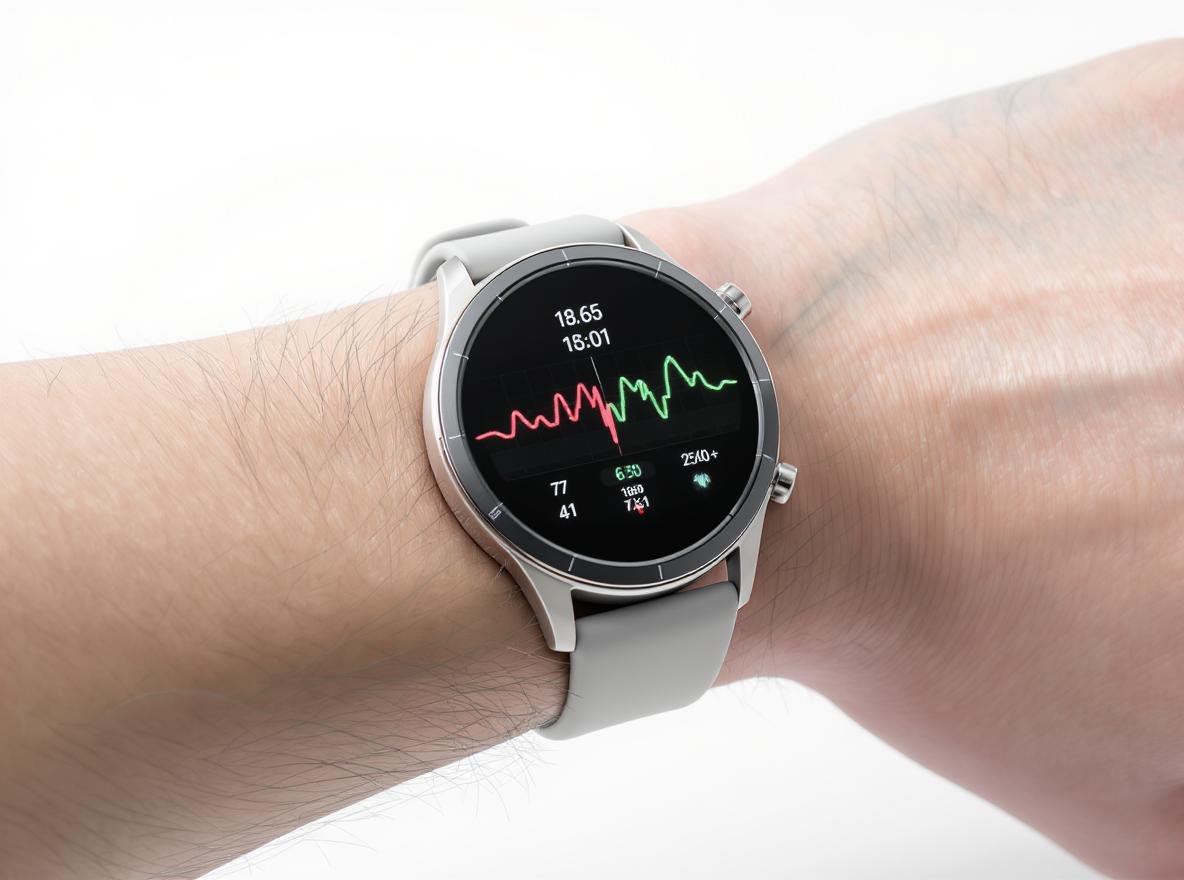
Blood pressure monitoring has traditionally required bulky cuffs and regular doctor visits. With smartwatch technology advancing rapidly, many consumers and healthcare professionals wonder if these convenient wearable devices can accurately track this critical health metric. The promise of continuous, cuff-free monitoring sounds appealing for both personal health management and business applications.
Yes, smartwatches can measure blood pressure, but with important limitations. Only a handful of devices offer this capability with varying degrees of accuracy, and most are not yet suitable replacements for traditional blood pressure monitors. The technology is rapidly evolving, with several approaches showing promise for convenient, continuous monitoring.
The reality is more complex than simple yes or no answers. Let’s explore the current state of smartwatch blood pressure technology, its accuracy limitations, and what this means for consumers, healthcare providers, and businesses in the wearable device industry.
How Do Smartwatches Measure Blood Pressure?
Understanding the measurement methods helps explain both the potential and limitations of current smartwatch blood pressure monitoring technology. These devices employ fundamentally different approaches compared to traditional arm cuffs.
Smartwatches use three main technologies: photoplethysmography (PPG) with pulse transit time, oscillometric micro-cuffs, and emerging airbag systems. Each method offers distinct advantages in terms of accuracy, convenience, and form factor.

Photoplethysmography with Pulse Transit Time represents the most common approach, used by Samsung Galaxy Watches and similar devices. This method measures the time it takes for a pulse wave to travel from the heart to the wrist using optical sensors that detect blood volume changes. The watch calculates blood pressure based on the relationship between pulse transit time and arterial stiffness.
When blood pressure increases, arteries become stiffer, causing pulse waves to travel faster. The PPG sensors emit green or infrared light into your skin and measure absorption patterns to detect these timing changes.
Oscillometric Technology in Smartwatches:
- Uses miniaturized inflatable cuffs integrated into the watch band
- Operates similarly to traditional blood pressure monitors
- Detects pressure oscillations as the cuff inflates and deflates
- Currently used by FDA-approved devices like the Omron HeartGuide
Micro-cuff and Airbag Systems:
- Found in devices like Huawei Watch D and Kardena CARE series
- Incorporate miniaturized inflatable chambers
- Apply controlled pressure to the wrist while measuring arterial pulsations
- Aim to combine cuff accuracy with wearable convenience
The technology selection significantly impacts both accuracy and user experience, with important implications for wholesale partners considering which devices to offer their customers.
What’s the Current Accuracy of Smartwatch Blood Pressure Measurements?
Accuracy remains the most critical factor when evaluating smartwatch blood pressure monitoring for both clinical and consumer applications. Recent clinical studies reveal significant variations between different technologies and devices.
Current smartwatch accuracy varies dramatically by technology, with PPG-based devices showing ±3-24 mmHg variation, while oscillometric smartwatches achieve medical-grade accuracy comparable to traditional arm cuffs.

Research findings reveal concerning accuracy issues with many PPG-based devices. A clinical study of the Samsung Galaxy Watch Active 2 found it demonstrated “proportional bias,” overestimating low blood pressures and underestimatng high blood pressures. The sensitivity for detecting hypertension was 83%, but specificity was only 41%, meaning many false positives occurred.
Comparative accuracy data shows striking differences between technologies:
| Device Category | Systolic Accuracy | Diastolic Accuracy | Clinical Notes |
|---|---|---|---|
| Samsung Galaxy Watch (PPG) | ±10 mmHg (systematic bias) | ±8 mmHg (overestimates) | Requires monthly calibration |
| Omron HeartGuide (Oscillometric) | ±3-5 mmHg | ±3-5 mmHg | FDA-cleared, medical-grade |
| Huawei Watch D (Micro-cuff) | ±5.24 mmHg | ±4.66 mmHg | Met international standards |
| General PPG Devices | ±3% after calibration | ±3% after calibration | Performance varies significantly |
Oscillometric devices consistently perform better, with the Omron HeartGuide showing comparable accuracy to traditional arm cuffs in clinical studies. The Huawei Watch D successfully met international validation standards with mean differences of only -0.034 mmHg for systolic and -0.65 mmHg for diastolic pressure.
These accuracy variations have significant implications for wholesale partners and distributors, as customer satisfaction directly correlates with measurement reliability and clinical usefulness.
Do You Still Need a Traditional Blood Pressure Cuff?
The relationship between smartwatch monitoring and traditional cuff-based measurements remains crucial for users seeking reliable health tracking. Understanding when each method is appropriate helps optimize monitoring strategies for different applications.
Yes, traditional blood pressure cuffs remain essential for calibration, clinical decision-making, and verification of abnormal readings. Smartwatches work best as supplementary monitoring tools rather than complete replacements.

Calibration requirements mean most smartwatch technologies still depend on traditional monitors. Samsung Galaxy Watches require initial calibration using three blood pressure cuff measurements and must be recalibrated every 28 days to maintain accuracy. Future Apple Watch blood pressure features are expected to follow a similar calibration model.
Medical professionals emphasize that smartwatch devices should complement, not replace, validated blood pressure monitors for diagnosing or managing hypertension. Consumer Reports testing confirmed that arm cuff monitors are generally more accurate than wrist-based devices.
Traditional Cuff Applications:
- Initial hypertension diagnosis and medical consultations
- Calibrating PPG-based smartwatch devices monthly
- Verifying abnormal smartwatch readings before medical action
- Monitoring medication effectiveness with clinical precision
Smartwatch Monitoring Benefits:
- Continuous trend tracking throughout daily activities
- Early detection of unusual blood pressure patterns
- Integration with comprehensive health data ecosystems
- Convenient frequent monitoring for health-conscious users
Healthcare providers recommend confirming any concerning smartwatch readings with a traditional monitor before taking medical action, ensuring patient safety while leveraging the convenience benefits of wearable technology.
What Are the Main Limitations of Smartwatch Blood Pressure Monitoring?
Understanding current limitations helps set realistic expectations and guides proper usage of smartwatch blood pressure features. These constraints affect individual users, healthcare providers, and businesses developing or distributing wearable technology.
Primary limitations include calibration dependency, positioning sensitivity, population variability, and limited regulatory approval that restrict medical-grade accuracy claims and clinical acceptance.

Technical limitations significantly impact measurement reliability across different usage scenarios:
Environmental and Usage Factors:
- Wrist-based measurements are inherently less accurate than upper arm readings
- Physical activity and device movement interfere with sensor readings
- Temperature, humidity, and ambient lighting conditions influence results
- Precise positioning requirements limit practical usability
Individual Physiological Variations:
- Skin tone affects PPG sensor performance and accuracy
- Wrist circumference and arterial structure impact measurements
- Age-related arterial stiffness changes measurement relationships
- Underlying cardiovascular conditions alter pulse wave characteristics
Regulatory approval remains limited, with only the Omron HeartGuide receiving FDA clearance in the United States. Most other devices lack the rigorous clinical validation required for medical use, limiting their acceptance by healthcare providers and creating challenges for business partnerships.
| Limitation Category | Impact Level | Business Implications |
|---|---|---|
| Calibration Requirements | High | Ongoing customer education needs |
| Positioning Sensitivity | Medium | User training and support requirements |
| Regulatory Approval | High | Marketing restrictions and liability concerns |
| Population Variability | Medium | Device selection for diverse customer bases |
These limitations don’t eliminate the value of smartwatch monitoring but require businesses to understand appropriate applications, provide proper customer education, and set realistic expectations about device capabilities.
Which Smartwatch Brands Offer Blood Pressure Monitoring?
The smartwatch market includes various manufacturers offering blood pressure monitoring capabilities, each with different technological approaches, accuracy levels, and regulatory status. Understanding brand options helps consumers and business partners make informed purchasing and partnership decisions.
Several major brands now offer blood pressure monitoring, including Samsung Galaxy Watch series, FDA-approved Omron HeartGuide, Huawei Watch D, and specialized health-focused devices, each targeting different market segments with varying accuracy levels.

Market leaders have adopted different strategies for blood pressure integration, creating diverse opportunities for wholesale partnerships and customer applications.
Established Market Leaders:
Samsung leads in availability with blood pressure features across multiple Galaxy Watch models, though functionality requires sideloading apps in regions where it’s not officially supported. Users report reasonable accuracy after proper calibration, with readings typically within 3% of traditional monitors.
Omron’s HeartGuide remains the gold standard as the only FDA-approved smartwatch for blood pressure monitoring. Its integrated cuff design provides medical-grade accuracy but results in a bulkier form factor compared to other smartwatches.
Emerging Technology Innovators:
| Brand | Key Models | Technology | Unique Advantages |
|---|---|---|---|
| Huawei | Watch D, Watch D2 | Oscillometric micro-cuff | No calibration required, CE marked |
| YHE | BP Doctor PRO series | Inflatable cuff | Medical-grade accuracy claims |
| Kardena | CARE Air series | Micro airbag technology | Compact design with cuff accuracy |
| Apple | Expected 2025 | PWV/PTT-based (rumored) | Trend detection focus |
These emerging competitors offer innovative approaches with micro-cuff and airbag technologies, aiming to combine the accuracy of cuff-based measurement with the convenience of optical sensors.
For businesses seeking smartwatch partnerships or wholesale opportunities, several factors distinguish quality blood pressure monitoring devices: sensor quality and calibration capabilities, algorithm sophistication with clinical validation, regulatory compliance status, and integration capabilities with health ecosystems.
How Often Should You Calibrate Your Smartwatch for Blood Pressure?
Calibration frequency directly impacts measurement accuracy and user confidence in smartwatch blood pressure monitoring. Different technologies require vastly different maintenance approaches, affecting both user experience and business support requirements.
Calibration needs vary dramatically by technology: PPG-based devices like Samsung watches require monthly recalibration, while oscillometric devices like Omron HeartGuide need no user calibration at all.

Samsung devices require the most frequent calibration, with official recommendations to recalibrate every 28 days. The initial calibration process involves taking three sequential measurements with both a traditional blood pressure cuff and the smartwatch simultaneously.
Cuff-based systems eliminate calibration needs entirely since they use the same oscillometric principles as traditional monitors. The Omron HeartGuide and Huawei Watch D are factory-calibrated and maintain accuracy without user intervention.
Calibration Requirements by Technology:
| Technology Type | Initial Setup | Ongoing Maintenance | User Complexity |
|---|---|---|---|
| PPG + PTT (Samsung) | 3 reference measurements | Every 28 days | High maintenance |
| Oscillometric Cuff | Factory calibrated | Never required | Zero maintenance |
| Micro-cuff Systems | Factory calibrated | Never required | Zero maintenance |
| Future PWV (Apple) | Expected requirement | Monthly (estimated) | Medium maintenance |
Best practices for PPG device calibration include using a validated upper arm blood pressure monitor as reference, taking measurements in a quiet environment, and ensuring consistent positioning. Users should sit still for at least 5 minutes before calibration and take measurements at the same time of day when possible.
For wholesale partners and distributors, calibration requirements significantly impact customer satisfaction and support costs. Devices requiring regular calibration need comprehensive user education and ongoing technical support, while factory-calibrated devices reduce these business overhead costs.
What’s the Future of Smartwatch Blood Pressure Technology?
Technological advancement continues driving improvements in smartwatch blood pressure monitoring accuracy, convenience, and clinical acceptance. Understanding development trends helps businesses and consumers anticipate future opportunities and market changes.
Future developments focus on Apple’s market entry, artificial intelligence integration, continuous monitoring capabilities, improved sensor technology, and new regulatory frameworks specifically designed for wearable devices.

Apple’s highly anticipated entry into blood pressure monitoring could debut in 2025, with reports suggesting a focus on trend detection rather than absolute measurements. Apple’s approach is expected to alert users to elevated blood pressure patterns that warrant medical attention, rather than providing precise numerical readings.
Artificial intelligence integration will likely improve accuracy and provide personalized health insights. AI-powered algorithms can analyze patterns in blood pressure, heart rate, sleep, and activity data to offer tailored health recommendations and early warning systems for cardiovascular events.
Technology Development Priorities:
Advanced Sensor Integration:
- Multi-wavelength PPG sensors for better skin tone compatibility
- Advanced signal processing reducing motion artifacts during activity
- Miniaturized components enabling improved wrist positioning flexibility
- Integration with additional biometric sensors for comprehensive health monitoring
Continuous Monitoring Evolution:
- 24/7 blood pressure tracking without user intervention
- Comprehensive data on blood pressure variability and circadian patterns
- Real-time alerts for dangerous blood pressure spikes or drops
- Integration with emergency response systems for critical situations
Regulatory Framework Development:
- New validation standards specifically designed for wearable devices
- Streamlined approval pathways for consumer health technology
- International harmonization of wearable device testing protocols
- Clear guidelines for clinical integration and medical acceptance
For businesses in the smartwatch industry, these developments create significant opportunities for competitive differentiation and market expansion. Companies investing in advanced blood pressure technology position themselves advantageously for future market demands and regulatory changes.
The convergence of these technological advances suggests that smartwatch blood pressure monitoring will become increasingly accurate and clinically useful, though traditional monitors will likely remain important for diagnostic purposes and device calibration for the foreseeable future.
Summary
Smartwatch blood pressure monitoring represents rapidly evolving technology with significant potential but important current limitations. While PPG-based devices offer convenience, they require regular calibration and show variable accuracy. Oscillometric smartwatches achieve medical-grade precision but sacrifice form factor. Future developments promise improved accuracy, continuous monitoring, and broader clinical acceptance, creating opportunities for innovative businesses and better health outcomes.

Ready to explore cutting-edge smartwatch blood pressure monitoring solutions for your wholesale business? Contact Osmarto today to discuss partnership opportunities and discover how our advanced health monitoring technology can differentiate your product portfolio while meeting the growing demand for reliable wearable health solutions.