Skip to content
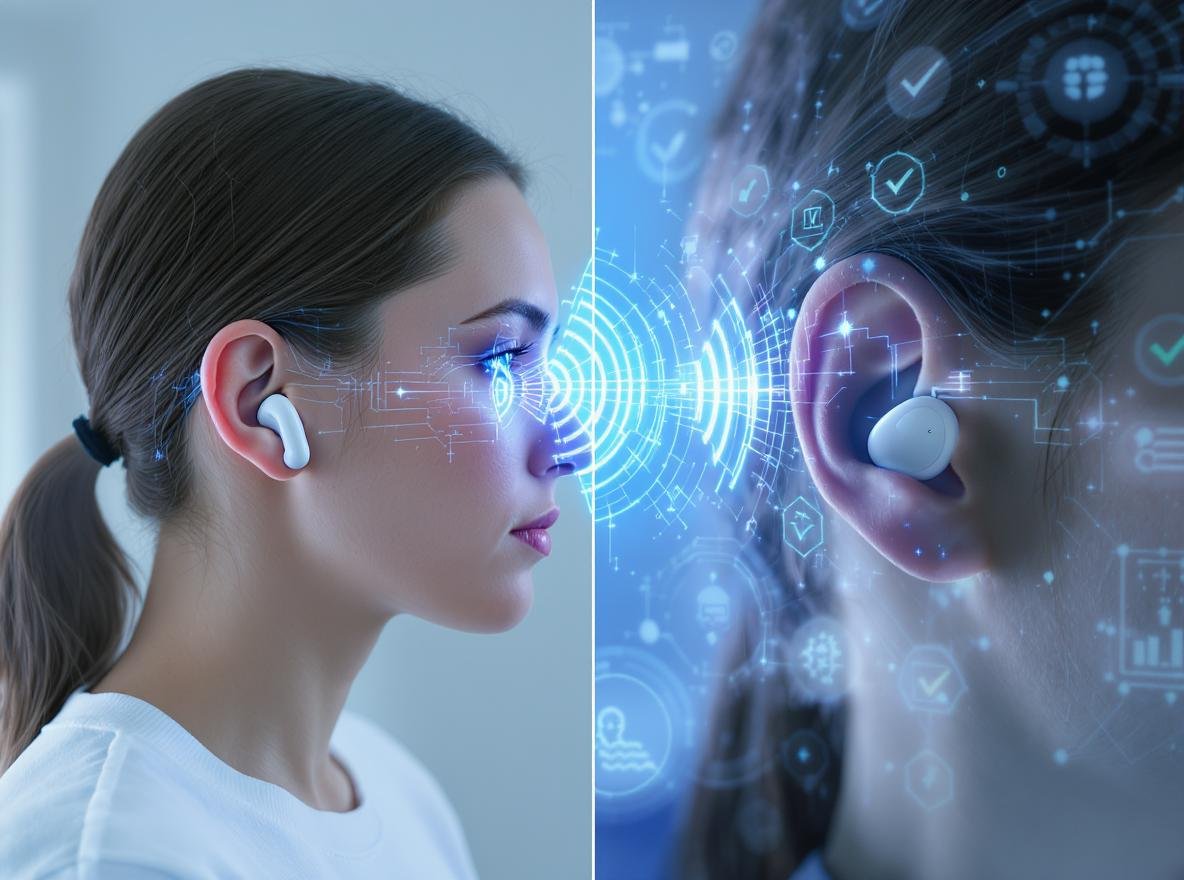
With millions of people wearing wireless earbuds daily, concerns about electromagnetic field (EMF) radiation exposure have grown significantly. You’re placing these devices directly in your ears, close to your brain, for hours each day. This proximity raises legitimate questions about potential health risks and long-term effects.
Current scientific evidence shows that wireless earbuds pose minimal health risks to users. The non-ionizing electromagnetic fields they emit are well below established safety limits, with major health organizations including the WHO, National Cancer Institute, and FDA finding no consistent evidence linking normal Bluetooth device use to adverse health effects.
However, understanding the facts about EMF radiation types, current safety standards, and evidence-based precautionary measures will help you make informed decisions about wireless earbud use in your daily life.
What Type of Radiation Do Wireless Earbuds Actually Emit?
Understanding the fundamental difference between radiation types is crucial for assessing any potential health risks from wireless audio devices.
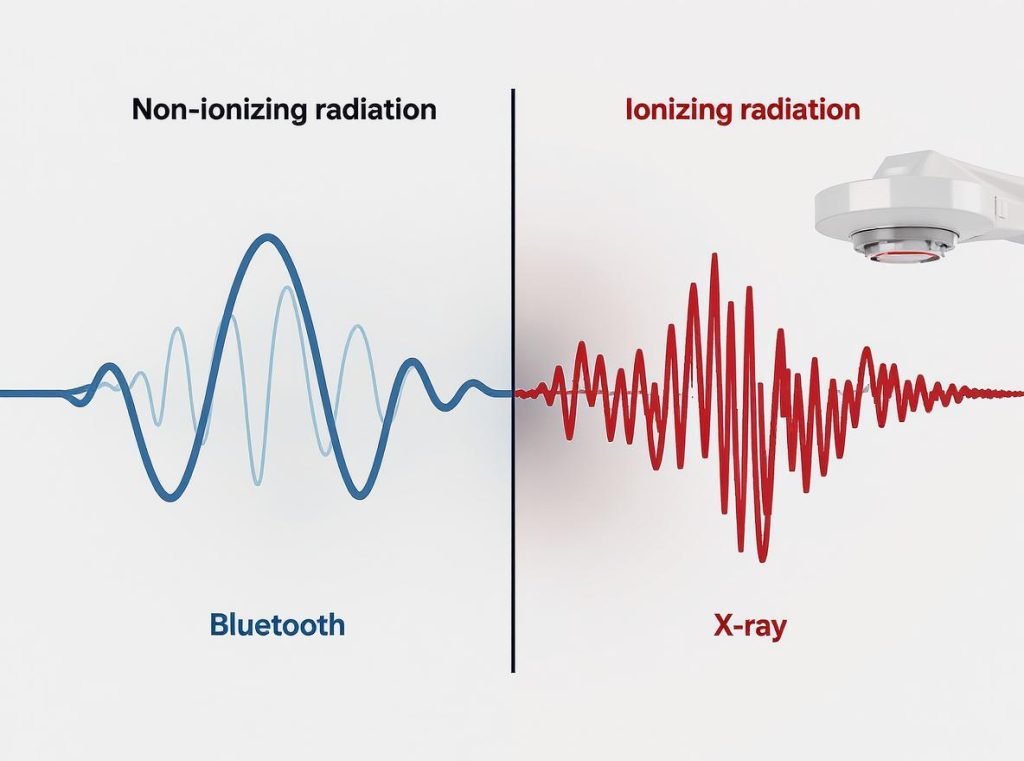
Wireless earbuds emit non-ionizing radiofrequency (RF) radiation through Bluetooth technology, operating at 2.4 GHz frequency with extremely low power output. This type of radiation lacks sufficient energy to remove electrons from atoms or directly damage DNA, unlike ionizing radiation from X-rays or nuclear materials.
The Science Behind Bluetooth Radiation
Bluetooth devices operate using radio waves in the same frequency range as WiFi routers and microwave ovens, but with dramatically different power levels. Most wireless earbuds use Class 3 Bluetooth devices with power output around 1 milliwatt, making them among the lowest-power wireless devices in common use.
Power Level Comparisons:
- Wireless earbuds: 1 milliwatt (Class 3 Bluetooth)
- Cell phones: 100-2000 milliwatts during calls
- WiFi routers: 100-1000 milliwatts
- Microwave ovens: 700,000-1,000,000 milliwatts
The key distinction is that wireless earbuds emit non-ionizing radiation, which cannot break molecular bonds or cause direct cellular damage. Ionizing radiation (like X-rays and gamma rays) has enough energy to ionize atoms and directly damage DNA, while Bluetooth radiation does not.
| Device Type | Power Output | SAR Level | Proximity to Brain |
|---|---|---|---|
| Wireless Earbuds | 1 mW | 0.001-0.025 W/kg | Direct contact |
| Cell Phone | 100-2000 mW | 0.5-2.0 W/kg | 1-2 inches |
| WiFi Router | 100-1000 mW | N/A | 3+ feet |
How Do Current Safety Standards Protect Users?
Regulatory bodies worldwide have established specific absorption rate (SAR) limits based on extensive research and substantial safety margins.
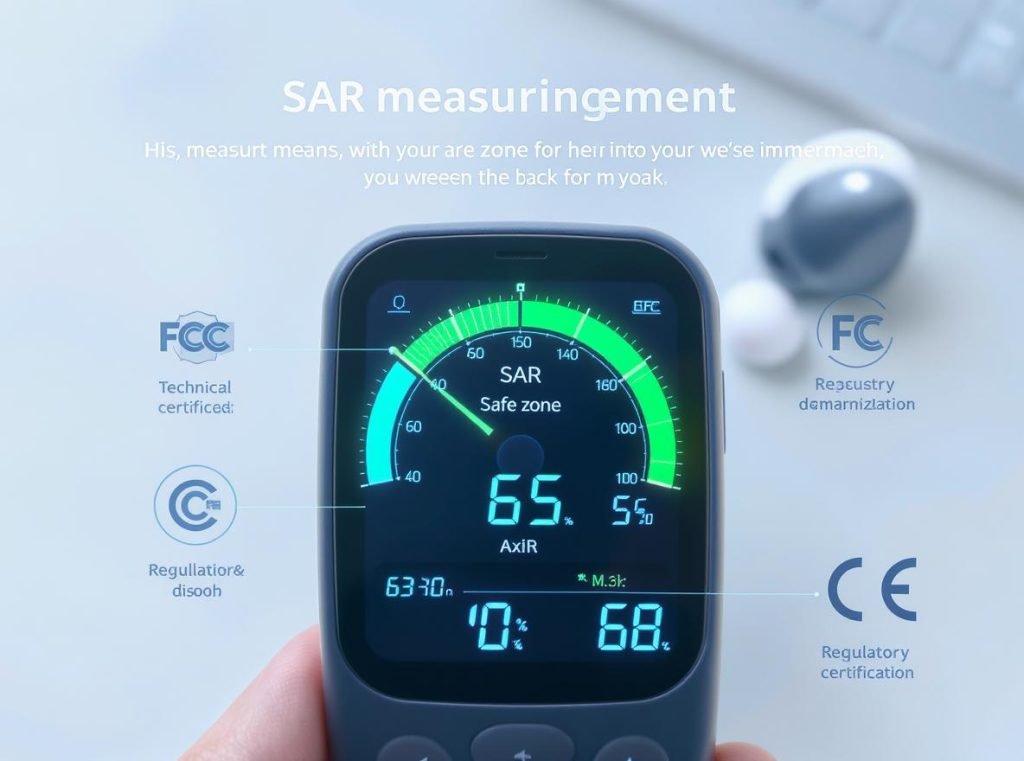
The FCC requires wireless devices to maintain SAR levels below 1.6 watts per kilogram (W/kg), while the EU limit is 2.0 W/kg. Most wireless earbuds operate at SAR levels of 0.001-0.025 W/kg, making them 64-1600 times below the safety threshold.
Understanding SAR Measurements and Safety Margins
All wireless devices undergo rigorous SAR testing using standardized models of human heads filled with tissue-simulating liquids. Testing occurs at maximum power levels in worst-case scenarios to ensure devices never exceed safety limits during normal use.
Current Regulatory Limits:
- United States (FCC): 1.6 W/kg for consumer devices
- European Union: 2.0 W/kg
- International Guidelines (ICNIRP): Based on preventing thermal effects with safety margins
These limits were established to prevent heating effects in body tissues, with additional safety factors of 5-50 times lower than levels known to cause adverse effects. For context, Apple AirPods have a SAR of approximately 0.466 W/kg, which is well below regulatory limits but higher than many competitors due to additional features.
Recent FCC updates now require SAR testing for all devices operating above 3 mW within 5 mm of the body, closing previous exemptions and ensuring comprehensive safety evaluation.
What Does the Latest Medical Research Reveal?
Scientific studies provide the most reliable information about potential health effects from wireless earbud use, with recent research offering both reassurance and areas for continued investigation.
A significant 2014 clinical study published in The Laryngoscope directly compared EMF effects during surgical procedures. The research found that “Bluetooth EMFs produced no significant changes in cochlear nerve activity,” while direct mobile phone exposure caused measurable effects.

Key Clinical Research Findings
The most direct research on Bluetooth devices comes from controlled clinical studies. The 2014 laryngoscope study monitored auditory nerve function during actual surgical procedures, providing real-time data on how different EMF sources affect nerve activity.
Recent Research Developments:
- A 2024 study suggested potential correlations between prolonged Bluetooth headset use and thyroid nodule risk
- However, this research used a small sample size (96 cases) and correlation-based methodology
- The study authors acknowledged significant limitations and called for additional research
- No peer-reviewed study has established definitive links between Bluetooth use and cancer or brain tumors
The FDA maintains that “the weight of scientific evidence does not support an increase in health risks from radio frequency exposure from these devices.” Similarly, the National Cancer Institute states there’s no definitive link between Bluetooth device usage and cancer.
Current Research Limitations:
- Most EMF health research focuses on higher-power devices like cell phones
- Long-term studies specifically on low-power Bluetooth devices are limited
- More research on extended daily use patterns would be valuable
Are Children and Pregnant Women at Higher Risk?
Certain populations may require extra consideration when using wireless devices due to physiological differences and developmental factors.
Children have thinner skulls and developing nervous systems that may absorb RF energy more readily than adults. The American Academy of Physicians notes that children can absorb 10 times or more higher radiation than adults into their brain, eyes, and bone marrow.

Special Considerations for Vulnerable Groups
Research indicates several physiological factors that may increase children’s vulnerability to EMF exposure:
Children and Adolescents:
- Skull thickness is approximately 50% less than adults
- Higher brain water content may absorb more RF energy
- Smaller head size can concentrate exposure
- Nervous system development continues until age 25
Pregnancy-Related Research:
- A systematic review found pregnant women exposed to EMF had 1.69 times higher risk of miscarriage
- These studies primarily examined higher-power devices and environmental EMF sources
- Current guidelines recommend public exposure limits should apply to all pregnant individuals
- Protection factors of about five times lower than adult limits are suggested for developing nervous systems
Individuals with Medical Implants:
- Modern pacemakers and cochlear implants are typically shielded against RF interference
- Most devices can safely coexist with Bluetooth technology
- Consult healthcare providers about specific device compatibility when in doubt
How Can You Minimize Potential EMF Exposure?
Evidence-based strategies can effectively reduce your RF exposure while maintaining the convenience of wireless audio technology.
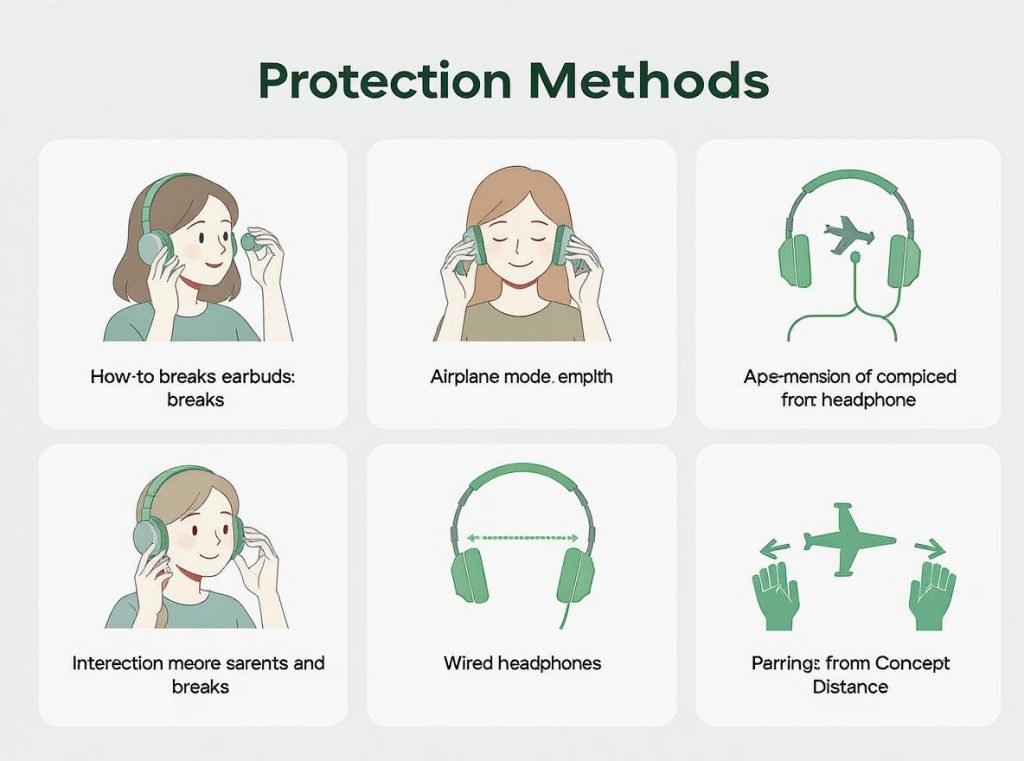
Following the 60/60 rule (60% volume for maximum 60 minutes), taking regular breaks, using speaker mode when possible, and choosing lower SAR devices are proven methods to minimize EMF exposure from wireless earbuds.
Scientifically-Backed Reduction Strategies
Duration and Distance Management:
- Take 15-minute breaks every hour of continuous use
- Use speaker mode for phone calls when practical
- Remove earbuds when not actively listening to audio
- Keep devices in airplane mode when wireless connectivity isn’t needed
- Store devices away from the body, especially during sleep
Device Selection and Optimization:
- Choose earbuds with lower SAR ratings when available
- Ensure good connection quality, as poor reception requires higher transmission power
- Turn off Bluetooth when not in use to minimize background exposure
- Use wired headphones for extended listening sessions exceeding 2-3 hours
Advanced Protection Options:
- Air tube headphones use hollow tubes to conduct sound waves, physically separating electronics from the head
- These devices position Bluetooth components farther from the brain while maintaining wireless functionality
- The radiation-free headphone market is valued at $1.5 billion in 2024, projected to reach $3.8 billion by 2033
| Reduction Method | EMF Reduction | Practicality | User Experience Impact |
|---|---|---|---|
| Regular breaks | High | High | Minimal |
| Air tube technology | Maximum | Medium | Slight audio quality trade-off |
| Lower SAR devices | Medium | High | None |
| Wired alternatives | Complete | Medium | Reduced convenience |
What Should Headphone Manufacturers Consider for EMF Safety?
The industry has significant opportunities to address consumer EMF concerns through innovative design and transparent communication.
Manufacturers can reduce EMF concerns by implementing Bluetooth Low Energy (BLE) protocols that reduce power consumption by up to 90%, providing transparent SAR information, using advanced antenna designs, and offering air tube technology options.

Industry Innovation and Safety Trends
Technical Innovations Currently Available:
- Bluetooth Low Energy (BLE) protocols significantly reduce power consumption
- Improved antenna placement directs signals away from the head
- Smart power management reduces transmission when audio isn’t playing
- Advanced noise cancellation allows comfortable listening at lower volumes
Material and Design Solutions:
- Biocompatible materials to minimize electromagnetic exposure
- Copper-infused cables for additional ELF radiation protection
- Aluminum speakers designed to eliminate unwanted RF frequencies
- Air tube acoustic transmission systems for maximum EMF separation
Market Growth in Safety-Focused Products:
- DefenderShield offers air tube technology with electronics positioned away from ears
- SafeSleeve develops anti-radiation designs with EMF shielding
- Symphonized creates wooden air tube headphones for natural acoustics
- WaveWall integrates EMF shielding technology into conventional designs
Consumer Transparency Best Practices:
- Publishing detailed SAR measurements for all product variants
- Providing clear usage guidelines in multiple languages
- Offering educational resources about RF safety and proper use
- Including comprehensive EMF information in product specifications
At Osmarto, we understand these evolving safety concerns and continuously work to develop headphones that balance performance with precautionary design principles. Our wholesale partners increasingly request products that address EMF concerns, and we’re committed to providing transparent safety information about all our wireless audio solutions.
Should You Switch Back to Wired Headphones?
The choice between wired and wireless options involves weighing scientific evidence against personal risk tolerance and lifestyle needs.
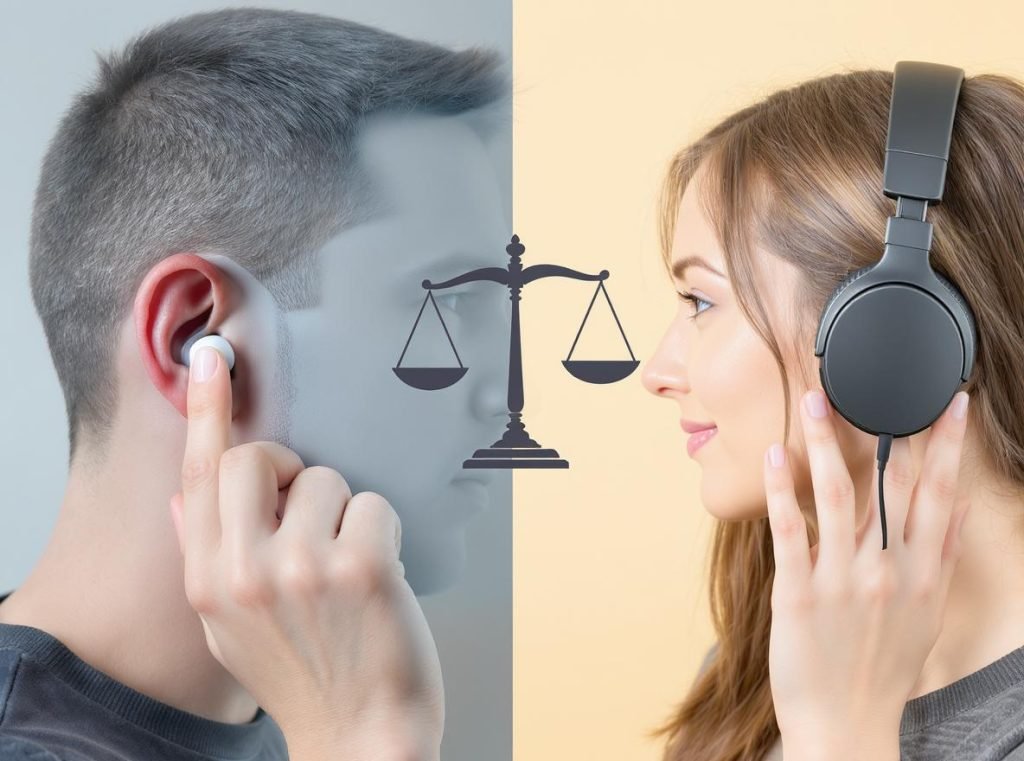
From a pure radiation exposure standpoint, wired headphones eliminate Bluetooth EMF entirely. However, leading neurosurgeons note that Bluetooth power levels are “way out of the range where I would be worried,” suggesting the practical risk reduction may be minimal for most users.
Making an Evidence-Based Decision
Scientific Perspective on Risk:
- Dr. Matt MacDougall, head neurosurgeon at Neuralink, notes Bluetooth power levels are extremely low
- Current evidence suggests quality Bluetooth headphones pose minimal risk when used responsibly
- The power levels involved are significantly below those that cause measurable biological effects
Wired Headphone Advantages:
- Complete elimination of wireless EMF exposure
- No battery charging requirements or connectivity issues
- Often superior audio quality for critical listening
- Generally lower cost and greater durability
- No pairing problems or wireless interference
Wireless Earbud Benefits:
- Complete freedom of movement for exercise and active use
- Advanced features like active noise cancellation and voice assistants
- Hands-free calling capabilities with better microphone placement
- Modern ergonomic designs often provide superior fit and comfort
- Integration with smart devices and digital assistants
Hybrid Approach Recommendations:
- Use wireless earbuds for short sessions and active use
- Switch to wired headphones for extended listening (2+ hours)
- Choose air tube headphones for maximum precaution with wireless convenience
- Consider individual factors like age, health status, and usage patterns
Where Can Businesses Source Safe, Quality Wireless Audio Products?
For wholesalers and retailers, partnering with manufacturers who prioritize both innovation and safety compliance is essential for meeting evolving customer expectations.
Working with established manufacturers who provide comprehensive SAR documentation, meet all international regulatory standards, and offer transparent EMF information ensures your customers receive safe, reliable wireless audio products that address modern safety concerns.

Comprehensive Sourcing Guidelines
Essential Compliance Requirements:
- FCC SAR testing and certification for US markets
- CE marking and EN standards compliance for European distribution
- REACH and RoHS compliance for material safety and environmental standards
- ICNIRP guideline adherence for international market compatibility
Quality Assurance Best Practices:
- Request detailed SAR test reports from all potential manufacturers
- Verify compliance documentation with independent testing laboratories
- Conduct pre- and post-production quality control inspections
- Partner with suppliers offering complete transparency in testing data
Product Selection Criteria for Safety-Conscious Markets:
- Prioritize devices with SAR ratings significantly below regulatory limits
- Evaluate air tube designs for health-conscious consumer segments
- Assess advanced power management features that reduce unnecessary transmission
- Consider hybrid wired/wireless options for maximum flexibility
Market Positioning Opportunities:
- The radiation-free headphone market represents significant growth potential
- Consumer awareness of EMF issues continues increasing globally
- Transparent safety communication can differentiate your brand
- Educational content about EMF safety builds customer trust and loyalty
Osmarto specializes in providing wholesale partners with comprehensive product documentation, including detailed EMF specifications, international safety certifications, and consumer education materials. We understand that informed retailers can better serve their customers’ evolving safety needs while building trust in wireless audio technology.
For businesses seeking a reliable manufacturing partner who prioritizes both cutting-edge audio performance and transparent safety standards, we invite you to explore our extensive product line and wholesale partnership opportunities.
Summary
Current scientific evidence indicates that wireless earbuds pose minimal health risks when used according to established guidelines. While they emit low-level RF radiation, the power levels are 64-1600 times below safety thresholds and have not been linked to adverse health effects in clinical research. Taking evidence-based precautions like regular breaks, choosing lower-SAR devices, and considering air tube alternatives can further minimize any theoretical exposure concerns.

Ready to explore innovative, safety-conscious wireless audio solutions for your business? Contact Osmarto today to learn about our comprehensive range of wireless earbuds and headphones, complete with detailed SAR specifications, international certifications, and competitive wholesale pricing. Send us an inquiry to discover how we can support your audio product needs while addressing your customers’ safety priorities and market demands.