Skip to content
With over 537 million adults worldwide living with diabetes, the demand for convenient blood glucose monitoring has never been higher. Many people hope their smartwatch can replace traditional finger-prick testing, but the reality is more complex than marketing claims suggest.
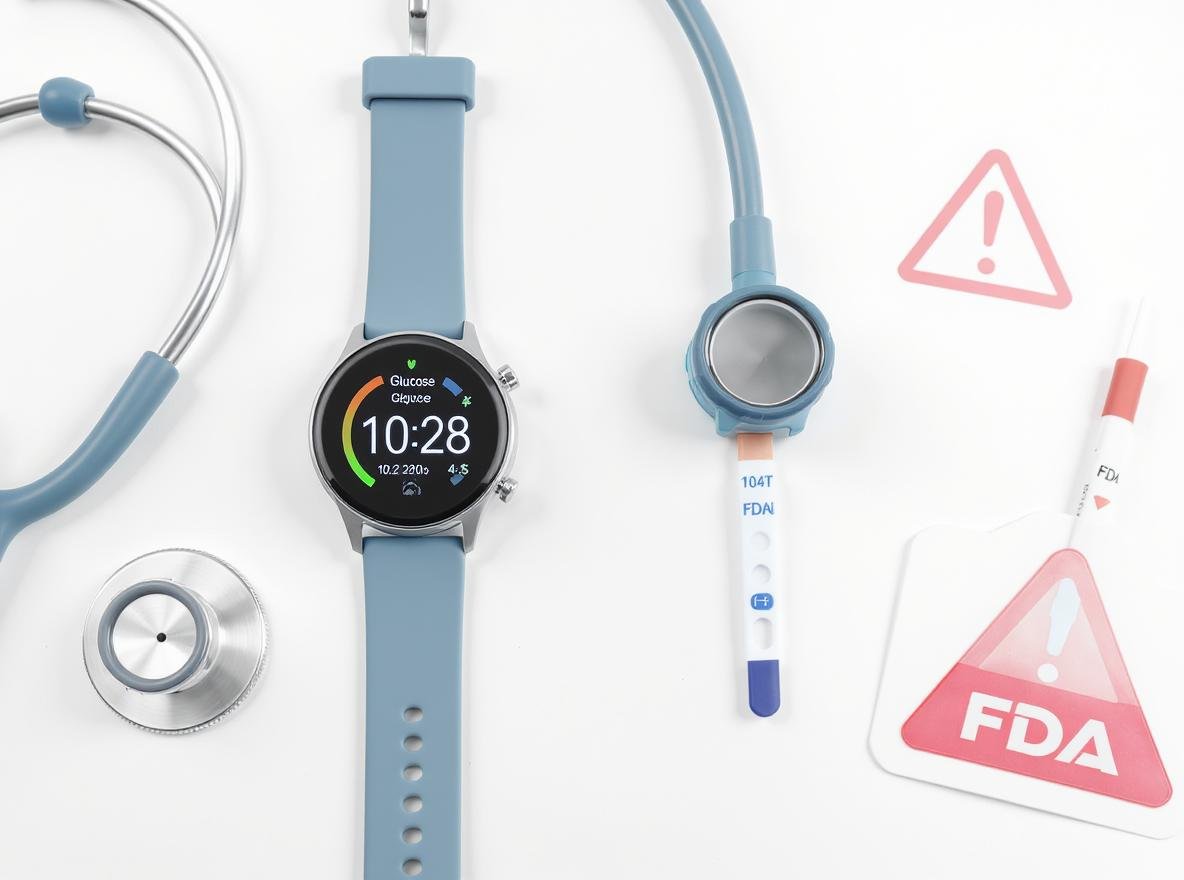
The FDA explicitly states that no smartwatch or smart ring currently available can accurately measure blood glucose levels without piercing the skin. In February 2024, the FDA issued a critical safety warning against unauthorized devices making false claims about non-invasive glucose monitoring capabilities.
Let’s examine what’s actually available today, explore the dangerous devices flooding online marketplaces, and discover legitimate opportunities for businesses in this rapidly evolving market.
What Does the FDA Say About Blood Sugar Monitoring Smartwatches?
The U.S. Food and Drug Administration issued an unequivocal safety warning in February 2024 that has major implications for consumers and businesses alike. Understanding this regulatory stance is crucial for anyone involved in the glucose monitoring market.
The FDA has categorically stated: “The FDA has not authorized, cleared, or approved any smartwatch or smart ring that is intended to measure or estimate blood glucose values on its own.”

This warning specifically targets unauthorized devices sold primarily through online marketplaces that make dangerous false claims about non-invasive glucose monitoring. The health risks are severe – inaccurate readings could lead diabetics to take incorrect insulin doses, potentially causing dangerously low blood glucose levels that may result in mental confusion, coma, or even death.
Key regulatory facts businesses must understand:
- No consumer smartwatch has FDA approval for independent glucose monitoring
- Devices claiming non-invasive blood sugar measurement without skin penetration are unauthorized
- Using inaccurate glucose readings for medication decisions poses life-threatening risks
- The FDA continues monitoring online marketplaces for violative products
| Device Category | FDA Status | Safety Risk | Business Implication |
|---|---|---|---|
| Independent glucose smartwatches | Not approved | High – potentially fatal | Avoid unauthorized claims |
| CGM-integrated smartwatches | Display only (CGM approved) | Low when properly used | Legitimate market opportunity |
| Traditional glucometers | FDA approved | Low | Gold standard for accuracy |
The regulatory landscape creates clear boundaries between legitimate health monitoring integration and dangerous medical device claims.
How Do Current Legitimate Smartwatches Handle Glucose Monitoring?
Today’s approved smartwatch glucose monitoring works exclusively through integration with FDA-approved continuous glucose monitors (CGMs) that require skin penetration. This represents the only legitimate path for glucose data on wearable devices.
Current smartwatches can display glucose data from FDA-approved CGMs but cannot measure blood sugar levels independently. The CGM does the actual monitoring while the smartwatch serves as a convenient display interface.
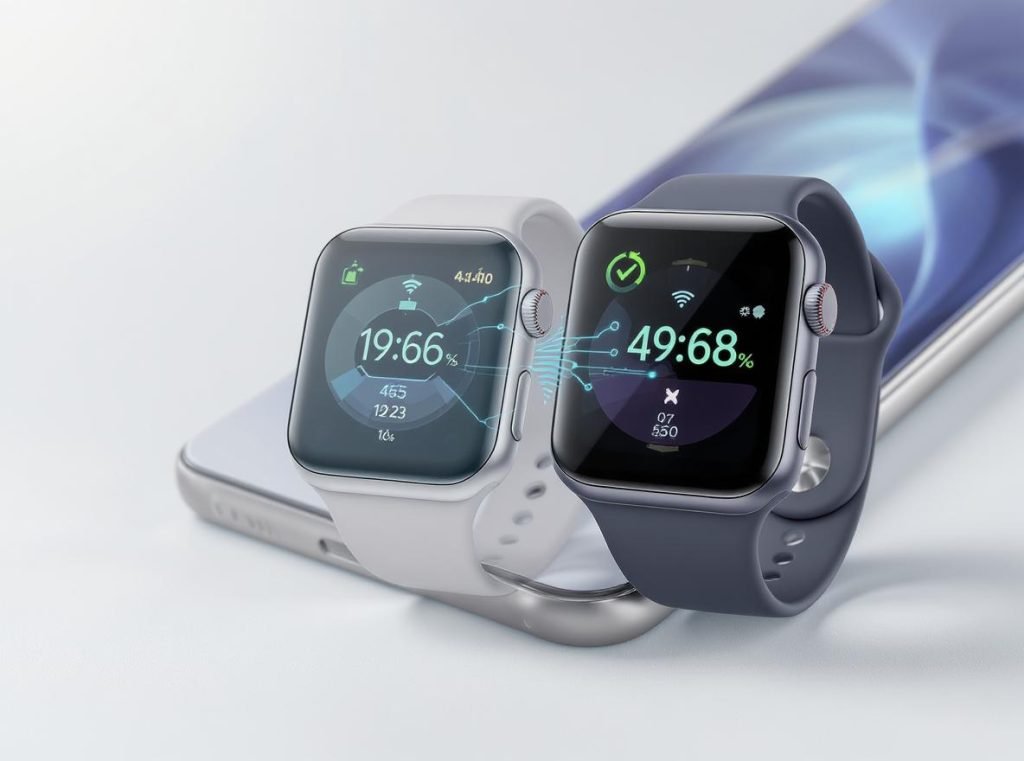
Here’s how legitimate glucose monitoring integration actually works:
FDA-Approved CGM Integration Options
Dexcom G7: The most advanced option connects directly to Apple Watch without requiring an iPhone intermediary. It provides real-time glucose readings every minute with exceptional accuracy and has revolutionized diabetes management for many users.
Abbott FreeStyle Libre 3: Features the smallest sensor available with 15-day wear time. It connects to various smartwatches through smartphone apps, offering reliable continuous monitoring at a lower cost point than Dexcom systems.
Stelo by Dexcom: Represents a breakthrough as the first over-the-counter CGM approved by the FDA in March 2024. Designed specifically for adults 18+ who don’t use insulin, it opens glucose monitoring to a broader wellness market.
Medtronic Guardian Connect: Provides professional-grade monitoring with predictive alerts that warn users before glucose levels become problematic, making it ideal for intensive diabetes management.
The technical process involves three components working together:
- An FDA-approved sensor inserted under the skin measures glucose in interstitial fluid
- Data transmits wirelessly to a smartphone app via Bluetooth
- The smartwatch displays real-time readings, trends, and alerts for convenient monitoring
Benefits of legitimate CGM-smartwatch integration include real-time glucose trend monitoring on your wrist, convenient alerts for dangerous highs or lows, comprehensive historical data tracking, and exercise impact monitoring during workouts.
What About Dangerous Smartwatches Claiming Independent Blood Sugar Monitoring?
The online marketplace floods with unauthorized devices making false glucose monitoring claims, creating serious safety hazards for consumers. These problematic products represent significant business risks and regulatory violations.
Unauthorized smartwatches claiming independent blood glucose monitoring cost around $50, lack recognizable brand names, and generate entirely fake readings with no actual glucose measurement capability.
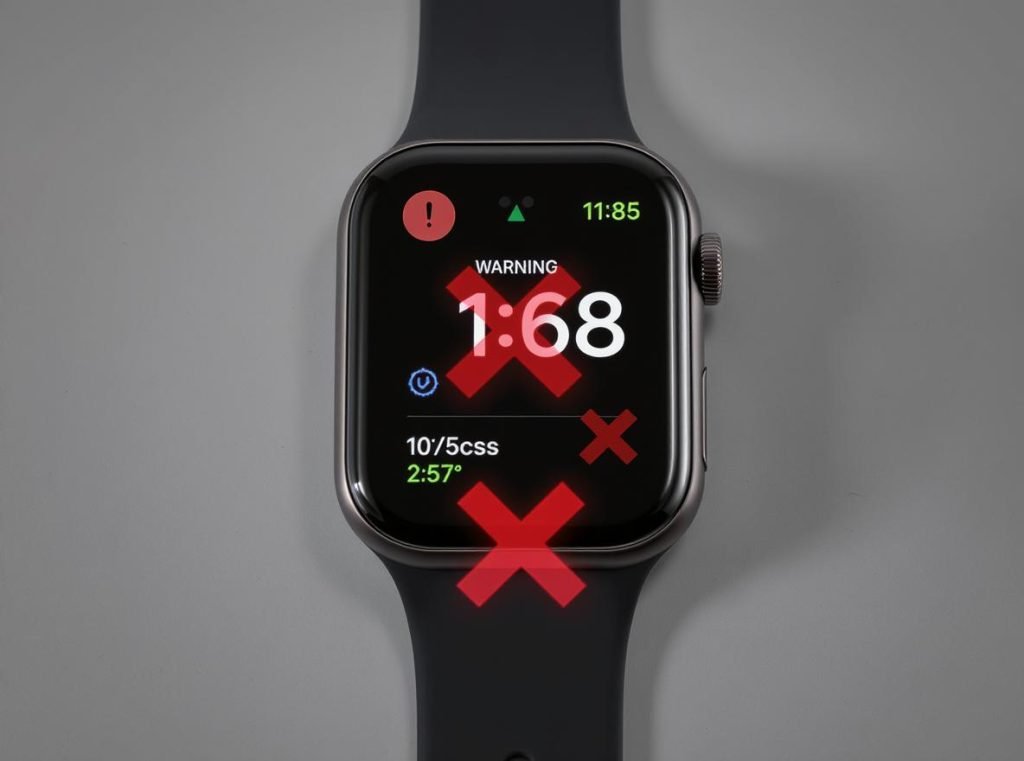
Dr. David Klonoff, a leading diabetes technology researcher, emphasizes that “the technology that allows smartwatches and rings to measure metrics like heart rate and blood oxygen is not accurate enough to measure blood sugar.” These devices typically originate from manufacturers in China and flood online marketplaces with dangerous health claims.
Common characteristics of problematic devices:
- False technology claims: “Magnetic fields,” “laser therapy,” or “AI medical diagnosis” for glucose detection
- Unsubstantiated features: Blood pressure monitoring, comprehensive health analysis, medical-grade accuracy
- Fake readings generation: Devices display random numbers with no actual measurement
- Regulatory violations: No FDA approval, clearance, or authorization for medical claims
Why These Devices Are Dangerous
Current optical sensor technology in consumer smartwatches cannot accurately measure glucose levels through skin. Heart rate monitoring sensors use different wavelengths and algorithms completely unsuitable for glucose detection. Medical-grade glucose monitoring requires either invasive methods (finger pricks) or specialized sensors (CGMs) that penetrate skin barriers.
The fundamental physics limitations include:
Glucose molecules in blood are too small and present in concentrations too low for current optical sensors to detect reliably through skin. Environmental factors like movement, temperature changes, skin tone variations, and ambient light significantly affect sensor readings. Individual biological differences require personalized calibration that unauthorized devices cannot provide.
Risk factors for businesses:
- Legal liability: Selling unauthorized medical devices violates FDA regulations
- Reputation damage: Association with dangerous health products harms brand credibility
- Financial penalties: FDA enforcement actions can result in significant fines
- Market exclusion: Regulatory violations can prevent legitimate market entry
Which Major Tech Companies Are Developing Real Blood Sugar Monitoring?
Leading technology companies recognize the massive market opportunity in non-invasive glucose monitoring and have invested hundreds of millions in research and development. Understanding their progress helps businesses anticipate future market developments.
Apple, Samsung, and other major brands are actively developing non-invasive blood glucose monitoring technology, with Apple’s project spanning over 15 years and Samsung expressing excitement about recent breakthroughs.
Apple’s Revolutionary Approach
Apple has pursued non-invasive glucose monitoring since the Steve Jobs era through a project codenamed “E5.” The technology uses optical absorption spectroscopy and laser systems to determine glucose concentration under skin without penetration.
Apple’s development timeline and achievements:
- Over 15 years: Continuous research investment with hundreds of millions in funding
- Proof-of-concept achieved: Functional prototypes demonstrated in 2023 laboratory conditions
- Current limitations: Prototype is iPhone-sized and requires significant miniaturization
- Potential timeline: Industry analysts suggest possible inclusion in Apple Watch 13 by 2027
The technical approach involves sophisticated laser spectroscopy that analyzes how different wavelengths of light interact with glucose molecules in tissue. This represents genuinely innovative technology rather than the fake claims found in unauthorized devices.
Samsung’s Promising Progress
Samsung has made significant advances in “non-invasive optically-based continuous glucose monitoring” for Galaxy Watches. Dr. Hon Pak, Samsung’s Senior VP of Digital Health, recently stated they’re “very excited about the progress we are making, and this, if we do it right, will be a game-changer.”
Samsung’s development focuses include:
Advanced optical sensors: Combined with AI algorithms for improved accuracy and environmental adaptation
Predictive capabilities: Early diabetes warning signs and glucose trend predictions
Ecosystem integration: Seamless connection with Samsung Health platform and nutrition coaching features
Potential timeline: Industry speculation suggests possible inclusion in Galaxy Watch 8, though Samsung hasn’t announced official release dates
Other Major Players
Huawei: Also reportedly developing smartwatch blood glucose monitoring technology, though specific details remain confidential
Fitbit/Google: Exploring health integration opportunities within their ecosystem, focusing on comprehensive wellness monitoring
| Company | Technology Approach | Investment Level | Expected Timeline |
|---|---|---|---|
| Apple | Optical spectroscopy | Hundreds of millions | Possibly 2027 |
| Samsung | AI-enhanced optical sensors | Significant R&D | Unknown, possibly 2025-2026 |
| Huawei | Non-invasive monitoring | Unknown | Research phase |
| Google/Fitbit | Health ecosystem integration | Moderate | Exploring opportunities |
What Are the Current Proven Alternatives for Diabetes Monitoring?
While waiting for breakthrough smartwatch technology, several highly effective alternatives provide accurate glucose monitoring that businesses can build upon today. These proven solutions represent immediate market opportunities.
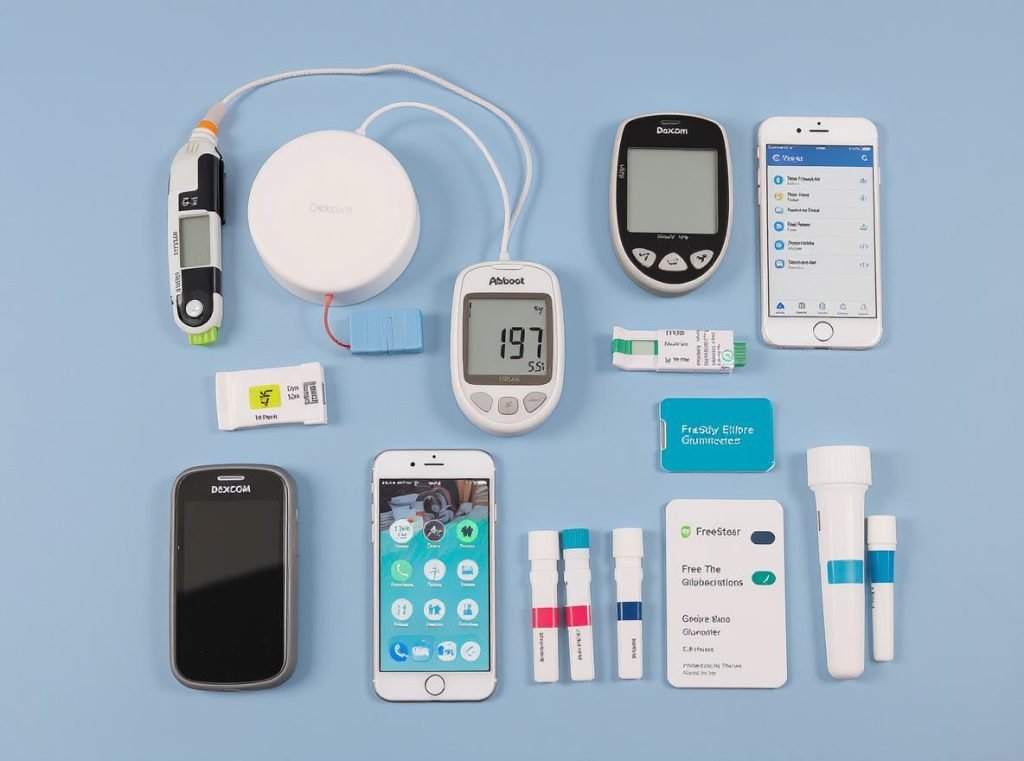
FDA-approved continuous glucose monitors paired with smartwatch integration currently provide the most accurate, convenient, and medically reliable glucose monitoring experience available.
Advanced Continuous Glucose Monitors
The CGM market has experienced explosive growth, with the global market expected to reach $32.97 billion by 2031, growing at 12.6% CAGR. This represents enormous opportunities for businesses that understand the technology landscape.
Dexcom G7: Represents the pinnacle of CGM technology with real-time glucose readings every minute directly transmitted to smartphones and smartwatches. The device offers unparalleled accuracy and has revolutionized diabetes management for millions of users worldwide.
Abbott FreeStyle Libre 3: Features the world’s smallest glucose sensor with 15-day wear time and smartphone connectivity. This system provides excellent accuracy at a more accessible price point, making it popular among cost-conscious consumers.
Medtronic Guardian Connect: Offers professional-grade monitoring with predictive alerts that warn users before glucose levels become problematic. The system excels in intensive diabetes management scenarios and clinical applications.
Stelo by Dexcom: Breakthrough over-the-counter CGM for people with Type 2 diabetes not using insulin, available without prescription. This opens glucose monitoring to the broader wellness market beyond traditional diabetes management.
Traditional Blood Glucose Monitors
Despite technological advances, traditional fingerstick glucose meters remain the gold standard for accuracy and are required for treatment decisions even when using CGMs. The reliability and precision of these devices make them indispensable for diabetes care.
Benefits of traditional monitoring:
- Instant accuracy: Immediate, precise readings for critical medical decisions
- Regulatory approval: All major glucometer brands have comprehensive FDA approval
- Insurance coverage: Most insurance plans cover testing supplies and devices
- Proven reliability: Decades of clinical validation and real-world use
Digital Health Integration Platforms
The diabetes management app market, valued at $1.87 billion in 2024 and growing at 8.5% CAGR, offers significant opportunities for software-focused companies. Modern diabetes management relies heavily on smartphone integration and data analysis.
Key integration features include:
Smart apps provide meal logging, medication reminders, comprehensive trend analysis, and seamless data sharing with healthcare providers. Many platforms integrate with both CGMs and traditional glucometers for comprehensive tracking and management support.
What Promising Startups Are Developing Non-Invasive Glucose Monitoring?
The quest for accurate non-invasive glucose monitoring has attracted significant venture capital investment and spawned innovative startups pursuing various technological approaches. Understanding these developments helps businesses identify partnership opportunities and competitive threats.
Multiple well-funded startups are pursuing different technological approaches to non-invasive glucose monitoring, with some raising millions in recent funding rounds and demonstrating promising early results.
Leading Startup Innovations
Know Labs: Developing the KnowU device using radio frequency dielectric spectroscopy technology. The company claims their approach will cost 3-5 times less than current CGM options while providing comparable accuracy through electromagnetic field analysis.
DiaMonTech: German startup using “photothermal detection” with sophisticated light-based glucose measurement technology. They’re developing desktop, handheld, and wearable versions to address different market segments and use cases.
Quantune Technologies: Berlin-based company working to miniaturize infrared laser spectrometers for wrist-worn devices. They recently raised $9 million in seed funding to accelerate development and commercialization efforts.
Persperion: UC San Diego spinoff using fingertip sweat analysis for glucose detection. This innovative approach secured $4 million in seed funding and represents a unique biological pathway to non-invasive monitoring.
Technological Approaches Being Explored
Optical Spectroscopy: Using specific light wavelengths to analyze glucose molecules in tissue without penetration
Electromagnetic Sensing: Radio frequency technology measuring glucose through electromagnetic field changes in biological tissue
Biosensor Integration: Micro-needles or temporary biosensor patches working with smartwatch technology
Sweat Analysis: Detecting glucose levels through perspiration analysis using advanced chemical sensors
AI-Powered Analysis: Machine learning algorithms improving accuracy by analyzing multiple biometric factors simultaneously
| Startup | Technology | Funding | Market Focus |
|---|---|---|---|
| Know Labs | RF dielectric spectroscopy | Undisclosed | Consumer devices |
| DiaMonTech | Photothermal detection | Undisclosed | Multiple form factors |
| Quantune Technologies | Miniaturized IR spectroscopy | $9 million | Wearable devices |
| Persperion | Sweat-based glucose detection | $4 million | Non-invasive testing |
The diversity of approaches suggests multiple potential pathways to market success, creating opportunities for different business models and market segments.
What Does the Future Hold for Blood Sugar Monitoring Smartwatches?
Industry experts predict significant technological breakthroughs in non-invasive glucose monitoring within the next decade, driven by massive market demand and substantial research investment. Understanding these projections helps businesses plan strategic positioning.
Industry analysts predict that accurate, non-invasive blood glucose monitoring in smartwatches could become available within 3-5 years for early versions, with widespread adoption expected by 2030 pending FDA approval and technological refinements.
Market Growth Projections
The convergence of multiple market trends creates unprecedented opportunities:
U.S. wearable medical devices market: Projected to reach $112.67 billion by 2033, representing 25-26% annual growth rates
Digital diabetes management market: Expected to grow from $18.9 billion in 2023 to $35.8 billion by 2028
Global CGM market expansion: Anticipated to reach $32.97 billion by 2031 with 12.6% compound annual growth
Realistic Technology Timeline
2025-2026: First-generation non-invasive monitoring devices with limited accuracy suitable for wellness applications but not medical decision-making
2027-2028: Improved accuracy approaching medical-grade standards, with possible Apple Watch integration and Samsung Galaxy Watch features
2029-2030: FDA approval processes for medical-grade smartwatch glucose monitoring, enabling prescription and insurance coverage
2030+: Widespread consumer adoption across all major smartwatch brands with integrated glucose monitoring as standard features
Technical Challenges Requiring Solutions
Miniaturization Requirements: Current prototypes are far too large for consumer wearables and need significant size reduction while maintaining accuracy
Environmental Stability: Real-world conditions involving movement, temperature changes, and ambient light variations affect sensor accuracy compared to controlled laboratory environments
Individual Calibration: Biological differences between users require personalized calibration systems that unauthorized devices cannot provide
Regulatory Approval Standards: FDA requires 95% of readings within 15% of reference blood glucose monitors for medical device approval
How Can Businesses Capitalize on the Growing Glucose Monitoring Demand?
The diabetes monitoring market represents enormous business opportunities for companies positioned to navigate the technical challenges and regulatory requirements. Understanding market positioning strategies can drive significant revenue growth.
Businesses should focus on legitimate CGM integration, comprehensive health ecosystem development, and strategic preparation for future glucose monitoring capabilities while maintaining strict regulatory compliance.

Immediate Market Opportunities
The current market offers several proven revenue streams for smartwatch manufacturers and health technology companies:
CGM Integration Partnerships: Develop smartwatches optimized for displaying data from approved glucose monitors. Partner directly with CGM manufacturers like Dexcom, Abbott, and Medtronic for seamless connectivity and certified compatibility programs.
Health Ecosystem Development: Create comprehensive health tracking platforms that include glucose data alongside heart rate, sleep, exercise, and nutrition monitoring. This positions products for future independent glucose monitoring capabilities.
B2B Healthcare Solutions: Target hospitals, clinics, and healthcare systems with remote patient monitoring platforms that integrate glucose data with other vital signs for comprehensive care management.
Target Customer Segments for Osmarto
Wholesalers seeking health-focused wearables: Distributors looking for products with legitimate medical applications and proven market demand
Retailers targeting diabetes management: Stores specializing in diabetes care products seeking integrated technology solutions
Brand manufacturers: Companies developing private label health monitoring devices for specific market segments
Healthcare organizations: Hospitals and clinics requiring patient monitoring solutions with glucose integration capabilities
Strategic Partnership Development
| Partnership Type | Business Benefits | Implementation Strategy |
|---|---|---|
| CGM Manufacturers | Technical credibility, medical validation | Direct integration agreements, co-marketing |
| Healthcare Providers | Distribution channels, clinical validation | Pilot programs, outcome studies |
| App Developers | Software integration, user experience | API partnerships, platform integration |
| Research Institutions | Technology development, regulatory support | Joint research projects, grant applications |
Revenue Model Opportunities
Device Sales: Premium pricing for health-focused smartwatches with CGM integration capabilities
Subscription Services: Monthly fees for advanced health analytics, glucose trend predictions, and personalized coaching
B2B Licensing: Technology licensing to other manufacturers seeking glucose monitoring integration
Healthcare Partnerships: Revenue sharing with healthcare systems for remote patient monitoring services
Regulatory Compliance Strategies
FDA Preparation: Invest in understanding regulatory requirements for future glucose monitoring capabilities
Quality Management: Implement medical device quality standards even for consumer products
Clinical Validation: Conduct studies demonstrating device accuracy and user safety
Legal Compliance: Ensure all marketing claims comply with FDA regulations and avoid unauthorized medical device claims
Summary
Currently, no smartwatches can independently monitor blood sugar levels with FDA approval, and the agency has explicitly warned against unauthorized devices making false claims. However, legitimate integration with approved CGM devices offers reliable glucose tracking through smartwatch displays, representing the best available option for diabetes management today.
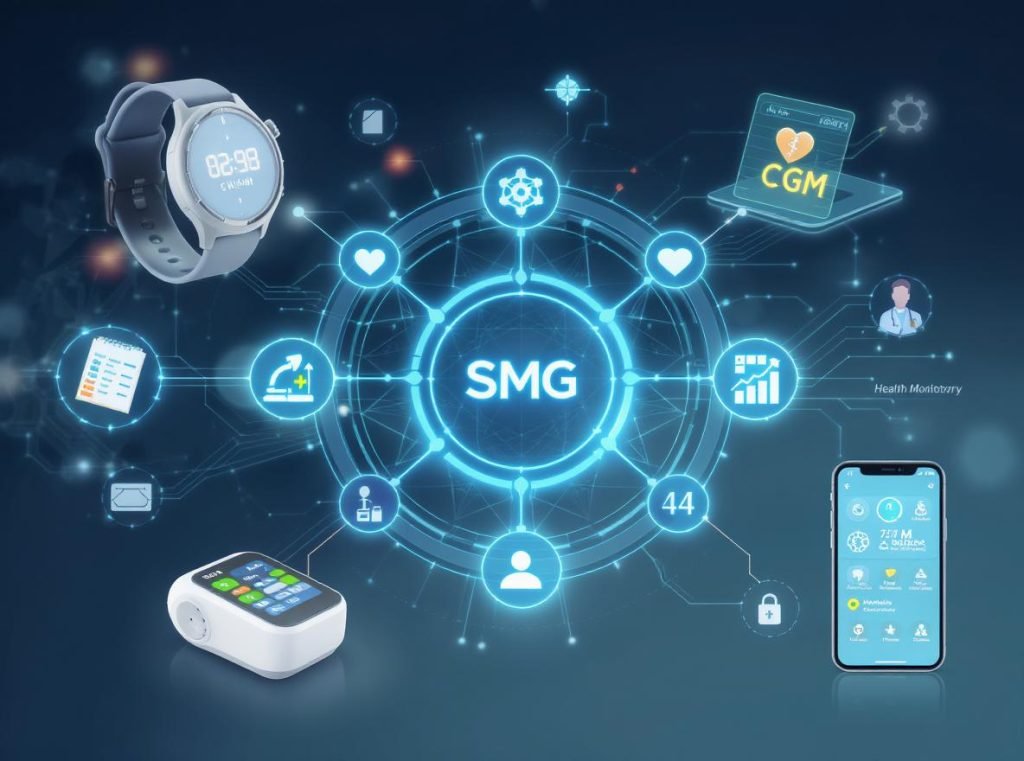
The future holds tremendous promise, with Apple, Samsung, and innovative startups investing heavily in non-invasive glucose monitoring technology. Industry experts predict breakthrough devices within 3-5 years, with widespread adoption expected by 2030.
For businesses in the wearable technology industry, this represents a massive market opportunity worth tens of billions of dollars. Success requires focusing on legitimate CGM integration, comprehensive health ecosystem development, and strategic preparation for future capabilities while maintaining strict regulatory compliance.
Are you ready to capitalize on the explosive growth in glucose monitoring technology? Contact Osmarto today to explore how our advanced health monitoring smartwatches can position your business for success in this rapidly evolving market. Our experienced engineering team specializes in CGM integration, regulatory compliance, and custom solutions for wholesalers, distributors, and brand manufacturers worldwide. Send us an inquiry to discover our competitive wholesale pricing and partnership opportunities that can help you capture market share in the multi-billion dollar diabetes monitoring industry.