Skip to content
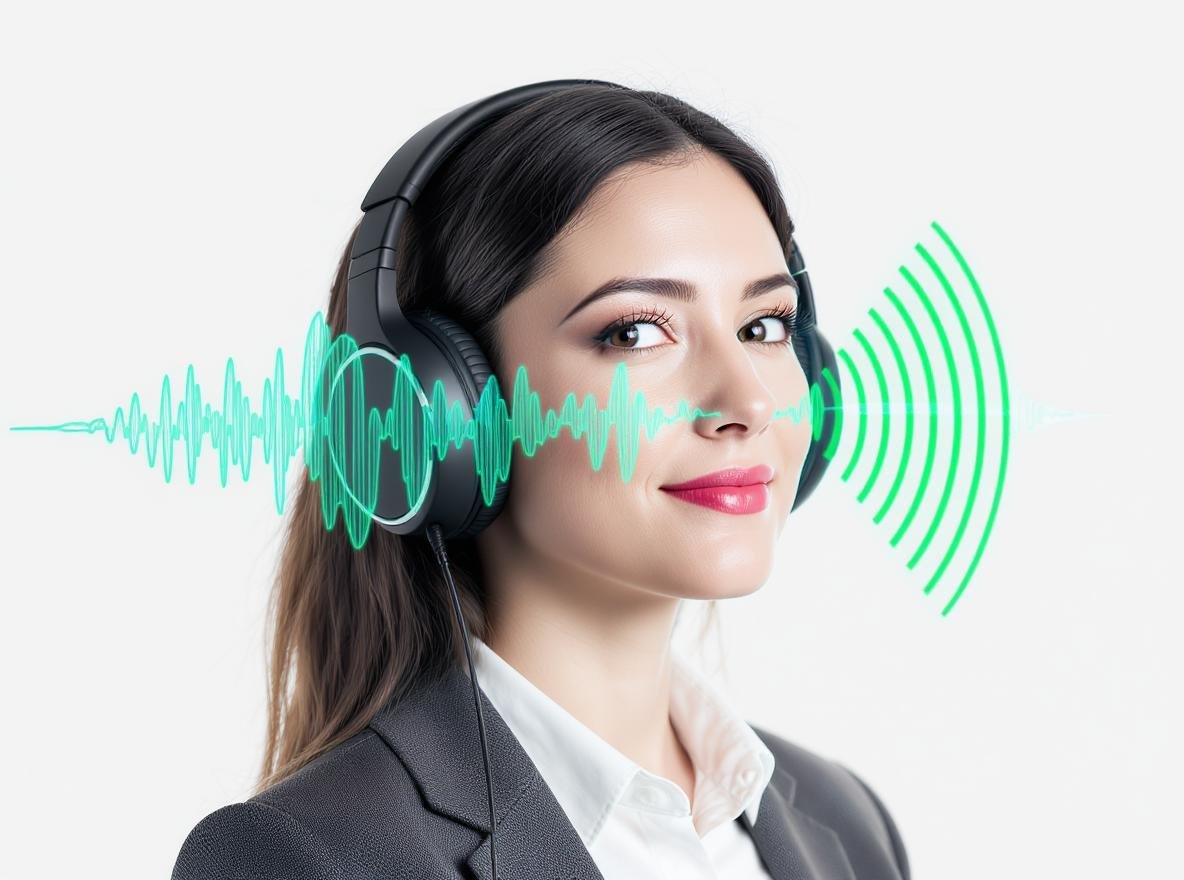
Noise-cancelling headphones have become essential for millions worldwide, from busy professionals to frequent travelers. But with increasing daily use, many users question the safety of this technology. Could your favorite headphones be putting your hearing at risk?
Multiple scientific studies confirm that noise-cancelling headphones are absolutely safe and pose no significant health risks when used properly. The active noise control (ANC) technology itself does not damage your ears and may actually protect your hearing by allowing comfortable listening at lower volumes.
Let’s explore the real facts, debunk common myths, and establish best practices for safe noise-cancelling headphone use.
Do Noise-Cancelling Headphones Damage Your Ears?
Understanding the safety of ANC technology is crucial for making informed decisions about your daily audio equipment.
No, noise-cancelling headphones do not damage your ears through their cancellation technology. Research consistently shows that the active noise control technology works by using microphones to detect ambient sounds and generating inverse sound waves that cancel unwanted noise through destructive interference. This process creates no harmful effects on your hearing.

The confusion often stems from misunderstanding how ANC works. The technology doesn’t create additional pressure or emit harmful frequencies. Instead, it reduces the overall sound energy reaching your ears.
Key safety findings from recent research:
Lower Listening Volumes: A 2022 study found that canal earphones with noise cancelling showed the lowest preferred listening levels compared to other headphone types, keeping sound levels below 75 dBA in noisy environments. Hearing Protection: Users typically reduce their listening volume by 10-15 dB when using ANC, significantly lowering the risk of noise-induced hearing loss. No Physical Damage: There is no evidence that properly functioning ANC technology causes any structural damage to ear components.
The real hearing risks come from excessive volume levels, not the noise-cancelling feature itself. When ambient noise is eliminated, you naturally don’t need high volumes to hear audio clearly.
Can Noise-Cancelling Headphones Cause Ear Pressure?
Many first-time users report unusual pressure sensations, leading to safety concerns about the technology.
Yes, some users experience a mild pressure sensation when first using noise-cancelling headphones, but this feeling is psychosomatic and completely harmless. Your brain interprets the sudden absence of low-frequency background noise as a pressure change, though no actual air pressure difference occurs in your ears.
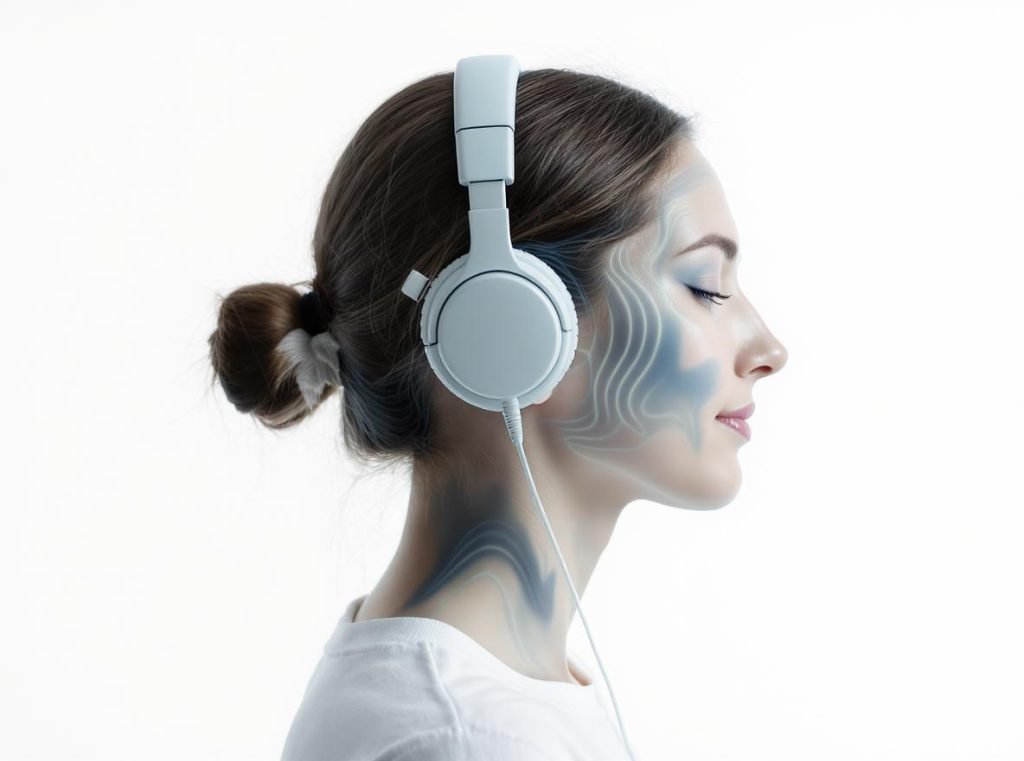
This pressure sensation happens because:
Your auditory system expects certain ambient sounds that suddenly disappear when ANC activates. The feeling is similar to what people experience in an anechoic chamber or extremely quiet room. Most users adapt to this sensation within a few days of regular use.
Managing initial discomfort:
| Adjustment Method | Timeline | Effectiveness |
|---|---|---|
| Gradual exposure | 3-5 days | High for most users |
| ANC level adjustment | Immediate | Moderate relief |
| Regular breaks | 1-2 weeks | Complete adaptation |
Start Gradually: Begin with 30-minute sessions at moderate ANC levels, then increase duration as you adapt. Adjust Settings: Many modern headphones allow you to customize ANC intensity to find your comfort level. Take Breaks: If pressure sensations persist, remove headphones for 5-10 minutes every hour during initial use.
What Are the Long-Term Effects of Using Noise-Cancelling Headphones?
Understanding potential long-term impacts helps you make informed decisions about daily headphone use.
Current research shows no evidence that properly used noise-cancelling headphones cause permanent auditory processing issues, physical ear damage, or irreversible hearing changes beyond those from excessive volume exposure. Recent claims linking ANC headphones to auditory processing disorder lack scientific evidence.
Recent controversy addressed:
No APD Connection: Eleven audiologists interviewed by The New York Times agreed that research does not support claims linking noise-cancelling headphones to auditory processing disorder (APD) in young people. Media Misconceptions: Recent media reports suggesting ANC headphones cause brain processing issues have been debunked by hearing professionals. Long-term Safety: Studies spanning several years show no adverse effects from regular ANC use when following proper volume guidelines.
Actual long-term considerations:
Dependency Awareness: Some users become accustomed to the quiet environment ANC provides, making normal noisy environments seem uncomfortable. This is a comfort preference, not a medical condition. Hygiene Maintenance: Extended wearing of any headphones requires regular cleaning to prevent bacterial buildup, but this applies to all headphone types. Volume Habits: The main long-term risk remains excessive volume exposure, which ANC actually helps prevent.
Are Noise-Cancelling Headphones Safe for Daily Use?
Many professionals use noise-cancelling headphones throughout their workday, raising questions about extended daily usage.
Yes, noise-cancelling headphones are safe for daily use when following proper guidelines. They can actually provide hearing protection benefits by reducing ambient noise and allowing comfortable listening at lower volumes, but require responsible usage habits.
Daily usage best practices based on audiologist recommendations:
Follow the 60/60 Rule: Keep device volume at no more than 60% of maximum level and take breaks after 60 minutes of continuous listening. This widely recommended guideline helps prevent hearing fatigue and damage.
Monitor Total Exposure: Limit total daily headphone use to 4-6 hours with regular breaks. Give your ears 5-10 minutes of rest every hour to recover from any enclosed feeling.
Maintain Safe Volumes: Research shows that noise-cancelling headphones enable comfortable listening at 75-85 dBA versus 85+ dBA without noise cancellation, keeping you within safer ranges.
Optimal daily schedule:
- Morning Session: 2-3 hours with 10-minute breaks every hour
- Midday Rest: 30-60 minutes completely without headphones
- Afternoon Session: 2-3 hours maximum with breaks
- Evening Limit: Avoid headphone use 1-2 hours before sleep
Do Noise-Cancelling Headphones Protect Your Hearing?
Understanding the protective benefits helps you choose the right audio equipment for long-term hearing health.
Yes, noise-cancelling headphones can significantly protect your hearing by reducing the need for high volume levels in noisy environments. Studies demonstrate that ANC technology helps prevent noise-induced hearing loss by enabling comfortable listening at safer volume levels.
Hearing protection mechanisms:
Volume Reduction: In noisy environments like airplanes or busy offices, you typically need to increase volume significantly to hear audio clearly. ANC eliminates this need by reducing background noise by 20-30 dB first.
Frequency-Specific Benefits: Noise-cancelling technology works most effectively on low-frequency sounds (20-1000 Hz) such as engine noise, air conditioning, and traffic – common sources of prolonged exposure that can damage hearing over time.
Cumulative Protection: By reducing overall daily noise exposure, ANC headphones help preserve your lifetime hearing capacity, as hearing damage is permanent and cumulative.
Protection effectiveness by environment:
| Environment | Noise Reduction | Volume Benefit | Health Impact |
|---|---|---|---|
| Air travel | 25-30 dB | Major | High protection |
| Office work | 15-20 dB | Moderate | Daily benefit |
| Public transit | 20-25 dB | Significant | Commute protection |
| Home use | 10-15 dB | Minor | Comfort improvement |
However, remember that noise-cancelling headphones aren’t substitutes for proper hearing protection in industrial settings or extremely loud environments exceeding 100 dB.
What Volume Level Is Safe for Noise-Cancelling Headphones?
Proper volume management remains crucial for preventing hearing damage, regardless of headphone technology.
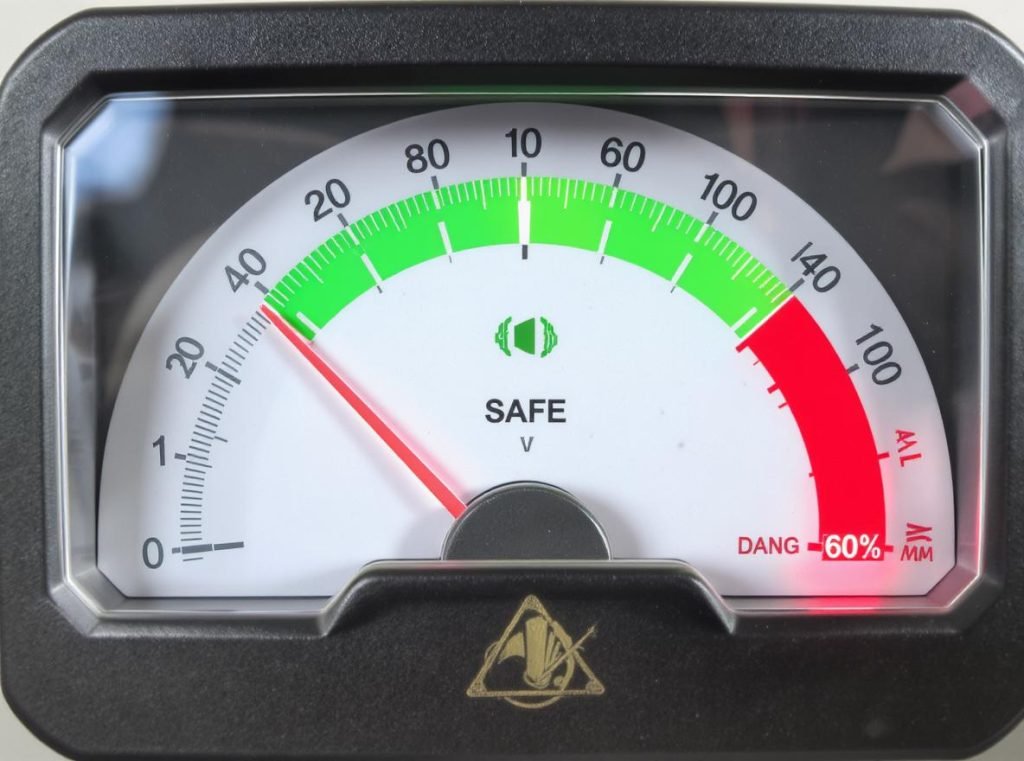
Safe volume levels should not exceed 75-80 dBA for extended listening, typically corresponding to 50-60% of maximum device volume. The WHO recommends limiting exposure to sounds above 75 dBA for children and 85 dBA for adults to prevent hearing damage.
Evidence-based volume guidelines:
Research-Backed Levels: Studies show that noise-cancelling headphones allow users to listen comfortably at 75-85 dBA in noisy environments, compared to 85+ dBA required with regular headphones.
Time-Volume Relationship: Safe listening time decreases exponentially with increased volume. At 85 dBA, you can listen safely for 8 hours, but at 94 dBA, safe exposure drops to just 1 hour.
Device Settings: Use built-in volume monitoring features available on most modern smartphones and audio devices to track actual sound levels and receive warnings when approaching unsafe levels.
Safe volume reference guide:
- 70 dBA or below: Safe for unlimited daily exposure
- 75-80 dBA: Safe for extended listening (8+ hours)
- 85 dBA: Maximum workplace exposure level (8 hours)
- Above 85 dBA: Exponentially reduces safe listening time
Practical Test: If others can hear your headphones from arm’s length away, the volume is too high regardless of the dB level.
Can Children Safely Use Noise-Cancelling Headphones?
Parents need specific guidance about age-appropriate headphone use and safety considerations for young ears.
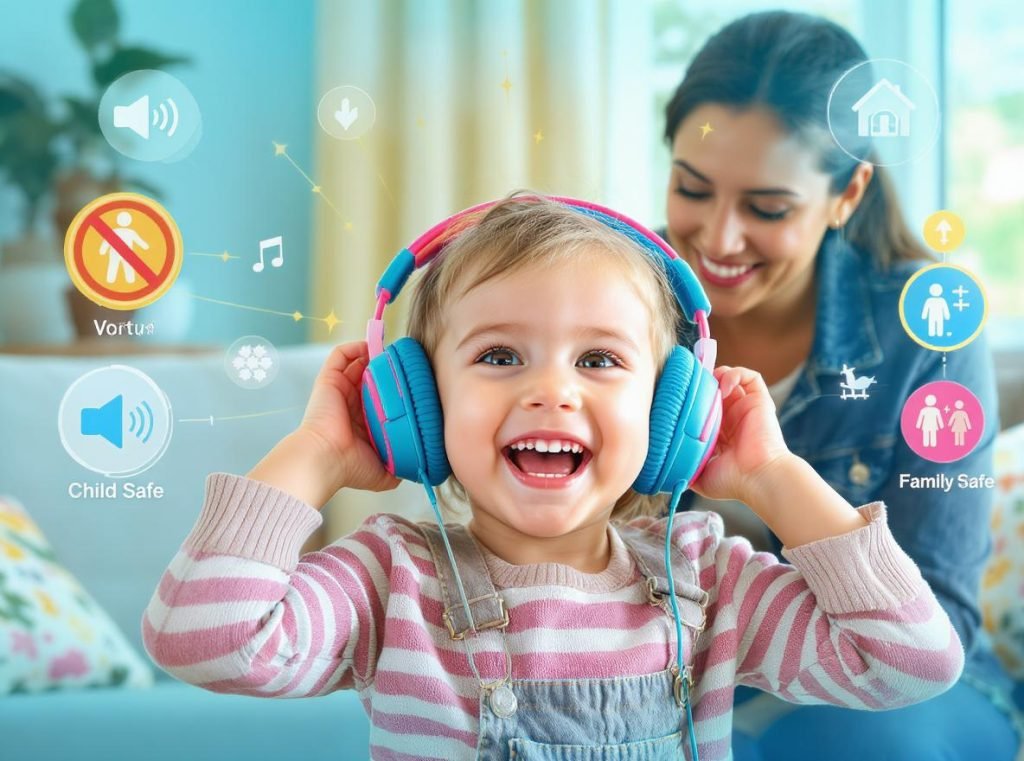
Children can safely use noise-cancelling headphones with proper supervision and stricter volume limitations. However, children’s ears are more sensitive to both volume and pressure changes, requiring extra precautions and age-appropriate models with built-in safety features.
Pediatric-specific considerations:
Lower Volume Thresholds: Children should listen at no more than 75 dBA (versus 85 dBA for adults) according to WHO guidelines. Many pediatric audiologists recommend even lower limits of 70 dBA for extended use.
Specialized Features: Look for volume-limiting capabilities that cap output at 75-85 dBA, proper fit for smaller head sizes, and parental controls for monitoring usage.
Beneficial Applications: Noise-cancelling headphones can be particularly helpful for children with attention difficulties, auditory processing sensitivities, autism spectrum disorders, or those who travel frequently.
Age-appropriate safety guidelines:
| Age Group | Max Volume | Daily Limit | Key Features Needed |
|---|---|---|---|
| 3-6 years | 70 dBA | 1-2 hours | Volume limiting, comfort fit |
| 7-12 years | 75 dBA | 2-4 hours | Parental controls, durability |
| 13+ years | 80 dBA | 4-6 hours | Education on safe practices |
Supervision Requirements: Parents should regularly check volume levels, monitor for signs of hearing issues like frequently asking “what?” or increasing TV volume, and ensure children understand safe listening practices.
How to Choose Safe Noise-Cancelling Headphones?
Selecting the right headphones involves balancing effective ANC performance, safety features, and comfort for your specific needs.
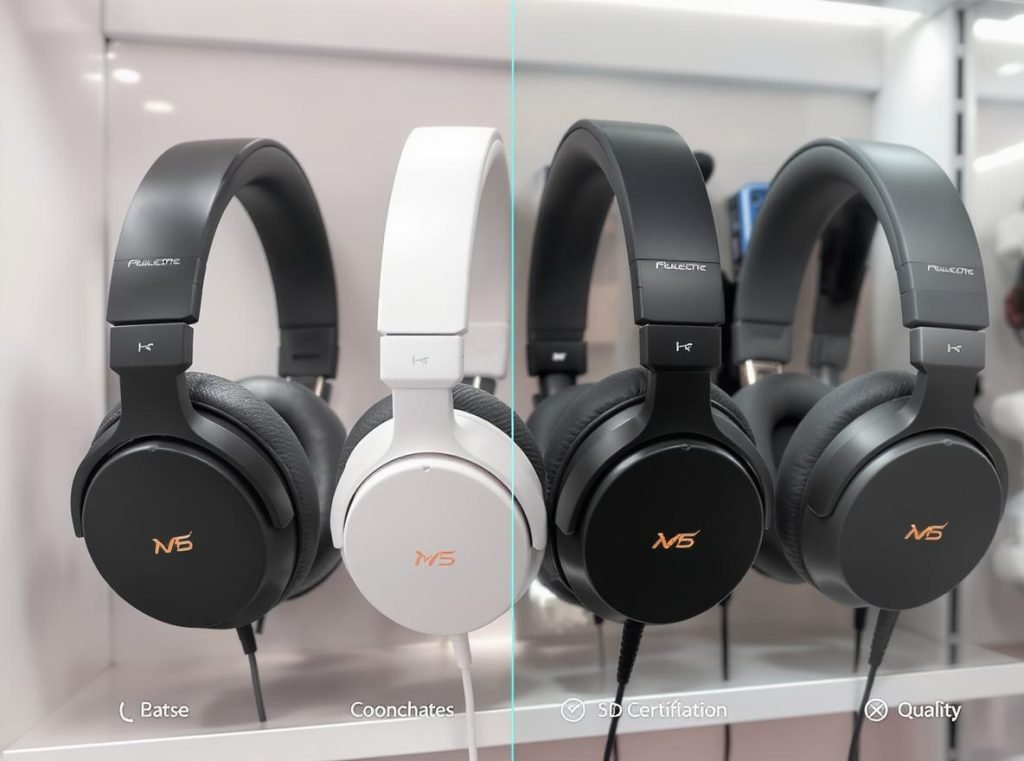
Choose noise-cancelling headphones that offer strong ANC performance, comfortable fit for extended wear, adjustable noise cancellation levels, and built-in safety features like volume limiting. Quality ANC reduces volume requirements, making it the most important safety feature.
Essential safety features to prioritize:
Effective ANC Performance: Better noise cancellation means lower volume requirements. Test headphones in your typical noise environments to ensure they adequately reduce ambient sound.
Adjustable Settings: Look for models with customizable ANC levels and transparency modes that allow environmental awareness when needed for safety.
Comfort and Fit: Proper seal enhances both passive and active noise isolation, preventing the need to increase volume due to sound leakage. Poor fit can negate ANC benefits.
Professional selection criteria:
- ANC Effectiveness: 20+ dB reduction in low-frequency noise
- Comfort Rating: Suitable for 2+ hour wearing sessions
- Battery Life: 20+ hours to avoid unsafe wired listening
- Safety Features: Volume limiting, usage monitoring, quick transparency access
For businesses seeking to provide safe headphones to employees or distribute to customers, Osmarto offers an extensive range of noise-cancelling headphones designed with both performance and safety in mind. Our wholesale options include models with built-in volume limiting, extended comfort features, and professional-grade ANC perfect for office environments and business applications.
Contact our team to discuss bulk pricing and customization options that prioritize hearing health while delivering the audio quality your business demands.
Summary
Noise-cancelling headphones are not only safe but offer hearing protection benefits when used responsibly. The ANC technology itself poses no health risks, and concerns about ear pressure or auditory processing disorders are either temporary adaptation issues or lack scientific support. The primary safety factors remain volume control and listening duration, with ANC actually helping users maintain safer volume levels in noisy environments.
Ready to source safe, high-quality noise-cancelling headphones for your business? Osmarto specializes in wholesale headphone solutions that combine cutting-edge ANC technology with essential safety features. Contact us today to explore our comprehensive product range and discuss how we can meet your specific volume and customization requirements while prioritizing user hearing health.