
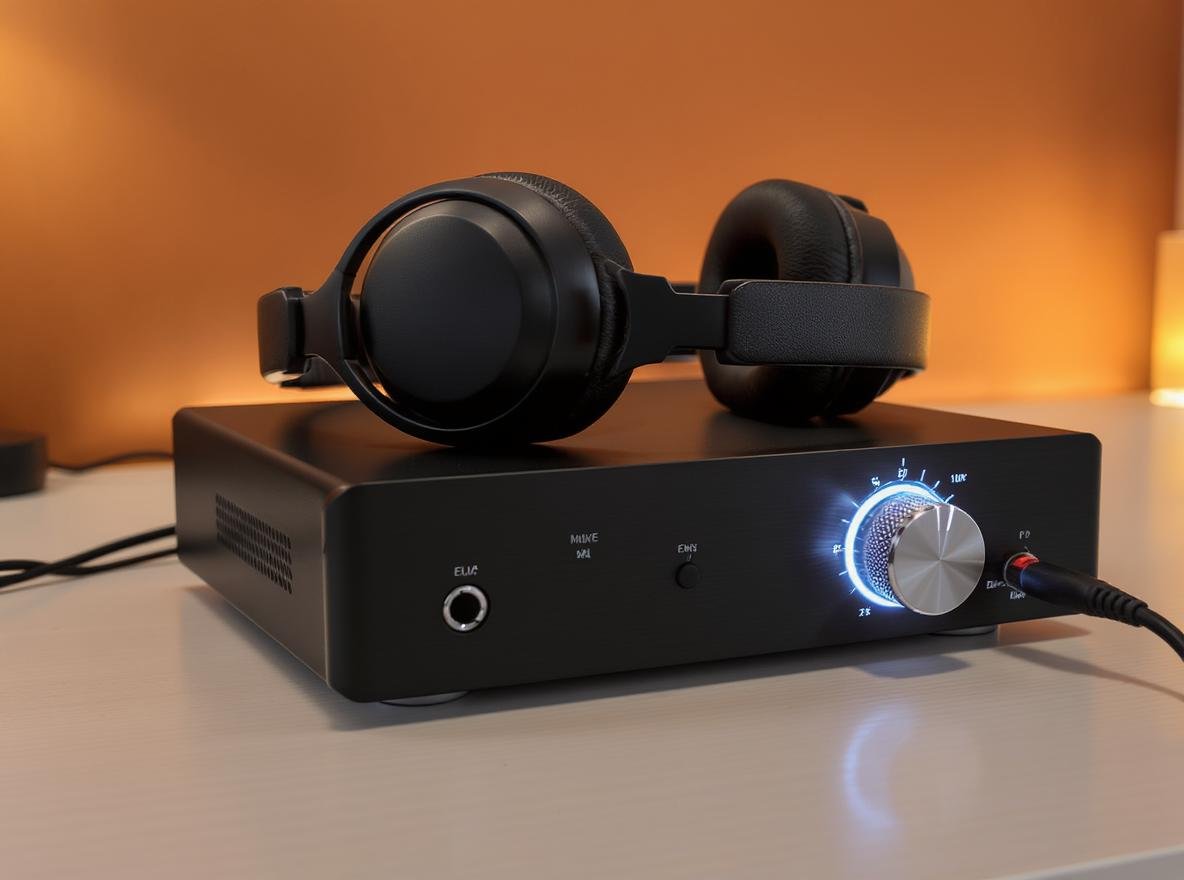
Are you wondering why your expensive headphones don’t sound as amazing as you expected? The culprit might be insufficient amplification. Many audiophiles and even casual listeners struggle with unclear audio, weak bass, and disappointing volume levels despite investing in quality headphones.
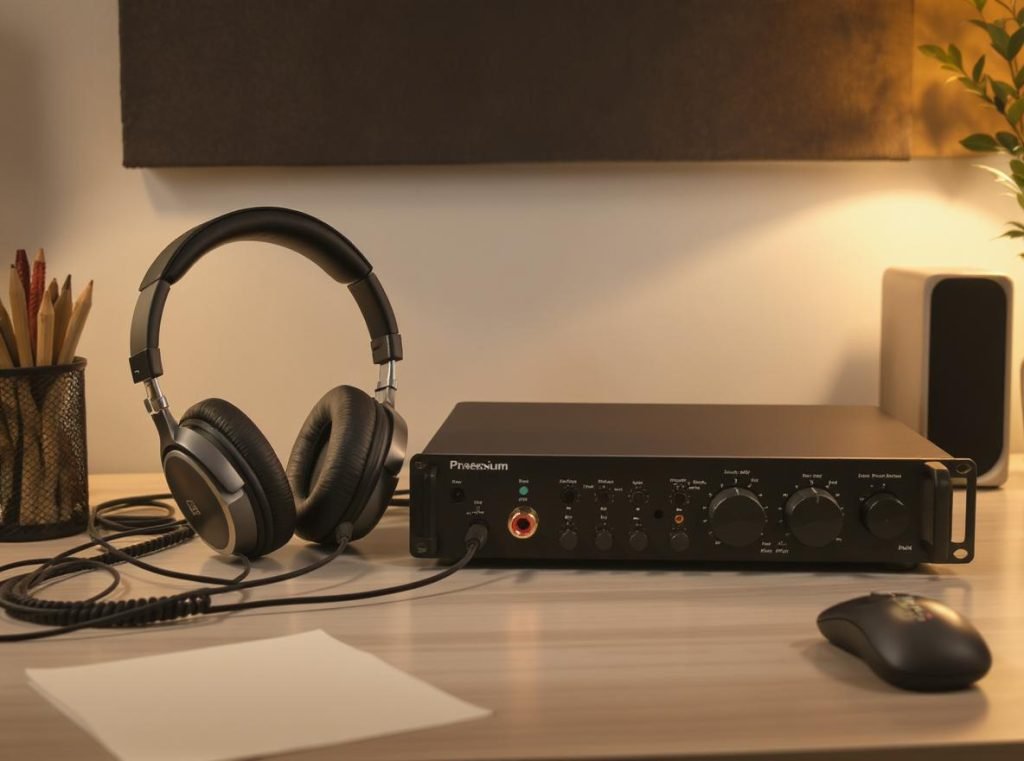
A headphone amplifier is a specialized low-powered audio device designed specifically to drive headphones rather than speakers. While every device with a headphone jack contains some form of amplification, dedicated headphone amplifiers provide performance-first audio circuitry optimized for headphone loads, delivering clean power across all frequencies while maintaining signal integrity.
Let’s dive deeper into understanding when you need a headphone amp and how it can transform your listening experience.
What Exactly Is a Headphone Amplifier?
Understanding the basics helps you make informed decisions about your audio setup and business needs.
A headphone amplifier is a specialized audio device that takes low-voltage signals from sources like smartphones or computers and boosts them to sufficient levels to properly drive headphone drivers, going beyond simple volume boosting to maintain signal integrity and provide proper impedance matching.
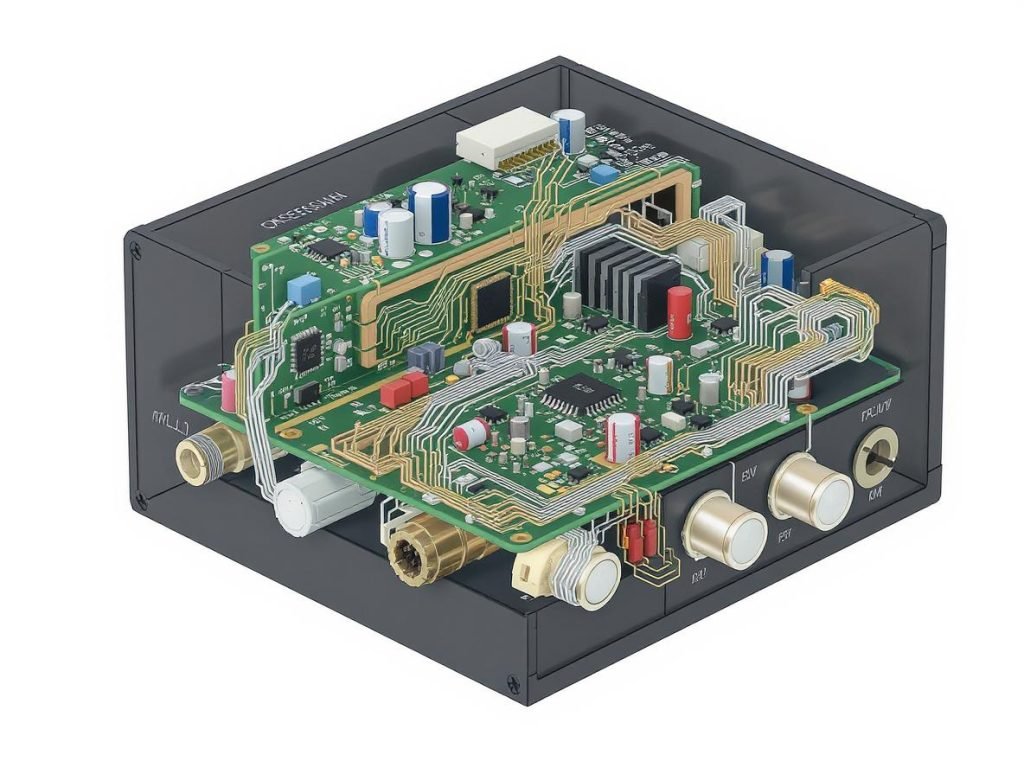
Unlike the basic amplification circuits found in most consumer devices, dedicated headphone amplifiers prioritize audio quality over cost and efficiency. Smartphone amplifiers typically use cheap operational amplifiers designed for battery life rather than sound quality, often resulting in poor performance with demanding headphones.
The fundamental difference lies in design philosophy and component quality. Dedicated amplifiers feature:
- Performance-optimized circuitry designed specifically for headphone impedance loads
- Quality components including premium capacitors, resistors, and semiconductors
- Proper power supply design that maintains clean, stable power delivery
- Impedance matching optimization for various headphone types
Many modern headphone amplifiers also integrate Digital-to-Analog Converters (DACs) that convert digital audio from computers or smartphones into analog signals before amplification. This combination addresses both signal conversion and power delivery in a single device, simplifying your audio chain.
| Device Type | Amplifier Quality | Design Priority | Typical Performance |
|---|---|---|---|
| Smartphone | Basic op-amps | Battery efficiency | Adequate for low-impedance |
| Laptop/Computer | Mid-grade circuits | Cost optimization | Limited headroom |
| Dedicated Amp | Premium components | Audio performance | Optimized for all headphones |
For businesses serving professional and audiophile markets, understanding these distinctions helps position appropriate amplification solutions alongside headphone sales.
How Do Headphone Amplifiers Actually Work?
The technical process behind amplification affects your product recommendations and customer satisfaction.
Headphone amplifiers work by creating a reproduction of the input signal at much higher power levels, using the power supply to increase both voltage and current to levels that can physically move headphone drivers while maintaining the original signal’s integrity.
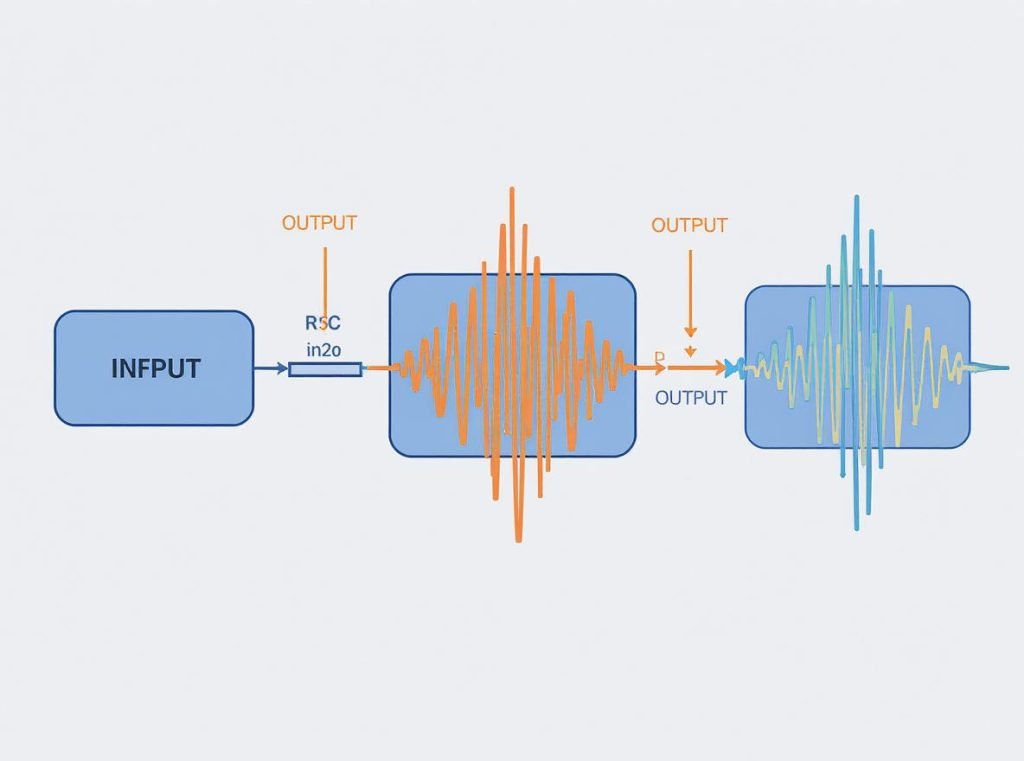
The amplification process doesn’t simply pass the original signal through—think of it like a copy machine that reproduces the original document at a much larger scale. The quality of this reproduction depends entirely on the amplifier’s design, components, and power supply quality.
During operation, the amplifier receives a weak electrical signal from your source device, typically carrying voltages measured in millivolts. The input stage conditions this signal, removing noise and preparing it for amplification. The gain stage then multiplies the signal’s strength using transistors, operational amplifiers, or vacuum tubes.
Key amplification stages include:
- Input stage conditioning and noise removal
- Voltage gain multiplication for adequate signal strength
- Current delivery for proper driver control
- Output stage impedance matching and power delivery
The amplifier’s output stage must be carefully designed to match headphone characteristics, which differ significantly from speakers. While speakers typically present 4-16 ohm loads, headphones range from 16 to 600 ohms or higher, requiring different voltage and current delivery approaches.
Modern amplifiers often employ sophisticated feedback circuits and protection systems to ensure stable operation and prevent damage to connected headphones. Quality control in this area directly impacts both performance and safety for end users.
What’s the Difference Between Impedance and Sensitivity?
These specifications determine whether your customers need dedicated amplification equipment.
Impedance measures electrical resistance in ohms, while sensitivity measures how efficiently headphones convert power into sound. High-impedance headphones (100Ω+) require more voltage but less current, while low-impedance models need less voltage but more current. Sensitivity ratings above 100 dB/mW indicate efficient headphones that require less power.
Understanding impedance dispels common misconceptions. High impedance doesn’t automatically mean “hard to drive”—high-impedance headphones actually draw less current from amplifiers than low-impedance models at the same voltage level. The confusion arises because portable devices struggle to provide sufficient voltage for high-impedance headphones due to battery limitations.
Impedance categories and requirements:
High Impedance (100Ω and above)
- Require more voltage to reach adequate volume
- Draw less current, reducing battery drain
- Often found in professional studio environments
- Examples: Sennheiser HD600 (300Ω), Beyerdynamic DT990 Pro (250Ω)
Medium Impedance (32-100Ω)
- Balanced requirements for voltage and current
- Work with powerful consumer devices but benefit from amplification
- Popular among enthusiasts and prosumers
- Represent sweet spot for many applications
Low Impedance (16-32Ω)
- Designed for portable devices and consumer electronics
- Require less voltage but more current delivery
- Common in wireless and gaming headphones
- Usually don’t require additional amplification
Sensitivity measurements reveal how loud headphones become at specific power levels. A headphone rated at 110 dB/mW will be significantly louder than one rated at 85 dB/mW when receiving the same power input.
| Headphone Example | Impedance | Sensitivity | Amplifier Need | Recommended Setup |
|---|---|---|---|---|
| Sony WH-1000XM4 | 16Ω | 105 dB/mW | Not required | Built-in amplification |
| Audio-Technica ATH-M50x | 38Ω | 99 dB/mW | Optional | Portable amp beneficial |
| Sennheiser HD600 | 300Ω | 97 dB/mW | Essential | Desktop amplifier |
| Beyerdynamic DT990 Pro | 250Ω | 96 dB/mW | Highly recommended | Quality headphone amp |
Do I Actually Need a Headphone Amplifier?
The answer depends on your specific headphones, source devices, and listening expectations.
You likely need an amplifier if your headphones have impedance above 100 ohms, you cannot achieve comfortable listening volumes even at maximum device volume, or you’re using high-end audiophile headphones costing more than $200. Simple testing involves checking if you can reach comfortable levels without maxing out your device volume.
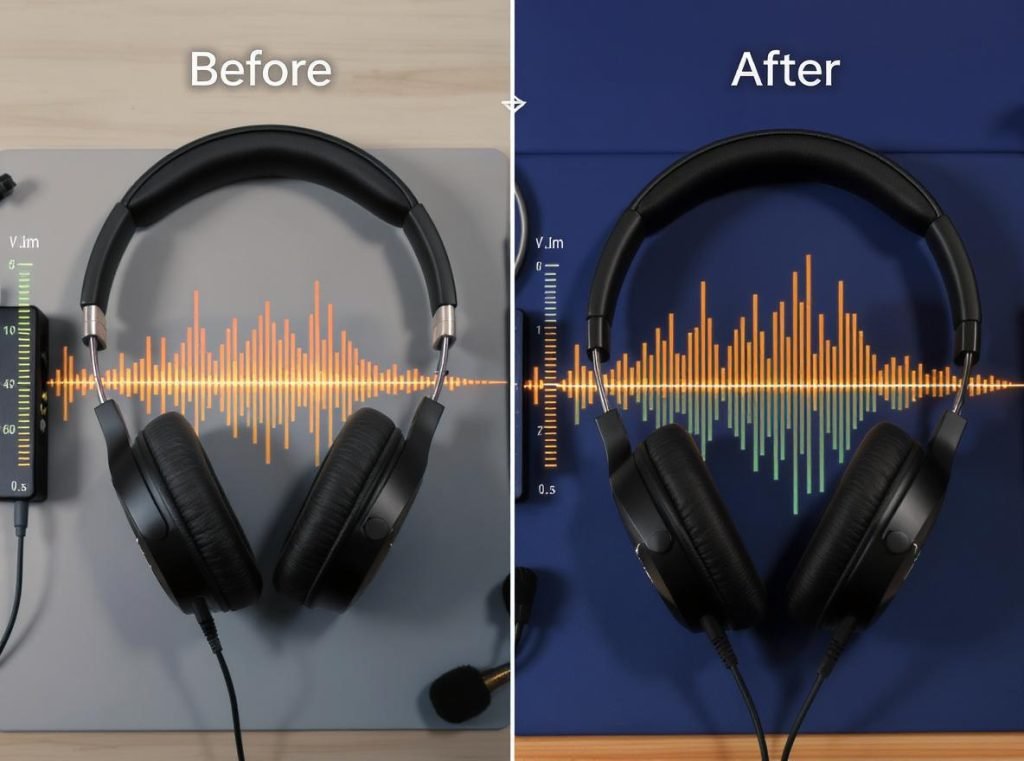
Several clear indicators suggest amplifier necessity:
You definitely need an amplifier if you experience:
- Insufficient maximum volume levels even at 100% device volume
- Audio quality degradation during dynamic passages
- Weak or missing bass response that sounds thin
- Compressed dynamics where loud and soft passages lose contrast
- Crackling or distorted sound at higher listening levels
- Overall “flat” or lifeless sound lacking emotional impact
Your headphones probably need amplification if they have:
- Impedance ratings above 100 ohms
- Sensitivity below 95 dB/mW
- Professional or audiophile market positioning
- Planar magnetic or electrostatic driver technology
- Open-back designs intended for critical listening
You might not need an amplifier if:
- Your headphones sound excellent with your current setup
- You can achieve comfortable volumes with headroom remaining
- Impedance is below 32 ohms with good sensitivity ratings
- You primarily use wireless or active noise-canceling headphones
- Your listening habits don’t demand maximum performance
A simple test determines basic amplifier need: plug your headphones into your intended source and check if comfortable listening levels are achievable without maxing out the volume control. If you have adequate volume with headroom remaining, power isn’t the limiting factor, though you might still benefit from improved sound quality through better amplification.
For businesses serving professional markets, understanding these requirements helps prevent customer dissatisfaction and returns while positioning appropriate solutions for different user needs.
What Happens When You Use Underpowered Headphones?
Poor amplification significantly impacts audio quality and customer satisfaction.
Underpowered headphones exhibit insufficient volume, compressed dynamics, weak bass response, and detail loss. During demanding passages, you may hear crackling or distorted sound, particularly in bass frequencies, while the overall presentation becomes thin and lifeless, failing to convey the music’s emotional impact.
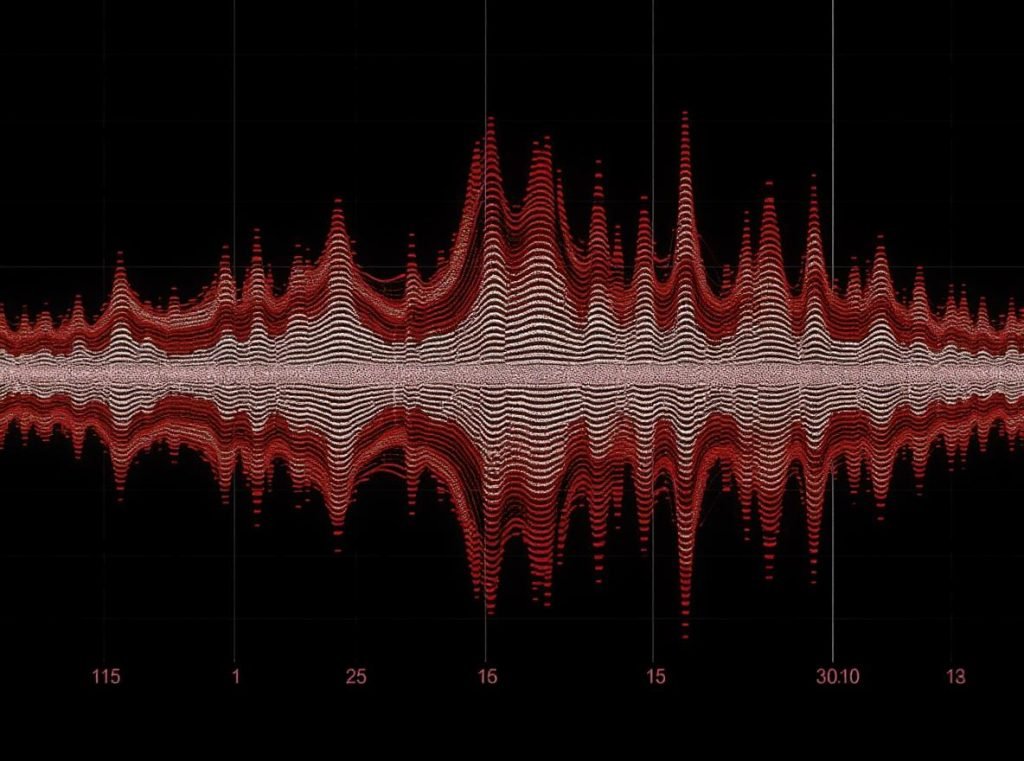
When headphones don’t receive adequate power, multiple problems compound to create unsatisfactory listening experiences. Volume-related issues represent the most obvious symptom—finding yourself constantly maxing out device volume while still wanting more loudness indicates insufficient amplification.
Audio quality degradation becomes apparent during dynamic musical passages. Instead of crisp transients and impactful bass, underpowered setups produce flattened, compressed sound that lacks contrast between quiet and soft sections. The music loses its emotional impact and fails to engage listeners.
Specific symptoms of inadequate amplification:
- Maximum volume insufficient for comfortable listening
- Bass frequencies sound weak, boomy, or completely missing
- High frequencies appear harsh or thin during loud passages
- Detail retrieval diminishes, masking instrumental separation
- Spatial information and soundstage collapse
- Listening fatigue develops quickly during extended sessions
Frequency response issues manifest differently across the spectrum. Bass reproduction suffers most significantly since low frequencies require more power to reproduce accurately. Without adequate current delivery, bass becomes weak and undefined, robbing music of its foundation.
High frequencies may sound harsh or thin because the amplifier struggles to provide clean power during demanding passages. The result is a bright, fatiguing sound that lacks the smoothness and refinement that quality headphones can deliver when properly powered.
These symptoms occur because inadequate amplifiers cannot provide sufficient voltage, current, or both to properly control headphone drivers. The listening experience fails to showcase what your headphones are truly capable of producing, leading to customer dissatisfaction and potential returns.
How to Choose the Right Headphone Amplifier?
Selecting appropriate amplification depends on headphone characteristics, intended applications, and quality requirements.
Choose amplifiers based on power matching calculations using your headphones’ impedance and sensitivity specifications, ensuring adequate power output with 2-3x headroom while considering essential features like multiple inputs, gain settings, protection circuits, and build quality that match your specific needs.
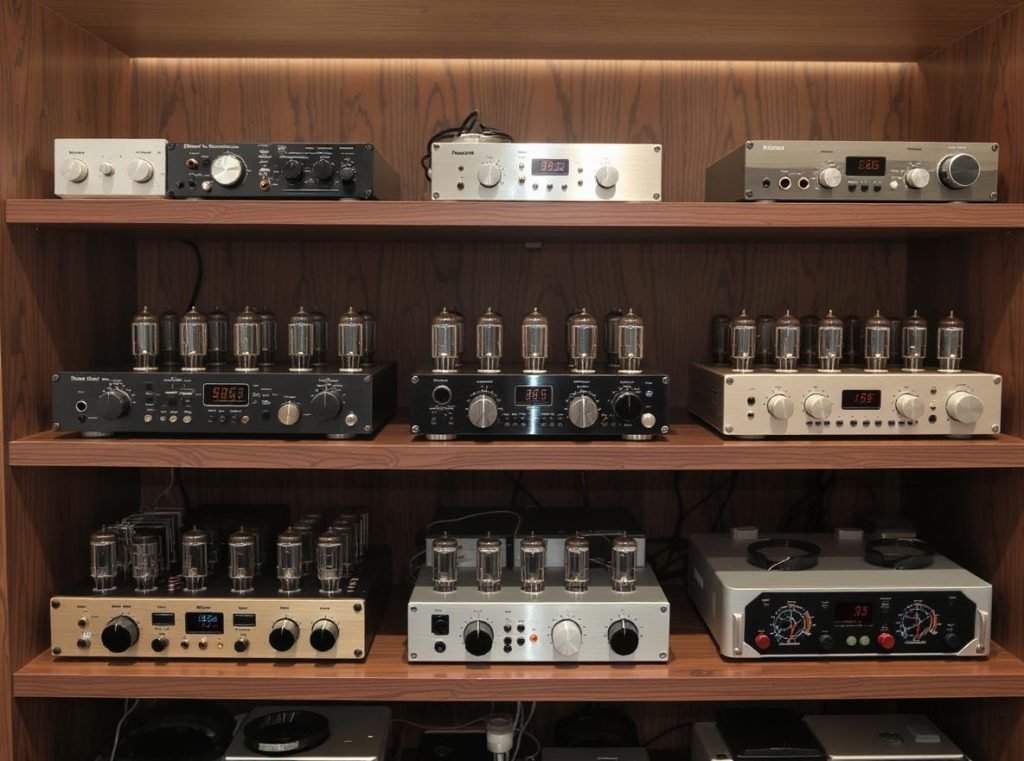
Power matching represents the most critical selection criterion. Calculate required wattage using online calculators that factor impedance and sensitivity specifications, then choose amplifiers providing 2-3 times the calculated requirement for proper headroom. This ensures clean power delivery during dynamic peaks without distortion.
Essential selection criteria include:
Power Requirements and Matching
- Calculate needed wattage for desired listening levels
- Verify low distortion ratings at required power outputs
- Ensure adequate current delivery for low-impedance headphones
- Confirm sufficient voltage swing for high-impedance models
Input and Output Options
- USB inputs for computer connection with integrated DAC functionality
- Analog RCA inputs for external DAC or source components
- Balanced XLR inputs for professional studio applications
- Multiple input switching for source flexibility
Gain Control and Matching
- High gain settings for high-impedance, low-sensitivity headphones
- Low gain options for sensitive headphones to prevent noise floor issues
- Variable gain controls for fine-tuning optimization
- Proper gain prevents both inadequate drive and excessive background noise
| Amplifier Category | Power Range | Best Applications | Typical Price | Key Features |
|---|---|---|---|---|
| Portable Solid-State | 50mW-500mW | Mobile listening | $50-$400 | Battery operation, compact size |
| Desktop Solid-State | 100mW-2W+ | Daily use, accuracy | $100-$800 | Multiple inputs, clean sound |
| Tube Amplifiers | 100mW-1W+ | Musical enjoyment | $200-$2000+ | Warm tonality, vintage aesthetics |
| Professional Units | 500mW-5W+ | Studio monitoring | $150-$1500 | Balanced I/O, reliability focus |
Build quality directly affects both performance longevity and user satisfaction. Look for solid construction, quality internal components, and proper thermal management. For commercial applications serving professional users, reliability and consistent performance matter more than exotic features or unusual specifications.
Protection features have become crucial following several high-profile amplifier failures that damaged expensive headphones. Quality amplifiers include DC offset protection, current limiting, and ESD protection to safeguard connected equipment and maintain customer confidence.
Can Cheap Amplifiers Damage Your Headphones?
Quality control in amplification equipment affects both performance and safety considerations.
Poor-quality amplifiers can damage headphones through DC offset leakage, clipping distortion, or excessive power output. Budget units often eliminate protection circuits to reduce costs, leaving headphones vulnerable to catastrophic failure. Several high-profile cases have involved budget amplifiers destroying expensive headphones connected to them.
Cheap amplifiers pose several specific risks to connected headphones. DC offset occurs when amplifiers output constant voltage alongside audio signals, potentially burning out voice coils and permanently damaging drivers over extended periods. Quality amplifiers include coupling capacitors or servo circuits to eliminate DC output completely.
Clipping distortion happens when amplifiers exceed their clean output limits. While occasional light clipping rarely causes immediate damage, severe or sustained clipping generates high-frequency harmonics that can destroy tweeters in multi-driver headphones or overheat voice coils in dynamic drivers.
Common failure modes in budget amplifiers:
- DC current leakage burning out voice coils
- Power surge damage from failing internal components
- Overpower situations exceeding headphone thermal limits
- Ground loop issues causing electrical noise and potential damage
- Component failures creating dangerous output conditions
Design shortcuts eliminating critical protection:
- Missing DC blocking capacitors allowing DC leakage
- Absent current limiting circuits preventing overpower damage
- Eliminated soft-start circuits causing power-on transients
- Poor quality control resulting in defective units reaching consumers
- Inadequate thermal protection allowing overheating damage
Protection strategies for businesses and consumers include purchasing from reputable manufacturers with established customer service records, looking for units with explicit protection features listed in specifications, and considering the relative value relationship between headphone and amplifier costs.
Quality manufacturers design amplifiers with appropriate safety margins and comprehensive protection circuits. While premium pricing doesn’t guarantee quality, extremely cheap amplifiers often achieve low costs by eliminating critical safety features that protect expensive headphones.
Signs of potentially dangerous amplifier operation:
- Popping or clicking sounds during power on/off cycles
- Excessive heat generation during normal operation
- Distortion appearing at low volume levels
- Channel imbalances or intermittent dropouts
- Any visible or audible signs of component stress
What About Wireless Headphones and Amplifiers?
Modern wireless technology changes traditional amplification requirements and market dynamics.
Wireless headphones contain built-in DAC and amplifier circuits powered by internal batteries, eliminating external amplification needs. When using Bluetooth or other wireless protocols, the headphones receive digital signals and process them through internal components, making external amplifiers ineffective for improving wireless audio quality.
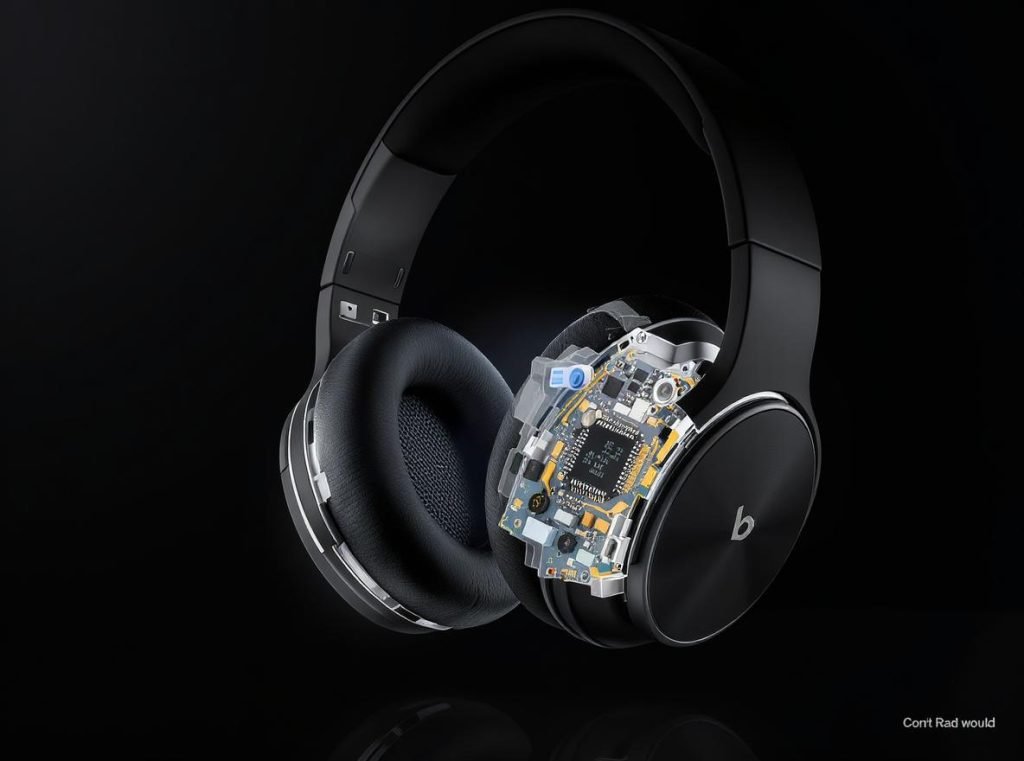
Active wireless headphones represent fundamentally different systems compared to traditional wired headphones. They incorporate complete audio processing chains within the headphone housing, including digital signal reception, DAC conversion, amplification, and often additional processing like noise cancellation and equalization.
The built-in amplification in wireless headphones is specifically tuned and optimized for the included drivers, potentially offering better performance than external amplifiers could provide. However, this integration also limits upgrade flexibility and introduces battery life considerations that affect both convenience and sound quality.
Wireless headphone considerations for businesses:
- Built-in amplification eliminates external amplifier market opportunities
- Battery technology affects both performance and product lifespan
- Codec support (LDAC, aptX HD, LHDC) determines audio quality limits
- Processing latency may affect video synchronization applications
- Repair and upgrade limitations compared to modular wired systems
Market implications for audio retailers:
- Wireless segment continues rapid growth in consumer markets
- Traditional amplifier market remains stable in enthusiast segments
- Hybrid products offering both wireless and wired connectivity gain popularity
- Professional markets maintain strong preference for wired solutions
- Price competition intensifies across all wireless product categories
Exceptions and special cases:
- Hybrid wireless headphones offering wired mode with amplification disabled
- Wireless amplifier solutions combining receivers with headphone amplification
- Professional wireless systems designed for critical monitoring applications
- Gaming applications requiring both wireless convenience and low latency
Understanding both traditional wired and modern wireless amplification requirements helps businesses serve diverse customer needs while positioning appropriate products for different market segments and applications.
For wholesale partners interested in comprehensive headphone solutions covering both wired and wireless technologies, Osmarto provides complete product lines designed for various market segments and amplification requirements.
Summary
Headphone amplifiers boost weak audio signals to properly drive headphones, with necessity determined by impedance above 100 ohms and sensitivity below 95 dB/mW. Quality amplification prevents volume limitations, bass response issues, and detail loss while protecting expensive headphones from damage through proper circuit design and protection features.
Whether you’re sourcing headphones for retail customers or developing comprehensive audio solutions, understanding amplification requirements ensures customer satisfaction and optimal product positioning. For wholesale inquiries about professional headphones, wireless solutions, and compatible amplification products, contact Osmarto to discuss your specific market requirements and volume pricing options.