Skip to content
Are you confused about whether Dolby Atmos headphones are just marketing hype or actually deliver better audio experiences? With countless audio technologies flooding the market, it’s challenging to determine which features truly add value for your customers. This confusion can lead to poor purchasing decisions that disappoint end users and hurt your brand reputation.
Dolby Atmos for headphones is a spatial audio technology that transforms traditional stereo sound into immersive 3D listening experiences using sophisticated binaural processing algorithms. It treats sounds as individual “objects” that can be positioned anywhere in 3D space around the listener. Yes, it’s worth it for gaming enthusiasts and movie lovers, offering significant competitive advantages and cinematic immersion that justifies the $15 software investment.
Let’s explore everything you need to know about this technology to make informed sourcing decisions for your headphone business.
How Does Dolby Atmos Actually Work in Headphones?
Understanding the technical foundation helps you explain the value proposition to customers and differentiate genuine benefits from marketing claims.
Dolby Atmos for headphones uses Head-Related Transfer Function (HRTF) processing and binaural audio rendering to convert multichannel Dolby Atmos content into specialized stereo signals. The technology processes object-based audio metadata and applies spatial cues that trick your brain into perceiving sounds as originating from specific 3D locations, including overhead and behind the listener.
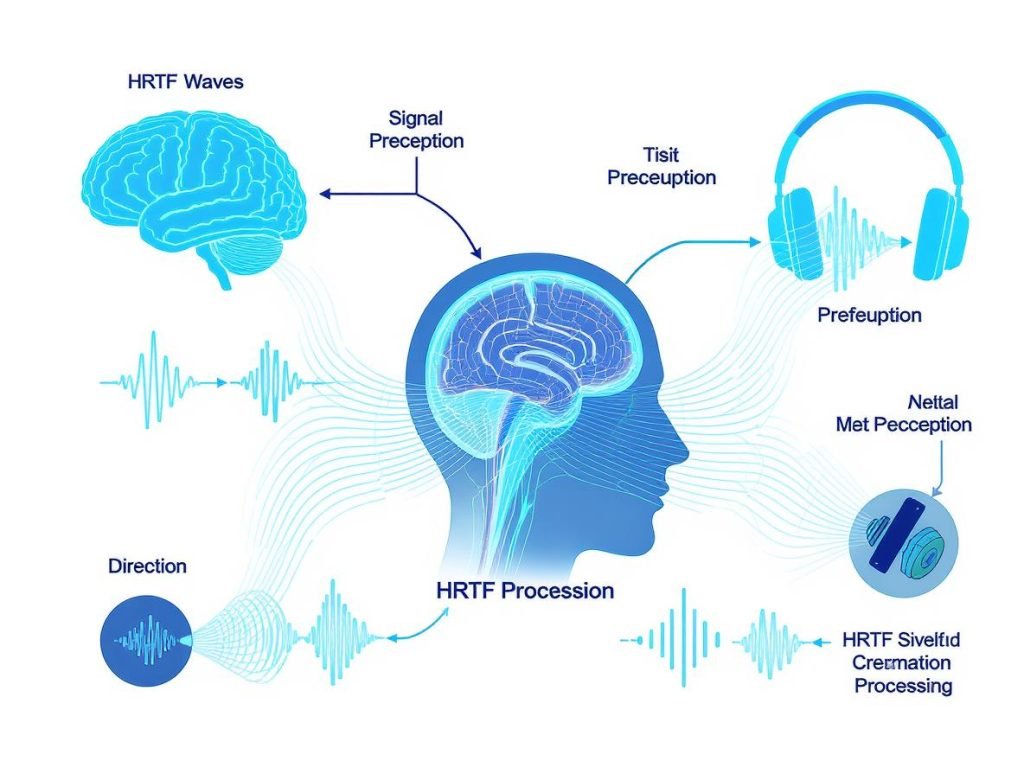
The core innovation lies in object-based audio mixing rather than traditional channel-based systems. Sound engineers can position audio elements anywhere in a virtual three-dimensional environment, and the Dolby Atmos renderer adapts this spatial information for headphone playback.
Binaural Processing Technology
The system analyzes how sounds would naturally reach each ear from different directions and applies these characteristics to create convincing spatial illusions. This sophisticated processing works with any standard two-channel headphones without requiring additional drivers.
Real-Time Adaptation
Premium implementations include head tracking technology that adjusts audio positioning as users move their heads, maintaining consistent spatial relationships. This feature is particularly valuable for gaming and professional applications.
| Processing Method | Traditional Stereo | Dolby Atmos |
|---|---|---|
| Audio Channels | 2 (Left/Right) | Up to 128 audio objects |
| Spatial Dimension | Horizontal plane only | Full 3D sphere |
| Height Information | None | Overhead positioning |
| Processing Method | Basic mixing | Advanced HRTF algorithms |
| Content Adaptation | Fixed positioning | Dynamic object placement |
What Are the Proven Benefits for Different Customer Segments?
Real-world applications demonstrate where Dolby Atmos delivers measurable value versus areas where benefits remain limited.
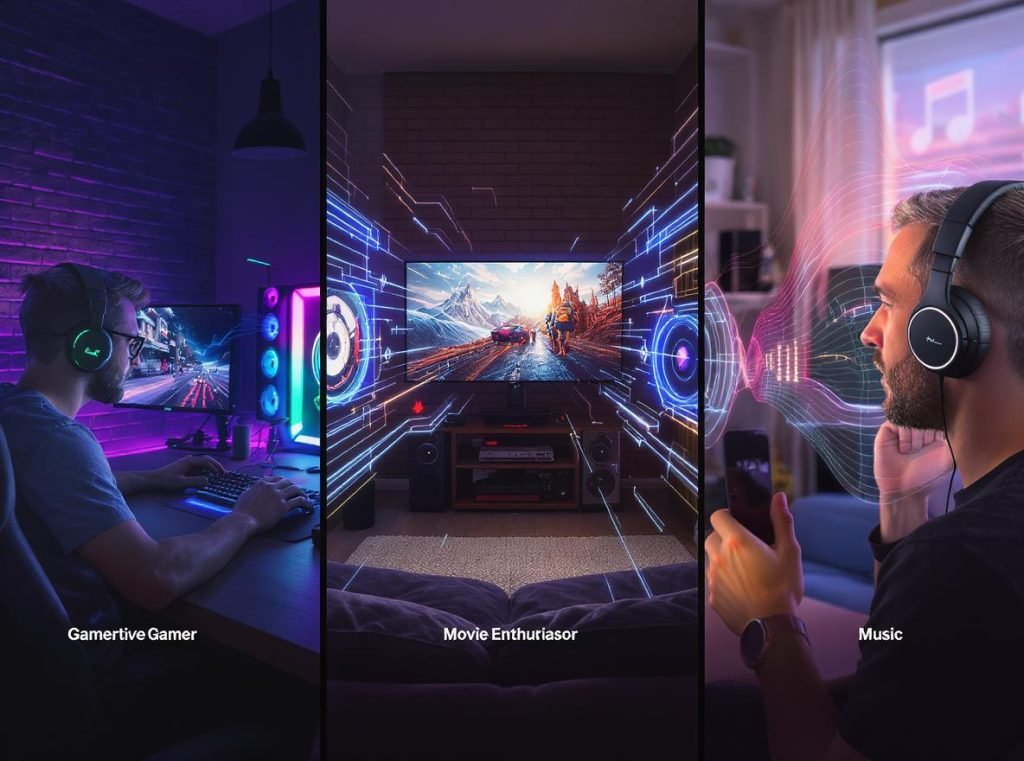
Gaming applications show the strongest benefits with enhanced spatial awareness for competitive advantages. Movie enthusiasts experience theater-quality immersion through extensive streaming content libraries. Music benefits remain limited to specific platforms offering Dolby Atmos tracks, making this the most content-dependent use case.
Competitive Gaming Advantages
Research shows gamers gain significant tactical benefits from precise directional audio cues. Players can locate enemies more accurately in first-person shooters, detect subtle environmental sounds in stealth games, and react faster to threats from any direction, including overhead attacks.
Cinematic Entertainment Value
Major streaming platforms including Netflix, Disney+, Apple TV+, Amazon Prime Video, and HBO Max offer extensive Dolby Atmos content libraries. Movies and TV shows mixed for the format create genuine theater-like experiences with dynamic sound movement and atmospheric depth.
Music Listening Limitations
Spatial audio music requires specific platform support and specially mixed content. Apple Music, Tidal, and Amazon Music offer growing Dolby Atmos catalogs, but Spotify—the world’s largest streaming service—currently lacks support.
- Professional content creation: Audio engineers benefit from spatial monitoring capabilities
- Educational applications: Training programs see improved engagement with immersive audio
- Accessibility improvements: Some hearing-impaired users find spatial cues easier to distinguish
- Future content growth: Expanding libraries increase long-term investment value
Which Devices and Platforms Support Dolby Atmos?
Platform compatibility affects customer satisfaction and determines which markets offer the best opportunities for Dolby Atmos-enabled products.
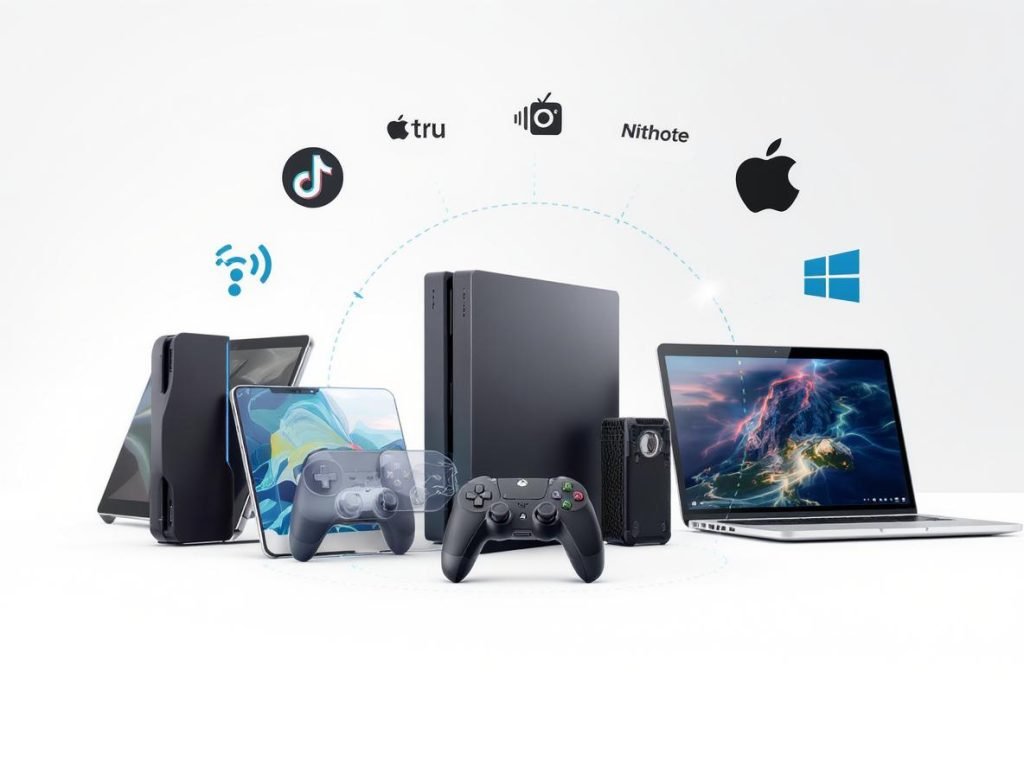
Windows 10/11 (version 1703+) provides native platform support, Xbox consoles include built-in functionality, and most modern smartphones support the technology through apps and streaming services. Apple devices automatically enable Spatial Audio with compatible headphones, while Android implementation varies by manufacturer.
PC and Console Gaming
Windows computers support Dolby Atmos through the Dolby Access app requiring a $15 license purchase. Xbox One and Xbox Series X/S consoles offer native support without additional costs. PlayStation 5 uses Sony’s proprietary Tempest 3D AudioTech instead of Dolby Atmos.
Mobile Device Implementation
iPhone XS/XR and later models (iOS 13+) support the technology, along with Samsung Galaxy S9+ devices and various Android phones from OnePlus, Huawei, and Xiaomi. Implementation quality varies between binaural headphone processing and speaker-based virtual surround.
Streaming Service Availability
Content availability drives real-world value. Netflix leads with extensive movie libraries, while Apple Music offers the largest spatial audio music catalog. Disney+ provides family-friendly content, and Amazon Prime Video continues expanding their Dolby Atmos offerings.
| Platform Category | Support Level | Implementation Notes |
|---|---|---|
| Windows PC | Full native support | $15 Dolby Access license required |
| Xbox Consoles | Built-in functionality | No additional purchase needed |
| PlayStation | Alternative technology | Sony Tempest 3D instead |
| Apple Devices | Automatic activation | Works with compatible headphones |
| Android Phones | Manufacturer dependent | Quality varies by brand |
| Streaming Services | Growing libraries | Platform-specific availability |
Do You Need Special Hardware for Dolby Atmos?
This fundamental question affects inventory decisions and customer education requirements for retailers.
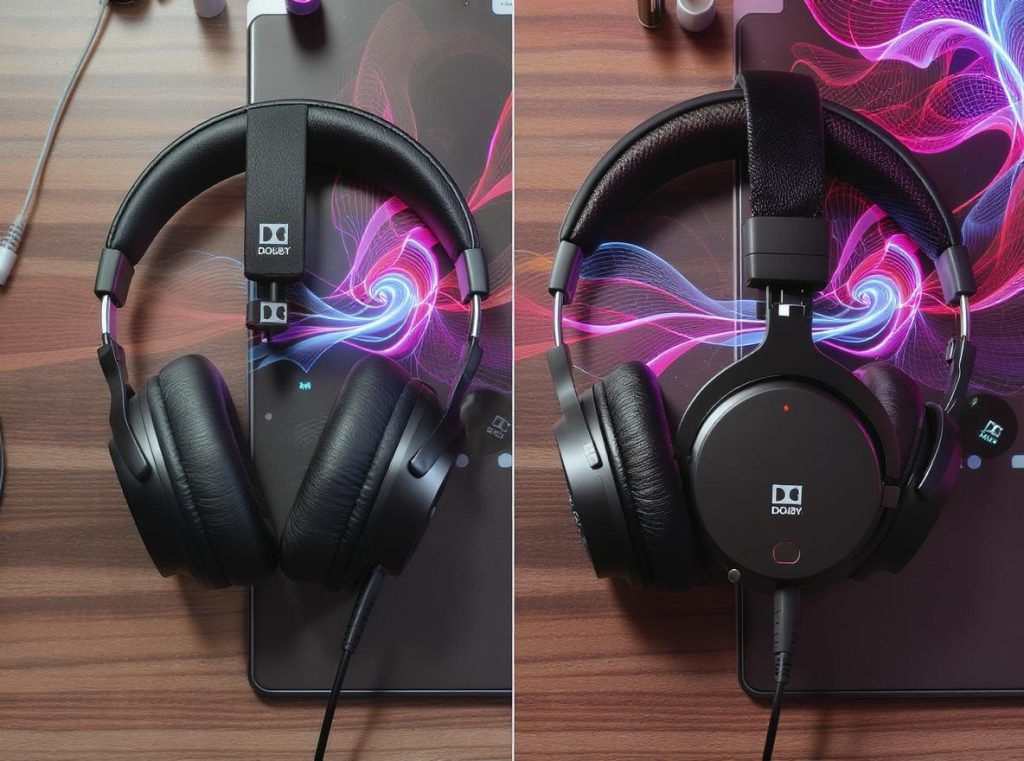
No special hardware is required—any decent stereo headphones can deliver Dolby Atmos experiences through software processing. However, headphones specifically tuned for spatial audio offer enhanced frequency response, improved soundstage characteristics, and sometimes include head tracking features that optimize the immersive experience.
Software-Based Processing
The $15 Dolby Access software handles all spatial processing computationally rather than through additional physical drivers. This approach makes the technology accessible across existing headphone inventories without requiring specialized hardware investments.
Optimized Hardware Benefits
While not mandatory, certain headphone characteristics enhance Dolby Atmos effectiveness:
- Open-back designs typically provide better soundstage and spatial imaging
- Balanced frequency response ensures accurate reproduction across all audio ranges
- Low distortion drivers maintain clarity during complex processing operations
- Comfortable ergonomics support extended listening sessions
Marketing vs. Reality
Some manufacturers promote “Dolby Atmos certified” headphones, but this often indicates tuning optimization rather than hardware requirements. Focus on fundamental audio quality when evaluating products for your inventory.
Popular models optimized for Dolby Atmos include Sony WH-1000XM5, Apple AirPods Max, Bose QuietComfort series, Corsair HS80, and Razer BlackShark V2 Pro—representing various price points and target markets.
What Are the Real Costs and Profit Implications?
Understanding both consumer costs and business implications helps determine pricing strategies and market positioning.
End users pay $15 for Dolby Access software on Windows/Xbox platforms, while mobile devices often include support without additional charges. For businesses, the software-based approach means minimal hardware modifications to existing production lines while enabling premium positioning and higher profit margins on enhanced models.

Consumer Investment Analysis
The one-time $15 software purchase provides access to Dolby Atmos processing for any headphones used with compatible devices. This low entry cost compared to hardware upgrades makes the technology accessible to broader customer segments.
Hardware Cost Structure
Dolby Atmos-optimized headphones span multiple price tiers:
- Budget tier ($100-200): Logitech G435, RIG 600 Pro HX
- Mid-range ($200-350): Corsair HS80, Razer BlackShark V2 Pro
- Premium ($350-550): Sony WH-1000XM5, Apple AirPods Max, Bose QuietComfort Ultra
Business Licensing Considerations
Manufacturers seeking official Dolby certification should contact Dolby directly for volume licensing terms. The software-based implementation reduces production complexity while adding recognized brand value for marketing purposes.
| Cost Category | Investment Level | Business Impact |
|---|---|---|
| Software License | $15 per consumer | Low barrier to adoption |
| Hardware Optimization | Varies by tier | Premium positioning opportunity |
| Manufacturing Changes | Minimal required | Existing lines remain viable |
| Marketing Value | High recognition | Justifies higher price points |
Is Dolby Atmos Worth It for Your Target Markets?
Different customer segments show varying levels of benefit, affecting which markets offer the best opportunities for Dolby Atmos-enabled products.
Gaming enthusiasts and movie lovers represent the strongest markets with clear, measurable benefits justifying premium pricing. Music listeners show moderate interest limited by content availability, while casual users may not perceive enough difference to drive purchasing decisions. Professional audio applications offer excellent value for content creators and media production.
Gaming Market Analysis
Competitive gamers consistently report significant advantages from spatial audio accuracy. Popular titles like Call of Duty, Division 2, and horror games showcase the technology effectively, creating strong word-of-mouth marketing among gaming communities.
Entertainment Consumer Segment
Home theater enthusiasts appreciate cinema-quality experiences, particularly with growing streaming content libraries. The technology appeals to customers seeking premium audio experiences without complex surround sound installations.
Professional Applications
Content creators, streamers, and audio professionals benefit from enhanced monitoring capabilities and creative possibilities. This segment often justifies higher price points and shows strong brand loyalty.
Limitations by Segment
Casual music listeners may not notice significant improvements, especially when using services without Dolby Atmos support. Content dependency limits universal appeal, making customer education crucial for satisfaction.
- High-value segments: Competitive gamers, movie enthusiasts, content creators
- Moderate interest: Spatial audio music listeners, professional users
- Limited appeal: Casual listeners, price-sensitive consumers
- Growth potential: Educational institutions, corporate training applications
What Are the Current Technology Limitations?
Honest assessment of limitations helps set appropriate customer expectations and reduces support issues.
Primary limitations include content dependency for full benefits, platform fragmentation creating inconsistent experiences, and individual variation in spatial perception effectiveness. Processing overhead can affect battery life on mobile devices, and some users experience listening fatigue during extended sessions with heavily processed audio.

Content Availability Challenges
Dolby Atmos benefits only appear with compatible content. While movie and TV libraries continue expanding, music availability remains limited to specific streaming platforms. Spotify’s absence significantly affects music-focused customers.
Platform Implementation Differences
Apple’s Spatial Audio renderer sounds different from standard Dolby Atmos implementations, creating inconsistent experiences across devices. Windows processing affects all audio when enabled, potentially degrading standard stereo content quality.
Individual Perception Variation
Binaural processing effectiveness varies among individuals due to ear shape differences and hearing characteristics. Some users perceive dramatic improvements while others notice minimal changes, making demonstrations valuable for sales.
Technical Processing Issues
Real-time audio processing requires computational power, potentially affecting mobile device battery life and introducing slight latency in some implementations. Professional users may notice these artifacts during critical listening applications.
- Content limitations: Platform-specific availability affects utility
- Processing artifacts: Some listeners detect digital processing effects
- Battery impact: Mobile devices show increased power consumption
- Learning curve: Users need time to appreciate spatial audio benefits
How to Select Dolby Atmos Products for Your Business?
Strategic product selection based on target markets and customer needs maximizes success with Dolby Atmos-enabled inventory.
Prioritize overall audio quality and brand recognition over Dolby Atmos certification alone. Focus on models that serve your primary customer segments—gaming-oriented designs for competitive users, comfort-focused models for entertainment consumers, and professional-grade options for content creators. Partner with manufacturers who provide comprehensive customer education materials and technical support.

Quality-First Approach
Dolby Atmos enhancement works best with fundamentally excellent headphones. Start with models offering accurate sound reproduction, comfortable extended wear, and reliable build quality before considering spatial audio features.
Market-Specific Selection
Gaming customers value different characteristics than music enthusiasts. Low-latency wireless models appeal to gamers, while open-back designs suit audiophiles. Understanding your primary customer base guides appropriate inventory choices.
Customer Education Requirements
Success depends heavily on proper setup and realistic expectations. Choose suppliers who provide clear documentation, setup guides, and ongoing customer support for Dolby Atmos features.
Partnership Considerations
Osmarto understands both advanced audio technology and international business requirements. We provide comprehensive support for retailers and distributors seeking premium audio solutions, including technical training, marketing materials, and competitive wholesale pricing for global markets.
For businesses exploring Dolby Atmos-compatible headphone solutions, contact our experienced team to discuss bulk pricing, customization options, market-specific recommendations, and technical support tailored to your distribution needs.
Summary
Dolby Atmos for headphones delivers measurable value for gaming and entertainment enthusiasts through genuine 3D audio experiences. The technology works with any quality stereo headphones via affordable software, making it accessible across price tiers. Success requires understanding target market needs, providing proper customer education, and focusing on fundamental audio quality alongside spatial features.
Ready to enhance your headphone product lineup with cutting-edge spatial audio technology? Contact Osmarto today to explore how our expertise in advanced audio solutions can support your business growth with competitive pricing and comprehensive technical support.