Skip to content
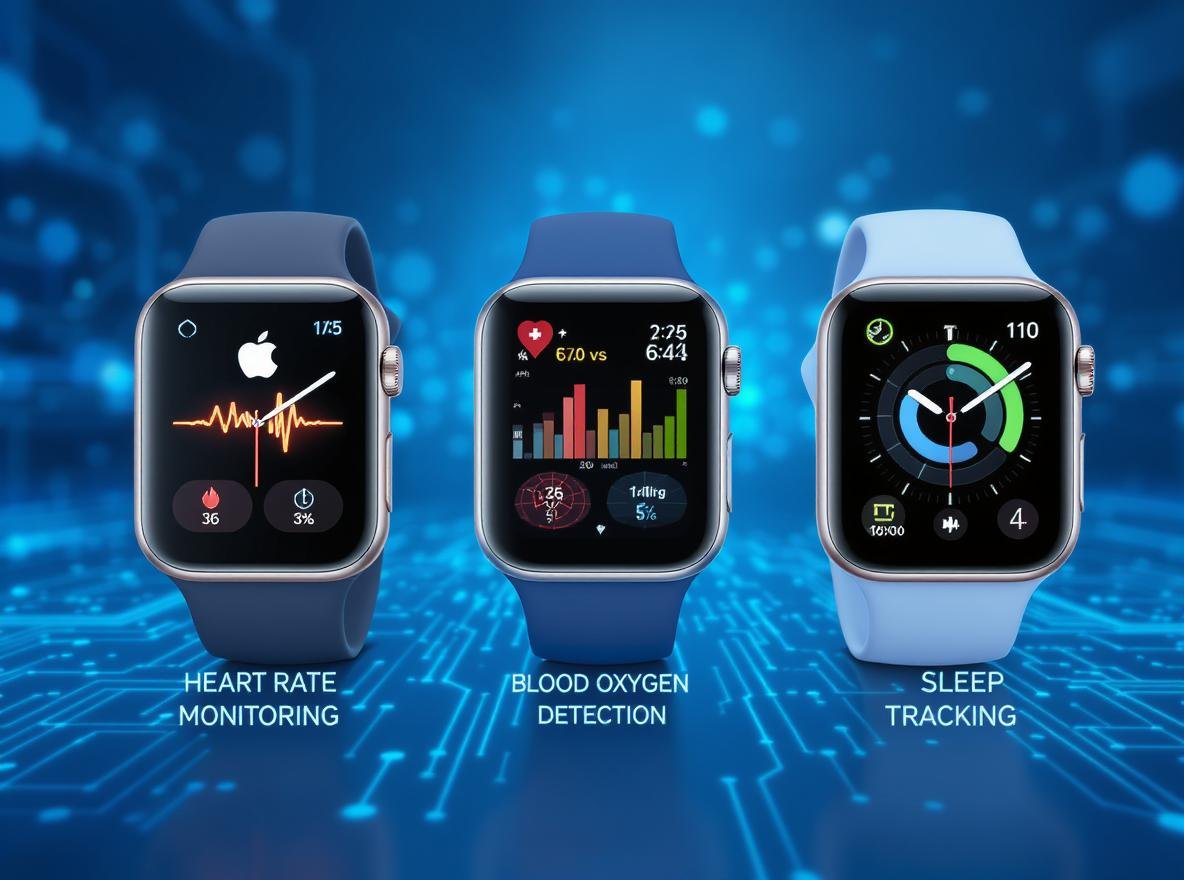
Modern consumers increasingly demand wearable technology that provides accurate, continuous health monitoring capabilities. With healthcare costs rising and preventive care becoming more important, choosing the right smartwatch for comprehensive health monitoring has become crucial for both individual wellness and business success.
The best smartwatch for comprehensive health monitoring in 2025 is the Apple Watch Series 10 for iPhone users, offering FDA-cleared ECG monitoring, blood oxygen tracking, and sleep apnea detection. For Android users, the Samsung Galaxy Watch 7 provides advanced AI-enhanced health monitoring, while the Google Pixel Watch 3 delivers the most accurate heart rate tracking available.
Let’s explore the specific features, accuracy comparisons, and business considerations that will help you make the optimal choice for comprehensive health monitoring needs.
What Health Metrics Should a Comprehensive Smartwatch Monitor?
Understanding which health metrics provide the most valuable insights helps identify the most capable smartwatch options for comprehensive monitoring.
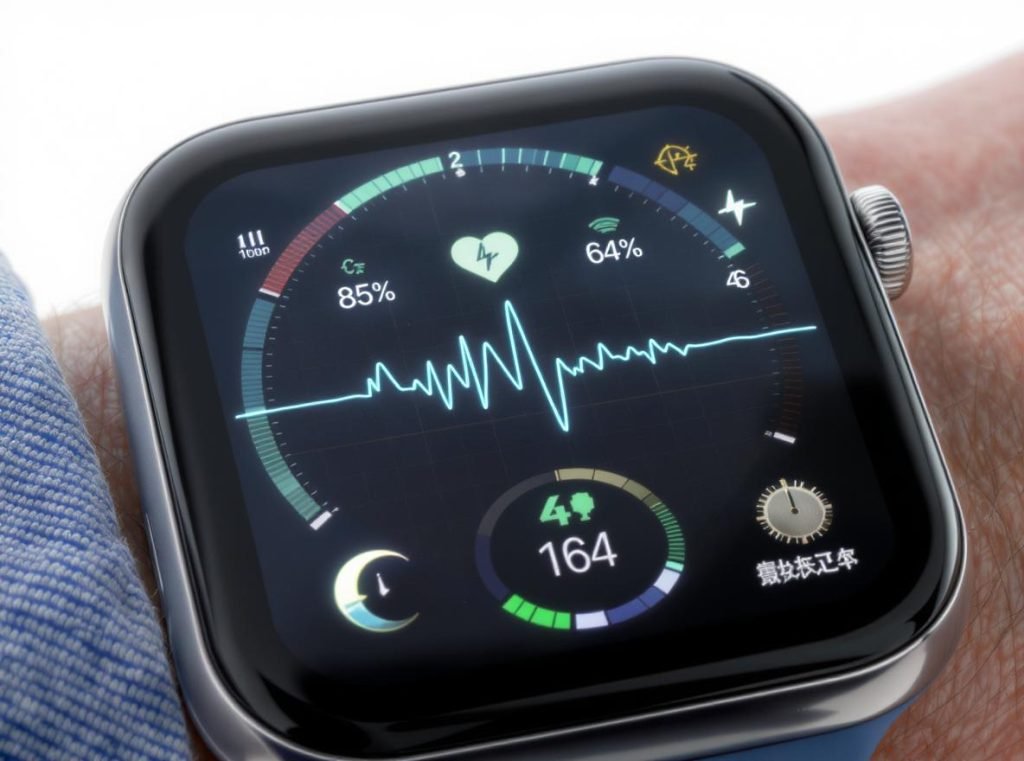
A comprehensive health monitoring smartwatch must include continuous heart rate tracking, ECG monitoring, blood oxygen saturation (SpO2), sleep stage analysis, stress monitoring through HRV, and fall detection. Advanced models should also feature sleep apnea detection, body temperature tracking, and integration with healthcare systems.
Essential Health Monitoring Categories
Cardiovascular Health Monitoring:
- Continuous heart rate tracking with resting heart rate trends
- Electrocardiogram (ECG) readings for atrial fibrillation detection
- Blood oxygen saturation monitoring for respiratory health
- Heart rate variability analysis for stress and recovery assessment
- Blood pressure monitoring on select premium models
Sleep and Recovery Analysis:
- Comprehensive sleep stage tracking (light, deep, REM phases)
- Sleep duration and quality scoring algorithms
- Respiratory rate monitoring during sleep
- Sleep apnea detection capabilities
- Recovery metrics and daily readiness scores
Activity and Fitness Metrics:
- Multi-sport activity recognition and tracking
- VO2 max estimation for cardiovascular fitness
- Training load analysis and workout intensity zones
- Step counting with distance and calorie calculations
- GPS tracking for outdoor activities
| Health Category | Critical Features | Clinical Value |
|---|---|---|
| Heart Health | ECG, continuous HR, irregular rhythm alerts | Early detection of cardiovascular issues |
| Sleep Quality | Sleep stages, apnea detection, recovery scoring | Identifies sleep disorders and optimization opportunities |
| Fitness Level | VO2 max, training load, activity tracking | Monitors cardiovascular fitness improvements |
| Stress Management | HRV analysis, stress notifications, breathing exercises | Prevents burnout and supports mental health |
Recent studies show that smartwatches can effectively assess respiratory rate, oxygen saturation levels, and body temperature, making them valuable tools for early illness detection and ongoing health monitoring.
Which Smartwatch Brands Offer the Most Accurate Health Monitoring?
Clinical accuracy varies significantly between brands, with some achieving medical-grade precision for specific health metrics.
Apple Watch leads overall accuracy with 90-95% precision for heart rate monitoring and FDA-cleared ECG functionality. Samsung Galaxy Watch 7 provides competitive accuracy with advanced bioactive sensors, while Google Pixel Watch 3 achieves the highest sleep tracking performance with substantial margins over competitors.
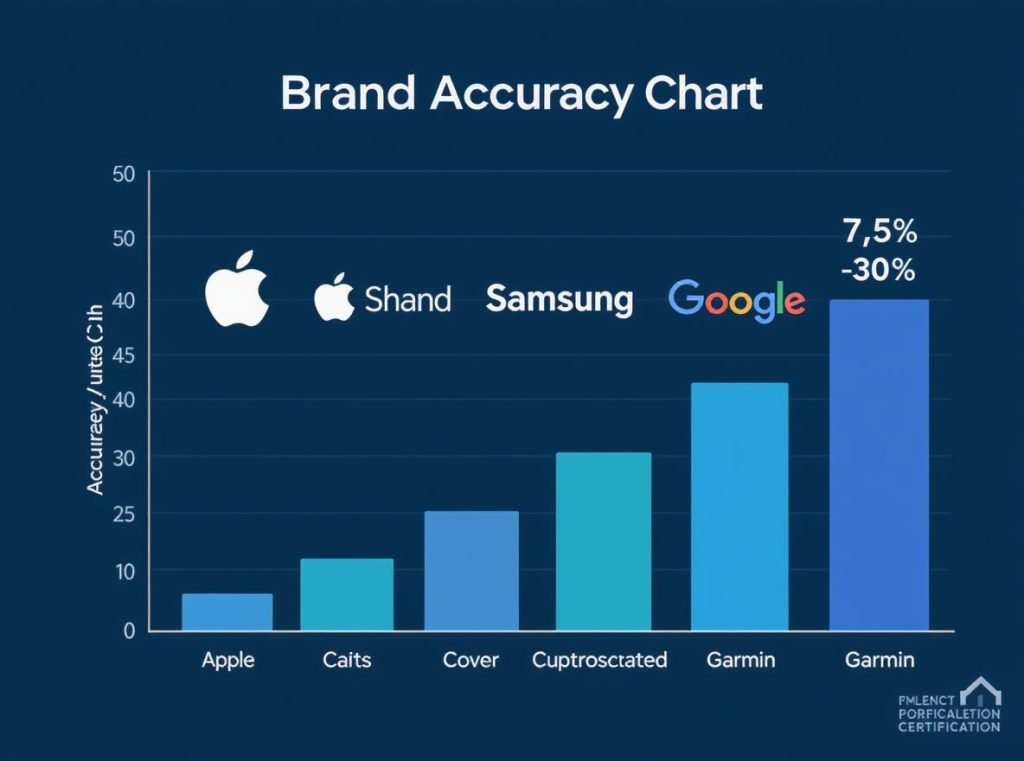
Brand Accuracy Rankings by Category
Heart Rate Monitoring Accuracy:
- Apple Watch Series 10 – 90-95% accuracy across all activity levels
- Google Pixel Watch 3 – Highest continuous monitoring precision
- Samsung Galaxy Watch 7 – Improved bioactive sensor performance
- Garmin Forerunner 965 – Excellent for fitness activities
- Fitbit Sense 2 – Reliable for general wellness tracking
Sleep Tracking Performance:
- Google Pixel Watch 3 achieved highest sleep tracking accuracy in clinical studies
- Fitbit Sense 2 provides detailed sleep stage analysis
- Apple Watch Series 10 offers new sleep apnea detection capabilities
- Samsung Galaxy Watch 7 includes AI-enhanced sleep coaching
Clinical Validation and FDA Clearances:
- Apple Watch: FDA-cleared for ECG and irregular heart rhythm notifications
- Samsung Galaxy Watch: FDA-cleared for sleep apnea detection
- Withings ScanWatch: Medical device company background ensures clinical-grade accuracy
- Garmin devices: Professional-grade sensors for athletic performance
For businesses serving health-conscious markets, partnering with clinically validated brands reduces liability concerns and increases customer confidence in health monitoring accuracy.
How Do Different Price Ranges Affect Health Monitoring Quality?
Investment level directly correlates with sensor sophistication, accuracy, and available health monitoring features.
Budget devices ($50-150) provide basic fitness tracking with limited accuracy, mid-range options ($150-400) offer comprehensive health monitoring with good reliability, while premium models ($400+) deliver medical-grade sensors, FDA clearances, and advanced AI health analysis.
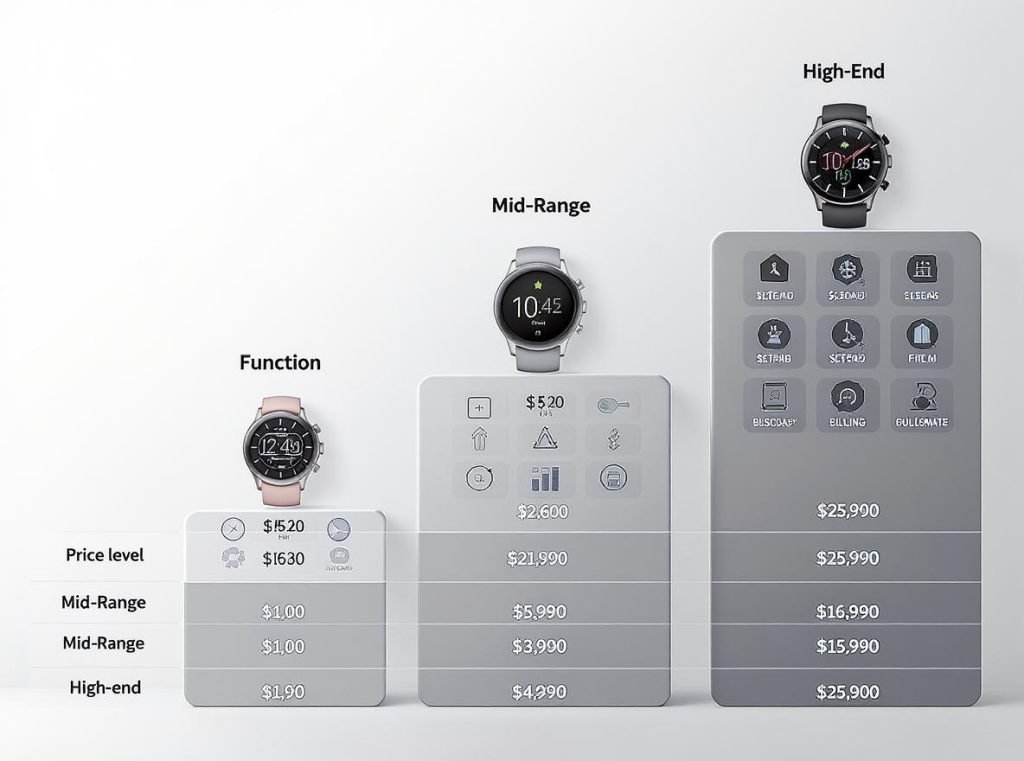
Comprehensive Price-Performance Analysis
Budget Range ($50-150):
- Devices: Amazfit Band 7, Xiaomi Mi Band 8, Fitbit Inspire 3
- Features: Basic heart rate, step counting, simple sleep tracking
- Accuracy: 70-80% for heart rate, limited health insights
- Battery: 7-14 days exceptional longevity
- Limitations: No ECG, blood oxygen, or advanced health analytics
Mid-Range ($150-400):
- Devices: Garmin Vivosmart 5, Samsung Galaxy Watch FE, Fitbit Sense 2
- Features: Continuous heart rate, SpO2, detailed sleep analysis, stress monitoring
- Accuracy: 80-90% across multiple health metrics
- Battery: 3-7 days with comprehensive tracking
- Value: Best balance of features and affordability for most users
Premium Range ($400-500+):
- Devices: Apple Watch Series 10, Samsung Galaxy Watch 7 Ultra, Google Pixel Watch 3
- Features: FDA-cleared health monitoring, ECG, sleep apnea detection, AI health insights
- Accuracy: 90-95% medical-grade precision for key metrics
- Integration: Seamless healthcare system connectivity
- Investment: Daily charging required but comprehensive health ecosystem
Medical-Grade Options ($500+):
- Devices: Masimo W1 Medical Watch, specialized clinical wearables
- Features: Hospital-grade accuracy, FDA approval for clinical use
- Applications: Prescribed by physicians for specific medical monitoring
- Accuracy: 95%+ precision matching clinical equipment
The premium investment often provides exponentially better health insights and long-term value through early health issue detection and comprehensive wellness optimization.
What Are the Most Important Health Monitoring Features for Different Age Groups?
Age-specific health priorities require tailored smartwatch features and monitoring capabilities for optimal value and user adoption.
Young adults (18-35) benefit most from fitness optimization and stress management features, middle-aged users (35-55) need comprehensive cardiovascular monitoring and sleep analysis, while seniors (55+) require fall detection, medication reminders, and simplified interfaces with emergency features.
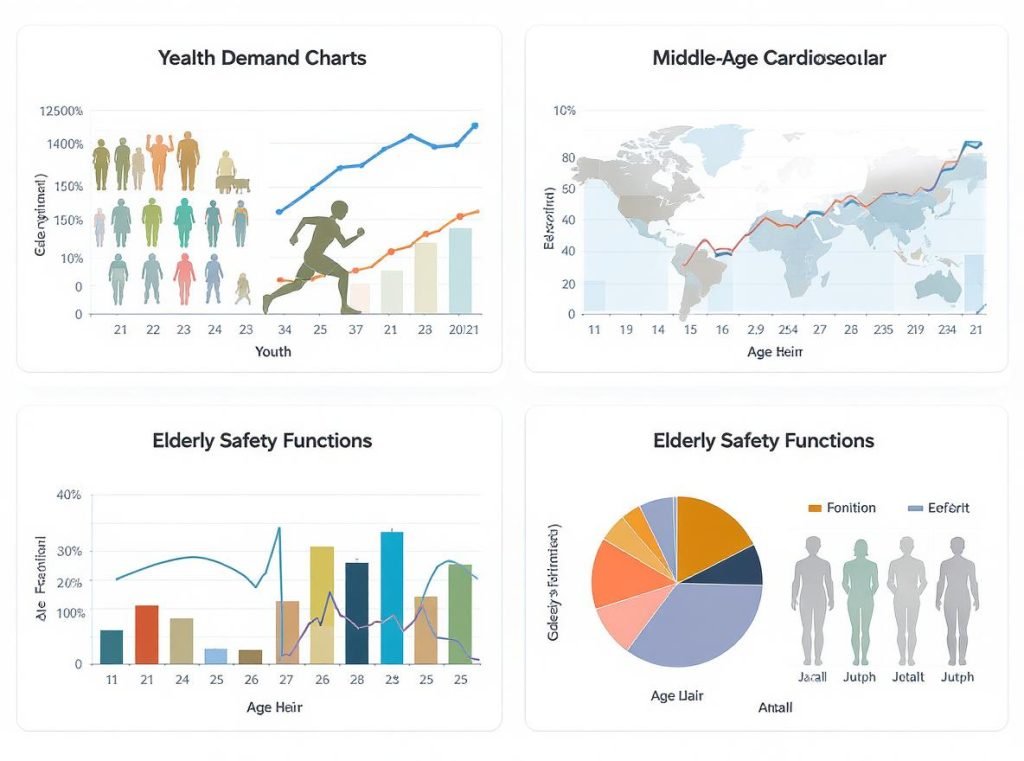
Age-Targeted Feature Recommendations
Young Adults (18-35) – Optimization Focus:
- Comprehensive fitness tracking with workout optimization
- Sleep quality improvement and circadian rhythm support
- Stress management through HRV analysis and breathing exercises
- Social fitness challenges and activity goal gamification
- Integration with fitness apps and nutritional tracking platforms
Middle-Aged Adults (35-55) – Prevention Focus:
- Advanced cardiovascular monitoring including ECG and blood pressure
- Sleep apnea detection and comprehensive sleep analysis
- Stress monitoring for work-life balance optimization
- Weight management integration with metabolic health tracking
- Early disease detection through continuous health monitoring
Seniors (55+) – Safety and Health Management Focus:
- Fall detection with automatic emergency contact features
- Medication reminders and health appointment notifications
- Heart rhythm monitoring for atrial fibrillation detection
- Large, simple displays with voice activation capabilities
- Family sharing for caregiver monitoring and health updates
- Integration with healthcare providers for remote monitoring
Specialized Demographics:
- Athletes: Advanced performance metrics, training load analysis, recovery optimization
- Chronic conditions: Continuous monitoring for diabetes, hypertension, heart conditions
- Healthcare workers: Stress monitoring, fatigue detection, exposure tracking
Understanding demographic preferences helps businesses target appropriate smartwatch models and customize marketing messages for maximum conversion rates and customer satisfaction.
How Reliable Are Smartwatch Health Monitoring Features Compared to Medical Devices?
Accuracy limitations and clinical context determine appropriate use cases for smartwatch health monitoring versus medical-grade equipment.
Smartwatches achieve 90-95% accuracy for heart rate and activity tracking compared to medical devices, but blood pressure and glucose monitoring show significant limitations. While excellent for health trends and wellness tracking, smartwatch data should supplement rather than replace professional medical monitoring.
Detailed Accuracy Comparison by Health Metric
| Health Metric | Smartwatch Accuracy | Medical Device Accuracy | Clinical Reliability | Best Use Case |
|---|---|---|---|---|
| Heart Rate | 90-95% | 99%+ | High during rest, lower during intense exercise | Continuous monitoring, trend analysis |
| ECG/Heart Rhythm | 85-90% | 99%+ | Good for atrial fibrillation detection | Screening tool, not diagnostic |
| Blood Oxygen (SpO2) | 80-90% | 95%+ | Moderate for trend monitoring | General wellness, altitude tracking |
| Sleep Tracking | 85-90% | 95%+ | Excellent for patterns, good for stages | Sleep optimization, habit tracking |
| Blood Pressure | 70-85% | 99%+ | Limited reliability, high variability | Trend monitoring only, not diagnosis |
| Temperature | 75-85% | 99%+ | Environmental factors affect accuracy | Fever detection, trend monitoring |
Key Clinical Considerations:
- Smartwatches excel at continuous monitoring versus point-in-time medical measurements
- Trend data provides valuable insights that single medical tests might miss
- Environmental factors (skin moisture, device fit, movement) significantly impact accuracy
- Individual physiological differences create measurement variability
FDA Warnings and Limitations:
The FDA specifically warns against using smartwatches for blood glucose monitoring and emphasizes that consumer wearables are not medical devices. Healthcare providers increasingly value continuous trend data while relying on clinical equipment for diagnostic decisions.
For businesses marketing health monitoring capabilities, transparent communication about accuracy limitations builds trust and prevents unrealistic customer expectations.
Which Smartwatch Operating Systems Offer the Best Health Apps?
Operating system choice significantly impacts available health applications, data integration capabilities, and long-term ecosystem value.
Apple watchOS provides the most comprehensive health app ecosystem with 20,000+ apps and seamless healthcare integration. Google Wear OS offers strong Android compatibility and growing health app selection, while proprietary systems like Garmin Connect focus on specialized fitness and health analytics.
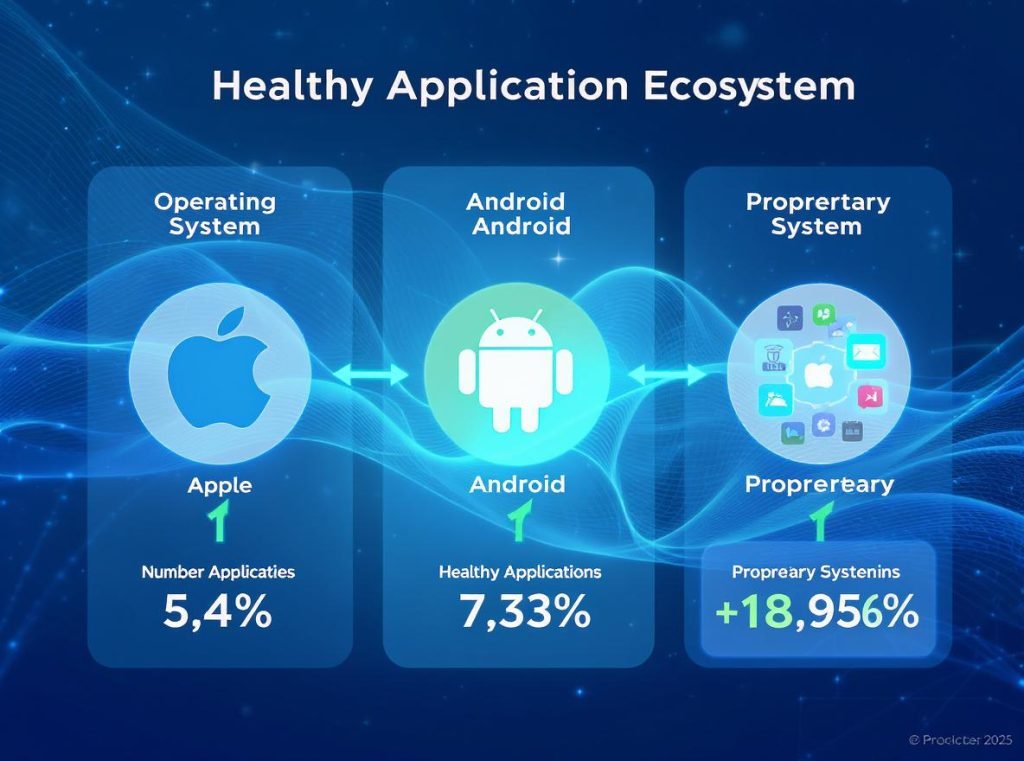
Operating System Health Ecosystem Comparison
Apple watchOS – Premium Health Integration:
- Largest health app library with 20,000+ total applications
- Native Apple Health platform with comprehensive data aggregation
- Direct integration with major healthcare systems and EHR platforms
- FDA-cleared health features built into the operating system
- Exclusive health apps often launch on watchOS first
- Seamless integration with iPhone Health app and medical records
Google Wear OS – Android Flexibility:
- Growing health app ecosystem with 5,000+ applications
- Deep Google services integration including Google Fit and Health Connect
- Samsung Health provides comprehensive tracking on Galaxy Watches
- Better cross-platform compatibility than closed ecosystems
- Integration with Android health platforms and third-party services
- Flexible data sharing and export capabilities
Proprietary Systems – Specialized Focus:
- Garmin Connect: Professional-grade fitness analytics and health tracking
- Fitbit Platform: Comprehensive wellness insights with Google backing
- Samsung Health: Advanced AI health coaching and analysis
- Purpose-built for health and fitness optimization
- Longer battery life supports continuous health monitoring
- More accurate specialized metrics for serious athletes
Platform Selection Guidelines
| User Profile | Recommended Platform | Primary Benefits |
|---|---|---|
| iPhone Users | watchOS (Apple Watch) | Best integration, most health apps |
| Android Users | Wear OS with Samsung Health | Flexibility, comprehensive tracking |
| Fitness Enthusiasts | Garmin Connect | Advanced metrics, professional analysis |
| General Wellness | Any major platform | Choose based on smartphone ecosystem |
The choice of operating system affects long-term data portability, app availability, and integration capabilities with healthcare providers and insurance wellness programs.
What Should Businesses Consider When Sourcing Health Monitoring Smartwatches?
B2B procurement requires evaluation of regulatory compliance, enterprise management capabilities, and total cost of ownership beyond consumer preferences.
Businesses should prioritize suppliers with FDA clearances, enterprise management compatibility, and established quality certifications. Consider regulatory compliance, data privacy requirements, and integration capabilities when evaluating bulk purchase options for corporate wellness or resale programs.
Critical Business Procurement Factors
Regulatory and Compliance Requirements:
- FDA clearances for medical claims and health monitoring features
- CE marking for European market compliance
- FCC certification for wireless functionality and electromagnetic compatibility
- HIPAA compliance capabilities for healthcare organizations
- Data privacy compliance (GDPR, CCPA) for global deployment
Enterprise Management Capabilities:
- Mobile Device Management (MDM) compatibility for large-scale deployment
- Enterprise Mobility Management (EMM) solutions for security control
- Bulk provisioning and remote configuration capabilities
- Centralized data management and privacy controls
- Integration with existing IT infrastructure and security policies
Quality and Supply Chain Considerations:
- Manufacturing certifications (ISO 9001, ISO 13485 for medical devices)
- Supply chain transparency and ethical sourcing practices
- Quality control processes and defect rate guarantees
- Warranty coverage and technical support availability
- Global distribution capabilities and regional compliance
Total Cost of Ownership Analysis:
- Initial device costs ranging from $50-500+ per unit
- Ongoing subscription fees for premium health platforms
- IT support, deployment, and maintenance requirements
- Battery replacement and device lifecycle management
- Training and user adoption support expenses
- ROI through improved health outcomes and reduced healthcare costs
Vendor Evaluation Framework
Technical Specifications:
- Minimum 3-day battery life for user satisfaction
- IP67/IP68 water resistance for versatility and durability
- Regular software updates and long-term security support
- Compatible mobile app ecosystems and integration APIs
Business Partnership Factors:
- White-label customization and branding options
- Volume pricing tiers and flexible payment terms
- Technical support escalation and warranty coverage
- Marketing material support and co-branding opportunities
- Long-term partnership viability and roadmap alignment
For businesses like Osmarto serving global markets, establishing partnerships with certified suppliers and maintaining comprehensive quality standards ensures customer satisfaction and reduces liability exposure in health monitoring applications.
How Do Health Monitoring Smartwatches Integrate with Healthcare Systems?
Healthcare integration capabilities transform smartwatches from consumer gadgets into valuable medical tools supporting remote patient monitoring and preventive care initiatives.
Modern health monitoring smartwatches integrate with Electronic Health Records (EHR), telehealth platforms, and clinical workflows through standardized APIs and health data formats. This integration enables remote patient monitoring programs and supports population health management initiatives.
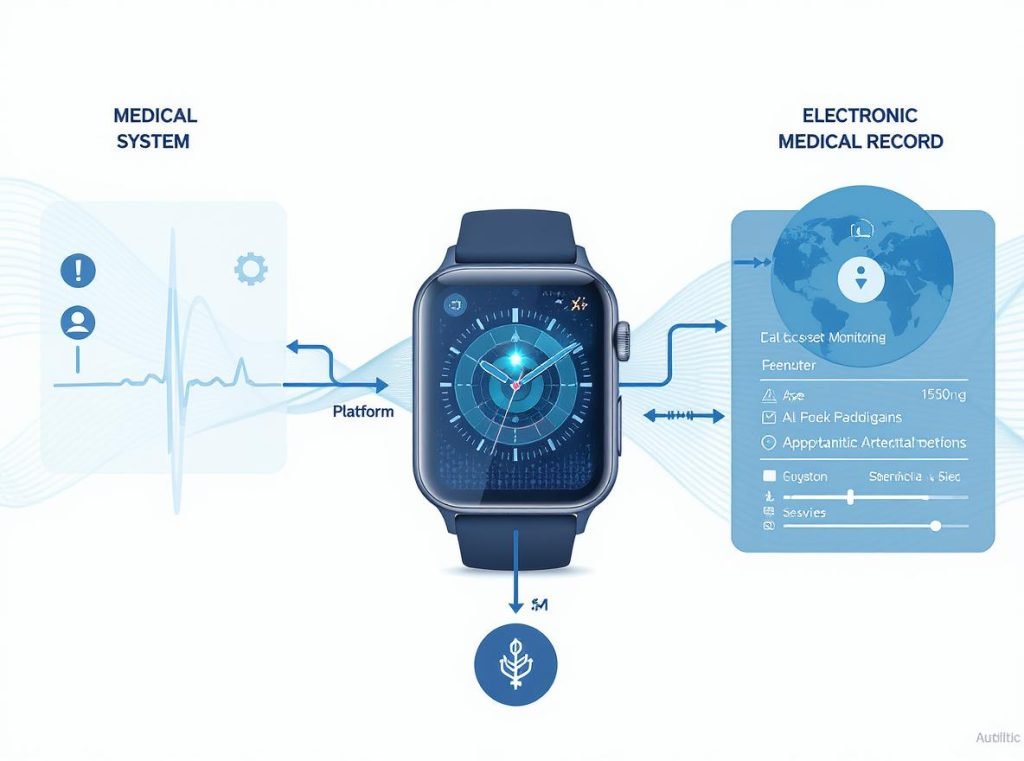
Healthcare System Integration Capabilities
Electronic Health Record (EHR) Integration:
- Direct data transmission to Epic, Cerner, and other major EHR systems
- Real-time patient monitoring for chronic disease management
- Automated data collection reducing manual entry requirements
- Patient portal integration enabling secure health data sharing
- Clinical decision support using continuous monitoring data
Remote Patient Monitoring (RPM) Programs:
- Continuous vital sign monitoring for high-risk patients
- Automated alert systems for abnormal readings requiring intervention
- Medicare and insurance reimbursement for qualified RPM programs
- Reduced hospital readmissions through early intervention capabilities
- Population health management using aggregated patient data
Clinical Workflow Integration:
- Telehealth platform enhancement with real-time health data
- Pre-appointment health status updates for more efficient consultations
- Medication adherence monitoring and automated reminders
- Post-operative recovery monitoring and complication detection
- Chronic condition management with trending and pattern analysis
Implementation Challenges and Solutions
Technical Integration Requirements:
- Health Level 7 (HL7) FHIR compliance for healthcare interoperability
- Secure data transmission protocols and encryption standards
- API compatibility with existing healthcare IT infrastructure
- Real-time data processing and alert management systems
Regulatory and Privacy Considerations:
- HIPAA compliance for protected health information handling
- Patient consent management for data sharing preferences
- Data ownership and portability requirements
- Clinical validation and accuracy standards for medical use
Current Adoption Statistics:
- 94% of smartwatch users willing to share health data with healthcare providers
- Growing number of health systems implementing wearable integration programs
- Insurance companies expanding coverage for RPM programs using consumer wearables
- Regulatory frameworks evolving to support clinical wearable integration
Future Healthcare Integration Trends
Advanced Analytics and AI:
- Predictive analytics for early disease detection and intervention
- Machine learning algorithms for personalized health recommendations
- Population health insights using aggregated wearable data
- Integration with pharmaceutical companies for medication monitoring
Expanded Clinical Applications:
- Post-operative monitoring and recovery optimization
- Mental health tracking and intervention programs
- Chronic disease management with automated care coordination
- Preventive care programs with continuous risk assessment
The integration of smartwatches with healthcare systems represents a transformative shift toward continuous, patient-centered care, offering significant opportunities for businesses positioned at the intersection of technology and healthcare.
Summary
Selecting the optimal smartwatch for comprehensive health monitoring requires balancing accuracy, features, ecosystem integration, and cost considerations. The Apple Watch Series 10 leads for iPhone users with FDA-cleared features and extensive health app support, while Samsung Galaxy Watch 7 provides competitive Android integration with advanced AI health coaching. Google Pixel Watch 3 delivers superior sleep tracking accuracy, and Garmin devices excel for serious fitness monitoring. Businesses should prioritize regulatory compliance, enterprise management capabilities, and healthcare integration when sourcing for corporate wellness or resale programs.
Ready to explore premium health monitoring smartwatch solutions for your business? Contact Osmarto today to discuss wholesale pricing, customization options, and technical specifications that meet your market’s comprehensive health monitoring requirements. Our expert team specializes in helping businesses identify the perfect smartwatch solutions for their customers’ wellness and healthcare integration needs.