
Pregnancy brings countless questions about what’s safe for you and your developing baby. With smartwatches becoming essential wellness companions, many expectant mothers wonder about potential risks from wearing these devices throughout their pregnancy journey.
While smartwatches emit low levels of non-ionizing radiation, current research shows mixed findings about safety during pregnancy. Studies suggest potential risks including increased miscarriage rates and developmental concerns, though regulatory standards consider these devices generally safe when used properly.
Understanding both the documented benefits and emerging research concerns can help you make informed decisions about using wearable technology during this critical time.
What Type of Radiation Do Smartwatches Emit?
Modern smartwatches contain multiple wireless transmitters that create electromagnetic field exposure during daily use, raising legitimate questions about radiation safety.
Smartwatches emit non-ionizing radiofrequency (RF) radiation through Wi-Fi, Bluetooth, and cellular connections at frequencies around 2.45 gigahertz. Unlike ionizing radiation from X-rays, this type lacks energy to directly damage DNA but still requires safety monitoring.
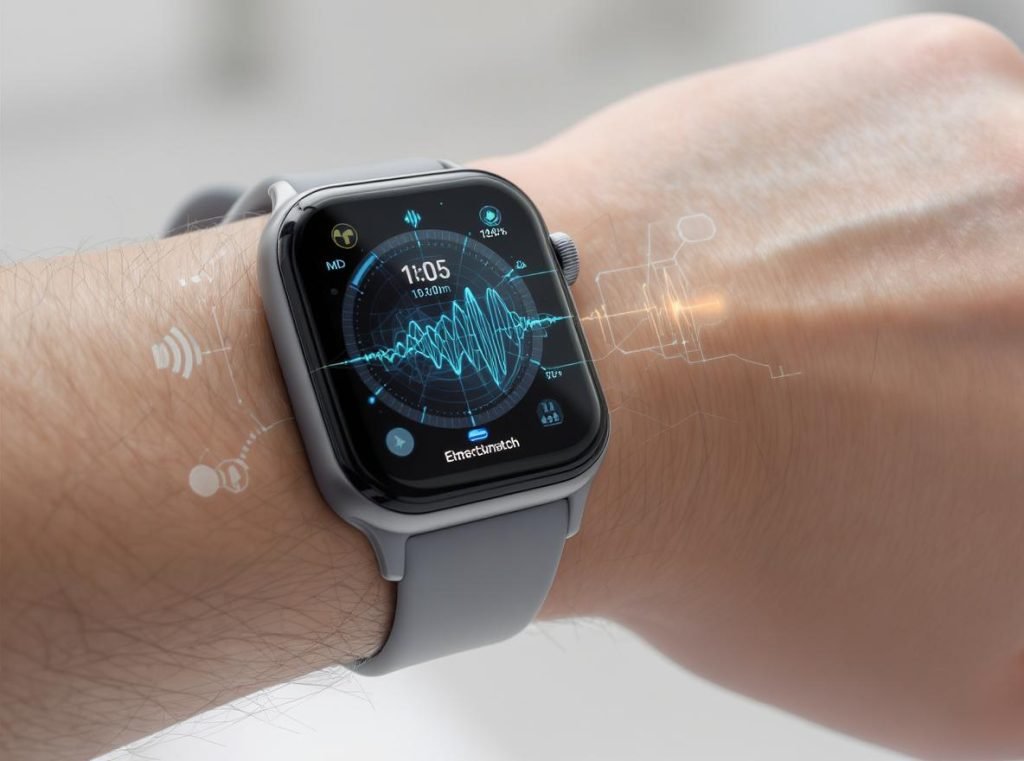
Smartwatches operate using several low-powered radio transmitters for connectivity features. The radiation they emit operates at specific frequencies that regulatory agencies monitor through Specific Absorption Rate (SAR) testing.
Current SAR limits vary by region:
• United States: 1.6 watts per kilogram (W/kg) maximum exposure
• European Union: 2.0 W/kg safety threshold
• Apple Watch models: 1.6 W/kg for head use, 4.0 W/kg for wrist use
• Lower-power devices: Some emit as little as 0.6mW, well below testing thresholds
| Device Type | Typical Power Output | SAR Testing Required |
|---|---|---|
| Smartphones | High (cellular signals) | Yes, mandatory |
| Smartwatches | Low to moderate | Varies by model |
| Fitness trackers | Very low | Often exempt |
The key difference lies in power levels—smartwatches typically emit 100-1000 times less radiation than smartphones, though they maintain closer body contact throughout the day.
Are Current Safety Standards Adequate for Pregnancy?
Regulatory safety standards weren’t specifically designed with pregnant women in mind, leading to questions about whether existing protections sufficiently safeguard developing babies.
Current EMF safety standards don’t establish more restrictive limits for pregnant women, though some experts suggest the developing nervous system may need protection at levels five times lower than adult standards.

International exposure guidelines generally assume pregnant women have similar EMF sensitivity to other adults. However, emerging research challenges this assumption, particularly regarding fetal vulnerability.
The National Radiological Protection Board highlights specific pregnancy concerns:
For power-frequency electromagnetic fields, the developing nervous system in utero may benefit from enhanced protection. The fetus may show increased susceptibility to heating effects from radiofrequency EMFs, though this primarily applies to much higher exposure levels than consumer devices produce.
• Standard safety margins: Built-in protection factors of 50x above harmful levels
• Pregnancy considerations: No specific guidelines for expectant mothers
• Fetal vulnerability: Potential increased sensitivity during development
• Regulatory gaps: Limited research on long-term developmental effects
The scientific consensus acknowledges uncertainty about whether current standards adequately protect the most vulnerable populations, including developing fetuses.
What Does Current Research Say About Pregnancy and EMF Exposure?
Recent comprehensive studies reveal concerning associations between EMF exposure during pregnancy and various adverse outcomes, challenging previous assumptions about safety.
A systematic review found EMF radiation exposure during pregnancy is associated with increased miscarriage risk (1.69 times higher), shorter pregnancy duration, lower birth weight, and potential long-term behavioral problems in children.

Major research findings include significant pregnancy complications linked to EMF exposure:
A landmark Kaiser Permanente study discovered that pregnant women with the highest EMF exposure levels were nearly three times more likely to miscarry compared to those with lowest exposure. Yale School of Medicine research on prenatal cell phone exposure in mice resulted in hyperactivity and reduced memory capacity in offspring.
Documented pregnancy risks:
• Miscarriage rates: 69% increased risk with high EMF exposure
• Birth complications: Shorter pregnancy duration and preterm birth
• Fetal development: Changes in heart rate variability and elevated temperatures
• Birth outcomes: Lower birth weight and smaller head circumferences
• Long-term effects: Increased childhood behavioral problems and speech delays
| Study Focus | Key Finding | Risk Level |
|---|---|---|
| Kaiser Permanente | 3x higher miscarriage risk | High exposure levels |
| Yale Research | Hyperactivity in offspring | Animal studies |
| Systematic Review | Multiple adverse outcomes | Various exposure levels |
However, conflicting research exists. Some meta-analyses on extremely low frequency electromagnetic radiation found no significant increases in miscarriage, stillbirth, or birth defects, though effects on birth weight remained uncertain.
Can Smartwatches Interfere with Fetal Development?
The developing fetus faces unique vulnerabilities to electromagnetic field exposure that don’t affect fully developed adults, raising serious questions about interference with normal development.
Research suggests fetuses are particularly vulnerable to EMF exposure because fetal brain tissue has minimal bone protection, rapid cell development occurs throughout pregnancy, and the first trimester represents the highest risk period due to intense stem cell activity.

Multiple factors contribute to increased fetal susceptibility:
The placenta may absorb EMF radiation, potentially leading to increased fetal temperatures and altered metabolic processes. Brain tissue in developing fetuses lacks the protective bone structure found in adults, allowing greater radiation absorption.
Mechanisms of potential harm include:
• Cellular disruption: Interference with DNA repair and protein gene expression
• Oxidative stress: Increased cell damage from electromagnetic exposure
• Hormonal changes: Altered maternal prolactin, estrogen, and progesterone levels
• Placental effects: Disrupted barrier function and increased permeability
• Temperature elevation: Fetal overheating from absorbed electromagnetic energy
EMF exposure can cause measurable changes in oxidative stress reactions and DNA damage parameters in exposed individuals. The rapid cell division characteristic of fetal development makes this period particularly sensitive to external electromagnetic influences.
What Symptoms Might Indicate EMF Sensitivity During Pregnancy?
Electromagnetic hypersensitivity symptoms during pregnancy can manifest in various ways, though determining definitive causation remains challenging due to overlapping pregnancy-related changes.
Potential EMF sensitivity symptoms include persistent headaches, chronic fatigue, sleep disturbances, tinnitus, dizziness, body pain, heart arrhythmias, and skin problems, though these symptoms often have multiple possible causes during pregnancy.

Physical symptoms commonly reported include:
Persistent headaches, especially following device use, represent one of the most frequently reported symptoms. Chronic fatigue and lethargy may worsen beyond typical pregnancy tiredness levels.
Common reported symptoms:
• Neurological: Headaches, dizziness, difficulty concentrating, tinnitus
• Physical: Body pain, muscle discomfort, skin irritation or burning
• Cardiac: Heart arrhythmias, palpitations during device use
• Sleep-related: Insomnia, disrupted sleep patterns, restlessness
• Psychological: Increased anxiety, mood changes, general discomfort
| Symptom Category | Specific Signs | Alternative Causes |
|---|---|---|
| Physical discomfort | Headaches, body pain | Dehydration, stress, hormonal changes |
| Sleep issues | Insomnia, restlessness | Pregnancy discomfort, anxiety |
| Skin problems | Redness, tingling, burning | Device materials, pregnancy skin changes |
The challenge lies in distinguishing EMF-related symptoms from normal pregnancy changes, making careful symptom tracking and medical consultation essential for accurate assessment.
How Can Pregnant Women Minimize Potential Risks?
Healthcare providers and researchers increasingly recommend precautionary measures to reduce EMF exposure during pregnancy, acknowledging both uncertainty and potential risks.
Recommended risk reduction strategies include limiting device usage, using airplane mode when possible, maintaining distance from EMF sources, taking regular breaks from wearing devices, and choosing lower-SAR alternatives when available.
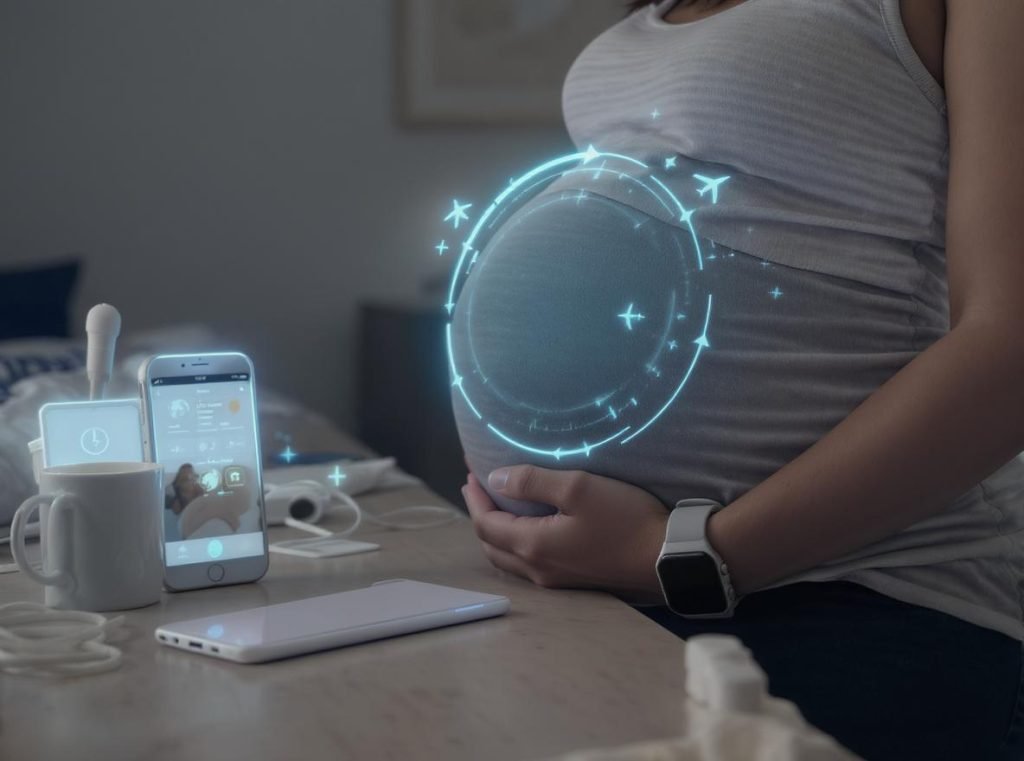
Device usage modifications represent the most practical approach to exposure reduction:
Limiting smartwatch and mobile device usage when possible provides the most direct risk reduction. Using airplane mode reduces radiation emission when full connectivity isn’t needed for health tracking.
Practical risk reduction measures:
• Usage limitations: Avoid 24/7 wear, take regular device breaks
• Distance strategies: Keep devices away from abdomen, use speaker mode for calls
• Night protocols: Turn off devices during sleep, relocate wireless equipment from bedrooms
• Alternative solutions: Consider wired connections, lower-SAR devices, EMF shielding products
• Smart scheduling: Use devices strategically rather than continuously
For wholesale customers, Osmarto offers smartwatch models with varying EMF output levels, allowing retailers to provide options for health-conscious consumers seeking lower-emission alternatives during pregnancy.
What Are the Benefits vs. Risks for Pregnant Women?
The decision to use smartwatches during pregnancy requires carefully weighing documented health monitoring benefits against emerging research about potential risks.
Smartwatches provide proven benefits including early detection of serious conditions, continuous vital sign monitoring, and life-saving emergency alerts, while potential risks include cumulative EMF exposure, possible developmental interference, and increased miscarriage risk with high exposure levels.

Documented success stories demonstrate real-world benefits:
Dr. Rachel Manalo’s Apple Watch detected dangerous heart rhythm abnormalities at 18 weeks pregnant, leading to early intervention and successful pregnancy outcome. Such cases illustrate the life-saving potential of continuous health monitoring.
Proven benefits include:
• Medical detection: Early identification of heart problems, arrhythmias, dangerous conditions
• Vital monitoring: Continuous heart rate, blood pressure, oxygen level tracking
• Emergency features: Fall detection, irregular rhythm alerts, emergency calling capabilities
• Health insights: Sleep quality analysis, activity monitoring, stress level tracking
• Healthcare integration: Data sharing with providers for informed medical decisions
| Benefit Category | Specific Advantages | Risk Considerations |
|---|---|---|
| Emergency detection | Life-saving alerts | Continuous EMF exposure |
| Health monitoring | Comprehensive tracking | Potential fetal effects |
| Medical integration | Provider data sharing | Unknown long-term impacts |
The challenge involves balancing immediate, documented health benefits against theoretical but potentially serious long-term risks to both mother and child development.
Which Smartwatch Features Are Most Beneficial During Pregnancy?
Certain smartwatch capabilities provide exceptional value for pregnant women while operating through lower-power sensors that minimize EMF exposure concerns.
The most valuable pregnancy features include ECG monitoring for heart rhythm detection, continuous heart rate tracking, sleep pattern analysis, activity monitoring, blood pressure tracking, and emergency calling capabilities.
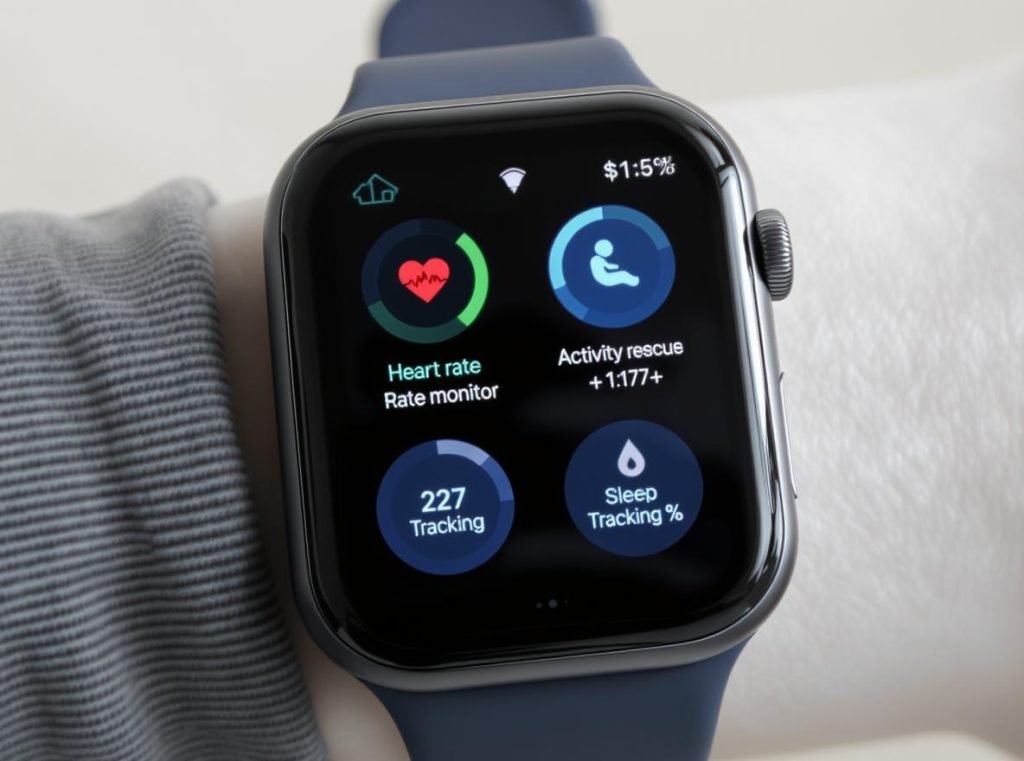
Essential health monitoring features focus on pregnancy-specific needs:
Heart rate monitoring, both continuous and spot-checking, helps detect dangerous arrhythmias that can develop during pregnancy. ECG capabilities provide medical-grade heart rhythm analysis that can identify life-threatening conditions.
Priority pregnancy features:
• Cardiac monitoring: ECG detection, heart rate variability, arrhythmia alerts
• Vital signs: Blood pressure tracking, blood oxygen monitoring, temperature sensing
• Activity tracking: Step counting, movement reminders, circulation improvement
• Sleep analysis: Quality assessment, pattern tracking, rest optimization
• Emergency functions: Fall detection, emergency calling, medical data storage
Sleep pattern analysis proves particularly valuable as poor sleep quality links to various pregnancy complications. Activity monitoring helps maintain appropriate exercise levels recommended by healthcare providers.
Stress monitoring through heart rate variability can identify when relaxation techniques or medical consultation might benefit both maternal and fetal health.
How Do Different Smartwatch Brands Compare for Safety?
Smartwatch brands vary significantly in their EMF emission levels, safety certifications, and suitability for pregnancy use, making informed selection crucial for expectant mothers.
Apple Watch, Samsung Galaxy Watch, and premium brands typically have higher SAR levels due to advanced features, while Fitbit and Garmin devices often offer lower power consumption, and specialized low-emission alternatives like Withings provide minimal EMF exposure options.
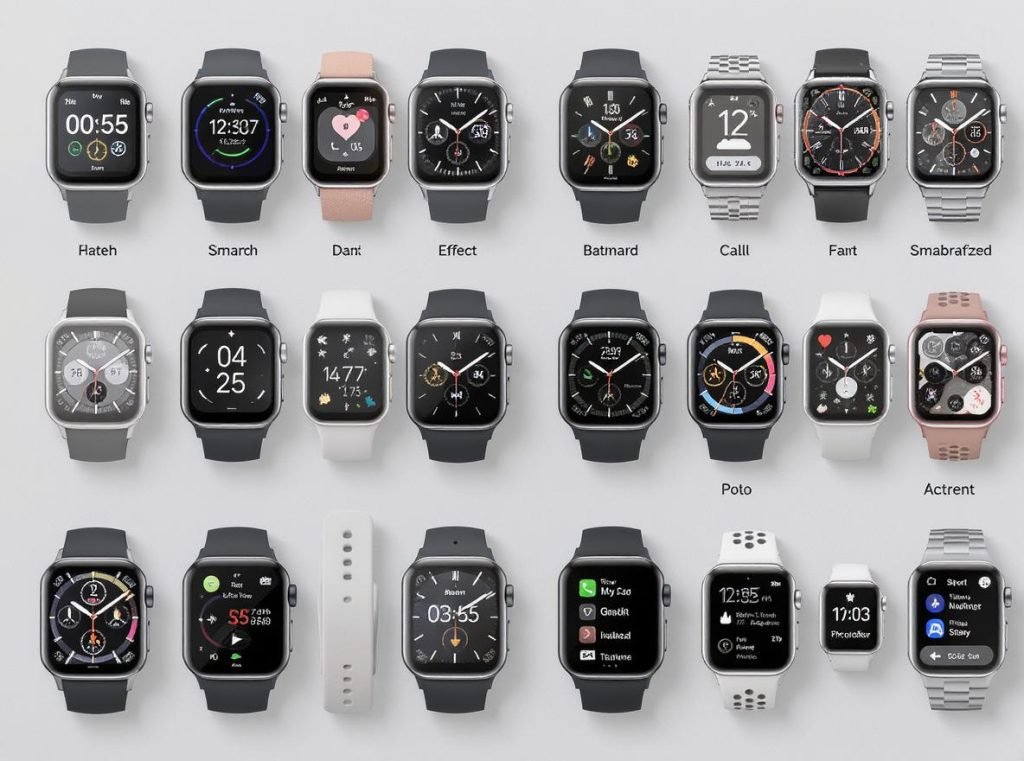
Brand-specific safety profiles reveal important differences:
Apple Watch models emit SAR levels of 1.6 W/kg for head use and 4.0 W/kg for wrist use, with multiple radio transmitters for comprehensive connectivity. Samsung Galaxy Watch devices have similar SAR limits with Wear OS integration.
Brand comparison for pregnancy safety:
• Apple Watch: High functionality, higher EMF, FDA-cleared ECG capabilities
• Samsung Galaxy Watch: Similar power levels, Android integration, sleep apnea detection
• Fitbit devices: Lower power consumption, extended battery life, cycle tracking features
• Garmin watches: GPS focus, detailed fitness monitoring, pregnancy health tracking
• Withings alternatives: Ultra-low 0.6mW power output, minimal EMF exposure
| Brand Category | EMF Level | Pregnancy Features | Safety Considerations |
|---|---|---|---|
| Premium (Apple/Samsung) | Higher | Comprehensive monitoring | Advanced features, more EMF |
| Fitness-focused (Fitbit/Garmin) | Moderate | Targeted tracking | Balanced approach |
| Low-emission (Withings) | Minimal | Basic monitoring | Reduced functionality |
Osmarto smartwatches undergo rigorous EMF testing to ensure compliance with international safety standards while offering competitive features for health-conscious consumers seeking reliable monitoring with safety considerations.
When Should Pregnant Women Avoid Smartwatch Use?
Certain medical conditions, pregnancy complications, and individual circumstances may warrant avoiding or significantly limiting smartwatch use during pregnancy.
Pregnant women should avoid smartwatch use during the high-risk first trimester, with pre-existing pregnancy complications, diagnosed electromagnetic hypersensitivity, heart rhythm disorders, or when experiencing device-related anxiety that outweighs monitoring benefits.

High-risk situations require careful consideration:
The first trimester represents the most critical period due to rapid fetal development and high stem cell activity. Pre-existing pregnancy complications may be exacerbated by additional stressors, including electromagnetic exposure.
Avoidance circumstances include:
• First trimester: Peak vulnerability period for fetal development
• High-risk pregnancies: Medical complications requiring minimal additional stressors
• EMF sensitivity: Diagnosed electromagnetic hypersensitivity conditions
• Cardiac conditions: Pre-existing heart rhythm disorders or pregnancy-related cardiac issues
• Device anxiety: When monitoring creates more stress than benefit
Medical conditions requiring special consideration:
• Placental abnormalities: Conditions affecting fetal protection barriers
• History of pregnancy loss: Previous miscarriages, especially if potentially EMF-related
• Severe morning sickness: When additional stressors worsen pregnancy symptoms
• Skin reactions: Allergic responses to device materials or electromagnetic exposure
Healthcare providers may recommend avoiding devices entirely for women with multiple risk factors or during particularly vulnerable pregnancy periods.
What Do Healthcare Providers Recommend?
Medical professional perspectives on smartwatch use during pregnancy vary significantly, with many adopting cautious approaches while recognizing both benefits and emerging risk evidence.
Healthcare providers increasingly recommend individualized decision-making, discussing smartwatch use with obstetricians, considering personal risk factors, implementing precautionary measures, and prioritizing specific medical monitoring over continuous general use.

Professional recommendations emphasize personalized assessment:
Many obstetricians appreciate additional health data that smartwatches provide, as continuous monitoring can help identify patterns or concerns between appointments. However, growing research about EMF risks during pregnancy influences provider recommendations.
Current medical guidance includes:
• Individual assessment: Discuss personal risk factors and pregnancy circumstances with healthcare providers
• Selective use: Prioritize medical monitoring over general fitness tracking during pregnancy
• Precautionary measures: Implement EMF reduction strategies while maintaining beneficial monitoring
• Risk-benefit analysis: Weigh immediate health benefits against potential long-term developmental risks
• Medical oversight: Use device data to supplement, not replace, professional prenatal care
Evidence-based guidance continues evolving as research emerges about EMF effects during pregnancy. Some healthcare providers express increasing concern about electromagnetic exposure, while others emphasize demonstrated benefits of continuous health monitoring.
The medical community generally supports informed use with appropriate precautions rather than complete avoidance, recognizing that decision-making must account for individual circumstances, risk factors, and the specific benefits that continuous monitoring provides for high-risk pregnancies.
Professional perspectives acknowledge the complexity of balancing proven immediate benefits against uncertain but potentially significant long-term risks to both maternal and fetal health.
Summary
Current research reveals mixed findings about smartwatch safety during pregnancy, with studies showing potential risks including increased miscarriage rates and developmental concerns, while also documenting significant health monitoring benefits. The developing fetus may be particularly vulnerable to EMF exposure due to minimal bone protection and rapid cell development. Pregnant women should discuss individual risk factors with healthcare providers and consider precautionary measures.
Ready to offer your customers safe, reliable smartwatch options during pregnancy? Osmarto provides a comprehensive range of smartwatches with varying EMF emission levels and rigorous safety testing to meet international regulatory standards. Our devices offer essential health monitoring features while allowing retailers to serve health-conscious consumers, including expectant mothers seeking lower-emission alternatives.

Contact Osmarto today to explore wholesale opportunities and discover how our safety-tested smartwatch collection can meet your customers’ diverse needs. Send us an inquiry to learn about our complete product range, competitive wholesale pricing, and specialized options for health-conscious consumers worldwide.