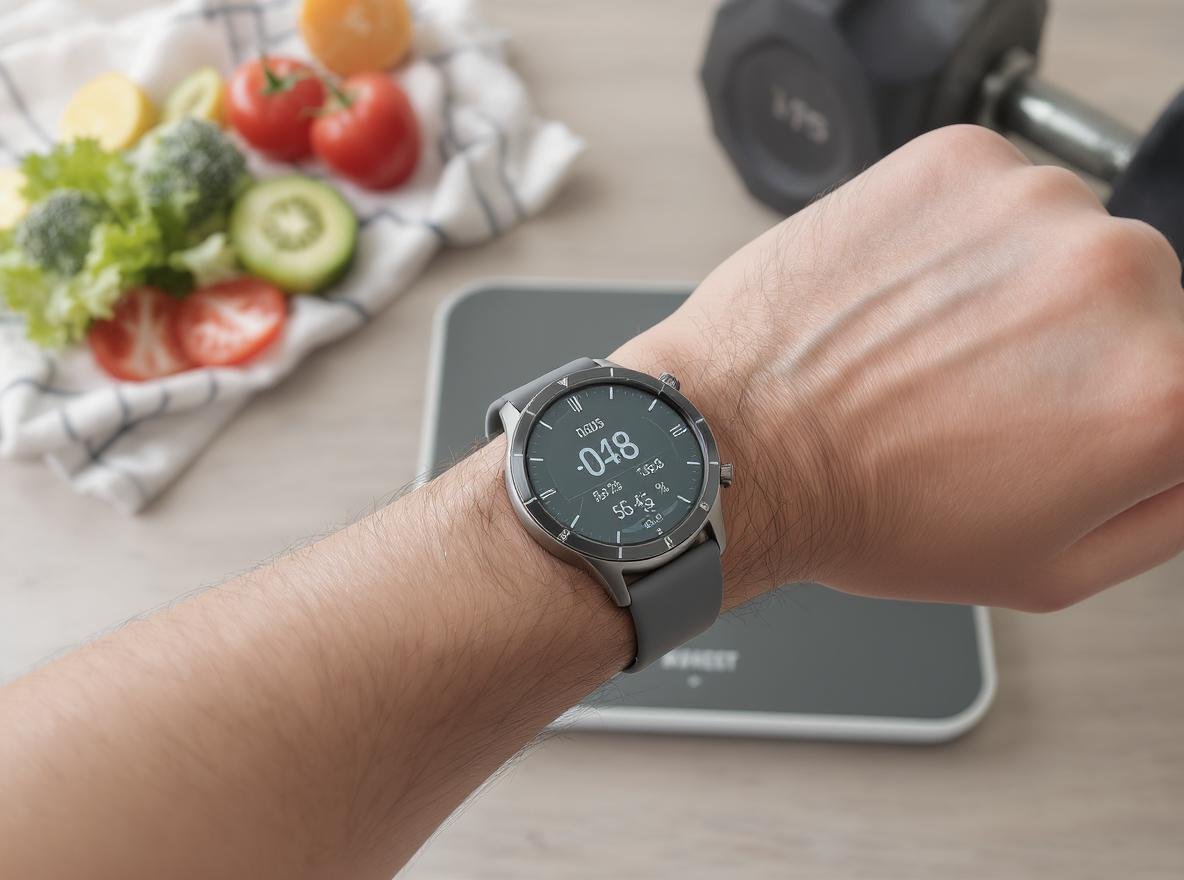
You’ve been struggling with weight loss, trying diet after diet, but nothing seems to stick. The fitness tracker on your wrist promises to be your personal weight loss coach, but you’re wondering if it’s just another expensive gadget or a genuine game-changer.
Yes, smartwatches can help you lose weight, but they’re not magic solutions. Scientific evidence shows that people using fitness trackers lose an average of 1-3 kg (2.2-6.6 pounds) more than those without them over 3-12 months. However, success depends heavily on consistent engagement with self-monitoring features and combining tracking with proper diet and exercise habits.
But there’s much more to this story than simple yes or no answers.
How Do Smartwatches Actually Support Weight Loss?
Understanding the mechanisms behind smartwatch weight loss support is crucial for setting realistic expectations and maximizing results.
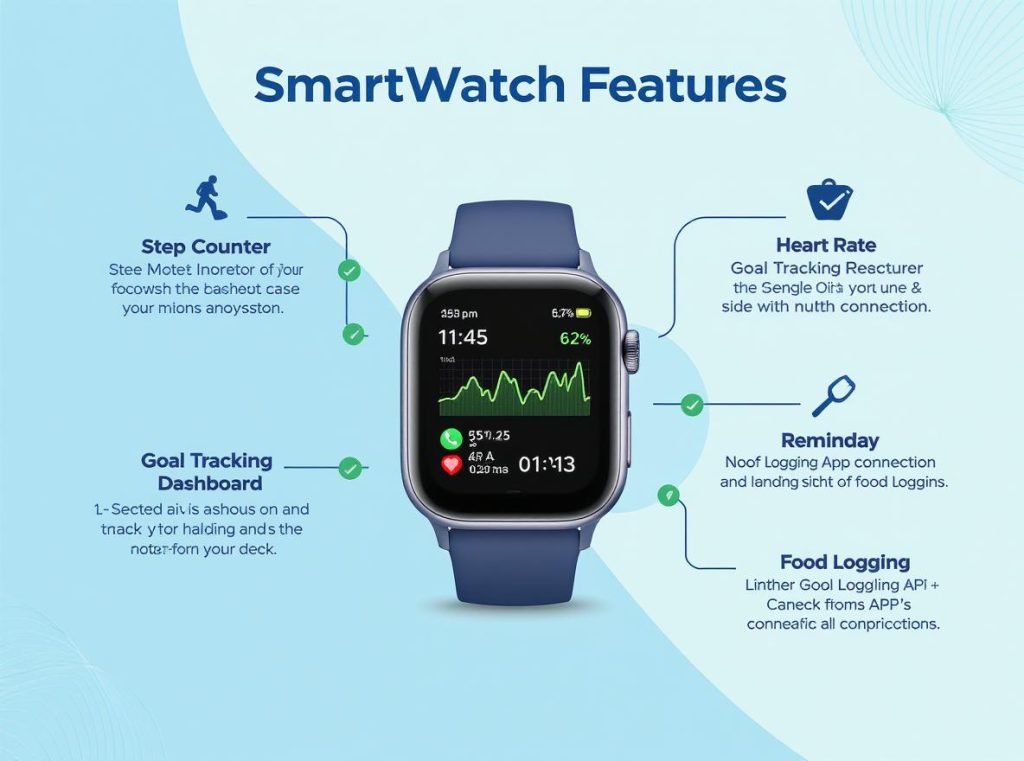
Smartwatches support weight loss through continuous self-monitoring, goal-setting dashboards, automated reminders, real-time feedback loops, and easy integration with food-logging apps. They work by implementing evidence-based behavior-change techniques that follow the “self-regulation” model: observe → compare with goal → adjust.
The science behind smartwatch weight loss support revolves around several key mechanisms validated by research. A comprehensive Lancet Digital Health umbrella review analyzing 400 studies with 164,000 participants found that wearable activity trackers increased daily steps by approximately 1,800 and resulted in an average weight loss of 1.0 kg over 5 months.
Modern smartwatches excel at providing evidence-based behavior change through:
• Continuous self-monitoring – Moment-to-moment awareness of steps, heart rate, and energy expenditure
• Goal-setting dashboards – Clear daily targets that translate prescriptions like 10,000 steps into actionable goals
• Automated reminders – Haptic nudges that prompt breaks from prolonged sitting or signal when activity goals are near
• Real-time feedback loops – Reward streaks and flag lapses, protecting adherence and predicting weight loss success
| Mechanism | Weight Loss Impact | Research Evidence |
|---|---|---|
| Step Tracking | +1,800 steps/day average | Lancet Digital Health review |
| Self-monitoring | -1.0 kg over 5 months | 400 studies, 164,000 participants |
| Feedback Systems | Higher adherence rates | SMARTER mHealth RCT |
| App Integration | Enhanced calorie tracking | Multiple RCTs |
The behavioral psychology aspect centers on self-regulation theory. Smartwatches create continuous feedback loops that help users observe their behavior, compare it against goals, and make real-time adjustments throughout the day.
Research shows that devices work best when paired with comprehensive programs rather than used in isolation, emphasizing their role as supportive tools rather than standalone solutions.
What Does the Research Actually Say About Smartwatch Weight Loss?
Scientific evidence provides nuanced but encouraging results about smartwatch effectiveness, with outcomes varying significantly based on study design and user engagement.
Multiple meta-analyses show modest but consistent weight loss benefits. A British Journal of Sports Medicine review of 31 RCTs with over 2,200 adults found an average loss of 2.7 kg for both research-grade and commercial trackers when used for 12+ weeks. However, some studies show mixed results, with one major RCT finding tracker users actually lost less weight.

The research landscape reveals complex patterns that depend heavily on implementation and user characteristics. The University of South Australia systematic review encompassing 164,000 participants demonstrated that wearables increased walking time by 40 minutes daily and produced 1 kg average weight loss over 5 months.
However, the landmark IDEA RCT with 471 young adults (BMI 31) over 24 months presented surprising findings: participants receiving standard behavioral care lost 5.9 kg, while those additionally using wearable devices lost only 3.5 kg, suggesting that for some populations, devices may provide false confidence leading to reduced overall effort.
Key research findings include:
• Duration matters significantly – Programs lasting 12+ weeks show substantially better results than shorter interventions
• Age influences effectiveness – Middle-aged and older adults benefit more than younger users
• Engagement predicts success – Higher adherence to self-monitoring correlates with greater weight loss
• Combination approaches work best – Devices alone rarely produce substantial results without dietary changes
| Study Type | Population | Duration | Average Weight Loss | Key Finding |
|---|---|---|---|---|
| Meta-analysis (BJSM) | 2,200+ adults with chronic conditions | ≥12 weeks | -2.7 kg | Consistent across device types |
| Umbrella review (Lancet) | 164,000 participants | 5 months | -1.0 kg | +1,800 steps/day increase |
| IDEA RCT | 471 young adults | 24 months | -3.5 kg (vs -5.9 control) | Unexpected negative result |
The SMARTER mHealth RCT involving 502 adults over 12 months revealed that digital self-monitoring with personalized feedback significantly increased odds of achieving 5% weight loss compared to basic logging alone, highlighting the importance of sophisticated feedback systems.
Which Smartwatch Features Matter Most for Weight Loss?
Not all smartwatch features contribute equally to weight loss success, and research identifies specific capabilities that drive meaningful results.
The most effective weight loss features are step and activity tracking with prompts, self-weighing integration, food-logging APIs, personalized feedback loops, accurate heart-rate monitoring, and social/incentive modules. Heart rate should be prioritized over calorie estimates, which remain error-prone with 9-43% inaccuracy rates.
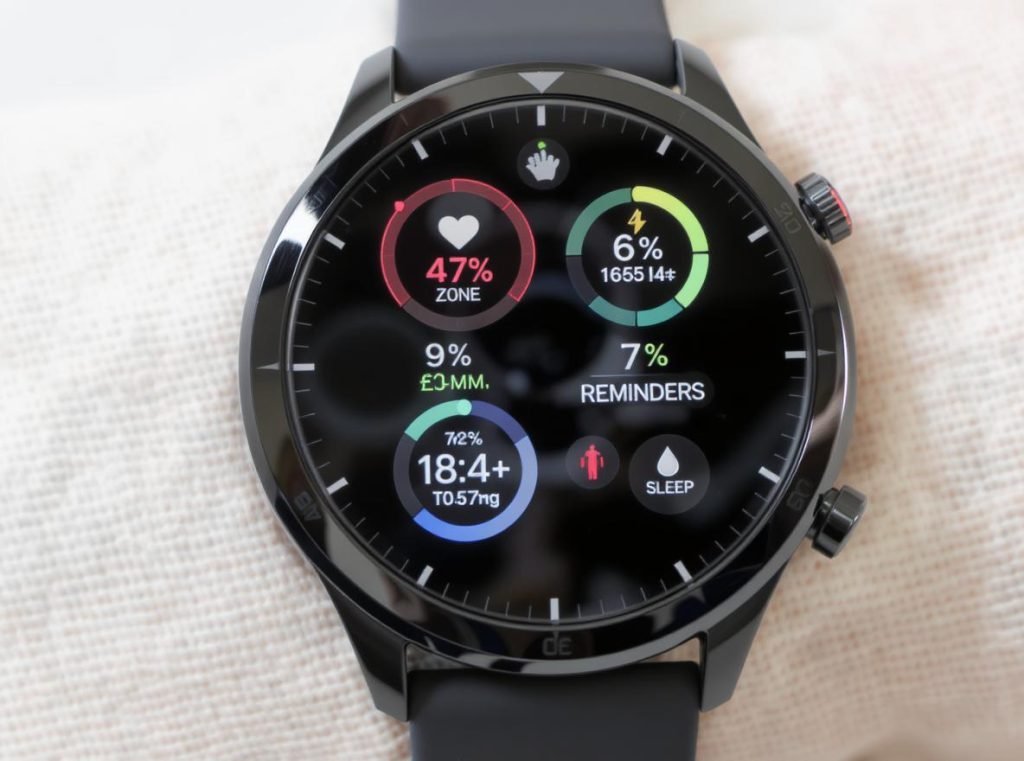
Step and activity tracking with automated prompts serves as the core driver, generating the extra 1,800 steps per day observed across meta-analyses. This fundamental feature transforms passive monitoring into active behavior modification through strategic interruptions and goal-oriented nudges.
Self-weighing integration proves particularly powerful according to research. Frequent weigh-ins predict larger month-to-month losses, and when combined with activity data, create comprehensive energy balance awareness that single-metric tracking cannot achieve.
Essential evidence-based features include:
• Accelerometer-based step tracking – Core driver of increased daily activity
• Food-logging API integration – Combined diet and activity logging produces greater reductions than either alone
• Personalized feedback systems – Push notifications and in-app advice slow typical adherence fade after month 3
• Heart-rate zones – Measured within ±9% of ECG accuracy, enabling safer intensity targets
• Social and incentive modules – Cash or charity rewards amplified physical activity gains in controlled trials
| Feature Category | Research Validation | Weight Loss Impact |
|---|---|---|
| Step Tracking | +1,800 steps/day across studies | High |
| Heart Rate Zones | ±9% ECG accuracy | Medium-High |
| Feedback Systems | SMARTER RCT validation | High |
| Social Features | TRIPPA RCT evidence | Medium |
However, energy expenditure estimates remain problematic. Independent testing reveals 9-43% error rates with systematic over- or under-estimation, making calorie burn readouts unreliable for meal budgeting decisions.
The research emphasizes using heart rate data for training intensity rather than relying on calorie calculations, as HR measurements maintain clinical-grade accuracy while energy estimates remain fundamentally flawed across all consumer devices.
What Are the Limitations of Smartwatch Weight Loss?
Understanding research-backed limitations helps set realistic expectations and avoid common pitfalls that undermine long-term success.
Major limitations include 9-43% error rates in energy expenditure calculations, systematic accuracy degradation in people with obesity, behavioral fatigue after 3-6 months, reduced effectiveness in younger adults, and inability to address dietary factors independently. Devices cannot replace calorie control, as RCTs with trackers alone produce negligible weight loss.
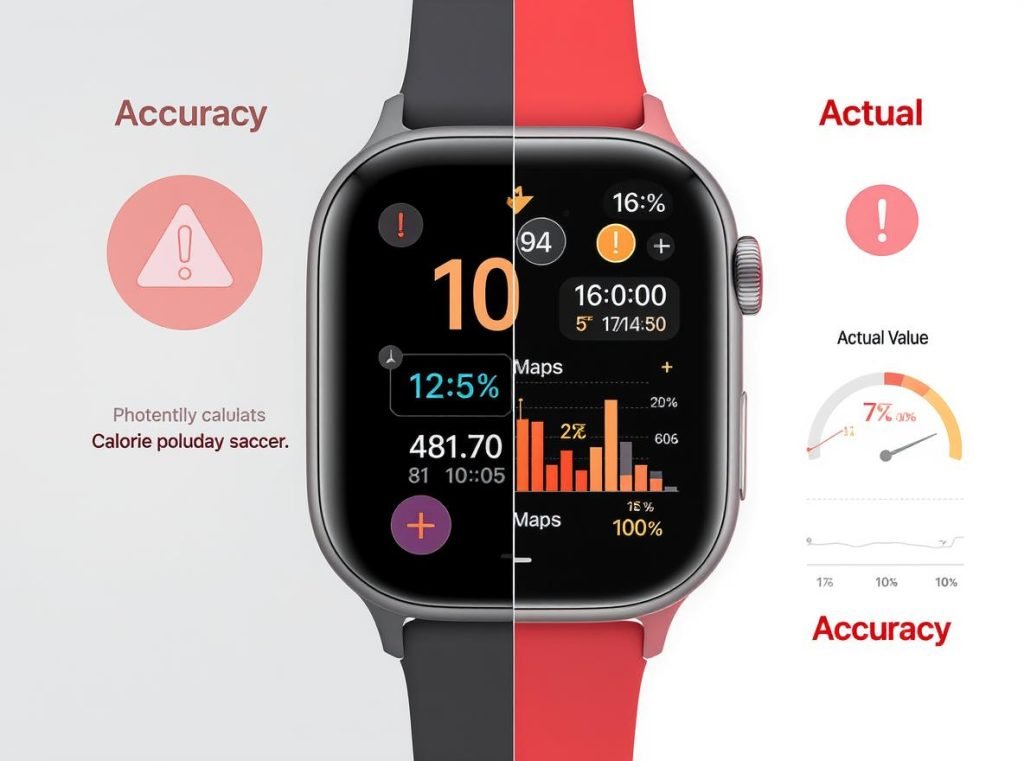
Energy expenditure estimation represents the most significant technical limitation. Independent laboratory testing consistently reveals substantial error rates, with devices showing systematic over- or under-estimation patterns that can mislead users about their actual caloric balance.
Accuracy degradation proves particularly problematic for people with obesity. Default algorithms assume non-obese gait patterns and arm swing characteristics, leading to compounded errors in the populations most needing weight loss support. New inclusive algorithms improve accuracy to >95% but aren’t yet widely deployed across consumer devices.
Research-documented limitations include:
• Behavioral fatigue – Adherence to logging and step goals falls sharply after 3-6 months unless refreshed with new strategies
• Age-related effectiveness – Younger adults consistently show less benefit than middle-aged and older cohorts in multi-year trials
• Dietary blindness – Devices cannot address the caloric intake side of energy balance equations
• False security effects – Some users reduce overall effort when relying on device feedback
| Limitation Category | Research Evidence | Impact Level |
|---|---|---|
| Calorie Accuracy | 9-43% error rates | High |
| Obesity Algorithm Issues | Default models fail | High |
| Behavioral Fatigue | 3-6 month adherence drop | Medium |
| Age Dependency | Younger adults benefit less | Medium |
The IDEA RCT’s unexpected finding that wearable users lost less weight than controls illustrates how devices can sometimes create counterproductive psychological effects, particularly in younger populations who may develop false confidence about their activity levels.
Meta-analyses of tracker-only interventions consistently show negligible weight loss compared to programs combining devices with structured dietary guidance, underscoring that technology cannot substitute for fundamental energy balance principles.
How Can You Maximize Weight Loss Results with a Smartwatch?
Research-based optimization strategies can significantly improve weight loss outcomes beyond basic step counting and passive monitoring.
Maximize results by pairing watches with food-tracking apps (logging 4-5 days weekly), enabling daily weigh-ins on Bluetooth scales, setting specific time-bound activity goals, using heart-rate training zones while ignoring calorie estimates, recruiting social accountability, and scheduling monthly data audits to combat plateau-induced disengagement.
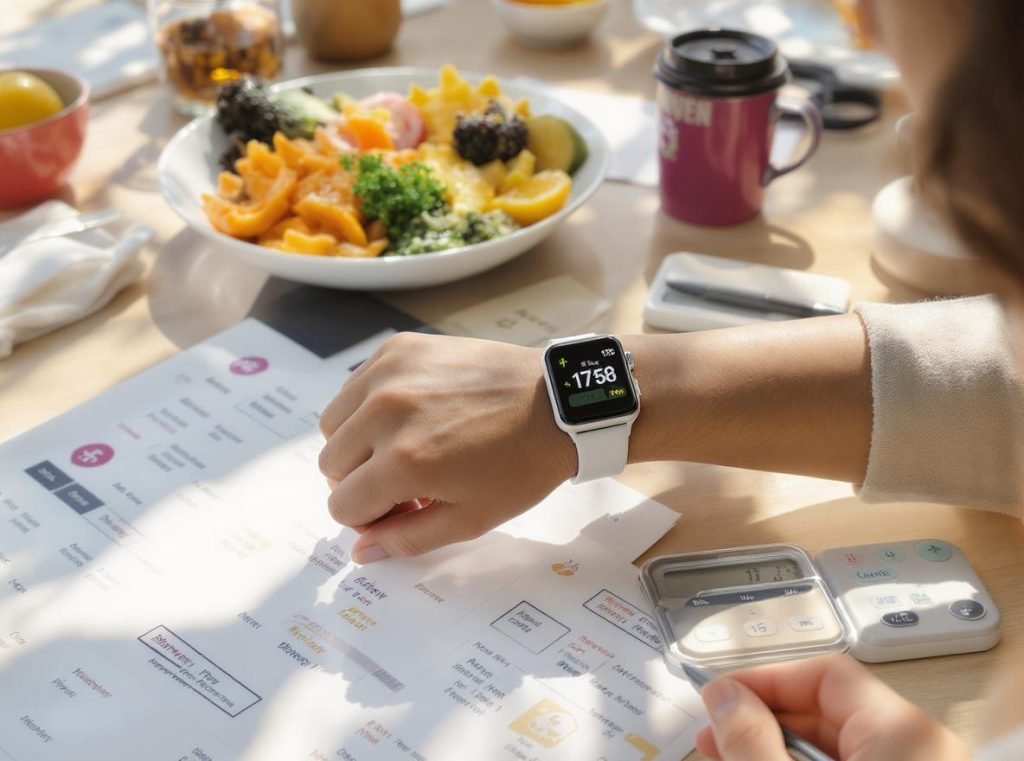
Food-logging integration proves essential according to research. Studies show that moderate food-logging frequency (4-5 days per week) predicted 0.6% body weight loss per month independent of workout intensity, demonstrating that dietary awareness amplifies device effectiveness exponentially.
Daily weigh-ins on connected scales create powerful feedback loops. Research indicates that frequent self-weighing augments weight loss and provides early warning systems for regain, particularly when combined with activity data to understand behavior-outcome relationships.
Evidence-based optimization strategies include:
• Structured food logging – Minimum 4-5 days weekly for optimal results
• Daily weigh-in protocols – Bluetooth scale integration for trend tracking
• Heart-rate zone training – Use HR data while ignoring calorie burn estimates
• Social accountability systems – App challenges and financial stakes sustained gains in large RCTs
• Monthly data audits – Regular review sessions to combat adherence fade
• Goal progression systems – Specific, time-bound targets with regular adjustments
| Strategy | Research Basis | Implementation Timeline |
|---|---|---|
| Food Logging | -0.6% weight/month independent effect | Daily habit formation |
| Daily Weighing | Enhanced loss and regain prevention | Immediate implementation |
| HR Zone Training | ±9% accuracy vs calorie errors | Per workout basis |
| Social Features | TRIPPA RCT validation | Ongoing engagement |
For users with BMI ≥30, choosing devices validated on higher-weight populations or offering obesity-specific algorithms becomes crucial, as standard models show significantly degraded accuracy in these populations where weight loss support is most needed.
The research emphasizes treating smartwatches as active coaching partners rather than passive monitors, requiring regular engagement with data trends, goal adjustments, and feature utilization to maintain effectiveness over time.
Are Some People Better Suited for Smartwatch Weight Loss Than Others?
Individual characteristics significantly influence smartwatch effectiveness, with research identifying specific user profiles that predict success or failure.
Good candidates include data-motivated adults seeking incremental lifestyle change, people with cardiometabolic risk factors who respond to quantified feedback, and older users who show the greatest activity increases. Less suitable users include those prone to obsessive calorie counting, individuals with eating disorder history, and younger adults who consistently show reduced benefits in multi-year trials.
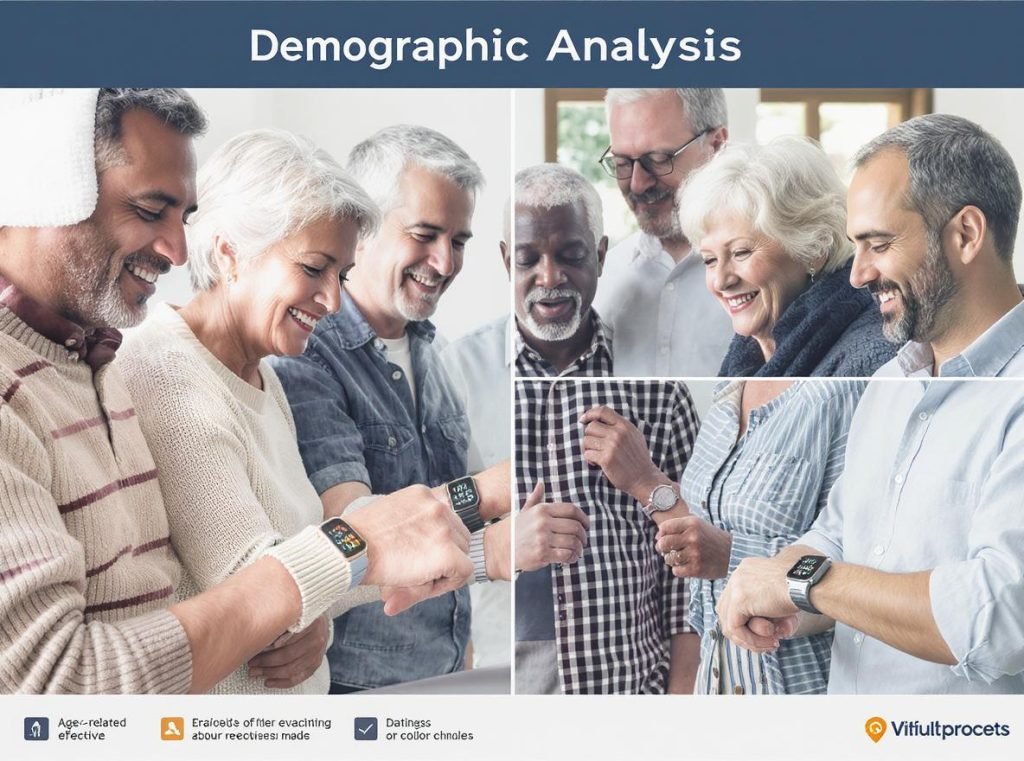
Age emerges as the primary predictor of success across multiple studies. Research consistently demonstrates that middle-aged and older adults benefit significantly more from activity tracker interventions than younger populations, likely due to greater appreciation for health monitoring and more established routine structures.
The TRIPPA RCT and similar studies reveal that data-motivated individuals who enjoy quantified feedback naturally gravitate toward sustained tracking behaviors. Conversely, users uncomfortable with constant metrics or preferring intuitive approaches may find monitoring restrictive or counterproductive.
Research-identified success predictors include:
• Age demographics – Middle-aged and older adults show consistently better outcomes
• Cardiometabolic risk presence – Higher baseline risk correlates with greater engagement and results
• Data-driven personality traits – Appreciation for measurable progress and milestone achievements
• Structured lifestyle preferences – Regular routines accommodate consistent monitoring habits
However, certain populations may experience negative effects. Research suggests that individuals with eating disorder history may find constant calorie and activity metrics triggering, potentially reinforcing maladaptive behaviors rather than supporting healthy change.
| User Profile | Success Likelihood | Research Evidence |
|---|---|---|
| Adults 40+ | High | Consistent across multiple RCTs |
| Data-motivated types | High | SMARTER mHealth RCT |
| Eating disorder history | Low/Risky | Clinical caution advised |
| Younger adults | Low | IDEA RCT findings |
Users taking heart-rate-affecting medications present special considerations, as training zone recommendations become less reliable when pharmaceutical interventions alter normal cardiovascular responses to exercise intensity.
The research emphasizes matching device recommendations to user characteristics rather than assuming universal applicability, particularly given the substantial individual variation in response patterns observed across large-scale studies.
What Should You Look for When Choosing a Weight Loss Smartwatch?
Selecting optimal devices requires prioritizing research-validated features over marketing claims, with specific attention to accuracy, integration capabilities, and algorithm inclusivity.
Prioritize validated heart-rate sensors (±9% ECG accuracy), third-party food-log and scale integration supporting comprehensive energy balance tracking, customizable feedback systems proven to sustain 6+ month adherence, algorithm inclusivity for obesity populations, extended battery life supporting consistent wear-time, and robust privacy controls for sensitive health data.
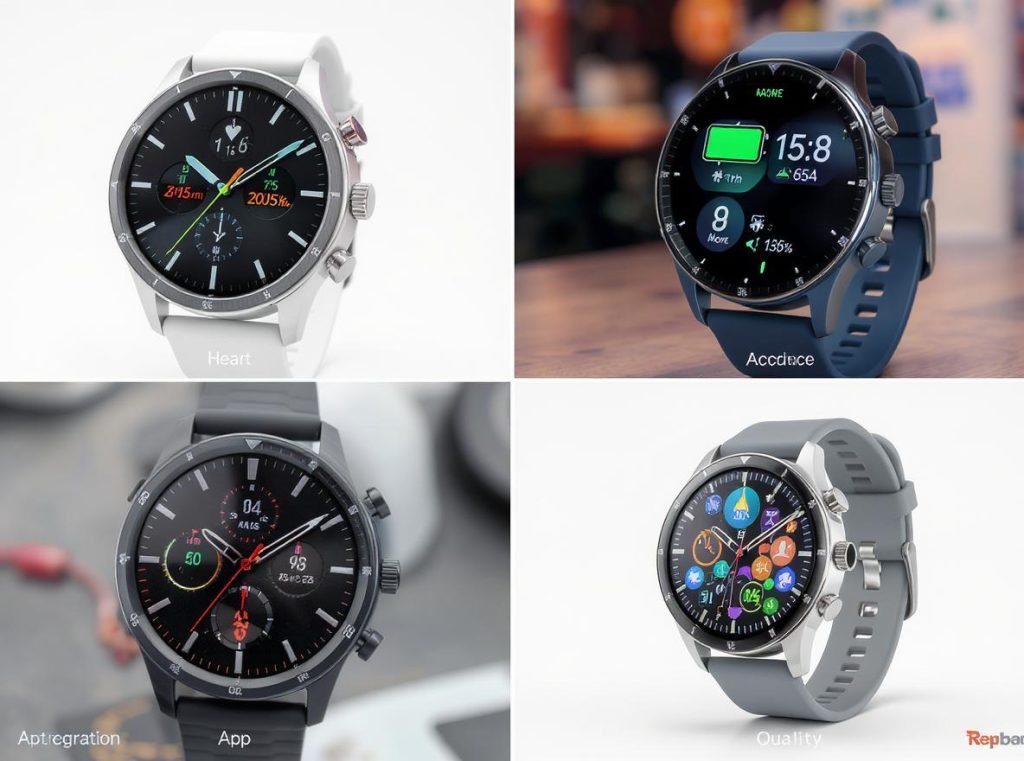
Heart-rate sensor validation represents the most critical technical specification. Research shows that accurate HR monitoring (within ±9% of ECG) enables safe intensity targeting while calorie estimates remain fundamentally unreliable across all consumer devices.
Algorithm inclusivity becomes crucial for obesity populations where standard models fail. New inclusive algorithms improve accuracy to >95% for higher-BMI users, but deployment remains limited across consumer devices despite representing the populations most needing support.
Research-based selection criteria include:
• Clinical-grade heart rate accuracy – Laboratory validation within ±9% of ECG standards
• Open ecosystem integration – Support for established platforms like Apple Health, Google Fit, MyFitnessPal
• Customizable feedback systems – Adjustable alerts and goal reporting proven to sustain long-term adherence
• Obesity-specific algorithms – Validation studies on higher-BMI populations for accurate tracking
• Extended battery life – Minimum 5-day operation supporting consistent wear patterns
• Comprehensive privacy controls – Two-factor authentication and local data export options
| Selection Criterion | Research Importance | Practical Verification |
|---|---|---|
| HR Sensor Validation | Critical for safe training | Independent lab testing reports |
| App Ecosystem | Enables comprehensive tracking | Verified API integrations |
| Algorithm Inclusivity | Essential for obesity accuracy | Published validation studies |
| Privacy Controls | Health data sensitivity | Security audit results |
For wholesale customers considering Osmarto products, emphasizing these research-backed specifications over cosmetic features builds credibility and ensures customer satisfaction through effective weight loss support rather than disappointing performance.
The research strongly suggests avoiding devices that prioritize flashy features over fundamental accuracy, as user disappointment with ineffective tracking undermines long-term brand relationships and repeat business opportunities.
Summary
Smartwatches can genuinely support weight loss efforts, with comprehensive research showing 1-3 kg advantages over non-users when devices are used consistently as part of structured lifestyle programs. Success depends on evidence-based feature utilization including food-logging integration, daily weigh-ins, heart-rate zone training, and social accountability rather than passive step counting. The most critical limitations include 9-43% calorie estimation errors, reduced effectiveness in younger adults, and behavioral fatigue after 3-6 months that requires active management through goal progression and feedback system engagement.

Ready to offer your customers research-backed weight loss solutions with scientifically validated smartwatch technology? Contact Osmarto today to explore our comprehensive range of fitness-focused smartwatches designed for wholesale distribution. Our devices incorporate the evidence-based features that research shows actually drive results – accurate heart rate monitoring, comprehensive app integration, and algorithm inclusivity for diverse user populations. Send us an inquiry to discover how Osmarto’s research-informed approach can differentiate your product portfolio and deliver genuine value to your customers’ health goals.