Skip to content
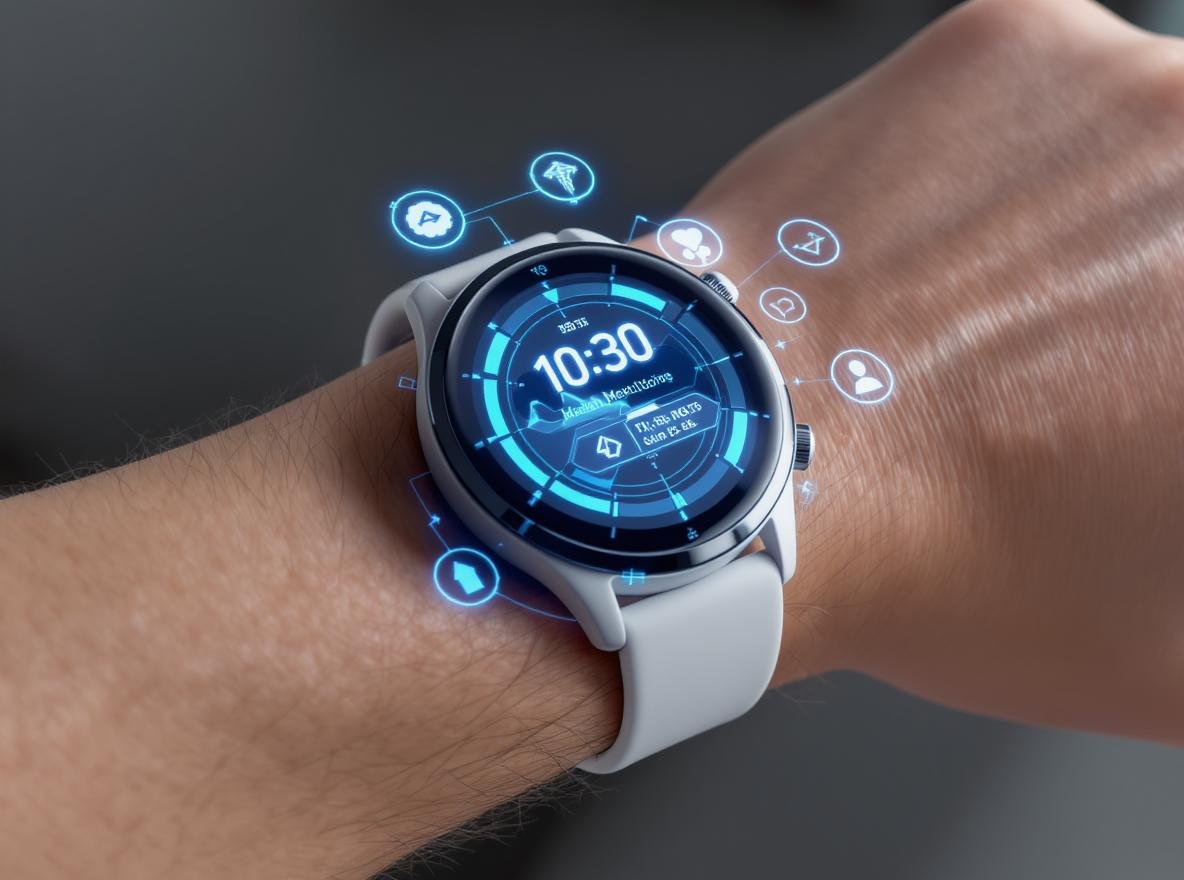
With millions of people wearing smartwatches 24/7, concerns about daily safety are rising. From EMF radiation exposure to skin irritation, users worry about potential health risks from constant wearable technology contact.
Yes, smartwatches are generally safe for daily wear when used responsibly. Current research indicates that smartwatches pose minimal health risks for most users when worn regularly, with EMF radiation levels well below harmful thresholds established by regulatory authorities worldwide.
Let’s explore everything you need to know about smartwatch safety for daily wear.
Do Smartwatches Emit Harmful Radiation?
Understanding EMF radiation concerns is crucial for anyone considering daily smartwatch use, especially given widespread misinformation about wearable technology risks.
Smartwatches emit radiofrequency (RF) radiation through wireless connections, but the levels are significantly lower than smartphones and generally considered safe. The CDC confirms that wearable devices expose users to very low levels of RF radiation compared to international exposure limits.

Smartwatches use three main types of wireless connections that emit RF radiation. Bluetooth operates at 2.4 GHz with low-power, continuous pulsed signals, while Wi-Fi functions at 2.4 GHz or 5 GHz frequencies. LTE-enabled models emit RF radiation like a small mobile phone but at much lower power levels.
To be sold in the United States, all wearable devices must meet Federal Communications Commission (FCC) limits for human exposure to RF radiation. International safety guidelines are based on peer-reviewed research from the International Commission on Non-Ionizing Radiation Protection (ICNIRP), establishing limits that most countries use with substantial safety factors.
Comparative exposure data reveals significant differences:
| Device Type | Power Output | SAR Limit | Typical SAR |
|---|---|---|---|
| Smartphones | Up to 2 watts | 1.6 W/kg (US) | 0.5-1.5 W/kg |
| Apple Watch | Milliwatt range | 1.6 W/kg (US) | Under 0.1 W/kg |
| Smartwatches | 0.1-0.3 watts | 2.0 W/kg (EU) | 0.1-0.3 W/kg |
While smartwatches operate at much lower power levels than smartphones, their continuous, intimate skin contact creates unique exposure scenarios that merit attention, especially for sensitive individuals.
For wholesale buyers evaluating smartwatch safety, partnering with manufacturers who provide comprehensive SAR testing documentation and comply with international safety standards ensures customer confidence and reduces liability concerns.
Can Wearing a Smartwatch Cause Skin Problems?
Skin irritation represents the most common real-world issue with daily smartwatch wear, affecting users regardless of device quality or price point.
Yes, smartwatches can cause skin problems, particularly contact dermatitis. Skin problems typically result from allergic reactions to materials, poor fit, inadequate cleaning, or trapped moisture rather than the device’s electronic components.
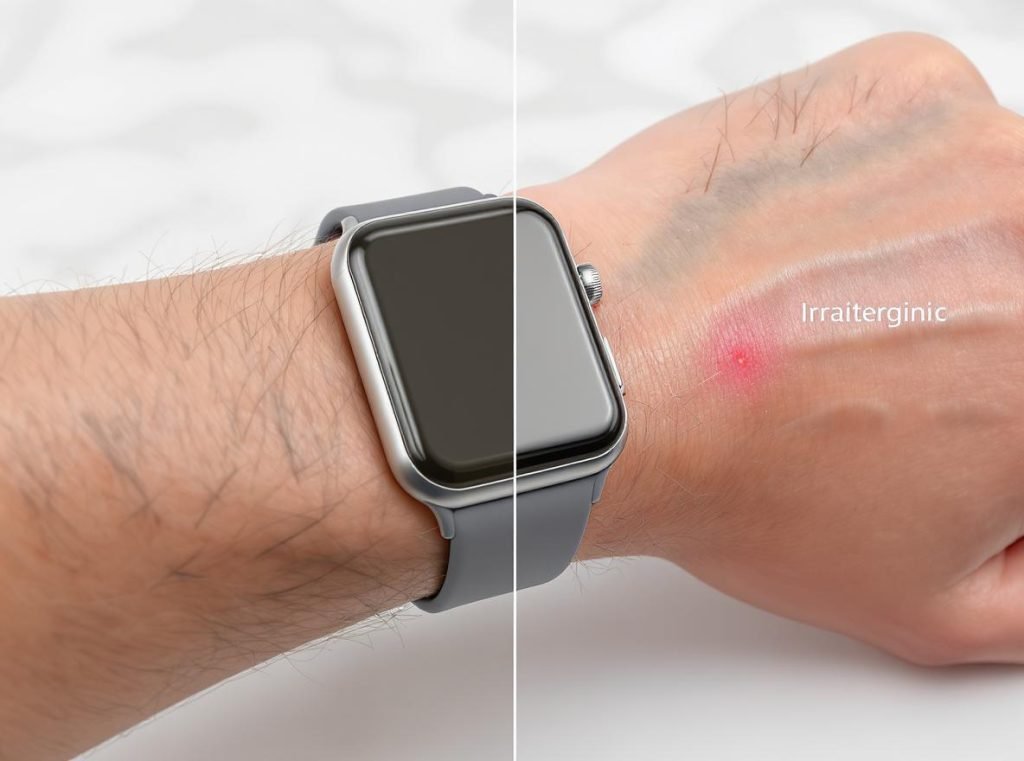
Contact dermatitis manifests in two primary forms. Allergic contact dermatitis occurs from materials like nickel, latex, rubber, or silicone in the watch or band, with nickel allergy being particularly common among smartwatch users. Irritant contact dermatitis results from friction, moisture, and trapped sweat, especially when wearing the watch too tightly.
Common symptoms include red rash and itching, dry or cracked skin, bumps or blisters, and in severe cases, swelling, burning, or tenderness. These problems typically develop on the wrist contact area and can range from mild redness to painful inflammation.
Recent studies have identified an emerging concern: “forever chemicals” (PFAS) in smartwatch bands, particularly perfluorohexanoic acid (PFHxA), which can be absorbed through skin during extended wear.
Prevention strategies for daily wearers:
- Maintain proper hygiene by cleaning both watch and band daily with mild soap and water
- Ensure correct fit with finger-width space for air circulation
- Take regular breaks, giving your wrist at least 20 minutes of rest daily
- Choose hypoallergenic band materials like medical-grade silicone, nylon, or fabric
- Consider wearing on alternate wrists to prevent continuous pressure points
For businesses sourcing smartwatches, prioritizing quality band materials and providing customer education about proper wear significantly reduces return rates and improves satisfaction. Osmarto’s smartwatch collection emphasizes skin-safe materials and ergonomic design specifically for extended daily use.
Is It Safe to Sleep with a Smartwatch On?
Sleep tracking capabilities make overnight wear appealing, but safety considerations and sleep quality impacts require careful evaluation for daily users.
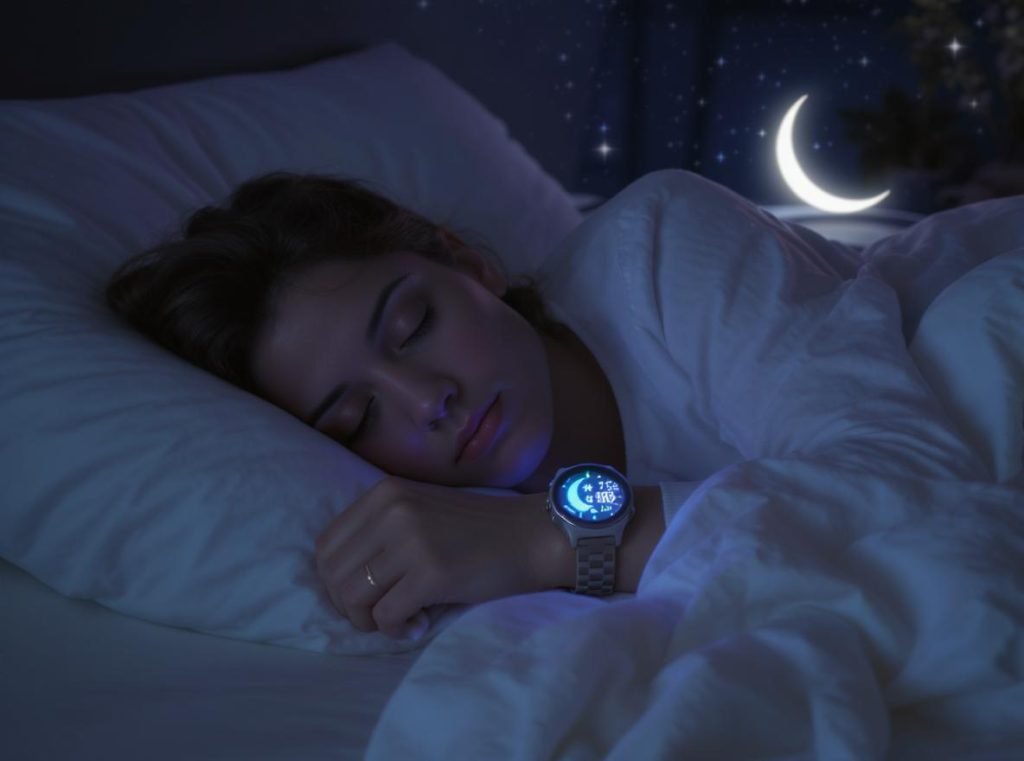
It is generally safe to sleep with a smartwatch if you feel comfortable doing so. However, continuous wear without breaks increases skin irritation risks, and some users experience sleep quality disruption from constant monitoring anxiety.
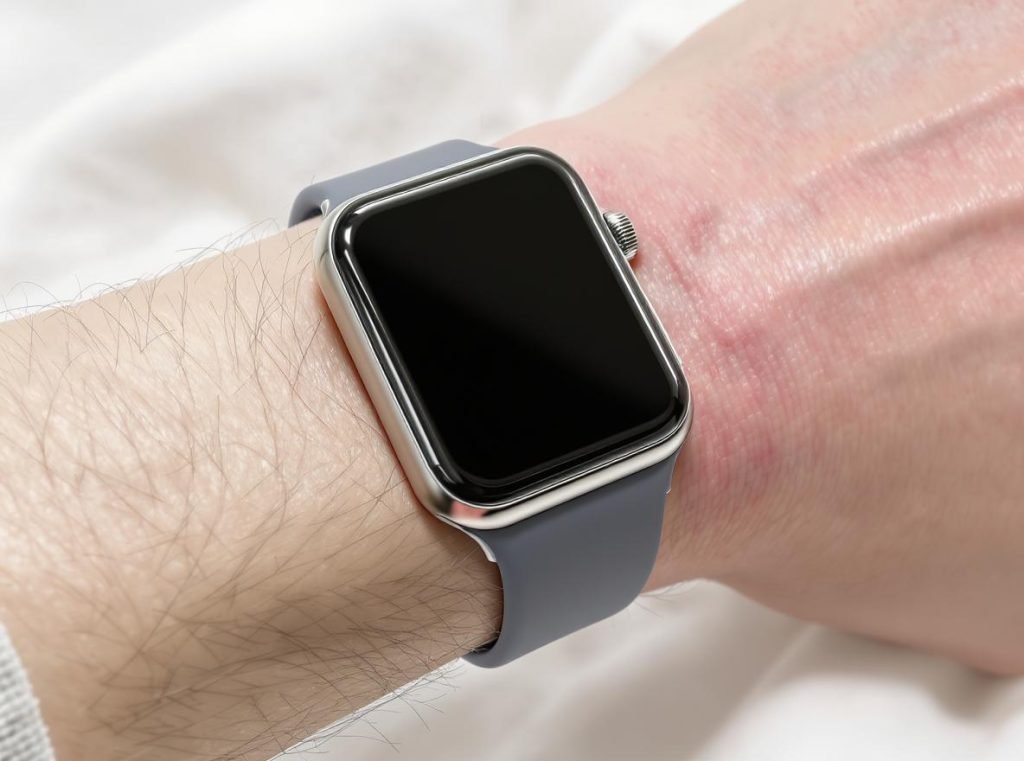
Physical safety considerations center around comfort and circulation. Many users find wearing a watch to bed uncomfortable, which can disrupt sleep quality. The device should not restrict blood flow or cause pressure points during 6-8 hours of continuous contact.
Sleep-specific health risks include increased skin irritation from the warm, moist environment under the watch, potential bacterial growth from trapped perspiration, and mental health impacts from constant monitoring anxiety.
Research suggests mixed effects on sleep quality:
| Potential Benefits | Potential Drawbacks |
|---|---|
| Better sleep pattern understanding | Sleep anxiety from metric obsession |
| Early detection of sleep disorders | Disrupted sleep from notifications |
| Improved sleep habit awareness | Pressure to achieve perfect scores |
Studies indicate that sleep tracking may create anxiety for some users, potentially worsening sleep quality through a phenomenon called “sleep anxiety,” where people become overly focused on optimizing their sleep metrics.
For optimal safety during sleep wear:
- Enable “Do Not Disturb” mode to prevent light and vibration disruptions
- Use airplane mode to disable wireless functions while maintaining sleep tracking
- Ensure the band is clean and completely dry before bedtime
- Position the watch loosely to maintain circulation and comfort
- Take occasional nights off from wearing to allow skin recovery
Wholesale customers often inquire about sleep safety features. Quality smartwatches should include dedicated sleep modes that minimize disruptions while maintaining essential tracking functions.
What Are the Long-Term Health Effects of Daily Smartwatch Use?
Long-term safety data for smartwatches remains limited due to their relatively recent widespread adoption, but current research provides important insights for daily users.
Limited long-term studies exist specifically on smartwatch health effects, but current evidence shows no significant health risks from proper daily use. However, emerging research suggests potential behavioral and psychological impacts that require consideration.
Current research findings indicate mixed outcomes. Studies show that 50% of wearable research demonstrates positive health outcomes, particularly for chronic disease management including diabetes, Parkinson’s disease, and chronic pain. Cardiovascular monitoring benefits include early detection of irregular heart rhythms and improved fitness awareness.
However, emerging concerns include behavioral and psychological impacts. For some users, particularly those with existing health conditions, wearables can amplify anxiety and increase healthcare utilization. One study found that 1 in 5 atrial fibrillation patients experienced intense fear and anxiety from irregular rhythm notifications.
Potential long-term considerations include:
Mental Health Impacts:
- Health anxiety and obsessive monitoring behaviors
- Sleep disruption from constant notifications
- Social disconnection and distraction from over-reliance on technology
Physical Effects:
- Chronic skin irritation from continuous wear
- Potential exacerbation of eating disorders in susceptible individuals
- Muscle tension and headaches reported by some sensitive users
Data privacy represents another long-term consideration, as smartwatches collect significant personal health information, raising legitimate concerns about data protection and security over extended periods.
For businesses in the smartwatch industry, focusing on quality construction, proper user education, and transparent data practices helps address long-term customer concerns and builds brand trust essential for sustained market success.
How to Choose a Safe Smartwatch for Daily Wear?
Selecting the right smartwatch for daily use requires balancing features, safety, and comfort considerations, especially for businesses serving diverse customer bases.
Choose smartwatches from reputable manufacturers who provide comprehensive SAR testing documentation, use hypoallergenic materials, and offer proper fit options. Look for devices with customizable notification settings and quality construction standards that meet international safety regulations.
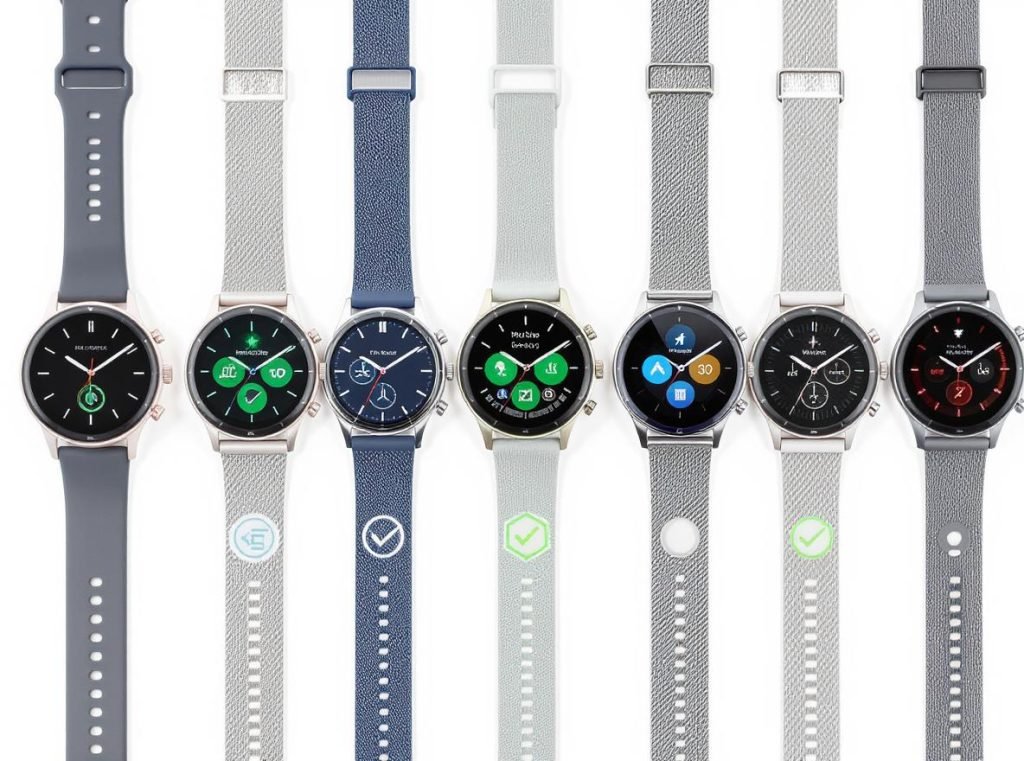
Key safety features to prioritize include hypoallergenic materials with nickel-free construction and certified hypoallergenic bands made from titanium, surgical-grade stainless steel, or medical-grade silicone. Comprehensive SAR testing results should demonstrate compliance with FCC, ICNIRP, and other international standards.
Essential safety criteria for daily wear:
Material Quality:
- Medical-grade silicone, fabric, or leather options for different skin sensitivities
- PFAS-free band construction to avoid chemical exposure
- Corrosion-resistant metals for long-term durability
Technical Safety Features:
- Adjustable EMF settings allowing wireless function customization
- Airplane mode capabilities for reduced radiation exposure
- Emergency functions including fall detection and SOS features
Fit and Comfort:
- Multiple band sizes and adjustment options for proper circulation
- Water resistance ratings appropriate for daily activities
- Battery management systems preventing overheating during extended use
For wholesale buyers, partnering with manufacturers who prioritize these safety aspects ensures customer satisfaction and reduces support issues:
| Customer Segment | Key Safety Priorities |
|---|---|
| Fitness Enthusiasts | Sweat-resistant materials, secure fit options |
| Business Users | Professional appearance with all-day comfort |
| Health-Conscious Consumers | Accurate sensors, data privacy features |
| Budget-Conscious Buyers | Reliable safety without premium pricing |
Osmarto’s smartwatch lineup emphasizes these safety considerations, providing detailed specifications and user guidance for optimal daily wear experience. Our wholesale partners receive comprehensive product information to educate their customers about safe usage practices and build long-term customer relationships.
What Should You Do If You Experience Problems?
Recognizing and addressing smartwatch-related issues quickly prevents minor problems from becoming serious health concerns and helps maintain customer satisfaction.
If you experience skin irritation, unusual symptoms, or device malfunctions, stop wearing the smartwatch immediately and consult healthcare professionals if symptoms persist. Most issues resolve quickly with proper care and device adjustment.
For skin irritation, immediate response is crucial. Stop wearing the device at the first sign of problems, clean both the watch and band thoroughly with alcohol wipes, then rinse with plain water and dry completely. Allow complete skin healing before attempting to wear the device again.
Problem identification and systematic solutions:
Mild Issues (Self-Management):
- Skin redness: Take wearing breaks, improve cleaning routine, loosen fit
- Minor discomfort: Switch to hypoallergenic band materials, reduce wearing time
- Device warmth: Check charging connections, avoid extreme temperatures
Serious Concerns (Medical Consultation Required):
- Persistent skin irritation lasting more than 48 hours after device removal
- Signs of infection including increased redness, warmth, pus, or fever
- Severe swelling, blistering, or allergic reactions
- Unusual physical symptoms like dizziness, headaches, or nausea
When to seek professional help:
| Symptom Severity | Timeline | Recommended Action |
|---|---|---|
| Mild irritation | Immediate | Self-care, device adjustment |
| Persistent problems | 48+ hours | Dermatologist consultation |
| Severe reactions | Immediate | Emergency medical attention |
| Systemic symptoms | Any duration | Healthcare provider evaluation |
For businesses, maintaining clear return policies and customer support procedures helps address safety concerns quickly. Providing customers with proper usage guidelines and troubleshooting resources reduces problem frequency and improves satisfaction.
Report serious adverse effects to manufacturers and consider regulatory reporting through FDA MedWatch for significant health impacts. Many manufacturers offer replacement bands or devices for confirmed allergic reactions, demonstrating commitment to customer safety.
Alternative solutions include EMF protection accessories (though effectiveness varies), sensor covers or protective films for allergic reactions, different wearing schedules to reduce continuous exposure, or basic fitness trackers with fewer wireless functions if problems persist.
Summary
Smartwatches are generally safe for daily wear when used responsibly and chosen carefully. Current research indicates minimal health risks for most users, with EMF radiation levels well below harmful thresholds and skin problems typically preventable through proper hygiene and fit. Key success factors include selecting quality devices from reputable manufacturers, maintaining proper usage habits, and remaining aware of individual sensitivity factors.

For businesses in the smartwatch industry, prioritizing customer education, quality materials, and comprehensive support ensures positive experiences and long-term success. Contact Osmarto today to discuss our wholesale smartwatch solutions designed with safety and quality as top priorities, helping your business serve customers with confidence while building lasting relationships in the growing wearable technology market.