Skip to content
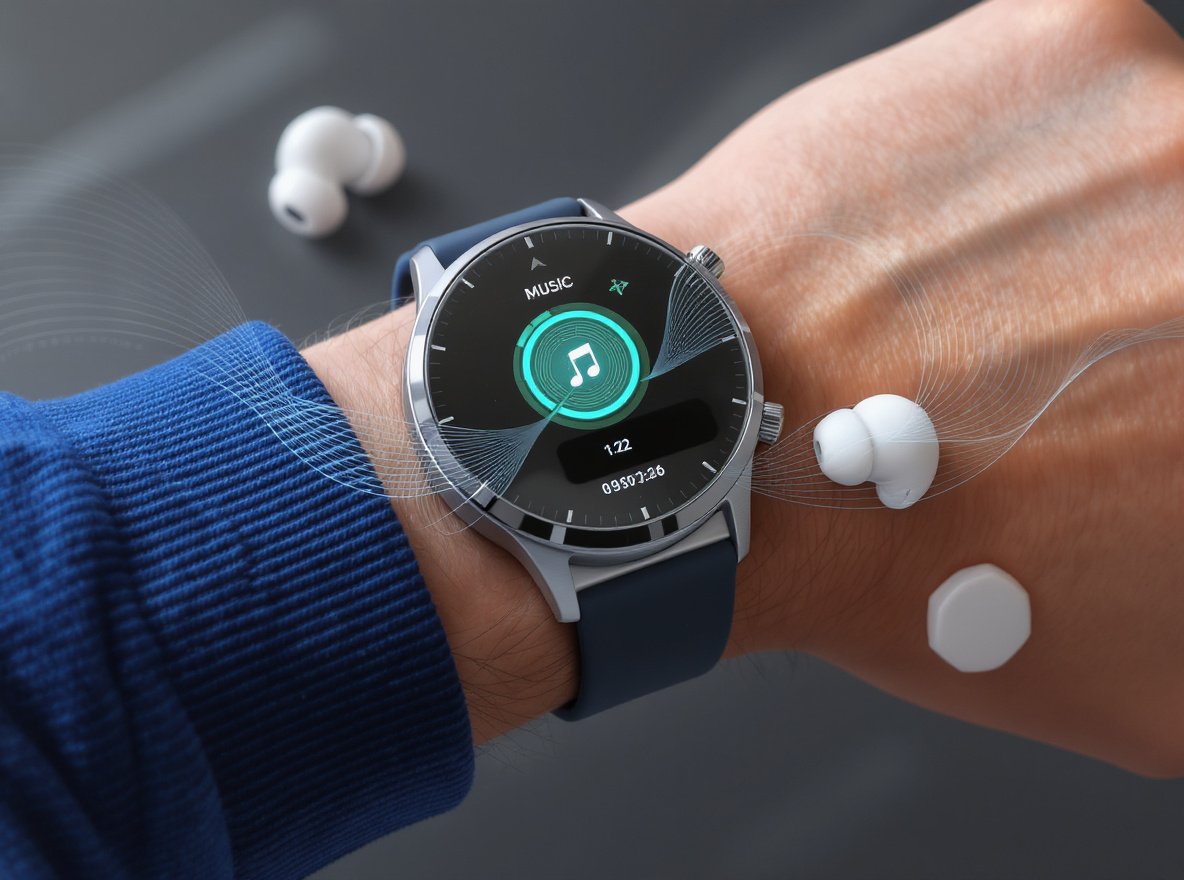
Tired of carrying your phone during workouts or outdoor activities just to listen to music? Many fitness enthusiasts and active individuals struggle with bulky phones bouncing around during exercise or worry about expensive device damage from sweat and drops.
Yes, modern smartwatches can absolutely function as standalone music players. Unlike early models that simply controlled phone music, today’s devices feature dedicated storage (2GB-64GB), independent processing power, and connectivity options that enable complete music playback without any phone nearby.
The key distinction lies between music control and true music playback – and understanding this difference will transform how you approach fitness and daily activities.
What Technology Makes Smartwatch Music Playback Possible?
Understanding the core components helps you evaluate different models and make informed purchasing decisions. This technology represents a significant evolution from simple notification devices to complete entertainment systems.
Standalone music functionality requires four essential components: dedicated internal storage, audio processing capabilities, wireless connectivity options, and robust battery management systems. These elements work together to create a seamless audio experience that rivals smartphone capabilities in a compact wrist-worn format.
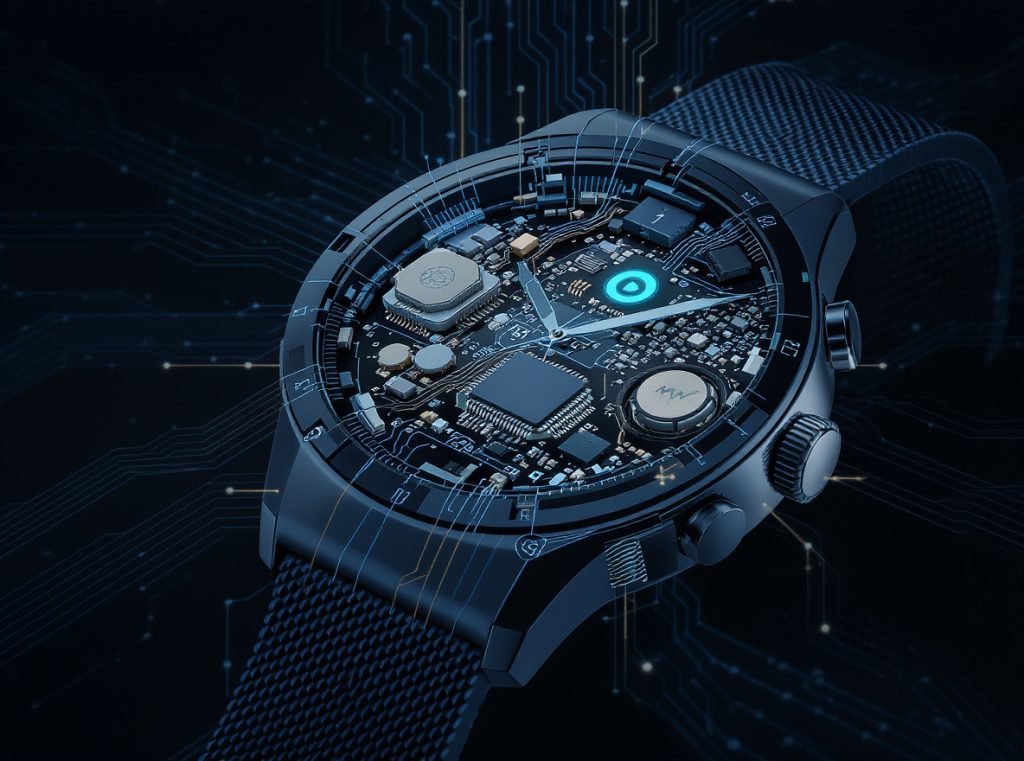
Internal storage capacity varies dramatically across models. Apple Watches with 32GB total storage dedicate approximately 8GB specifically for music, while devices like the Garmin Forerunner 265 provide 8GB for up to 1,000 songs. Premium models can offer up to 64GB total storage with flexible allocation between music, apps, and system files.
Audio processing power determines which file formats your watch can handle efficiently. Most modern smartwatches support MP3, AAC, and sometimes OGG or WMA files at bitrates up to 320 kbps. Some budget models limit playback to 128 kbps for battery optimization, while premium devices handle high-quality audio without compromise.
Connectivity options enable both offline and streaming capabilities. Bluetooth connectivity allows wireless headphone pairing for private listening. Built-in speakers in models like Apple Watch Series 10 and Samsung Galaxy Watch 7 provide direct audio output. Wi-Fi and cellular connectivity enable streaming from services like Spotify or Apple Music.
Battery management becomes crucial during music playback since audio processing significantly impacts power consumption. Advanced watches include power-saving modes that adjust GPS accuracy or music quality to extend usage time during long activities.
How Do You Transfer Music to Your Smartwatch?
Music transfer methods directly impact convenience and determine which content you can access offline. Different approaches suit various technical comfort levels and music library preferences.
Most smartwatches support multiple transfer methods: companion smartphone apps, direct file transfer via USB or Bluetooth, and automatic streaming service synchronization. The easiest method depends on your existing music library and preferred streaming services.
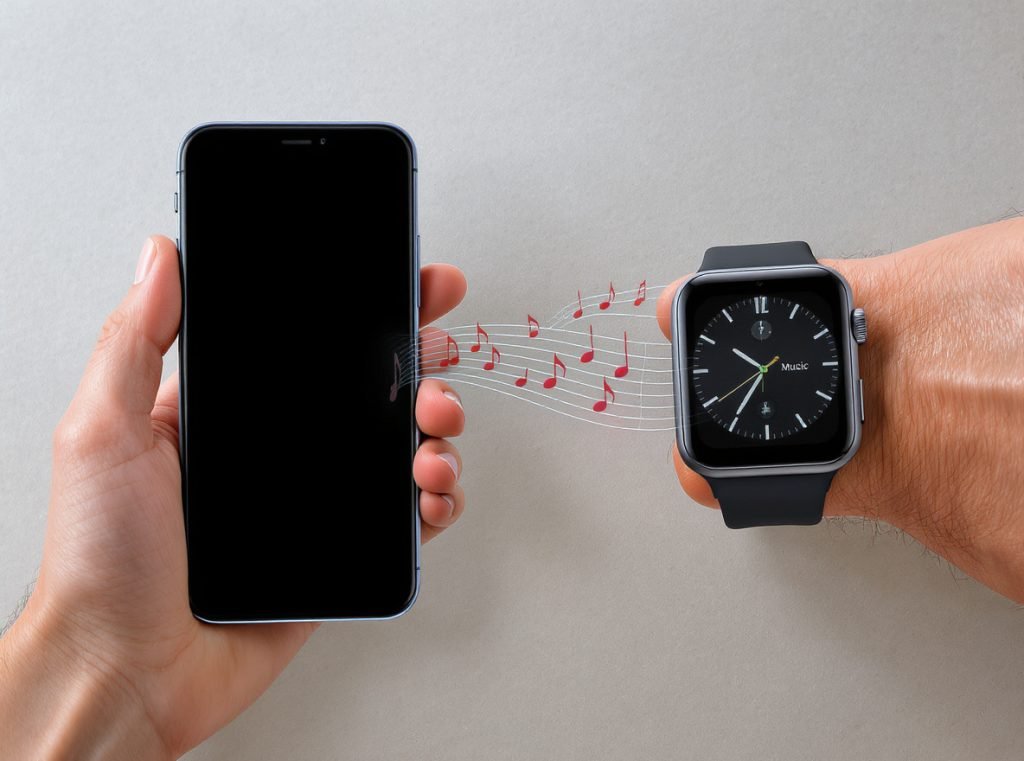
Companion apps provide the most user-friendly transfer experience. Samsung Galaxy Watches use the Galaxy Wearable app, where users navigate to Manage Content > Music > Tracks on Watch, then select the plus icon to add songs from their phone’s local storage. The process involves selecting audio files and tapping “Add to Watch,” with a progress bar showing transfer completion.
Direct transfer methods offer maximum control over your music library. Some watches support USB connection to computers, allowing users to drag and drop MP3 files directly into designated folders. Alternative methods include Bluetooth file sharing, where you can select audio files on your phone and share them directly to the connected watch.
Streaming service integration provides convenience for subscription users:
- Spotify Premium: Download specific playlists through the watch app for offline playback
- Apple Music: Sync purchased music and subscription content automatically
- Amazon Music: Download songs for offline listening on supported Garmin and Samsung devices
- YouTube Music: Available on Wear OS devices with offline download capabilities
Transfer speeds vary significantly between devices and methods. Apple Watch users often report painfully slow sync times when transferring large music libraries, making playlist curation essential rather than transferring entire collections. USB transfers typically complete faster than wireless methods but require compatible devices.
File management becomes important with limited storage. Most users need to curate specific playlists for watch storage rather than attempting to transfer complete music libraries. Smart sync features automatically update content based on listening habits and available space.
Which Smartwatch Models Excel at Music Storage?
Brand selection significantly impacts your music experience, storage capacity, and ecosystem compatibility. Each manufacturer takes different approaches to audio capabilities and user integration.
Leading brands for music storage include Apple Watch (32-64GB), Samsung Galaxy Watch (32GB), Garmin fitness models (4-8GB), and select Amazfit devices (2-3GB). Each brand targets different user types with varying storage capacities and streaming service partnerships.
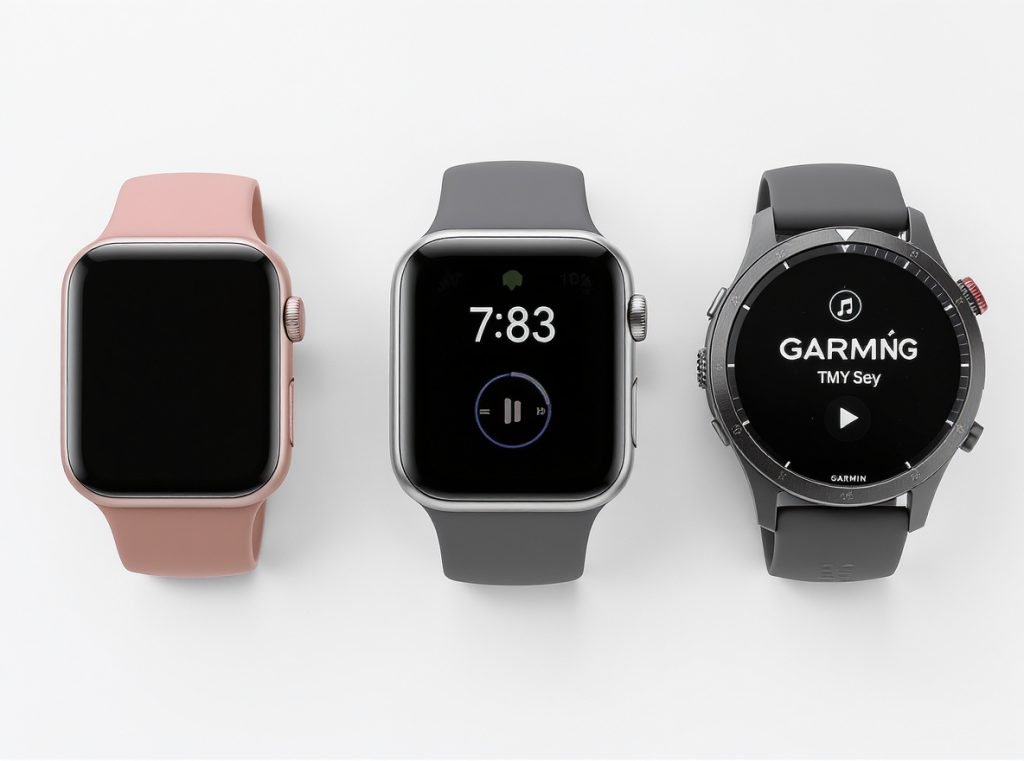
Apple Watch Series 10, Ultra 2, and SE 2 provide 32-64GB total storage with approximately 24% allocated for music (8GB on 32GB models). They support Apple Music streaming, Spotify offline downloads, and local MP3 storage. The Series 10 offers enhanced speaker playback capabilities alongside traditional Bluetooth connectivity for versatile audio output.
Garmin offers extensive music support across their fitness-focused lineup:
| Model | Storage Capacity | Song Capacity | Supported Services |
|---|---|---|---|
| Forerunner 265 | 8GB | 1,000+ songs | Spotify, Amazon Music, Deezer |
| Forerunner 165 Music | 4GB | 500 songs | Spotify, Amazon Music |
| Fenix 8 | 8GB+ | 1,000+ songs | Full streaming service support |
Samsung Galaxy Watch 7 and Galaxy Watch Ultra feature 32GB storage with flexible allocation between music, apps, and system files. Samsung’s Wear OS platform enables access to multiple streaming services through the Google Play Store, including YouTube Music, Spotify, and Amazon Music.
Budget-friendly options include Amazfit models like the Balance, offering 2.2GB music storage specifically for MP3 files. While more limited than premium alternatives, these devices provide essential standalone music functionality at competitive wholesale prices.
Coros select models support local music storage with their signature extended battery life, making them attractive for ultra-endurance athletes who need both music and marathon-length GPS tracking capabilities.
Do You Need Special Headphones for Smartwatch Music?
Audio output options determine how you’ll actually hear your music and significantly affect your listening experience. Understanding these connections helps you plan your complete audio setup and budget accordingly.
Bluetooth headphones provide the optimal smartwatch music experience, though some newer models include built-in speakers for direct playback. Wireless connectivity eliminates cables that interfere with movement while delivering high-quality audio transmission during activities.
Bluetooth headphones remain the primary audio method for several reasons. They preserve battery life better than built-in speakers, provide superior audio quality with better frequency response, and offer privacy during workouts or public spaces. Modern Bluetooth codecs ensure minimal quality loss compared to wired connections.
Built-in speakers offer convenience for specific scenarios. Apple Watch Series 10, Samsung Galaxy Watch 7, and Garmin Fenix 8 feature speakers capable of direct audio playback. However, speaker playback consumes significantly more battery power and may lack audio clarity compared to headphones, making them better suited for brief audio checks or hands-free scenarios.
Headphone compatibility varies between platforms but generally follows standard Bluetooth protocols. Apple Watch works optimally with AirPods but supports other Bluetooth headphones without issues. Android-based watches typically offer broader headphone compatibility, connecting to most standard Bluetooth audio devices available in the market.
Audio quality depends more on headphone choice than the source smartwatch. User testing suggests minimal quality differences between smartwatch and smartphone playback when using identical Bluetooth headphones, as the bottleneck shifts to headphone quality rather than the source device processing power.
Pairing processes are designed for simplicity. Most smartwatches detect nearby Bluetooth headphones automatically, requiring simple confirmation to establish connection. Once paired, devices usually reconnect automatically when in range, eliminating setup hassles during regular use.
Can Smartwatches Stream Music Without Phone Connection?
Independent streaming represents the ultimate smartwatch music functionality, enabling complete freedom from smartphones during any activity. This capability determines whether your watch can truly replace your phone for entertainment needs.
Smartwatches with cellular connectivity or robust Wi-Fi can stream music independently, while GPS-only models require smartphone proximity for streaming services. Cellular-enabled watches can stream the entire Apple Music catalog or Spotify Premium content anywhere with network coverage.
Cellular/LTE connectivity provides maximum independence for streaming. Watches with cellular capabilities can stream music directly from services like Spotify, Apple Music, or YouTube Music without any phone connection. This requires a cellular-enabled watch model (GPS + Cellular), an active cellular data plan, and premium subscriptions to streaming services.
Wi-Fi connectivity offers a middle-ground solution for streaming independence. Many smartwatches can connect to Wi-Fi networks independently, enabling streaming when within range of known networks. This feature works excellently for home, office, or gym environments with reliable Wi-Fi access without incurring cellular data charges.
Streaming service requirements affect functionality significantly:
- Spotify: Requires Premium subscription for offline downloads across all platforms
- Apple Music: Native integration with Apple Watch, limited support on other platforms
- Amazon Music: Supported on Garmin, Samsung, and some Wear OS devices
- YouTube Music: Available on Wear OS devices with 128 kbps AAC playback quality
Data consumption varies by audio quality settings. Standard quality streaming (128 kbps) uses approximately 1MB per minute, while high-quality streams (320 kbps) can consume 2.5MB per minute. Hour-long workouts could use 60-150MB depending on quality settings.
Geographic limitations may affect streaming availability. Some services restrict smartwatch features in certain countries due to licensing agreements, and cellular coverage varies significantly between regions and carriers.
What Are the Storage Capacity Limitations?
Storage constraints directly impact how much music you can carry and determine whether offline capability meets your listening needs. Understanding these limitations helps set realistic expectations and optimize your music library management.
Smartwatch music storage typically ranges from 2GB to 32GB dedicated space, accommodating 500 to 4,000+ songs depending on file quality and device allocation. Apple Watches limit music to 24% of total storage, while other brands offer more flexible allocation between music, apps, and system files.
File size considerations dramatically affect library capacity. Standard MP3 files at 128 kbps average 4MB per 4-minute song, allowing approximately 500 songs per 2GB storage. High-quality 320 kbps files double storage requirements to 8MB per song. Users transferring existing music libraries often discover they need to curate specific playlists rather than copying entire collections.
Smart storage management features help maximize available space:
- Auto-sync rotation: Regularly updates watch content based on smartphone listening habits
- Playlist prioritization: Ensures favorite collections always remain available
- Quality optimization: Automatically adjusts file quality to fit more songs
- Recently played management: Removes unplayed tracks to make room for new content
Transfer speed limitations affect user experience significantly. Apple Watch users frequently report slow sync times when transferring large music libraries, making playlist curation essential for practical use. USB transfers typically complete faster than wireless methods but require compatible devices and cables.
| Device Category | Typical Storage | Song Capacity | Best Use Case |
|---|---|---|---|
| Budget watches | 2-4GB | 500-1,000 songs | Workout playlists |
| Mid-range models | 8-16GB | 1,000-2,000 songs | Daily listening |
| Premium devices | 16-32GB | 2,000-4,000+ songs | Extensive libraries |
Cache management affects streaming users differently. Downloaded streaming content typically expires after 30 days without internet connection, requiring periodic re-authentication. This system balances content protection requirements with user convenience for offline listening.
How Does Music Playback Impact Battery Performance?
Battery performance during music playback determines the practicality of using your smartwatch as a primary audio device. Understanding power consumption patterns helps you plan activities and manage daily charging routines.
Most smartwatches provide 6-11 hours of continuous music playback, with battery life varying significantly based on connectivity method, GPS usage, and display activity. Apple Watch delivers up to 11 hours of audio playback from stored music, while combined GPS and music usage typically reduces runtime to 6-7 hours across most brands.
Playback method dramatically affects power consumption patterns. Local storage playback consumes the least energy, focusing power primarily on audio processing and Bluetooth transmission. Wi-Fi streaming adds network connectivity overhead but remains more efficient than cellular streaming, which demands the most power due to constant data transmission and signal maintenance.
Combined GPS and music usage represents the most battery-intensive scenario. Garmin watches provide 6-7 hours with GPS and music versus 20+ hours with GPS-only tracking. Samsung Galaxy Watch users report losing up to 50% battery during a single workout session when using both features simultaneously.
Power management strategies can extend listening time considerably:
- Airplane mode with Bluetooth: Disables cellular and Wi-Fi while maintaining headphone connection
- Reduced GPS accuracy: Some watches offer power-saving modes with lower GPS sampling frequency
- Screen timeout optimization: Aggressive display management preserves significant power
- Audio quality adjustment: Lower bitrate streaming can extend battery life by 1-2 hours
Real-world usage patterns show charging frequency increases from weekly to 2-3 times per week when regularly using music features. However, quick charging capabilities partially address this concern, with many watches reaching 50% charge within 30 minutes for several hours of music playback.
Users must choose between extended battery life for GPS-only tracking or entertainment features that require more frequent charging. This trade-off often determines whether standalone music functionality becomes a daily-use feature or occasional convenience.
What Streaming Services Work Best with Smartwatches?
Streaming service compatibility determines which music libraries you can access and affects the overall user experience. Different platforms offer varying levels of smartwatch integration, offline capabilities, and geographic availability.
Premium streaming services offering robust smartwatch support include Spotify Premium, Apple Music, Amazon Music, YouTube Music, and Deezer. Most services require paid subscriptions for offline download functionality, while free tiers typically only provide basic music control for phone-connected playback.
Spotify Premium provides broad smartwatch compatibility across multiple platforms. Users can download up to 50 playlists for offline listening on compatible devices, with Spotify Connect enabling seamless control between phones, watches, and other devices. The service works on Apple Watch, Wear OS, and Garmin platforms with consistent functionality.
Apple Music integrates seamlessly with Apple Watch but offers limited support on other platforms. Users can sync purchased music, Apple Music subscription content, and podcasts directly to their watch. The service supports high-quality audio streaming and provides extensive playlist management tools within the Apple ecosystem.
Platform-specific streaming options create ecosystem advantages:
- YouTube Music: Native integration with Wear OS devices, providing 128 kbps AAC playback quality
- Amazon Music: Supported on Garmin, Samsung, and select Wear OS devices
- Deezer: Available across Garmin and some Samsung models with premium subscription requirements
- Tidal: Limited smartwatch support, primarily through third-party applications
Subscription costs accumulate for full functionality across services. Most advanced features require premium subscriptions ranging from $9.99 to $14.99 monthly. Cellular streaming on watches with data plans may incur additional charges depending on carrier agreements and data usage patterns.
Geographic restrictions may limit content availability for international wholesale customers. Some platforms restrict smartwatch features in certain countries due to licensing agreements, affecting which models provide full functionality in different markets.
Service reliability varies during different activities. Streaming works excellently in urban areas with strong connectivity but may fail during rural outdoor activities where offline storage becomes essential for uninterrupted music access.
Do All Smartwatches Support Personal MP3 Collections?
File format support and transfer capabilities determine whether your existing music library works with smartwatch devices. This compatibility affects both personal users and businesses offering smartwatch solutions to customers with diverse music preferences.
Most modern smartwatches support standard MP3 files along with AAC, WMA, and other common audio formats, though support for high-resolution formats varies significantly between budget and premium models. File transfer success depends on both format compatibility and transfer method effectiveness.
Standard format support covers most user requirements effectively. MP3 remains universally supported due to widespread adoption and reasonable file sizes. AAC files, common in iTunes purchases and streaming downloads, work on most devices. WMA files, while less common, are supported by many Android-based watches for comprehensive compatibility.
Transfer limitations can create frustration for some users. Samsung Galaxy Watch users occasionally encounter difficulties transferring personal MP3 collections through official companion apps. Third-party applications like WearMedia sometimes resolve transfer issues that official software cannot handle, though this requires additional technical knowledge.
File quality restrictions affect storage efficiency and audio experience:
- Bitrate limits: Most watches support 128-320 kbps files effectively
- File size restrictions: Individual track size limits may apply on some models
- Format conversion: Some watches automatically convert files during transfer
High-resolution audio support separates premium from budget devices significantly. Budget models typically handle standard MP3 and AAC files adequately. Premium devices may support lossless formats like FLAC or ALAC, though these files consume substantially more storage space and battery power during playback.
Metadata preservation varies between transfer methods and devices. Album artwork, track information, and playlist organization may transfer completely or require manual reorganization depending on your chosen method and watch model.
Quality versus storage trade-offs require careful consideration. Higher-quality files provide better audio but consume more precious storage space. Most users find 256 kbps MP3 or AAC files provide excellent quality while maximizing storage efficiency on space-constrained wearable devices.
Can You Use Music and GPS Tracking Simultaneously?
Multitasking capabilities determine whether your smartwatch can handle comprehensive fitness tracking while providing entertainment. This functionality proves crucial for athletes and fitness enthusiasts who demand complete feature integration without device compromises.
Yes, modern smartwatches can simultaneously run music playback and GPS tracking, though battery life decreases significantly when using both features together. Athletic-focused watches like Garmin models specifically design this capability for phone-free training sessions with complete tracking and entertainment integration.
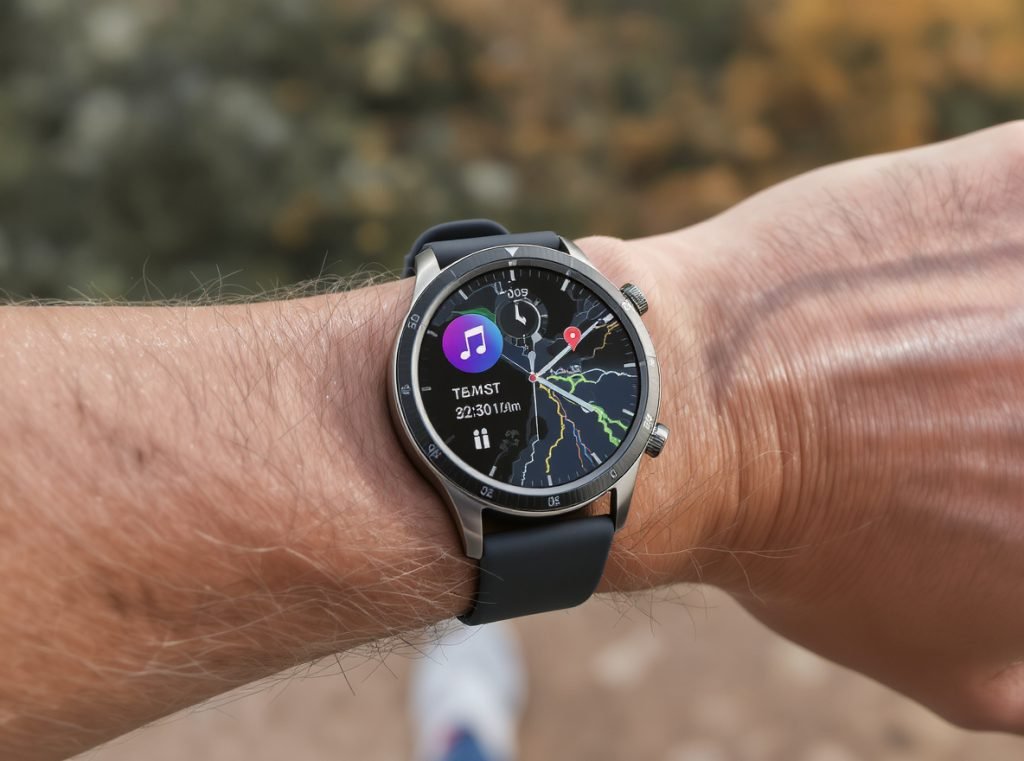
Resource management affects performance during dual operation substantially. Music playback requires continuous audio processing, file reading, and Bluetooth transmission. GPS tracking demands location services, satellite communication, and comprehensive data logging. Combined operation stresses the processor and battery more than individual feature use.
Battery impact becomes the primary limitation during combined use. Expect 6-7 hours of combined music and GPS operation compared to 20+ hours for GPS tracking alone or 10-11 hours for music-only playback. This reduction requires careful planning for long training sessions or outdoor adventures.
Performance optimization strategies help maximize dual functionality:
- Offline music storage: Reduces power consumption compared to streaming during exercise
- GPS accuracy adjustment: Power-saving modes with lower precision extend battery life
- Display timeout management: Aggressive screen control preserves substantial power
- Background process limits: Prevents unnecessary applications from consuming resources
Real-world applications demonstrate practical value despite limitations. Marathon runners benefit from 6-hour capability covering most race distances. Cyclists appreciate entertainment during long training rides. Hikers enjoy music during moderate-distance trails while maintaining navigation capabilities.
Professional athlete feedback emphasizes reliability over maximum features consistently. Watches that maintain stable music playback and GPS tracking throughout entire workout sessions prove more valuable than devices offering advanced features that fail during extended use or challenging conditions.
What Are the Main Advantages of Standalone Music Capability?
Understanding benefits helps justify the investment and determines whether standalone music functionality aligns with your lifestyle, business needs, or customer requirements. These advantages extend beyond simple convenience to impact safety, performance, and user satisfaction.
Standalone music playback provides complete smartphone independence, enhanced workout safety, reduced device management complexity, and improved focus during activities. This independence transforms how users approach exercise, travel, and daily routines by eliminating major device dependencies.
Physical freedom represents the most immediate practical benefit. Running without phones eliminates bouncing, reduces weight, and improves natural movement patterns significantly. Swimming becomes possible with waterproof music-capable watches that phones simply cannot match. Hiking and outdoor activities benefit from reduced gear complexity while maintaining entertainment access.
Safety improvements matter during solo activities and challenging environments. Leaving expensive smartphones secure reduces theft risk during urban runs or public gym sessions. Emergency situations become more manageable when users aren’t concerned about protecting multiple expensive devices simultaneously.
Focus enhancement occurs when single-purpose devices replace multi-function smartphones. Smartwatches eliminate social media distractions, notification overload, and the constant temptation to check messages during focused activities. This separation can dramatically improve workout quality and mental clarity.
Professional applications extend beyond personal fitness use:
- Fitness instructors: Control music without interrupting classes or client interactions
- Outdoor workers: Maintain entertainment access without risking expensive phones
- Service professionals: Hands-free music control during tasks requiring phone security
Convenience factors accumulate over daily use patterns. Users skip searching for phone pockets or securing armbands. Setup simplification occurs when one device handles both tracking and entertainment. Weather independence reduces concerns about phone exposure to rain, snow, or extreme temperatures during outdoor activities.
Travel efficiency improves with fewer devices to pack, charge, and manage during trips or daily commutes.
What Limitations Should You Expect?
Understanding constraints helps set realistic expectations and avoid disappointment with smartwatch music capabilities. These limitations often determine whether a smartwatch can truly replace dedicated music devices for specific use cases.
Key limitations include restricted storage capacity compared to phones, streaming service subscription dependencies, significant battery life constraints, and limited audio customization options. Some manufacturers have modified or discontinued music features on certain models, making compatibility research essential before purchase.
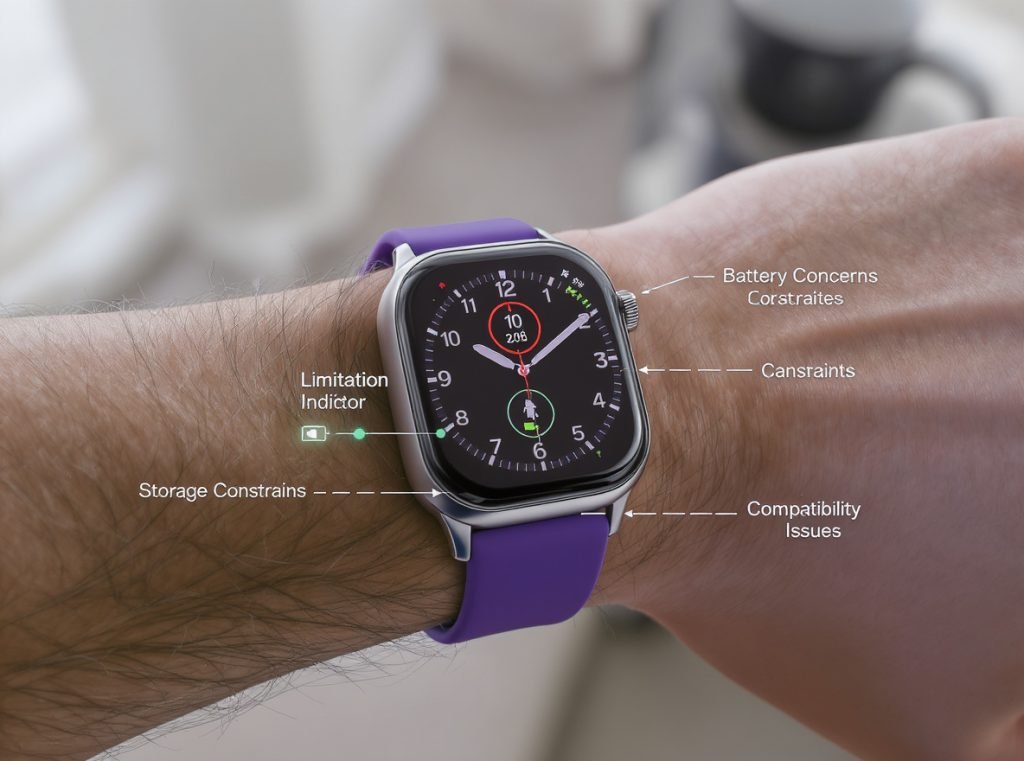
Storage constraints remain the most significant limitation for music enthusiasts. Even watches with 32GB capacity hold only a fraction of large music libraries that users typically maintain on smartphones. International travelers or users with diverse musical tastes may find themselves constantly managing storage space and deciding which content to prioritize.
Connectivity dependencies limit true independence despite marketing claims. Streaming requires internet access through Wi-Fi or cellular connections, which may be unavailable in rural areas, during international travel, or in buildings with poor signal reception. Offline storage becomes essential for reliable music access in challenging connectivity environments.
Audio customization options lag significantly behind dedicated music players and smartphones. Most smartwatches offer basic volume and track controls without advanced equalizer settings, audio effects, or format-specific optimizations. Audiophiles may find the experience lacking compared to specialized music devices or high-end smartphone audio processing.
Interface limitations affect user experience during physical activities. Small screens make song selection challenging during exercise when fine motor control is compromised. Voice controls help but may not work reliably in noisy gym environments or outdoor settings with wind and ambient noise.
Cost accumulation affects total ownership expenses:
- Premium streaming subscriptions: Required for offline downloads ($9.99-14.99 monthly)
- Cellular data plans: Additional monthly costs for independent streaming ($10-15)
- Quality Bluetooth headphones: Essential investment for satisfactory audio experience
- Device premium: Music-capable models typically cost more than basic fitness trackers
Compatibility changes over time can affect long-term functionality. Streaming services occasionally modify or discontinue smartwatch support. Operating system updates may impact music functionality. Third-party music apps may become unavailable or lose essential features through platform policy changes.
Summary
Modern smartwatches have matured into capable standalone music players that provide genuine alternatives to smartphone-dependent audio entertainment. With storage capacities reaching 32GB, robust streaming service integration, and reliable GPS+music multitasking, these devices offer compelling solutions for active lifestyles and fitness-focused users who value freedom from phone dependency.
For wholesale partners seeking smartwatch inventory with advanced music capabilities, Osmarto delivers reliable solutions that meet diverse international market demands. Our comprehensive product line includes models optimized for music storage, streaming compatibility, and the battery performance your customers expect.
Ready to expand your smartwatch inventory with proven music playback technology? Contact Osmarto today for wholesale pricing on our latest models designed for global markets. Our experienced team helps you identify perfect smartwatch solutions that deliver the music capabilities your customers demand. Send us your inquiry to discover competitive wholesale opportunities.