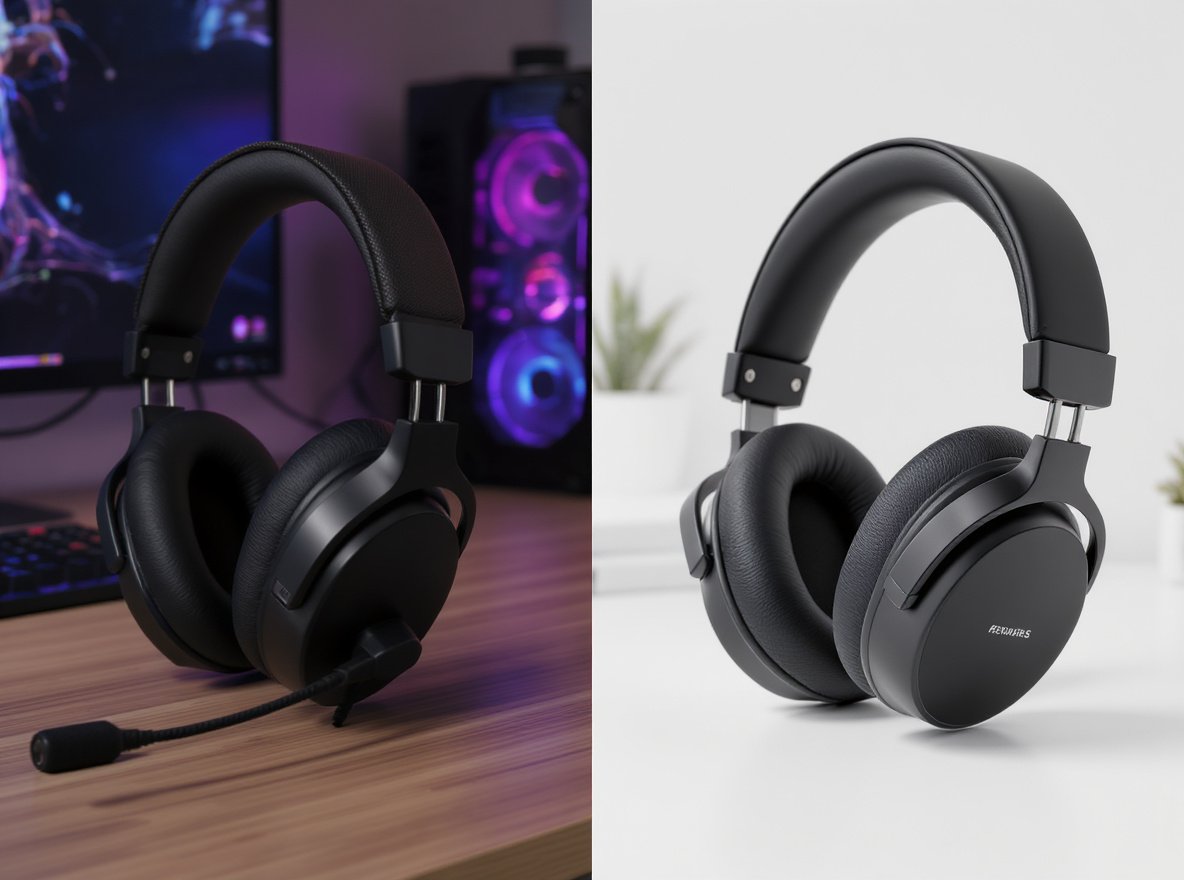
Choosing between headphones and gaming headsets isn’t simply about price—it’s about matching your specific audio needs with the right technology. Gaming headsets excel with integrated microphones and gaming-optimized features, while regular headphones often deliver superior overall audio quality.
The decision depends on your primary use: gaming headsets provide integrated convenience with built-in microphones and gaming-specific audio tuning, while regular headphones typically offer superior audio fidelity for music and media consumption, requiring additional equipment for full gaming functionality.
Ready to discover which audio solution matches your needs and delivers the best value?
What Are the Main Technical Differences Between Headphones and Gaming Headsets?
Understanding the core engineering differences helps you make an informed decision for your specific audio requirements.
Gaming headsets feature specialized audio tuning with larger drivers for enhanced low-frequency sensitivity, built-in microphones, and gaming-optimized spatial audio processing. Regular headphones prioritize overall audio fidelity and music reproduction without integrated communication features.
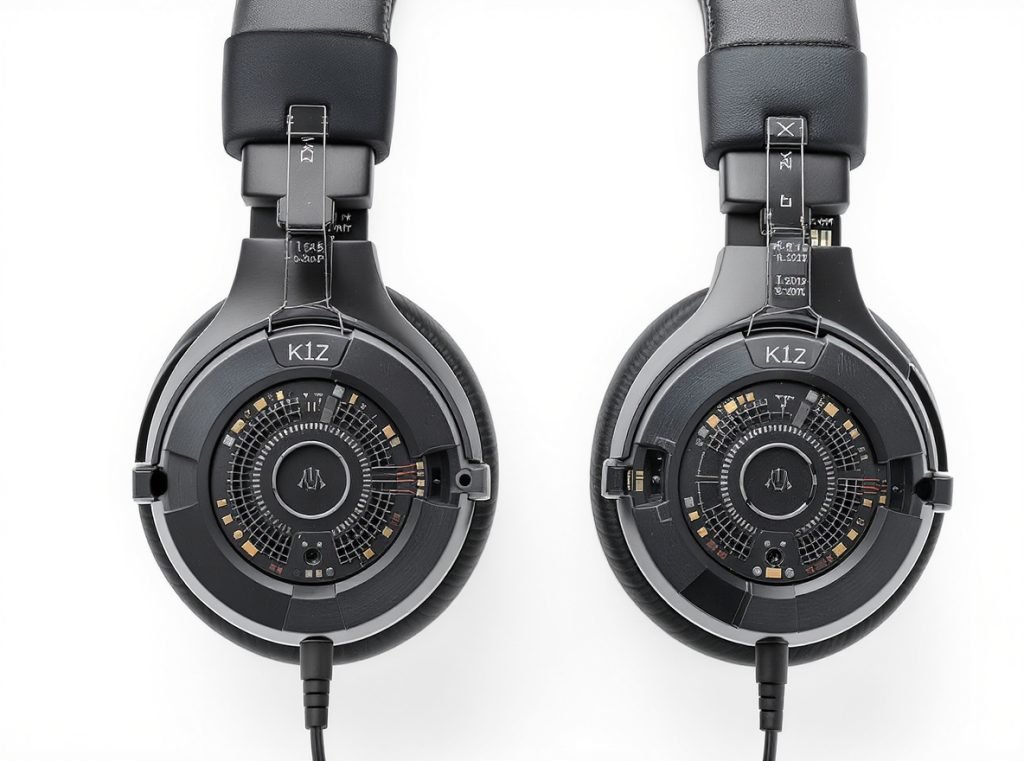
Gaming headsets use larger driver sizes than regular headphones, providing greater sensitivity in low frequencies—especially crucial for detecting explosions, gunshots, and special effects in games. They’re engineered specifically for gaming scenarios with advanced audio technologies like virtual 7.1 surround sound processing.
This spatial audio technology creates the sensation of multiple built-in speakers through signal processing, helping players differentiate sound directions and pinpoint enemy locations with precision. Gaming headsets achieve surround sound effects that enhance directional cues and spatial awareness during gameplay.
Regular headphones focus exclusively on high-fidelity audio reproduction across all media types. They excel in delivering superior audio quality for music, movies, and media consumption but typically require additional equipment like separate microphones for gaming communication.
The most distinctive feature separating gaming headsets from headphones remains the integrated microphone. Gaming headsets include adjustable microphones optimized for in-game communication, while regular headphones generally lack this functionality entirely.
| Technical Feature | Gaming Headsets | Regular Headphones |
|---|---|---|
| Driver Optimization | Gaming-specific tuning | Balanced audio fidelity |
| Microphone | Integrated and adjustable | None (separate required) |
| Spatial Audio | 7.1 virtual surround | Standard stereo |
| Target Use | Gaming communication | Multi-media consumption |
| Audio Processing | Gaming-enhanced effects | Natural reproduction |
Which Option Delivers Better Sound Quality?
Sound quality often becomes the primary factor when investing in audio equipment for entertainment and competitive gaming.
Regular headphones generally provide superior audio quality and fidelity compared to gaming headsets at equivalent price points, offering better sound reproduction for music and media. However, modern gaming headsets have significantly improved and often perform comparably while adding gaming-specific conveniences.
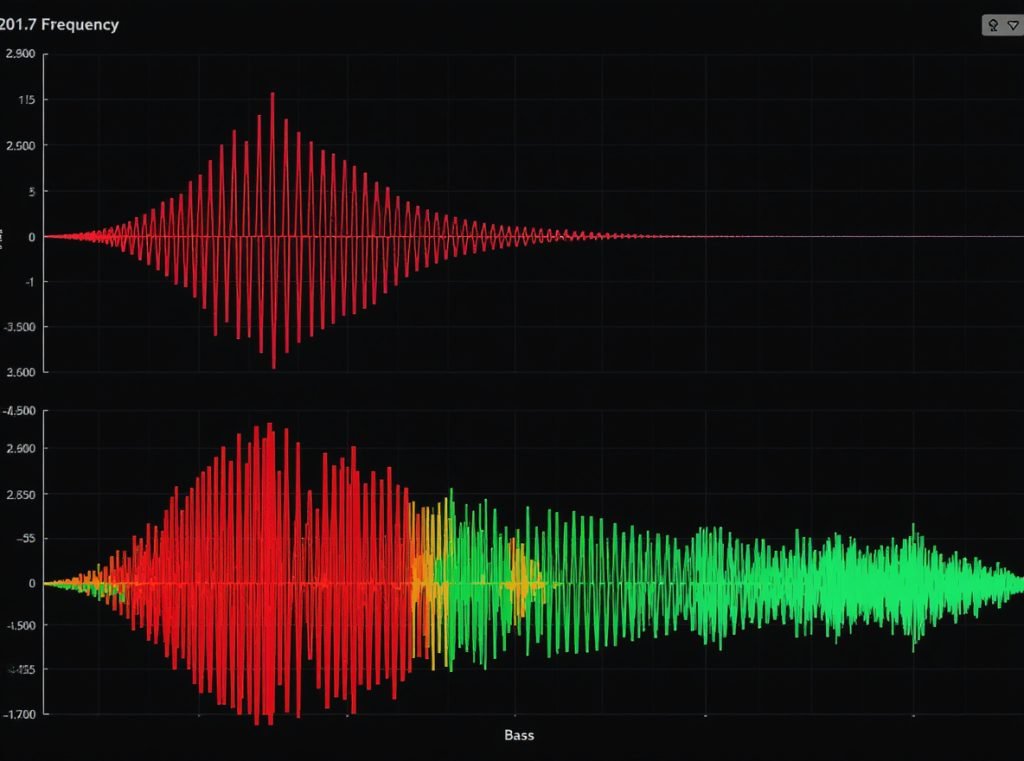
For pure audio performance, expensive headphones typically achieve the best sound reproduction. Regular headphones excel at delivering accurate frequency response, superior instrument separation, and natural audio reproduction that benefits all content types beyond gaming.
Gaming headsets have dramatically improved in recent years. Premium models like the Audeze Maxwell Wireless now combine audiophile-quality listening with gaming features, using planar magnetic drivers and Hi-Res Bluetooth codec support that rivals traditional headphones.
Gaming headsets are specifically tuned to enhance particular sound effects and create more intimate sound profiles for active gaming participation. This optimization proves especially valuable in competitive gaming scenarios where directional audio cues can determine success or failure.
Audio quality considerations:
- Gaming headsets: Optimized for situational awareness and immersive effects
- Regular headphones: Superior accuracy and natural sound reproduction
- Price factor: Headphones typically offer better audio quality per dollar invested
- Modern gaming headsets: Significantly improved performance with convenience benefits
The tuning philosophy differs significantly between categories. Gaming headsets emphasize specific frequency ranges that enhance gaming experiences—boosting bass for explosions while enhancing higher frequencies for environmental cues like footsteps.
Do I Really Need an Integrated Microphone?
The microphone question often determines whether gaming headsets become essential for your specific use case.
Integrated microphones become crucial for multiplayer gaming, streaming, and team communication, providing convenience and immediate functionality. However, standalone microphones typically offer superior audio quality compared to gaming headset microphones at similar price points.
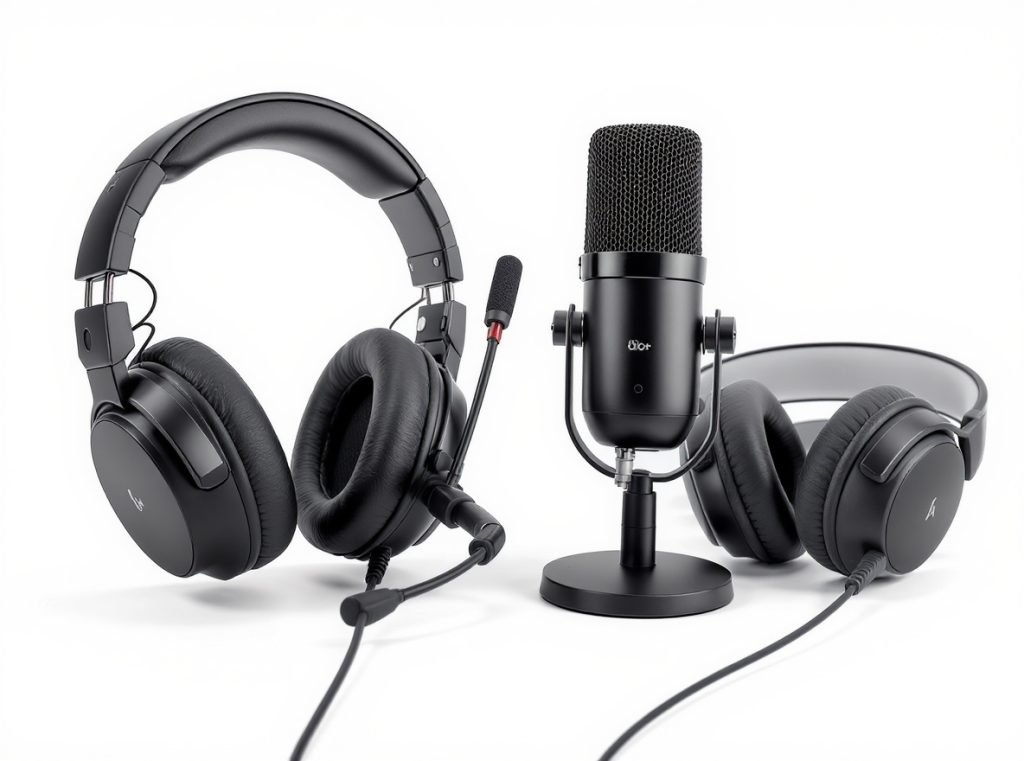
For multiplayer gaming experiences, clear communication often determines the difference between victory and defeat. Gaming headsets provide integrated microphone solutions optimized for team coordination and strategic communication during competitive gameplay.
Gaming headset microphone quality varies across models, but many modern options offer excellent clarity for in-game communication. The convenience factor cannot be understated—integrated microphones eliminate additional equipment needs, reduce cable management complexity, and provide instant mute functionality.
Standalone microphones generally deliver superior audio capture quality compared to gaming headset microphones. Dedicated microphones feature larger capsules that enable better sound processing and clearer voice reproduction, making them ideal for content creation and streaming applications.
Gaming headsets with detachable microphones provide optimal flexibility. Users can easily remove microphones for music listening, improve portability, and replace microphones independently if failures occur.
Microphone necessity assessment:
- Daily team gaming: Integrated microphone highly recommended
- Occasional multiplayer: Either option viable depending on preferences
- Content creation: Professional standalone microphone preferred
- Solo gaming: Regular headphones sufficient without communication needs
Which Option Provides Better Comfort for Extended Gaming?
Comfort becomes critical when wearing audio equipment for marathon gaming sessions or extended work periods.
Gaming headsets generally prioritize comfort for prolonged use with specialized padding, ergonomic designs, and lightweight materials specifically engineered for extended gaming sessions. Regular headphones vary significantly in comfort depending on their intended market and price range.
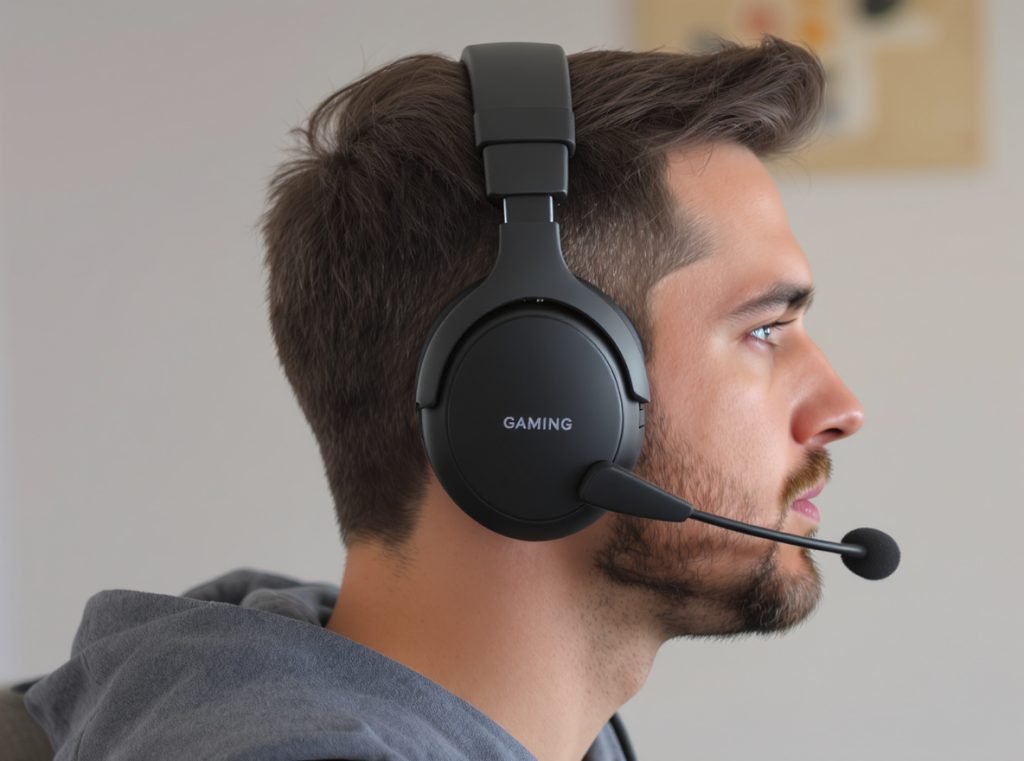
Gaming headsets focus extensively on comfort-oriented construction for extended wear scenarios. They typically feature memory foam ear cushions that conform to individual head shapes, adjustable headbands with multiple contact points for even weight distribution, and circumaural geometry that completely covers ears while masking ambient noise.
The ergonomic design considerations in gaming headsets address the reality that users often wear them for hours during gaming sessions. Manufacturers incorporate breathable materials, lightweight construction, and pressure distribution systems that minimize fatigue during extended use.
Regular headphones present mixed comfort results depending on their intended application. Studio headphones prioritize accuracy over comfort, while consumer-focused models balance both factors. Premium headphones often match or exceed gaming headset comfort levels through superior materials and construction.
Weight distribution significantly impacts long-term wearing comfort. Gaming headsets typically spread weight across larger surface areas, while some audiophile headphones concentrate weight in smaller contact points that may cause discomfort during extended sessions.
Comfort comparison factors:
- Padding quality: Gaming headsets use gaming-optimized materials
- Weight distribution: Gaming headsets engineer even pressure spread
- Breathability: Gaming headsets typically incorporate ventilation considerations
- Adjustability: Both categories offer various adjustment mechanisms
What’s the Real Value Proposition for Each Option?
Budget considerations and long-term value often determine the final choice between headphones and gaming headsets.
Gaming headsets provide integrated value through combined functionality, while regular headphones typically offer superior audio quality per dollar spent. The value equation depends on your specific feature requirements and usage patterns.
The global gaming headset market demonstrates significant growth, valued at $2.4 billion in 2024 and projected to reach $4.9 billion by 2034, growing at 7.4% annually. This expansion indicates strong consumer demand and continuous innovation in gaming audio technology.
Budget-friendly gaming headsets deliver excellent performance across price ranges. Models like the HyperX Cloud Stinger 2 provide outstanding value under $50, while options like the Corsair HS55 Stereo offer superior microphone quality for budget-conscious buyers seeking effective gaming communication.
Premium gaming headsets like the SteelSeries Arctis Nova Pro Wireless justify higher pricing through advanced features including active noise cancellation, hot-swappable batteries, and exceptional sound quality that provides long-term value for serious gamers.
Regular headphones focus budget allocation entirely on audio drivers and construction quality. This concentrated investment typically results in superior sound reproduction compared to similarly-priced gaming headsets, though additional microphone purchases may be required.
| Price Range | Gaming Headsets | Regular Headphones |
|---|---|---|
| Under $50 | Basic functionality, good value | Superior audio quality focus |
| $50-$150 | Sweet spot with excellent features | Premium audio performance |
| $150-$300 | Advanced gaming features | Audiophile-quality options |
| $300+ | Professional gaming equipment | High-end audio excellence |
Can Regular Headphones Perform Well for Gaming?
Many consumers wonder whether regular headphones provide satisfactory gaming experiences without specialized gaming features.
Regular headphones work excellently for gaming applications, often providing superior audio quality and immersion compared to gaming headsets. The primary limitation remains the lack of integrated microphone functionality for team communication requirements.
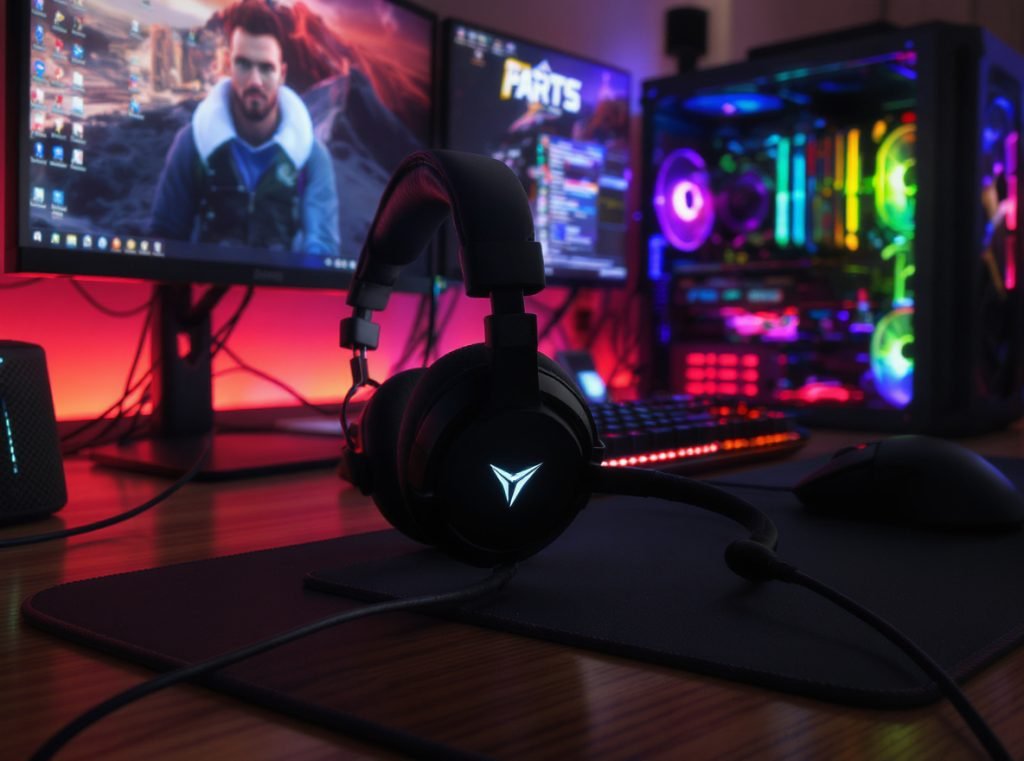
Any decent stereo headphones function adequately for gaming scenarios, though wireless and noise-cancelling models may introduce noticeable latency issues. Wired headphones typically perform better for gaming due to reduced latency concerns and more reliable audio transmission.
Some professional gamers actually prefer high-quality headphones like the Beyerdynamic DT770-Pro for exceptional sound quality when paired with appropriate amplification equipment. These studio headphones, originally designed in the 1980s, continue providing outstanding gaming audio experiences through superior driver quality and robust construction.
Regular headphones excel at reproducing game audio with superior accuracy, delivering better soundtrack reproduction, more natural environmental audio, and often enhanced bass response for immersive gaming experiences without artificial processing.
The surround sound marketing surrounding gaming headsets can be misleading since most “surround sound” effects are software-based processing that can be applied to any headphones through Windows Sonic, Dolby Atmos, or game-specific audio engines.
Gaming performance with regular headphones:
- Excellent for single-player and story-driven gaming experiences
- Superior audio accuracy enhances atmospheric and narrative games
- Compatible with virtual surround sound software solutions
- Requires separate microphone solutions for multiplayer communication needs
What Should Businesses Consider When Stocking Audio Products?
Understanding market demands and consumer preferences helps wholesalers and retailers make informed inventory decisions for audio equipment.
Retailers should stock both product categories to serve different market segments: gaming headsets for dedicated gaming customers and regular headphones for broader audio applications, with gaming headsets typically offering higher profit margins and growth potential.
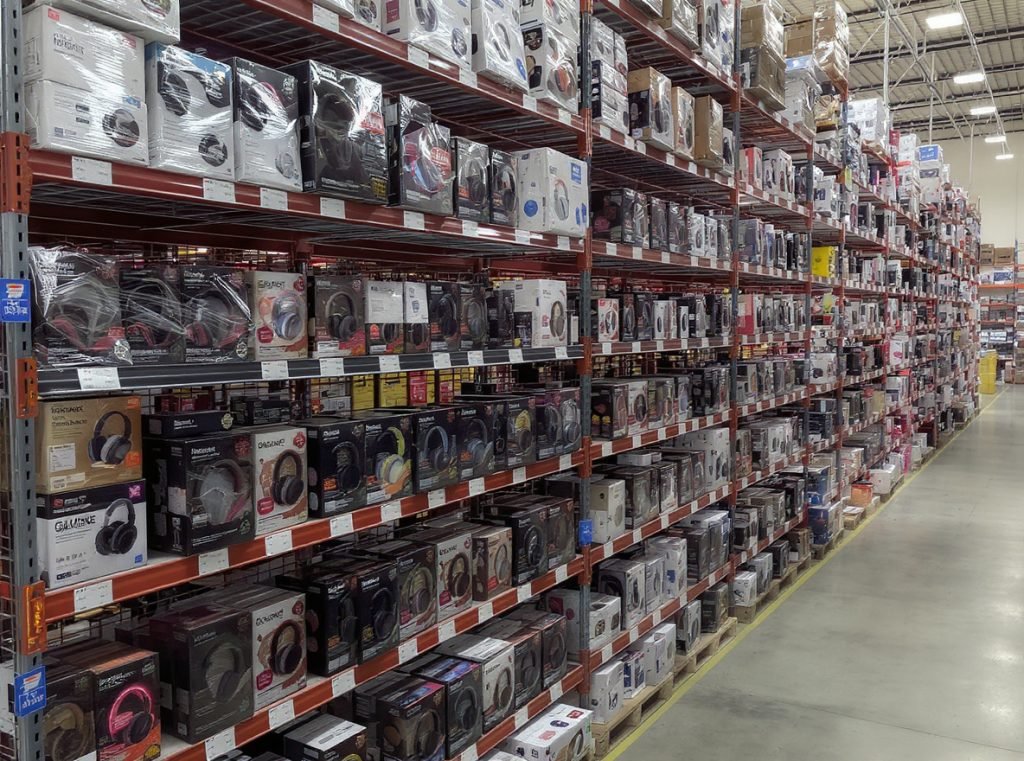
The gaming headset market presents significant opportunities for businesses. Market analyses indicate robust growth potential with compound annual growth rates between 7.3% and 9.6%, driven by eSports expansion, streaming culture, and remote gaming trends.
Gaming headsets appeal to specific consumer segments including competitive gamers requiring integrated communication, console players seeking plug-and-play solutions, streaming enthusiasts needing all-in-one setups, and parents purchasing gaming gifts for children.
Regular headphones serve broader markets encompassing music enthusiasts prioritizing audio quality, professional content creators, office workers needing versatile audio solutions, and budget-conscious consumers seeking long-term value across multiple applications.
Bulk gaming headset purchasing provides opportunities for competitive pricing structures and customization options. Distributors benefit from growing market demand by offering efficient supply chain solutions, global distribution capabilities, and comprehensive marketing support for gaming audio products.
Business strategy recommendations:
- Product mix: Balance gaming headsets and regular headphones for diverse customer bases
- Price positioning: Gaming headsets in $50-$150 range show strongest demand
- Seasonal planning: Gaming headsets peak during holiday seasons and back-to-school periods
- Quality focus: Reliable products reduce return rates and build brand reputation
For manufacturing partners: The expanding gaming audio market requires quality products that support long-term business relationships while meeting diverse consumer needs across global markets.
Summary
The choice between headphones and gaming headsets depends on your specific priorities: gaming headsets excel with integrated convenience and gaming-optimized features, while regular headphones provide superior audio fidelity with additional equipment requirements. Consider your communication needs, budget constraints, and primary usage scenarios.
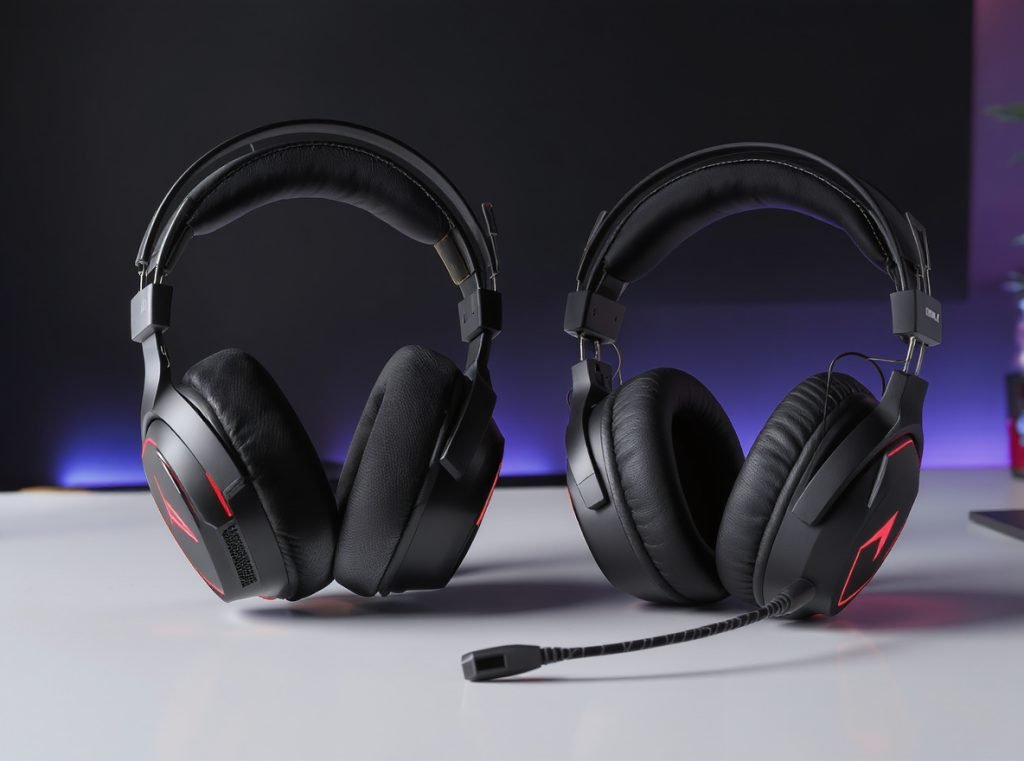
Ready to source premium audio solutions for your business? Contact Osmarto today for competitive wholesale pricing on both gaming headsets and high-quality headphones. Our experienced team provides comprehensive product selection, reliable quality control, and efficient global distribution services. Send us your inquiry to discover how we can support your audio equipment business with professional-grade products and exceptional supply chain solutions tailored to your market requirements.