Skip to content
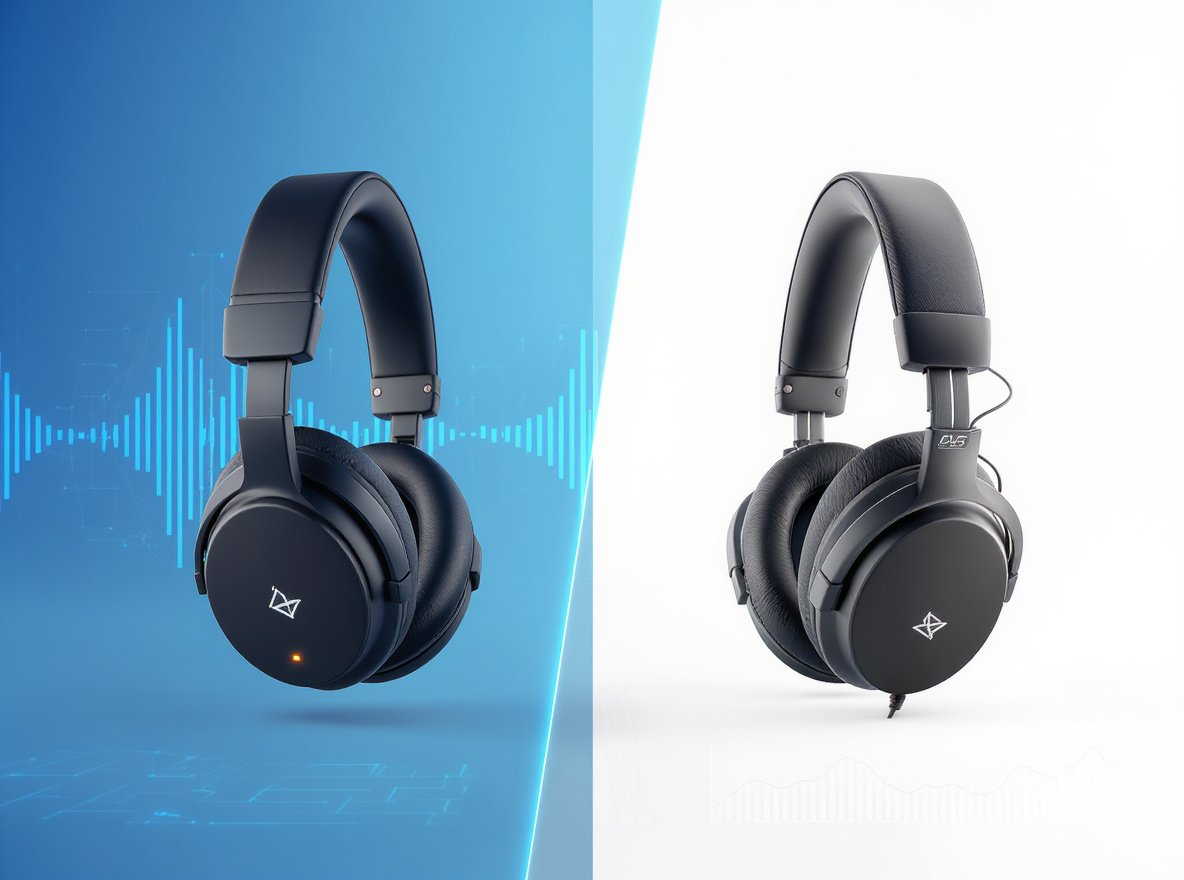
Are you confused about whether to choose noise-cancelling or sound-isolating headphones for your business? With countless options flooding the market, understanding these two technologies can save you from costly purchasing mistakes and ensure customer satisfaction.
The main difference is simple: active noise-cancelling (ANC) headphones use electronic technology with built-in microphones to generate “anti-noise” waves that cancel out external sounds through destructive interference, while sound-isolating headphones rely on physical materials and secure seals to block noise passively. Both reduce unwanted ambient noise, but they excel in completely different frequency ranges and situations.
Let’s dive deeper into these technologies so you can make informed decisions for your headphone business needs.
How Do Noise-Cancelling Headphones Actually Work?
Understanding the sophisticated technology behind active noise cancellation helps you explain their premium value to customers and justify higher price points in your product lineup.
Noise-cancelling headphones use tiny built-in microphones to constantly monitor ambient noise, then generate “anti-noise” sound waves that are exactly 180 degrees out of phase with detected sounds. When these opposing waves collide, they cancel each other out through destructive interference – like adding one and subtracting one to get zero.
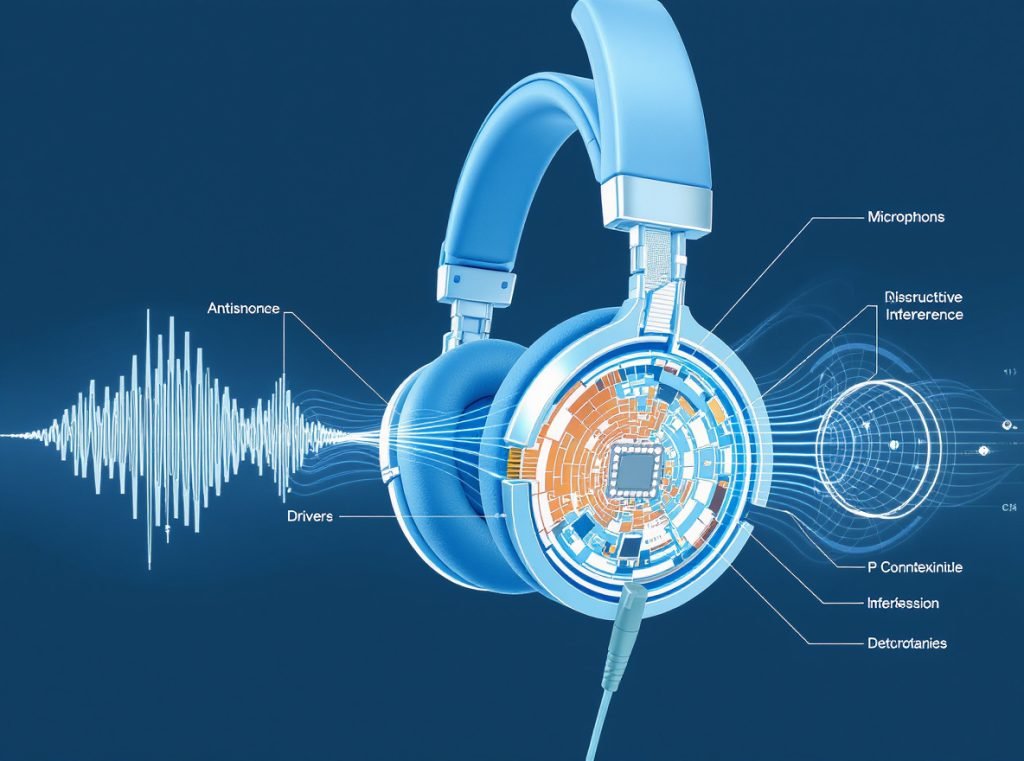
The technology relies on three main system configurations:
Feedforward ANC: Microphones placed outside the ear cups capture noise quickly before it reaches your ears. This system responds faster but may struggle with higher frequencies.
Feedback ANC: Microphones inside the headphones pick up sound similarly to how you actually hear it, providing more accurate cancellation but with slightly slower response times.
Hybrid ANC: Combines both approaches for optimal performance across all frequencies. Most premium headphones use this configuration to maximize effectiveness.
| ANC System Type | Microphone Placement | Best For | Typical Cost Range |
|---|---|---|---|
| Feedforward | Outside ear cups | Quick noise detection | $50-$150 |
| Feedback | Inside headphones | Accurate sound matching | $100-$250 |
| Hybrid | Both locations | Maximum performance | $200-$500+ |
Real-Time Processing: This entire process happens using analog technology in most consumer headphones, creating instantaneous noise cancellation without noticeable delay.
Frequency Effectiveness: ANC excels at eliminating consistent, low-frequency sounds (20-800Hz) like airplane engines, air conditioning hums, and traffic rumble. It can reduce these sounds by up to 30dB – making a jet engine sound like a quiet library.
However, ANC struggles with sudden, random sounds like conversations, breaking glass, or construction hammers because the system needs consistent sound patterns to generate effective anti-noise.
For wholesalers targeting travel-focused customers or office environments, understanding these technical details helps position ANC headphones as premium solutions for specific noise challenges.
What Makes Sound-Isolating Headphones Different?
Passive sound isolation takes a purely physical approach that many customers find more reliable and predictable for their daily needs.
Sound-isolating headphones work like soundproofing for your ears, using dense materials, secure seals, and strategic design to create a physical barrier between your ear and external noise. Think of them as high-quality earplugs that also play music – no electronics required.

The effectiveness depends on several key design elements:
Material Selection: High-quality foam, silicone, or rubber materials that absorb and block sound waves rather than reflecting them back into the environment.
Seal Quality: Snug-fitting ear cups or properly sized in-ear tips that prevent sound from leaking around the edges and entering your ear canal.
Cushion Design: Memory foam ear cushions that form tight seals around your ears while maintaining comfort during extended wear periods.
Physical Density: Thicker, heavier materials naturally block more sound but must be balanced against comfort and portability requirements.
Deep-Insertion Options: In-ear models with proper seals can match ANC performance against low frequencies while significantly outperforming them against mid and high frequencies, though they require getting used to an “earplug fit.”
Performance Characteristics:
Passive isolation excels with mid-to-high frequency sounds (800Hz and above), effectively blocking conversations, power tools, keyboard typing, and sudden sharp sounds by 15-30dB.
Unlike ANC, passive isolation provides consistent protection across the entire audio spectrum simultaneously. There’s no frequency-dependent performance variation or electronic processing delays.
Reliability Benefits: Since no battery or electronic components can fail, these headphones provide identical noise-blocking performance whether powered on, off, or completely dead. Many passive models can last 10+ years with proper care.
Cost Structure: Without complex electronics, manufacturing costs stay predictable, allowing better volume pricing for bulk orders while maintaining healthy profit margins.
For businesses targeting budget-conscious customers, industrial applications, or markets requiring consistent long-term performance, sound-isolating headphones offer compelling value propositions.
Which Technology Blocks More Noise?
The effectiveness varies dramatically by frequency range, making this comparison more complex than simple decibel measurements suggest.
Active noise cancelling dominates low frequencies (20-800Hz) with up to 30dB reduction, while passive isolation excels at mid-to-high frequencies (800Hz+) with 15-30dB blocking. Hybrid systems combining both can achieve up to 60dB total noise reduction across all frequencies.
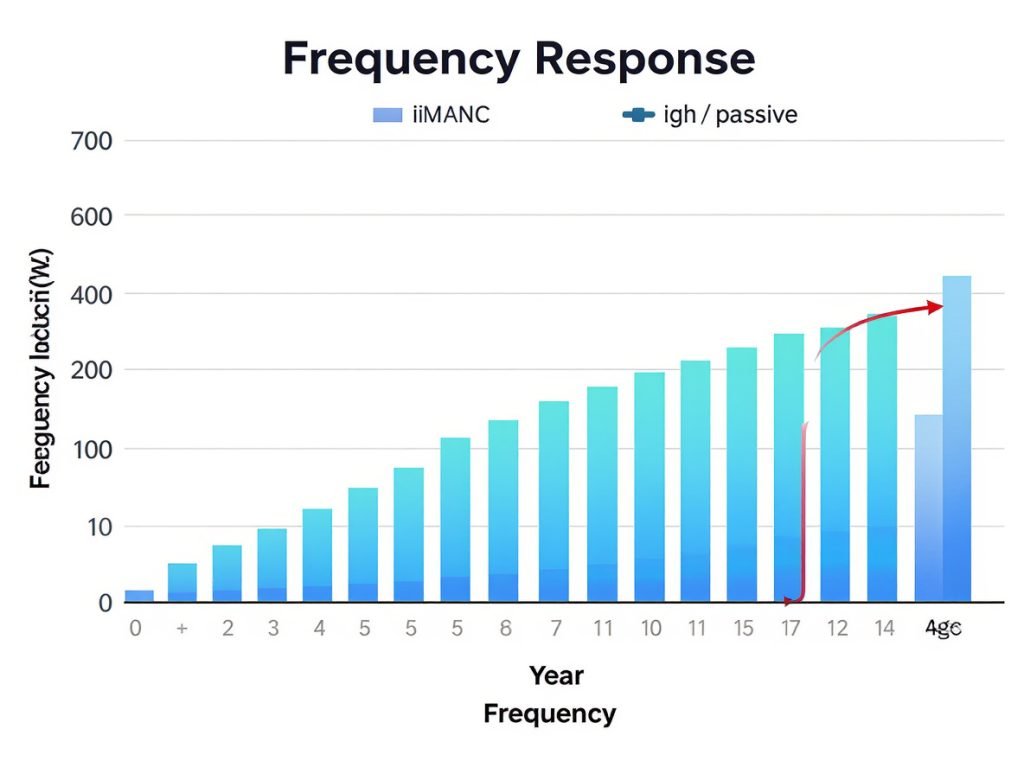
Here’s how each technology performs across the audio spectrum:
Low-Frequency Noise (20-800Hz):
ANC technology transforms loud environments into quiet spaces. Airplane engines, train wheels, highway traffic, and HVAC systems virtually disappear. The consistent, droning nature of these sounds makes them perfect targets for destructive interference.
Passive isolation provides minimal protection against these deep frequencies since physical materials struggle to block long sound waves effectively.
Mid-Frequency Noise (800Hz-2kHz):
Both technologies perform well here, but passive isolation often maintains a slight advantage. Human conversation, office equipment sounds, and general ambient noise get reduced effectively by both approaches.
High-Frequency Noise (2kHz+):
Passive isolation wins decisively. Sharp sounds like alarm clocks, phone notifications, construction tools, and children’s voices get blocked more effectively by physical barriers than electronic cancellation systems.
| Frequency Range | ANC Performance | Passive Performance | Real-World Examples |
|---|---|---|---|
| 20-200Hz | Excellent (25-30dB) | Poor (5-10dB) | Jet engines, subway rumble |
| 200-800Hz | Very Good (20-25dB) | Fair (10-15dB) | Traffic, air conditioning |
| 800Hz-2kHz | Good (15-20dB) | Excellent (20-25dB) | Office chatter, phone calls |
| 2kHz+ | Poor (5-10dB) | Excellent (20-30dB) | Alarms, power tools |
Environmental Considerations: The louder your environment, the more power ANC consumes. Every 3dB increase in ambient noise requires double the amplification power, affecting battery life significantly.
Hybrid Advantage: Premium headphones now combine both technologies, using ANC for low frequencies and passive isolation for everything else. This approach delivers the most comprehensive noise reduction available in consumer products.
Understanding these performance differences helps you recommend appropriate solutions for specific customer environments and justify pricing across different market segments.
Do Noise-Cancelling Headphones Drain Battery Faster?
Battery management represents a crucial differentiator between these technologies, especially for customers who use headphones throughout extended work periods.
Yes, ANC significantly impacts battery life. Turning on active noise cancellation can reduce total battery life by 1-1.5 hours compared to regular wireless mode, with consumption varying based on environmental noise levels and ANC intensity settings.
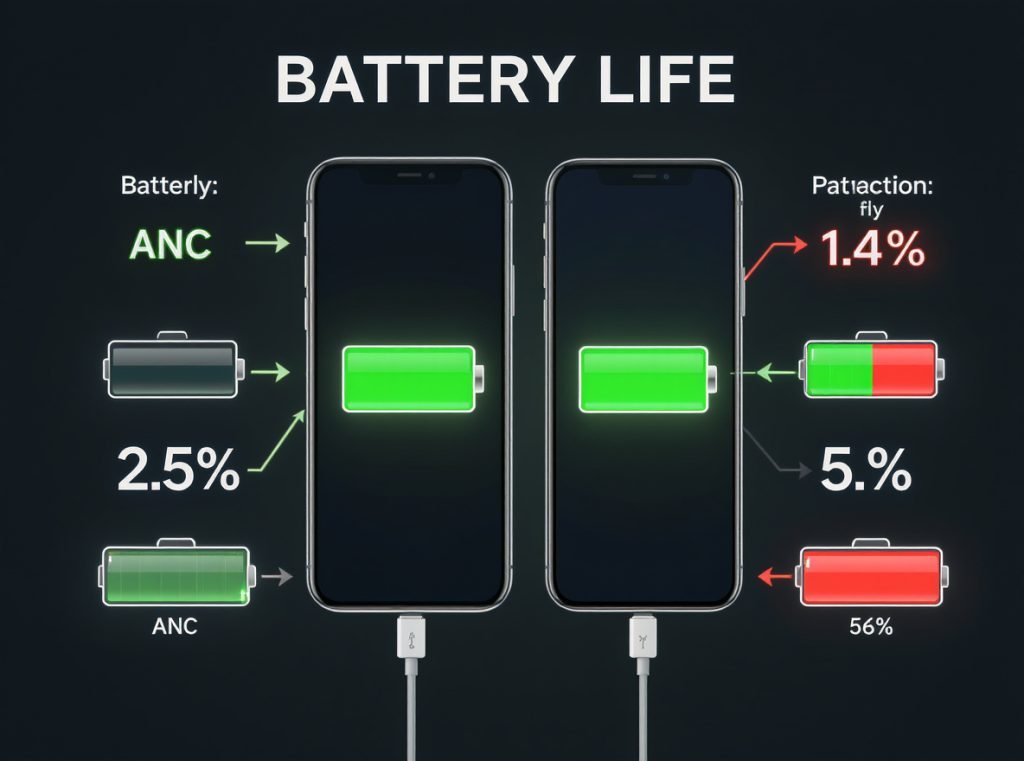
Power Consumption Breakdown:
ANC requires continuous power for multiple components:
- Microphone arrays for ambient noise detection
- Signal processing chips for anti-noise calculation
- Driver amplification for anti-noise generation
- Real-time monitoring and adjustment systems
Environmental Impact Factors:
The amount of ambient noise directly affects power consumption. Quieter environments allow ANC systems to work less hard, extending battery life. Louder environments force the system to generate more powerful anti-noise signals, draining batteries faster.
Usage Pattern Considerations:
• Commuter Profiles: Heavy ANC use during daily travel significantly reduces charge intervals
• Office Workers: Moderate ANC use in controlled environments offers reasonable battery life
• Frequent Travelers: May need portable charging solutions for extended trips
Battery Management Features:
Modern ANC headphones include several power-saving technologies:
- Auto-off functions when no audio plays for extended periods
- Adjustable ANC intensity levels for battery conservation
- Power indicators and low-battery warnings
- Fast-charging capabilities (often 15 minutes for 3-4 hours of ANC use)
Passive Alternative Benefits:
Sound-isolating headphones eliminate battery anxiety entirely. They provide consistent noise reduction whether the headphones are powered, unpowered, or completely dead – a significant advantage for reliability-focused customers.
Cost of Ownership: Over time, ANC headphones may require battery replacements or have shorter lifespans due to electronic component failure, while quality passive models can function identically for decades.
For business customers prioritizing predictable performance over cutting-edge features, passive isolation eliminates ongoing battery management while delivering reliable noise reduction.
Which Is Better for Different Use Cases?
Choosing the right technology depends heavily on specific application requirements, environmental conditions, and user priorities.
For travel and consistent low-frequency noise environments, ANC headphones provide superior performance. For budget-conscious applications, variable noise conditions, or pure audio quality focus, sound-isolating options often deliver better value.
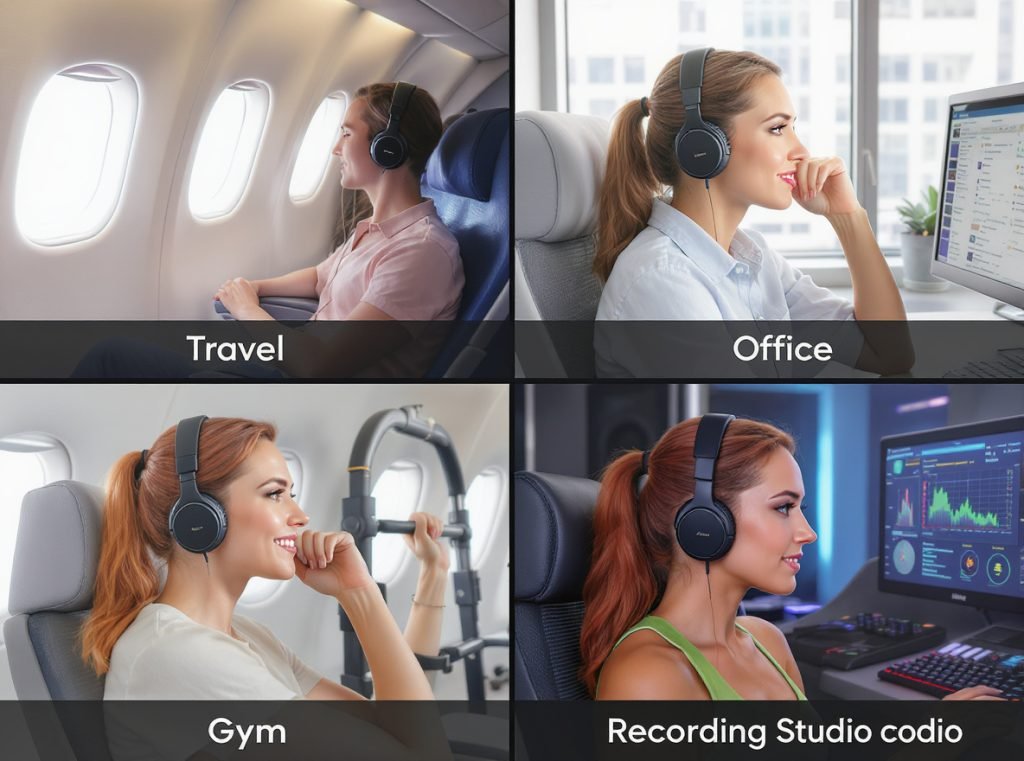
Travel and Transportation:
ANC technology transforms travel experiences:
- Flying: Virtually eliminates engine noise, making conversations possible without shouting
- Train Travel: Blocks wheel-on-track rumble and mechanical vibrations effectively
- Bus Commuting: Reduces engine noise and traffic sounds significantly
- Road Trips: Minimizes highway wind noise and engine drone
Passive isolation works adequately but cannot match ANC performance against transportation’s consistent low-frequency noise.
Office and Work Environments:
Open offices present mixed challenges requiring careful technology selection:
Constant Background Noise: HVAC systems, computer fans, fluorescent light ballasts – ANC handles these efficiently while passive isolation struggles.
Intermittent Disruptions: Conversations, phone calls, keyboard typing, printer sounds – passive isolation often outperforms ANC for these mid-to-high frequency interruptions.
All-Day Comfort: Sound-isolating models typically cause less ear fatigue during 8+ hour work periods since they don’t require tight electronic seals.
Budget Considerations for Volume Purchases:
| Application | Recommended Technology | Cost Range | Key Benefits |
|---|---|---|---|
| Call Centers | Passive Isolation | $50-150 | Reliable, no battery concerns |
| Executive Offices | Hybrid ANC | $200-400 | Premium performance, status |
| Open Workspaces | Mid-range ANC | $100-250 | Balance cost and performance |
| Industrial Settings | Passive Isolation | $75-200 | Safety compliance, durability |
Exercise and Active Lifestyles:
Passive isolation dominates fitness applications:
- No battery concerns during extended workout sessions
- More secure physical fit that won’t shift during movement
- Better sweat resistance without sensitive electronic components
- Lower replacement costs when damaged or lost
Professional Audio Applications:
Sound professionals prefer passive isolation for critical listening:
- No electronic interference with audio signals
- Consistent performance regardless of power status
- Better audio quality per dollar invested
- Meets professional studio monitoring requirements
Construction and Industrial Use:
Many workplace safety regulations require hearing protection that doesn’t depend on battery power. Passive designs often meet OSHA requirements while ANC models may not qualify for safety certifications.
Understanding these use case distinctions helps you stock appropriate product mixes and guide customers toward solutions that truly serve their specific operational needs.
How Much Should You Expect to Pay?
Pricing strategies between these technologies create distinct market opportunities with different margin potentials and customer expectations.
Passive sound-isolating headphones typically cost 30-50% less than comparable ANC models, with $150-200 passive headphones often matching the audio quality of $350 ANC alternatives. However, premium ANC models can command significantly higher prices due to advanced features and brand positioning.
Budget Market ($50-100):
ANC Options:
- Anker Soundcore Life Q20: Solid ANC performance with good value positioning
- JLab JBuds Lux ANC: Effective low-frequency cancellation at competitive pricing
- Basic feature sets with limited customization options
Passive Options:
- Wide selection of quality over-ear and in-ear models
- Focus on comfort, build quality, and sound reproduction
- Higher volume sales potential with predictable margins
Mid-Range Market ($100-300):
ANC Leaders:
- Sony WH-1000XM4: Excellent ANC with 30-hour battery life and app customization
- Bose QuietComfort series: Industry-leading comfort and noise cancellation effectiveness
- Full feature sets including multiple ANC modes and transparency options
Passive Competitors:
- Premium materials and construction quality
- Audiophile-focused sound signatures
- Professional monitoring capabilities
Premium Market ($300-500+):
Flagship ANC:
- Sony WH-1000XM6: Latest technology with best-in-class ANC performance at $450
- Bose QuietComfort Ultra: Top-tier noise cancellation with premium materials
- Apple AirPods Max: Premium build quality with seamless ecosystem integration
Manufacturing Cost Analysis:
| Component Category | Passive Models | ANC Models | Cost Differential |
|---|---|---|---|
| Driver Technology | $15-40 | $15-40 | Equal baseline |
| Electronics Package | $5-10 | $25-50 | +$20-40 |
| Microphone Arrays | None | $8-15 | +$8-15 |
| Battery Systems | Optional | Required | +$10-20 |
| Software Development | Minimal | Significant | +$15-30 per unit |
Margin Opportunities:
Passive models offer more predictable margins with lower warranty risks. Fewer electronic components mean fewer potential failure points and reduced customer service demands.
ANC models justify premium pricing but require larger upfront investments in R&D, quality control, and customer education. However, they can achieve higher absolute profit per unit sold.
Volume Pricing Strategies:
For bulk purchasers, passive headphones scale more efficiently. Lower complexity allows better volume discounting while maintaining healthy margins across large orders.
When targeting wholesale customers, emphasize total cost of ownership including warranty support, replacement rates, and long-term customer satisfaction metrics rather than just initial purchase price.
Can You Get Both Technologies in One Headphone?
Modern headphone engineering increasingly focuses on hybrid designs that maximize the benefits of both approaches while minimizing individual limitations.
Yes, most premium ANC headphones are actually hybrid systems that combine active cancellation with passive isolation design principles. This combination delivers comprehensive noise reduction across all frequency ranges while providing backup protection when batteries fail.
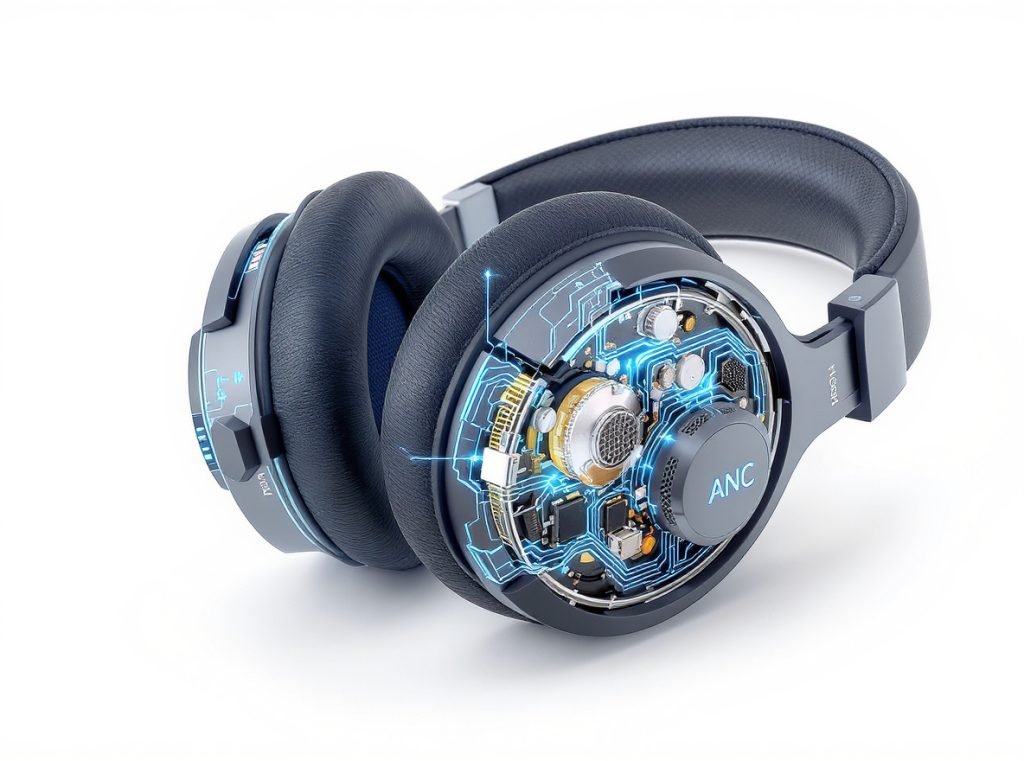
How Hybrid Technology Integration Works:
The design process starts with excellent passive isolation as the foundation:
- Well-sealed ear cups or properly fitted ear tips that block mid-to-high frequencies
- Quality dampening materials strategically placed to absorb reflected sound
- Ergonomic design that maintains consistent seals during extended wear
Active components then layer sophisticated electronics on top:
- ANC circuits handle low-frequency rumble that physical barriers cannot stop effectively
- Microphone placement optimized to work with, not against, passive sealing
- Processing algorithms tuned for the specific acoustic properties of the physical design
Performance Synergy Benefits:
• Comprehensive Coverage: Complete noise reduction from 20Hz to 20kHz frequency range
• Redundant Protection: Noise blocking continues even with completely dead batteries
• Enhanced Efficiency: ANC systems work less hard when passive isolation provides a solid foundation
• Superior Total Performance: Combined effectiveness often reaches 60dB noise reduction
Engineering Challenges for Manufacturers:
Creating effective hybrid systems requires careful balance across multiple requirements:
The passive seal design must accommodate ANC microphone placement without compromising either technology’s effectiveness.
Weight distribution becomes critical with additional electronic components that could affect long-term wearing comfort.
Cost control complexity increases when optimizing two different noise reduction technologies simultaneously.
Market Positioning Advantages:
Hybrid models typically command the highest prices in manufacturer product lineups. They appeal to customers who refuse to compromise on performance and can justify premium pricing through superior effectiveness demonstrations.
Customer Education Requirements:
Buyers need comprehensive understanding of:
- How to optimize both technologies working together for maximum benefit
- Battery management strategies for extended use scenarios
- Proper fit requirements that enable passive isolation effectiveness
- When to use different ANC modes for various environmental conditions
Wholesale Business Opportunities:
For distributors targeting premium market segments, hybrid models offer excellent differentiation opportunities. The dual-technology story resonates strongly with customers willing to invest in superior performance.
However, carefully consider your target market’s price sensitivity. In cost-conscious regions, the premium for hybrid technology may not justify the additional complexity and higher price points.
Industry Development Trends:
Future hybrid systems will likely include intelligent switching between ANC and passive modes based on real-time environmental analysis. This adaptive approach promises even better performance with improved battery efficiency through smart power management.
Summary
Understanding the fundamental differences between noise-cancelling and sound-isolating headphones empowers you to make strategic purchasing decisions for your business. ANC technology excels with consistent, low-frequency sounds but requires battery management and higher investment costs. Sound isolation provides reliable, battery-free performance that’s particularly effective against mid-to-high frequency noise at more accessible price points. Hybrid systems combining both approaches represent the current state-of-the-art, offering the most comprehensive noise reduction available.
Ready to stock the optimal headphone technologies for your customer base? Contact Osmarto today for competitive wholesale pricing on noise-cancelling, sound-isolating, and hybrid headphone options. Our technical team can help you identify the perfect product mix for your specific market requirements and provide ongoing support to maximize your sales success.