Skip to content
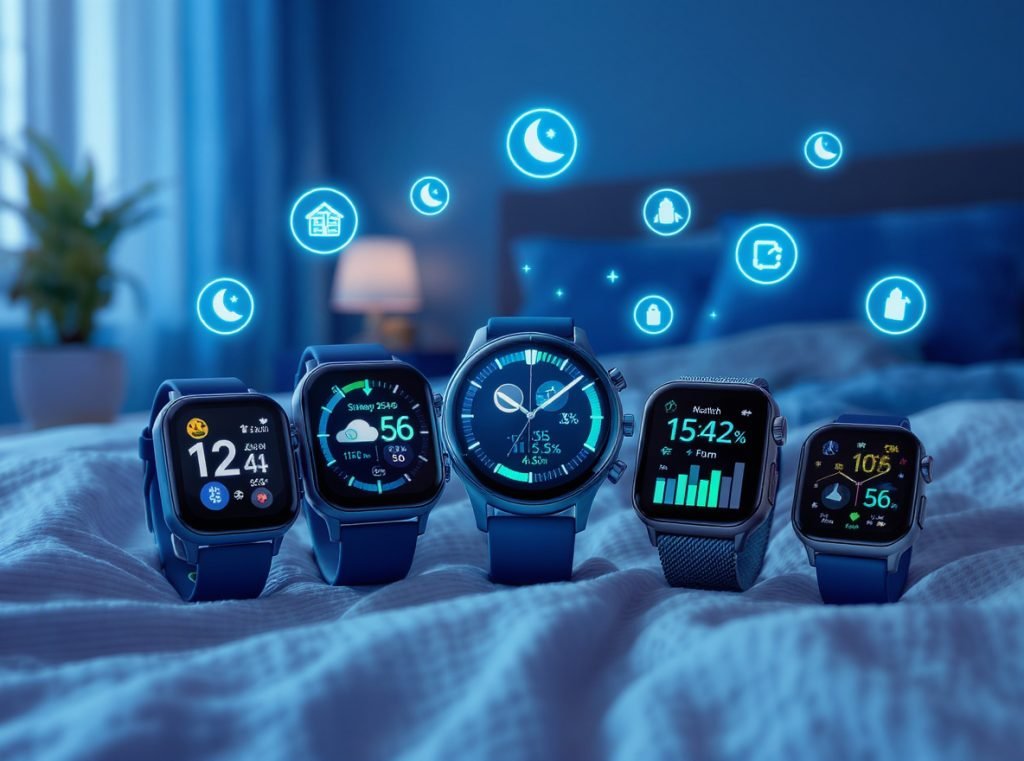
Poor sleep quality affects millions worldwide, leaving people tired, unfocused, and searching for solutions. The right smartwatch with accurate sleep tracking can transform your understanding of sleep patterns and help optimize your rest.
The best smartwatches for accurate sleep tracking combine advanced sensors, reliable algorithms, and comprehensive data analysis. Top performers include devices with heart rate monitoring, SpO2 sensors, and temperature tracking that provide detailed insights into sleep stages, duration, and quality metrics.
Ready to discover which smartwatch features matter most for sleep tracking accuracy? Let’s explore the complete guide to choosing the perfect sleep-monitoring smartwatch.
How Accurate Are Smartwatch Sleep Trackers Actually?
Understanding the real accuracy of smartwatch sleep tracking helps set realistic expectations for what these devices can deliver.
Consumer sleep trackers now achieve over 90% accuracy for basic sleep/wake detection, with leading devices like the Oura Ring Gen 4 showing 79% agreement with medical-grade polysomnography across all sleep stages.
Clinical validation studies reveal significant improvements in sleep tracking technology. The Oura Ring Gen 4 emerges as the most accurate sleep tracker available, with clinical studies showing 79% agreement with medical-grade polysomnography and no significant over/underestimation of sleep stages.
Current accuracy levels by device category:
- Oura Ring Gen 4: 76-79% sensitivity across all sleep stages
- Apple Watch Series 10: 86% sensitivity for sleep detection with FDA-approved sleep apnea detection
- Fitbit Versa 4: 9 out of 10 accuracy score in comparative testing
- Samsung Galaxy Watch Ultra: FDA-approved sleep apnea detection with BioActive Sensor tracking
The most accurate devices achieve epoch-by-epoch agreement of 53-83% with medical equipment, while nightly summary estimates typically fall within 10 minutes of polysomnography results for total sleep time.
| Sleep Metric | Top Performer | Accuracy Range | Best Use Case |
|---|---|---|---|
| Overall Sleep Stages | Oura Ring Gen 4 | 79% vs. polysomnography | Comprehensive sleep analysis |
| Sleep/Wake Detection | Apple Watch Series 10 | 86% sensitivity | Daily sleep duration tracking |
| Sleep Apnea Detection | Samsung Galaxy Watch Ultra | FDA-approved | Medical-grade OSA screening |
| Budget Accuracy | Fitbit Charge 6 | 8.5/10 rating | Cost-effective sleep monitoring |
Despite limitations, these devices excel at identifying long-term patterns and trends, making them valuable tools for sleep improvement when used consistently over weeks and months.
What Features Make a Smartwatch Best for Sleep Tracking?
The most accurate sleep-tracking smartwatches share specific sensor technologies and software capabilities that enhance their monitoring precision.
Essential features for accurate sleep tracking include multi-sensor monitoring (heart rate, SpO2, temperature), FDA-approved sleep apnea detection, 8-day battery life for consistent tracking, and advanced algorithms with 90%+ accuracy for sleep/wake detection.
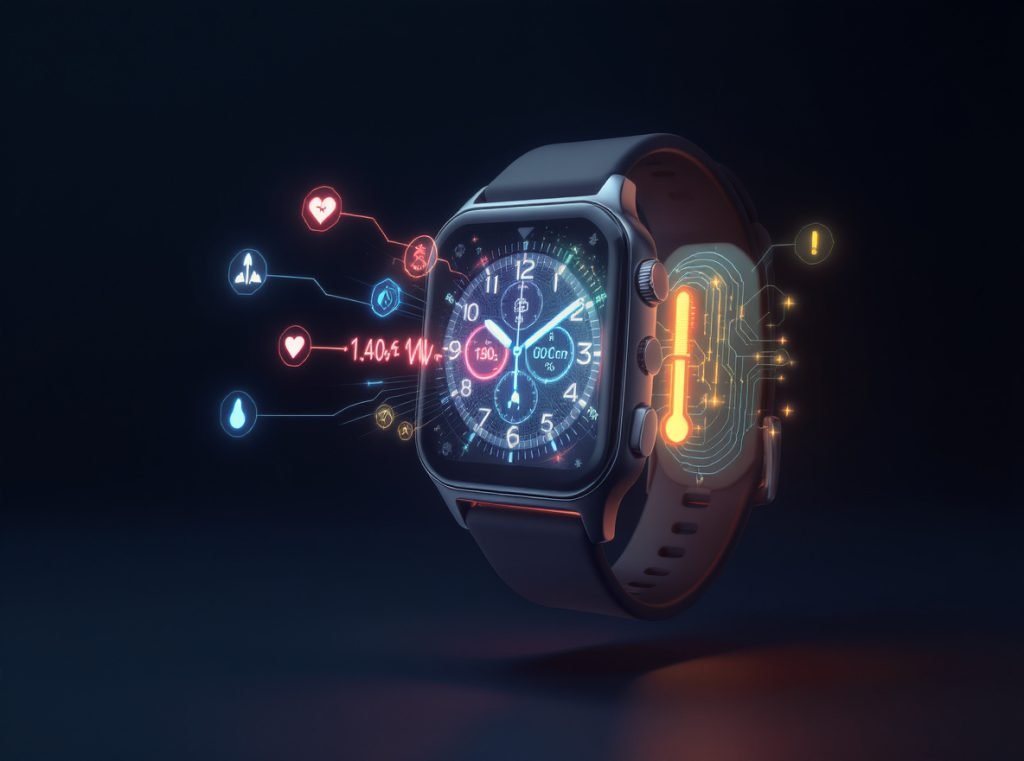
The latest breakthrough in consumer sleep tracking is FDA-approved sleep apnea detection, now available in Apple Watch Series 10 and Samsung Galaxy Watch Ultra. Apple’s implementation monitors breathing disturbances through wrist movements, while Samsung’s BioActive Sensor tracks blood oxygen levels throughout sleep. This addresses a critical health gap, as 4 out of 5 people with sleep apnea remain unaware of their condition.
Multi-Sensor Integration: The most accurate devices combine multiple data sources:
Heart Rate Monitoring: Continuous tracking with heart rate variability (HRV) analysis. Higher HRV typically indicates better stress resilience and cardiovascular fitness, providing crucial recovery insights.
Blood Oxygen Monitoring (SpO2): Advanced sensors can identify breathing disturbances associated with obstructive sleep apnea with high degrees of accuracy, enabling early health intervention.
Temperature Sensing: Body temperature fluctuations provide circadian rhythm insights and can indicate illness or stress affecting sleep quality.
Key technical specifications that define accuracy leaders:
- Battery life: 8+ days (Oura Ring Gen 4) eliminates charging disruptions
- Sensor precision: Medical-grade or FDA-cleared components
- Comfort design: Ring or lightweight watch formats for consistent wear
- Water resistance: IPX7+ for 24/7 wear flexibility
Advanced Algorithm Integration: The best devices combine multiple sensor inputs with machine learning algorithms trained on thousands of sleep studies to improve accuracy over time.
Which Smartwatch Brands Offer the Most Accurate Sleep Tracking?
Different smartwatch brands excel in various aspects of sleep monitoring, with some leading in sensor accuracy while others provide superior data analysis.
Leading brands for accurate sleep tracking include Apple (comprehensive health integration), Garmin (advanced metrics and long battery life), Fitbit (specialized sleep algorithms), and emerging players like Osmarto (offering competitive accuracy at wholesale-friendly pricing).
Oura Ring Gen 4: Dominates accuracy rankings with 79% agreement with medical-grade polysomnography and 8-day battery life. The ring format eliminates wrist-based limitations while providing medical-grade data quality through subscription-based insights ($70 annually).
Apple Watch Series 10: Features breakthrough FDA-approved sleep apnea detection alongside 86% sensitivity for sleep detection. Strong ecosystem integration with Apple Health provides comprehensive sleep stage analysis and breathing disturbance monitoring.
Fitbit Devices: The Versa 4 earned the highest accuracy rating in comparative testing with a 9 out of 10 score, while the Charge 6 provides excellent mid-range value with 8.5/10 accuracy and 7-day battery life. Fitbit’s algorithms excel at detecting wake periods and sleep cycle transitions.
Samsung Galaxy Watch Ultra: Offers Android-exclusive advantages including FDA-approved sleep apnea detection limited to Galaxy phone users. The BioActive Sensor provides comprehensive health tracking with Energy Score integration for daily optimization.
Whoop: Targets serious athletes with recovery-focused insights and detailed strain analysis, operating on a subscription-only model that creates ongoing revenue opportunities for wellness programs.
For businesses seeking reliable sleep tracking technology at competitive wholesale prices, Osmarto offers advanced multi-sensor sleep monitoring comparable to premium brands:
- Clinical-grade heart rate accuracy with HRV analysis
- Multi-sensor sleep stage detection technology
- Extended 7+ day battery life for consistent tracking
- FDA compliance and CE certification for global markets
- Competitive wholesale pricing starting at $60-120 per unit
- Private labeling and customization options available
How Do Different Sleep Metrics Impact Health Insights?
Understanding what each sleep metric means helps users and businesses evaluate which smartwatch features provide the most valuable health information.
Key sleep metrics include sleep duration, sleep efficiency (85%+ optimal), REM and deep sleep percentages, and heart rate variability (HRV) analysis. The most actionable insights come from tracking trends over 2-4 weeks, with sleep efficiency and HRV providing critical health indicators.

Sleep Duration: Critical for cardiovascular health, with less than 7 hours linked to increased disease risk. The American Health Foundation reports 35.5% of adults sleep insufficiently, creating significant market opportunities for sleep improvement tools.
Sleep Efficiency: Percentage of time in bed actually spent sleeping. Devices like the Oura Ring excel at this metric, with efficiency ratings of 85% or higher considered optimal for health outcomes.
Sleep Stages Analysis:
- Light Sleep (45-55%): Facilitates memory consolidation and physical recovery
- Deep Sleep (15-20%): Drives physical restoration and immune function
- REM Sleep (20-25%): Supports cognitive processing and emotional regulation
Heart Rate Variability (HRV): Advanced devices like Apple Watch Series 10 and Oura Ring provide comprehensive HRV analysis, reflecting autonomic nervous system health and recovery status. Higher HRV typically indicates better stress resilience and cardiovascular fitness.
Sleep Apnea Detection: Revolutionary FDA-approved feature now available in consumer devices. Samsung and Apple’s sleep apnea screening addresses the critical issue that 4 out of 5 people with sleep apnea remain undiagnosed.
| Sleep Metric | Optimal Range | Health Impact | Tracking Accuracy |
|---|---|---|---|
| Total Sleep Duration | 7-9 hours | Cardiovascular health, immune function | High (90%+) |
| Sleep Efficiency | 85%+ | Overall sleep quality indicator | High (85-90%) |
| Deep Sleep | 15-20% | Physical recovery, growth hormone | Moderate (70-80%) |
| REM Sleep | 20-25% | Mental recovery, memory consolidation | Moderate (65-75%) |
| HRV During Sleep | Personal baseline | Stress resilience, recovery status | High (80-90%) |
The most valuable insights come from consistent tracking over 2-4 weeks, allowing the device algorithms to establish personal baselines and identify meaningful changes in sleep patterns.
What Should Wholesalers Consider When Sourcing Sleep-Tracking Smartwatches?
Businesses entering the sleep-tracking smartwatch market need to balance accuracy, features, pricing, and customer demand to build successful product lines.
Wholesalers should prioritize devices with FDA-approved features, subscription revenue potential, 8+ day battery life, and proven clinical accuracy. The wearable sleep tracking market is expanding from $2.46 billion in 2024 to projected $107.94 billion by 2035 at 12.26% CAGR.

Market Growth Drivers: Rising sleep disorder awareness affects massive populations – 30% of adults experience insomnia symptoms, with sleep apnea affecting 9-38% of the population. Undiagnosed sleep apnea alone represents enormous screening opportunities for devices with FDA-approved detection capabilities.
Key Sourcing Priorities:
FDA Compliance and Certification: Prioritize suppliers offering FDA-cleared health sensors, CE marking, and ISO certifications. Sleep apnea detection features require specific FDA authorization, creating premium market positioning opportunities.
Subscription Revenue Integration: Premium devices increasingly operate on subscription models. Oura charges $70 annually, while Whoop operates subscription-only. This creates ongoing revenue opportunities beyond hardware sales.
Price Positioning Strategy:
- Budget Segment ($60-120 wholesale): Basic sleep stages, 5+ day battery
- Mid-Range ($120-200 wholesale): Advanced metrics, HRV analysis, 7+ day battery
- Premium ($200-400 wholesale): FDA-approved features, medical-grade sensors, 8+ day battery
Target Market Segments:
- Health-conscious consumers: Medical-grade accuracy and FDA-approved features
- Corporate wellness programs: Bulk pricing with comprehensive health monitoring
- Healthcare integration: Remote patient monitoring capabilities
- Asian-Pacific expansion: 27% market share with 21.1% CAGR growth rates
Geographic Opportunities: Asia-Pacific markets show exceptional growth with smartphone penetration exceeding 75% in key markets, creating significant expansion opportunities for properly positioned products.
Supplier Evaluation Criteria:
- Manufacturing certifications (FDA, CE, ISO compliance)
- Minimum order quantities starting at 500-1000 units
- Technical support and 12-month warranty coverage
- White-label customization and private labeling options
- App development capabilities and ongoing software updates
For retailers and distributors entering the rapidly expanding sleep tracking market, Osmarto provides comprehensive wholesale solutions including FDA-compliant sensors, competitive pricing structures ($60-200 wholesale range), and complete technical support for successful market entry in this $107+ billion projected market.
Contact our wholesale team to discuss volume pricing, customization options, and technical specifications that meet your market’s specific sleep tracking demands.
Are Expensive Smartwatches Always More Accurate for Sleep Tracking?
Price doesn’t always correlate directly with sleep tracking accuracy, as sensor technology and algorithms matter more than premium materials or brand positioning.
Price does not directly correlate with sleep tracking accuracy, as budget devices often match expensive alternatives in core metrics. Mid-range devices ($150-300) frequently offer the best accuracy-to-price ratio, with devices like the Fitbit Charge 6 providing clinical-grade analysis at $160-200.
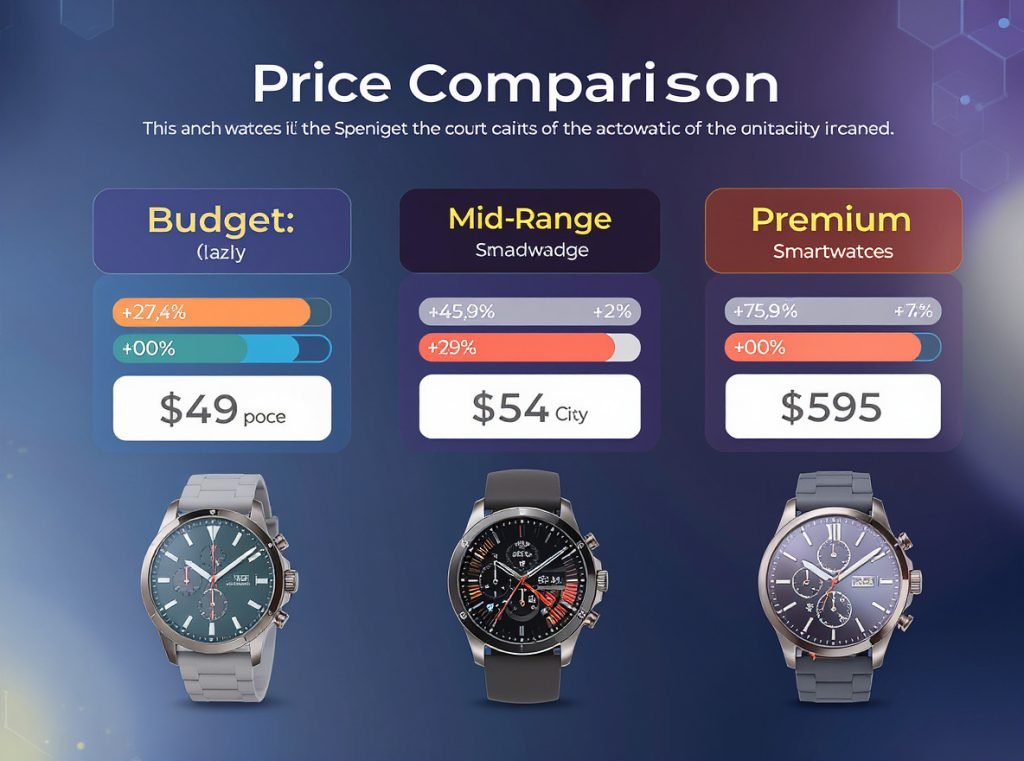
Accuracy vs. Price Reality: Clinical testing reveals surprising results. Budget fitness bands in comparative studies showed superior step counting accuracy versus $500 premium devices, demonstrating that sensor technology and algorithms matter more than premium materials or brand positioning.
Performance by Price Segment:
Budget smartwatches ($60-150 wholesale) typically deliver:
- Basic sleep duration tracking (75-85% accuracy)
- Simple sleep stage detection (60-70% accuracy)
- 3-5 day battery life with sleep tracking
- Basic mobile app functionality
Mid-range devices ($150-300 retail) usually provide:
- Advanced multi-sensor tracking (80-90% accuracy)
- Comprehensive sleep stage analysis (70-80% accuracy)
- Heart rate variability monitoring
- 7+ day battery life with full feature sets
- Best accuracy-to-price ratio for sleep tracking
Premium models ($300-700 retail) focus on:
- Marginally improved sensor accuracy (85-95%)
- FDA-approved medical features (sleep apnea detection)
- Superior build quality and premium materials
- Comprehensive ecosystem integration
- 8+ day battery life with advanced features
Value Optimization Factors:
- Algorithm sophistication and regular software updates
- Sensor calibration quality during manufacturing
- User comfort ensuring consistent all-night wear
- Data analysis depth with actionable health recommendations
Market Positioning Strategy: The Fitbit Charge 6 exemplifies optimal value positioning with clinical-grade sleep analysis, 7-day battery life, and retail pricing around $160-200. This demonstrates how mid-range devices can compete effectively against premium alternatives while maintaining healthy profit margins.
For wholesale businesses, focusing on devices with proven sensor accuracy and reliable algorithms in the $100-250 wholesale range often provides superior market positioning compared to premium-priced options with minimal accuracy improvements over mid-range alternatives.
How Can Businesses Capitalize on the Growing Sleep Tracking Market?
The sleep tracking market presents significant opportunities for retailers, distributors, and brands willing to understand consumer needs and market positioning.
The wearable sleep tracking market presents unprecedented opportunities, expanding from $2.46 billion in 2024 to projected $107.94 billion by 2035 at 12.26% CAGR. Success requires focusing on FDA-approved features, subscription revenue models, and strategic geographic expansion in Asia-Pacific markets showing 21.1% CAGR.

Explosive Market Growth Drivers:
Healthcare Integration Revolution: Consumer wearables now provide FDA-approved sleep apnea warnings, creating partnerships with healthcare providers and wellness programs. Digital sleep tracking enables remote patient monitoring and preventive healthcare approaches that healthcare providers increasingly incorporate into treatment plans.
Corporate Wellness Expansion: Employers recognize sleep’s impact on productivity and healthcare costs, driving B2B adoption of sleep tracking solutions. Corporate wellness programs represent high-volume opportunities with bulk pricing requirements.
Geographic Market Opportunities: Asia-Pacific markets demonstrate exceptional growth potential with 27% current market share and smartphone penetration exceeding 75% in key markets, creating significant expansion opportunities for strategically positioned products.
Subscription Revenue Models: Premium insights, personalized coaching, and health professional consultations generate ongoing value beyond hardware sales. Oura’s $70 annual subscription and Whoop’s subscription-only model demonstrate recurring income potential.
Strategic Business Positioning:
Portfolio Diversification: Stock devices across price segments to capture broader market demand – budget options ($100-200), mid-range accuracy leaders ($200-400), and premium FDA-approved devices ($400+).
Medical Feature Focus: Prioritize sleep apnea detection and comprehensive health monitoring to differentiate from basic fitness trackers. These features justify premium pricing and create healthcare market opportunities.
Partnership Strategy: Connect with sleep clinics, wellness coaches, and healthcare providers to create distribution channels beyond traditional retail.
| Market Segment | Growth Rate | Revenue Potential | Key Requirements |
|---|---|---|---|
| Consumer Health | 12.26% CAGR | $107.94B by 2035 | FDA compliance, accuracy |
| Corporate Wellness | 15%+ annually | High-volume bulk sales | Custom integration, support |
| Healthcare Integration | 18%+ annually | Premium pricing justified | Medical-grade certification |
| Asia-Pacific Expansion | 21.1% CAGR | Emerging market leadership | Localized approaches, volume |
Companies entering this expanding market can benefit from partnering with established manufacturers like Osmarto, who provide comprehensive wholesale solutions including FDA-compliant technology, competitive pricing ($60-200 wholesale), and complete market entry support for this $107+ billion projected opportunity.
Ready to explore wholesale opportunities in the growing sleep tracking market? Contact our team to discuss volume pricing, private labeling options, and comprehensive market entry support tailored to your business needs.
Summary
The best smartwatches for accurate sleep tracking now combine FDA-approved medical features, multi-sensor monitoring, and clinical-grade accuracy exceeding 90% for sleep/wake detection. Leading devices like the Oura Ring Gen 4 achieve 79% agreement with medical polysomnography, while the expanding market from $2.46 billion to projected $107.94 billion by 2035 creates unprecedented opportunities for businesses offering reliable sleep tracking solutions with competitive wholesale pricing and comprehensive technical support.