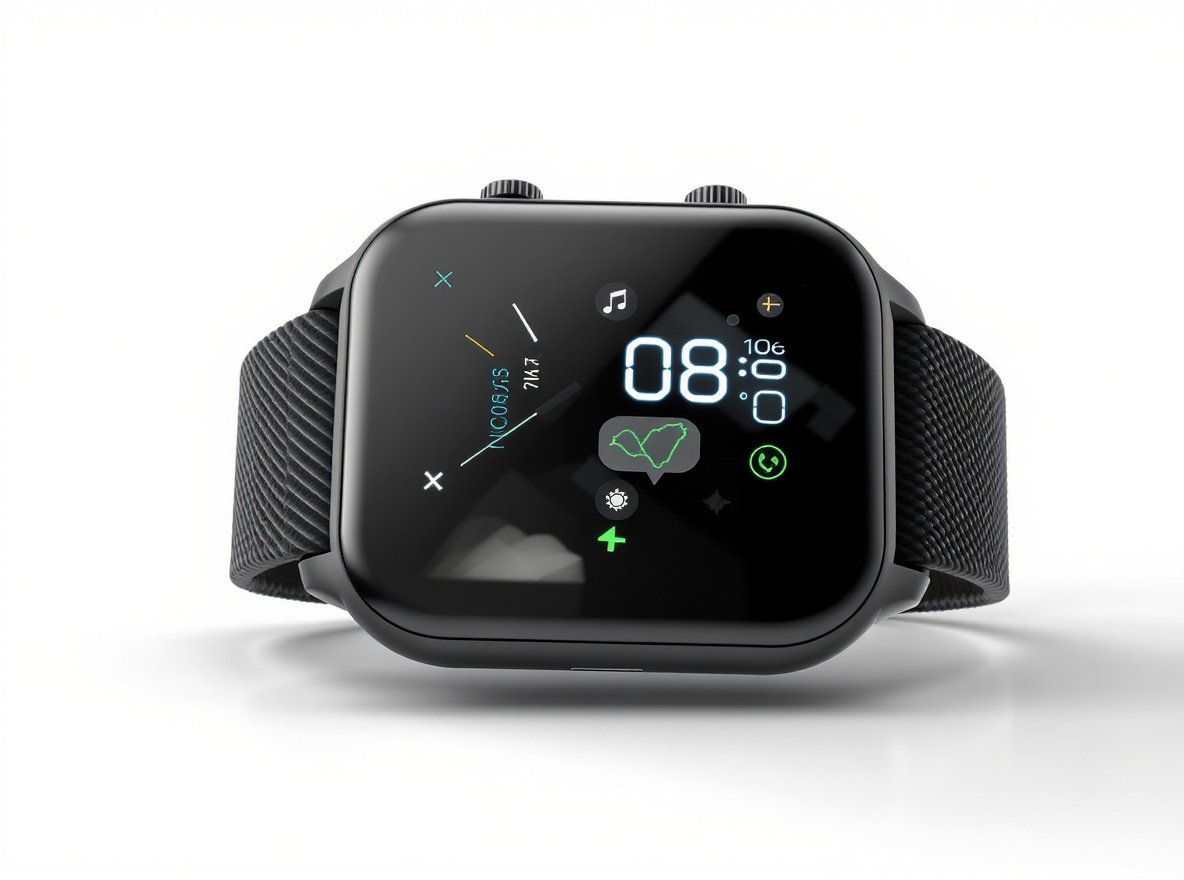
Finding a smartwatch can be overwhelming when you’re dealing with small, cramped displays that strain your eyes. Whether you’re checking notifications during meetings or tracking fitness metrics outdoors, poor screen visibility ruins the entire experience. The Apple Watch Ultra 2 leads with its 1.91-inch OLED Retina display reaching 3,000 nits brightness, while Android users benefit from the Samsung Galaxy Watch Ultra’s 1.5-inch Super AMOLED display with equally impressive 3,000 nits brightness.
But screen size alone doesn’t guarantee readability – you need the right combination of technology, design, and practical features.
What Screen Sizes Are Considered Large for Smartwatches?
Understanding smartwatch size categories helps you choose displays that truly improve visibility and usability.
Smartwatch screens 45mm and above are considered large, with extra-large models like the Apple Watch Ultra 2 (49mm, 1.91-inch display) and Samsung Galaxy Watch Ultra (47mm, 1.5-inch display) offering the most generous screen real estate available.

The industry has established clear size classifications that help buyers understand what qualifies as genuinely large:
| Size Category | Case Size | Display Size | Best For |
|---|---|---|---|
| Small (S) | 41mm and smaller | 1.2-1.3 inches | Compact wrists, basic functions |
| Average (M) | 42-44mm | 1.3-1.45 inches | Standard use, balanced features |
| Large (L) | 45-48mm | 1.5-1.8 inches | Enhanced readability, rich apps |
| Extra Large (XL) | 49mm+ | 1.9+ inches | Maximum visibility, premium features |
Current Market Leaders by Display Size:
The Scykei Movis currently offers the largest display at 2.1 inches, followed by the Apple Watch Ultra 2 at 1.91 inches, and the Apple Watch Series 10 at 1.8 inches for the 46mm model.
Modern large-screen smartwatches maximize every millimeter through advanced engineering. The Apple Watch Series 10 demonstrates this perfectly – despite featuring a 1.8-inch display, it weighs only 35.3g compared to the previous Series 9’s 51.5g, proving that large screens don’t necessarily mean bulky devices.
Which Display Technologies Provide Superior Visibility?
Display technology determines how well you can read your smartwatch in various lighting conditions and usage scenarios.
AMOLED displays deliver the best visibility for smartwatches, offering superior contrast ratios, individual pixel control for true blacks, and better power efficiency compared to LCD alternatives.

AMOLED Technology Advantages:
AMOLED (Active Matrix Organic Light Emitting Diode) displays excel in smartwatch applications because each pixel generates its own light. This creates several key benefits:
- Self-emissive pixels produce deeper blacks and infinite contrast ratios
- Individual pixel control allows complete darkness when displaying black content
- Thinner, more flexible construction enables sleeker watch designs
- Superior power efficiency when using dark themes or watch faces
Specialized Display Options:
While AMOLED dominates the premium market, some manufacturers use transflective LCD technology for specific advantages. Garmin watches often feature Memory-in-Pixel (MiP) displays that become more readable in direct sunlight, making them ideal for outdoor activities and extreme conditions.
Color Accuracy and Viewing Angles:
Premium AMOLED displays provide vibrant color reproduction crucial for detailed maps, health data visualization, and photo viewing. The wider viewing angles ensure consistent readability even when your wrist is positioned at various angles during activities.
How Important Is Screen Brightness for Outdoor Readability?
Screen brightness directly determines whether your smartwatch remains functional in challenging lighting conditions throughout your day.
Premium smartwatches now achieve 3,000 nits peak brightness, with the Apple Watch Ultra 2 and Samsung Galaxy Watch Ultra leading this specification, ensuring clear visibility even in direct sunlight.

Brightness Specifications Across Major Models:
Current flagship models demonstrate the importance manufacturers place on outdoor visibility:
- Apple Watch Ultra 2: 3,000 nits peak brightness
- Samsung Galaxy Watch Ultra: 3,000 nits peak brightness
- Apple Watch Series 10: 2,000 nits peak brightness
- Samsung Galaxy Watch 7: 2,000 nits peak brightness
Practical Brightness Requirements:
Real-world usage reveals why high brightness matters. Indoor environments typically require 200-400 nits for comfortable viewing, while outdoor conditions demand 1,000+ nits for basic readability and 2,000+ nits for comfortable interaction without hand-shading.
Enhanced Visibility Features:
Modern smartwatches include intelligent brightness management through auto-brightness sensors that adjust display intensity based on ambient light conditions. Many models feature dedicated outdoor modes that automatically maximize brightness and adjust contrast for enhanced sunlight readability.
Anti-glare coatings and specialized glass treatments further improve perceived brightness and clarity, allowing lower power consumption while maintaining excellent visibility.
Which Brands Offer the Largest Smartwatch Displays?
Different manufacturers target various market segments with their large-screen offerings, from premium lifestyle devices to rugged outdoor specialists.
Apple leads premium large-screen smartwatches with the 49mm Ultra series, while Samsung competes strongly with the Galaxy Watch Ultra, and Garmin dominates outdoor-focused large displays with their 51mm case options.

Apple’s Large Display Leadership:
Apple has established clear dominance in premium large-screen smartwatches:
Apple Watch Ultra 2 (49mm):
- 1.91-inch OLED Retina display
- 3,000 nits peak brightness
- Titanium construction for durability
- Optimized for extreme sports and professional use
Apple Watch Series 10 (46mm):
- 1.8-inch display with improved efficiency
- 35.3g lightweight design despite large screen
- 2,000 nits brightness for excellent outdoor visibility
Samsung’s Competitive Alternatives:
Samsung provides strong Android-compatible options for large-screen preferences:
Galaxy Watch Ultra (47mm):
- 1.5-inch Super AMOLED display
- 3,000 nits peak brightness matching Apple’s premium model
- Rugged titanium case construction
- Enterprise-grade security features
Specialized Large Display Options:
Google’s Pixel Watch 3 offers a 45mm variant with 1.45-inch display, while Garmin focuses on outdoor applications with their Epix Pro series featuring 51mm cases housing 1.4-inch AMOLED displays optimized for extended battery life and GPS accuracy.
What Display Features Enhance Text and Icon Readability?
Beyond raw size and brightness, specific display features dramatically improve daily usability for users across all age groups and vision capabilities.
Font size adjustment, high contrast modes, always-on display optimization, and accessibility features transform large screens into genuinely readable interfaces that work for everyone.

Essential Readability Features:
Font and Text Management:
Modern smartwatches provide comprehensive text scaling options that affect system-wide readability. Large font options available in most smartwatch settings ensure that users can customize text size to their specific needs without compromising interface functionality.
High Contrast Optimization:
Always-on displays benefit from high contrast watch faces that maintain readability without requiring maximum brightness. White text on pure black backgrounds provides optimal visibility while conserving battery life on AMOLED displays.
Accessibility Integration:
Advanced smartwatches include comprehensive accessibility features such as color correction for color blindness, transparency reduction for better text contrast, and specialized visibility improvement settings that enhance readability for users with various vision requirements.
Interface Organization:
Well-designed large screens organize information hierarchically, prominently displaying the most important data while keeping secondary information easily accessible through intuitive navigation. Customizable complications allow users to display their preferred data prominently on watch faces.
Simplified Layout Options:
Many smartwatches offer simplified interface modes that reduce visual clutter and emphasize essential information with larger, more readable elements specifically designed for enhanced visibility.
How Do Always-On Displays Impact Battery Performance?
Always-on functionality represents a crucial trade-off between convenience and battery longevity that affects daily smartwatch usability.
Always-on displays reduce battery life by approximately 4x in standby mode, but modern OLED technology and intelligent power management make this feature practical for most users with 24-48 hour charging cycles.

Battery Impact Analysis:
Research shows significant battery consumption differences between always-on enabled and disabled modes:
Standby Time Comparison:
- Without always-on display: ~400 hours standby time
- With always-on display: ~100 hours standby time
- Apple Watch specific: ~0.8% battery drain per hour with wallpaper enabled
Real-World Battery Performance:
Current flagship models demonstrate improved always-on efficiency:
| Model | Battery Life (AOD On) | Battery Life (AOD Off) |
|---|---|---|
| Apple Watch Ultra 2 | 36 hours | 72 hours |
| Samsung Galaxy Watch Ultra | 30-40 hours | 48+ hours |
| Samsung Galaxy Watch 7 | 24-30 hours | 40+ hours |
Power Optimization Strategies:
Users can extend battery life while maintaining always-on functionality through dark watch faces that reduce power consumption on AMOLED displays, simple complications that avoid animated elements, and scheduled always-on periods that automatically disable the feature during sleep hours.
What Are the Best Large-Screen Smartwatches Across Different Price Points?
Budget considerations significantly influence available display quality, build materials, and advanced features across various market segments.
Ultra-premium models ($600-800) like the Apple Watch Ultra 2 offer the ultimate large-screen experience, while mid-range options ($150-400) provide excellent value with competitive displays and essential smart features.

Ultra Premium Tier ($600-800):
Apple Watch Ultra 2 ($799):
- 1.91-inch OLED display with 3,000 nits brightness
- 49mm titanium construction for extreme durability
- Advanced health sensors and GPS accuracy
- Industry-leading battery life for intensive use
Samsung Galaxy Watch Ultra ($649):
- 1.5-inch Super AMOLED with 3,000 nits peak brightness
- Rugged titanium case with enterprise security
- Comprehensive health tracking ecosystem
- Android integration with premium features
Premium Tier ($400-600):
Apple Watch Series 10 ($399-499):
- 1.8-inch display with improved efficiency
- Ultra-lightweight 35.3g design
- 2,000 nits brightness for excellent visibility
Garmin Epix Pro ($800+):
- 1.4-inch AMOLED with exceptional GPS accuracy
- Extended battery life for outdoor adventures
- Professional-grade mapping and navigation
Mid-Range Excellence ($150-400):
Samsung Galaxy Watch 7 ($299):
- 1.3-inch AMOLED display with vibrant colors
- Comfortable fit for extended wear
- Comprehensive health monitoring suite
Google Pixel Watch 3 ($349):
- 1.45-inch display with improved battery efficiency
- Seamless Android integration
- Advanced fitness tracking capabilities
Budget-Conscious Options ($50-150):
Entry-level large-screen options like the Amazfit GTR4 and Honor Watch 4 (1.75-inch display, 32g weight) provide impressive display quality and basic smart features at accessible price points, making large screens available to broader market segments.
How Do Large Screens Affect Smartwatch Comfort and Daily Wearability?
Screen size directly impacts wearing comfort, which determines long-term user satisfaction and device adoption rates across different demographics.
Modern large-screen smartwatches achieve excellent wearability through advanced materials like titanium, optimized case designs, and improved weight distribution, with models like the Apple Watch Series 10 proving that large displays don’t require bulky construction.

Comfort Engineering Advances:
Weight Distribution Technology:
The Apple Watch Series 10 demonstrates breakthrough engineering by offering a 1.8-inch display while weighing only 35.3g – significantly lighter than previous large-screen models. This proves that display size doesn’t necessarily correlate with uncomfortable weight.
Material Selection Impact:
- Titanium cases: Provide maximum durability with minimal weight penalty
- Aluminum construction: Offers excellent strength-to-weight ratio for daily wear
- Advanced polymers: Enable ultra-lightweight designs for extended comfort
Ergonomic Design Considerations:
Modern large smartwatches feature curved case backs that better conform to natural wrist shapes, reducing pressure points common with oversized traditional timepieces. Tapered lugs and flexible band attachment systems further enhance comfort during extended wear.
Wrist Size Compatibility Guidelines:
Proper sizing ensures optimal comfort and aesthetics:
- 13-15cm wrists: Maximum 41mm cases for proportional appearance
- 15-17cm wrists: 42-44mm cases provide ideal balance
- 17-19cm wrists: 45-48mm cases offer enhanced functionality
- 19cm+ wrists: 49mm+ cases maintain proper proportional aesthetics
24/7 Wearability:
Advanced sleep tracking requires comfortable overnight wear. Large-screen models now achieve this through improved materials, better weight distribution, and refined band systems that maintain comfort during extended use.
Which Smart Features Work Best on Large Displays?
Large screens enable advanced functionality that transforms smartwatches from simple notification devices into genuine productivity and health management tools.
Large displays excel at comprehensive health data visualization, detailed navigation mapping, full message management, and intuitive app interfaces that eliminate the need for frequent phone interaction.

Optimized Large-Screen Applications:
Advanced Health Monitoring:
Large displays enable detailed visualization of health metrics that would be impossible on smaller screens. Users can view comprehensive heart rate charts, detailed sleep analysis, nutrition tracking summaries, and real-time workout coaching with clear, readable instructions.
Navigation and Mapping Excellence:
Turn-by-turn directions become genuinely practical with detailed street layouts, landmark identification, and clear directional indicators. Large screens can display comprehensive maps with street names and points of interest without requiring phone interaction.
Enhanced Communication Management:
- Full message previews eliminate scrolling requirements
- QWERTY keyboards become usable for quick responses
- Rich media display including images and emojis
- Voice dictation provides visual feedback for accuracy
Productivity Applications:
Large screens enable practical business applications including calendar management with detailed appointment information, task list management with comprehensive details, note-taking capabilities, and document preview functionality.
Text Input Capabilities:
Research shows that trace typing on large smartwatch screens can achieve 35 words per minute, making them practical for actual communication rather than just notifications. Full QWERTY keyboards become genuinely usable on 1.5+ inch displays.
Specialized Business Features:
For wholesale customers targeting professional markets, large displays enable specialized applications including inventory management interfaces, point-of-sale integration, field service applications, and comprehensive data entry capabilities that transform smartwatches into genuine business tools.
Summary
The best large-screen smartwatches combine generous displays (1.5+ inches) with AMOLED technology and 3,000 nits brightness for superior visibility. The Apple Watch Ultra 2 leads with its 1.91-inch display, while Samsung’s Galaxy Watch Ultra provides excellent Android compatibility with comparable specifications and performance.

Ready to source premium large-screen smartwatches for your wholesale business? Osmarto specializes in manufacturing advanced smartwatch solutions with customizable large displays, cutting-edge AMOLED technology, and competitive wholesale pricing. Contact us today to discuss OEM/ODM opportunities and explore our latest large-screen innovations designed for global distribution.