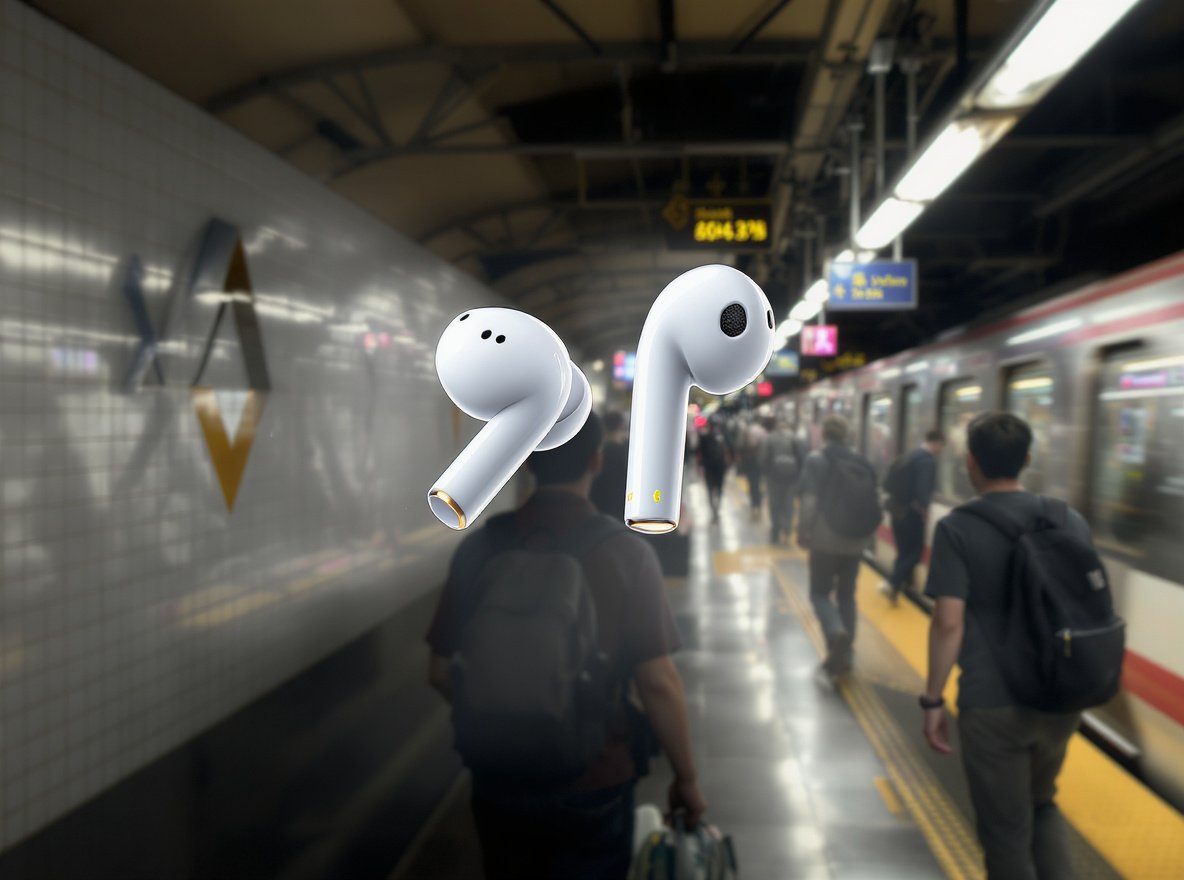
Your morning commute doesn’t have to be filled with crying babies, loud conversations, and screeching train brakes. You deserve peace, quality audio, and the ability to focus on your podcasts or music during your daily journey.
The best earbuds for commuting on public transit are models with active noise cancellation, 8-10 hours battery life, IPX4+ water resistance, and transparency modes for safety. Top performers include Sony WF-1000XM5 for premium users, Soundcore Space A40 for best value at $100, and Apple AirPods Pro (2nd Gen) for iPhone users seeking seamless ecosystem integration.
But choosing the right earbuds involves more than just picking popular brands. Let’s explore everything you need to know to find your perfect commuting companion.
What Features Make Earbuds Ideal for Public Transit?
Understanding which features matter most can save you from buyer’s remorse and ensure comfortable daily commuting. Not all earbuds are created equal, especially for the demanding public transport environment.
Essential features for commuting earbuds include active noise cancellation (ANC), 8-10 hours battery life with 24-40 hours from charging case, IPX4+ water resistance, multiple ear tip sizes for secure fit, quick charging (2-4 hours playback from 10-15 minutes charging), and transparency modes for safety awareness during transit announcements and environmental hazards.
Key Features Breakdown
Active Noise Cancellation (ANC)
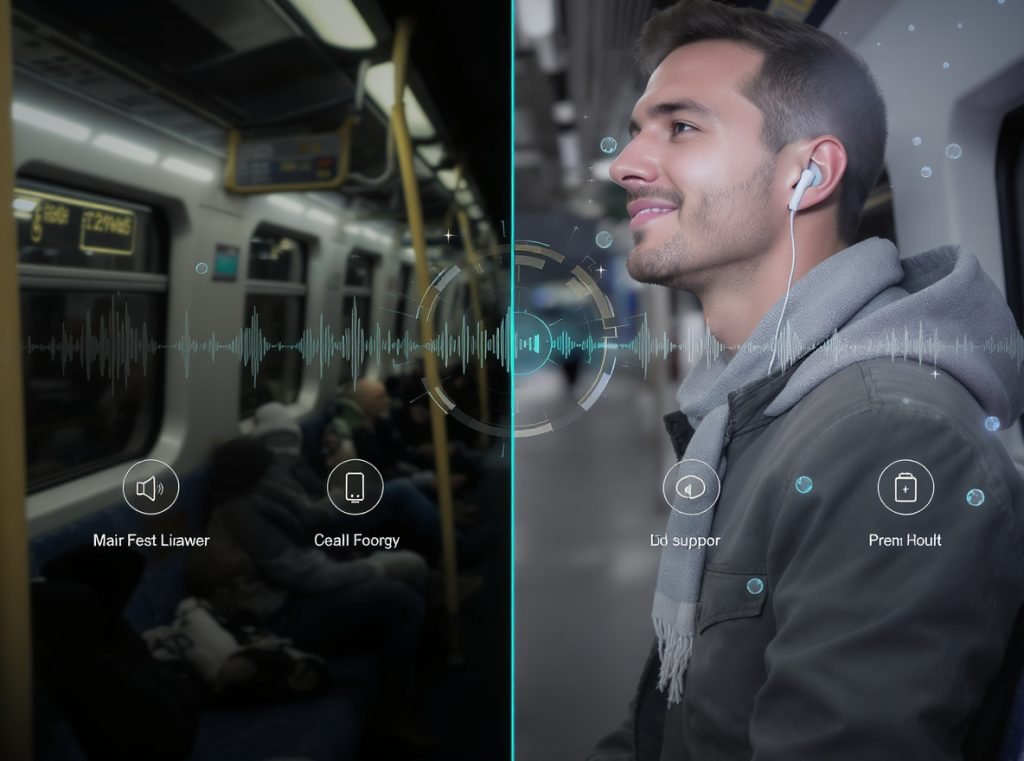
ANC technology actively reduces background noise by creating inverse sound waves. This feature transforms noisy subway rides into peaceful listening experiences, allowing you to enjoy music at lower volumes and protect your hearing.
Battery Life and Charging
- Look for 8-10 hours continuous playback with case providing 24-40 hours total
- Quick charging feature (10-15 minutes = 2-4 hours playback) covers emergency situations
- USB-C charging offers faster, more reliable power delivery than older micro-USB ports
Fit and Comfort
Secure fit prevents earbuds from falling during crowded commutes. Multiple ear tip sizes ensure proper seal for both comfort and noise isolation. Memory foam tips often provide superior comfort for longer wearing periods.
| Feature | Why It Matters | What to Look For |
|---|---|---|
| ANC Level | Blocks train/bus noise | Effective low-frequency cancellation |
| Battery Life | All-day coverage | 8-10 hours (24-40+ with case) |
| Water Resistance | Sweat/rain protection | IPX4 minimum (IPX5 for heavy rain) |
| Fit Security | Won’t fall out | Multiple tip sizes, ergonomic design |
| Transparency Mode | Safety awareness | Adjustable ambient sound levels |
How Do You Choose Between Noise Cancelling vs. Noise Isolating Earbuds?
This choice significantly impacts your commuting experience and safety. Many commuters don’t understand the difference between these technologies, leading to poor purchasing decisions.
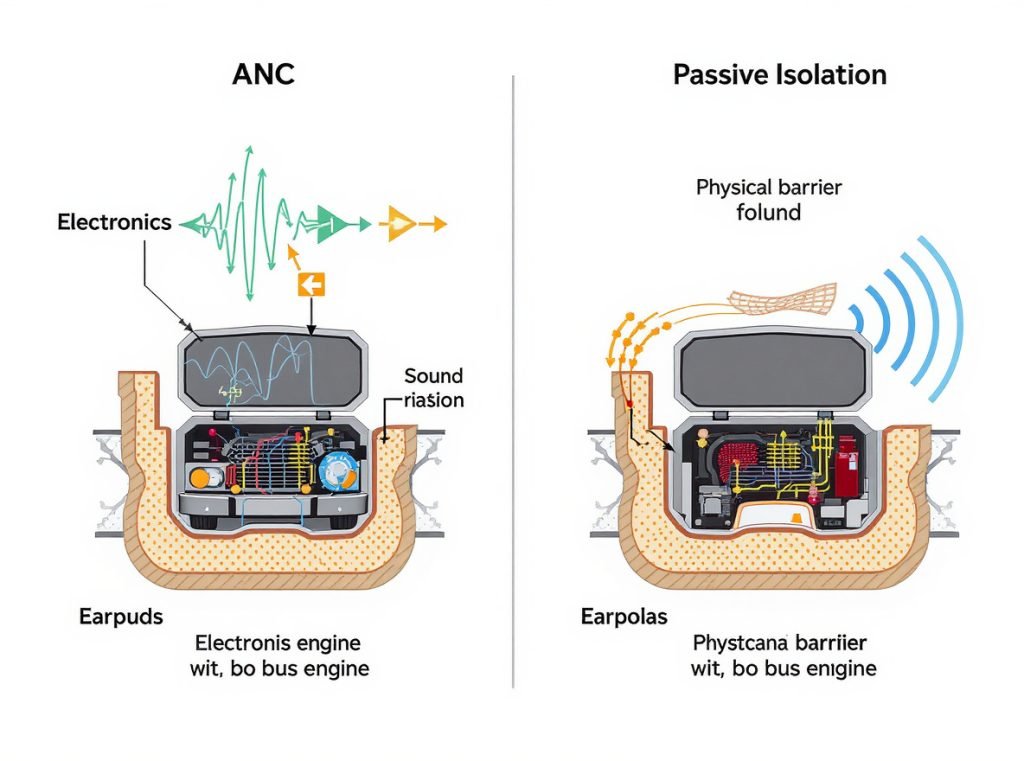
Active noise cancelling earbuds use electronic processing with microphones to detect and cancel external sounds, while noise isolating earbuds rely on physical ear tip seal. For public transit, ANC earbuds are superior as they effectively reduce consistent low-frequency sounds like engine noise, air conditioning, and subway rumbles that dominate transit environments.
Understanding the Technologies
Active Noise Cancellation Benefits
Active noise cancellation works by using microphones to detect external sounds and creating opposite sound waves to cancel them out. This technology excels at reducing consistent, low-frequency noises common on public transportation.
Noise Isolation Characteristics
Noise isolation depends entirely on how well the ear tips seal your ear canal. While effective against high-frequency sounds like conversations, it struggles with rumbling engines and mechanical noise that dominate transit environments.
Hybrid Approach Advantages
- Combines both ANC and physical isolation for maximum noise reduction
- Provides better overall sound quality with deeper bass response
- Offers flexibility to switch between full noise cancellation and ambient awareness
Safety Considerations
Many modern ANC earbuds include transparency or ambient sound modes, allowing important announcements and safety sounds to pass through while maintaining music playback. This feature is crucial for safe public transit use.
What’s the Ideal Battery Life for Daily Commuters?
Battery anxiety can ruin your commuting experience. Understanding realistic battery needs helps you avoid mid-journey disappointments and ensures consistent daily performance.
Daily commuters need earbuds providing 8-10 hours continuous playback with charging cases offering 24-40 hours total battery life. This covers round-trip commuting plus additional daily use without requiring daily charging. Quick charge features providing 2-4 hours playback from 10-15 minutes charging are essential for forgotten charging scenarios and busy schedules.
Battery Life Calculations
Daily Usage Breakdown
Most commuters use earbuds for 2-4 hours daily including transit time, walking, and occasional office use. Adding safety margin, 8-10 hours ensures full-day coverage without battery anxiety during longer commutes or unexpected delays.
Charging Case Considerations
The charging case should provide multiple full charges, extending total usage to 24-40+ hours. This typically means charging the case 2-3 times weekly rather than daily, reducing maintenance hassle while ensuring reliable performance.
Quick Charging Benefits
- 10-15 minute charge = 2-4 hours playback covers forgotten charging scenarios
- USB-C charging provides faster power delivery than micro-USB alternatives
- Wireless charging cases offer convenience but aren’t essential for most commuters
Battery Degradation Planning
Lithium batteries degrade over time. Earbuds with longer initial battery life maintain acceptable performance longer, extending overall product lifespan and value.
Are Expensive Earbuds Always Better for Commuting?
Price doesn’t always correlate with commuting suitability. Understanding value propositions helps you make smart purchasing decisions without overspending on unnecessary features.
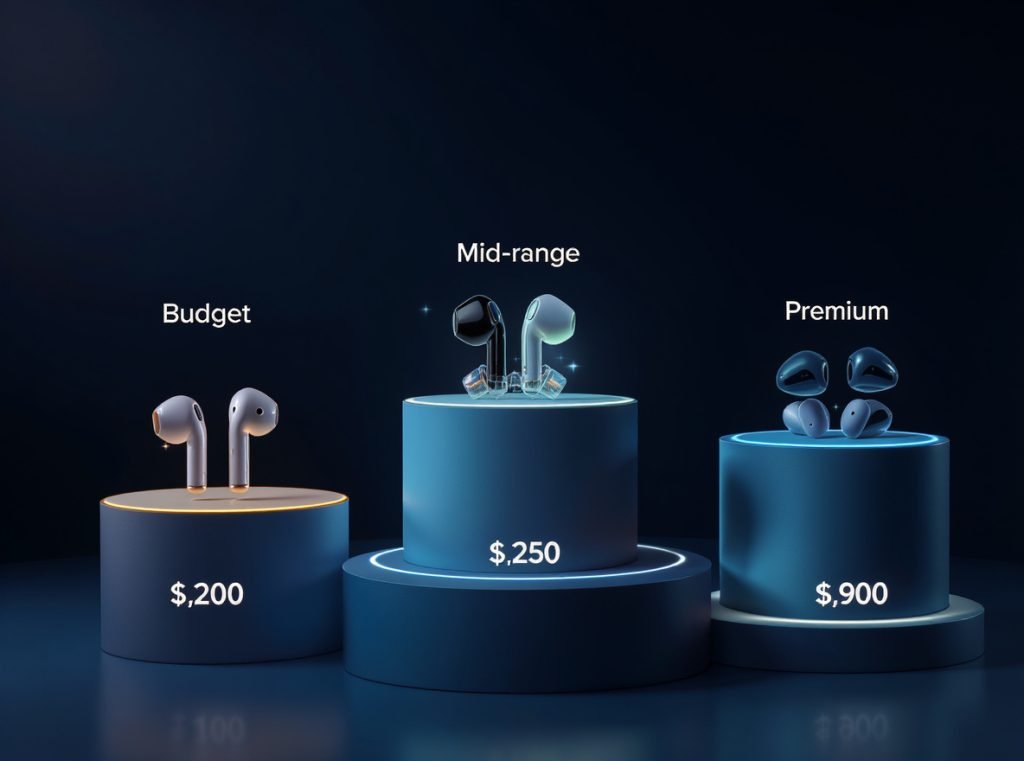
Expensive earbuds aren’t always better for commuting. Mid-range models ($80-200) often provide optimal commuting features like effective ANC, excellent battery life, and durability without premium costs. The Soundcore Space A40 at $100 offers 10-hour battery with 40 additional hours from case, while budget options like EarFun Air 2 under $50 provide solid performance for basic commuting needs.
Price vs. Performance Analysis
Budget Options ($30-80)
Budget earbuds can provide acceptable commuting experience with basic noise isolation and decent battery life. The EarFun Air 2 offers excellent value under $50 with solid performance for casual listening and shorter commutes.
Mid-Range Sweet Spot ($80-200)
This price range offers the best commuting value with effective ANC, excellent battery life, reliable connectivity, and good build quality. The Soundcore Space A40 at $100 exemplifies this category with 10-hour battery and 40 additional hours from case.
Premium Models ($200+)
Premium earbuds like Sony WF-1000XM5 and Apple AirPods Pro (2nd Gen) offer industry-leading ANC, superior audio quality, and advanced features. These justify costs for heavy daily users prioritizing maximum performance and comfort.
| Price Range | Commuting Value | Best For | Example Models |
|---|---|---|---|
| Under $50 | Basic functionality | Light commuters | EarFun Air 2 |
| $80-200 | Optimal value | Daily commuters | Soundcore Space A40 |
| $200-300 | Premium features | Heavy users/audiophiles | Sony WF-1000XM5, AirPods Pro |
| $300+ | Luxury/Professional | Maximum performance needs | Bose QuietComfort Ultra |
How Important Is Water Resistance for Commuters?
Weather and sweat resistance affects earbuds longevity and reliability. Understanding IPX ratings helps you choose appropriate protection levels for your commuting environment.
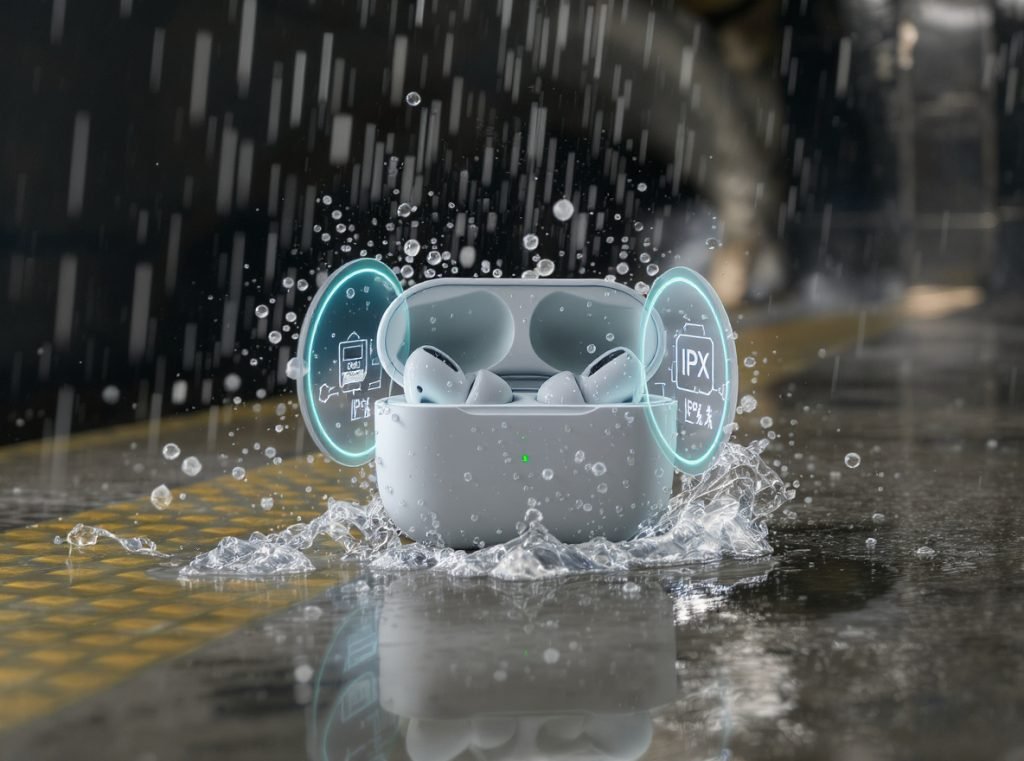
Water resistance is crucial for commuters. IPX4 rating provides essential protection against light rain, sweat, and splashes from any direction during daily transit use. IPX5 offers better protection against heavier rain and water jets, while IPX7 provides full waterproofing for submersion, though this level typically isn’t necessary for standard commuting scenarios.
IPX Rating Breakdown
IPX4 (Sweat and Rain Resistant)
IPX4 protection handles light rain, sweat during summer commutes, and high humidity in underground transit systems. This level suits most urban commuting needs.
IPX5 (Water Spray Resistant)
IPX5 rating withstands heavier rain and more intense sweating. Ideal for commuters who walk/bike significant distances or live in rainy climates.
Real-World Protection Scenarios
- Sudden rainstorms during walking portions of commute
- Sweating during summer heat or crowded, poorly ventilated transit
- High humidity in underground subway systems
- Accidental splashing from drinks or cleaning activities
Maintenance Benefits
Water-resistant earbuds are easier to clean and maintain, important for hygiene during daily use. You can safely wipe them down with damp cloths without damage concerns.
What About Fit and Comfort for Long Commutes?
Comfort directly impacts your daily commuting experience. Poor-fitting earbuds cause pain, fall out during movement, and reduce noise isolation effectiveness.
Proper fit requires multiple ear tip sizes (at least 4 sizes recommended), lightweight design under 5-7 grams per earbud, and ergonomic shape following natural ear canal curves. Stem length of 18-22mm provides optimal balance and comfort. Memory foam tips often provide superior comfort and noise isolation for extended wear compared to standard silicone tips.
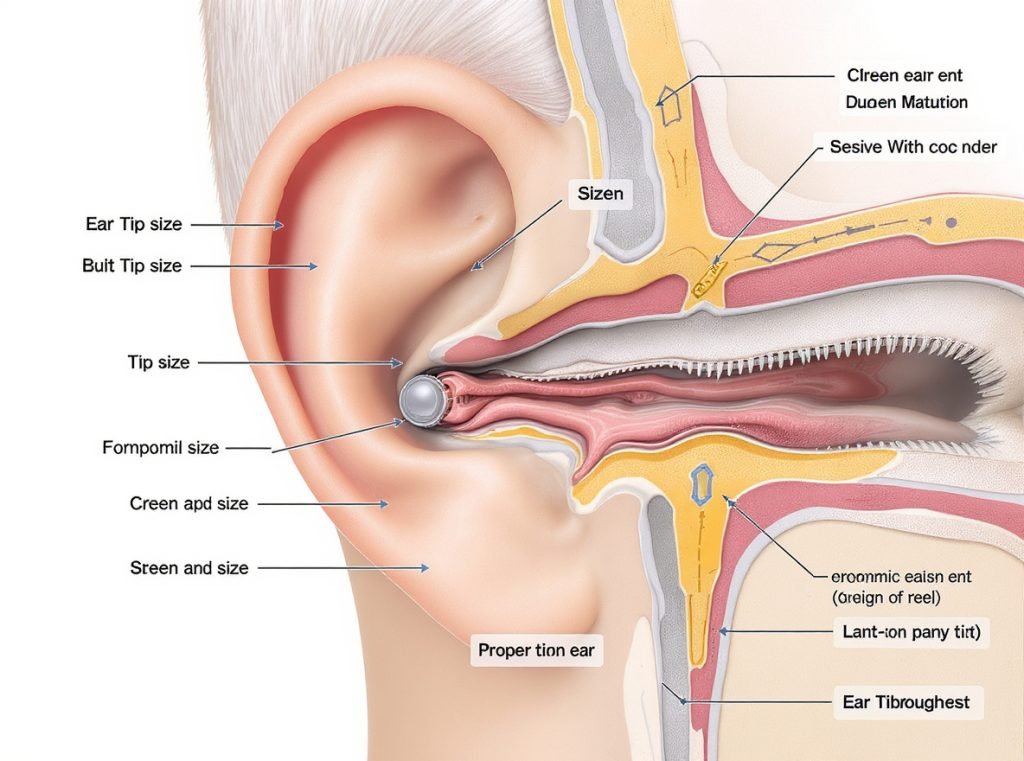
Achieving Optimal Fit
Ear Tip Selection Process
Start with medium tips, then adjust based on comfort and seal quality. Proper seal is crucial for both comfort and ANC effectiveness. You should feel gentle pressure without pain or looseness.
Weight Distribution Importance
Heavier earbuds cause fatigue during extended wear. Look for models under 5-7 grams per earbud for comfortable all-day use. Weight distribution affects how earbuds sit in your ears.
Movement Stability
- Secure fit prevents earbuds from loosening during walking, climbing stairs, or crowded transit movement
- Wing tips or ear hooks provide additional security for active commuters
- Test fit by gentle head shaking and walking movements
Extended Wear Comfort
Consider how earbuds feel after 30+ minutes of wear, as initial comfort may change as ears adjust to presence and temperature changes affect materials. Many people need different ear tip sizes for each ear, so test various combinations for optimal comfort.
Should You Consider Wireless Charging Cases?
Wireless charging adds convenience but isn’t essential for all commuters. Understanding benefits and limitations helps you decide if this feature justifies additional costs.
Wireless charging cases offer convenience but aren’t essential for most commuters. Wired USB-C charging is typically faster (30-60 minutes vs. 2-3 hours wirelessly), more reliable, and works anywhere with USB ports. Consider wireless charging if you have compatible charging stations at home or office and value convenience over the $20-50 cost premium.
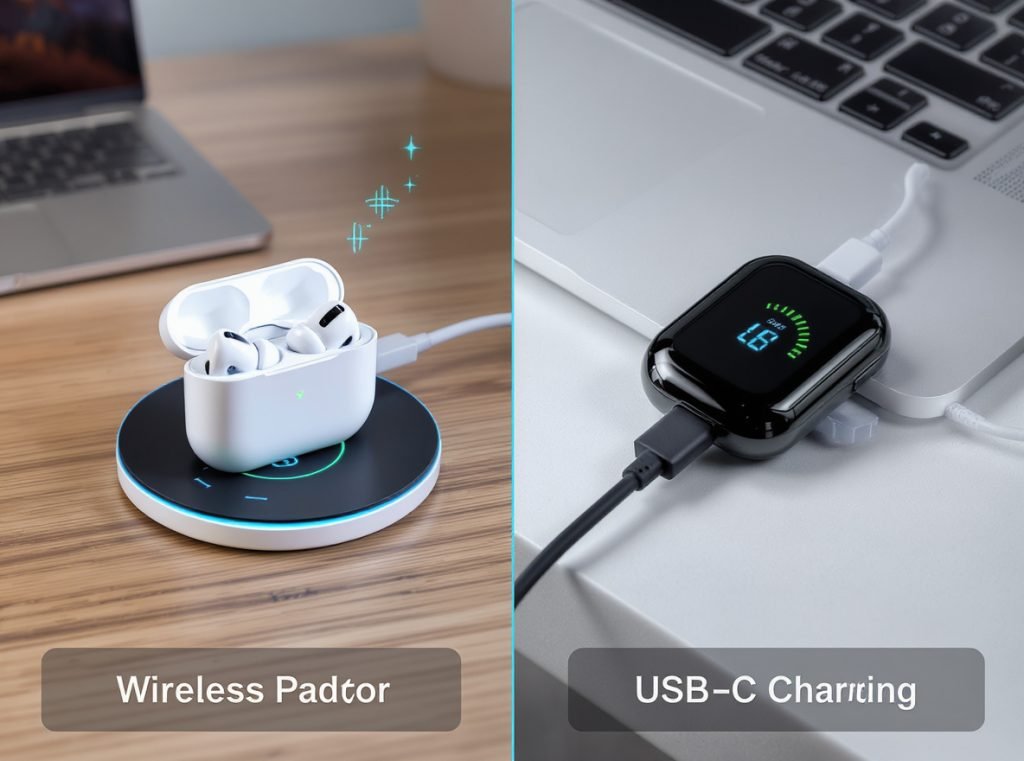
Wireless vs. Wired Charging Comparison
Wireless Charging Advantages
Wireless charging eliminates cable plugging, reducing wear on charging ports. It’s convenient for desk setups with wireless charging pads and maintains cleaner appearances without cables.
Wired Charging Benefits
- Faster charging speeds (30-60 minutes vs. 2-3 hours wirelessly)
- Works anywhere with USB ports or wall adapters
- More reliable connection without positioning concerns
- Generally lower cost and fewer components to fail
Practical Considerations
Most commuters charge earbuds at home overnight or at desks where cable access isn’t problematic. Wireless charging makes sense if you already have wireless charging infrastructure and prioritize convenience over speed.
Cost-Benefit Analysis
Wireless charging typically adds $20-50 to earbud cost. Consider whether this premium provides sufficient value for your specific usage patterns and charging habits.
How Do Different Brands Compare for Commuting Needs?
Understanding brand strengths helps narrow your choices based on commuting priorities. Each manufacturer emphasizes different features and technologies.
Leading commuting earbud brands each offer distinct advantages: Sony excels in industry-leading ANC technology and sound quality (WF-1000XM5), Apple provides seamless iOS integration (AirPods Pro 2nd Gen), Bose offers exceptional comfort with superior ANC (QuietComfort Ultra), while Soundcore delivers excellent value with comprehensive features like the Space A40’s 10-hour battery at $100.
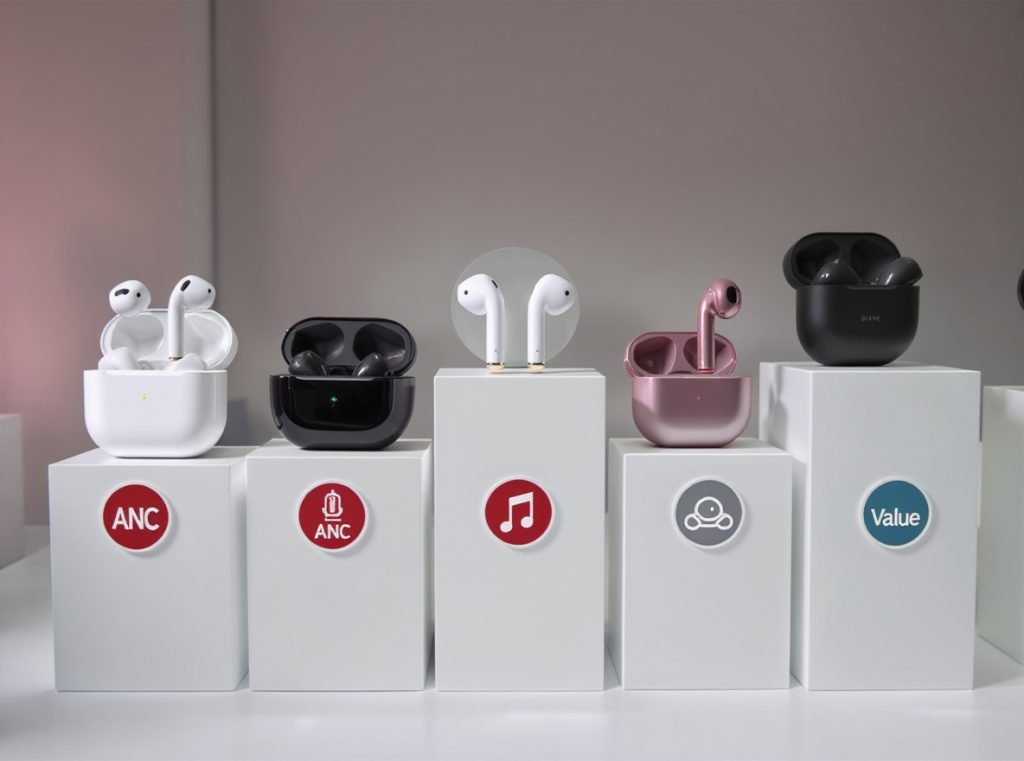
Brand Comparison Overview
Premium Brands Performance
Premium brands typically offer superior ANC technology, better build quality, and comprehensive feature sets. However, they command higher prices that may not be justified for basic commuting needs.
Value Brand Advantages
Mid-tier brands often provide 80% of premium performance at 50% of the cost. They focus on essential commuting features without expensive premium materials or advanced audiophile features.
Feature Focus Differences
- Sony: Industry-leading ANC, excellent sound quality, long battery life (WF-1000XM5: 8 hours + 36 with case)
- Apple: Seamless iOS ecosystem integration, spatial audio, reliable connectivity (AirPods Pro 2nd Gen)
- Bose: Superior comfort, exceptional ANC, natural transparency mode (QuietComfort Ultra)
- Soundcore: Excellent value pricing with comprehensive features (Space A40: 10hrs + 40 with case at $100)
- Technics: Great balance of battery life, audio quality, and ANC (EAH-AZ100)
Support and Warranty Considerations
Consider after-sales support, warranty terms, and replacement part availability. Established brands typically offer better long-term support but at higher costs.
What About Ambient Sound Modes for Safety?
Safety awareness is crucial during public transit commuting. Ambient sound features balance noise reduction with environmental awareness for safer travel.
Transparency or ambient sound modes are essential safety features for commuters. These modes allow important sounds like transit announcements, emergency sirens, and approaching vehicles to pass through while maintaining music playback. Modern transparency modes sound remarkably lifelike and can be customized to emphasize voices over background noise, with adjustable levels for different environments.
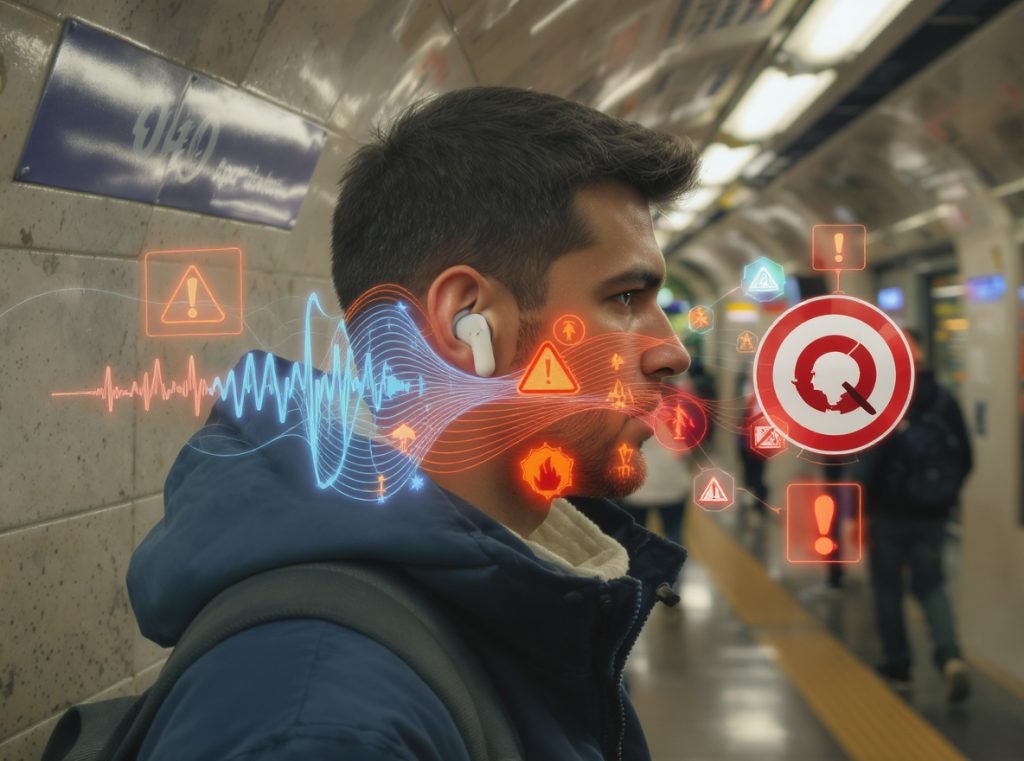
Safety Feature Implementation
Transparency Mode Benefits
Transparency modes use external microphones to pipe environmental sounds into your earbuds alongside your music. This allows awareness of important safety cues without removing earbuds.
Adjustability Importance
Better earbuds offer multiple transparency levels, allowing customization based on environment. Full transparency for busy intersections, partial for quiet train rides.
Quick Access Controls
- Dedicated buttons or touch controls for instant transparency activation
- Voice activation for hands-free safety mode switching
- Automatic detection of important sounds (available on premium models)
Real-World Safety Applications
Transit announcements, emergency vehicle sirens, approaching trains or buses, and verbal interactions with transit personnel all benefit from ambient sound capabilities.
How Do You Maintain Earbuds for Daily Commuting?
Proper maintenance extends earbud lifespan and ensures consistent performance during heavy daily use. Commuting environments expose earbuds to more wear and contamination than casual use.
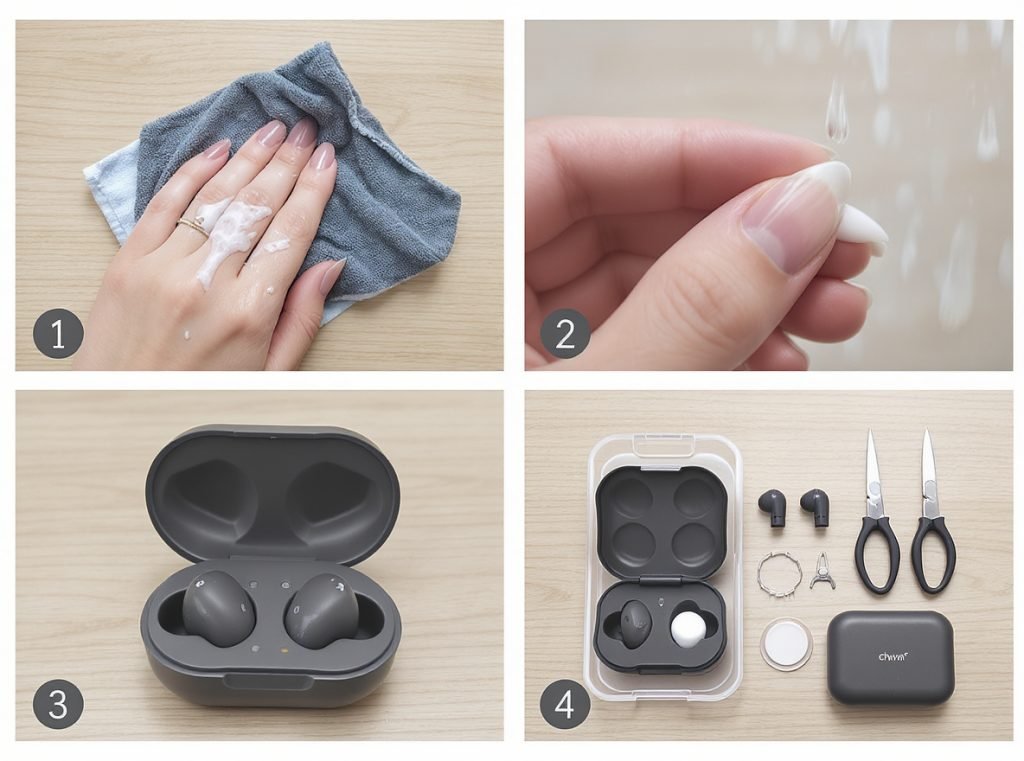
Daily commuting maintenance requires wiping earbuds with dry microfiber cloth after each use to remove sweat and oils, weekly deep cleaning with slightly damp cloths avoiding speaker mesh, proper storage in charging cases, and replacing ear tips every 2-3 months with heavy use. Avoid extreme temperature exposure and ensure complete drying before storage to maximize longevity.
Maintenance Best Practices
Daily Care Routine
Wipe earbuds with dry microfiber cloth after each use to remove sweat, oils, and debris. Store in charging case immediately to prevent damage and maintain battery charge.
Weekly Deep Cleaning
Remove ear tips and clean separately with mild soap and water, allowing complete drying. Clean earbud housings with slightly damp cloth, carefully avoiding charging contacts and speaker mesh areas. Use specialized cleaning tools for earwax removal from mesh if needed.
Storage Considerations
- Always store in charging case to prevent loss and maintain battery
- Avoid extreme temperature exposure in vehicles or direct sunlight
- Keep case clean and dry to prevent contamination transfer
Component Replacement
Ear tips should be replaced every 2-3 months with heavy use. Monitor for wear, permanent deformation, or hygiene concerns that affect fit and performance.
Summary
Finding the best earbuds for commuting requires balancing active noise cancellation, 8-10 hour battery life, water resistance, and secure fit with your budget and transit needs. The Soundcore Space A40 offers exceptional value at $100, while premium options like Sony WF-1000XM5 and Apple AirPods Pro (2nd Gen) provide superior performance for demanding users.
Whether you’re a daily subway rider or occasional bus commuter, investing in quality earbuds transforms your travel experience from stressful to enjoyable. At Osmarto, we understand the demanding requirements of daily commuters and offer wholesale pricing on professional-grade earbuds designed for reliability and performance.
Ready to upgrade your commuting experience? Contact Osmarto today for wholesale pricing on high-quality earbuds perfect for public transit. Our experienced team can help you find the ideal models for your retail, distribution, or private label needs. Send us your inquiry and discover how we can enhance your customers’ daily commutes with superior audio solutions.