Skip to content

The rise of smartwatch technology has created new challenges for institutions worldwide. From university exam halls to prestigious sporting events, organizations are grappling with how to handle these sophisticated devices that blur the line between timekeeping and connectivity.
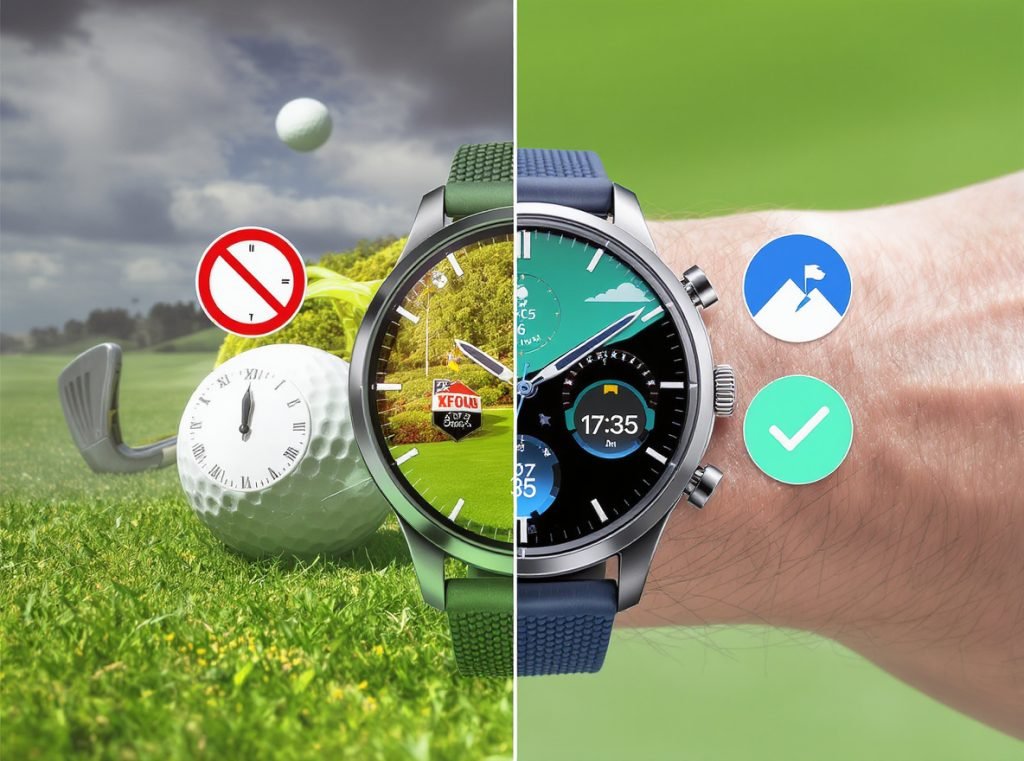
Smartwatches are explicitly prohibited during most standardized tests and academic examinations, including SAT and ACT exams. The Masters Tournament permits smartwatches but severely limits their functionality to basic timekeeping only. Understanding these policies is crucial for manufacturers, retailers, and distributors as restrictions impact market demand and product development strategies.
Understanding these restrictions helps businesses anticipate market trends and develop compliant products.
Why Are Smartwatches Becoming a Concern During Exams?
Modern examination integrity depends on preventing unauthorized access to information. Educational institutions are increasingly adding smartwatches to their cellphone policies as these devices become more sophisticated.
Smartwatches pose significant examination security risks due to their advanced capabilities including internet access, information storage, and communication features. Major testing organizations like College Board explicitly ban “smartwatches, fitness trackers, or other wearable technology” during SAT and ACT exams, with potential immediate dismissal and score cancellation for violations.
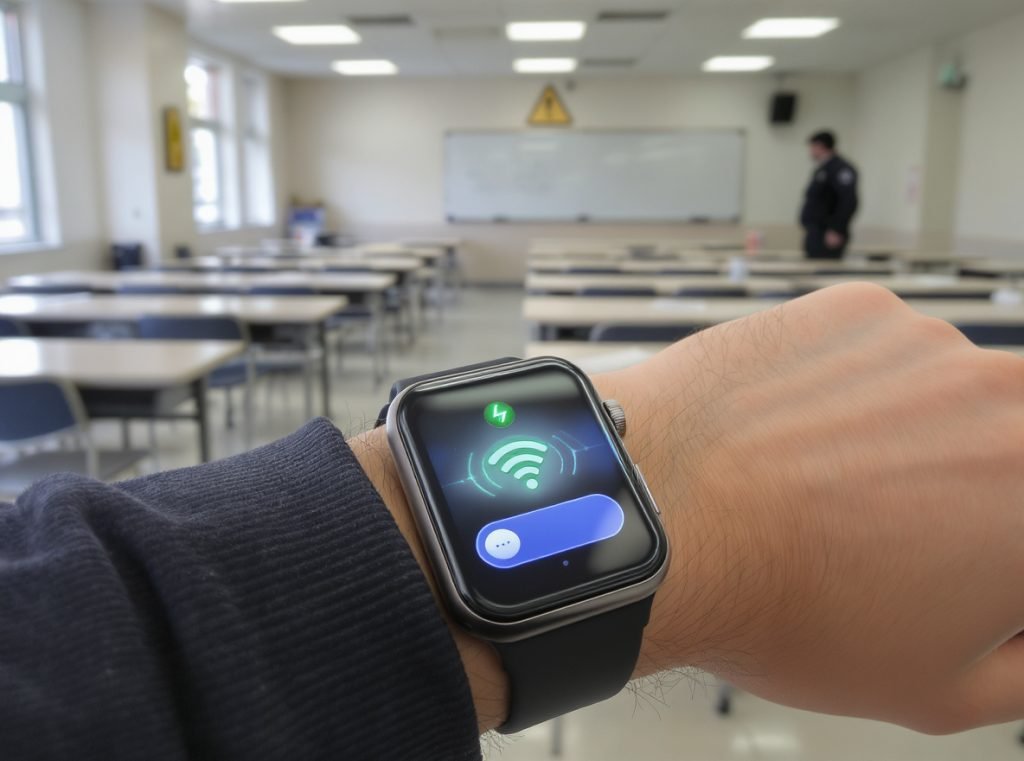
Recent criminal cases highlight the sophisticated nature of technology-assisted cheating:
Advanced Cheating Methods: A 2024 incident at Japan’s Waseda University involved an 18-year-old student using camera-equipped smart glasses to photograph exam questions and receive answers via smartphone from social media contacts.
Collaborative Systems: Research demonstrates systems like “ConTest” that enable real-time collaborative cheating using smartwatches, with answers encoded in missing pixels that appear as normal watch faces from a distance.
Historical Cases: A 2014 case at Vietnam’s Ho Chi Minh City University involved a student caught with a smartwatch storing cheat sheets and accessing prohibited information.
For manufacturers and distributors, these security concerns represent both challenges and opportunities to develop “exam-safe” features that maintain market viability in educational sectors.
What’s The Current Policy on Smartwatches in Academic Exams?
Educational institutions worldwide are implementing varied approaches to smartwatch policies. Some regions, including parts of the UK, have banned all watches – both smart and regular – from examination halls to eliminate any potential for misconduct.
Both SAT and ACT standardized tests strictly prohibit “smartwatches, fitness trackers, or other wearable technology” in testing rooms. Only simple digital non-smartwatches or analog watches are acceptable. The College Board warns that students may be dismissed immediately and scores can be canceled if prohibited devices make noise or are accessed during breaks.
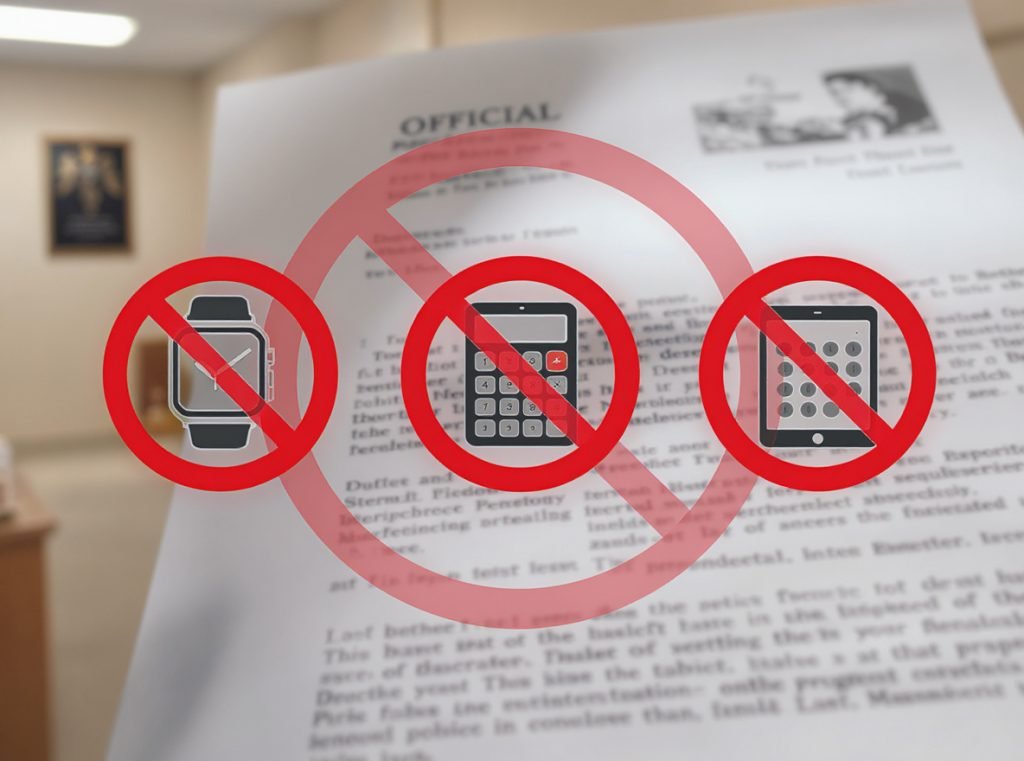
Current policies across major testing organizations and educational levels:
| Testing Organization | Specific Policy | Enforcement Consequences |
|---|---|---|
| SAT (College Board) | Complete ban on smartwatches and fitness trackers | Immediate dismissal, score cancellation |
| ACT | Prohibited wearable technology policy | Test invalidation, removal from testing |
| Michigan State Testing | No “wearable” technology during testing | Administrative violations, test nullification |
| Ohio State Assessments | Districts must have policies for WIFI-enabled devices | Local enforcement protocols |
State-Level Implementation:
- Michigan: Assessment policy explicitly states students cannot wear or access wearable technology including smartwatches and fitness trackers during testing
- Ohio: Requires districts to have policies addressing electronic devices including “cell phones, smartwatches, and other WIFI-enabled non-testing devices”
Current School District Responses:
According to EdWeek Research Center data, 11% of school districts have implemented complete smartwatch bans, while 34% allow use under specific conditions. Nearly 30% of educators report their institutions are considering adding smartwatch policies.
This regulatory landscape creates significant market implications for manufacturers targeting educational segments and distributors serving institutional customers.
Are Smartwatches Allowed at The Masters Tournament?
The Masters Tournament at Augusta National Golf Club maintains one of the strictest electronics policies in professional sports. Mobile phones are completely banned at the Masters, with patrons asked to leave if spotted with phones even in their pockets.
According to Augusta National’s official policy, smartwatches appear on the list of allowed items but their use “for phone calls, emails, text messages and other photo, video or data recording and/or transmission is prohibited.” Essentially, smartwatches can only function as basic timepieces at The Masters Tournament.

This policy reflects Augusta National’s broader philosophy of maintaining tradition while minimizing technological distractions. As golfer Ludvig Aberg noted, the absence of phones creates a more engaging environment where “patrons don’t have their phones out, it actually makes it feel like they’re so much more engaged.”
Specific Masters Tournament Restrictions:
Permitted Functions:
- Basic timekeeping capabilities
- Heart rate monitoring (passive)
- Step counting (without data transmission)
Strictly Prohibited Functions:
- Any form of communication (calls, texts, emails)
- Photo or video capture and transmission
- Internet connectivity and data transmission
- Social media access or posting
Enforcement Context:
The Masters maintains one of the strictest electronics policies in professional sports, with complete mobile phone bans and sophisticated security screening to ensure compliance.
For the golf market segment, this creates opportunities for manufacturers to develop “tournament mode” features that automatically disable prohibited functions while maintaining basic fitness and timekeeping capabilities.
How Do These Restrictions Impact the Smartwatch Market?
Policy restrictions in educational and sporting venues significantly influence consumer purchasing decisions and manufacturer product development strategies.
These restrictions are contributing to significant market challenges. The global smartwatch market experienced its first-ever decline in 2024, falling 7% according to Counterpoint Research. While multiple factors contribute to this decline, restrictions in educational and professional settings limit adoption opportunities and reduce appeal for key demographics.

Documented Market Impact:
Consumer behavior shifts based on institutional restrictions:
- Students increasingly prefer basic fitness trackers over full smartwatches to avoid policy violations
- Educational institutions represent reduced market opportunities for advanced connectivity features
- Parents consider school policies when purchasing devices for children
Regulatory Compliance Opportunities:
| Market Challenge | Business Response | Potential Advantage |
|---|---|---|
| Exam restrictions | Develop “academic mode” features | Appeal to education-conscious consumers |
| Venue limitations | Create venue-compliant models | Partnership opportunities with institutions |
| Policy complexity | Provide compliance guidance | Differentiation through customer education |
Legal Considerations for B2B Markets:
The EEOC has warned that workplace wearable programs collecting health data may constitute “medical examinations” under the ADA, requiring careful legal review for businesses implementing employee wellness programs.
Data Protection Impact:
The EU’s GDPR and emerging US regulations like the Smartwatch Data Act restrict how companies can use health data collected by wearables, affecting business model development for manufacturers and distributors.
For wholesale and distribution partners, understanding these regulatory landscapes becomes crucial for market positioning and customer advisory services.
What Should Manufacturers Consider When Developing Smartwatches?
Understanding restriction policies helps manufacturers develop products that meet diverse market needs while maintaining regulatory compliance across different usage scenarios.
Manufacturers should proactively address regulatory challenges by incorporating restriction-awareness into product development. Successful companies are developing “exam mode” or “academic mode” features that disable connectivity, apps, and advanced functions while maintaining basic timekeeping, with some exploring location-based or time-based function limitations.

Evidence-Based Design Strategies:
Recent research and market data support specific development approaches:
- Location-based compliance modes that automatically activate in educational environments
- Hardware-level disable switches that provide visible compliance indicators
- Remote management capabilities for institutional device control programs
Regulatory Compliance Features:
- Medical Device Considerations: Devices collecting health data may require FDA approval or CE marking in healthcare settings
- Data Protection Integration: Built-in GDPR and emerging US regulation compliance for health data collection
- ADA Compliance: Features that ensure workplace wellness programs don’t inadvertently discriminate
Implementation Strategies:
| Development Priority | Technical Approach | Market Benefit |
|---|---|---|
| Academic Compliance | Exam mode with connectivity shutdown | Access to educational market segments |
| Legal Compliance | Built-in data protection features | Reduced liability for B2B customers |
| Venue Flexibility | Tournament modes for sports facilities | Expanded venue partnership opportunities |
Partnership Development:
Work directly with educational institutions and testing organizations to develop certified “exam-safe” or “tournament-approved” devices, creating new market categories and official endorsement opportunities.
For distributors and wholesale partners, highlighting these compliance features becomes essential for institutional sales and customer education programs.
How Can Businesses Navigate Smartwatch Restrictions?
Companies in the smartwatch supply chain must understand regulatory landscapes to successfully market products and educate customers about appropriate usage.
Businesses should develop clear policies and marketing materials that address restriction concerns while highlighting compliant features. Success requires understanding specific institutional policies, developing appropriate product variations, and educating customers about proper usage in restricted environments.

Retailer Strategies:
Effective retail approaches address customer concerns proactively:
- Provide clear information about exam and venue restrictions
- Offer compliance-focused product lines
- Train sales staff on institutional policies
- Develop customer education materials
Distributor Opportunities:
- Partner with educational institutions for approved device programs
- Develop venue-specific product bundles
- Offer compliance certification services
- Create institutional purchasing programs
Manufacturer Considerations:
| Strategy Area | Implementation Approach | Expected Outcome |
|---|---|---|
| Product Development | Build-in compliance modes | Broader market acceptance |
| Marketing | Highlight restriction-friendly features | Reduced customer concerns |
| Partnerships | Work with institutions | Official endorsements |
| Support | Provide usage guidance | Customer satisfaction |
Customer Education Initiatives:
Developing comprehensive guides about smartwatch usage in restricted environments helps customers make informed decisions and reduces post-purchase dissatisfaction.
The key is positioning smartwatches as versatile tools that respect institutional policies while providing value in appropriate contexts.
What’s the Future of Smartwatch Regulations?
As smartwatch technology continues advancing, regulatory approaches will likely evolve to balance technological benefits with institutional security needs.
Future regulations will likely become more sophisticated, focusing on specific functions rather than blanket bans. Current trends suggest a bifurcated approach: strict limitations in high-stakes testing and competitive environments, balanced by expanded legitimate uses in education, healthcare, and workplace safety applications.

Emerging Regulatory Trends:
Technology solutions addressing current regulatory concerns:
- Blockchain-based compliance verification for institutional device management
- Location-aware restriction systems that automatically activate appropriate modes
- Institutional control platforms allowing schools and venues to manage device capabilities remotely
- Real-time compliance monitoring for testing environments
Data Protection Evolution:
- EU’s GDPR requirements for health data collected by wearables
- US Smartwatch Data Act restrictions preventing companies from profiting from user data
- Transparent privacy policy requirements for health-related data collection
Educational Integration Opportunities:
While restrictions increase in testing environments, institutions are exploring legitimate educational uses:
- Health monitoring in physical education programs
- Immersive learning experiences through AR/VR capabilities
- Student safety and emergency communication systems
Market Predictions for B2B Partners:
- Growth in specialized compliance-focused product lines
- Increased demand for institutional device management solutions
- Expanded certification and approval programs for educational and professional environments
- Partnership opportunities with testing organizations and educational institutions
Companies that proactively address these regulatory challenges while developing compliant solutions will gain competitive advantages in this evolving landscape, particularly in wholesale and distribution markets serving institutional customers.
Summary
Smartwatch restrictions vary significantly between institutions and events. Most educational settings ban them during exams due to cheating concerns, while prestigious events like The Masters allow them with strict usage limitations. These policies create market opportunities for manufacturers developing compliance-focused features and distributors understanding institutional needs.
Ready to explore smartwatch opportunities for your business? Contact Osmarto today to discuss wholesale pricing, custom compliance features, and partnership opportunities that address your market’s specific regulatory requirements.