Skip to content
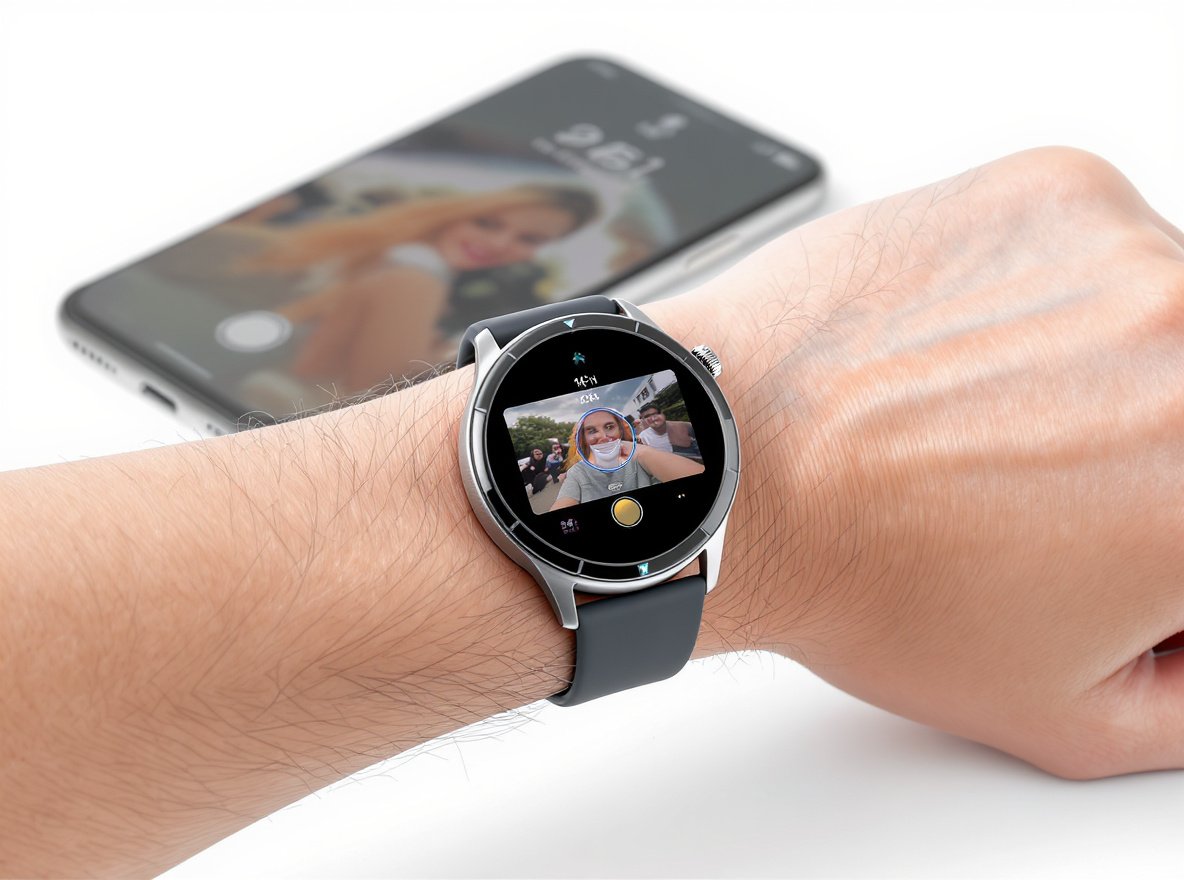
Many people wonder if smartwatches can capture photos and videos like their smartphones. This question becomes crucial when choosing devices for your business or personal use, especially as camera functionality adds significant value to wearable technology in 2025.
Yes, smartwatches can take photos and record videos through two primary methods: built-in cameras found in certain models (typically 0.3MP to 8MP resolution) or remote camera control that leverages your smartphone’s full camera capabilities via Bluetooth connectivity.
Let’s explore everything you need to know about smartwatch camera capabilities and how this technology can benefit your wholesale business.
Do All Smartwatches Have Built-in Cameras?
Understanding camera availability across different smartwatch models helps you make informed purchasing decisions for your business inventory and customer needs.
No, most mainstream smartwatches do not have built-in cameras. Major manufacturers like Apple, Samsung, and Google have moved away from built-in cameras, focusing instead on remote camera control features and fitness tracking capabilities.

The Shift Away from Built-in Cameras
The trend of built-in smartwatch cameras peaked in the mid-2010s with devices like the Samsung Galaxy Gear, which featured a 1.9MP camera built into the strap. However, major manufacturers abandoned this approach due to several critical factors.
Design challenges made it difficult to achieve seamless appearances, while privacy concerns emerged about having cameras in small, inconspicuous devices. Limited image quality due to size constraints also pushed manufacturers toward alternative solutions.
Currently, built-in cameras are primarily found in three categories:
| Category | Examples | Target Market |
|---|---|---|
| Budget smartwatches | Chinese manufacturers on AliExpress | Cost-conscious consumers |
| Children’s watches | VTech KidiZoom series | Parents seeking safety features |
| Specialty models | Rainbuvvy DM101 with dual cameras | Niche photography enthusiasts |
Emerging Market Opportunities
The HMD RUBBER 1, scheduled for 2025 release, features a 2MP camera and suggests potential renewed interest in built-in camera technology. This creates opportunities for forward-thinking wholesalers to position themselves ahead of market trends.
What Types of Photos Can Smartwatches Take?
The photography capabilities of smartwatches vary dramatically between built-in cameras and remote control functionality, affecting quality and practical applications.
Built-in smartwatch cameras typically offer 0.3MP to 8MP resolution with basic photo quality suitable for quick snapshots, selfies, and casual documentation. Remote control methods provide access to your smartphone’s full camera capabilities, including professional features and high resolution.

Built-in Camera Specifications
Most budget models offer 2-5MP resolution with generally poor to average image quality due to tiny sensors and basic lenses. These cameras excel in specific use cases including basic selfies for social sharing, quick reference documentation during meetings, video calls in casual settings, and emergency situations when phones aren’t accessible.
Remote Control Advantages
Remote camera control transforms your smartwatch into a professional photography tool by accessing your smartphone’s capabilities. You gain full resolution photos using high-quality phone cameras, multiple camera modes including portrait and night mode, video recording with smartphone-quality output, and professional features like zoom, flash control, and customizable timer functions.
The difference in capability is substantial – while built-in cameras provide convenience, remote control delivers professional results that satisfy demanding customers.
Can Smartwatches Record Videos?
Video recording capabilities represent a significant value proposition for smartwatches, especially in business and professional documentation scenarios.
Yes, smartwatches support video recording through both built-in cameras (typically 720p or lower) and remote control methods (full smartphone quality including 4K capability). Storage and battery limitations affect recording duration and practical usage.

Built-in Video Recording Limitations
Built-in cameras typically record at 720p or lower resolution with duration limited by storage capacity, usually ranging from 512MB to 4GB. Videos save directly on the watch, creating storage management challenges for extended use.
Battery drain becomes significant during video recording, impacting overall device functionality throughout the day.
Remote Video Recording Capabilities
Remote control video recording offers superior quality with full smartphone camera capabilities, including 4K recording depending on your paired device. Advanced features include the ability to pause, resume, and take photos during video recording.
Videos save directly on your smartphone, eliminating storage constraints and enabling immediate sharing or cloud backup. This approach provides professional-grade video quality while maintaining smartwatch convenience.
How Do Smartwatches Control Phone Cameras?
Remote camera control represents the most practical and widely-adopted photography feature in modern smartwatches, offering professional capabilities without built-in hardware limitations.
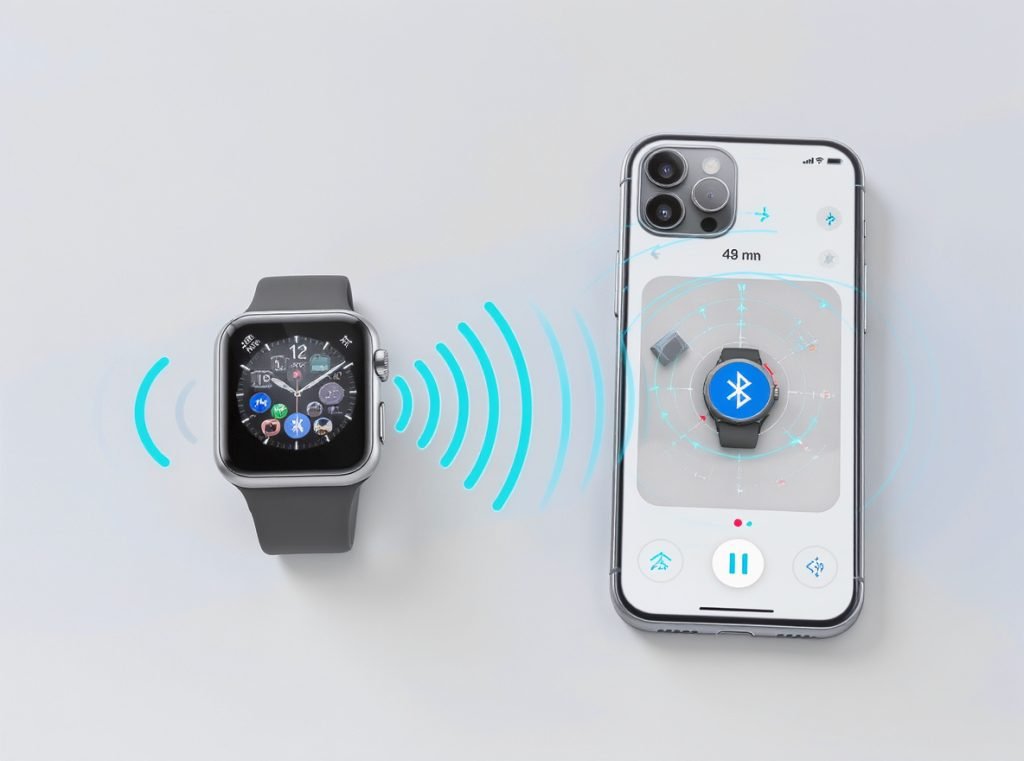
Smartwatch camera control operates through Bluetooth connectivity and dedicated apps, providing live preview, zoom control, timer functions, and camera switching capabilities with ranges typically extending 30-50 feet from your smartphone.
Setup and Configuration Process
Camera control requires companion apps on both devices, Bluetooth pairing between watch and phone, granted permissions for camera access, and launching the camera app on your watch to activate phone camera functionality.
The setup process varies by platform but generally takes less than five minutes for initial configuration.
Advanced Control Features
Modern smartwatch camera controllers offer extensive functionality that rivals dedicated camera remote controls:
- Customizable timers with 3, 5, or 10-second options for perfect group shots
- Zoom control using touch gestures or digital crown rotation
- Camera switching between front and rear cameras for versatile shooting
- Live preview showing exactly what your phone camera sees
- Flash control and various shooting modes for different conditions
Platform Compatibility
Major smartwatch platforms provide comprehensive camera control support:
Apple Watch: Built-in Camera Remote app offers seamless iPhone integration with all models supporting the feature.
Samsung Galaxy Watches: Pre-installed Camera Controller app provides enhanced functionality including advanced zoom control.
Wear OS devices: Google Camera app and numerous third-party alternatives offer cross-platform flexibility.
Garmin and Fitbit: Third-party apps available through respective app stores, though functionality may be more limited.
What Are the Benefits of Smartwatch Cameras?
Understanding camera benefits helps businesses position these products effectively to target customers while highlighting practical value propositions.
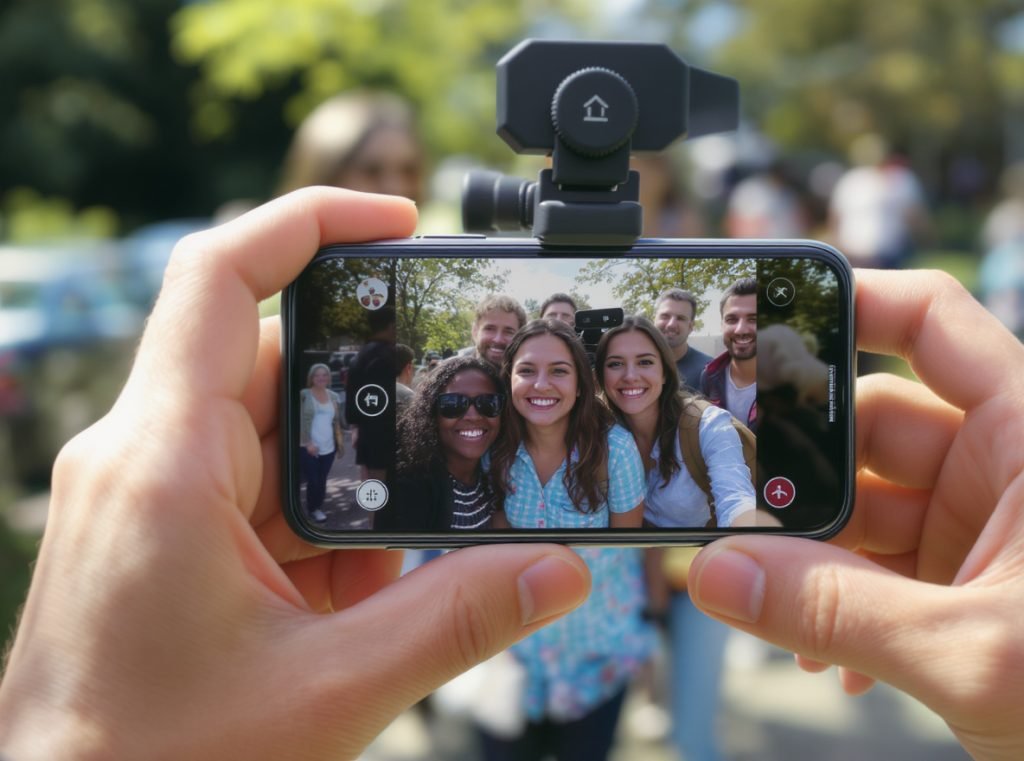
Smartwatch cameras offer unmatched convenience for group photography, professional documentation, creative angles, and hands-free operation. They eliminate the need to rush to beat timers and enable photographers to be included in their own group shots.
Convenience and Accessibility Advantages
Group photos and selfies become significantly easier without the traditional timer rush. Remote control proves particularly valuable for hard-to-reach camera positions during outdoor photography, group shots where the photographer wants to be included, creative angles and unique perspectives, and discrete documentation in appropriate professional settings.
Professional and Business Applications
Business users benefit from discrete documentation capabilities in appropriate settings, quick reference photos during meetings or inspections, remote monitoring capabilities for security applications, and hands-free operation in industrial or medical environments where touching phones isn’t practical.
Health and Fitness Integration
Many camera-equipped smartwatches combine photography with fitness tracking, enabling activity documentation during workouts, progress photos for fitness journeys, and adventure recording during outdoor activities. This integration appeals to health-conscious consumers and creates additional market segments.
| Application Type | Primary Benefit | Target Customer |
|---|---|---|
| Social photography | Convenience and inclusion | General consumers |
| Professional use | Documentation and efficiency | Business users |
| Fitness tracking | Progress monitoring | Health enthusiasts |
| Creative projects | Unique perspectives | Photography hobbyists |
What Are the Limitations of Smartwatch Cameras?
Honest assessment of limitations helps set appropriate customer expectations, prevent returns, and guide inventory decisions for wholesale buyers.
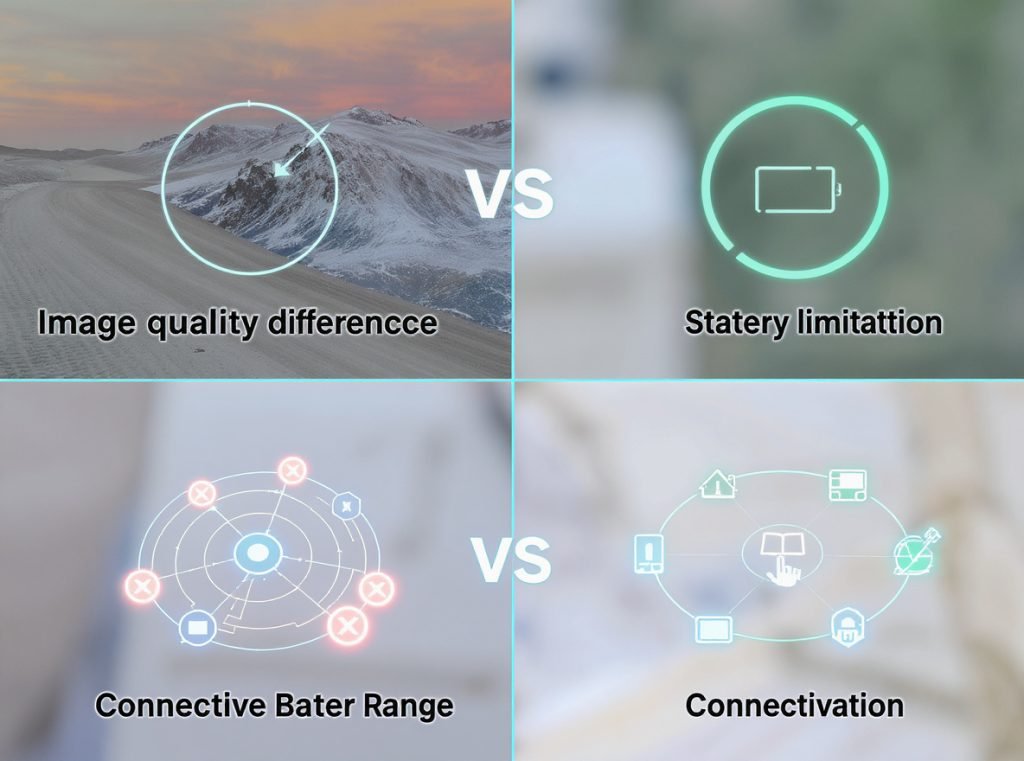
Smartwatch cameras face significant limitations including inferior image quality from small sensors, battery drain during active use, limited storage capacity (512MB-4GB), and connectivity dependencies that restrict range and performance.
Technical and Quality Constraints
Small sensors produce inferior images compared to smartphones, while limited optical capabilities result from size restrictions. Poor low-light performance occurs without computational photography support, and minimal zoom capabilities exist alongside lack of image stabilization.
These technical limitations make smartwatch cameras supplementary rather than replacement photography tools.
Performance and Practical Issues
Battery life reduces significantly when using camera features actively, creating daily usage challenges. Limited storage for photos and videos requires frequent management, while slower processing due to limited computational power affects user experience.
Privacy and Security Considerations
Camera-equipped wearables raise important considerations for business deployment. Workplace restrictions may prohibit camera-enabled devices in sensitive environments, security vulnerabilities can emerge in enterprise settings, and social concerns exist about discrete recording capabilities.
Connectivity Dependencies
Remote camera control relies on stable Bluetooth connections with typical range limitations of 30-50 feet. App compatibility requirements between devices can create setup challenges, while performance delays due to wireless transmission may affect timing-critical photography.
For wholesale buyers, understanding these limitations helps in setting realistic customer expectations and choosing appropriate models for different market segments.
Which Smartwatch Brands Offer Camera Features?
Brand knowledge helps wholesalers and distributors make informed inventory decisions while understanding market positioning and customer preferences.
Built-in cameras are primarily found in budget and specialty brands including Rainbuvvy DM101, AGPTEK models, and VTech children’s watches, while major brands like Apple, Samsung, and Google focus on remote camera control functionality.

Built-in Camera Market Segment
The Rainbuvvy DM101 stands out with dual cameras (8MP front, 2MP side) and 4G connectivity, targeting photography enthusiasts willing to pay premium prices for integrated camera functionality.
AGPTEK offers various models with HD camera capabilities positioned in the budget segment, while VTech KidiZoom targets the children’s market with dual cameras and integrated games.
Chinese manufacturers provide numerous budget options available on platforms like AliExpress, offering cost-effective solutions for price-conscious consumers.
Remote Control Market Leaders
Apple Watch Series models feature built-in Camera Remote app with seamless iPhone integration across all current models. Samsung Galaxy Watch Series includes pre-installed Camera Controller with enhanced zoom capabilities, while Google Pixel Watch provides Google Camera app integration optimized for Android devices.
2025 Performance Leaders
Current top performers include Apple Watch Ultra 2 with advanced connectivity and control features, Samsung Galaxy Watch 7/Ultra offering enhanced camera control with zoom functionality, and Google Pixel Watch 3 providing improved integration with Android cameras.
The HMD RUBBER 1, expected in 2025, represents potential renewed interest in built-in camera technology with its 2MP camera specification.
How to Choose Camera-Equipped Smartwatches for Your Business?
Selection criteria help businesses choose appropriate models for their target markets while balancing features, costs, and customer expectations effectively.
Consider image quality requirements, security compliance needs, platform compatibility, and budget constraints when selecting smartwatch inventory. Choose remote control capabilities for professional results or built-in cameras for basic documentation needs.

Business Needs Assessment
Evaluate photography requirements by choosing remote control for professional results or built-in cameras for basic documentation needs. Consider frequency of use and its impact on battery life, along with storage requirements for local versus cloud-based solutions.
Security and Compliance Factors
Enterprise security considerations include workplace camera policies that may restrict or prohibit camera-enabled devices, data encryption and device management capabilities for business deployment, privacy compliance requirements in regulated industries, and remote disable features for sensitive environments.
Technical Integration Requirements
Platform compatibility assessment involves smartphone ecosystem alignment (iOS vs. Android), app availability and third-party integration options, and network connectivity requirements including Wi-Fi, Bluetooth, and cellular capabilities.
Budget and ROI Analysis
Built-in camera models range from budget options ($25-200) to premium features, while remote control capable devices leverage existing smartphone investments. Enterprise management costs should factor in MDM/EMM solution expenses for business deployment.
Recommended Business Configurations
For professional remote photography, consider Apple Watch Series 10 paired with iPhone for seamless integration, Samsung Galaxy Watch 7 with Galaxy smartphones for Android environments, or third-party camera control apps for cross-platform flexibility.
For basic documentation needs, budget dual-camera smartwatches provide cost-effective solutions, though privacy policies and workplace acceptance require careful consideration.
| Business Type | Recommended Solution | Key Considerations |
|---|---|---|
| Professional services | Remote control capable | Image quality, integration |
| Industrial/Medical | Built-in basic cameras | Hands-free operation, durability |
| Retail/Consumer | Variety of both types | Price points, feature balance |
| Enterprise/Corporate | Remote control focus | Security, compliance, management |
Summary
Smartwatch cameras provide valuable functionality through built-in sensors and remote smartphone control, offering convenient photography solutions for personal and professional applications. While not replacing dedicated cameras, they deliver accessibility and unique capabilities that appeal to diverse market segments.
For wholesalers, distributors, and retailers seeking reliable smartwatch suppliers with competitive camera features, Osmarto provides comprehensive solutions tailored to international markets. Our experience with camera-equipped models and remote control functionality helps partners select appropriate inventory for their customer base.
Ready to expand your smartwatch inventory with the latest camera technology? Contact Osmarto today for wholesale pricing on both built-in camera models and remote control capable smartwatches. Our team understands the technical requirements and market positioning needed for successful camera-equipped smartwatch distribution. Send your inquiry now to discover how our comprehensive smartwatch solutions can enhance your product offerings and capture growing demand for wearable photography technology.