Skip to content
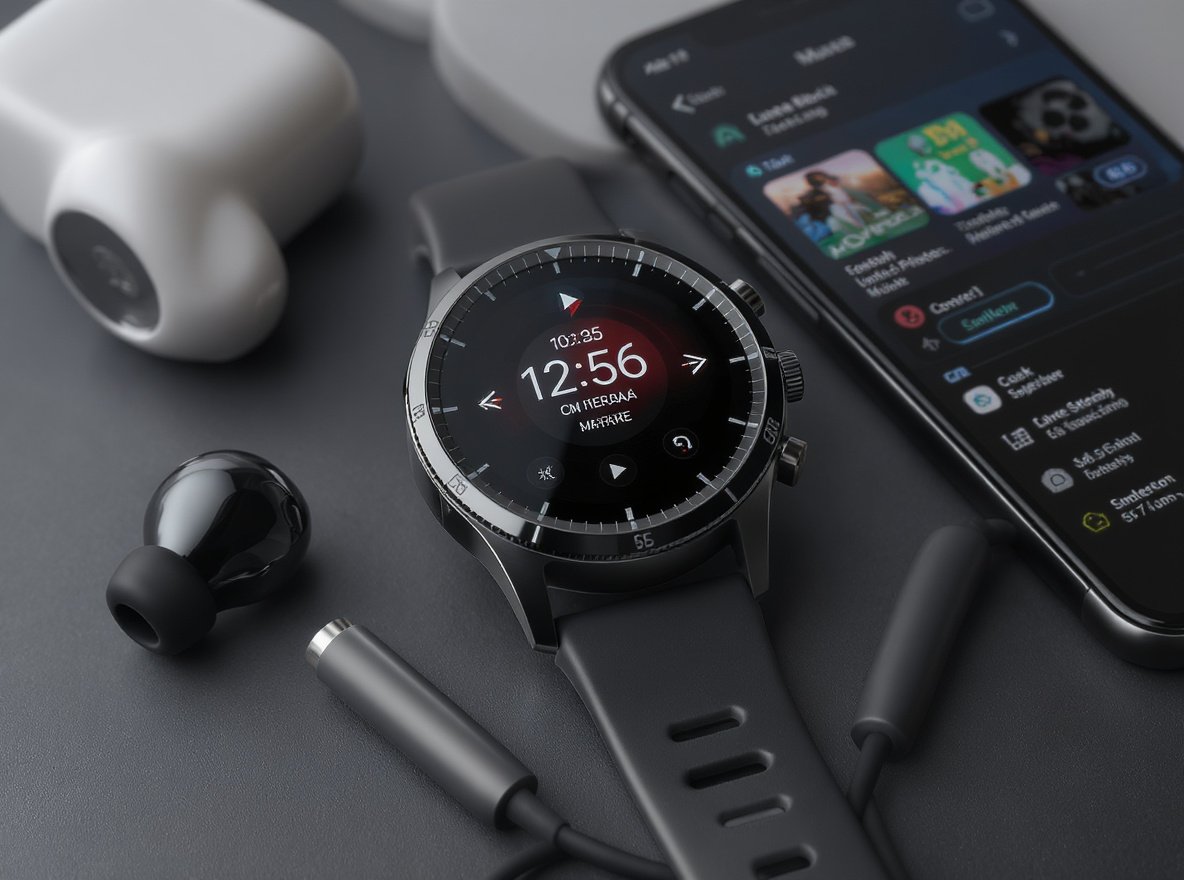
Music streaming has become essential for modern smartwatch users, transforming how we experience entertainment during workouts, commutes, and daily activities. For wholesalers and retailers, understanding music compatibility is crucial when selecting inventory that meets customer demands for integrated entertainment features.
Yes, you can listen to both Spotify and YouTube Music on most modern smartwatches, but premium subscriptions and compatible hardware are typically required. Major brands like Apple Watch, Samsung Galaxy Watch, and Wear OS devices offer comprehensive streaming support with offline storage capabilities ranging from 4GB to 32GB.
Understanding these music capabilities will help you stock the right smartwatch models that satisfy your customers’ entertainment needs and drive sales growth.
What Smartwatches Support Spotify and YouTube Music?
Customers frequently ask which smartwatch brands offer reliable music streaming experiences, as this directly impacts their purchase decisions and long-term satisfaction.
Apple Watch Series 3 and later, Samsung Galaxy Watch series, Wear OS devices, and select Garmin watches support both Spotify and YouTube Music streaming. However, full functionality requires premium subscriptions and specific operating system versions for optimal performance.
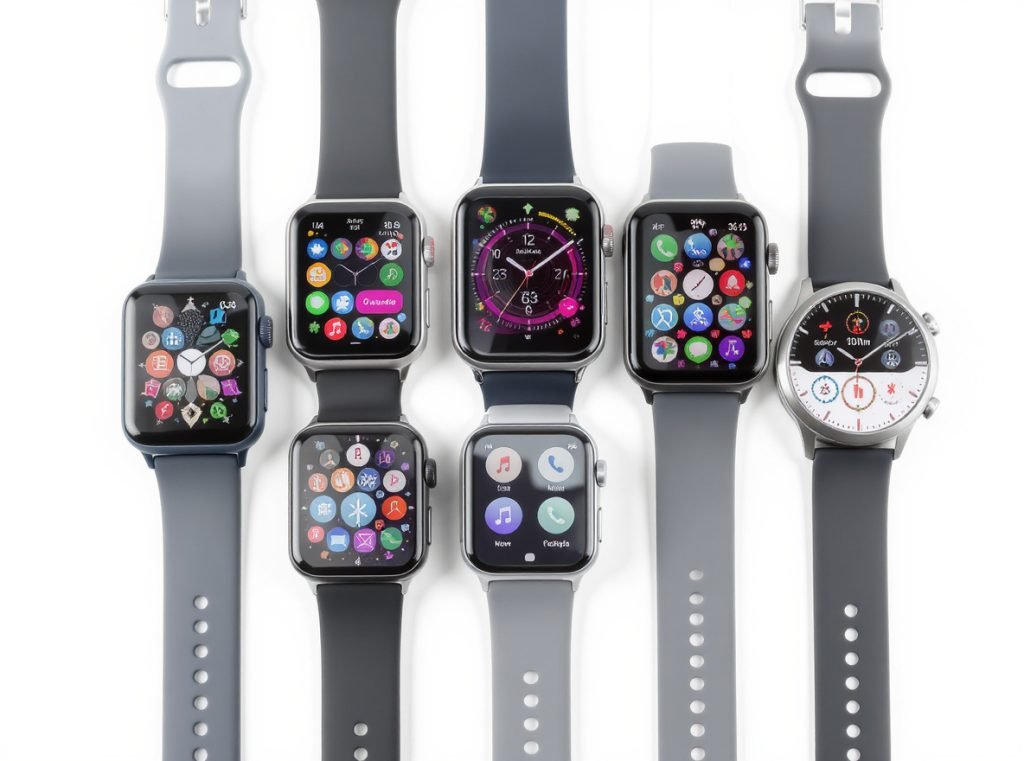
The compatibility landscape varies significantly across different platforms:
Apple Watch Compatibility
Apple Watch Series 3 and later models running watchOS 7.0 or above support Spotify with full offline capabilities. YouTube Music integration works seamlessly through the dedicated app, offering both streaming and offline downloads for premium subscribers.
Samsung Galaxy Watch Support
Samsung’s Galaxy Watch series, including Watch 4, 5, 6, and 7 models, provide comprehensive support for both services. The Tizen OS versions offered superior Spotify integration, though Samsung is transitioning to Wear OS for enhanced compatibility.
Wear OS Integration
Wear OS devices running version 2.2 (Android 9) or higher support both Spotify and YouTube Music through native apps available in the Google Play Store. These devices offer the most comprehensive music streaming experience with regular app updates.
Garmin Music Support
Select Garmin watches with Connect IQ support offer Spotify, Amazon Music, Deezer, and limited YouTube Music functionality. While more limited than other platforms, Garmin excels in fitness integration and battery life during music playback.
| Brand | Spotify Support | YouTube Music | Offline Storage | Premium Required |
|---|---|---|---|---|
| Apple Watch | Yes (Series 3+) | Yes | 32GB available | Yes |
| Samsung Galaxy | Yes (all models) | Yes (Watch 4+) | 16GB available | Yes |
| Wear OS | Yes (v2.2+) | Yes (native app) | Varies by model | Yes |
| Garmin | Yes (select models) | Limited | 4GB typical | Yes |
| Fitbit | Remote control only | No | 2.5GB (MP3 only) | N/A |
Do You Need Premium Subscriptions for Smartwatch Music?
Understanding subscription requirements helps retailers explain total ownership costs and set appropriate customer expectations for music functionality.
Premium subscriptions (Spotify Premium or YouTube Music Premium) are required for offline downloads and direct streaming from smartwatches. Free accounts only allow basic remote control functionality for music playing on connected smartphones.
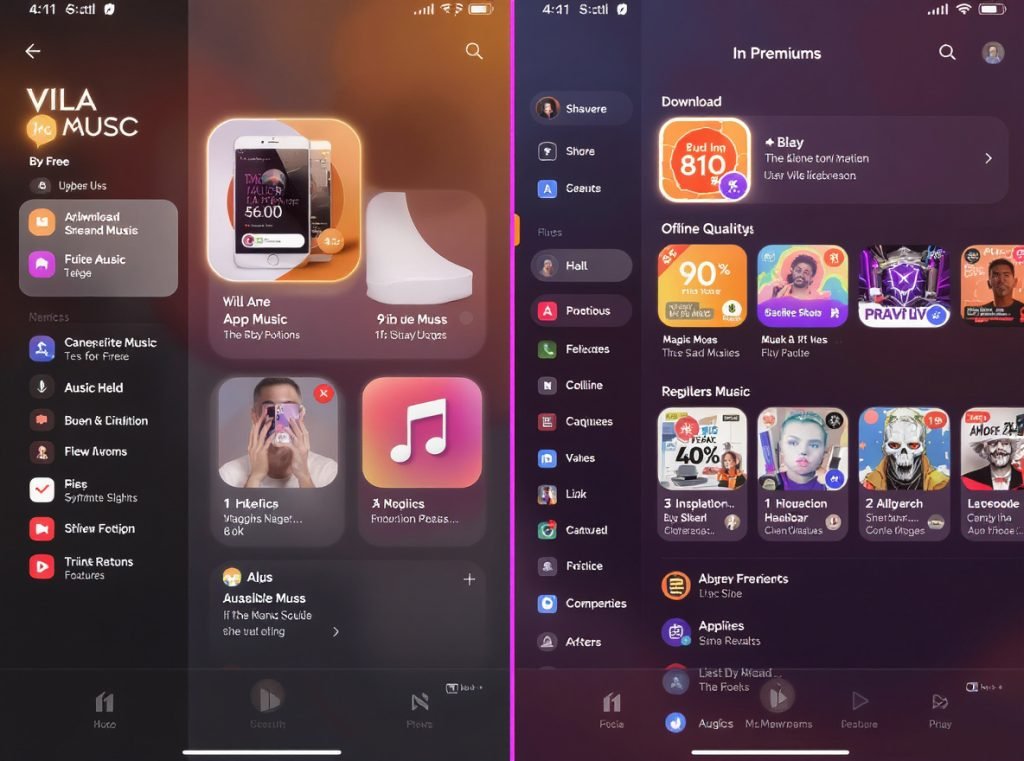
The subscription structure creates distinct user experiences:
Free Account Limitations
Free Spotify and YouTube Music accounts severely limit smartwatch functionality:
- Remote control only for phone-based playback
- No offline storage capabilities
- Limited skip functionality and ads during playback
- No independent streaming from the watch
Premium Subscription Benefits
Premium subscriptions unlock comprehensive smartwatch music features:
- Offline playlist downloads (up to 100 songs per playlist on Apple Watch)
- Direct streaming without phone connectivity requirements
- Ad-free playback with unlimited song skipping
- High-quality audio options and smart download features
- Background playback capabilities for multitasking
Data Usage Considerations
Streaming quality directly impacts cellular data consumption:
- Low quality (96 kbps): ~30MB per hour
- Normal quality (160 kbps): ~43MB per hour
- High quality (320 kbps): ~72-144MB per hour
This subscription model creates opportunities for retailers to partner with streaming services or offer bundled packages that enhance customer value propositions.
How Much Music Can You Store on a Smartwatch?
Storage capacity significantly impacts customer satisfaction, particularly for users who want extensive offline libraries for workouts, travel, or areas with poor connectivity.
Smartwatch music storage ranges from 2GB to 32GB, supporting approximately 500 to 8,000 songs depending on the model and price tier. Premium flagship models offer the most storage, while budget options focus on basic streaming capabilities.
Storage varies considerably across different market segments:
Budget Smartwatch Storage (Under $150)
Entry-level models typically provide:
- 2-4GB dedicated music storage
- 500-1,000 song capacity
- Basic MP3 file support
- Limited streaming app compatibility
Mid-Range Storage Options ($150-$400)
Mid-tier smartwatches commonly offer:
- 4-16GB music storage capacity
- 1,000-4,000 song storage potential
- Full streaming service compatibility
- Balanced performance and storage features
Premium Flagship Storage ($400+)
High-end smartwatches feature:
- 16-32GB available music storage
- 4,000-8,000+ song capacity
- Multiple streaming service support
- Advanced music management features
Storage Calculation Factors
Actual song capacity depends on several variables:
- Audio quality settings (higher quality requires more space)
- Average song length and file complexity
- Compression formats and codec efficiency
- System overhead and app requirements
Understanding these storage tiers helps retailers match customer needs with appropriate price points while maximizing profit margins across different market segments.
What’s the Difference Between Streaming and Offline Music?
Customers need clear explanations about streaming versus offline capabilities, as usage patterns vary significantly based on lifestyle, data plans, and connectivity requirements.
Streaming music requires active internet connection and consumes cellular data, while offline music is stored directly on the smartwatch for playback without internet access. Most premium smartwatches support both options, giving users flexibility based on their specific situations.
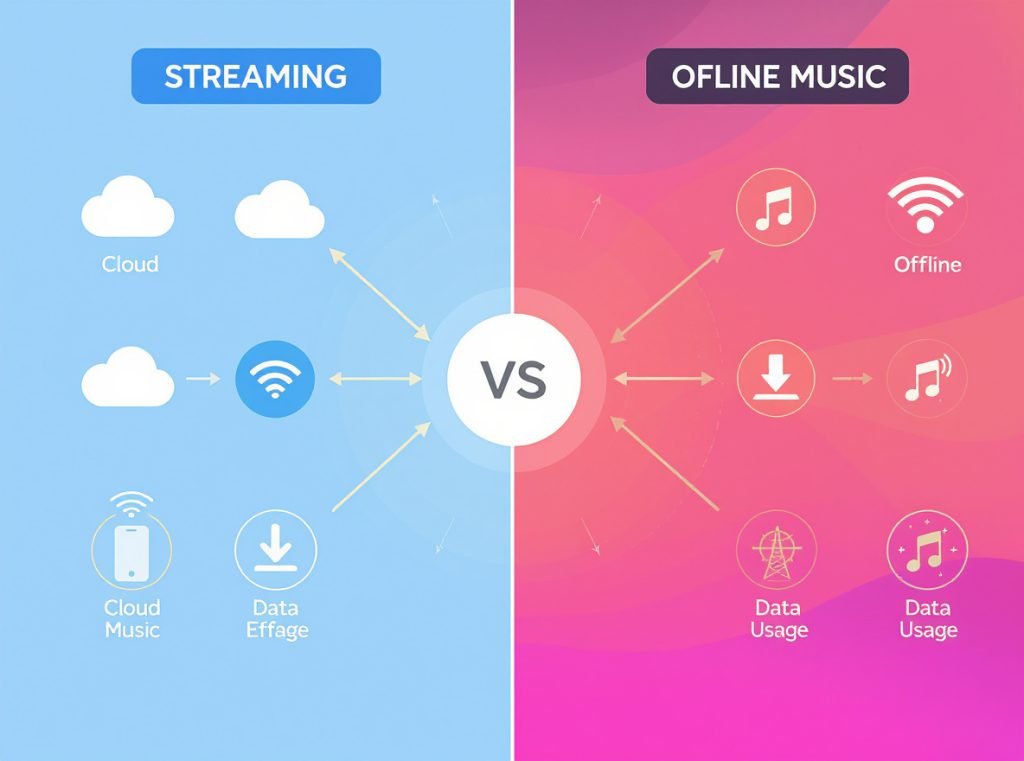
Each approach offers distinct advantages for different use cases:
Streaming Music Advantages
- Unlimited library access without storage constraints
- Real-time playlist updates and music discovery features
- Seamless synchronization across all connected devices
- Access to new releases and recommendations immediately
Streaming Requirements and Limitations
- Stable WiFi or cellular internet connection required
- Significant data usage for cellular-enabled watches
- Premium subscription needed for full feature access
- Potential audio interruptions in poor coverage areas
Offline Music Benefits
- Zero data consumption during music playback
- Uninterrupted listening during flights or remote activities
- Consistent audio quality regardless of network conditions
- Extended battery life compared to streaming playback
Offline Music Management
- Limited by available device storage capacity
- Requires manual playlist curation and updates
- Premium subscription still necessary for most services
- Advanced planning needed for music selection
| Feature | Streaming | Offline |
|---|---|---|
| Internet Required | Yes (WiFi/Cellular) | No |
| Data Usage | 30-144MB per hour | None during playback |
| Music Library Size | Unlimited | Limited by storage |
| Battery Impact | Higher consumption | Lower consumption |
| Convenience | High (when connected) | High (when planned) |
| Network Dependency | Complete | None |
The most successful smartwatch models offer both streaming and offline capabilities, allowing users to adapt their music experience based on changing circumstances and preferences.
Which Operating Systems Work Best for Music Apps?
Different smartwatch operating systems provide varying levels of music app support, directly affecting customer satisfaction and long-term device usability for music-focused users.
Wear OS and watchOS currently offer the most comprehensive music streaming support with native Spotify and YouTube Music apps. Samsung’s Tizen OS provides excellent Spotify integration, while Garmin’s proprietary system focuses on fitness-oriented music features with good battery performance.
Each operating system brings specific strengths to music functionality:
watchOS (Apple Watch) Advantages
Apple’s ecosystem provides premium music integration:
- Seamless Spotify and Apple Music performance optimization
- Deep iPhone integration for music control and management
- Consistent user experience across Apple devices
- Siri voice control for hands-free music requests
- Automatic music controls during active playback
Wear OS (Google) Features
Google’s platform offers comprehensive streaming support:
- Native YouTube Music app with offline downloads
- Full Spotify streaming and download capabilities
- Google Assistant integration for voice commands
- Multiple music service options including Deezer
- Regular app updates and feature improvements
Tizen OS (Samsung Legacy) Benefits
Samsung’s platform delivered superior music experiences:
- Exceptional Spotify app performance and stability
- Direct streaming capabilities independent of phones
- Comprehensive offline playlist download support
- Optimized battery life during music playback
- Being phased out in favor of Wear OS compatibility
Garmin OS Specialization
Garmin focuses on fitness-integrated music features:
- Support for Spotify, Amazon Music, and Deezer
- Excellent offline music support with MP3 transfers
- Extended battery life during music playback sessions
- Fitness-focused features like heart rate zone coaching
- Limited smart features compared to other platforms
The operating system choice significantly impacts available music features, app update frequency, and overall user experience, making it a crucial consideration for retailers targeting specific customer segments.
Can You Use Wireless Headphones with Smartwatch Music?
Wireless audio connectivity is essential for the complete smartwatch music experience, particularly important for fitness enthusiasts and professionals who value convenience and mobility.
All modern smartwatches support Bluetooth headphones and earbuds for wireless music playback, including popular brands like AirPods, Galaxy Buds, and other Bluetooth-compatible devices. Standard Bluetooth 5.0+ connectivity ensures reliable connections with multiple codec support for enhanced audio quality.

Bluetooth compatibility varies by platform and generation:
Universal Bluetooth Support
Current smartwatches typically feature:
- Bluetooth 5.0 or higher for improved range and battery efficiency
- Multiple simultaneous device connections for headphones and phones
- Low-energy protocols to preserve overall battery life
- High-quality audio codec support including AAC and SBC
Platform-Specific Audio Features
Different ecosystems offer enhanced integration:
Apple Watch Integration
- Seamless AirPods connectivity with automatic device switching
- Optimized battery management for Apple audio accessories
- Instant pairing and connection management
- Enhanced spatial audio features for supported content
Samsung Galaxy Features
- Enhanced integration with Galaxy Buds series accessories
- Advanced codec support for improved audio quality
- Customizable audio settings through Samsung apps
- Multi-device audio management capabilities
Wear OS Compatibility
- Universal compatibility with all Bluetooth audio devices
- Broad codec support across different manufacturers
- Flexible audio routing and management options
- Google Fast Pair integration for quick setup
Connection Management Process
Setting up wireless headphones involves:
- Enable Bluetooth connectivity on the smartwatch
- Put headphones into pairing or discovery mode
- Select target headphones from watch Bluetooth menu
- Confirm pairing connection and test audio playback
- Configure preferred audio quality and connection settings
The combination of smartwatch music storage and wireless headphone connectivity creates completely phone-independent music experiences, increasingly important for active users and busy professionals.
What Are the Best Smartwatch Features for Music Lovers?
Music enthusiasts seek specific capabilities that enhance their listening experience, making these features crucial selling points for retailers targeting entertainment-focused customers.
The most valuable music features include large storage capacity (16GB+), multiple streaming service support, intuitive music controls, extended battery life during playback, and seamless wireless headphone connectivity. Advanced models also offer voice control, playlist synchronization, and fitness integration features.
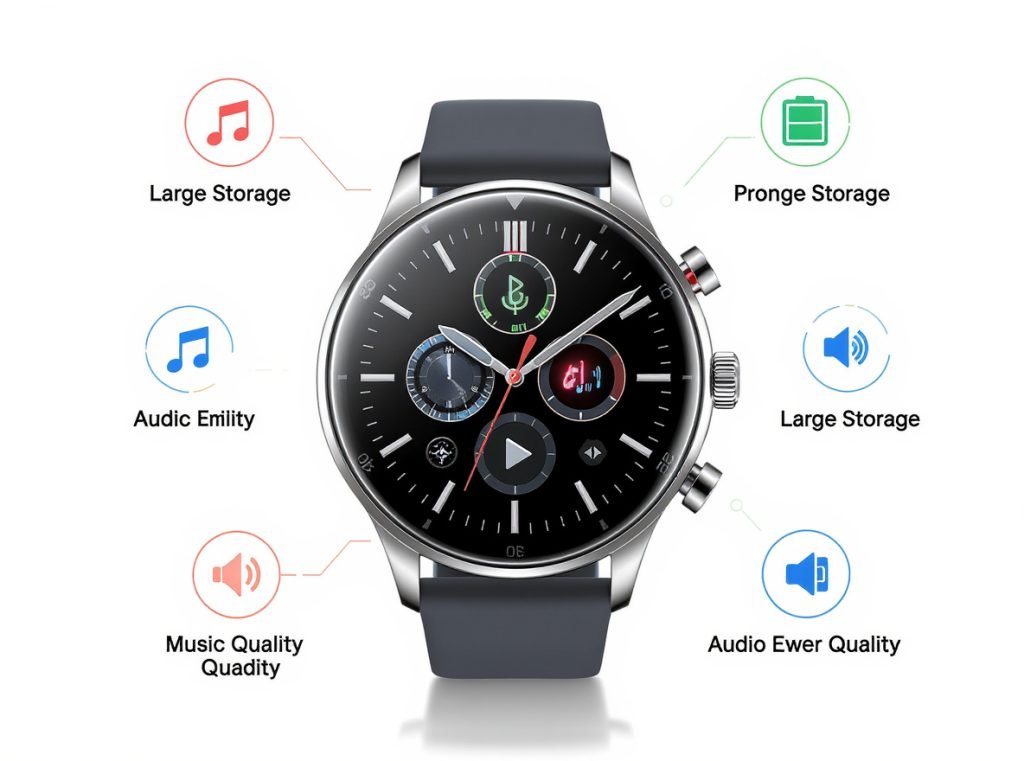
Essential features that music-focused customers prioritize:
Core Music Control Features
- Large, responsive play/pause buttons for easy operation
- Intuitive volume adjustment with physical controls or digital crown
- Quick track skipping capabilities during active use
- Comprehensive playlist and album navigation systems
- Shuffle and repeat options for personalized listening
Advanced Audio Management
Premium smartwatches increasingly offer:
- Customizable equalizer settings for sound personalization
- Voice command integration for hands-free music control
- Smart playlist recommendations based on usage patterns
- Cross-device music synchronization and management
- Multiple streaming service integration and switching
Battery Optimization for Music Use
Music playback significantly impacts battery performance, requiring:
Extended battery life during music use (6+ hours continuous playback)
- Power-saving modes specifically designed for music-only operation
- Quick charging capabilities to support busy lifestyles
- Accurate battery level indicators for usage planning
- Efficient power management during wireless audio streaming
Build Quality for Active Music Use
Music lovers often use smartwatches during physical activities:
- Water resistance ratings suitable for workouts and weather exposure
- Durable construction materials for active lifestyle demands
- Comfortable band materials for extended wearing periods
- Sweat-resistant coatings and materials for fitness use
Top Music-Focused Smartwatch Recommendations
| Model | Storage | Battery Life | Music Features | Target Price |
|---|---|---|---|---|
| Samsung Galaxy Watch 7 | 32GB | 40+ hours | Comprehensive streaming | $300-400 |
| Apple Watch Series 10 | 32GB | 18+ hours | Premium ecosystem | $400-500 |
| Garmin Forerunner 255 Music | 4GB | 14 days | Fitness integration | $250-350 |
| Fitbit Sense 2 | 2.5GB | 6+ days | Basic music control | $200-300 |
These features create compelling value propositions for retailers targeting music-focused customer segments, particularly in fitness, lifestyle, and professional markets.
How Do Cellular Smartwatches Handle Music Streaming?
Cellular-enabled smartwatches represent the premium market segment with higher profit margins, offering complete independence from smartphones for music streaming and communication.
Cellular smartwatches stream music directly from Spotify, YouTube Music, and other services using built-in data connections, requiring monthly carrier plans typically costing $10-15. This independence appeals to runners, travelers, and professionals who want complete smartphone freedom during activities.
Cellular music streaming provides several distinct advantages:
Complete Device Independence
Cellular connectivity enables:
- Phone-free music streaming during workouts and activities
- Emergency communication capabilities while exercising outdoors
- Real-time music discovery and playlist updates anywhere
- Uninterrupted service during smartphone battery failures or issues
Data Plan Requirements and Costs
Cellular music streaming necessitates:
- Monthly data plan subscriptions from compatible carriers
- Data usage monitoring to prevent overage charges
- Understanding carrier coverage areas and reliability
- Awareness of international roaming charges for travelers
Streaming Quality vs. Data Consumption
Quality settings directly impact data usage and battery life:
| Quality Setting | Data per Hour | Monthly Usage* | Battery Impact |
|---|---|---|---|
| Low (96 kbps) | 43MB | 300MB | Minimal |
| Normal (160 kbps) | 72MB | 500MB | Moderate |
| High (320 kbps) | 144MB | 1GB | Significant |
*Based on 2 hours daily usage
Battery Performance Considerations
Cellular music streaming significantly impacts battery life:
- Typical 1-2 day battery life reduces to 6-8 hours continuous streaming
- WiFi streaming offers better battery performance than cellular
- Offline music playback provides optimal battery conservation
- Power-saving modes help extend usage during long activities
Business Opportunities for Retailers
Cellular smartwatches create multiple revenue streams:
- Higher unit prices and improved profit margins
- Partnership opportunities with cellular carriers
- Premium customer segment targeting possibilities
- Enhanced customer satisfaction through device independence
The cellular music streaming market continues expanding as network coverage improves and data plan pricing becomes more competitive, representing significant growth opportunities for forward-thinking retailers.
What Should Retailers Know About Music Smartwatch Market Demand?
Understanding current market trends and consumer preferences helps retailers make informed inventory decisions and develop effective marketing strategies for music-enabled smartwatches.
The smart music watch market is valued at approximately $15 billion in 2025, with robust growth driven by consumer demand for integrated fitness and entertainment features. Research shows 52% of smartwatch users actively control music playback, with the LTE-enabled segment experiencing 85% year-over-year growth.
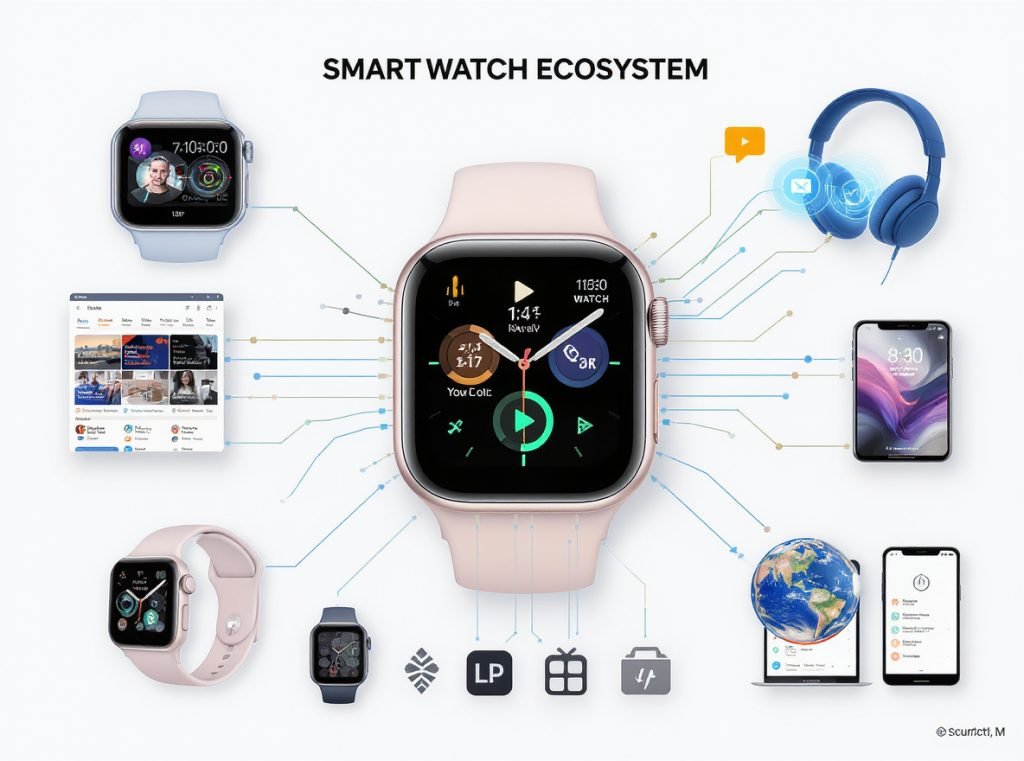
Current market dynamics reveal several key trends:
Consumer Priority Rankings
Market research indicates customers most value:
- Multi-service streaming compatibility (not limited to single platforms)
- Adequate storage capacity for personalized workout playlists
- Reliable wireless headphone connectivity and management
- Extended battery life supporting music use patterns
- Intuitive music control interfaces requiring minimal learning
Market Segmentation Analysis
Different customer segments exhibit varying music feature priorities:
Fitness Enthusiast Segment
- Prioritize offline storage for gym and outdoor activities
- Require water resistance and rugged durability features
- Value extended battery life during workout sessions
- Prefer secure, comfortable bands for active use
- Appreciate heart rate zone audio coaching integration
Business Professional Segment
- Need seamless smartphone integration and synchronization
- Value discrete music control during meetings and calls
- Prioritize premium build quality and professional appearance
- Appreciate voice control capabilities for hands-free operation
- Focus on multi-device audio management features
Casual Consumer Segment
- Emphasize ease of setup and daily use simplicity
- Seek good value propositions for basic music features
- Want compatibility with existing streaming service subscriptions
- Prefer simple, intuitive interfaces requiring minimal training
- Focus on core functionality over advanced features
Pricing Strategy Implications
Music capabilities significantly influence pricing tiers:
- Basic music control ($50-150): Remote control functionality, limited storage
- Mid-range features ($150-400): Offline storage, streaming apps, good battery life
- Premium capabilities ($400-600): Cellular connectivity, large storage, advanced features
- Luxury segment ($600+): Premium materials, comprehensive features, brand prestige
Inventory Recommendations
Successful retailers should focus on:
- Stocking diverse price points to capture different market segments
- Emphasizing models with 16GB+ storage for serious music users
- Highlighting streaming service partnerships in marketing materials
- Targeting fitness communities where music integration drives purchases
Understanding these market dynamics enables retailers to optimize product mix, pricing strategies, and marketing approaches for maximum profitability in the growing music smartwatch segment.
Summary
Modern smartwatches offer comprehensive music streaming capabilities for both Spotify and YouTube Music, though premium subscriptions are typically required for full functionality. Key considerations include storage capacity (ranging from 4GB to 32GB), operating system compatibility, wireless headphone support, and battery life during music use. The market shows strong demand across fitness, professional, and casual segments, with cellular-enabled models representing premium growth opportunities.
Ready to capitalize on the growing music smartwatch market? Contact Osmarto today to explore our comprehensive range of music-enabled smartwatches designed for wholesale success. Our expert team can help you identify the optimal product mix for your target customers and provide competitive wholesale pricing to maximize your market opportunities.