Skip to content
Are you wondering whether your new smartwatch will work with your Google Pixel or Motorola phone? Many people assume they need matching brands, but compatibility is much broader than you might think.
Yes, you can connect most smartwatches to Google Pixel and Motorola phones. Both devices run Android and support Bluetooth connectivity, making them compatible with Wear OS smartwatches, fitness trackers, and many third-party wearables. The key requirements are Android 6.0+ with at least 1.5GB RAM and Bluetooth 4.0 or higher.
Let’s explore everything you need to know about pairing smartwatches with these popular Android devices.
What Makes Google Pixel and Motorola Phones Compatible with Smartwatches?
Understanding compatibility helps you make informed purchasing decisions for your business customers.
Google Pixel and Motorola phones are highly compatible with smartwatches because they run stock or near-stock Android with full Bluetooth support, unrestricted app installation, and regular security updates that maintain seamless connectivity with wearable devices.
Google Pixel phones run pure Android directly from Google, ensuring optimal compatibility with Wear OS devices and cross-platform smartwatches. The Google Pixel Watch 3 requires Android 10.0 or newer, but Pixel phones receive regular updates directly from Google, maintaining strong compatibility with the latest smartwatch features.
Motorola devices feature minimal customization over stock Android, supporting smartwatches with Android 6.0 or higher. This clean approach ensures stable Bluetooth connections without manufacturer restrictions that might complicate pairing processes.
Both phone manufacturers prioritize open ecosystems that support:
- Samsung Galaxy Watches through the Galaxy Wearable app
- Wear OS devices with full Google Play Store access
- Fitness trackers from various manufacturers including Fitbit and Garmin
- Third-party smartwatches with standard Android compatibility
| Phone Brand | Android Version | Wear OS Support | Galaxy Watch Support | Fitness Tracker Support |
|---|---|---|---|---|
| Google Pixel | Stock Android 10.0+ | Full Support | Excellent | Excellent |
| Motorola | Near-Stock Android 6.0+ | Full Support | Excellent (with limitations) | Excellent |
| Samsung | OneUI Android 8.0+ | Limited | Optimized | Good |
Which Smartwatch Operating Systems Work Best with Pixel and Motorola?
Different smartwatch platforms offer varying levels of integration with Android phones.
Wear OS by Google provides the best compatibility with Pixel and Motorola phones, followed by Samsung’s Tizen/One UI Watch systems and fitness-focused platforms. Apple watchOS remains completely incompatible with Android devices.
Wear OS smartwatches offer the broadest compatibility, working with Android 4.3+ devices. This makes them compatible with virtually all modern smartphones, providing full access to Google Play Store for watch apps and seamless integration with Google Assistant, Google Pay, and Google Fit.
Samsung’s smartwatch ecosystem works well but with some limitations. Galaxy Watches using Tizen OS or One UI Watch require Android 6.0+ devices with at least 1.5GB RAM. While core functionality works excellently, some advanced features like Samsung Pay, blood pressure monitoring, and ECG functionality remain restricted to Samsung phones only.
Fitness-focused operating systems provide excellent health tracking:
- Fitbit OS offers comprehensive health data sync and notification support
- Garmin Connect IQ provides robust fitness features with cross-platform compatibility
- Various manufacturer-specific systems support basic smartphone integration
For wholesalers and retailers, this compatibility landscape means customers can confidently purchase diverse smartwatch options knowing they’ll work with popular Android phones. At Osmarto, we design our smartwatches with broad Android compatibility as a core requirement, ensuring maximum market reach for our wholesale partners.
How Do You Set Up a Smartwatch with Google Pixel Phones?
The setup process varies depending on your smartwatch’s operating system but remains straightforward across platforms.
Setting up a smartwatch with Google Pixel phones typically involves downloading the companion app, enabling Bluetooth and location services, and following the pairing wizard. The process usually takes 5-10 minutes and requires a Google account for most features.
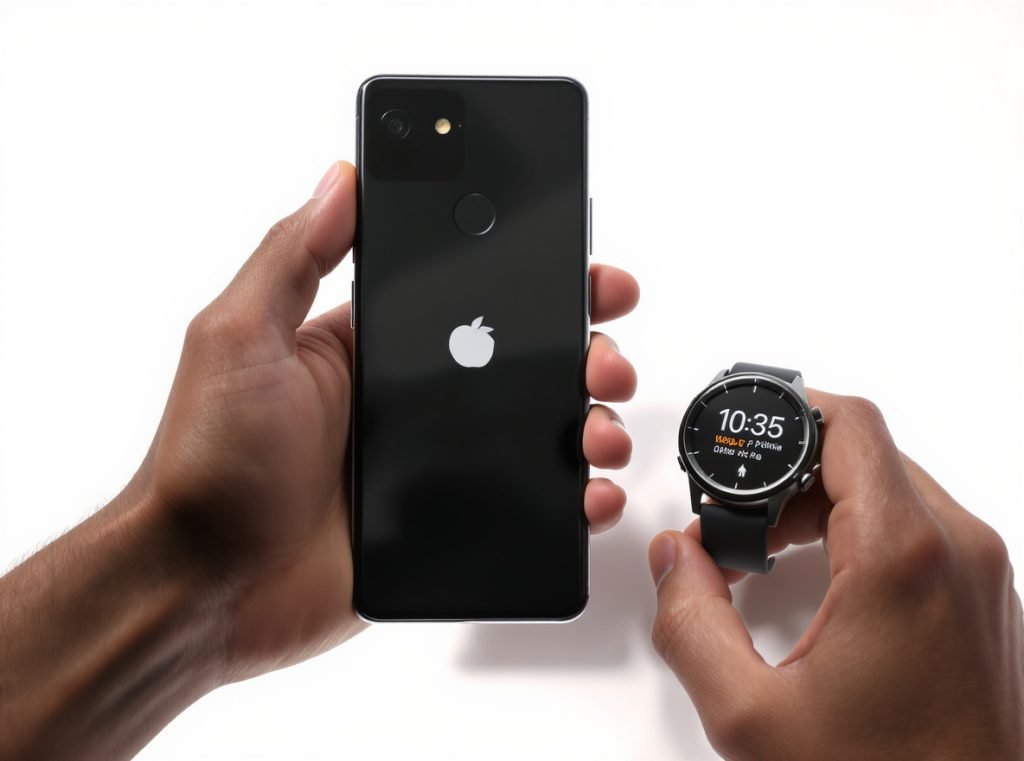
For Google Pixel Watch setup, press and hold the crown for 3 seconds to power on the watch. Download the Google Pixel Watch app from Google Play Store, then follow the in-app instructions to pair devices via Bluetooth. Sign in to your Google account and configure preferences before customizing watch faces, notifications, and apps.
The step-by-step process for third-party smartwatches:
Download the appropriate companion app from Google Play Store. Popular options include Wear OS by Google for Android Wear devices, Galaxy Wearable for Samsung watches, or manufacturer-specific apps like Fitbit or Garmin Connect.
Enable Bluetooth and location services on your Pixel phone. These permissions allow proper device discovery and location-based features like weather updates and GPS tracking.
Power on your smartwatch and navigate to the pairing or setup mode. Most watches automatically enter pairing mode during initial setup, making them discoverable by your phone.
Follow the on-screen instructions in the companion app, which typically includes selecting your watch model, confirming pairing codes, setting up notification preferences, configuring health and fitness tracking, and installing essential apps.
The Pixel’s stock Android environment ensures smooth setup without manufacturer-specific restrictions that might complicate the pairing process with third-party devices.
What About Motorola Phone Compatibility with Samsung Galaxy Watches?
Motorola phones offer excellent smartwatch compatibility, with special considerations for Samsung Galaxy Watch integration.
All modern Motorola smartphones support smartwatch connectivity through standard Android protocols. Samsung Galaxy Watches work seamlessly with Motorola phones through the Galaxy Wearable app, though some Samsung-exclusive features remain unavailable.
For Galaxy Watch setup with Motorola phones, avoid direct Bluetooth pairing and use only the Galaxy Wearable app to prevent connectivity issues. If the watch was previously paired with another device, perform a factory reset before beginning the setup process.
Motorola’s smartwatch compatibility across their lineup:
| Motorola Series | Android Version | Galaxy Watch Support | Wear OS Support | Special Notes |
|---|---|---|---|---|
| Moto G Series | Android 8.0+ | Excellent | Full Support | Budget-friendly with complete features |
| Moto E Series | Android 8.0+ | Good | Basic Support | Entry-level compatibility |
| Edge Series | Android 10.0+ | Excellent | Full Support | Premium features with 5G connectivity |
| One Series | Android 9.0+ | Excellent | Full Support | Balanced performance |
Motorola also offers native smartwatch options like the Moto Watch Fit (compatible with Android 12+ devices) and Moto Watch 120, which integrates with Google Fit and supports voice commands.
The minimal software overlay on Motorola devices ensures Bluetooth connections remain stable and smartwatch features work as intended, making them reliable choices for business customers requiring dependable smartwatch connectivity.
Are There Any Compatibility Limitations to Consider?
While compatibility is generally excellent, some limitations exist depending on specific brand combinations.
The main limitations involve proprietary features that require matching phone brands, cellular connectivity requirements, and advanced health monitoring functions that may need specific Android versions or hardware capabilities for full functionality.
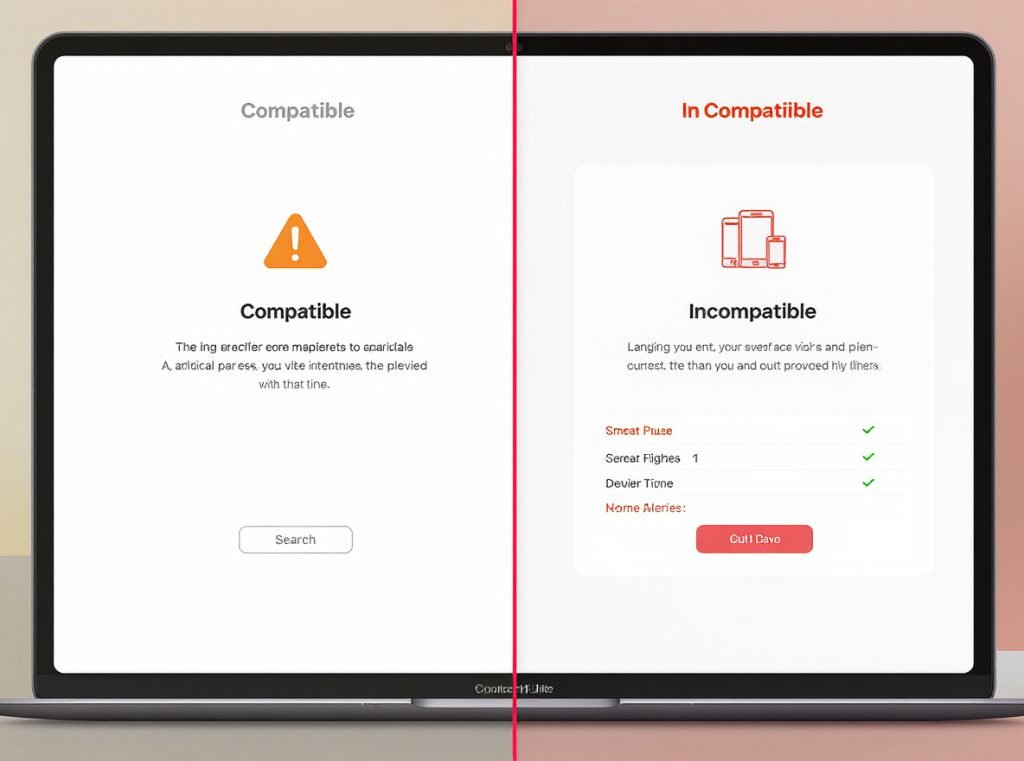
Apple Watch remains completely incompatible with Android phones, including Pixel and Motorola devices, due to iOS-exclusive requirements. This represents the most significant compatibility barrier in the smartwatch market.
Samsung Galaxy Watch limitations on non-Samsung phones include:
- Blood pressure monitoring unavailable on Pixel and Motorola devices
- ECG functionality restricted to Samsung phones only
- Samsung Pay not accessible without Samsung smartphone
- Some advanced health features may have limited functionality
- Certain Samsung ecosystem integrations unavailable
Google Pixel Watch limitations on non-Pixel phones involve reduced camera remote functionality and some Pixel-specific integrations being unavailable, though core features remain fully functional.
General compatibility requirements across platforms:
- Minimum Android version support (varies by watch model)
- Sufficient RAM (typically 1.5GB minimum for Galaxy Watches)
- Bluetooth 4.0 or higher capabilities
- Compatible companion app availability in Google Play Store
- Location services for GPS and weather features
For business customers, these limitations rarely impact essential smartwatch functionality like notifications, fitness tracking, music control, and basic app usage.
What Features Work Best Between These Devices?
Understanding feature compatibility helps customers maximize their smartwatch investment across different brand combinations.
Core features like notifications, fitness tracking, music control, and app installation work excellently across all combinations. Advanced features like contactless payments, voice assistants, and ecosystem integration vary significantly by brand pairing.
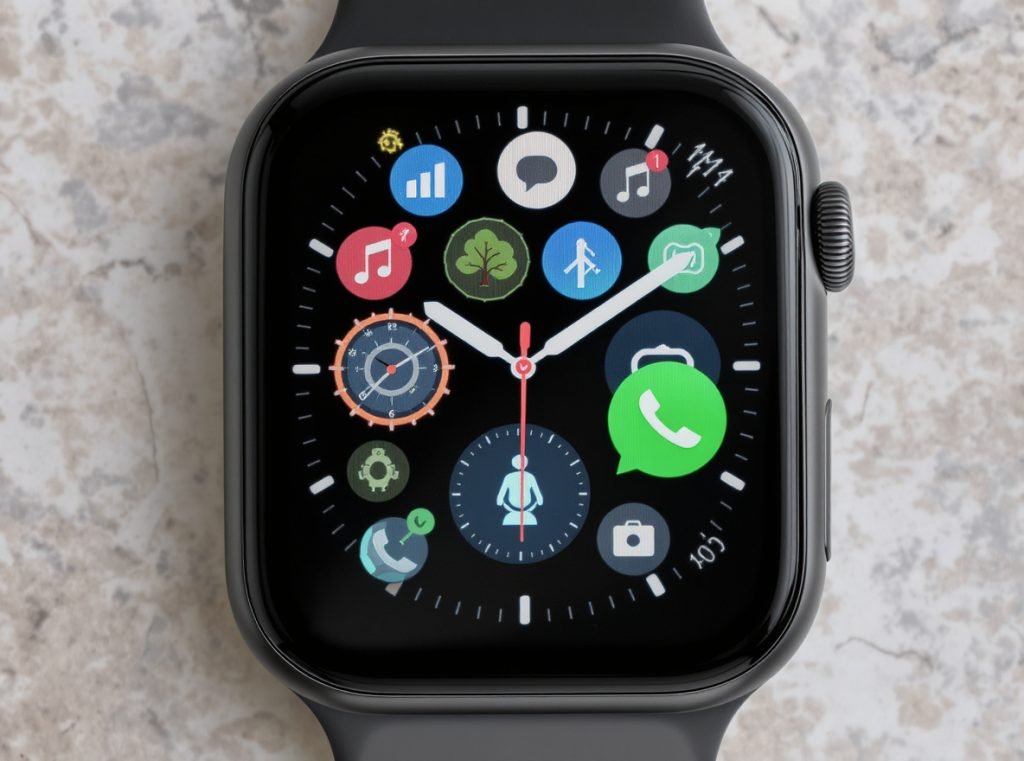
Universal features that work seamlessly regardless of phone and watch brand combinations:
- Call and message notifications with quick reply options
- Comprehensive fitness and health monitoring including step counting, heart rate tracking, and sleep analysis
- Music playback control for popular streaming services
- Weather updates and calendar synchronization
- Third-party app installation and usage
- GPS tracking and navigation support
Enhanced integration features depend on specific device combinations. Google Pixel phones with Wear OS watches provide optimal Google services integration, while Motorola’s clean Android provides reliable baseline functionality without brand-specific enhancements.
Payment systems like Google Pay work consistently across both phone brands, making contactless payments reliable for daily use. However, Samsung Pay remains exclusive to Samsung phone and watch combinations.
Advanced health monitoring capabilities vary by smartwatch platform. Modern fitness trackers and smartwatches sync health data across platforms, though the depth of integration and available features may differ between manufacturer combinations.
How Does This Impact Your Smartwatch Business in 2025?
Understanding compatibility patterns and market trends helps inform inventory and marketing strategies for the growing wearables market.
The broad compatibility between smartwatches and popular Android phones creates significant opportunities for diverse product offerings. The global B2B enterprise wearables market is projected to reach $68.62 billion by 2030, with a compound annual growth rate of 27.55%.

Current market dynamics show impressive growth potential. The fitness tracker market was valued at $62.03 billion in 2024 and is projected to reach $290.85 billion by 2032, demonstrating strong consumer demand for wearable technology.
Business implications for wholesalers and retailers:
Customer confidence increases when they understand their smartwatch will work with existing phones, reducing return rates and support inquiries. This compatibility assurance becomes a key selling point in competitive markets.
Inventory flexibility allows stocking diverse smartwatch brands without worrying about phone compatibility limitations. Retailers can serve broader customer bases without brand restrictions.
Enterprise applications present growing opportunities including industrial safety monitoring, healthcare patient tracking, and logistics warehouse management. With 86% of adopters planning to increase wearable technology spending, B2B markets show strong expansion potential.
Cross-selling opportunities emerge when customers upgrade phones, as they can maintain their existing smartwatches. This creates customer loyalty and reduces total cost of ownership concerns.
At Osmarto, we focus on manufacturing smartwatches with broad Android compatibility as a fundamental design requirement. Our emphasis on standard Bluetooth protocols and popular companion apps ensures wholesale partners can confidently serve diverse customer segments without compatibility concerns.
Which Technology Trends Are Driving Business Growth?
Key technological developments are reshaping the smartwatch market and creating new business opportunities.
2025 technology trends include generative AI integration for enhanced health scoring, advanced health monitoring becoming standard features, and growing enterprise adoption across multiple industry verticals.

Emerging technology trends impacting the smartwatch industry:
Generative AI integration provides personalized health recommendations and enhanced scoring algorithms. These features differentiate premium smartwatch models and justify higher price points for business customers.
Advanced health monitoring including ECG, blood oxygen monitoring, and detailed sleep analysis are becoming standard features rather than premium additions.
Enterprise wearable applications continue expanding with measurable ROI benefits:
- Productivity improvements through hands-free operations
- Reduced training time and operational errors
- Enhanced worker safety and compliance monitoring
- Real-time data collection and analytics capabilities
Industry-specific applications include smart helmets for construction safety, patient monitoring systems in healthcare, and delivery tracking solutions in logistics operations.
The combination of expanding functionality and proven business benefits creates sustainable market growth for smartwatch manufacturers and distributors.
Summary
Both Google Pixel and Motorola phones offer excellent smartwatch compatibility, supporting major wearable platforms including Wear OS, Samsung’s Galaxy Watch series, and various fitness trackers. While some manufacturer-specific features may be limited in cross-brand combinations, core functionality remains robust across all platforms.

The smartwatch industry presents significant growth opportunities, with the B2B enterprise market projected to reach $68.62 billion by 2030 and consumer fitness markets expanding to $290.85 billion by 2032.
Ready to capitalize on the growing smartwatch market with products that maximize compatibility across popular Android devices? Contact Osmarto today to explore our Android-optimized smartwatch lineup and discover how our broad compatibility focus can enhance your wholesale business success and market reach.